Classroom & Teacher Crafts With Safe, Reusable EVA Foam
If you've ever stood in the craft supply aisle trying to stretch a $50 budget across 30 kids, you already know the struggle. EVA foam classroom crafts have honestly changed the game for so many teachers I talk to — and once I explain what this material can actually do, people get genuinely excited. It's lightweight, it doesn't splinter, it doesn't require sharp tools for basic cuts, and the colors stay vivid wash after wash. For a classroom setting? That's basically a miracle material.
I started working with EVA foam years ago when I was building giant flowers for events here in Houston. But teachers kept reaching out asking if they could use the same foam for classroom projects. And the answer was a big, enthusiastic YES. Whether you're making a bulletin board display, a science project, a theater prop, or a hands-on art unit — this foam works beautifully and doesn't cost a fortune.
So let me walk you through everything: what to buy, how thick to go, what projects actually work, and how to make your supplies stretch across multiple school years. Real talk — this might be the most useful craft material you've never fully explored yet.
Key Takeaways
Ok, let me be honest with you. When most people hear "foam," they picture those thin craft foam sheets from the dollar store that fall apart after one use. That is not what we're talking about here.
EVA stands for Ethylene-Vinyl Acetate — it's the same material used in high-quality athletic shoe soles, yoga mats, and cosplay armor. It's dense, durable, and flexible all at once. And when it comes to classroom use, those properties translate into something really special.
It's Genuinely Safe for Kids
No sharp edges form when you cut it with scissors. No toxic fumes. No splinters. EVA foam is non-toxic and free of latex, which matters a lot when you're working with kids who may have sensitivities. I always recommend checking with your school's safety guidelines, but in general, this material checks every box.
It also doesn't crumble or flake — so cleanup is quick and you're not vacuuming up a million tiny pieces at the end of class. Any teacher who has used glitter knows exactly why that matters.
Here's what I love most about EVA foam for classroom use: it bounces back. You can fold it, roll it, store it in a bin, and pull it out the next year and it still looks great. Paper gets wrinkled, cardstock tears, but EVA foam? It just keeps going.
One teacher in our community told me she's been using the same set of foam petal templates for three years running. Three years! That's the kind of budget math that makes a department head happy.
This is where a lot of people get confused, so let me break it down simply. EVA foam comes in different thicknesses, and the right one depends entirely on what you're making.
My personal recommendation for most elementary classroom projects? Start with 2mm or 3mm sheets. They're easy for little hands to cut, they hold glue well, and they're forgiving when a kid inevitably cuts slightly off the line (which, let's be honest, is every kid).
For middle and high school art or drama programs, stepping up to 5mm or 6mm opens up a whole new world of 3D construction and structural projects. You can check out our full crafter's guide to every type of foam for giant flowers if you want to go deep on the material science side of things.
The Best EVA Foam Classroom Crafts by Grade Level
Let me give you actual project ideas — not vague suggestions, but real things I've seen teachers pull off beautifully with EVA foam. These are organized by grade band so you can jump straight to what's relevant for you.
💡 Pro Tip
Pre-cut your foam shapes the night before using a template and craft knife — this saves enormous amounts of class time and keeps younger students from frustration. Store pre-cut pieces in labeled zip-lock bags by project. You'll thank yourself when you pull them out next year.
Here's where I want to get really practical with you. EVA foam is already affordable compared to most craft materials — but there are ways to stretch it even further that I've learned from years of running a craft-based business.
When you buy individual pre-cut sheets, you're paying for convenience. When you buy a roll of EVA foam, you're paying for material. The difference in cost per square foot is significant — especially when you're outfitting a class of 25 or 30 students.
Our EVA foam rolls and sheets come in sizes and thicknesses that are specifically designed for high-volume crafting. You can cut exactly what you need, with zero waste if you plan your cuts.
Cut your master shapes from a thicker piece of foam or cardboard, then trace around them season after season. One good petal template can produce hundreds of flowers. One leaf shape can fill a bulletin board every fall for the next decade.
This is the mindset shift that turns a one-time supply purchase into a long-term classroom asset.
Pair With Bendable Pipes for 3D Structures
If you want to take classroom foam projects to the next level — especially for science fairs or display projects — our bendable pipes work beautifully as internal supports. Students can create freestanding foam flowers, trees, or structures that actually stand up on a table without flopping over.
Pair that with our flower molds and suddenly you're running a project that looks like it came from a professional event studio. Kids go absolutely wild for it.
🌸 Ready to stock your classroom?
Browse our full EVA foam collection — rolls and sheets in every thickness, ready to ship straight to your school or home.
One of the most common questions I get from teachers is: "What can I use to decorate EVA foam?" Great news — EVA foam plays nicely with a lot of common classroom supplies.
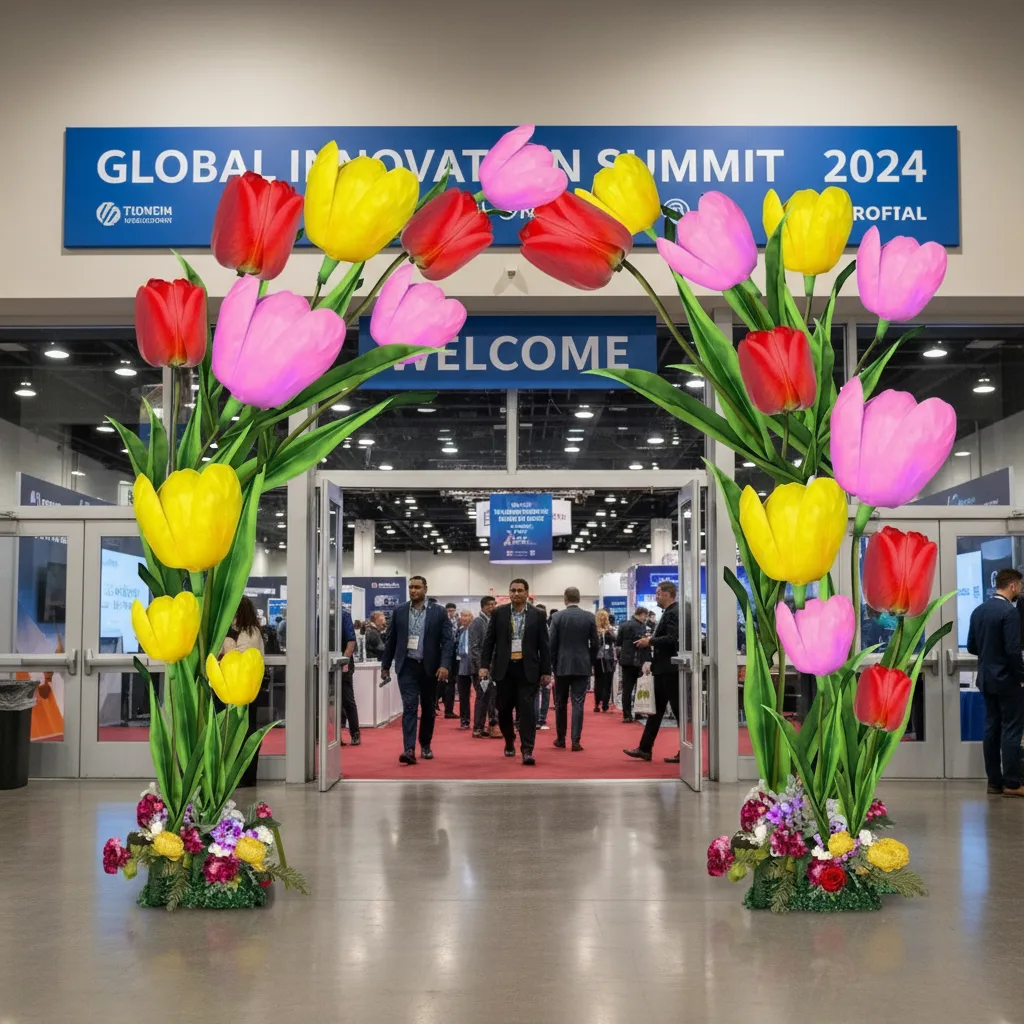
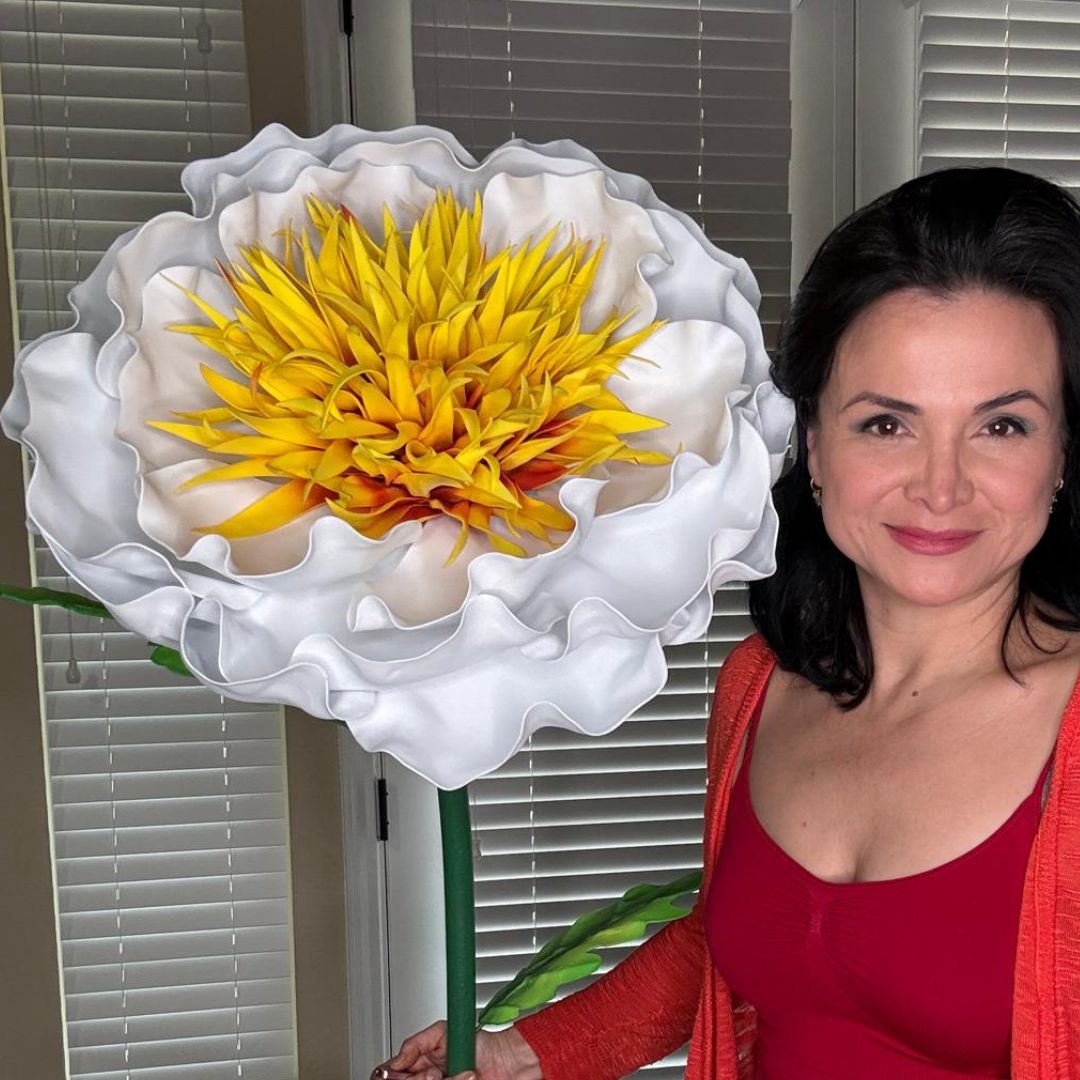
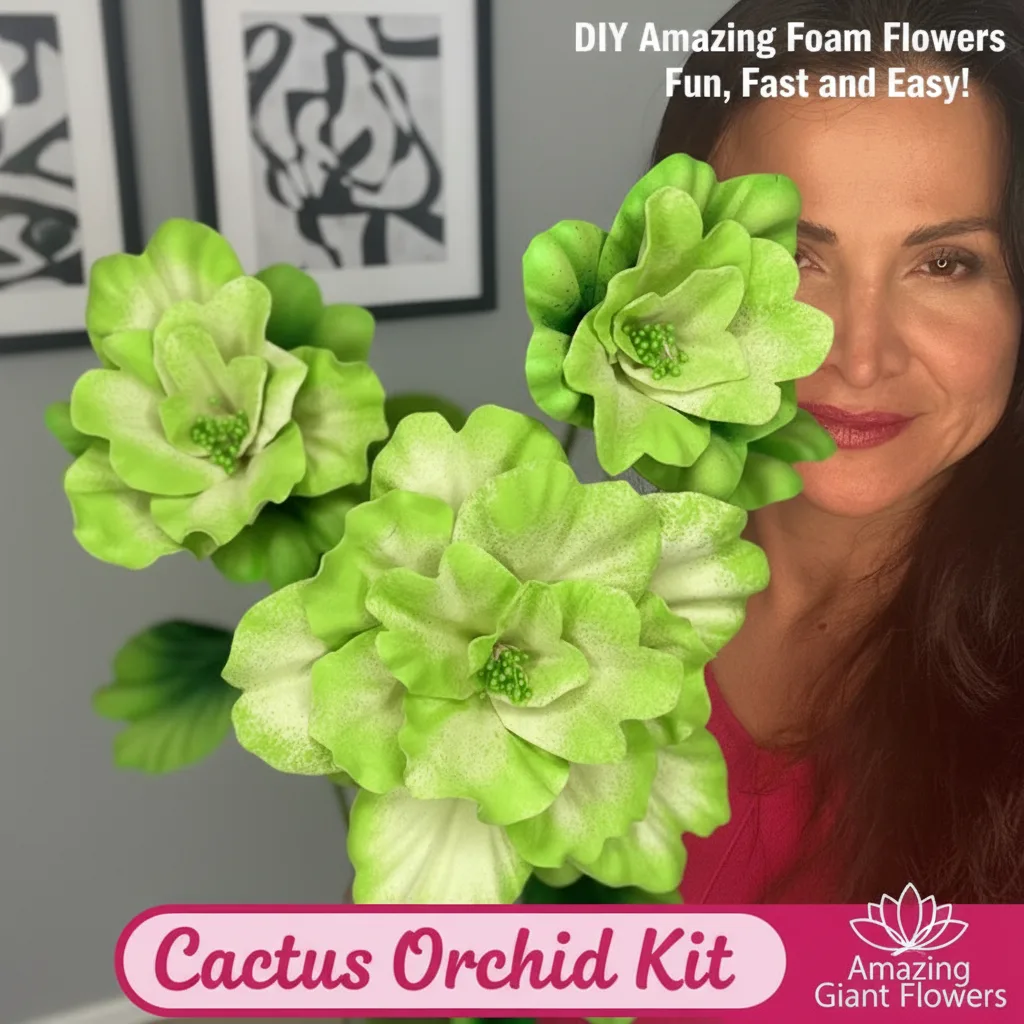
Ok, this is where it gets really fun. One of the most show-stopping things you can do with EVA foam in a classroom is create giant flowers for bulletin boards, hallway displays, or school events.
I've seen teachers use our foam to build entire garden-themed reading corners, spring hallway installations, and graduation backdrops that honestly look like they came from a professional event decorator. The secret is that EVA foam holds its shape when you curl the petals — no wiring needed for basic display pieces.
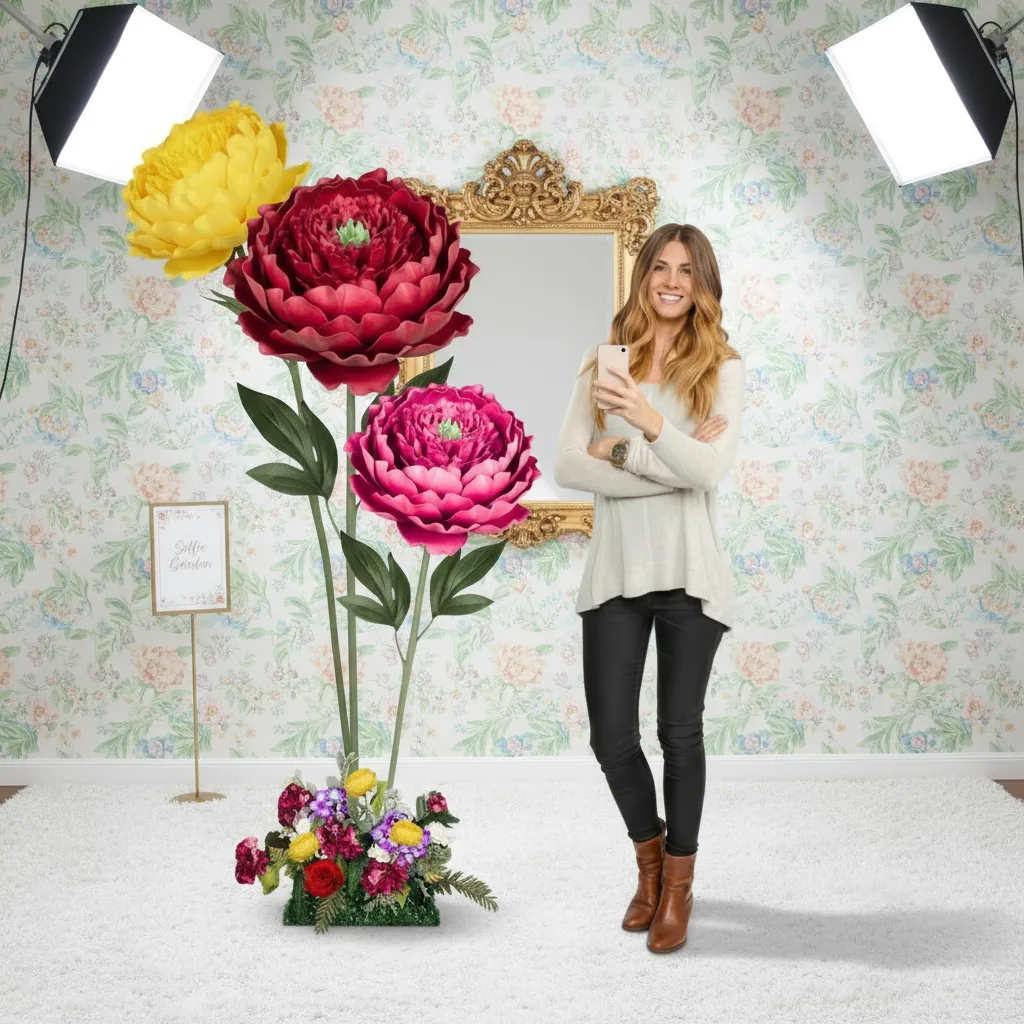
If you want to go big (and I mean really big), our freestanding flower kits are a fantastic option for school events, picture days, or end-of-year celebrations. They're reusable, they store flat, and they make an incredible impact. I also wrote a full guide on DIY giant flower backdrops for photos that teachers have told me is super helpful for school event planning.
For a classroom-scale project, though, even simple 12-inch foam flowers made from 3mm sheets are stunning when grouped together on a bulletin board. Students can each make one and contribute to a collective display — it's collaborative, it's beautiful, and it teaches them that individual effort creates something bigger than themselves. Which, honestly, is a pretty great lesson.
Frequently Asked Questions

Is EVA foam safe for young children to handle?
Yes — EVA foam is non-toxic, latex-free, and doesn't produce sharp edges when cut with scissors. It's one of the safest craft materials you can use in a classroom setting. As with any craft project, adult supervision is recommended, especially when heat tools or craft knives are involved. For younger students (K–2), scissors are all you need for 2mm foam, which keeps everything age-appropriate.
Can EVA foam be washed or cleaned between uses?
Absolutely. EVA foam can be wiped clean with a damp cloth, and most painted surfaces are durable enough to withstand gentle cleaning. This is one of the biggest advantages over paper-based craft materials — your reusable templates and display pieces can be freshened up between school years without any degradation in quality.
What's the difference between EVA foam and regular craft foam sheets?
Regular craft foam sheets (the thin ones from dollar stores) are often made from lower-density EVA or similar materials and are not designed for durability. High-quality EVA foam is denser, more resilient, and holds its shape much better over time. It also responds better to heat shaping, paint adhesion, and structural use. If you've been disappointed by flimsy craft foam in the past, quality EVA foam from a dedicated supplier will feel like a completely different material.
How do I cut EVA foam cleanly for classroom use?
For 2mm–3mm foam, regular scissors work great — even for students. For thicker foam (5mm and up), a sharp craft knife and cutting mat give
Ready to Create Something Amazing?
Browse our collection of giant flower kits and start your next project today.