Amazing Giant Flowers by Adriana Wells

DIY Giant Flower Backdrop for Photos: Easy Guide

Adriana Beaman April 30, 2026 16 min read
DIY Giant Flower Backdrop for Photos: Easy Guide

You’re probably staring at an empty wall, a pile of paper or foam, and a saved folder full of inspiration photos that look simple until you think about building one. That’s normal. A DIY giant flower backdrop for photos looks magical in finished pictures, but the difference between “camera-ready” and “falling apart before guests arrive” comes down to planning, structure, and restraint.

Most tutorials focus on petals. Real events punish weak frames, rushed mounting, and flowers that only look good from one angle. If you want a backdrop that survives setup, guest traffic, transport, and a long photo line, you have to treat it like both a craft project and a temporary installation.


A good one gives you more than decor. It creates a focal point, hides an ugly venue wall, defines a photo area, and makes portraits feel intentional. The build can absolutely be DIY. It just needs to be approached with the same practical mindset a set designer or event stylist would use.

Ambition is great. Scale is what surprises people.


A dense paper flower wall gets big fast. One popular tutorial for an 8'x8' paper flower wall uses 285 individual paper flowers and over 1,100 sheets of cardstock (Jennifer Maker’s backdrop tutorial). That’s the kind of detail that changes how you plan your timeline, workspace, storage, and budget before you cut the first petal.

An infographic titled DIY Giant Flower Backdrop Planning Guide comparing strategic planning steps against common pitfalls.

Start with the event, not the flowers

The smartest first question isn’t “what flower should I make?” It’s “what does this backdrop have to do?”

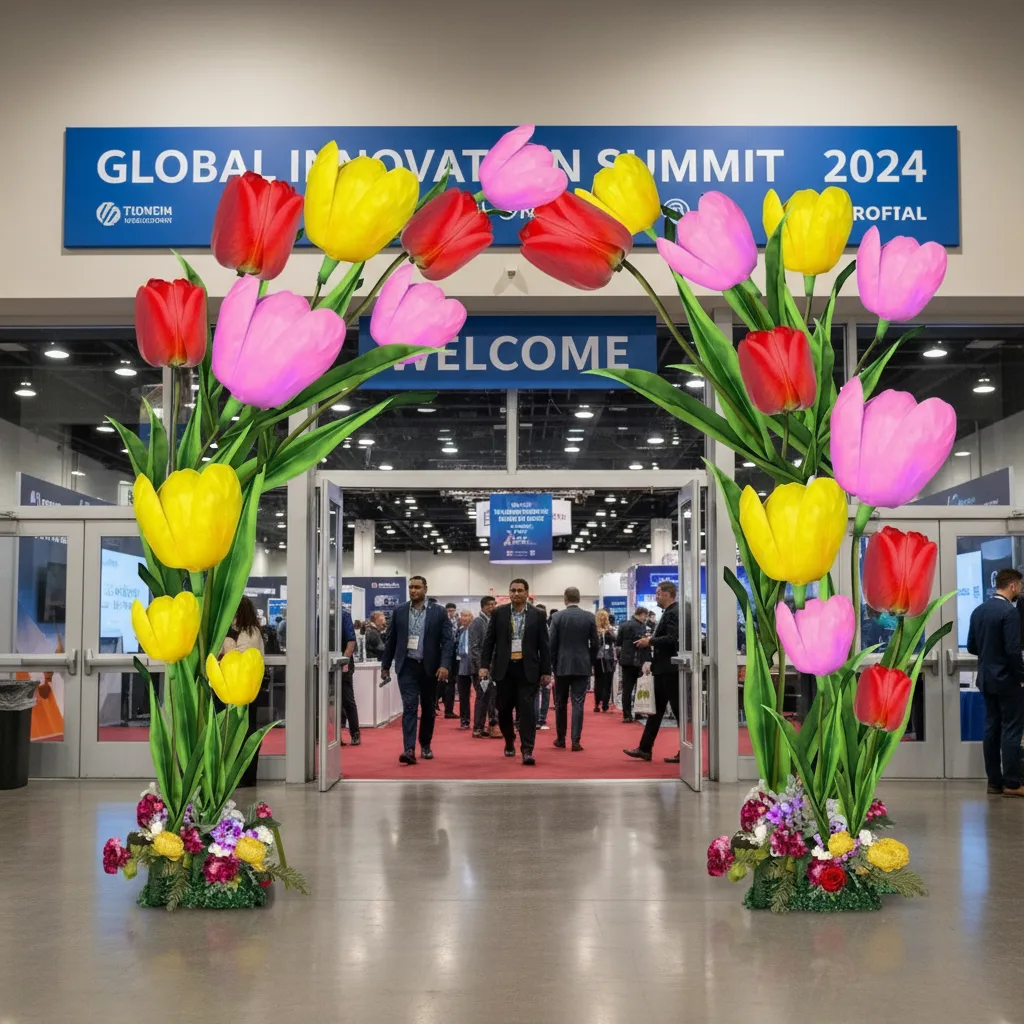
A baby shower corner, a wedding photo spot, a retail display, and a trade show selfie wall all need different things. Some need soft texture and pretty close-up photos. Others need fast setup, repeat use, and materials that won’t wrinkle during transport.


Use this short planning filter:

Practical rule: If the backdrop must stand on its own or travel to more than one event, plan the structure before you choose the flower style.


Cardstock is still the classic choice because it photographs well, comes in many colors, and gives crisp petal edges. But paper has limits. It dents, absorbs humidity, and can start looking tired after one event if it’s handled roughly.

EVA foam solves different problems. It’s better when you need flexibility, repeat use, and flowers that can survive packing without every petal needing repair. If you’re comparing materials, this guide to types of foam for flower making is useful for understanding how different foam options behave in shaping and finished builds.

A simple comparison helps:

Material Best for Main drawback
Cardstock Indoor one-time events, crisp layered flowers, color matching Creases and tears more easily
Crepe or butcher paper Lightweight suspended flowers, softer look Less durable, more vulnerable to sagging
EVA foam Reusable installs, freestanding builds, transport-heavy jobs Different finish than paper, needs heat shaping technique

Build the shopping list before the pretty part

The most common beginner mistake isn’t ugly flowers. It’s forgetting all the unglamorous supplies that keep the project moving.

At minimum, plan for:


Good flower walls don’t rely on random variety. They rely on controlled variation.

Pick:


That keeps the backdrop cohesive and speeds up production because you’re not reinventing each bloom. If you’ve built enough of these, you learn that consistency reads as luxury in photos.

At this point, the project either starts to feel satisfying or turns into chaos. The trick is to stop thinking “I need a hundred flowers” and start thinking in batches, sizes, and repeatable motions.


A pair of hands crafting a delicate paper flower with pink and blue tissue paper sheets.

Classic template systems are still useful because they give you proportions that work. Established DIY tutorials use petal sizes ranging from 3" x 4" extra-small to 10.5" x 7.5" extra-large, which is why the finished wall looks layered instead of flat (template sizing reference from Catching Color Flies tutorial video).

Use a flower recipe, not random assembly

When I build flowers for a wall, I don’t freestyle each one. I use a repeatable recipe for each style. That’s how you avoid a backdrop where every bloom looks like it came from a different project.

A practical recipe might look like this:


Cut by batch size

Shape in rounds


Assemble from center out

Flatten the back


The biggest giveaway of a homemade backdrop is flatness. Flowers need depth, but controlled depth.

Use these upgrades:


For crafters working in foam, these EVA foam flower techniques with Blossom foam show the kind of shaping that helps petals read better on camera.

Flowers don’t need to be identical. They need to look like they belong to the same family.


A photo backdrop usually needs at least three bloom behaviors:

If you’re teaching a team or crafting with helpers, assign one person to each stage rather than one person per flower. One cutter, one shaper, one assembler is much smoother than three people each making totally different blooms.

Here’s a good visual walkthrough for assembly pacing and petal handling:

Speed shortcuts that actually help

Not every shortcut improves the result. These do:

What doesn’t help is rushing glue cure time or skipping shaping. Fast cutting with flat petals just gives you a bigger pile of mediocre flowers.


The flowers are the art. The structure is the jobsite reality.

If the frame is wrong, the whole backdrop becomes stressful to transport, hard to install, and unsafe once guests start using it. This stage needs a different mindset from flower-making. You’re building a support system, not decorating yet.


A pair of hands assembling colorful foam-covered tubes for a DIY giant flower backdrop frame construction.

I choose structure based on installation type, not based on what material I already have in the garage.

Best options for most DIY builds:

  • Foam board panels

    PVC frame with mounted panels


    Wood frame

    Before attaching a single flower, test the bare structure.


    Check:

    A lot of floral wall frustration comes from skipping this dry fit. The flowers get blamed when the underlying problem is panel flex or a frame that twists.


    For many builds, I prefer mounting flowers to panels first, then attaching panels to the frame. It’s cleaner and easier to repair.

    Useful attachment methods include:


    If you want examples of dimensional floral walls and how the overall mass reads visually, this gallery of oversized foam flower wall art is a helpful reference for layout thinking.

    This is the part many DIY tutorials skip, and it’s the part that matters most once guests arrive.


    Many online guides show flowers hung with string and tape, but that approach is unreliable in real event conditions. Reports in user comments and forums reflect that problem, and one industry survey cited in this context suggested as many as 42% of DIY backdrops collapse mid-event due to poor support (discussion around giant flower photobooth backdrop methods). If your backdrop is only meant for a quick craft-room photo, maybe you can take that risk. If people are gathering around it in formalwear, heels, or with children nearby, you can’t.

    A person kneeling to secure a large, colorful, textured paper-mache floral art installation outdoors.

    Why tape-and-string fails in the field

    Tape works until the wall surface changes, the room warms up, or the weight shifts. String works until guests brush past the piece or airflow starts moving the flowers. Neither gives you dependable load distribution.

    Common failure points include:


    Safety check: If you can rock the frame with one hand during setup, guests can rock it harder by accident.

    Use the venue to your advantage, but don’t depend on the venue to rescue a weak design.


    This is the easiest scenario and the safest for most DIYers.

    Use:


    Avoid relying on removable adhesives as the main structural solution. They can help manage cable or panel position, but they shouldn’t carry the load.

    This needs a proper base. The frame should resist tipping forward, backward, and sideways.

    Good practice includes:

    • Wide feet or outriggers
    • Rear weighting hidden behind drape or lower flowers
    • Cross-bracing so the structure doesn’t rack
    • Segmented panels rather than one giant flexible sheet

    Outdoor setup

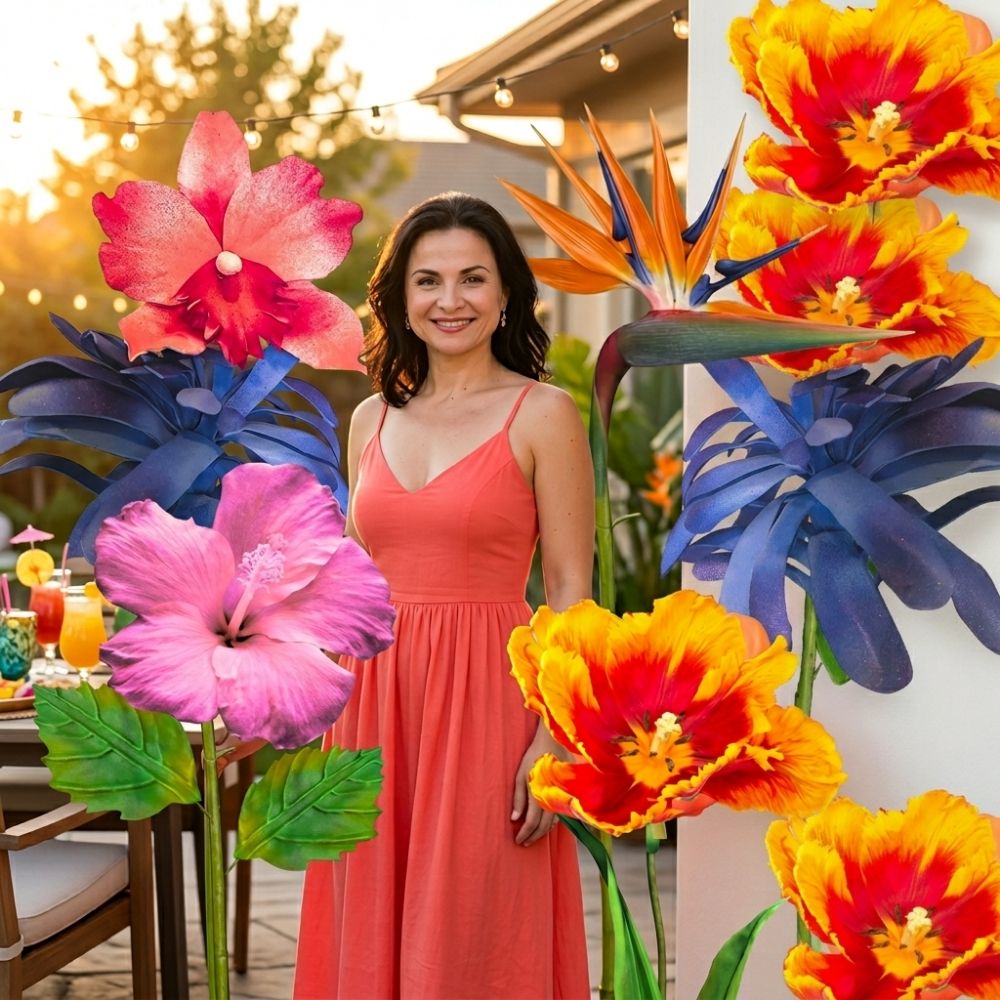
    Paper and wind are bad partners. If the event is outdoors, reduce sail effect. That means fewer oversized open petals, tighter flower profiles, and a sturdier frame than you think you need.

    If weather is uncertain, foam is often the more practical material for the flowers themselves because it handles movement and transport better than paper. For planners comparing options beyond full DIY, this overview of flower wall backdrop rental considerations is useful for thinking through setup responsibility and venue logistics.


    I keep these rules simple and firm:

    A flower wall should invite photos, not supervision.


    A finished backdrop can still photograph poorly if you stop at installation. Styling and lighting are what turn it from “nice decor” into the thing everyone walks toward with their phone already out.

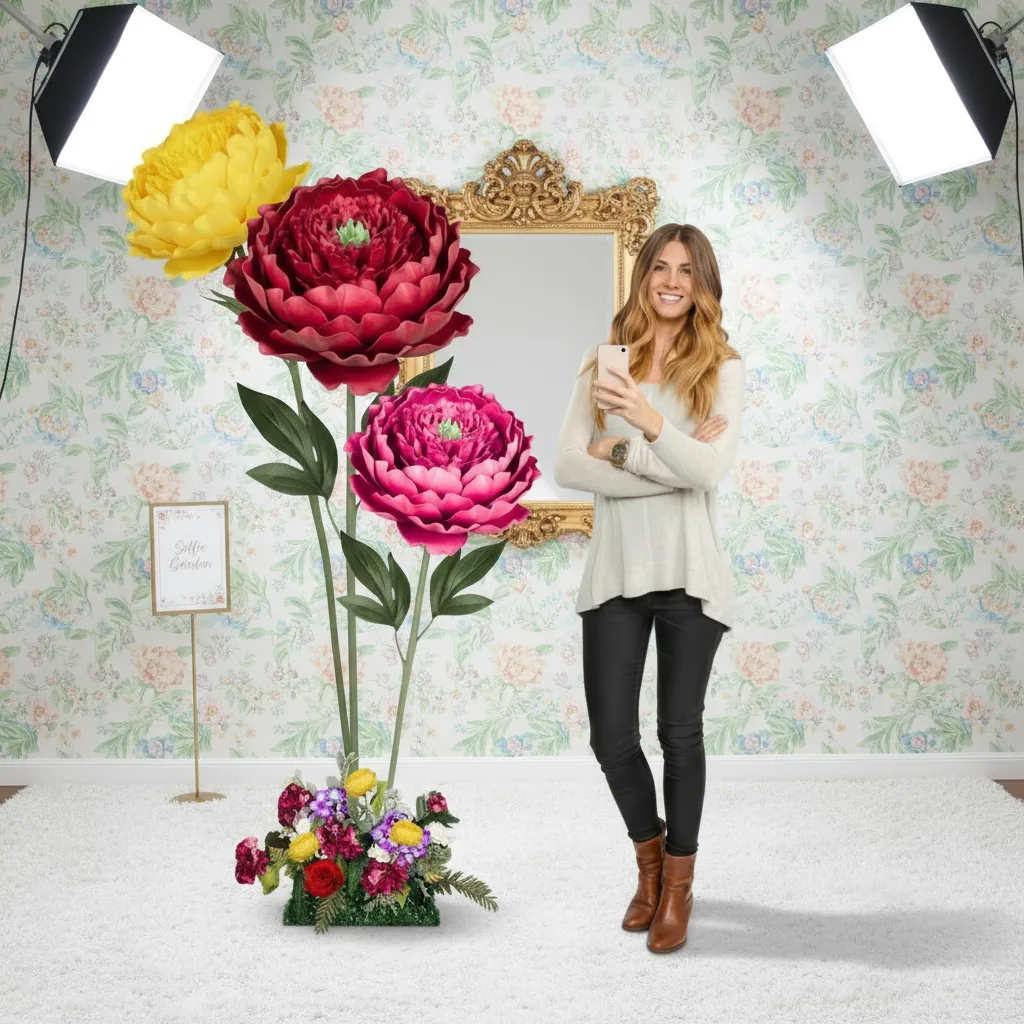
    The strongest setups have a clear photo side. That sounds obvious, but it changes everything. Once I know where the camera-facing side is, I can style density, greenery, and lighting for the lens rather than for a full 360-degree view nobody will use.


    A wall packed edge to edge with flowers can still look flat. The fix is contrast.

    Try this layering approach:

    • Large blooms where you want the eye to land first
    • Medium flowers to connect those focal points
    • Greenery or leaf shapes tucked into awkward gaps
    • Negative space in a few small areas so the wall can breathe

    I like greenery most when it breaks circles and softens seams between flowers. It also helps disguise attachment points and panel lines without making the wall feel crowded.

    A backdrop reads best in photos when it has rhythm. Repetition plus interruption is what gives it life.


    Guests care about their faces before they care about your petals. If the floral wall is gorgeous but the light casts eye shadows or harsh shine, the photo spot won’t get used as much as it should.

    A practical lighting setup often includes:


    If the backdrop will be used for clips as well as stills, these pro techniques for video are worth reviewing because video exposes bad lighting choices faster than photos do.

    Different events need different moods.


    For more scene ideas beyond florals alone, these DIY photo booth backdrop ideas can help when you want to combine flowers with signage, balloons, or layered props.

    The backdrop does part of the work. The rest is positioning.


    Encourage:

    The best compliment a backdrop can get is that people use it without needing instructions. Good styling makes that happen.


    Even a strong build needs a fix-it mindset onsite. Most problems aren’t disasters if you catch them early and know what’s causing them.

    Problem
    A bloom starts facing downward or rotating away from the camera.


    Cause
    The flower is too heavy for its attachment point, or the backing surface is flexing.

    Solution

    • Reinforce from behind with floral wire or an extra anchor point.
    • Remove one or two outer petals if the bloom is oversized for the mount.
    • Shift that flower lower on the wall where weight is less noticeable.

    Gaps suddenly look obvious onsite

    Problem
    The wall looked full in the studio, but the venue lighting reveals holes.

    Cause
    Directional light creates shadows, or flowers were spaced for storage rather than final display.


    Solution

    Problem
    Edges bend, centers flatten, or petals crease.


    Cause
    Flowers were packed too tightly or stacked face-down without support.

    Solution

    • Reshape with gentle hand pressure or heat if your material allows it.
    • Transport larger blooms upright in shallow boxes whenever possible.
    • Store by size so heavy flowers don’t sit on delicate ones.

    Pack for vibration, not just for space. The drive to the venue does more damage than the shelf.

    Problem
    The backdrop feels stable in one spot but shifts once positioned.


    Cause
    Venue floors are rarely as level as workshop floors.

    Solution


    Problem
    You touch the wall and pieces detach.

    Cause
    Glue bond failed, surface dust prevented adhesion, or flowers were mounted before panels were fully supported.

    Solution

    • Clean the attachment area.
    • Use mechanical reinforcement for heavier pieces.
    • Keep a repair station with glue, clips, spare petals, and extension power nearby.

    You need to store it for reuse

    Problem
    The event is over, but you want the DIY giant flower backdrop for photos to survive another round.

    Cause
    Most damage happens during breakdown and storage, not during the event itself.

    Solution

    • Label panels by position.
    • Wrap delicate faces lightly, not tightly.
    • Store in a dry area away from heat and direct sun.
    • Keep a photo of the final layout in the storage bin so reinstallation is faster.

    A backdrop worth building is worth storing properly.


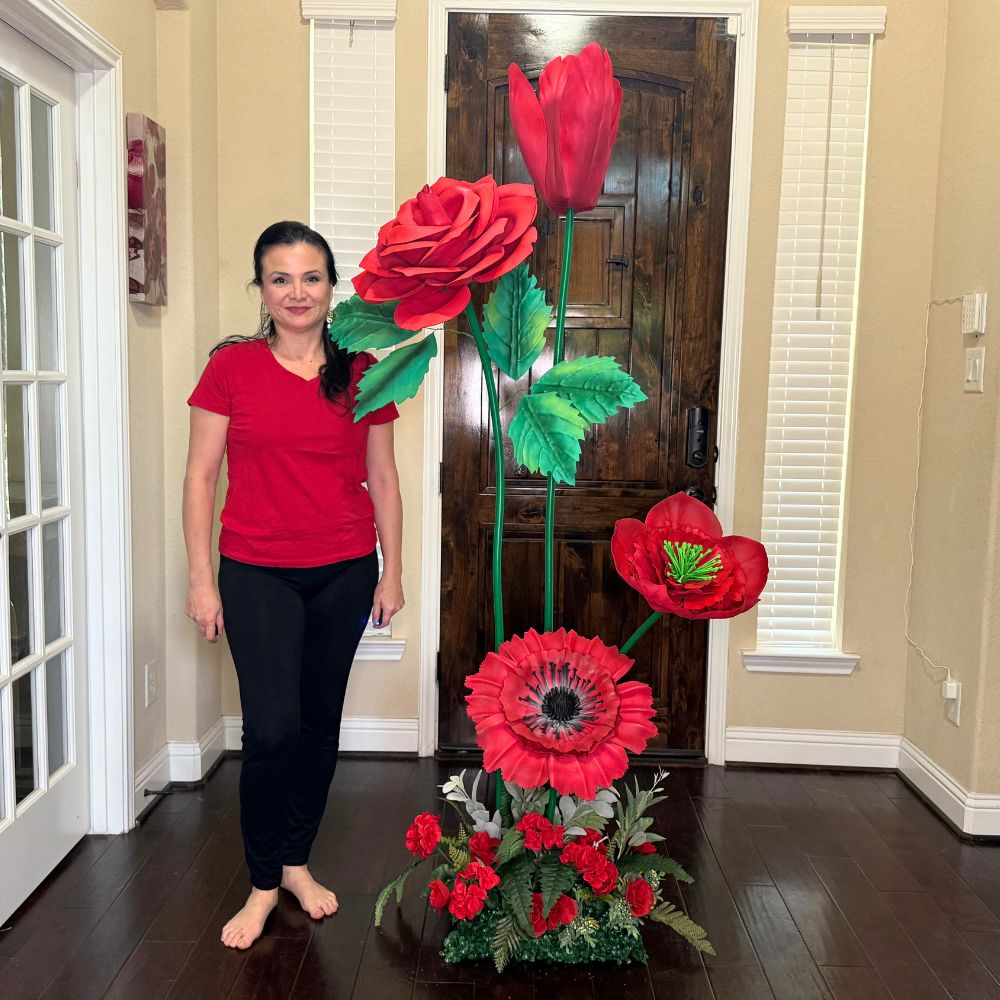
    If you want a faster route than building every component from scratch, Amazing Giant Flowers offers oversized floral installations and DIY kits in EVA foam for backdrops, events, and photo moments. That can be a practical option when you need durable flowers, repeat use, or a starting point that still leaves room for your own styling.

Ready to Create Something Amazing?

Browse our collection of giant flower kits and start your next project.

Shop All Flowers