Giant Dahlia Flower: Paper vs Foam Methods Compared
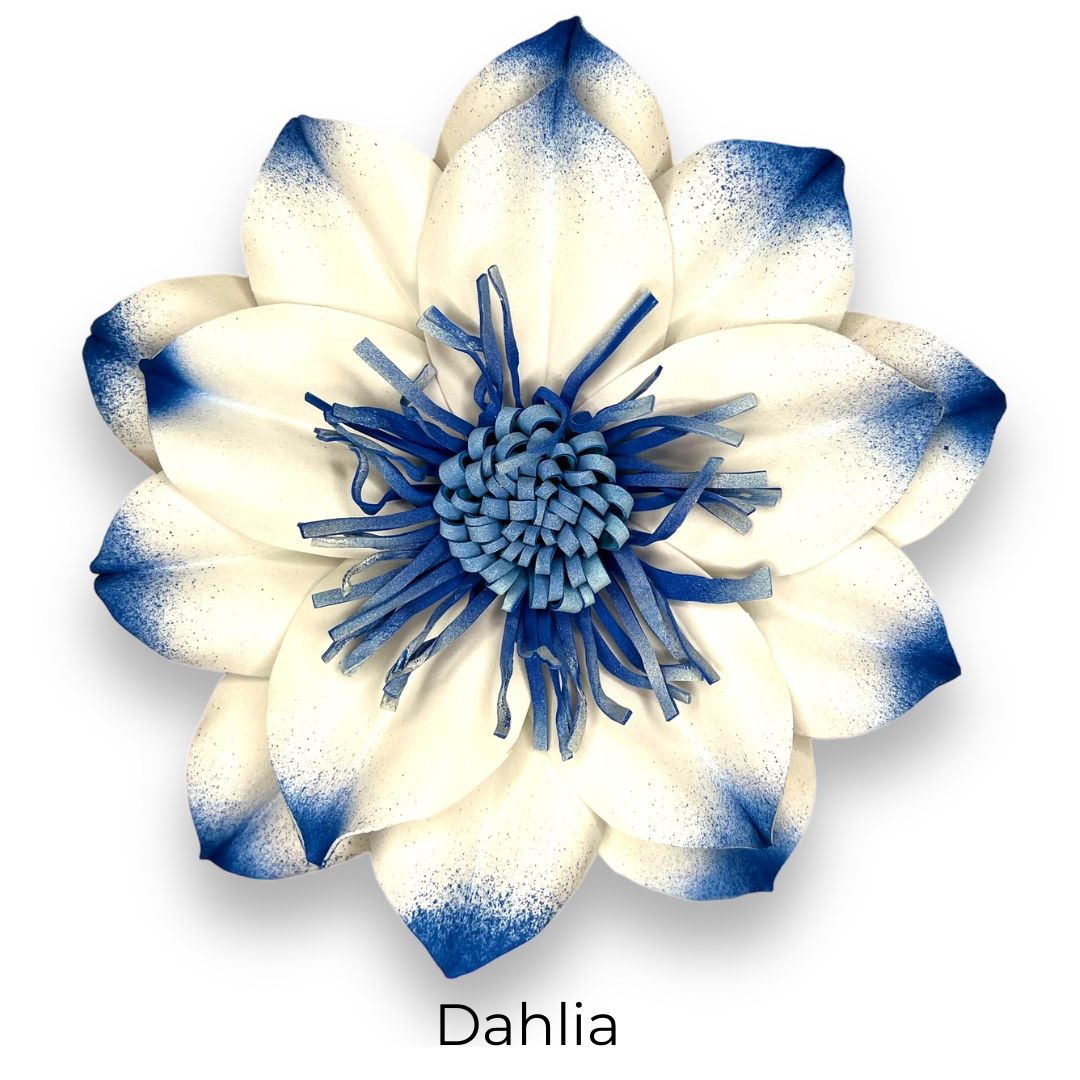
If you've been searching for the perfect giant dahlia paper foam flower method, I need you to know something upfront: I have made these flowers both ways. A lot. Like, embarrassingly a lot. And the difference between paper and foam is not just a material preference — it genuinely changes the entire experience of building, displaying, and loving your finished piece.
So whether you're a bride trying to stretch your floral budget, an event planner who needs 20 identical blooms by Friday, or just someone who fell down a craft rabbit hole at midnight — this comparison is for you.
I'm going to walk you through everything. Cost, durability, look, difficulty, and honestly where each method shines and where it totally falls apart. No fluff. Just real talk from someone who's been elbow-deep in both materials for years.
Dahlias are the showstopper of the flower world. Those tight, layered petals spiraling out from the center — they're almost hypnotic.
When you scale that up to 2, 3, even 4 feet across, the effect is absolutely jaw-dropping. I've watched grown adults stop mid-sentence and just stare.
According to The Knot, dahlias consistently rank among the top five most-requested wedding flowers — and that demand has pushed couples and planners to find creative, budget-friendly alternatives to fresh blooms.
Fresh dahlias are gorgeous but they're also expensive, seasonal, and gone in days. A single large fresh dahlia centerpiece can run $80–$150 and wilts before the weekend is over.
A Brides.com survey found couples spend an average of $2,000–$2,500 on wedding flowers alone. Giant paper or foam dahlia alternatives can slash that number dramatically.
That's exactly why I started making giant versions in the first place. My clients wanted that lush, layered dahlia look without the floral bill. And honestly? The giant versions look even more dramatic than the real thing.
Let me be really clear about what we're comparing here, because "paper" covers a wide range of materials and not all of them are created equal.
When I say paper methods, I'm talking primarily about cardstock, crepe paper (100gsm–160gsm), and tissue paper. These are the classic DIY materials you'll find in most Pinterest tutorials.
When I say foam methods, I'm talking about EVA foam sheets — typically 2mm, 3mm, or 6mm thickness — which is what we use here at Amazing Giant Flowers. This is a completely different animal.
The Paper Method: What You're Actually Working With
Paper dahlias have been around forever. The tutorials are everywhere. The materials are cheap and accessible.
The most popular paper choice for giant dahlias is Italian crepe paper at 160gsm. It stretches, it cups, it holds a curve. If you're going paper, this is the one to use.
Honestly? Skip the cheap crepe paper. The thin stuff tears mid-petal, the color bleeds if it gets damp, and the finished flower looks flat and sad. I learned this the hard way on a 30-flower wedding order that nearly broke me.
Cardstock dahlias are another option — very structured, very geometric, very origami-adjacent. They look stunning in flat lays and photo shoots but they don't handle humidity, outdoor settings, or any kind of touch well at all.
Tissue paper is the most budget option. But for a giant dahlia? The petals go limp. They wrinkle. They look beautiful for about four hours and then they look tired.
Paper methods work beautifully for short-term indoor displays, photo shoots, and one-time events where the flowers won't be touched or moved much.
The Foam Method: Why It Changes Everything
EVA foam is the material that changed my entire business. The first time I made a giant dahlia from foam instead of paper, I just stood back and laughed because it was so obviously better.
The petals hold their shape. They have a slight flex that mimics a real petal. You can shape them with a heat gun, curl the tips, cup the bases — and they stay exactly where you put them.
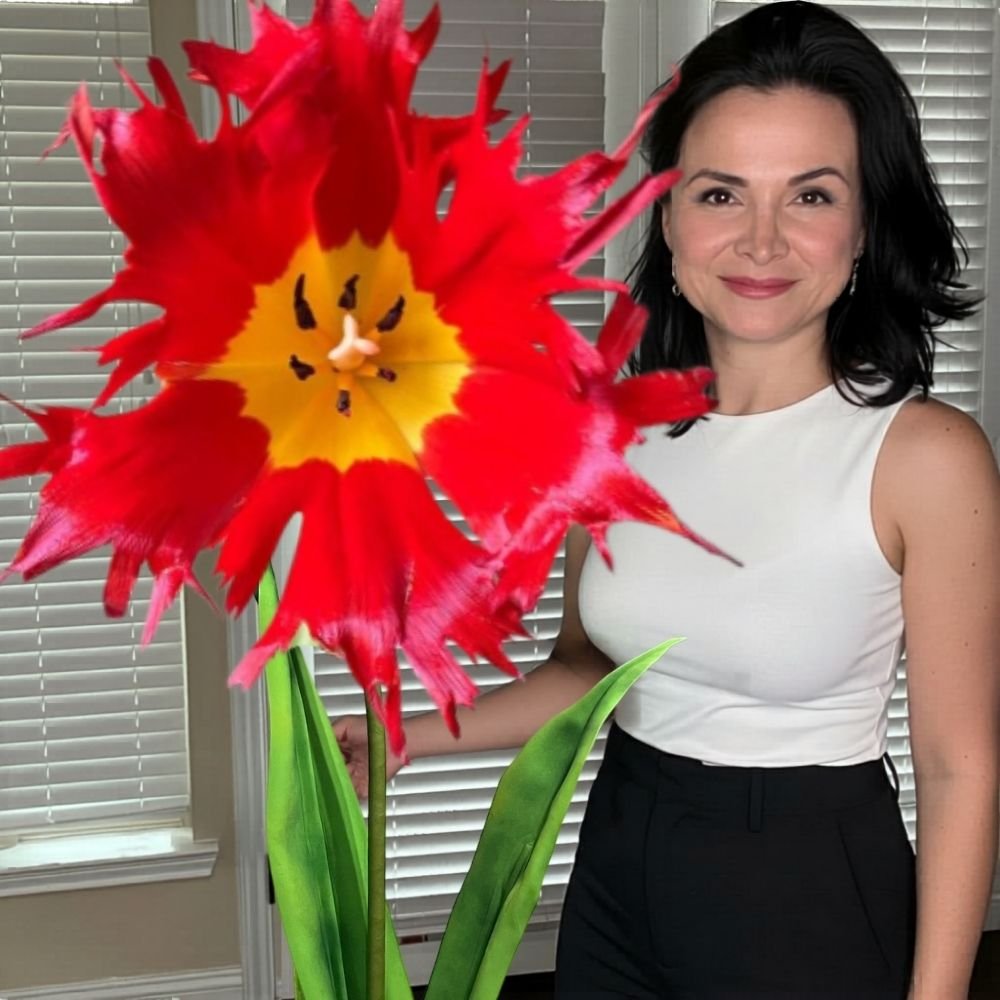
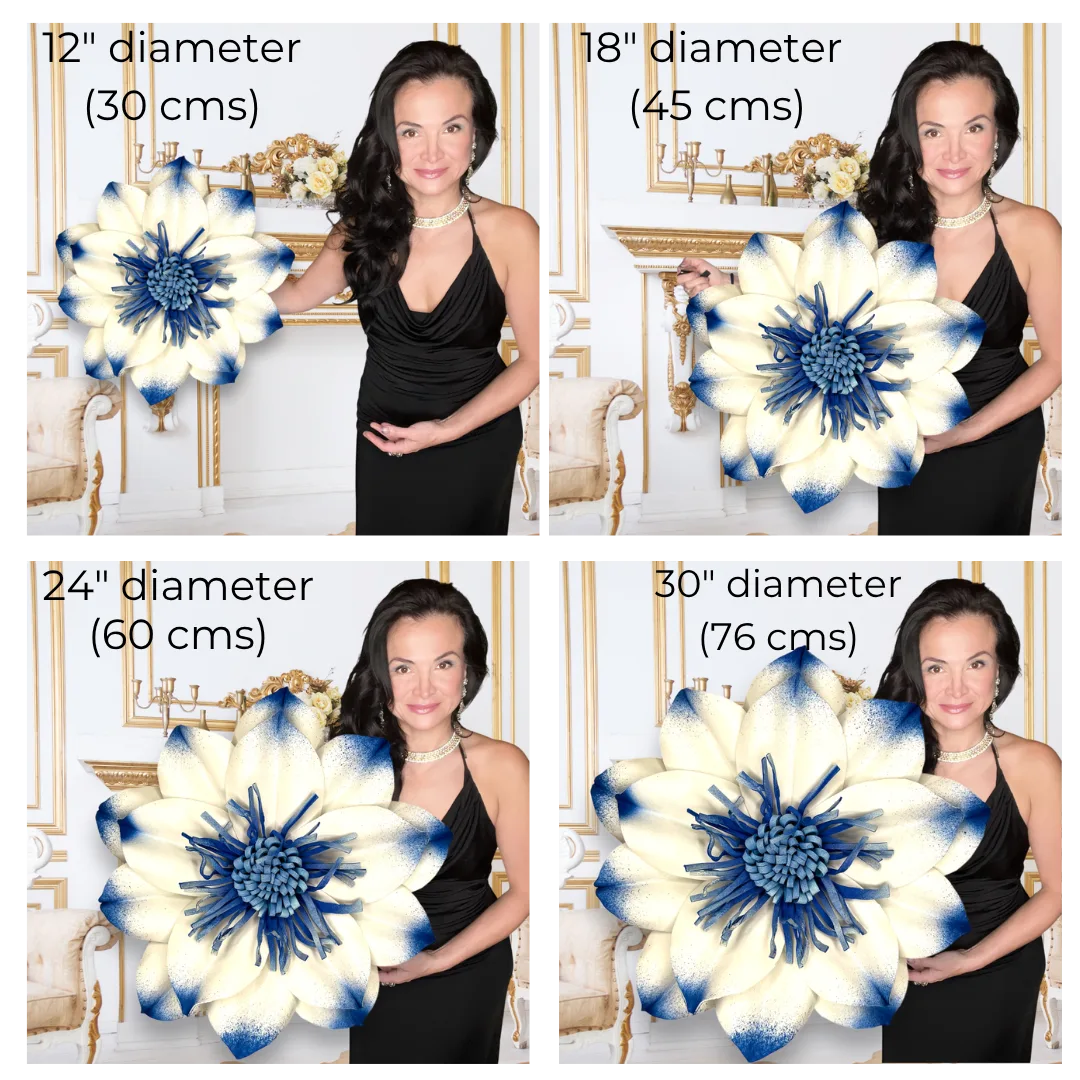
Our pre-cut EVA foam kits come with every petal already sized and shaped, so you're not spending three hours cutting. You're just building. And the result is a 2–5 foot dahlia that looks genuinely breathtaking.
EVA foam is also waterproof, lightweight, and surprisingly durable. I've had customers tell me their foam dahlias survived an outdoor wedding in Texas summer heat and still looked perfect for the anniversary party a year later.
According to Statista, the US event planning industry generates over $5 billion annually — and professional event decorators are increasingly turning to reusable foam florals because they dramatically reduce per-event costs.
That reusability factor is huge. A foam dahlia you make once can be used at 10, 15, even 20 events. Paper? You're lucky to get two uses out of it.
Side-by-Side: Cost, Time, and Results
Ok, this is where it gets really practical. Let me break down what you're actually spending — in money and time — with each method.
The math on reusability is where foam really wins. If you're an event planner doing even four events a year, a set of foam dahlias pays for itself in the first season.
Paper flowers, even beautiful ones, are essentially a single-use investment. There's nothing wrong with that for a one-time wedding or baby shower — but go in with clear eyes about what you're getting.
Time is money, too. I can't tell you how many brides have come to me two weeks before their wedding having started a paper dahlia project and completely underestimated how long it would take.
Giant flowers take longer than they look. A 3-foot paper dahlia with full layered petals can take an experienced crafter 4–6 hours. A beginner? Double that.
Foam is faster to shape, faster to glue, and more forgiving when you make a mistake. That matters a lot when you're under deadline pressure.
Which Method Is Right for Your Specific Situation

Here's the real answer: it depends on what you're making it for. I know that sounds like a cop-out but it's genuinely true.
Let me make this easy for you.
Choose paper if:
Choose foam if:
Real talk? Most of my customers who start with paper end up switching to foam after their first big project. Not because paper is bad — but because once you feel how a foam petal holds its shape, it's hard to go back.
According to IBISWorld, the US floral industry is worth $7.9 billion — and the artificial and alternative floral segment is one of its fastest-growing categories, driven largely by event professionals looking for cost-effective, reusable solutions.
If you're planning a quinceañera, graduation party, or baby shower, I'd especially push you toward foam. These are events with lots of energy, lots of people, and lots of photos — your flowers need to look perfect from the first guest to the last. Check out our guides on quinceañera backdrop ideas and baby shower backdrop ideas for foam dahlia inspiration.
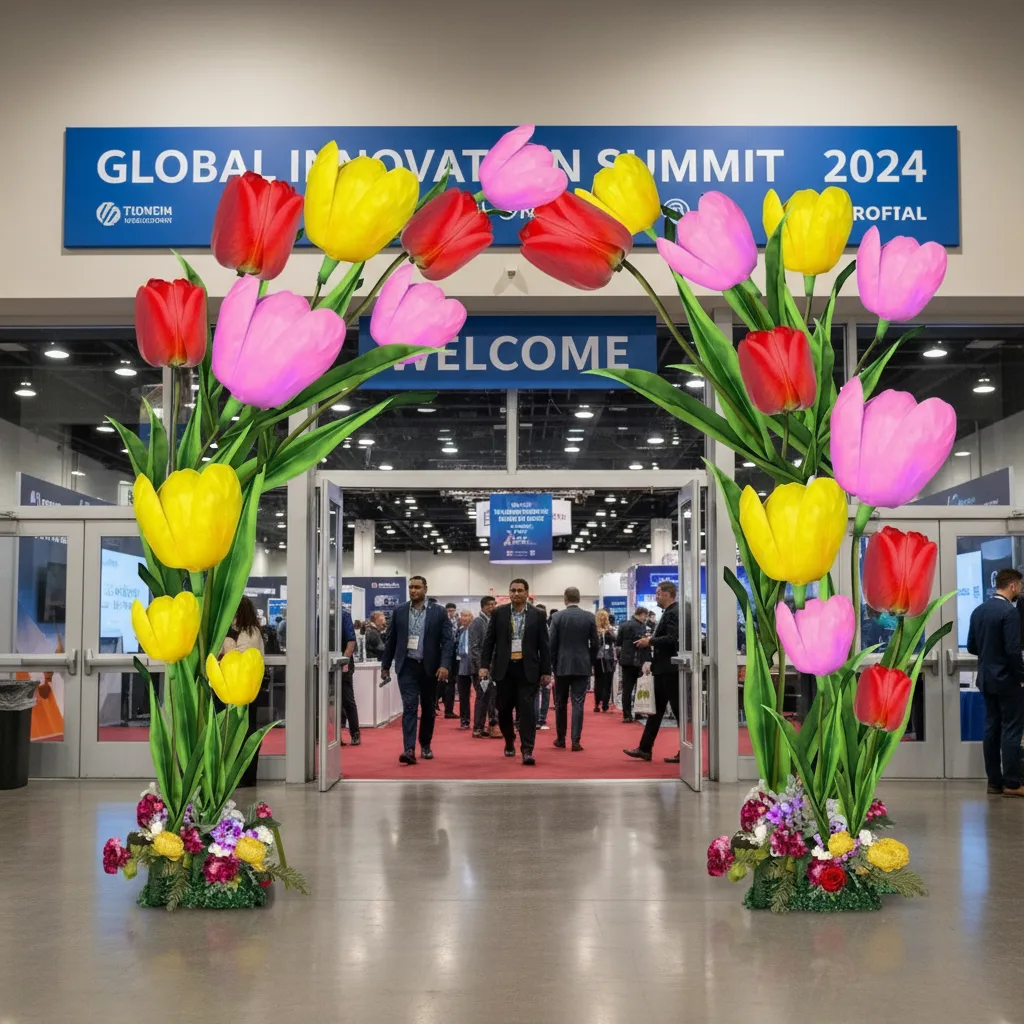
For corporate events and retail displays, foam is non-negotiable in my opinion. A visual merchandising display needs to look pristine for weeks or months — paper simply won't survive that.
One more thing I want to mention: color options. Both paper and foam come in a huge range of colors, but foam takes spray paint and acrylic paint beautifully. You can start with white foam and custom-mix any color you want. Paper is more limited to what's available in store.
For wedding installations especially, being able to custom-match your exact pantone is a game-changer. I've matched blush tones, dusty mauves, and even metallic champagne finishes with painted foam that would be impossible to achieve with off-the-shelf paper.
A WeddingWire trend report noted that oversized, statement floral installations are among the top wedding décor trends — and couples are increasingly choosing artificial or alternative materials to achieve the look without the cost or waste of fresh flowers.
That trend isn't slowing down. If anything, it's accelerating. And the giant dahlia — with its dense, dramatic layering — is one of the most-requested shapes I see from brides and planners alike.
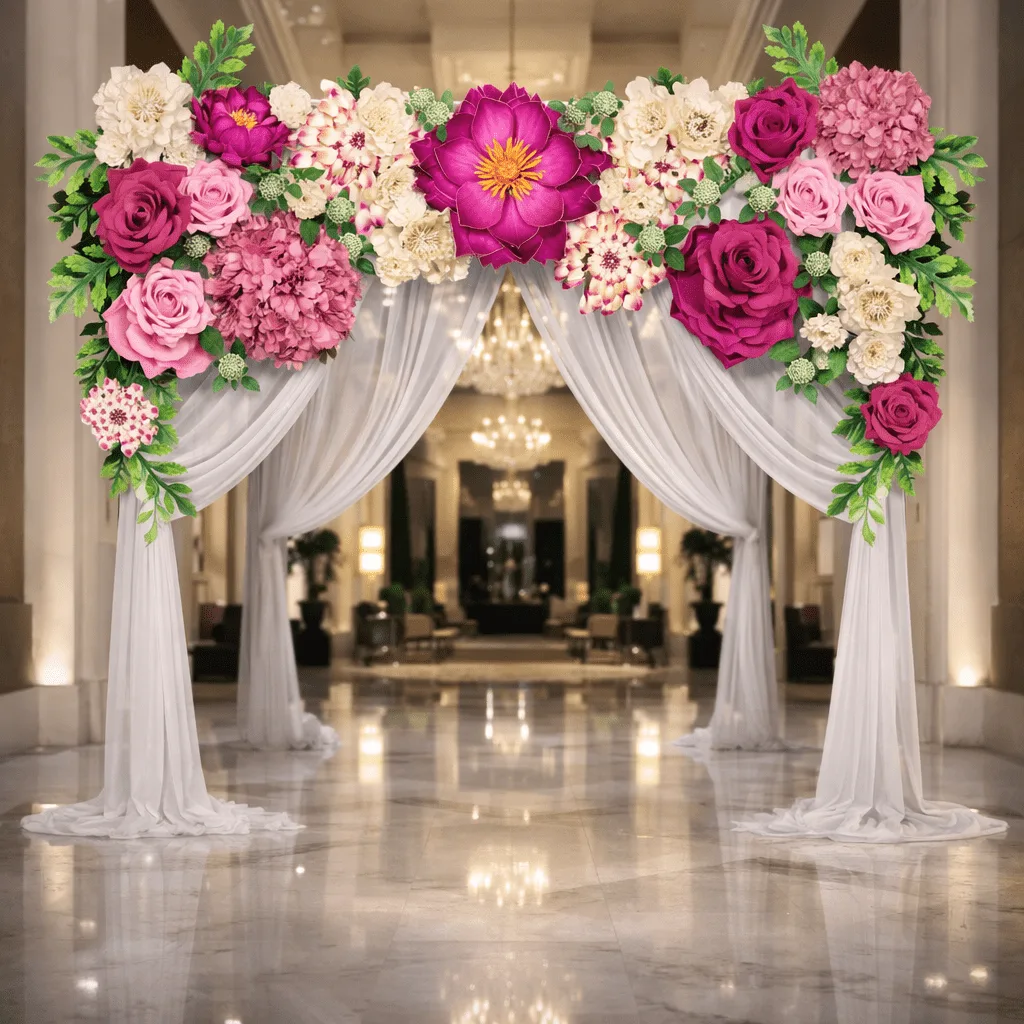
Whether you're building a single statement flower for a photo backdrop or outfitting an entire giant flower centerpiece installation, the method you choose will shape the whole experience.
Paper is accessible, affordable, and genuinely beautiful when done right. Foam is durable, professional, and the material I'd choose every single time for anything that matters.
If you're ready to try foam and want a starting point that's actually beginner-friendly, head over to our shop at Amazing Giant Flowers. Everything comes pre-cut with step-by-step video tutorials — because I designed these kits for real people with real lives, not just experienced crafters with unlimited studio time.
Which method are you leaning toward? I'd genuinely love to know — and if you have questions about your specific project, drop them in the comments. I read every single one.
Ready to Create Something Amazing?
Browse our collection of giant flower kits and start your next project today.