Cornstarch vs Shortening: Releasing Sugar Petals Cleanly
If you've ever pulled a sugar petal out of a mold and watched it tear, stick, or leave half of itself behind — you know that particular kind of heartbreak. Sugar petal release is honestly one of those things nobody talks about enough in the cake decorating world. Everyone shows you the beautiful finished flower. Nobody shows you the six petals that got wrecked before they got there.
I've been making flowers for years — first with foam, then I started getting obsessed with sugar and gumpaste work because the detail you can achieve is just unreal. And the number one question I get from sugar artists? "How do I get a clean release every single time?" The answer usually comes down to two things sitting in your kitchen right now: cornstarch and shortening.
So let's actually dig into this. Which one works better? When do you use each? And how do your molds factor into the whole equation? Because spoiler: the mold matters just as much as the release agent. Let me walk you through everything I know.
Key Takeaways
Gumpaste and sugar paste are clingy by nature. That's actually what makes them great — they pick up every vein, every texture, every tiny detail in a mold. But that same quality means they want to stay wherever they land.
The goal with any release agent is to create a barrier thin enough that it doesn't blur your detail, but effective enough that the paste slides out cleanly. Too much of anything — cornstarch, shortening, even water — and you lose the crisp edges that make sugar flowers look like the real thing.
And here's what most tutorials skip: your release agent is only as good as your mold. A mold with undercuts, rough seams, or non-food-safe materials will fight you no matter what you dust it with. That's why I always start the conversation there.
The Mold Factor — Why It Comes First
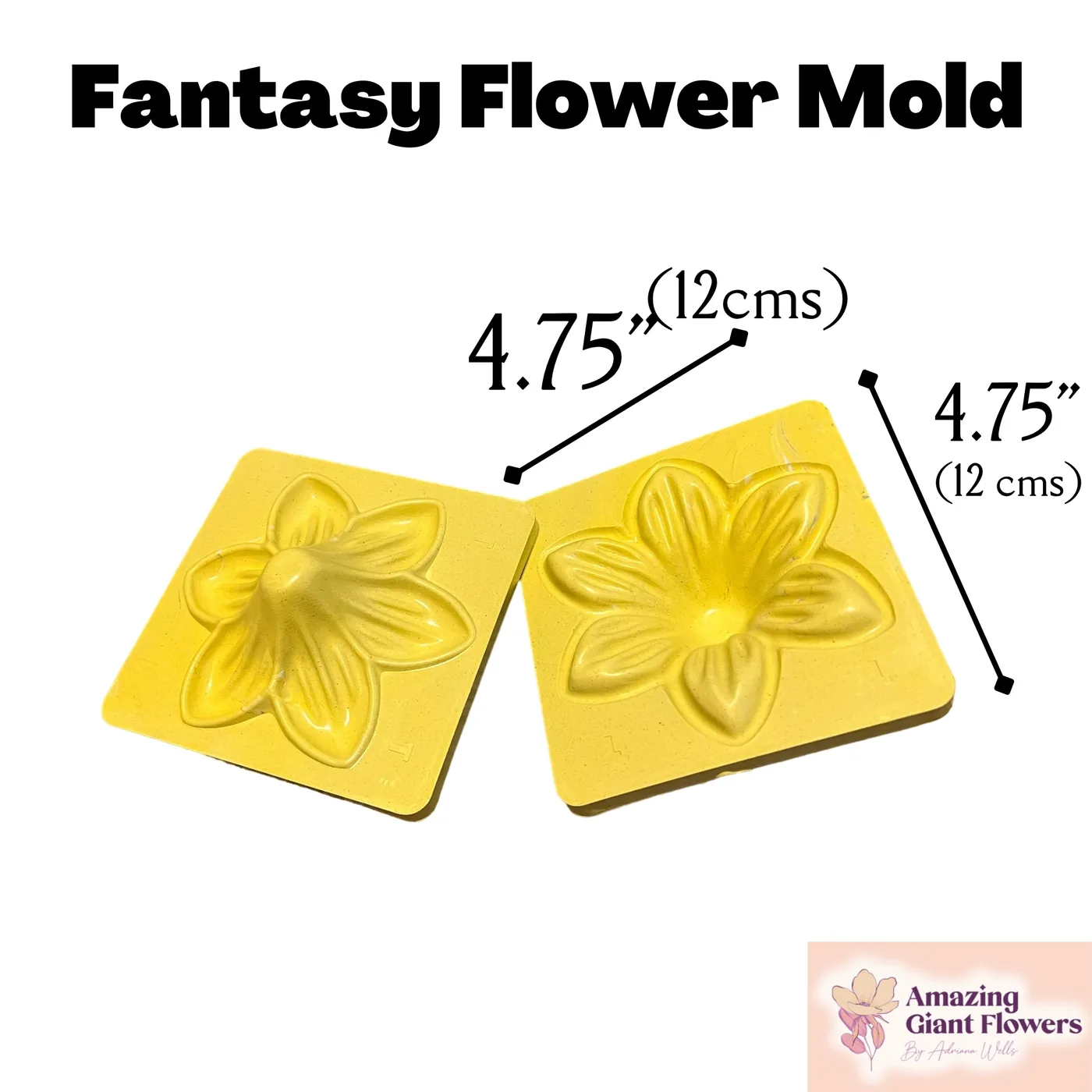
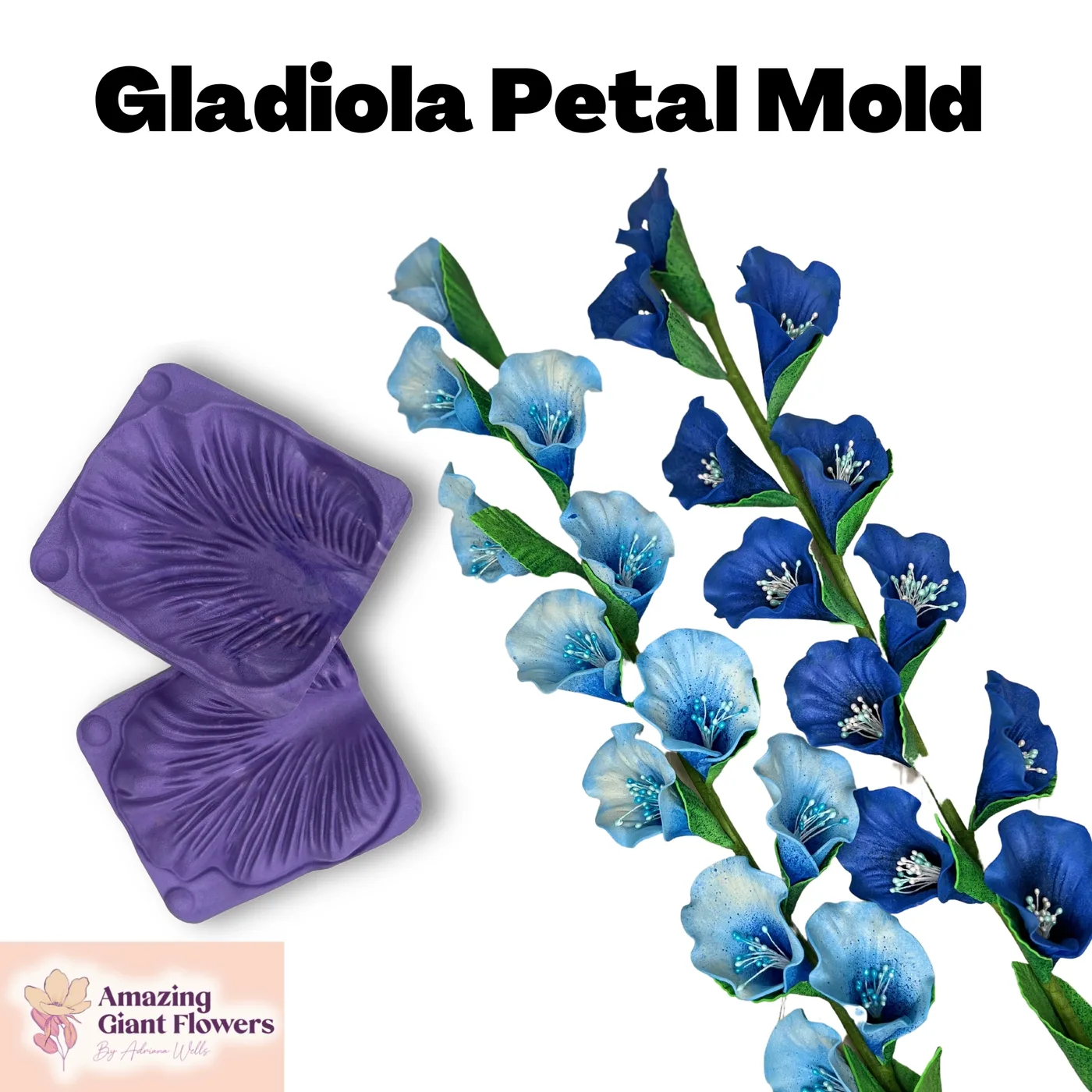
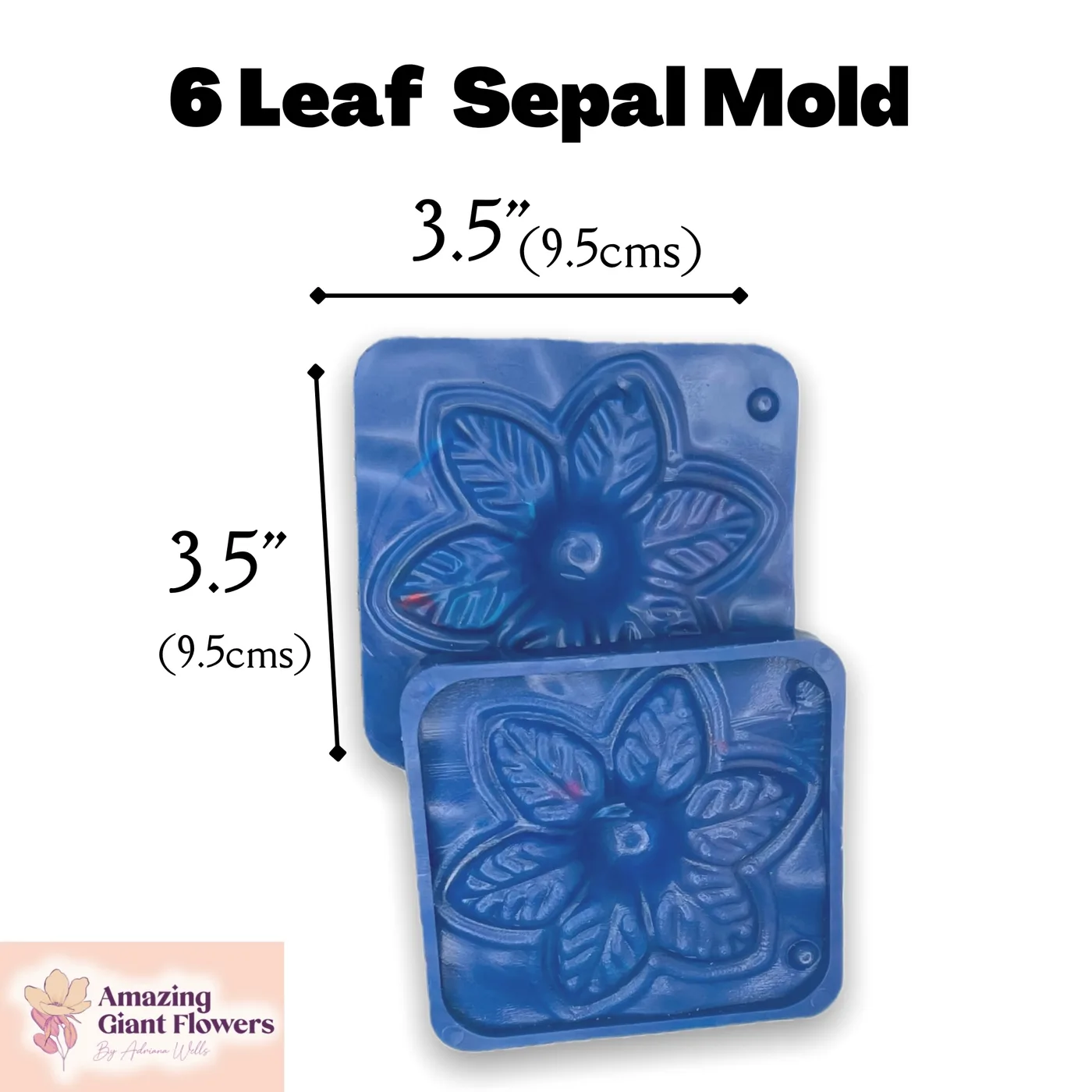
Our flower molds are double-sided, which means you're pressing both faces of the petal at once. That's a game changer for sugar artists because you get the front vein detail AND the back texture in a single press — no flipping, no guessing, no second mold to manage.
They're also designed specifically to be food-safe compatible, so you're not worrying about what's leaching into your gumpaste. That matters. A lot. Especially if you're working on wedding cakes or anything that's going to be eaten.
The smooth release surface means your release agent does less heavy lifting. Which actually gives you more control over how much you apply — and that's where the real magic happens.
Cornstarch is the go-to for most sugar artists, and honestly, there's a reason it's been the standard forever. It's dry, it's fine, it doesn't add any flavor, and it leaves almost no visible residue on a finished petal.
The key word is dust, not pack. You want a whisper of cornstarch — just enough to see a light haze on the mold surface. I use a small fluffy brush (like a blush brush, honestly) to tap a tiny amount in and then blow out the excess.
Cornstarch isn't perfect. If your gumpaste is on the stickier side (freshly made, or a brand that runs soft), cornstarch alone might not give you enough slip. Same goes if your workspace is warm — the paste softens and grabs harder.
Also, if you're working with thicker petal pieces — like a large orchid throat or a full gardenia petal — the weight of the paste itself creates more friction on the way out. That's where shortening earns its place.
Shortening for Sugar Petal Release: The Heavy-Duty Option
Vegetable shortening (Crisco is the classic, but any solid white shortening works) creates a physical barrier between your paste and the mold. It's more aggressive than cornstarch, which is both its strength and its weakness.
This is where people go wrong: they scoop shortening in like they're greasing a cake pan. Do not do that. You want the thinnest possible layer — rub a tiny amount between your fingers until it's almost invisible, then wipe it across the mold surface.
💡 Pro Tip
Rub a tiny amount of shortening onto the back of your hand first. If you can barely see it, that's the right amount for your mold. If your hand looks greasy, you've used too much — wipe some off before touching the mold.
Ok, this is where it gets really fun. The method I've seen professional sugar artists swear by — and that I've tested myself — is using both release agents together, in the right order.
Start with a micro-thin layer of shortening wiped across the mold. Then dust lightly with cornstarch over the top. The shortening acts as a base barrier, and the cornstarch gives you a dry, non-sticky surface that the paste can slide against cleanly.
The result? Crisp detail, clean release, and no greasy residue. This is especially effective with our double-sided molds because you're pressing into both faces at once — you need that release to work from every angle simultaneously.
Let me just lay it all out so you can see it at a glance. Because sometimes you just need to look at a table and make a decision.
I can't stress this enough — your release agent technique is only going to get you so far if your mold is working against you. I've tried molds from all kinds of sources over the years, and the difference in release quality is night and day.
The best molds for sugar work have smooth, flexible walls that let you peel back without distorting the petal. They have crisp detail that transfers cleanly, and they're food-safe so you're not stressing about what's in the material.
Our flower molds are double-sided — meaning one press gives you both the front and back texture of a life-size petal. For sugar artists, this is huge. You're not hunting for a matching back mold or trying to hand-texture the reverse side. It's all done in one go.
They're also reusable hundreds of times, which matters when you're running a cake business and need consistency across every single order.
🌸 Ready to get started?
Browse our flower mold collection and find the perfect match for your sugar work — life-size petals, food-safe, double-sided detail.
Troubleshooting Common Sugar Petal Release Problems
Even with the right technique, things go sideways sometimes. Here's what I've learned about fixing the most common issues.
Petal Tearing on Release
This almost always means either not enough release agent, or you pulled too fast. Try the combination method (shortening base + cornstarch dust) and slow down your peel. Work from one corner and go slow. Gumpaste is more forgiving than you think when you give it time.
Detail Looks Blurry or Soft
Too much release agent, or your paste was too soft going in. Knead your gumpaste until it's smooth and firm before pressing. And remember — with shortening especially, less is always more. If you can see the shortening in the mold, you've already used too much.
White Residue on Finished Petals
That's cornstarch. It brushes right off with a soft dry brush once the petal is released. If it's stubborn, a very light misting of water on the brush (not the petal) helps lift it. Don't panic — it's not ruined.
Petal Sticks Even With Release Agent
Check your mold for residue buildup. After heavy use, molds can accumulate a layer of dried paste in the fine texture grooves. Wash with warm soapy water, dry completely, and start fresh. A clean mold makes everything easier.
Frequently Asked Questions
Can I use powdered sugar instead of cornstarch for sugar petal release?
Technically yes, but I wouldn't recommend it as your primary release agent. Powdered sugar is hygroscopic — it attracts moisture — which can actually make your paste stickier over time, especially in a warm kitchen. Cornstarch is a much more stable and effective option. Save the powdered sugar for dusting your work surface when rolling out paste.
Do I need to use a release agent with every single press?
Yes, every time. Even the most flexible, well-made mold needs a fresh application for each petal. The release agent gets transferred to the paste when you release, so there's nothing left behind for the next press. Skipping it even once is how you end up with a stuck petal and a ruined piece.
Is there a food-safe alternative to vegetable shortening for sugar work?
Coconut oil (solid, not melted) works similarly to shortening and is food-safe. Some sugar artists also use a food-grade mineral oil very sparingly. What you want to avoid is anything with a strong flavor or anything that isn't explicitly food-safe — especially if you're working with molds that touch edible pieces.
How do your double-sided molds work differently for sugar versus foam?
For foam, you're using heat to shape the petal and the mold gives you the form and texture. For sugar and gumpaste, you're pressing soft paste into the mold and relying on the detail transfer and
Ready to Create Something Amazing?
Browse our collection of giant flower kits and start your next project today.