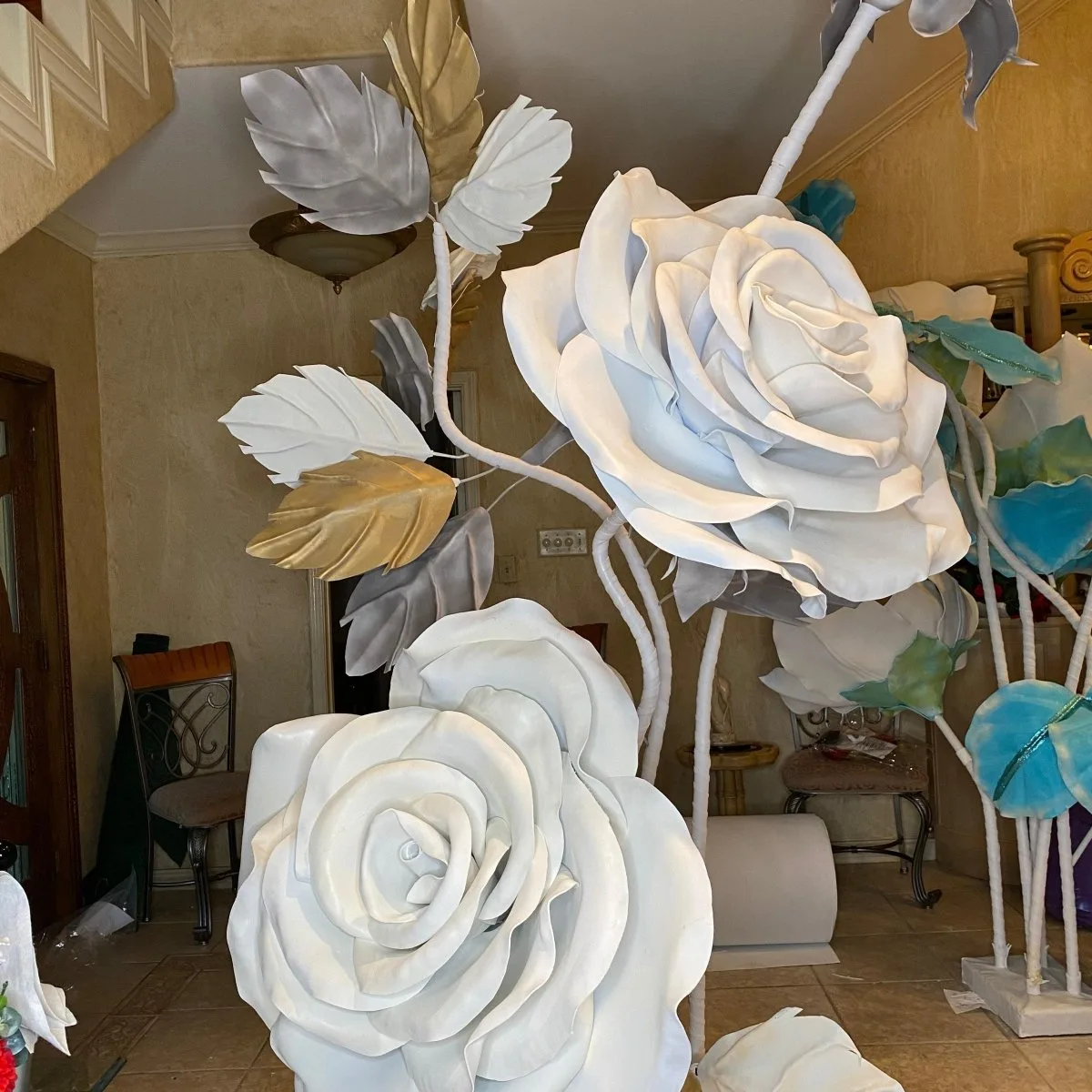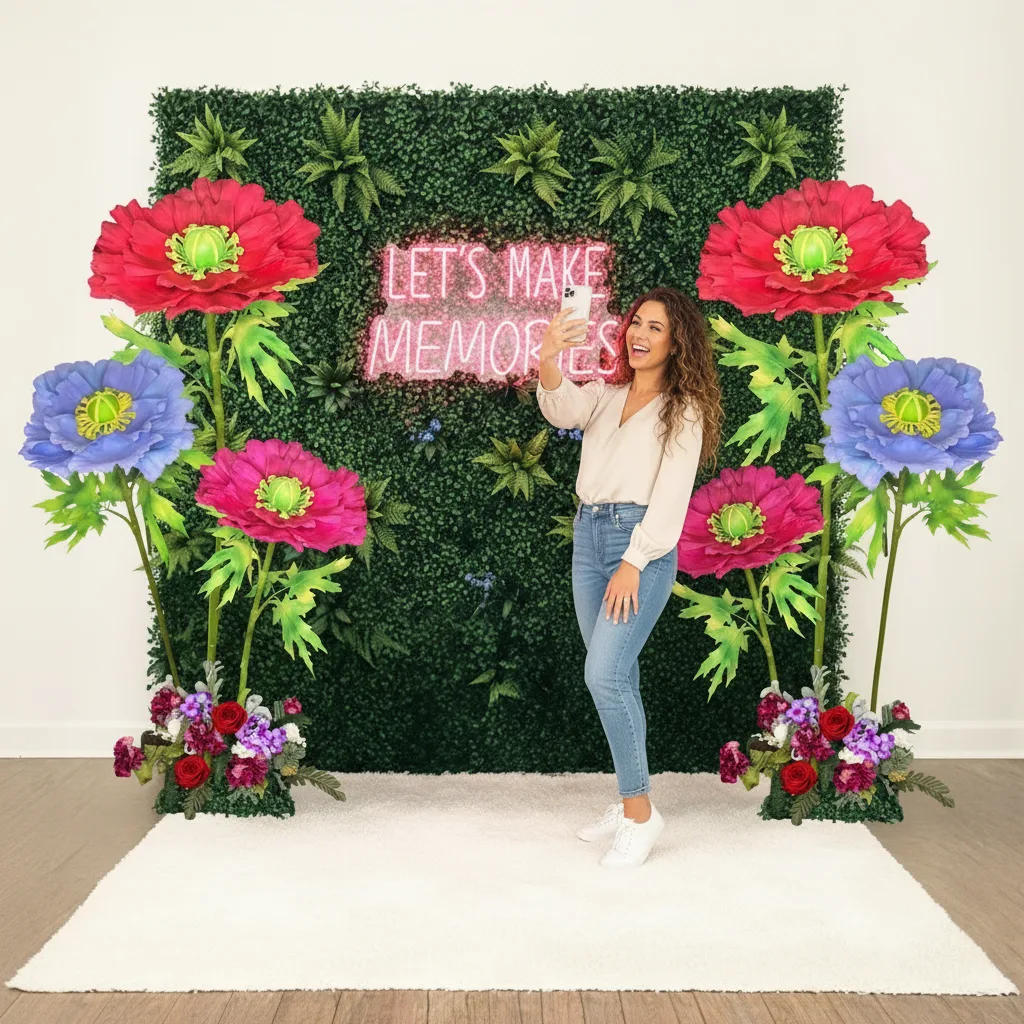
Dont Toss the Scraps: Small Projects from Leftover EVA Foam

Key Takeaways
- EVA foam scraps — even tiny ones — are perfect for a huge range of small DIY projects, from gift toppers to party favors to wearables.
- Thicker foam (6mm and above) is ideal for structural projects like signs, frames, and 3D decorations.
- Thin foam scraps (2mm-4mm) work beautifully for layered accents, floral details, and paper-style crafts.
- Scrap foam projects can save you real money — a single bundle kit generates enough offcuts to make dozens of small items.
- Organizing your scraps by thickness and color before you start makes every project faster and less frustrating.
Why EVA Foam Scraps Are Too Good to Throw Away
Real talk? The main reason people throw scraps away is organization. When your offcuts are a jumbled mess, they feel useless. But once you sort them, suddenly you see a flower bud here, a leaf shape there, a whole set of gift tags hiding in that pile. I started keeping a dedicated scrap bin years ago and it's genuinely changed how I shop for supplies. I buy less, waste less, and my projects have gotten more layered and interesting because I'm always reaching for that bin to add detail.
How to Sort and Store Your EVA Foam Scraps (Before You Start Any Project)
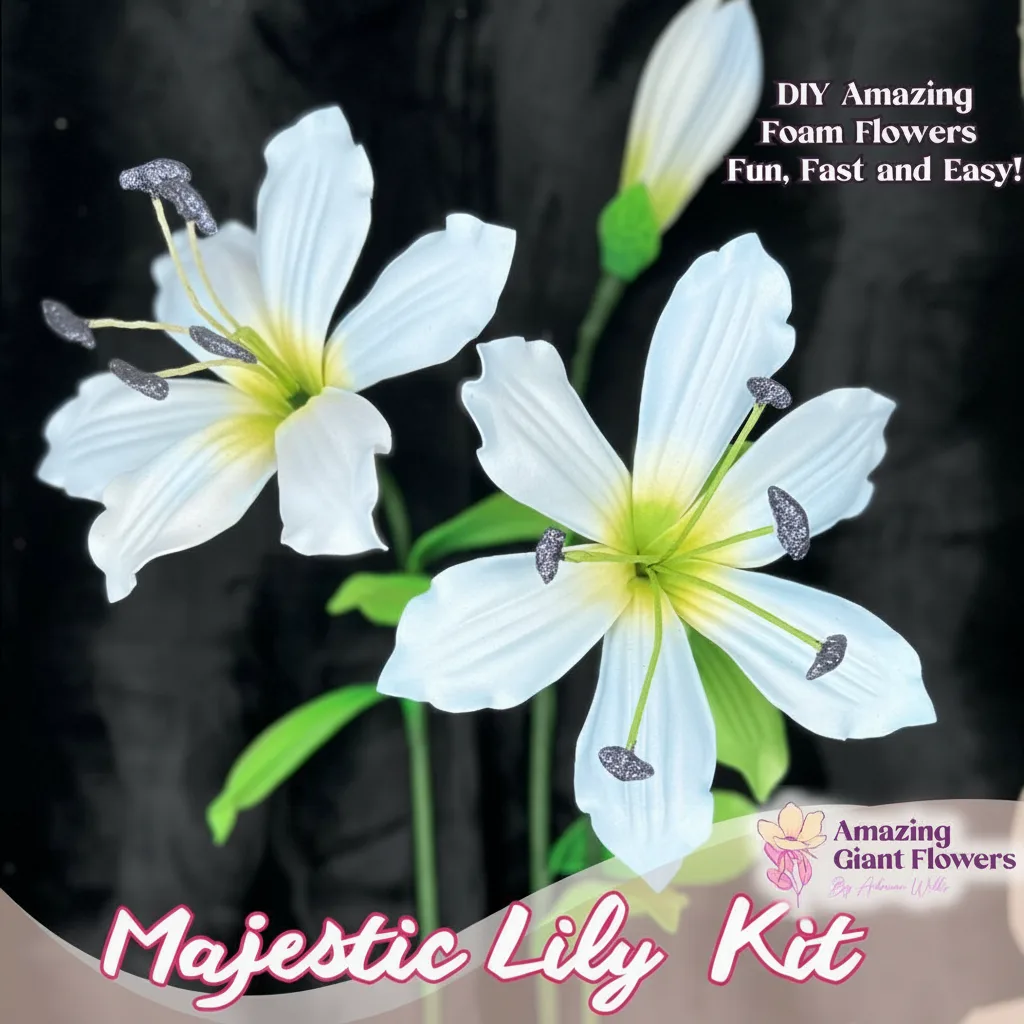
Sort by Thickness First
This is the most important variable. Here's how I break it down:- 2mm foam scraps: Ultra-flexible, great for wrapping, layering, and delicate petal details. Think ribbon-like applications.
- 4mm foam scraps: The sweet spot for most small projects. Holds shape but still easy to cut freehand.
- 6mm foam scraps: More structural. Perfect for signs, frames, letters, and anything that needs to stand up on its own.
- 8mm-10mm scraps: These are your chunky offcuts from freestanding flower bases. Great for 3D sculpted projects and props.
Then Sort by Color and Size
Once you've separated by thickness, do a rough sort by color family and by size — palm-sized pieces, finger-sized strips, and tiny confetti-like bits. Yes, even the tiny bits have uses (I'll get to that). Store them in clear zip bags or shallow bins. Label them. I use a simple label maker and it has genuinely improved my workflow more than any fancy tool.Small EVA Foam Scrap Projects for Beginners
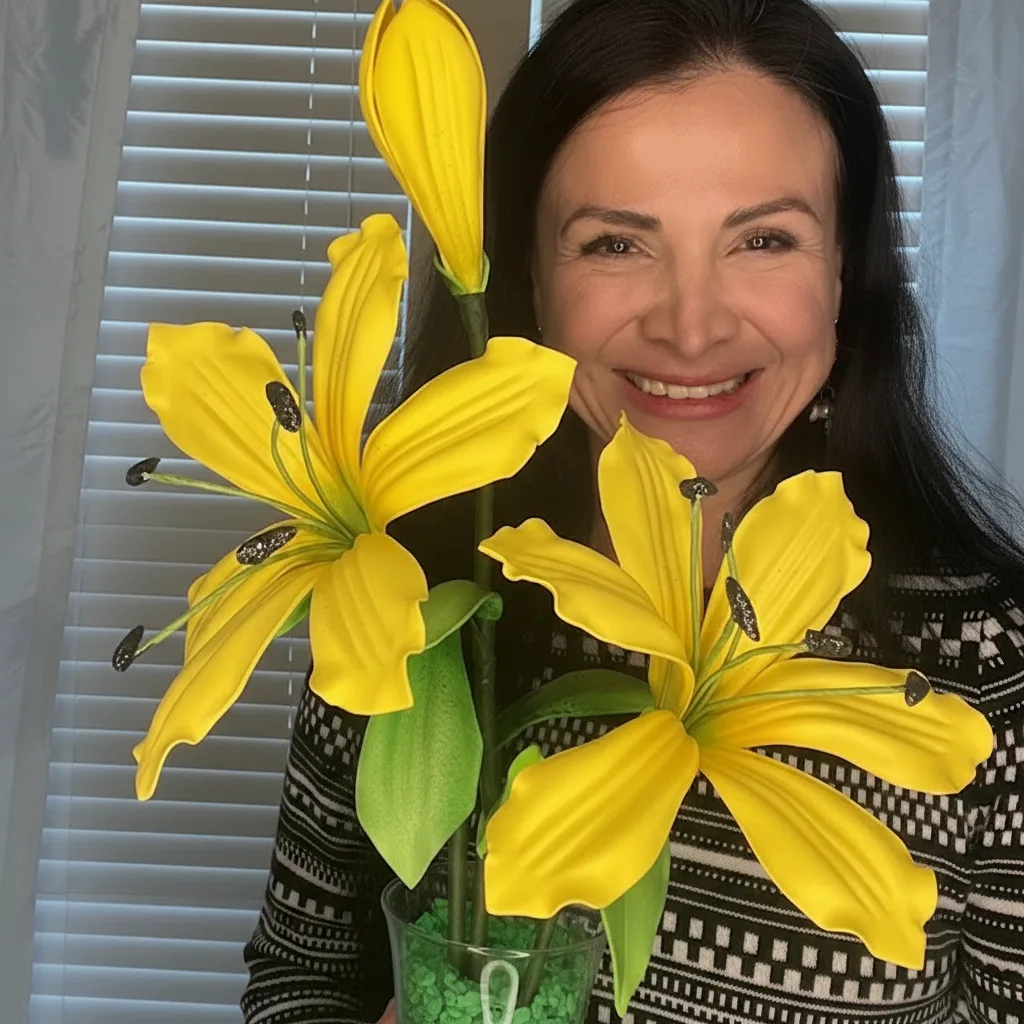
Gift Toppers and Gift Tags
This is my go-to use for medium-sized scraps — pieces roughly 3 to 5 inches. Cut simple flower shapes, leaves, or geometric shapes. Use a hole punch to add a string loop. Paint them or leave them natural. A single 4mm scrap in a pastel color makes the most gorgeous gift topper for a baby shower or birthday present. I've made whole sets of matching tags for wedding favors in under an hour.Mini Flower Buds and Accent Blooms
Got scraps left over from a giant flower kit? Roll a 2mm strip tightly and secure it with a dab of hot glue to create a rosebud. Add a small leaf cut from a green scrap. These are perfect for:- Cake toppers: Lightweight foam won't sink into frosting the way heavy decorations do.
- Wreath accents: Tuck them between greenery for a pop of color.
- Boutonnieres and corsages: Seriously — foam flowers don't wilt. Perfect for prom or a themed party.
- Hair accessories: Hot glue a mini bloom onto a bobby pin or headband clip.
Bookmarks
Cut a 2-inch by 7-inch strip from a 4mm sheet. Round the corners. Stamp it, paint it, or layer a tiny flower cutout on top. Laminate it if you want it to last longer. These make incredible party favors for book-themed showers or kids' birthday parties.Intermediate EVA Foam Scraps Small Projects Ideas for Events
Table Number Holders and Place Cards
Cut a 6mm scrap into a rectangle about 4 inches by 6 inches. Score the bottom third and fold it forward to create a base stand. Paint it, add a foam flower accent, and slip a printed number card into a slit you cut at the top. Done. You just made a table number holder for basically free. I've seen event planners charge $8-15 per table number holder at craft markets. Your scrap bin is sitting on a small business opportunity.Floral Crown Components
This one is so fun. Cut individual petals and leaves from various scrap pieces. Use a heat gun to gently curve the petals (this is where EVA foam's heat-shaping magic really shines). Layer them onto a foam-wrapped headband base using hot glue. The result looks genuinely stunning — and because you're using scraps, you can mix colors in ways you'd never "plan" if you were buying fresh material. Some of my favorite color combinations have come out of the scrap bin.Mini Wall Art Panels
Take a larger scrap — say, a piece 8 inches by 10 inches — and use it as a mini canvas. Layer smaller foam cutouts on top: flowers, geometric shapes, abstract waves. Paint the whole thing in a cohesive color palette. Add a sawtooth hanger to the back. According to HGTV, DIY wall art is consistently one of the top home decor trends for budget-conscious decorators. And foam is genuinely one of the best mediums for it — lightweight, easy to hang, and totally customizable.Custom Cake Toppers for Parties
Spell out a name or phrase by cutting individual letters from 6mm or 8mm foam scraps. Glue them onto a thin bamboo skewer. Paint them in metallic gold or a color that matches the party theme. These look incredibly professional and cost almost nothing if you're working from scraps. A The Knot survey found that custom cake toppers can cost anywhere from $25 to $150+ when purchased. Making your own from foam scraps? Maybe a dollar in hot glue and paint.EVA Foam Scrap Projects for Kids and Classrooms
Stamp Making
Thick foam scraps (6mm-10mm) can be cut into shapes and glued onto a wooden block to create custom stamps. Cut a star, a heart, a simple flower. Press into an ink pad and stamp away. This is a classic kids' craft activity that also doubles as a great party favor station.Puzzle Pieces and Shape Sorters
Cut interlocking shapes from a larger scrap piece. Let kids paint them and then reassemble. This works especially well with 8mm foam because it's chunky enough for small hands to grip easily.Miniature Play Food
I'm not kidding — this is a thing. Cut small circles, ovals, and triangles. Stack and glue them to create tiny foam "sandwiches," "cakes," or "pizza slices." Paint them with acrylic paint. Kids absolutely love these for pretend play kitchens. According to Statista, the US toy industry generates over $40 billion annually, and pretend play toys are among the top-selling categories. You can make versions of these toys for almost nothing from your scrap bin.Cosplay and Wearable Projects from EVA Foam Scraps
Earrings and Jewelry
Cut small shapes — 1 to 2 inches — from thin 2mm or 4mm scraps. Sand the edges smooth. Paint with acrylic, seal with Mod Podge, and attach earring hooks. Foam earrings are incredibly lightweight and surprisingly durable. Martha Stewart Weddings has highlighted handmade statement jewelry as a major bridal trend. Foam flower earrings for a bridal party? Yes, please.Costume Accessories
Even small scraps are enough to make fairy wings, crown points, dragon scales, or flower wands for kids' costumes. Heat-shape them with a heat gun for dimension. Paint with acrylic and seal. These hold up surprisingly well through a night of trick-or-treating.Prop Letters and Numbers
Cut individual letters from 6mm or 8mm scraps to spell out words for photo booth props. Back them with a foam handle (another scrap piece!) and you've got a full prop set. This ties in beautifully with event work — check out our guide to the best photo booth backdrops of 2026 for more inspiration on building a complete photo moment.What to Do With the Tiniest Foam Scraps
- Sensory bins: Tiny foam pieces are perfect filler for kids' sensory play bins. Lightweight, colorful, and safe.
- Mosaic art: Glue tiny pieces onto a canvas in a pattern or picture. The result looks like a colorful tile mosaic.
- Filler for gift boxes: Use them instead of tissue paper or crinkle paper inside gift boxes. Especially cute if the colors match the gift wrapping.
- Texture stamps: Glue a cluster of tiny pieces onto a flat surface and use it as a texture stamp for painting.
Comparing EVA Foam Scrap Projects: A Quick Reference Guide
| Project | Scrap Size Needed | Best Foam Thickness | Skill Level | Best For |
|---|---|---|---|---|
| Gift tags / toppers | 3–5 inches | 4mm | Beginner | Parties, gifts, favors |
| Mini rosebuds | 1–3 inch strip | 2mm | Beginner | Hair accessories, cake toppers |
| Table number holders | 4×6 inches | 6mm | Beginner–Intermediate | Weddings, events |
| Floral crown | Mixed scraps | 2mm–4mm | Intermediate | Prom, parties, shoots |
| Foam earrings | 1–2 inches | 2mm–4mm | Beginner–Intermediate | Wearables, markets |
| Mini wall art panel | 8×10 inches | 6mm base + mixed layers | Intermediate | Home decor, gifts |
| Kids' foam stamps | 2–4 inches | 6mm–10mm | Beginner | Classrooms, parties |
| Prop letters / photo booth | 4–8 inches | 6mm–8mm | Intermediate | Events, photo moments |
Painting and Finishing Your Scrap Projects
Paint Options for EVA Foam
Acrylic paint is your best friend here. It adheres well to EVA without cracking, dries quickly, and comes in every color imaginable. For small scrap projects, you really don't need anything fancy — craft store acrylics work perfectly. Avoid spray paint directly on bare foam unless it's specifically foam-safe. Some spray paints contain solvents that will eat into the foam surface and create a pitted, melted look. Not cute.Sealing and Protecting
For projects that will be handled a lot — like gift tags, earrings, or prop letters — seal with a coat of Mod Podge or a clear acrylic sealer. This protects the paint and gives the piece a more finished, polished look. For more detail on painting techniques, our guide to flawless foam board paint finishes has a ton of useful tips that translate directly to smaller scrap projects too.Adding Texture with Heat
One of my favorite tricks: use a heat gun on low to gently wave over the surface of a painted foam piece. It creates a subtle organic texture that looks almost like hammered metal or aged wood, depending on your paint color. Perfect for adding character to mini wall art or prop letters. If you want to go deeper on foam types and how they respond to heat, check out our complete guide to every type of foam for giant flowers — a lot of those principles apply to scrap projects too.Turning Your Scrap Projects into a Side Income
Your scrap bin is essentially free inventory. The main cost is your time. And because EVA foam is so quick to cut and paint, even a few hours can produce a dozen sellable items. If you're already doing event work or selling giant flowers, adding small scrap-based items to your shop is a natural extension. It's a great way to offer lower price-point items that attract new customers — and those customers often come back for the bigger stuff.
For event planners specifically, scrap projects can fill out a package beautifully. Pair a giant flower centerpiece with matching foam gift tags, table number holders, and mini floral accents — all from the same scrap pile. Suddenly you've got a cohesive, custom look that feels intentional and elevated.
Frequently Asked Questions
What can I make with small pieces of EVA foam?
So much, honestly. Small pieces — anything from 1 inch to 6 inches — are perfect for gift tags, mini flower buds, earrings, cake toppers, bookmark strips, and costume accessories. The key is sorting them by thickness first so you know what each piece is capable of structurally.
Even the tiniest scraps have uses: sensory bin filler, mosaic tile art, texture stamps, and gift box filler are all great options for the confetti-sized bits.
Can EVA foam scraps be glued together to make larger pieces?
Yes, absolutely. Hot glue is the most common adhesive for EVA foam and works great for bonding scrap pieces together. Contact cement gives a stronger, more permanent bond if you're building something structural. You can layer, stack, and laminate scraps to effectively create a thicker or larger piece of foam to work with.
What is the best way to cut EVA foam scraps into small shapes?
For straight cuts, a sharp craft knife or box cutter against a metal ruler gives the cleanest edge. For curved and organic shapes, sharp scissors work beautifully — just make sure they're dedicated craft scissors and not your kitchen shears. For repetitive shapes like circles or petals, a die-cut machine or punch tool will save you a lot of time.
Will acrylic paint stick to EVA foam scraps?
Yes — acrylic paint adheres really well to EVA foam without any special primer needed. Apply thin coats and let each one dry fully before adding the next. For a smoother finish, lightly sand the foam surface with fine-grit sandpaper before painting. Seal with Mod Podge or a clear acrylic sealer when you're done to protect the finish.
Are EVA foam scrap projects safe for kids?
EVA foam itself is non-toxic and widely used in children's products — think foam floor mats and bath toys. The main safety consideration is the tools, not the material. Cutting and heat-shaping should always be done by adults. Once a project is finished and sealed, it's completely safe for kids to handle and play with.
How do I keep my EVA foam scraps organized so I can actually use them?
The system that works best for me: clear zip bags sorted by thickness (2mm, 4mm, 6mm, 8mm+), then stored in a shallow bin or drawer. I also keep a separate small bag for "tiny bits" — the confetti-sized pieces — so they don't get lost. Labeling each bag takes two minutes and saves you so much time when you're mid-project and need a specific thickness fast.
Your scrap pile isn't waste — it's a project waiting to happen. Seriously. Some of my favorite things I've ever made started as a leftover piece I almost threw away. There's something really satisfying about turning what felt like garbage into something beautiful. If you're looking to stock up on quality EVA foam for your next big project (and generate a fresh batch of useful scraps in the process!), head over to our shop at Amazing Giant Flowers. We carry foam sheets in multiple thicknesses and colors, plus all the tools and kits you need to make something incredible. I'd love to see what you create — drop a photo in the comments or tag us on social. Let's see what's hiding in that scrap bin.
Ready to Create Something Amazing?
Browse our collection of giant flower kits and start your next project today.