EVA Foam vs Craft Foam Sheets: What Actually Holds a Petal
If you've ever stood in a craft store staring at a wall of foam sheets wondering what the difference actually is — I've been there. More times than I can count. When I first started making giant flowers, I grabbed whatever foam looked right and hoped for the best. Spoiler: it didn't always go well. Understanding the eva foam vs foam sheets craft comparison is honestly one of the most important things you can learn before you invest time and money into a big project.
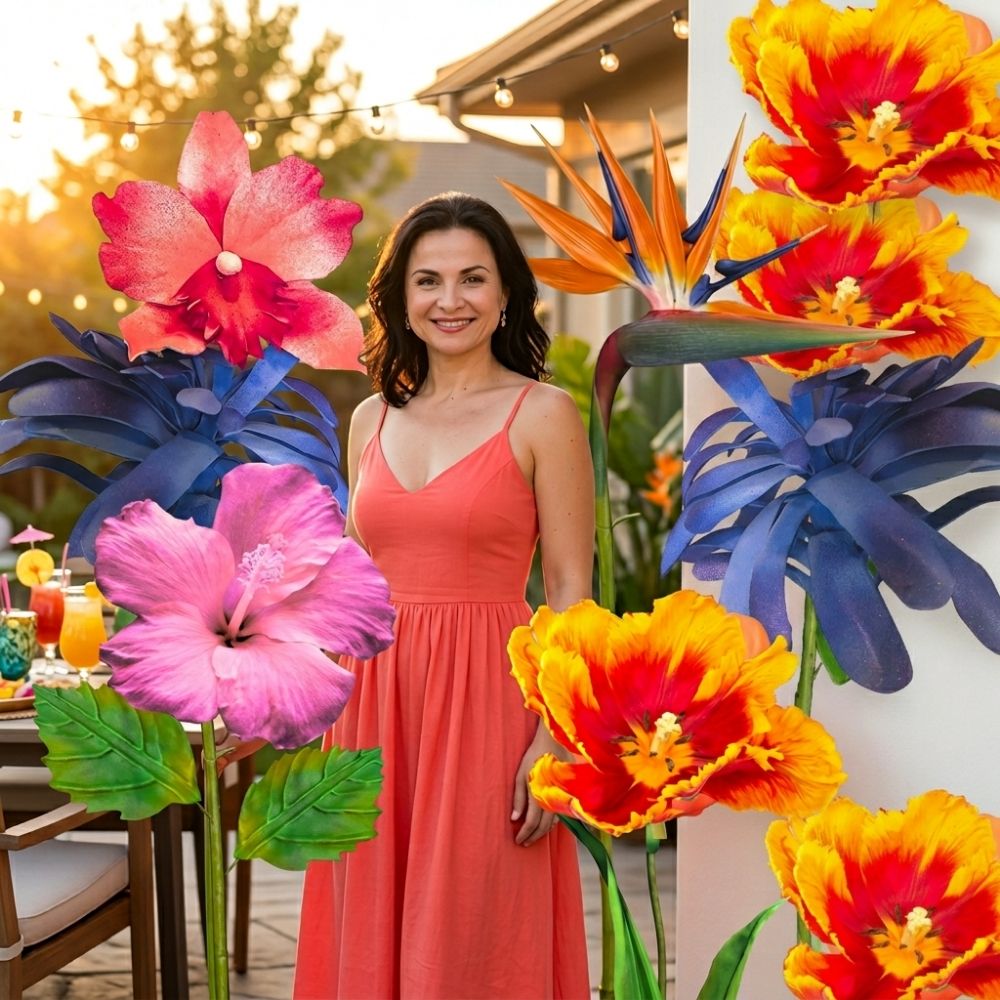
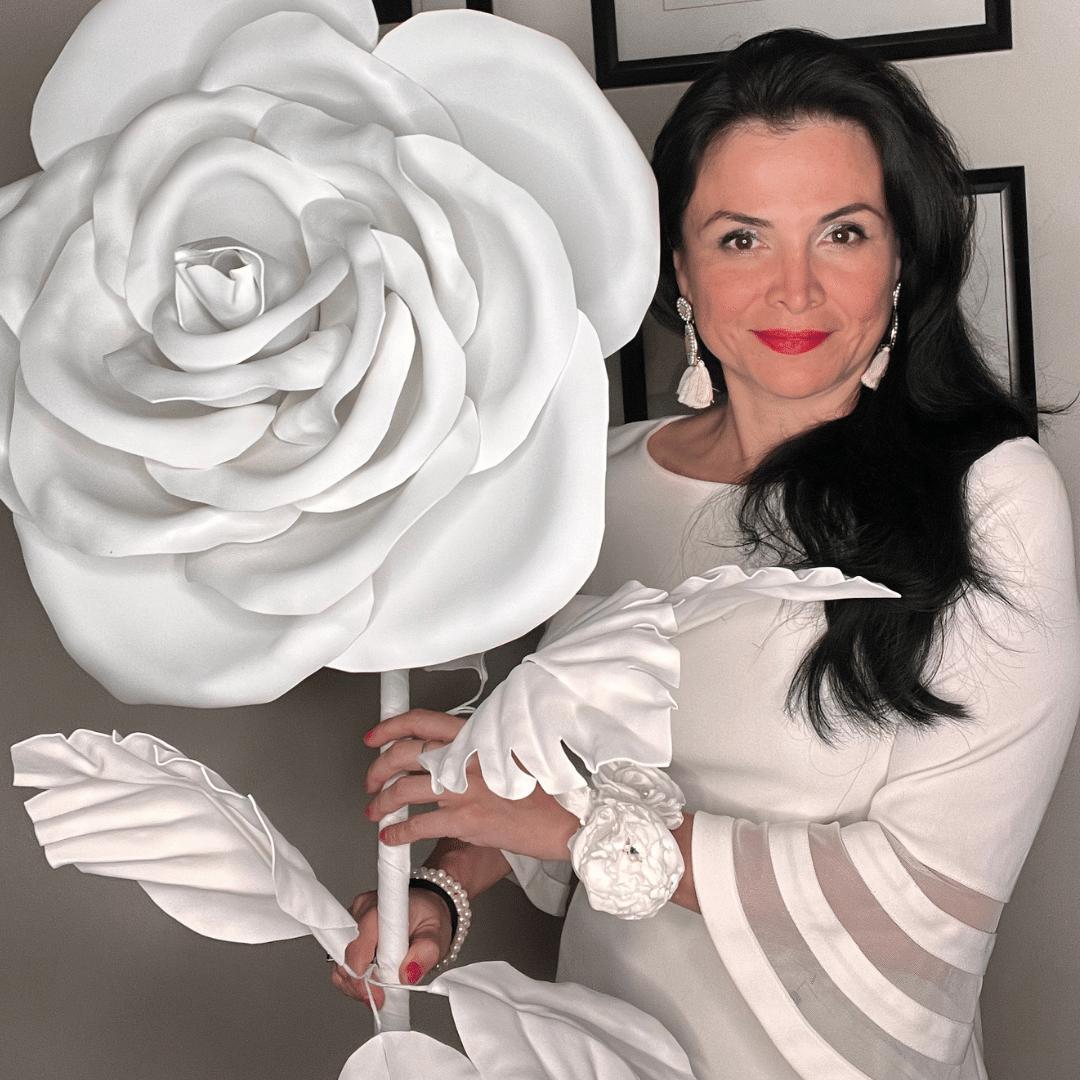
This matters so much more than people realize. The wrong foam means petals that droop, edges that crack, or flowers that look amazing for one day and fall apart by the next. The right foam? It can hold a 4-foot petal perfectly upright for years.
So let's get into it. I'm going to break down everything — texture, density, flexibility, workability, and which one actually holds a petal when you need it to. Whether you're an event planner building a floral backdrop, a production company dressing a stage, or a crafter making your very first giant bloom, this guide is for you.
Key Takeaways
EVA foam is a closed-cell foam made from Ethylene-Vinyl Acetate, making it denser, firmer, and more durable than standard craft foam. Regular craft foam sheets are typically open-cell, softer, and available in much thinner gauges. For giant flowers, EVA foam is the clear winner because it holds its shape at large sizes and responds beautifully to heat shaping.
Standard craft foam works well for small projects under 12 inches but will droop and lose structure at larger scales.
Technically yes, but the results are disappointing. At sizes over 14–16 inches, standard craft foam droops under its own weight and can't be heat-shaped into realistic petal curves. You'd also need to layer multiple sheets to get any structural strength, which creates bulk without rigidity.
For giant flowers that actually hold their shape — especially anything over 2 feet — EVA foam at 6mm or thicker is the right material.
6mm EVA foam is the most versatile thickness for giant flower petals in the 18–30 inch range. For smaller accent petals, 2–3mm works well. For very large freestanding flowers over 36 inches, move up to 8mm or 10mm to ensure the petals hold their shape without support.
The key is matching thickness to petal size — too thin and it droops, too thick and it becomes hard to shape realistically.
EVA Foam vs. Standard Craft Foam: The Core Differences
Let me break this down simply, because I wish someone had explained it to me this clearly when I was starting out.
EVA foam (Ethylene-Vinyl Acetate) is a closed-cell foam. That means the tiny air pockets inside are sealed off from each other, which gives the material its density, firmness, and moisture resistance. When you press it, it springs back. When you heat it, it becomes pliable and holds a new shape as it cools. It's the reason giant flower petals can curve, cup, and arch the way real petals do.
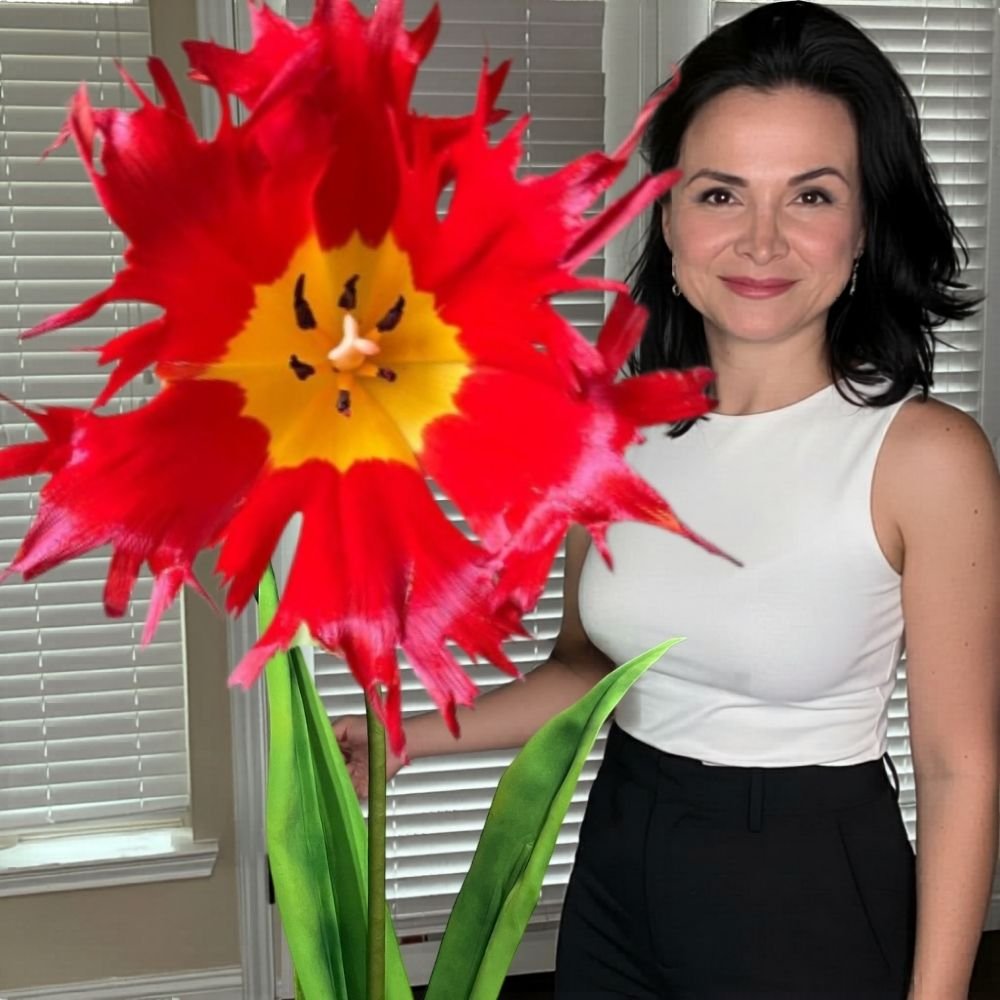
Standard craft foam sheets — the kind you find in the kids' section at most craft stores — are open-cell. The air pockets connect, making the material softer, spongier, and much more prone to compression and drooping. They're wonderful for small decorative projects, school crafts, and detail work. But ask them to hold up a 24-inch petal and they'll let you down every time.
Here's a quick side-by-side to keep in mind:
- Cell structure: EVA = closed-cell / Craft foam = open-cell
- Density: EVA is noticeably heavier and firmer for the same thickness
- Heat response: EVA softens with a heat gun, iron, or flat grill and holds a shaped curve; craft foam warps unpredictably
- Moisture resistance: EVA resists water; craft foam absorbs it
- Scale: EVA performs at large scale; craft foam is best kept small
- Paint adhesion: Both accept acrylic paint, but EVA holds it more durably
Materials and Tools You'll Need
Before you cut a single petal, make sure you have the right supplies on hand. Working with the wrong tools is just as frustrating as working with the wrong foam.
For shaping giant EVA foam flowers, you'll want a heat gun, a household iron, or a flat grill. Each one works differently. A heat gun gives you the most control for curving individual petals — hold it a few inches away and move it in slow passes until the foam softens, then shape it with your hands or over a rounded form. An iron works beautifully for pressing texture into petals or creating gentle folds. A flat grill is great for warming large petal sections evenly before shaping.
For life-size Real Touch craft kits and molds, a hair styler or heat gun is the right tool. These smaller-scale pieces need more precise, gentle heat.
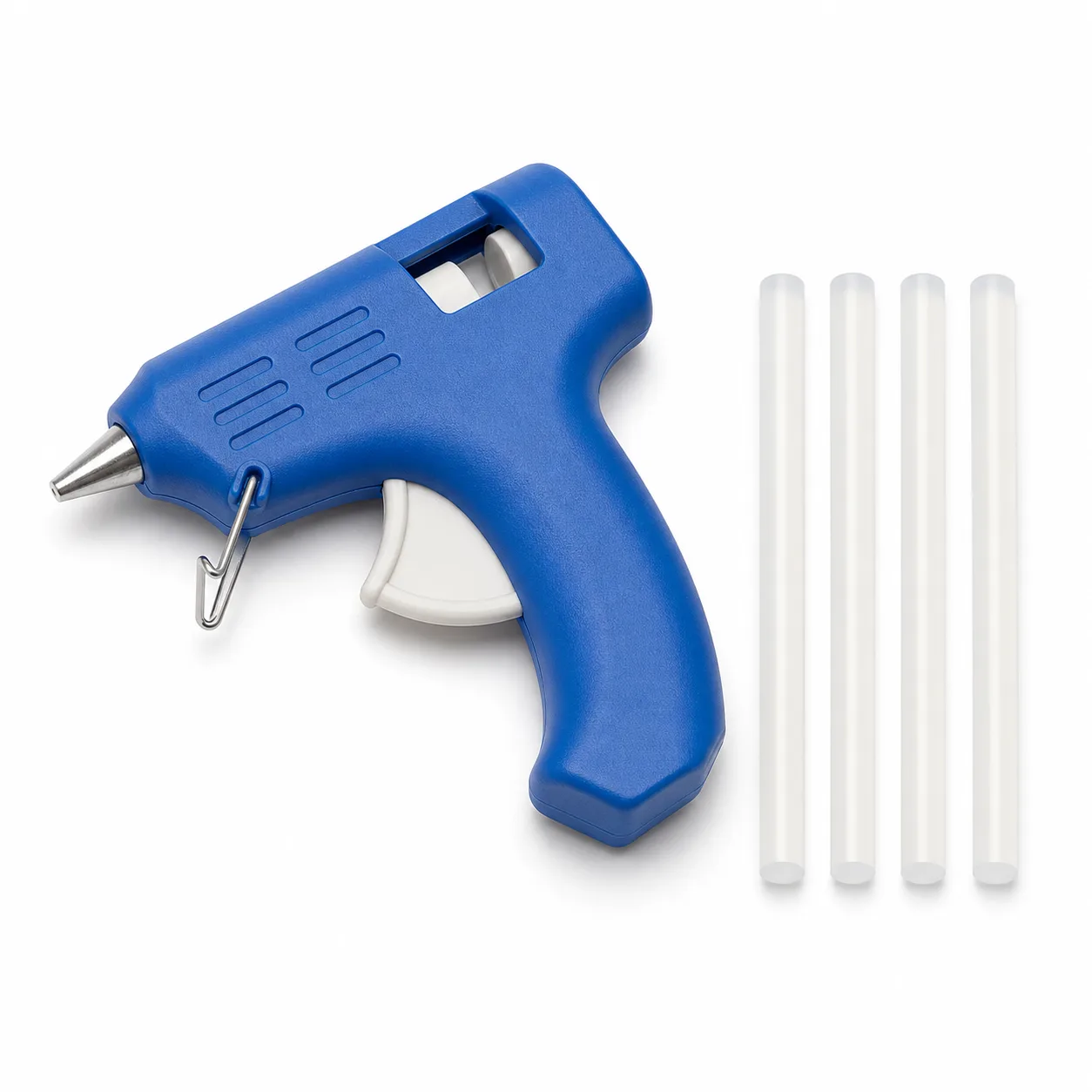
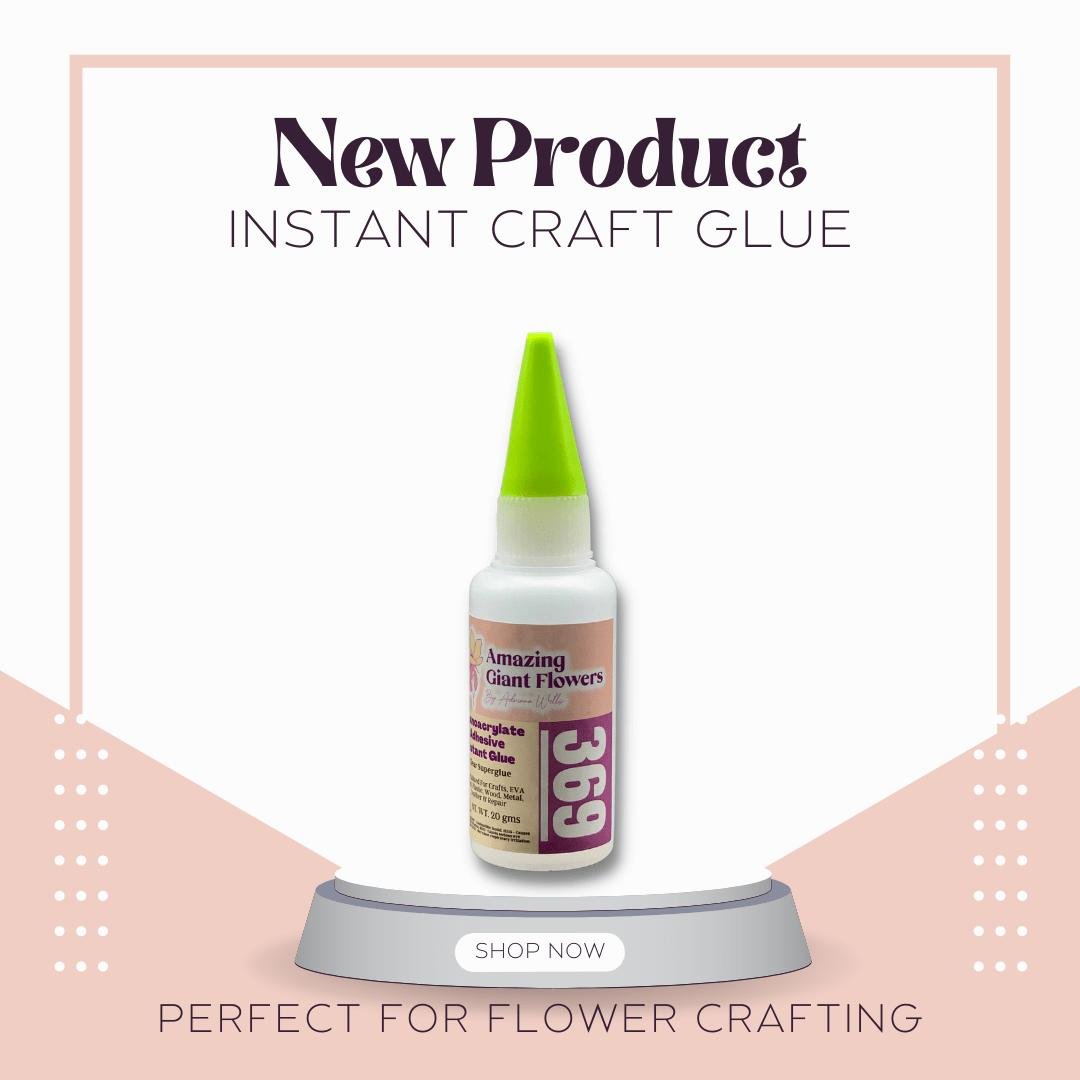
For adhesive, I recommend 369 glue or a hot glue gun with silicone sticks — both are sold separately in our shop. 369 glue gives you a strong, flexible bond that moves with the foam. Hot glue is faster and great for assembly, but use silicone sticks specifically — standard glue sticks can react poorly with EVA foam over time.
Other helpful tools:
- Sharp scissors or a craft knife for clean cuts
- Petal templates or a full kit with pre-cut pieces
- Foam brush or sponge for applying acrylic paint
- Clear acrylic sealer for finishing and protection
- Pipes or stems for assembly (sold separately)
- A base or stand — remember, these are sold separately and are not included in giant flower kits
Step-by-Step: How to Shape EVA Foam Petals That Actually Hold
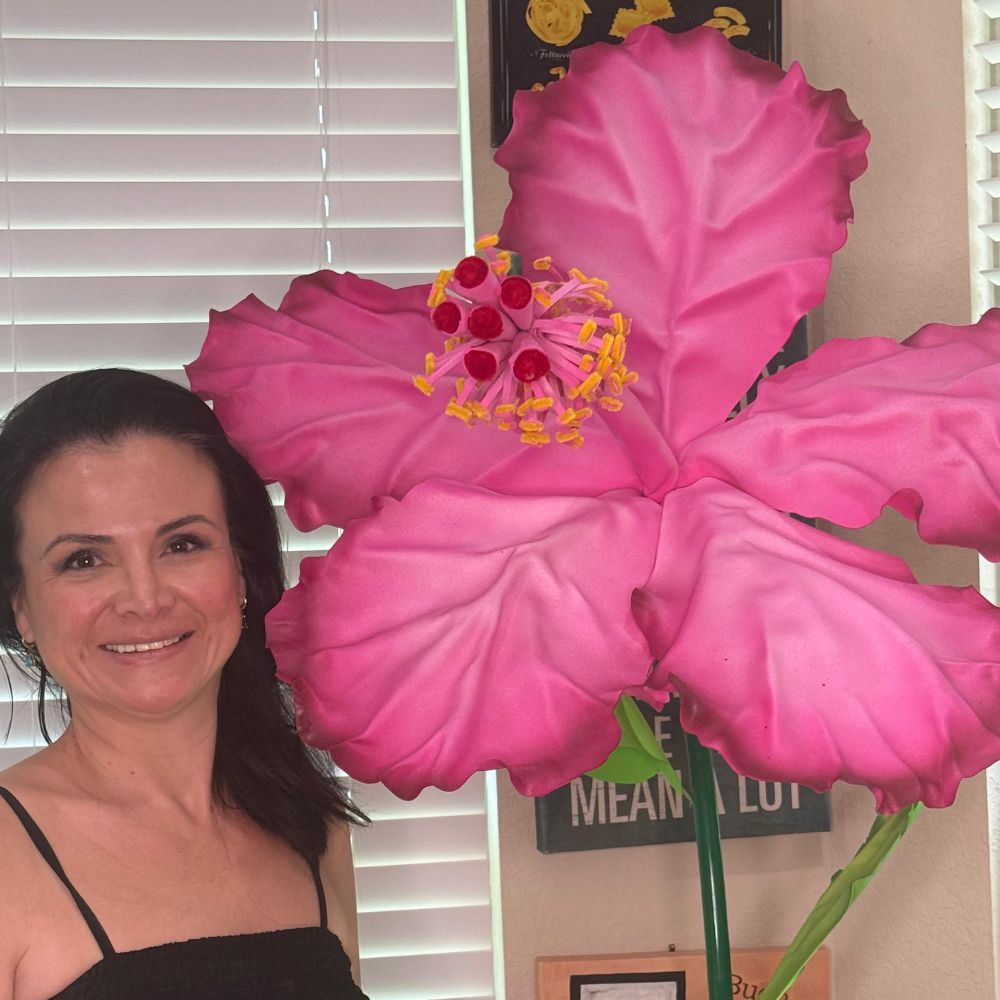
This is the part most tutorials skip over, and it's where so many beautiful projects go sideways. Here's how I approach petal shaping every single time.
- Cut your petal shapes first. Use your template or pre-cut kit pieces. Make sure your cuts are smooth — jagged edges are harder to disguise once the petal is shaped and painted.
- Apply heat evenly. Whether you're using a heat gun, iron, or flat grill, move the heat source slowly and consistently across the petal surface. You're looking for the foam to become slightly glossy and pliable — not bubbling or browning. If it starts to bubble, you've gone too far.
- Shape immediately while warm. The window is short — usually just a few seconds. Cup the petal over your hand, press it over a rounded object, or pinch the base to create a natural taper. Work quickly and confidently.
- Hold the shape until it cools. EVA foam sets as it cools, so hold your shape firmly for 20–30 seconds. Once it's cool, it will hold that curve on its own.
- Repeat for each petal, working from the outermost layer inward. Outer petals typically have a wider, more open curve; inner petals are tighter and more upright.
- Assemble with your adhesive of choice — 369 glue or hot glue with silicone sticks — layering petals from the outside in and securing each layer before adding the next.
Common Mistakes to Avoid
I've made every one of these mistakes myself, so I'm sharing them with zero judgment — just so you can skip the frustration.
- Using craft foam for large petals. I know it's tempting because it's everywhere and inexpensive. But anything over about 12 inches will droop. Save craft foam for small accent details and use EVA foam for the main petals.
- Applying too much heat too fast. Scorched foam can't be unseen. Keep your heat source moving and stay patient. You can always add more heat — you can't undo a burn.
- Skipping the sealer on painted petals. Acrylic paint on EVA foam can scuff and scratch, especially on pieces that get handled or transported. A clear acrylic sealer coat makes a huge difference in longevity.
- Not accounting for a base or stand. This one catches people off guard. Bases and stands are not included in giant flower kits — they're sold separately. Plan for this before you're ready to display your finished flower and realize it has nowhere to stand.
- Using the wrong glue. Standard craft glue won't hold EVA foam reliably. Stick with 369 glue or hot glue with silicone sticks for bonds that last.
- Rushing the cooling step. If you let go of a shaped petal before it's fully cooled, it will spring back toward flat. Hold it a little longer than you think you need to.
Design and Placement Tips for Events and Businesses
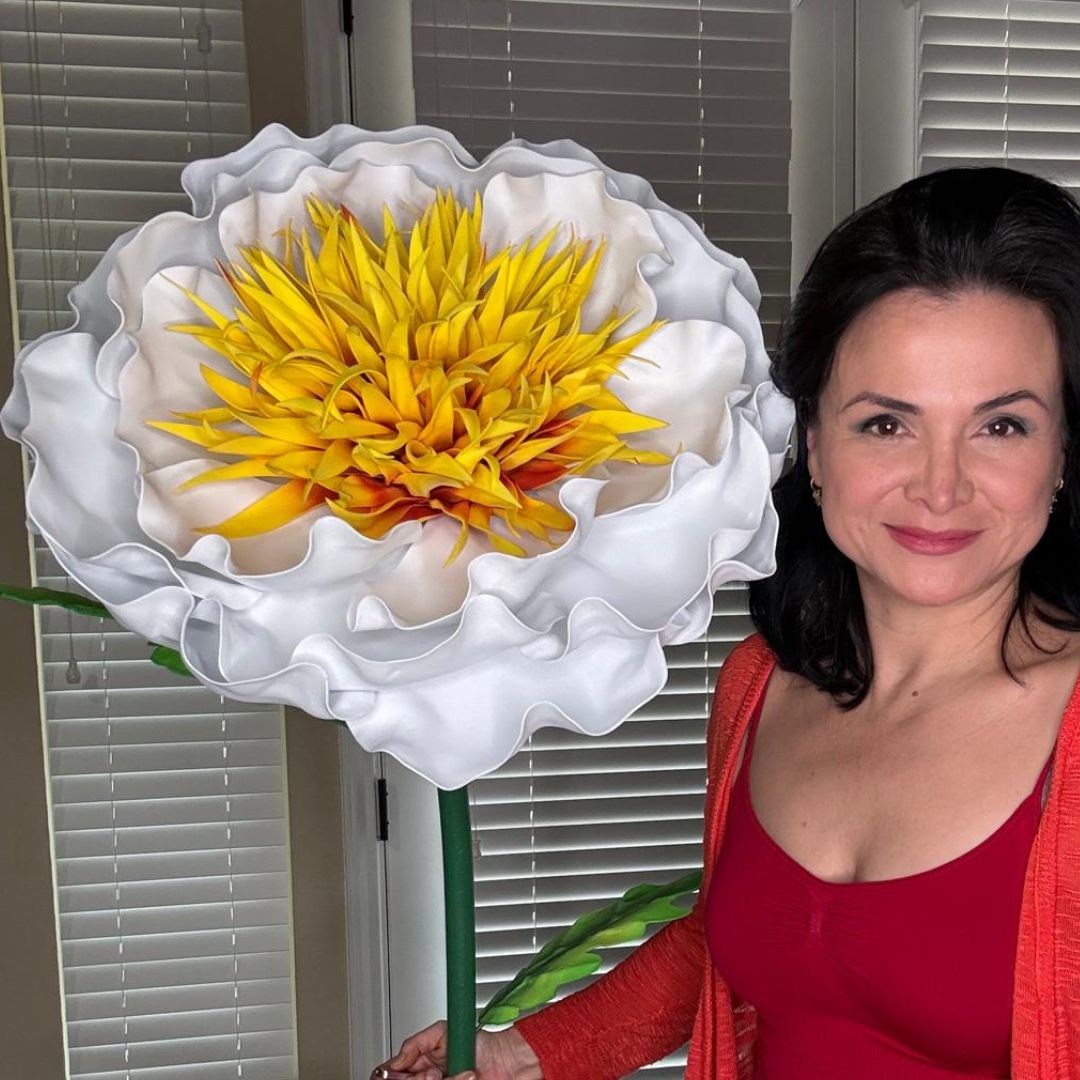
Giant EVA foam flowers aren't just beautiful — they're incredibly strategic decor. Here's how event planners, production companies, and businesses get the most impact out of them.
For photo backdrops and activations: Cluster flowers in odd numbers — three, five, or seven — at varying heights for a natural, lush look. Mix petal sizes and layer flowers slightly in front of each other rather than placing them all at the same depth. This creates dimension that photographs beautifully.
For stage and event design: Freestanding giant flowers work best when anchored to a sturdy base (sold separately) and positioned where they won't be bumped by foot traffic. For wall installations, use a combination of freestanding pieces and wall-mounted arrangements to fill vertical space efficiently.
For retail and business displays: Giant flowers in brand colors are a powerful visual merchandising tool. Place them at entry points to draw attention, or use them as a focal point in a window display. Because EVA foam is so durable, these installations can be reused across multiple seasons and campaigns.
For weddings and social events: Giant flowers pair beautifully with arches, ceremony backdrops, sweetheart table displays, and dessert table styling. Consider the color palette of the event and whether you want the flowers to be realistic (natural tones, shading) or stylized (bold, graphic colors).
If you're in the Houston area and need flowers for an event without the DIY commitment, our Done For You service and rental options (delivered within the Houston area) are worth exploring.
Care and Storage for Long-Lasting Flowers
One of the best things about EVA foam flowers is how long they last when you treat them right. Here's how to keep them looking gorgeous.
Cleaning: Wipe gently with a slightly damp cloth. Avoid soaking or scrubbing, which can lift paint. For sealed pieces, a little mild soap on the cloth is fine — just wipe dry immediately after.
Storage: Store flowers in a cool, dry place away from direct sunlight. UV exposure over time can fade paint, especially on unsealed pieces. If you're stacking flowers, place a layer of tissue paper or a soft cloth between them to prevent petals from pressing against each other and losing their shape.
Transport: For large freestanding flowers, disassemble where possible and wrap individual petals in tissue or bubble wrap. Avoid placing heavy items on top of stored flowers — EVA foam is resilient, but sustained pressure over time can flatten shaped curves.
Touch-ups: If a petal loses its curve over time, a quick pass with a heat gun and a few seconds of reshaping will bring it right back. That's one of my favorite things about this material — it's forgiving and repairable in a way that silk or paper flowers simply aren't.
How do you paint EVA foam for giant flowers?
Acrylic paint is the best choice for EVA foam — it adheres well, dries flexible, and comes in every color imaginable. Apply it with a foam brush or sponge for smooth coverage. You can also use water-based spray paint for large petals where you want an even finish. Always avoid solvent-based spray paint, which will dissolve the foam.
For a more realistic look, try dry-brushing a slightly lighter or darker shade over the base color once it's dry. This adds dimension and mimics the natural variation you see in real petals. Work from the petal base outward, using a nearly dry brush with just a little paint on it.
Seal finished pieces with a clear acrylic sealer or Mod Podge to protect the paint from scuffing, especially if the flowers will be handled frequently or used at events where guests interact with them.
Is EVA Foam Waterproof?

EVA foam is highly water-resistant because of its closed-cell structure — moisture can't penetrate the foam the way it can with open-cell materials. This makes it a good choice for outdoor events in mild weather conditions.
That said, I wouldn't recommend leaving EVA foam flowers in heavy rain or direct sun for extended periods. For outdoor use, a UV-resistant clear coat adds an extra layer of protection and helps the paint stay vibrant even with some sun exposure. Think of it as sunscreen for your flowers — a small step that makes a big difference in longevity.
Where Can I Buy EVA Foam Sheets for Giant Flowers?
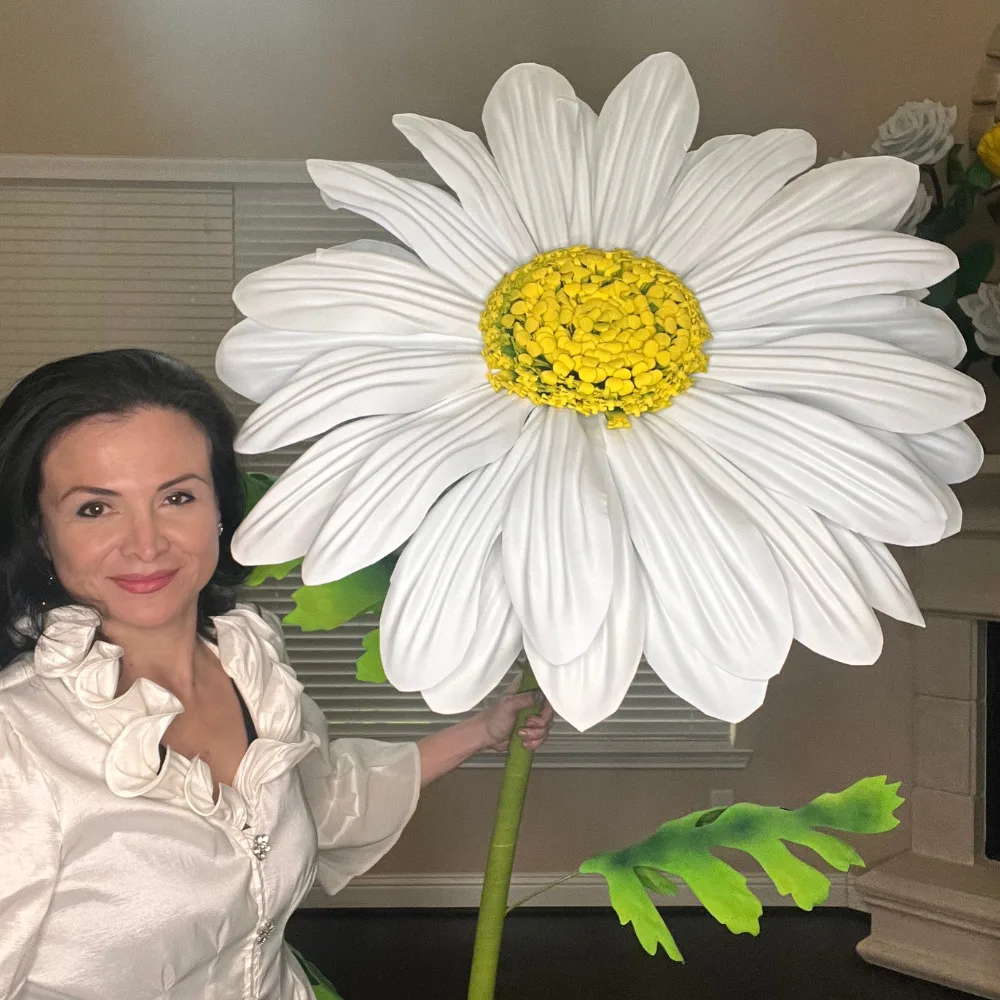
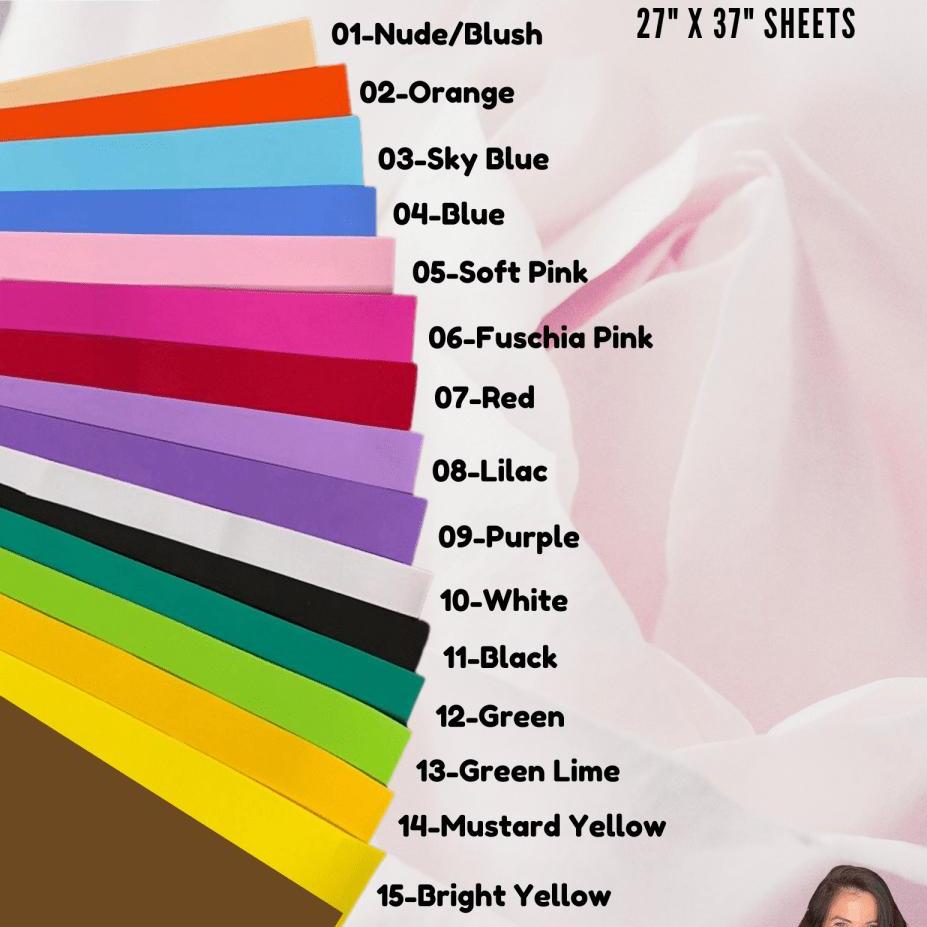
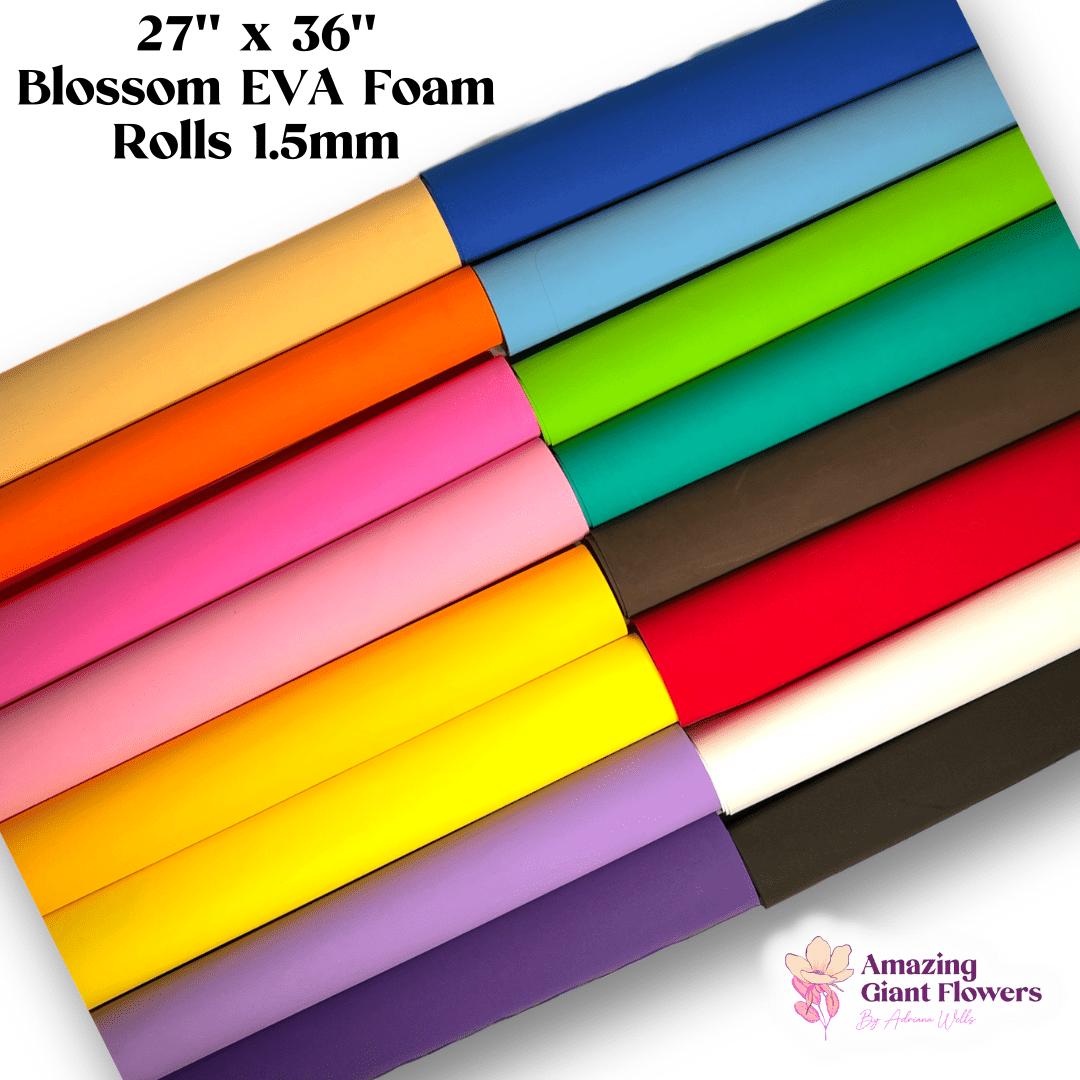
You can find EVA foam at craft stores like Michaels or Hobby Lobby, but the selection is often limited in thickness and size. For large projects, specialty foam suppliers or online retailers offer better variety. We also carry EVA foam sheets in multiple thicknesses in our shop at Amazing Giant Flowers — pre-selected for giant flower making so you know you're getting the right stuff.
When you shop with us, you're not guessing. Every foam option we carry has been tested specifically for large-scale flower making, so you can feel confident that what you're ordering will actually perform the way you need it to. We also carry flower molds, templates, pipes and stems, and complete kits — everything in one place so you're not hunting across multiple suppliers.
Frequently Asked Questions
Can I use standard craft foam sheets for giant flower petals?
Technically you can cut petals from standard craft foam, but I don't recommend it for anything over about 12 inches. Standard craft foam is open-cell and much softer than EVA foam, which means it droops under its own weight at large sizes and can't be heat-shaped into the realistic curves that make giant flowers look so stunning. For small accent details or tiny decorative elements, craft foam is fine — but for the main petals of a giant flower, EVA foam is the only material I trust.
What thickness of EVA foam should I use?
It depends on the size of your petals. For petals in the 18–30 inch range, 6mm EVA foam is my go-to — it's firm enough to hold its shape but still responds beautifully to heat shaping. For smaller accent petals, 2–3mm works well. For very large freestanding flowers over 36 inches, I recommend moving up to 8mm or 10mm so the petals have enough structural integrity to stay upright without additional support. The rule of thumb is: the bigger the petal, the thicker the foam.
What glue works best for assembling EVA foam flowers?
I use 369 glue or a hot glue gun with silicone sticks — both are available in our shop. 369 glue creates a strong, flexible bond that moves with the foam, which is important for pieces that will be handled or transported. Hot glue with silicone sticks is faster and great for quick assembly. Just make sure you're using silicone sticks specifically — standard glue sticks can react with EVA foam over time and weaken the bond.
Do giant flower kits come with a base or stand?
No — bases and stands are sold separately and are not included in giant flower kits. This is something I always make sure to mention because it catches people off guard when they've finished a beautiful flower and then realize they need something to display it on. We carry bases and stands in our shop, and I'd recommend adding one to your order at the same time so you're fully set up when your kit arrives.
What's the difference between a giant flower kit and a Real Touch craft kit?
Giant flower kits are designed to create large-scale, statement flowers — the kind you'd use for event backdrops, stage design, retail displays, or large home installations. Real Touch craft kits are designed to create life-size flowers that look incredibly realistic up close, with lifelike texture and detail. I never describe Real Touch craft flowers as "giant" because they're a different product category entirely — beautiful and detailed, but sized to mimic a real flower rather than make a dramatic oversized statement. Both use EVA foam and heat-shaping techniques, but the scale, tools, and finished look are quite different.
Do you offer rentals or a Done For You service?
Yes! If you're in the Houston area and want gorgeous giant flowers without the DIY process, I offer a Done For You service where we handle everything. I also offer rentals for Houston-area events — we deliver directly to your venue. If you're outside the Houston area, our kits, foam, templates, and molds ship so you can create your own stunning flowers wherever you are.
At the end of the day, the foam you choose is the foundation of everything. Get it right, and your flowers will be stunning. Get it wrong, and no amount of beautiful paint or careful cutting will save a drooping petal.
I've spent years figuring this out so you don't have to. If you're ready to start making giant flowers that actually hold up — for weddings, events, photo backdrops, or just because you want something spectacular in your home — come visit us at Amazing Giant Flowers. We've got the foam, the kits, and the tutorials to make it happen. I'd love to see what you create — reach out anytime, and let's make something beautiful together. What are you planning to make first?
Shop the supplies
Everything You Need for This Project

Written by
Adriana WellsFounder & CEO of Amazing Giant Flowers
Adriana Wells is the founder and creative force behind Amazing Giant Flowers, a Texas-based company specializing in handcrafted giant foam flowers, luxury floral installations, and DIY flower-making supplies.
More about Adriana →Ready to Create Something Amazing?
Browse our collection of giant flower kits and start your next project today.