Best Foam Sheets for Flower Petals: What to Choose and Why
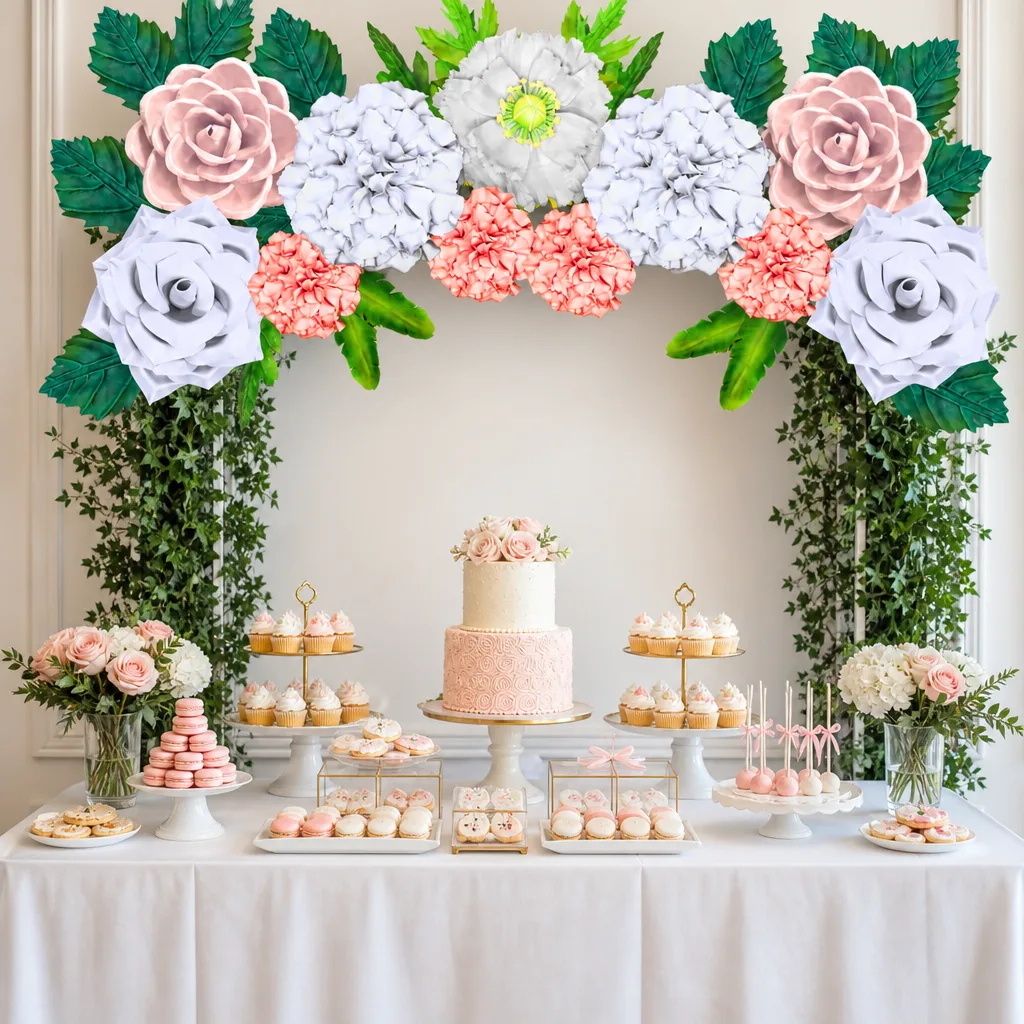
When I first started making giant flowers, I spent way too much money on the wrong foam. I'd grab whatever was on sale at the craft store, bring it home, and then wonder why my petals looked stiff, cracked, or just... sad. It took me years of trial and error to figure out what actually works — and I wish someone had just handed me a straight comparison guide from the start.
If you're searching for the best foam sheets for flower petals, you've probably already realized that not all foam is created equal. The thickness, density, flexibility, and texture all affect how your finished flower looks and holds up over time. Whether you're making a single statement bloom for a birthday party or a full arch of twenty flowers for a wedding, your material choice matters more than almost anything else.
So let's talk about it. I'm going to walk you through every major type of foam sheet on the market, what makes each one great (or not so great) for flower petals, and exactly what I recommend based on real experience — not just specs on a product page.
Key Takeaways
EVA foam is hands-down the best choice for giant flower petals. It's flexible, heat-shapeable, durable, and available in a range of thicknesses from 2mm to 10mm. For flowers over 18 inches in diameter, I recommend at least 4mm–6mm EVA for the main petals.
Thicker EVA (8mm–10mm) is ideal for freestanding flowers that need to support their own weight without a wall or frame.
You can use thinner foam, but I wouldn't recommend it for anything over about 12 inches in diameter. Standard craft foam sheets (1–2mm) are too thin and low-density to hold a large petal shape — they'll droop and lose their form quickly.
For small accent flowers, wreaths, or table décor, craft foam is totally fine. For large statement flowers, invest in proper thick EVA foam sheets.
It depends on the size of your flower. For flowers under 18 inches, use 2mm–4mm. For flowers between 18–36 inches, use 4mm–6mm. For giant flowers over 36 inches, use 6mm–10mm for structural petals, with thinner foam for inner detail layers.
Foamiran creates more realistic, delicate-looking petals and is beloved by miniature and sugar flower artists. But for large-scale giant flowers, EVA foam is far more practical — it's stronger, more affordable, easier to source in large quantities, and holds up much better over time.
Think of Foamiran as a specialty tool for detailed, small-scale work. EVA is your workhorse for big, bold event flowers.
Understanding the Different Types of Foam Sheets
Before we get into recommendations, let me give you a clear picture of what's actually out there. Walk into any craft store or search online and you'll find foam sheets labeled all kinds of ways. Here's how I break them down:
Standard Craft Foam (1mm–2mm)
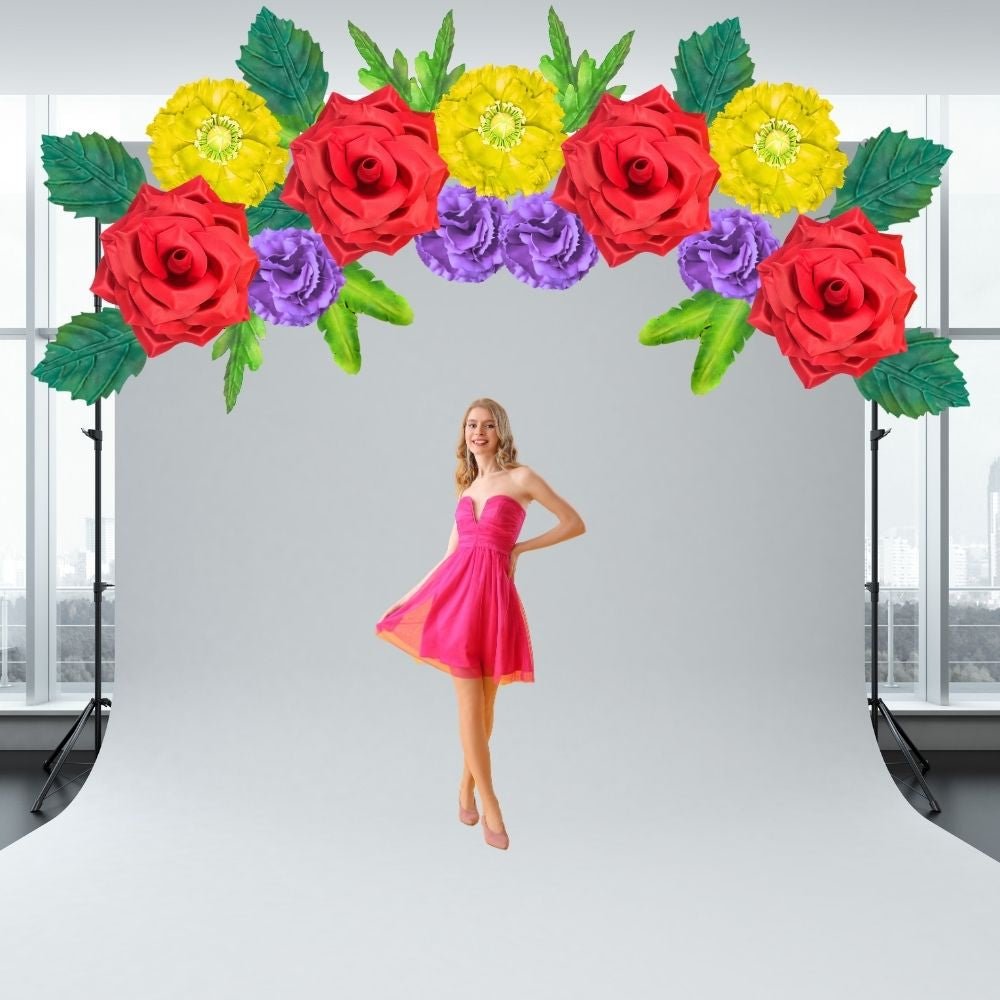
This is the thin, spongy foam you'll find in the kids' craft aisle. It comes in every color imaginable, it's inexpensive, and it's easy to cut with scissors. For small flowers — think party favors, gift toppers, or wreaths — it does the job. But the moment you scale up, it falls apart. It has very low density, which means it won't hold a curved petal shape after heating, and it tends to tear at the edges when you try to layer petals tightly.
EVA Foam (2mm–10mm)
EVA stands for ethylene-vinyl acetate, and it is the gold standard for large-scale foam flowers. It's denser, more durable, and — most importantly — it responds beautifully to heat. When you apply a heat gun or iron to EVA foam, it becomes pliable and you can curl, cup, and shape each petal. Once it cools, it holds that shape permanently. This is the foam I use in all of my giant flower builds, and it's what I carry in my shop.
Foamiran
Foamiran is an ultra-thin, stretchy foam that originated in Eastern Europe and became popular in the sugar flower and miniature art communities. It creates incredibly realistic, translucent-looking petals that mimic real flower tissue. For life-size and Real Touch style craft flowers, it can produce stunning results. However, it's not practical for large-scale event flowers — it's harder to source in bulk, more expensive per sheet, and simply not sturdy enough for big statement pieces.
Glitter Foam and Metallic Foam
These are specialty decorative foams with a glitter or metallic finish applied to the surface. They can add a gorgeous effect to accent petals or centers, but they behave differently under heat — the surface coating can crack or bubble if overheated. Use these as accent layers, not structural ones, and test a small piece before committing to a full petal.
Materials and Tools You'll Need
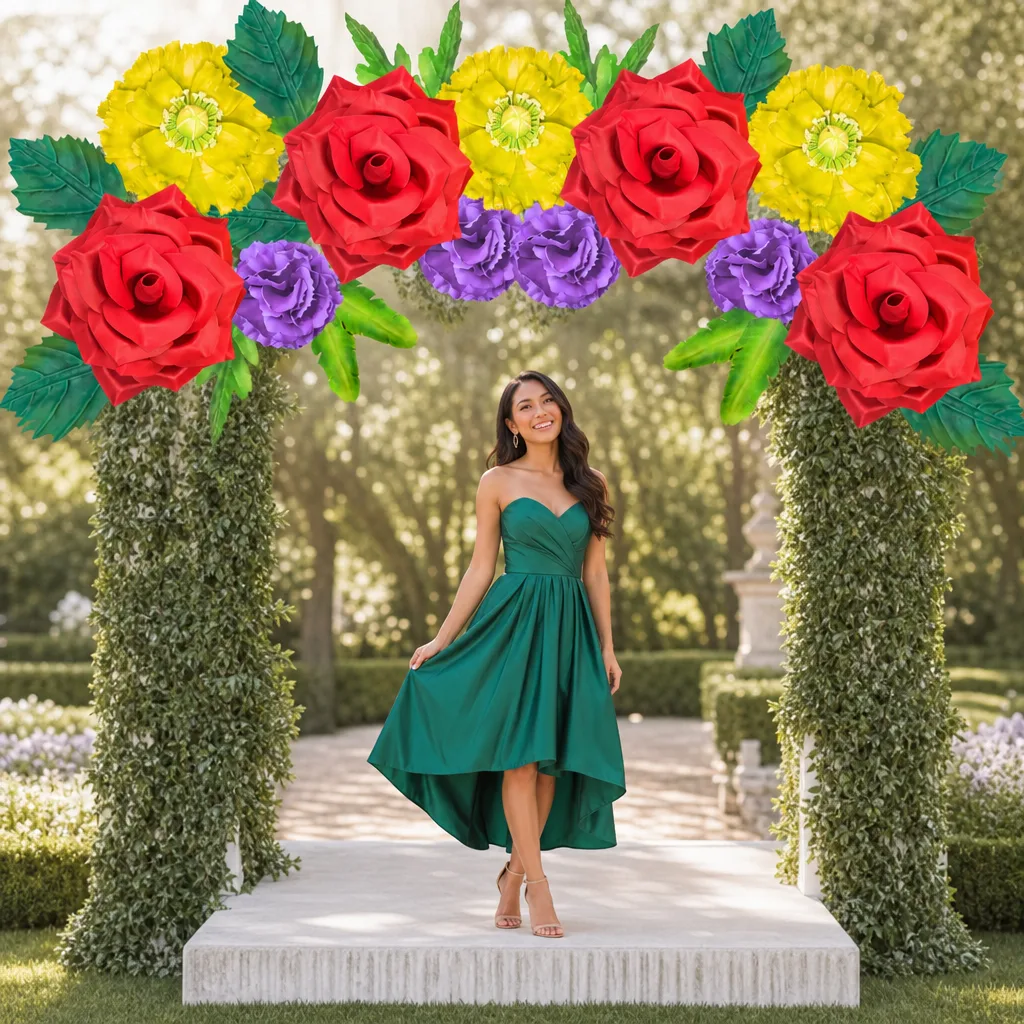
Getting your foam right is step one. But having the right supporting tools makes the whole process so much smoother. Here's what I recommend having on hand before you start cutting a single petal:
- EVA foam sheets in the appropriate thickness for your flower size (see the Key Takeaways section above)
- Templates or molds — I carry both petal templates and flower molds in my shop that take all the guesswork out of cutting
- Sharp scissors or a craft knife — EVA foam cuts cleanly with a sharp blade; dull scissors will drag and leave ragged edges
- A heat gun, iron, or flat grill — these are the shaping tools for giant EVA foam flowers; the heat activates the foam so you can curve and cup each petal
- A hair styler or heat gun — for life-size Real Touch craft kits and mold work, these give you more precise, controlled heat
- 369 glue or a hot glue gun with silicone sticks — both are sold separately; I use 369 glue for a cleaner bond on layered petals and hot glue for quick assembly
- Pipes, stems, and bases — if you're making freestanding flowers, remember that bases and stands are sold separately from the kits; don't skip this step or your flower will have nowhere to stand
- A cutting mat — protects your work surface and helps you cut more accurately
Having everything laid out before you start means you won't be hunting for tools mid-build with warm foam in your hands. Trust me on that one.
Step-by-Step: How to Shape EVA Foam Petals
Once you have your foam cut to shape using your template or mold, here's how to bring each petal to life:
- Cut your petals. Use your template to trace and cut each petal from the EVA foam sheet. Keep your cuts smooth and consistent — the cleaner the cut, the more polished the finished flower.
- Heat the foam. Using a heat gun, iron, or flat grill, apply even heat across the surface of the petal. You'll notice the foam becoming soft and slightly shiny — that's your cue that it's ready to shape. Work in sections rather than heating the entire petal at once.
- Shape while warm. Immediately cup the petal in your hands, press it over a rounded surface, or curl the edges to create your desired shape. Work quickly — EVA foam sets fast as it cools.
- Hold until cool. Keep the petal in position for several seconds until it cools and holds its shape. You can speed this up by pressing it against a cool surface.
- Repeat and layer. Shape all your petals before you start gluing. Lay them out in order from largest to smallest so assembly goes smoothly.
- Glue your layers. Use 369 glue or your hot glue gun with silicone sticks to assemble the layers, starting from the outermost petals and working inward. Press each petal firmly and hold for a few seconds.
- Attach to your stem and base. Once the flower head is assembled, attach it to your pipe or stem and secure it in your separately purchased base.
Common Mistakes to Avoid
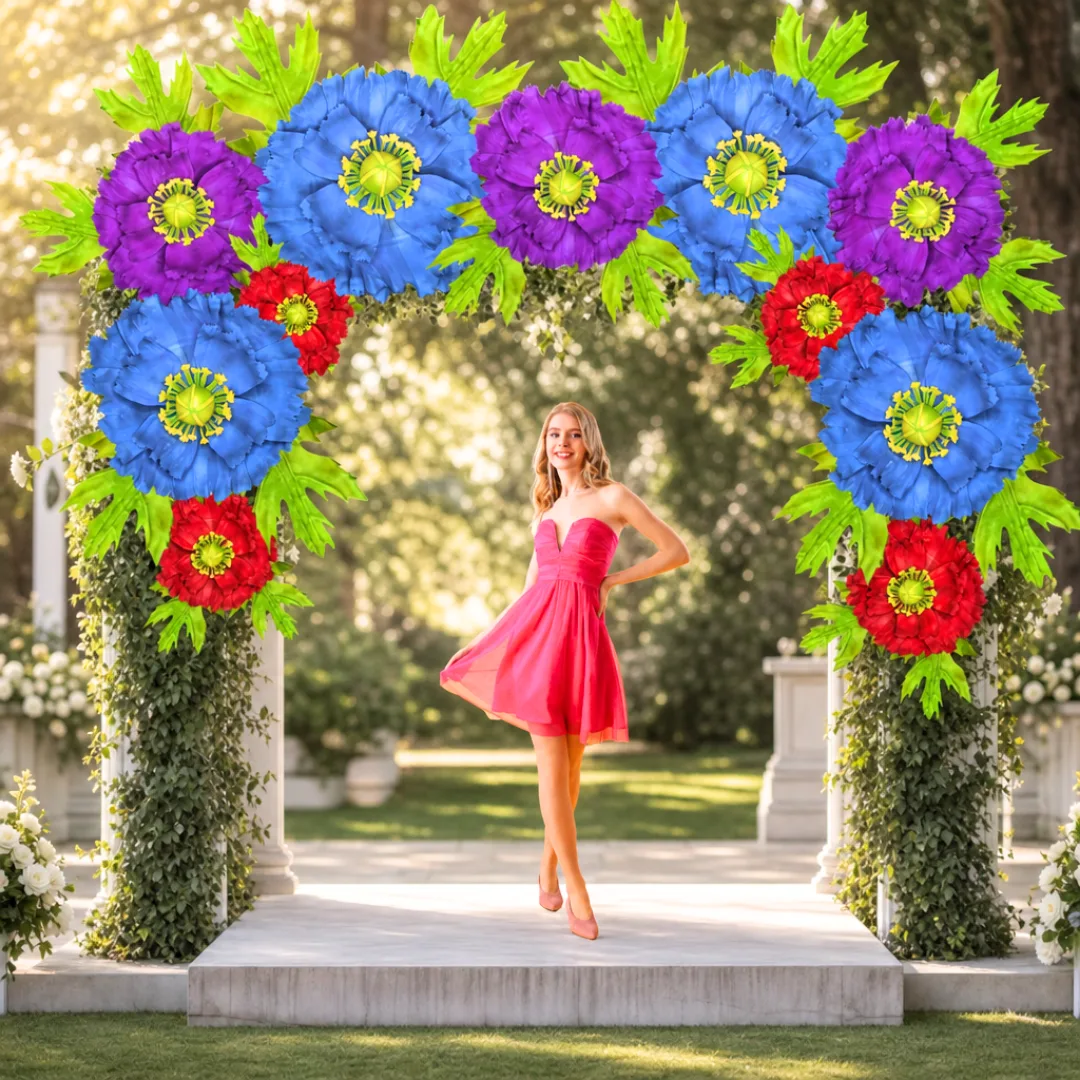
I've made every one of these mistakes myself, so I'm sharing them so you don't have to:
- Using foam that's too thin for the size of your flower. Thin foam on a large petal will droop no matter how well you shape it. Match your foam thickness to your flower size.
- Overheating the foam. Too much heat too fast can warp, bubble, or melt your foam. Keep the heat source moving and test on a scrap piece first.
- Skipping the base. If you're making a freestanding flower, you need a proper base. Bases are not included in giant flower kits — they're sold separately — and improvising with a heavy pot or tape never ends well at an event.
- Using the wrong glue. Regular school glue or craft glue won't bond EVA foam properly. Stick with 369 glue or hot glue with silicone sticks for a secure hold.
- Cutting all petals at once without testing the shape. Always shape one test petal before cutting your full set. If the shape isn't right, you can adjust your template before you've wasted a full sheet of foam.
- Mixing foam thicknesses randomly. Using wildly different thicknesses in the same flower can make it look unbalanced. Thicker foam for outer structural petals, thinner for inner detail layers — that's the rule I follow.
Design and Placement Tips for Maximum Impact
The foam is just the beginning. How you design and place your flowers makes an enormous difference in the final look. Here are some of my favorite tips for event planners, production companies, and businesses using foam flowers as display pieces:
- Vary your sizes. A mix of large, medium, and small flowers in the same color palette looks far more dynamic than a wall of identical blooms. Use your largest flowers as anchor points and fill in with smaller ones.
- Layer your colors. Don't be afraid to use a lighter shade for inner petals and a deeper shade for outer petals on the same flower. This mimics how real flowers look and adds incredible depth.
- Consider your backdrop surface. Wall flowers need a flat, sturdy surface. Freestanding flowers need level ground and a proper base. Always scout your venue before deciding which style to use.
- Group in odd numbers. Three or five flowers clustered together always looks more natural and visually appealing than two or four.
- Think about sight lines. At events, people see your installation from multiple angles and distances. Step back and view your arrangement from across the room, not just up close.
- Use greenery as a filler. Foam leaves or fabric greenery tucked between flowers softens the look and makes the arrangement feel lush rather than sparse.
Care and Storage for Foam Flower Petals
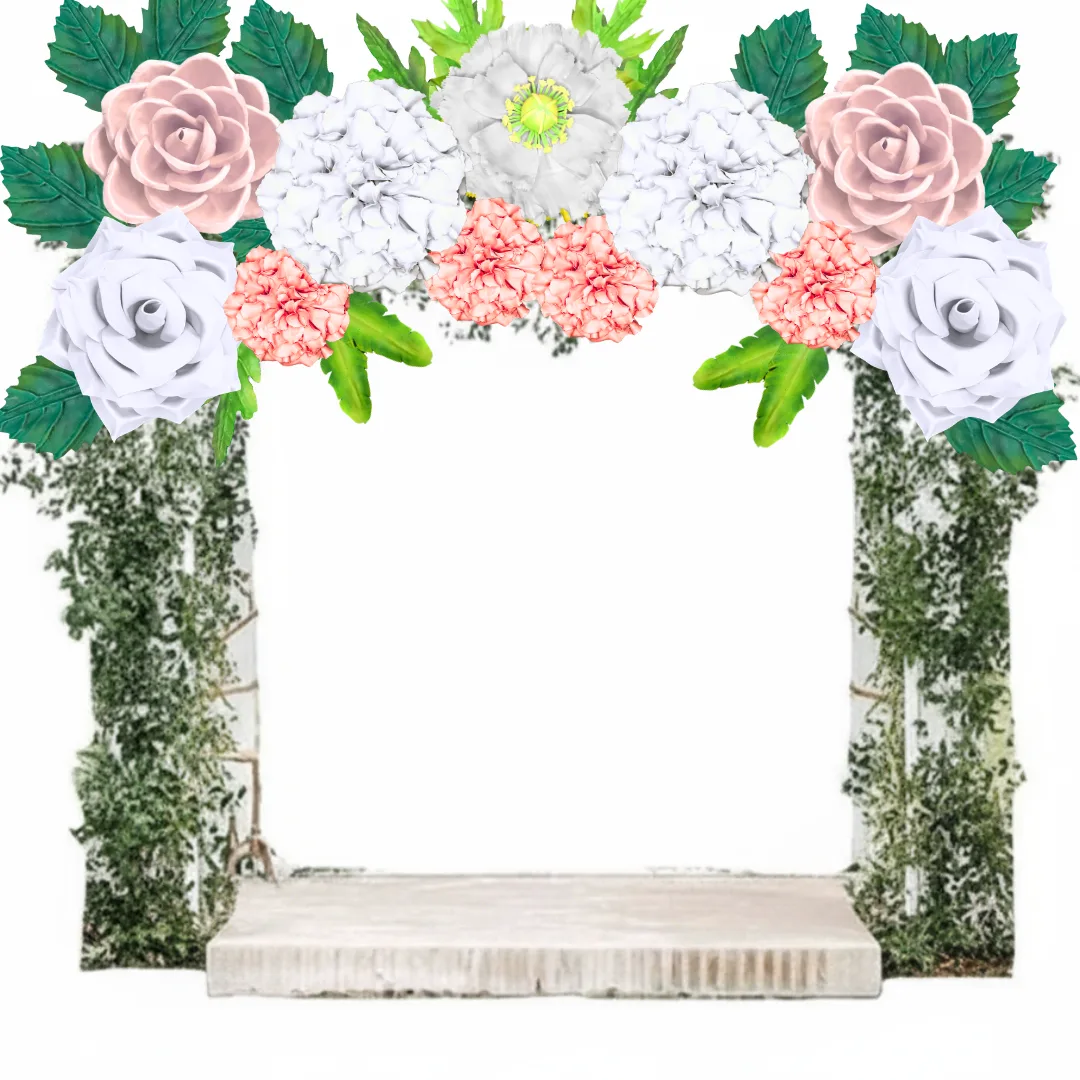
One of the best things about EVA foam flowers is that they're reusable. With proper care, a well-made foam flower can be used again and again across multiple events. Here's how to keep them looking their best:
- Store flat or hanging. Don't stack heavy items on top of foam flowers — the petals can compress and lose their shape. Store them flat in a large box with tissue paper between layers, or hang freestanding flowers upright in a storage area.
- Keep away from prolonged direct heat. EVA foam is heat-shapeable, which means a hot car or a storage unit in a Houston summer can cause petals to warp. Store in a climate-controlled space when possible.
- Clean gently. Wipe foam petals with a slightly damp cloth to remove dust or fingerprints. Avoid soaking or scrubbing, which can damage the surface.
- Reshape if needed. If a petal gets bent or compressed during transport, a quick pass with a heat gun will let you re-shape it. This is one of the biggest advantages of EVA foam over fabric or paper flowers.
- Transport carefully. Use large, shallow boxes and avoid cramming flowers together. A little extra care during transport saves you a lot of touch-up time on-site.
Ideas for Events and Businesses
Foam flowers aren't just for weddings. Over the years I've seen — and created — installations for all kinds of occasions and commercial uses. Here are some ideas to spark your creativity:
- Retail displays and storefronts. A giant flower wall or a cluster of freestanding blooms in a shop window stops foot traffic and creates a memorable brand moment.
- Photo booths and branded activations. Production companies love foam flowers for photo-op backdrops at brand activations, product launches, and pop-up events. They photograph beautifully and hold up through a full day of use.
- Baby showers and gender reveals. A baby shower flower backdrop or a cluster of freestanding blooms in pink, blue, or neutral tones makes for a stunning focal point and a gorgeous photo background.
- Corporate events and galas. Foam flowers in brand colors create a cohesive, polished look for corporate events without the cost or wilting risk of fresh florals.
- Quinceañeras and sweet sixteens. Large-scale foam flowers are a staple of celebration décor in our community — they're bold, colorful, and absolutely unforgettable in photos.
- Permanent business installations. Restaurants, salons, boutiques, and hotels use foam flower walls as permanent décor and social media backdrops. Unlike fresh flowers, they never wilt and never need replacing.
If you're in the Houston area and want a professional installation without the DIY process, our Done For You service handles everything — design, build, and delivery. Rentals are available for Houston-area events and are delivered directly to your venue.
Can foam flower petals be used outdoors?
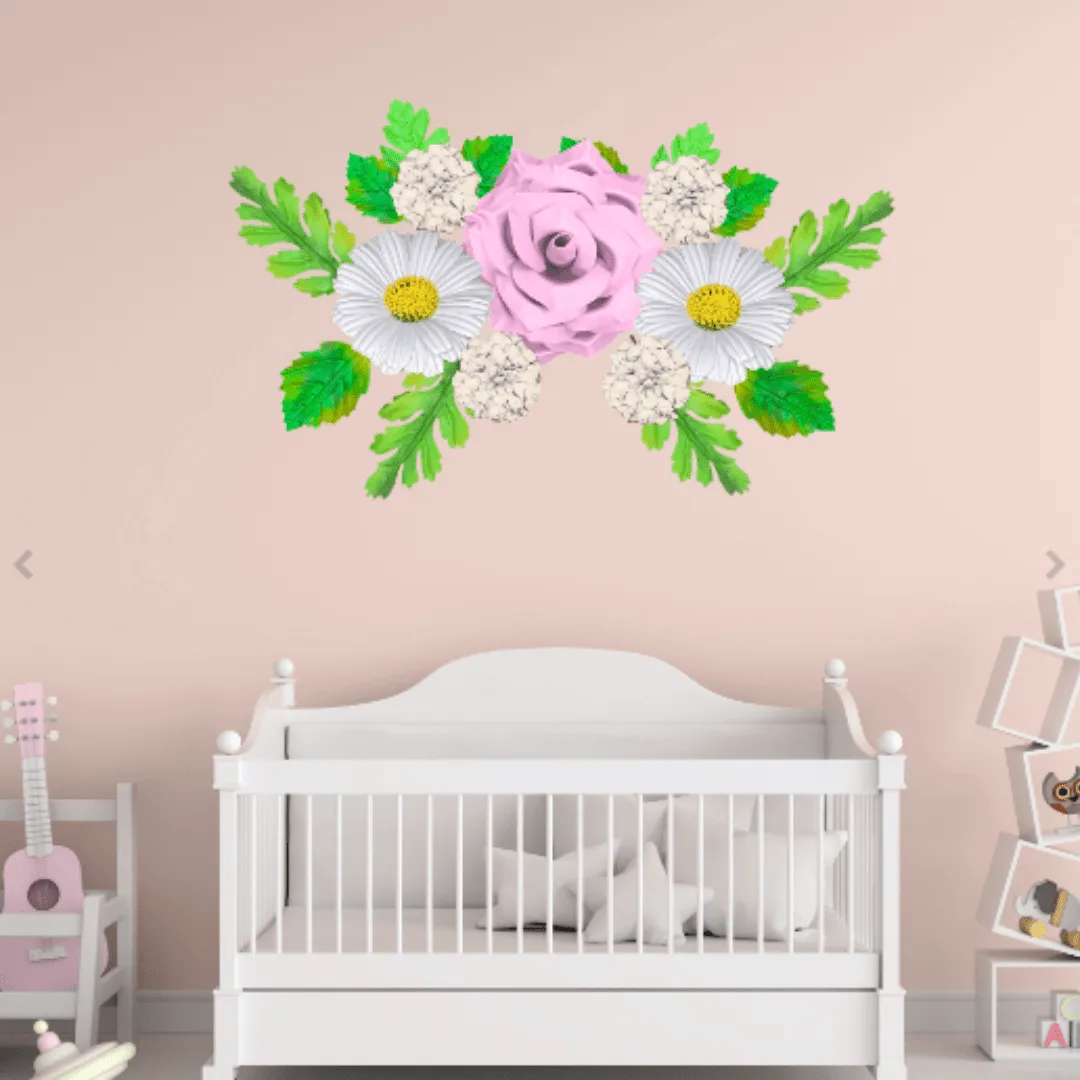
Yes! This is one of the biggest advantages of EVA foam over fresh flowers. EVA foam handles heat, humidity, and light wind extremely well. I've had foam flowers survive Houston summer events — and if you've ever been to Houston in July, you know that's saying something.
For extended outdoor use, avoid direct prolonged sun exposure (colors can fade over time) and bring them inside during heavy rain or strong wind.
Where can I buy the best foam sheets for flower petals?
For thin craft foam (1–2mm), your local Michaels or Hobby Lobby will have plenty of options. For thicker, higher-quality EVA foam specifically designed for giant flowers, I recommend shopping from a specialty supplier — or right here at Amazing Giant Flowers, where I carry the exact foam I use in all my builds.
Frequently Asked Questions
What is the best foam thickness for large statement flower petals?
It really depends on the diameter of your finished flower. For flowers under 18 inches, I use 2mm–4mm EVA. For flowers in the 18–36 inch range, I go with 4mm–6mm. For truly giant flowers over 36 inches — the kind that anchor a full backdrop — I use 6mm–10mm for the structural outer petals and a thinner sheet for the inner detail layers. Getting this right is the single most important material decision you'll make.
Can I use regular craft foam sheets for giant flower petals?
For small flowers and accent pieces, yes — regular craft foam works fine. But for anything large, I strongly advise against it. Standard craft foam is too thin and low-density to hold a shaped petal at scale. It droops, it tears at the edges, and it just doesn't have the structural integrity you need for a flower that's going to be on display all day at an event. Invest in proper EVA foam and you'll see the difference immediately.
What glue works best for bonding EVA foam petals?
I use two options depending on the situation: 369 glue for a clean, strong bond on layered petals where I want a smooth finish, and a hot glue gun with silicone sticks for quick assembly and structural joins. Both are available separately. Avoid regular craft glue or school glue — they don't bond EVA foam properly and the petals will separate over time, especially in warm or humid conditions.
Do I need special tools to shape foam flower petals?
For giant EVA foam flowers, I shape petals using a heat gun, an iron, or a flat grill — these give you the even, controlled heat you need to curve and cup large petals. For life-size Real Touch craft kits and mold work, a hair styler or heat gun gives you more precision for smaller, more detailed shaping. The key is controlled, even heat — never rush it or hold the heat source in one spot too long.
Are bases and stands included with giant flower kits?
No — and this is something I want to be very clear about because it catches people off guard. Bases and stands are sold separately from the giant flower kits. If you're planning to make freestanding flowers, make sure you add bases and pipes to your order. Wall flowers don't need a base, but freestanding ones absolutely do. I carry everything you need in the shop so you can get it all in one place.
If you've made it this far, you're already way ahead of where I was when I started. Knowing which foam to use — and why — is genuinely half the battle. The rest is just practice, patience, and a good heat gun.
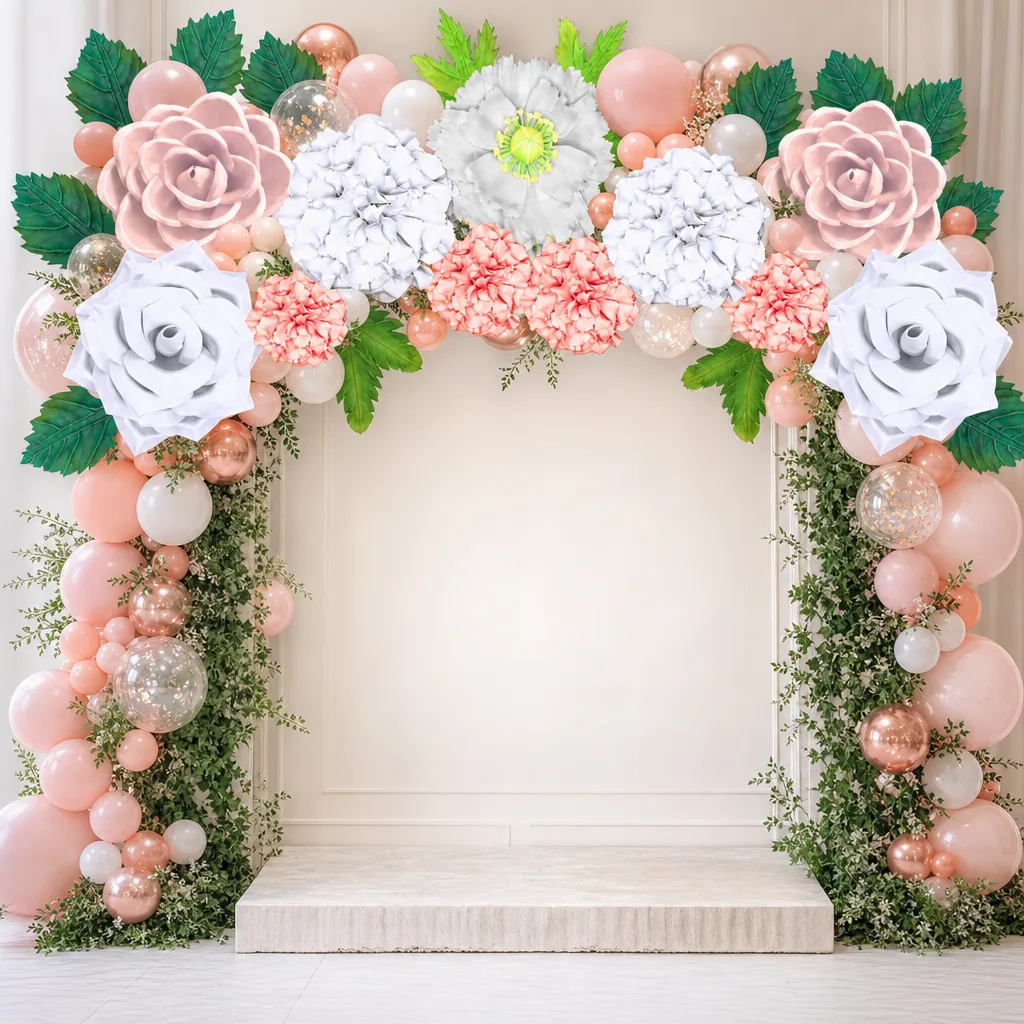
Whether you're making your first giant flower for a baby shower or building a full wedding arch backdrop, I hope this guide helps you skip the frustration and go straight to the good stuff. And if you want to skip the material sourcing entirely, check out our pre-cut kits at Amazing Giant Flowers — everything is already cut and ready, with video tutorials to walk you through every step. I'd love to see what you create. Reach out anytime — I'm always happy to help you find the right materials and get your project started on the right foot.
Shop the supplies
Everything You Need for This Project
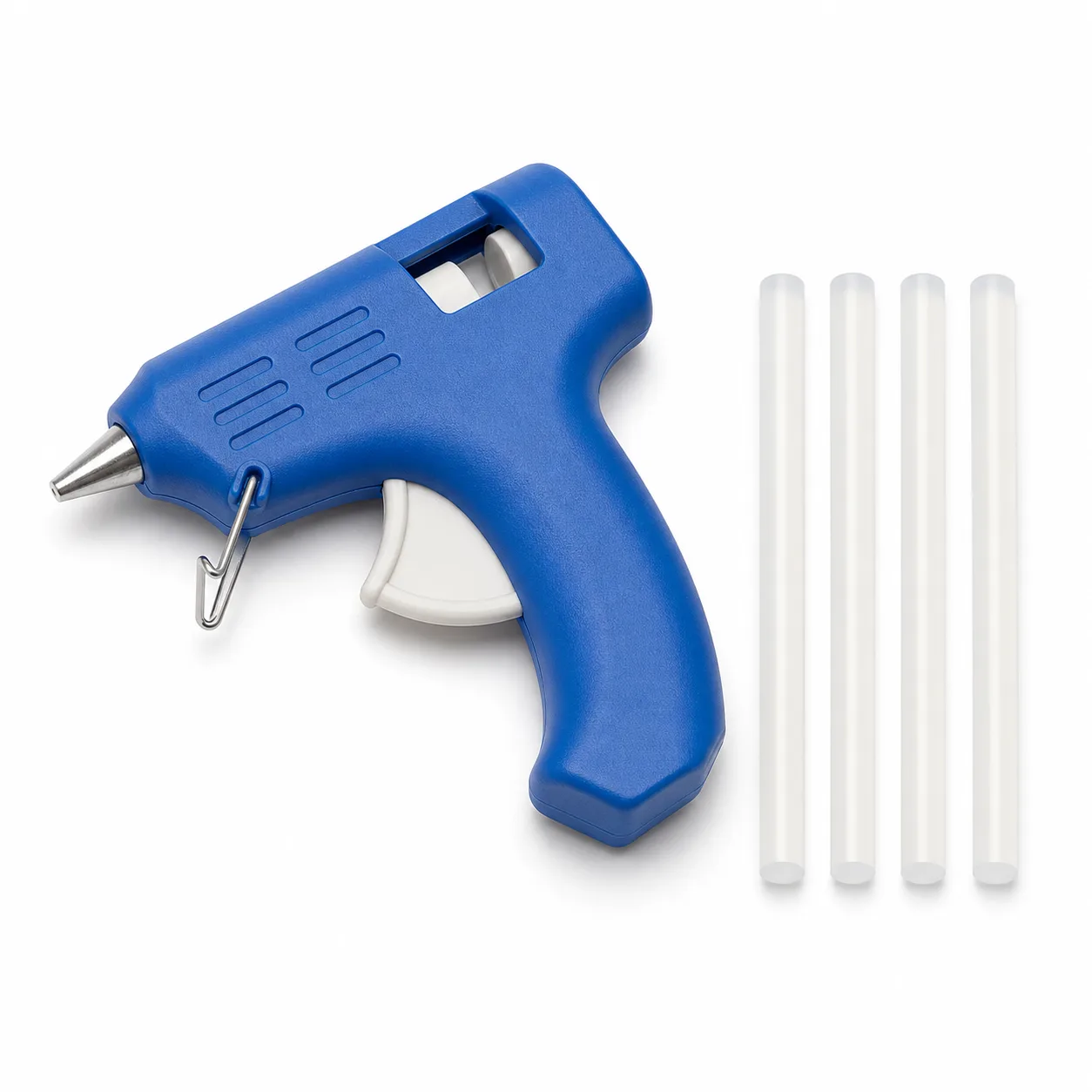
Hot Glue Gun + 4 Silicone Glue Sticks — Fast, Strong Petal Assembly
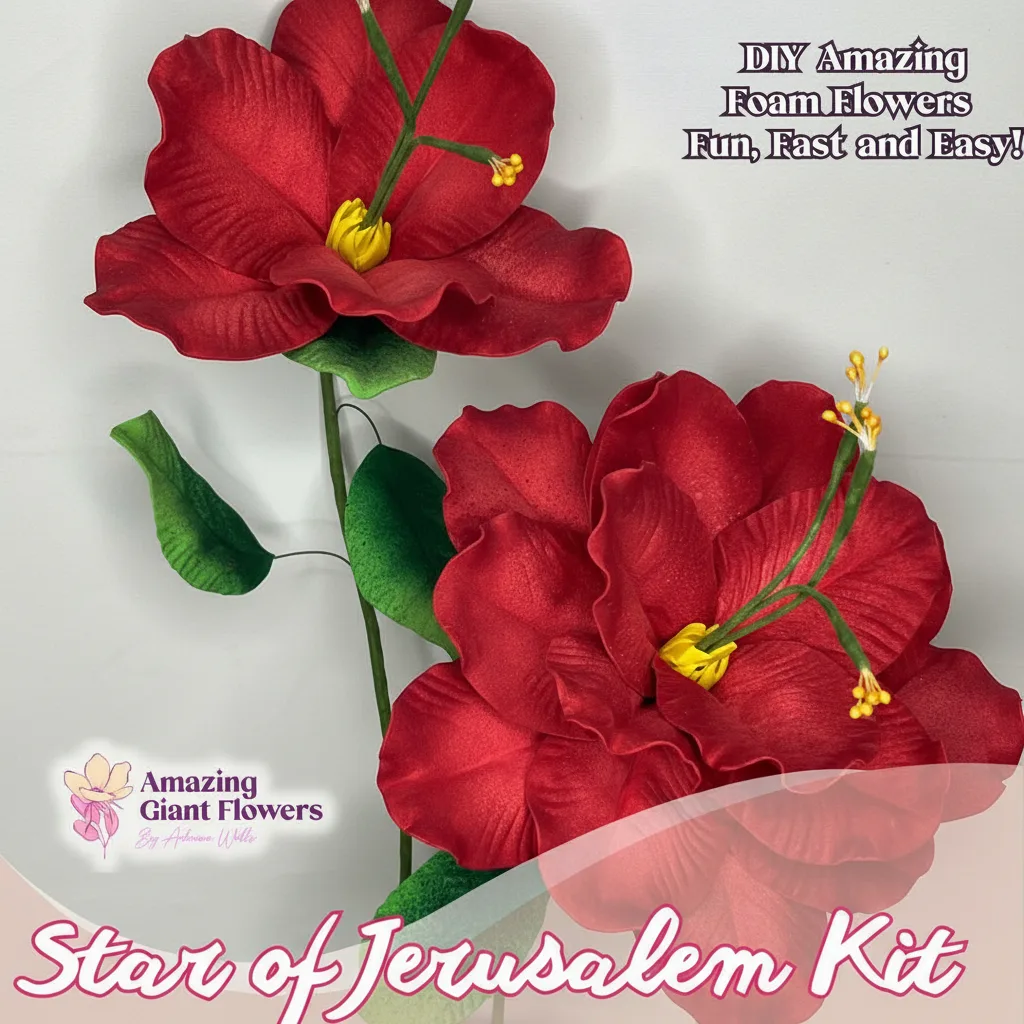
Real Touch Star of Bethlehem Foam Flower Kit — Large Tropical DIY Blooms (Star of Jerusalem) with Golden Pistils, Reusable Mold & Pre-Cut Petals
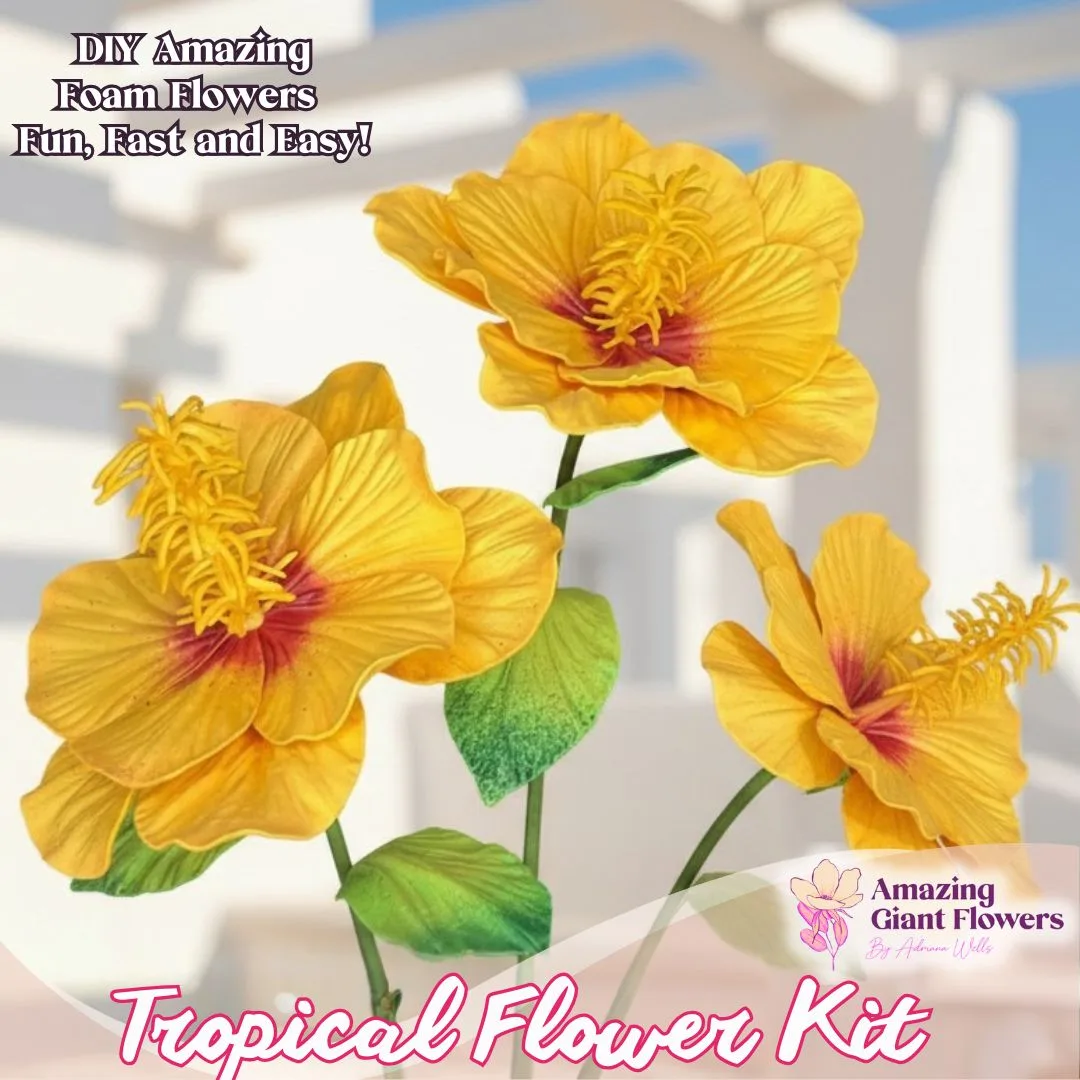
Real Touch Tropical Flower Foam Kit — Large DIY Hibiscus Blooms with Reusable Double-Sided Mold, Pre-Cut Petals, Bud & Leaves
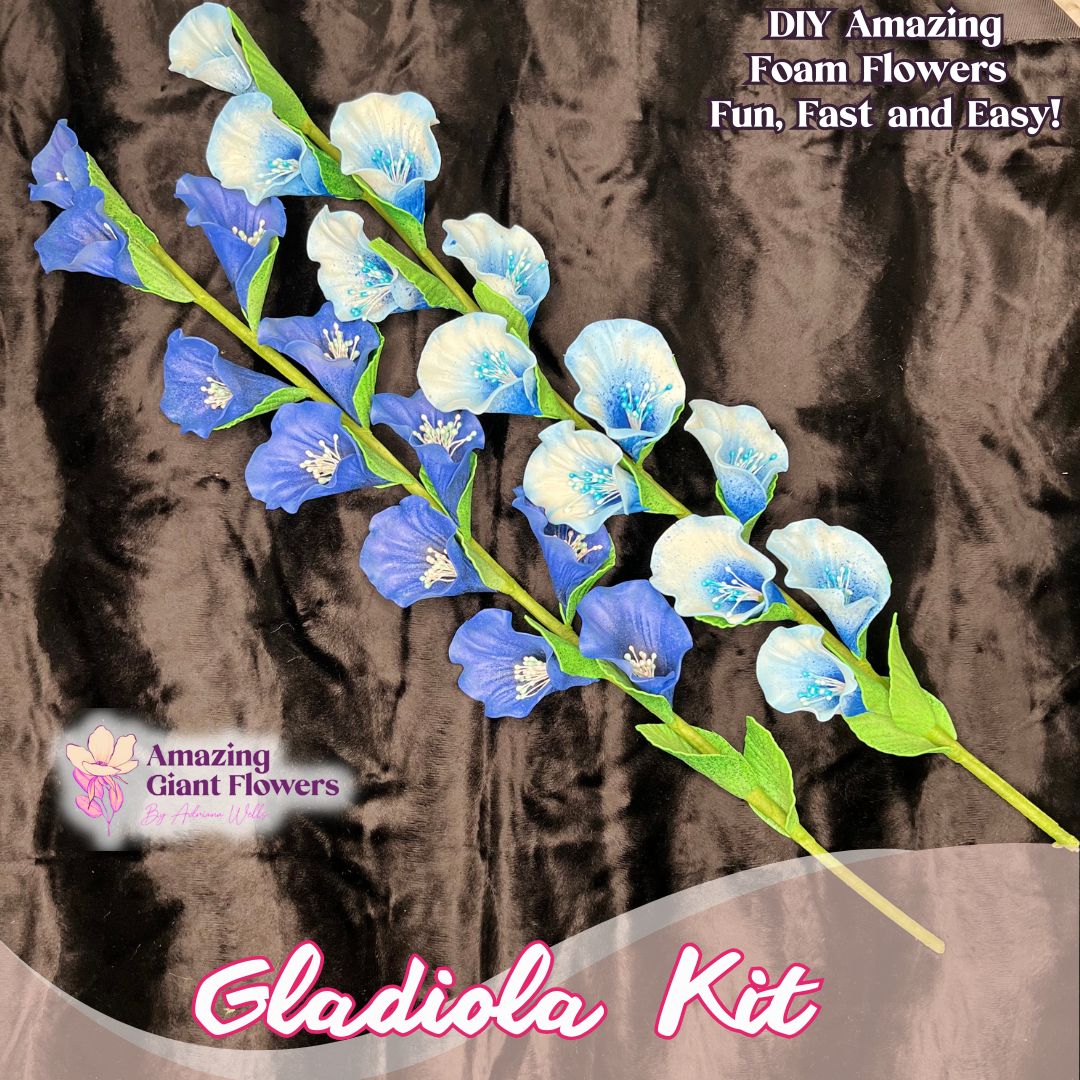
Real Touch Gladiolus Foam Flower Kit (Gladiola) — Two Tall 24" DIY Stems with Reusable Mold, Pre-Cut Petals & Leaves

Written by
Adriana WellsFounder & CEO of Amazing Giant Flowers
Adriana Wells is the founder and creative force behind Amazing Giant Flowers, a Texas-based company specializing in handcrafted giant foam flowers, luxury floral installations, and DIY flower-making supplies.
More about Adriana →Ready to Create Something Amazing?
Browse our collection of giant flower kits and start your next project today.