Foam vs Sugar: Same Mold, Two Techniques
If you've ever found yourself Googling foam vs sugar flowers at midnight trying to figure out which skill is "worth learning," I have news for you: you don't have to choose. That was the whole idea behind our double-sided flower molds, and honestly, it changed everything for me and for so many makers in our community.
I started Amazing Giant Flowers because I was obsessed with large-scale floral crafts. But somewhere along the way, I started getting messages from cake decorators asking if our molds worked for gumpaste. And from foam artists asking if they could branch into sugar work. The answer to both? Yes. Absolutely yes.
So let's dig into this. One mold. Two completely different techniques. Two different markets you can serve. Let me show you how it all works.
Key Takeaways
Here's something nobody talks about enough: the most booked, most profitable makers I know are the ones who can say yes to more than one type of client.
A bride planning her wedding doesn't just need a flower arch. She also needs a wedding cake. If you can do both — or at least offer referrals from a place of real knowledge — you become someone's whole creative team, not just a vendor.
And when your foam flower skills and your sugar flower skills are built on the same mold system? Your learning curve for the second craft is dramatically shorter. You already know the petal shapes. You already understand how the veining flows. You're just switching materials.
"One mold, two crafts, twice the clients — that's not a shortcut, that's a strategy."
Who This Is Really For
Maybe you're a foam flower artist who's been curious about cake decorating. Or a baker who wants to add event décor to your services. Or maybe you're brand new to both and trying to figure out where to invest your money wisely.
All three of you are exactly who I designed these molds for. You can check out our full flower molds collection to see the shapes available — roses, dahlias, ranunculus, magnolias, and more.
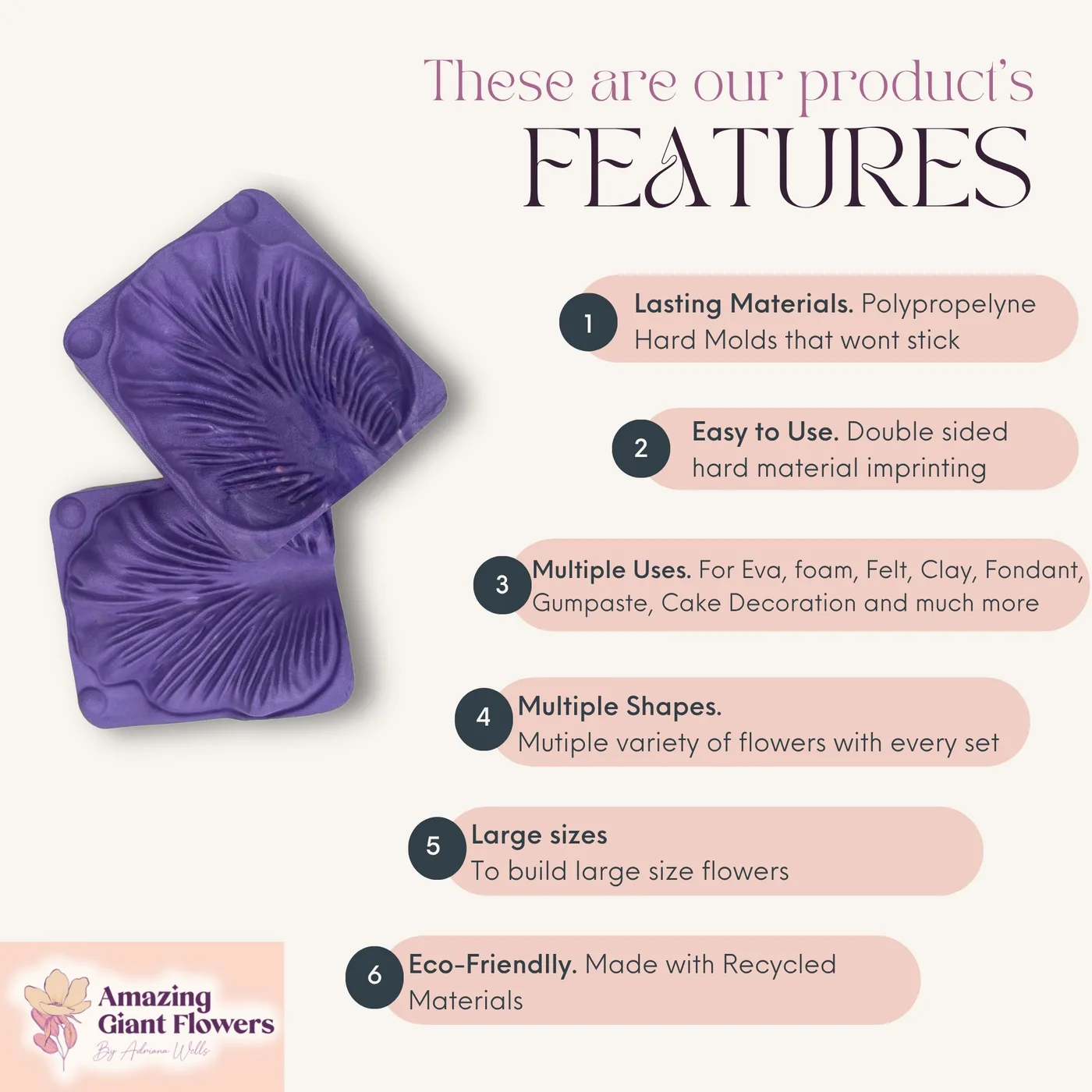
Ok, this is where it gets really fun. Our molds are literally double-sided — each side is engineered for a different material and a different result. Let me break this down.
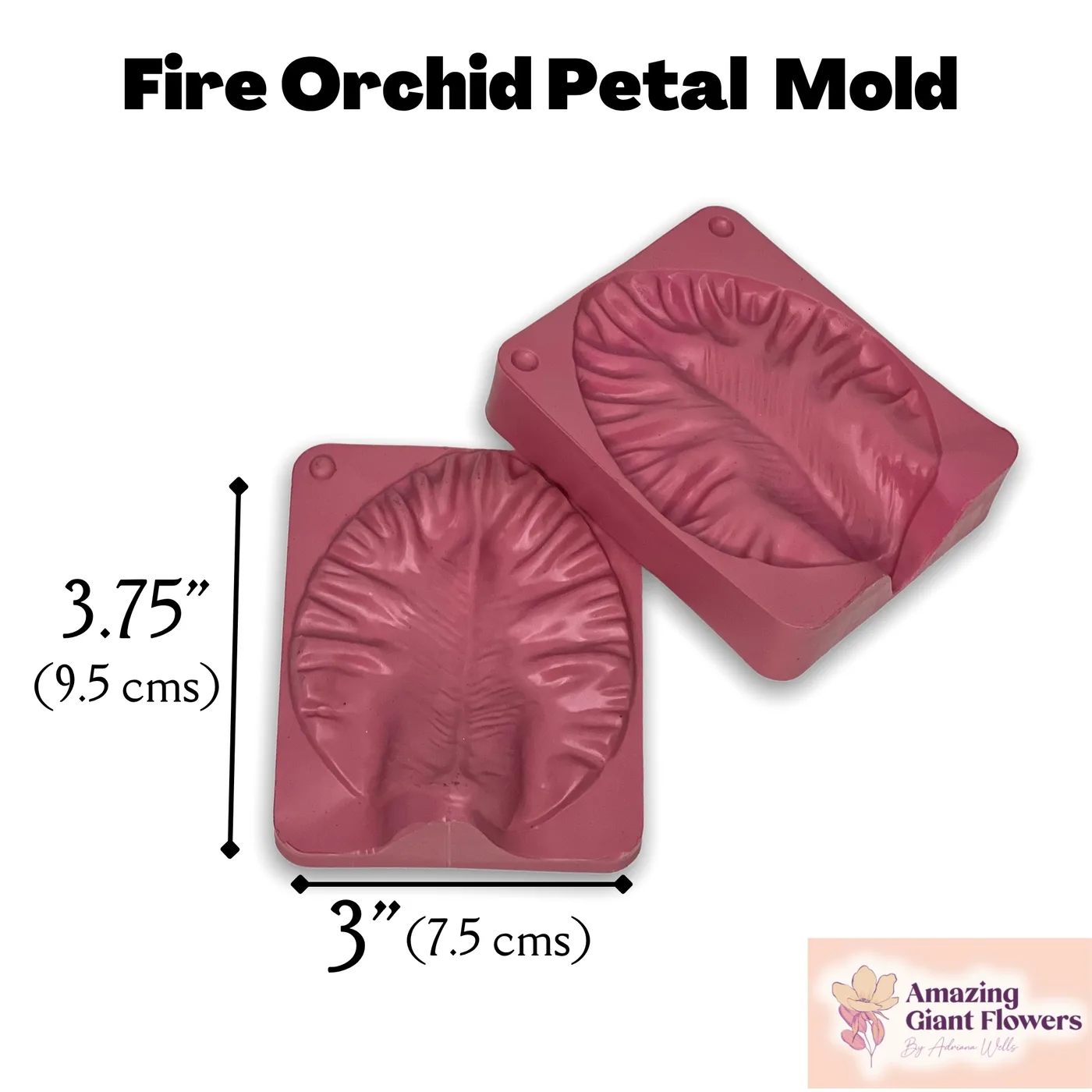
The foam side is designed with deeper channels and more dramatic veining. Why? Because EVA foam is thicker and needs that extra depth to pick up texture properly. When you press a foam petal into this side, you get a crisp, realistic impression that holds up even after shaping with a heat gun.
The petals you make on this side are meant to be seen from across a room — at a wedding arch, a baby shower backdrop, a quinceañera entrance. Big, lush, life-size blooms that photograph beautifully. If you're new to foam shaping, our guide on heat gun techniques for shaping foam flower petals is a great place to start.
Flip the mold over and you're in a completely different world. The sugar side has finer, shallower detail — because gumpaste and fondant are soft and pick up even the most subtle texture without needing aggressive depth.
This side is food-safe compatible, which means it's safe to use with edible materials. You press your thinly rolled gumpaste in, pop it out, and you've got a petal with gorgeous natural-looking veins that a pastry brush and some petal dust will bring to life.
💡 Pro Tip
When using the sugar side, dust the mold lightly with cornstarch before pressing in your gumpaste. It releases cleanly every time and won't affect the finish of your petal. For foam, a quick spritz of silicone spray on the foam side keeps things smooth.
Let's get into the actual craft differences, because they matter. Foam vs sugar flowers isn't really a competition — it's more like comparing oil painting to watercolor. Same artistic goal, completely different process.
The thing I love most about foam is how forgiving it is. If a petal doesn't curl the way you want, hit it with the heat gun again and reshape. You can't do that with sugar.
Sugar work rewards patience. You roll your gumpaste thin — like, really thin, about 1–2mm — press it into the mold, release it, and then use a ball tool on a foam pad to thin the edges and add a natural curl. Then it dries for 24–48 hours before assembly. It's slow, but the results are jaw-dropping.
This is the part that genuinely excites me. When you learn petal anatomy on a foam mold — where the veins run, how the base tapers, how the edges flare — that knowledge transfers directly to sugar work.
You're not starting from zero when you flip the mold over. You already know this flower.
If you're just getting started with foam flowers, our life-size foam flower kits are a great entry point — everything you need is included, and the molds in those kits are the same double-sided ones we're talking about here.
🌸 Ready to get started?
Browse our flower molds collection and find your perfect match — whether you're reaching for foam sheets or a bag of gumpaste.
Real Ways to Use Both Techniques in Your Business
Let me give you some actual scenarios, because this is where the dual-craft advantage gets really tangible.
Scenario 1: The Wedding Client
A bride comes to you for a flower wedding arch. You make her a stunning foam flower arch with roses and dahlias. Then she mentions she's still looking for a cake baker. You pull out your portfolio of sugar flowers made with the same molds and offer to connect her with a baker you collaborate with — or, if you bake, you take that order yourself.
That's one client, two revenue streams, one mold system.
Scenario 2: The Event Rental Business
You build a library of foam flowers using your molds — arches, backdrops, centerpieces. You rent these out for events. Between rentals, you use the same molds to make sugar flower sets that you sell to local bakeries as wholesale toppers. Your molds are working constantly, even when your rental inventory is sitting in storage.
Scenario 3: The Workshop Teacher
You run crafting workshops. With double-sided molds, you can offer two different workshop formats — a foam flower class and a sugar flower class — using the same teaching materials and the same mold demonstrations. Your overhead stays low. Your class variety goes up.
"The mold doesn't care what you press into it. Foam or sugar — it gives you the same beautiful petal every single time."
Tips for Getting the Best Results from Each Side
Real talk? The biggest mistakes I see are people using the wrong side for the wrong material, or not prepping the mold before use. Here's what actually works.
For Foam Petals
- Use 2mm EVA foam for smaller petals and 4mm for larger, more structural ones.
- Warm your foam slightly before pressing into the mold — it picks up texture better when it's just a touch warm.
- Press firmly and evenly — don't rush the press. Hold it for 3–5 seconds.
- Shape immediately after molding while the foam is still warm from your hands.
For Sugar Petals
- Roll your gumpaste to 1–2mm — thinner than you think you need. It thickens slightly in the mold.
- Dust with cornstarch before every press for clean release.
- Use a ball tool on a foam pad right after releasing to thin the edges and add natural movement.
- Dry petals over curved formers — the inside of an apple tray works perfectly for a natural cup shape.
💡 Pro Tip
Clean your mold between sugar sessions with a soft dry brush — never soak it in water. For foam sessions, a quick wipe with a damp cloth is all you need. Keeping your mold clean means it lasts for hundreds and hundreds of uses.
Frequently Asked Questions
Are the flower molds actually food-safe for sugar work?
Our molds are food-safe compatible on the sugar side, making them suitable for use with gumpaste, fondant, and wafer paper. As with any mold used for edible work, we recommend keeping a dedicated set for food use — don't use the same mold for both foam and food applications.
Do I need different molds for foam flowers vs sugar flowers?
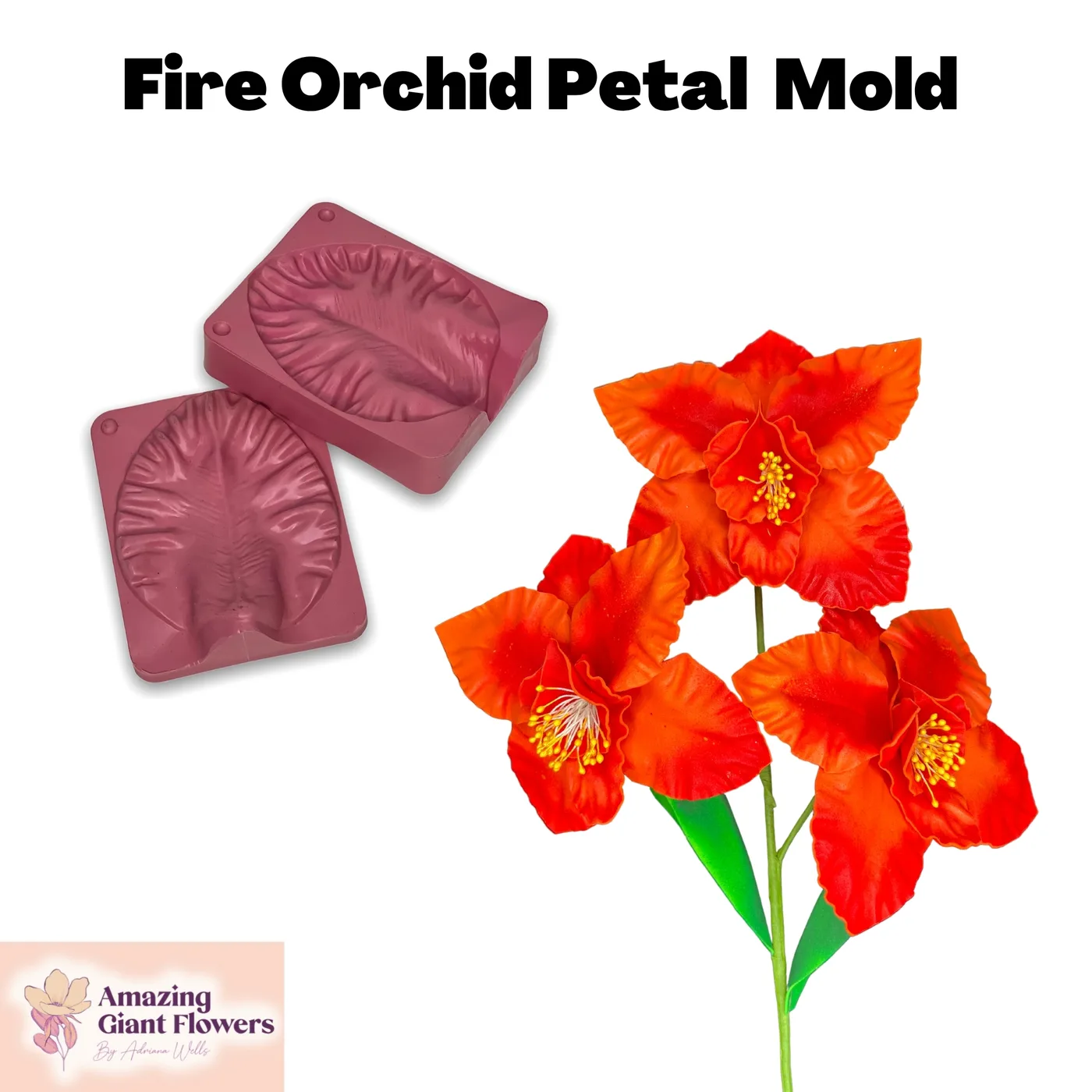
Nope — that's the whole point! Our double-sided design means one mold handles both. The foam side has deeper veining for bold texture, and the sugar side has finer detail for delicate edible work. You're getting two specialized tools in one purchase.
What flower shapes are available in the mold collection?
We carry a growing range of shapes including roses, dahlias, ranunculus, magnolias, and more. Head to our flower molds shop page for the current full collection — we add new shapes regularly based on what our community is asking for.
How many times can I reuse the molds?
Hundreds of times, easily. These aren't flimsy single-use molds. With proper care — gentle cleaning, storage away from direct sunlight, and not bending them aggressively — they hold their shape and detail for years. A lot of our customers have been using the same
Ready to Create Something Amazing?
Browse our collection of giant flower kits and start your next project today.