DIY Wedding Aisle Decorations: Giant Flowers That Frame Your Walk
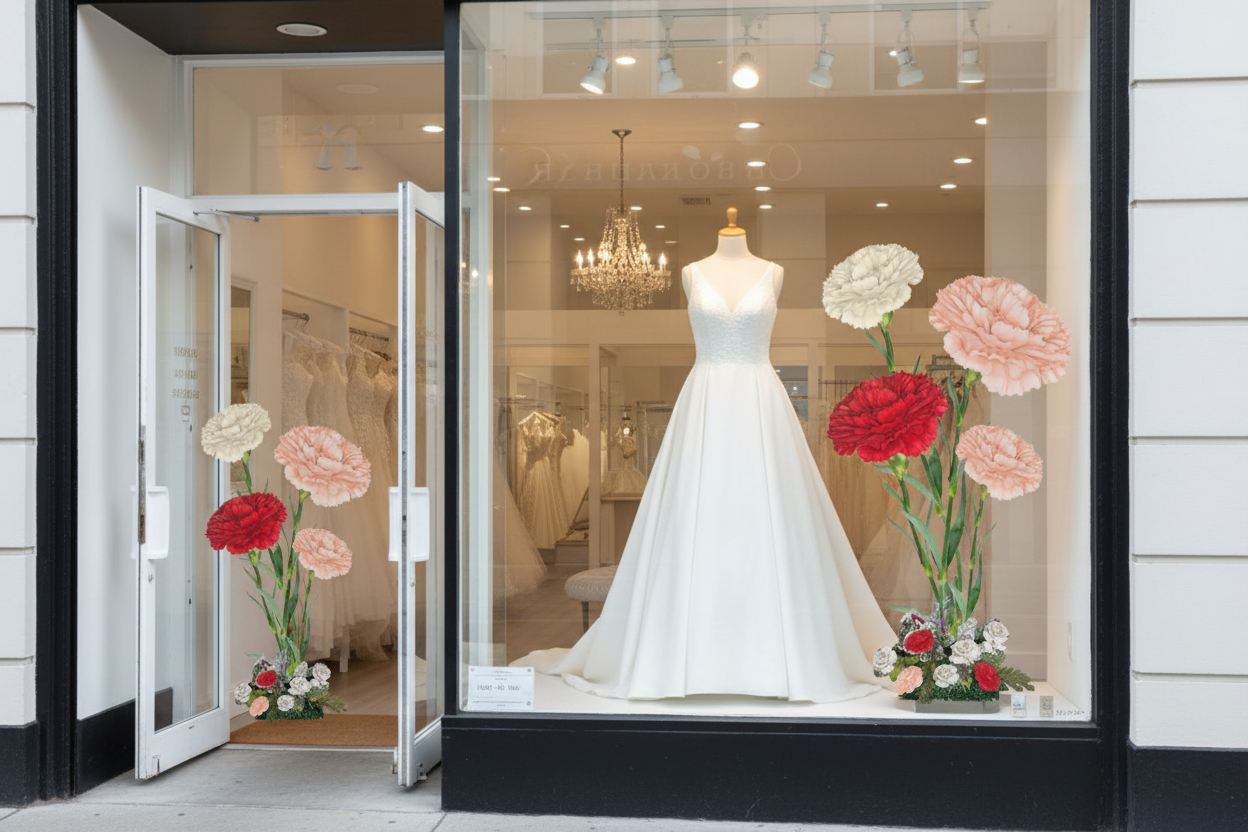
If you've been dreaming about walking down an aisle that actually takes your breath away — not just yours, but every single guest's — then wedding aisle decorations DIY flowers might be exactly the path you didn't know you were looking for. I'm talking about giant, lush, larger-than-life blooms lining your ceremony space like something out of a fairytale. And the best part? You can make them yourself.
I've been building giant flowers out of EVA foam for years now, and I still get a little giddy every time someone sends me a photo of their wedding aisle. There's something magical about a 5-foot dahlia standing at the end of a pew, petals catching the light, guests leaning in to touch it because they genuinely can't believe it's not real.
Key Takeaways For Wedding Aisles
Key Takeaways
In this guide, I'm walking you through everything. How to plan your aisle layout, which flowers work best, how to build them from scratch (or use our kits if you want a serious head start), and how to style them so your ceremony looks like it belongs in a magazine. Let's get into it.
Real talk? Fresh flowers are gorgeous. But they're also wildly expensive and gone by Sunday morning. According to a Brides.com survey, couples spend an average of $2,000–$2,500 on wedding flowers — and that number climbs fast once you add aisle arrangements to the mix.
Giant foam flowers change the math completely. A single freestanding giant flower kit from Amazing Giant Flowers starts around $80, and it lasts forever. Your sister can use it at her baby shower. You can repurpose it for your first anniversary party. Try doing that with a wilting peony.
There's also the wow factor, which — honestly — fresh florals just can't match at scale. A 3-foot foam ranunculus commands a room in a way that a standard pew bouquet simply doesn't. And when you line both sides of an aisle with them? People gasp. I've seen it happen in person more times than I can count.
According to The Knot, oversized floral installations have been one of the top wedding décor trends for the past three years running. Couples want drama. They want photos that pop. Giant DIY flowers deliver exactly that — at a fraction of the cost.
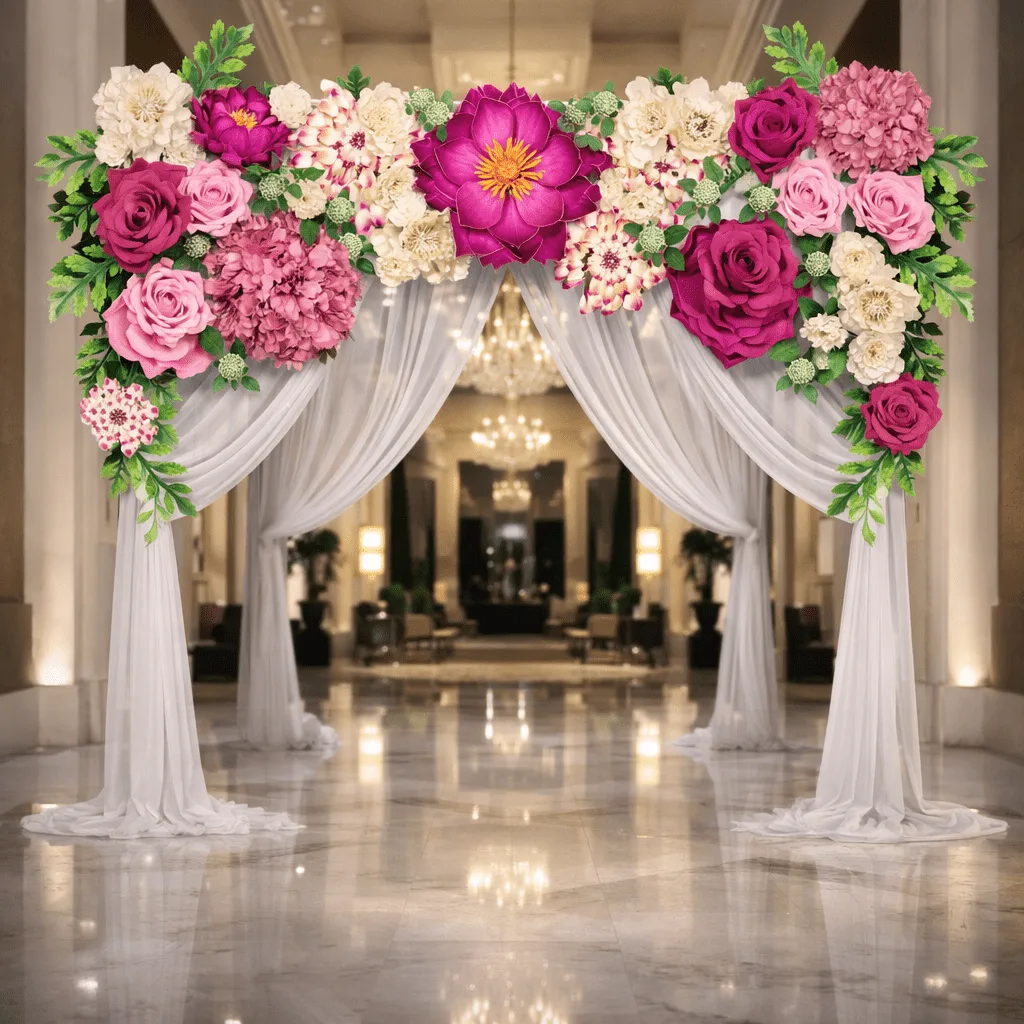
The Real Cost Comparison
I want to put actual numbers in front of you, because I think they're genuinely shocking once you see them side by side. Here's how fresh florals stack up against giant foam flowers for a typical 50-foot aisle.
The savings are real, and they compound. A Statista report on US wedding spending found that the average American wedding now costs over $30,000. Every place you can get a high-impact look at a lower cost gives you more budget for the things that can't be DIY'd — like your photographer, your caterer, your band. Giant foam flowers are genuinely one of the smartest places to save without sacrificing a single bit of beauty.
And if you're a DIY bride? This is your moment. You don't need a floral design degree. You don't need a team. You need EVA foam sheets, a heat gun, some patience, and a good tutorial. Which is exactly what I'm about to give you.
Plan Your Wedding Aisle Layout
Before you cut a single petal, you need a plan. I learned this the hard way — I once made twelve gorgeous flowers only to realize they were all the wrong size for the venue ceiling height. Don't be me circa 2017.
Start by measuring your aisle. How long is it? How wide? A standard church aisle runs about 50–60 feet long, while outdoor venues vary wildly. That measurement tells you how many flowers you'll need and how far apart to space them.
Here's the spacing formula I use for clients: place flowers every 4–6 feet on alternating sides for a flowing, organic feel. If you want a more formal, symmetrical look, go every 3–4 feet on both sides simultaneously. For a 50-foot aisle, that's roughly 16–20 flowers total for the alternating style, or 24–28 for the mirrored look.
Our Bundle Kits (which include 8–12 flowers starting at $350) are perfect for getting a cohesive set without hunting down individual pieces. If you need more coverage, you can mix in some wall-mounted kits on ceremony chairs or wooden stands.
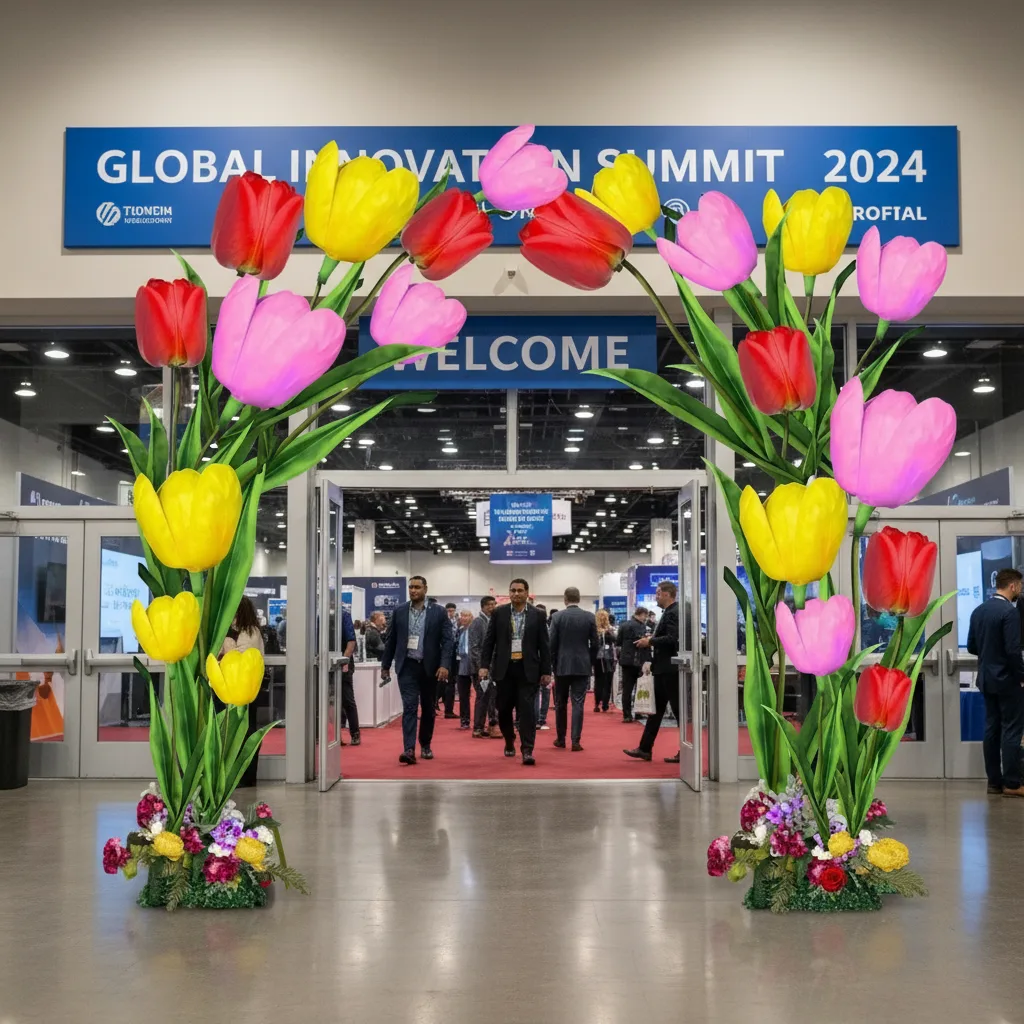
Match Flower Size to Your Venue
Think about your venue ceiling height too. For indoor spaces under 10 feet tall, I recommend flowers in the 2–3 foot range. Outdoors or in grand ballrooms? Go big. 4–5 foot statement blooms look absolutely stunning in open-air settings.
Tall flowers in low-ceilinged rooms feel cramped and overwhelming — and they photograph terribly. Always err on the side of slightly smaller indoors. You can add volume through quantity and layering instead.
Consider your color story carefully. Are you doing an all-white ethereal vibe? Dusty rose and sage? Bold coral and gold? Pick 2–3 colors max and stick to them. More than that starts to look like a craft store exploded, and trust me, you want intentional — not chaotic.
According to Martha Stewart Weddings, monochromatic floral palettes — using varying shades of a single color — photograph most powerfully and create the strongest visual impact in large spaces. So if you're going blush, go three or four shades of blush: pale ivory, soft rose, warm dusty pink, and deep mauve. The depth is everything.
Choose The Right Flower Shapes
Not every flower shape works equally well as a freestanding aisle decoration. After years of making these, here are my personal favorites for ceremony aisles — and why each one earns its place.
I'd suggest picking one hero flower — your dahlia or peony — and then using one accent flower at a smaller scale to add variety without visual chaos. That combination gives you a cohesive look that still feels layered and rich.
Ok, this is where it gets really fun. I'm going to walk you through building a giant foam dahlia — one of the most popular choices for wedding aisles — from start to finish. If you're using one of our pre-cut kits from the shop, you can skip the cutting steps and jump straight to assembly.
If you're starting from scratch, here's what you'll need:
Step 1: Cut your petals. Trace your templates onto the EVA foam and cut cleanly with sharp scissors or a craft knife. For a full dahlia, you'll need roughly 60–80 petals across all three sizes. Yes, that sounds like a lot. Put on a good playlist and just go.
Step 2: Shape each petal with the heat gun. Hold the petal about 3–4 inches from the heat gun nozzle and move it in slow circles. The foam will soften within seconds. Quickly press it over a rounded surface (I use the back of a large spoon or my palm) to create a natural curve. Work fast — you have about 5–8 seconds before it sets.
The more you practice this, the more natural it feels. Your first few petals might look a little flat. That's fine. By petal fifteen, you'll have the rhythm down completely.
Step 3: Build from the center out. Start with a small foam circle as your base — about 4 inches in diameter. Glue your smallest petals in a tight cluster at the center, overlapping them slightly. Work outward in rings, increasing petal size as you go. Each ring should overlap the previous one by about one-third.
This layering is what creates that gorgeous, full, dimensional look. Rushing this step is the number one mistake I see beginners make. Take your time with each ring.
Step 4: Attach the stem. Once your flower head is complete, push the bendable pipe stem through the center from the back, bending the tip into a small hook so it grabs the foam. Secure with hot glue on both sides. Wrap the stem with green floral tape for a finished look, or leave it bare if it'll be hidden in a vase or stand.
Step 5: Final shaping. Use the heat gun one more time to do any final adjustments — nudging petals into position, adding more curve to the outer layers, or creating a slight backward tilt on the outer ring to make the flower look more open and natural.
If all of this sounds like a lot to manage solo, I completely understand. That's exactly why we created our pre-cut kits — everything is already cut and ready to shape, and every kit comes with video tutorials so you can follow along in real time. Most people finish their first flower in under two hours with the kit.
Style Freestanding Flowers Beautifully
Making the flowers is one thing. Displaying them beautifully is where the real magic happens. I've seen stunning flowers completely undermined by wobbly stands or awkward placement. Let's make sure that doesn't happen to you.
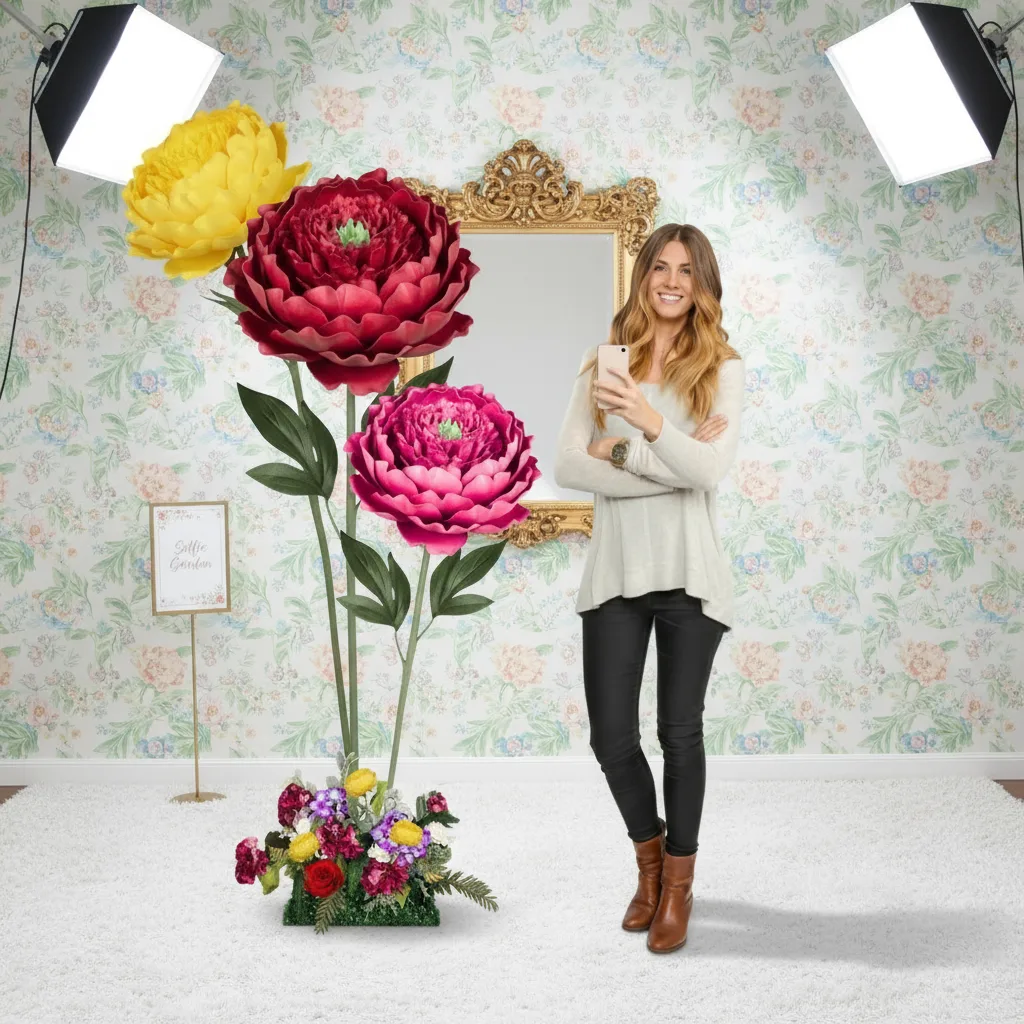
For freestanding aisle flowers, you have a few display options depending on your venue and aesthetic:
Think about height variation too. Mixing tall 4-foot flowers with shorter 2-foot clusters creates a natural, garden-inspired look that feels intentional rather than uniform. Alternate heights every few stations down the aisle for the most dynamic effect.
I also love the idea of tucking in a few smaller 12–18 inch accent flowers between your statement blooms — it fills in the visual gaps and makes the whole aisle feel more abundant without doubling your budget. Think of it like flower arranging: you always need filler alongside your focal pieces.
Greenery Is Your Secret Weapon
One last styling note: greenery is your best friend. Even if your flowers are all foam, adding real or faux eucalyptus, fern fronds, or trailing ivy around the base of each stem instantly grounds the look and makes it feel lush and organic. You can pick up faux greenery garlands at most craft stores for just a few dollars per strand, and the difference they make is enormous.
For more ideas on mixing sizes and styles in large-scale floral displays, our Large Floral Arrangement Ideas for Stunning Displays post has some really beautiful examples that translate perfectly to ceremony aisles.
For outdoor weddings, wind is your enemy. Anchor every stem securely and consider adding a small sandbag inside any vase or urn. A 3-foot foam flower acts like a sail in a strong breeze — I speak from experience. One very windy Texas afternoon taught me to always, always weight those bases.
According to WeddingWire, aisle décor is one of the top three elements guests remember most from a ceremony — right alongside the dress and the vows. That's how important this moment is. Your aisle sets the entire emotional tone before a single word is spoken.
According to the IBISWorld US Floral Industry report, the industry is worth over $7.9 billion annually — but a growing slice of that is moving toward artificial and foam-based alternatives, especially for events where longevity and reuse matter. You're not just following a trend. You're making a genuinely smart choice.
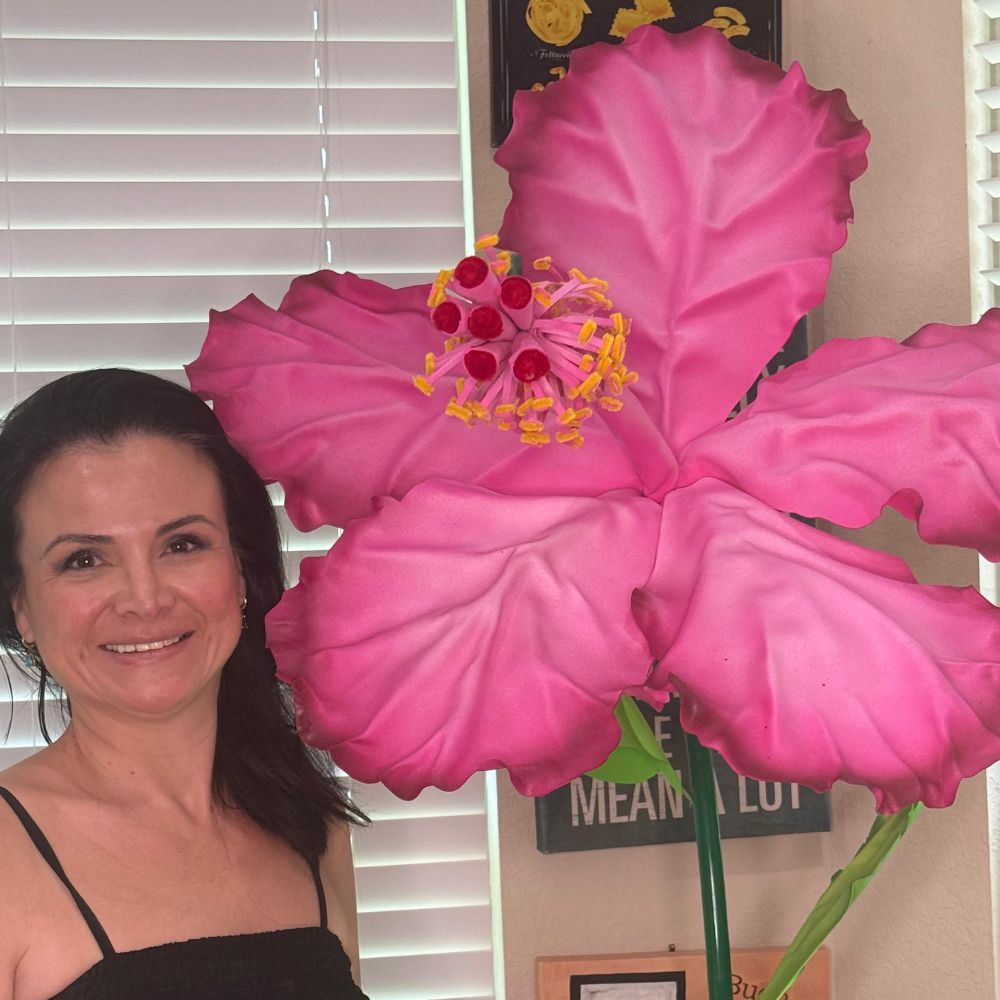
If you're also thinking about what happens at the end of the aisle — the arch or backdrop where you'll actually say your vows — don't miss our guide on Giant Flower Wedding Arch: A Complete Guide for 2026. Your flowers and your arch should feel like they belong to the same world, and that post walks you through making them cohesive.
Want to go even bigger with your installation? Our tutorial on How to Make an Oversized Flower Arch Backdrop is a great next step once your aisle flowers are locked in. Couples who do both the aisle AND the arch together create this incredible immersive experience that guests genuinely can't stop talking about.
Repurpose Your Flowers Across the Whole Day
If you're planning a full DIY floral setup and want ideas beyond just the aisle, our post on Freestanding Giant Flower Arrangements for Events has tons of inspiration for cocktail hour, reception tables, and photo moment stations. One set of flowers can do a lot of work across your whole wedding day.
And if you've got a bridal shower coming up before the big day? Check out our Bridal Shower Backdrop Ideas: Giant Flowers for 2026 — because honestly, your flowers should get a practice run before the wedding, and a bridal shower backdrop is the perfect excuse.
It depends on your aisle length and the look you're going for. For a standard 50-foot aisle, I recommend 16–20 flowers in an alternating layout (one side, then the other, every 4–6 feet) or 24–28 flowers for a fully symmetrical mirrored look. Shorter aisles of 20–30 feet can look beautiful with as few as 8–12 statement blooms, especially if you go larger in size.
When in doubt, add a few extra smaller accent flowers between your focal pieces rather than spacing your main flowers further apart. Abundance always reads better in photos than sparse placement.
Absolutely — and I say that having taught complete beginners in person. The learning curve is mostly in the heat gun step, and that becomes intuitive within your first dozen petals. If you start with one of our pre-cut kits, you skip the most tedious part entirely and go straight to the fun, satisfying assembly process.
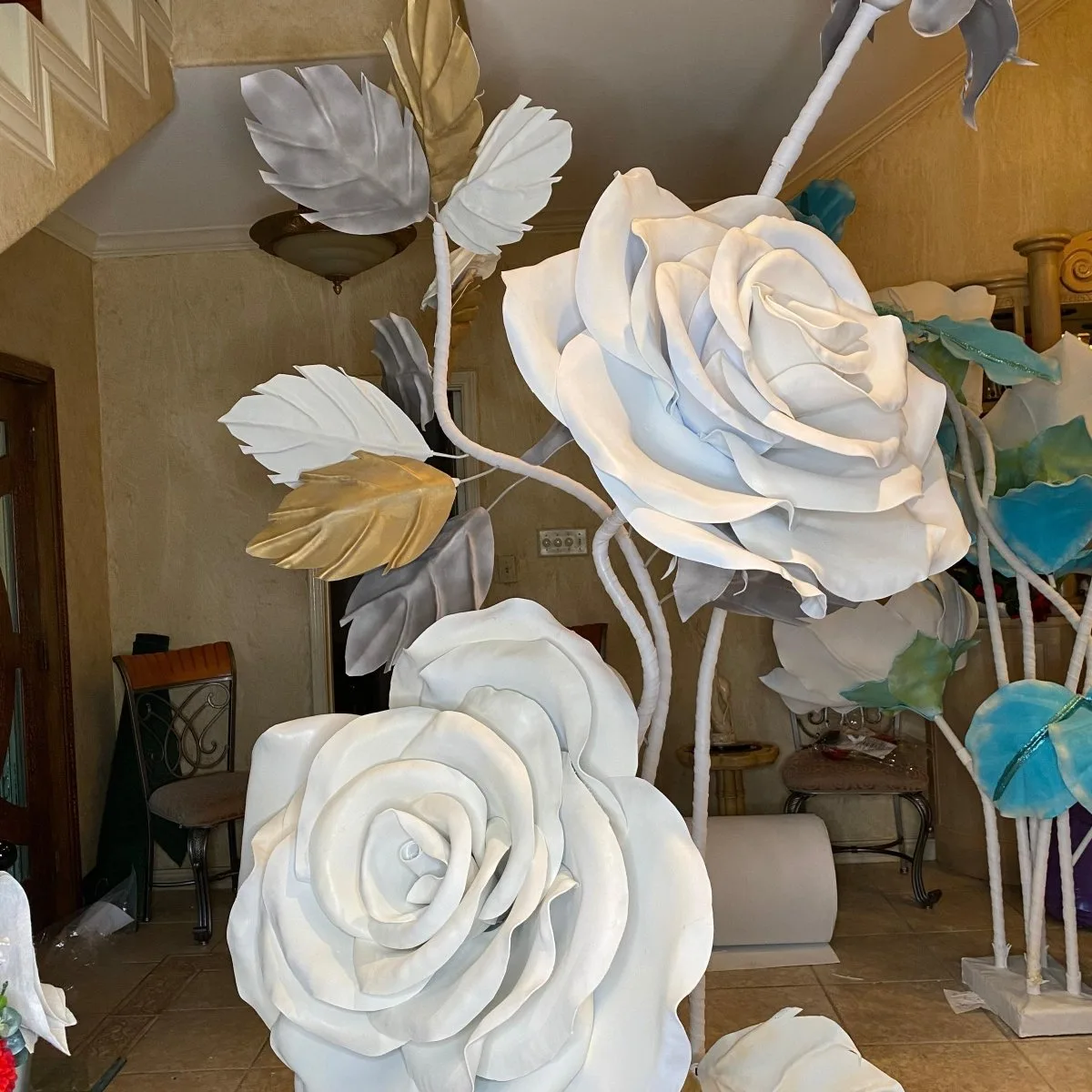
I always recommend making one practice flower a few weeks before your wedding so you can get comfortable with the technique without any pressure. By the time you build your second or third flower, you'll genuinely be flying through them.
What is the best EVA foam thickness for wedding aisle flowers?
For most large-scale aisle flowers, I use 2mm foam for inner petals (they need to be thin enough to curl tightly) and 4mm foam for outer petals (they need the weight and structure to hold their shape at size). If you're building very large blooms — 4 feet and above — you can go up to 6mm for the outermost ring to give it real presence and stiffness.
Avoid anything thicker than 6mm for petals — it becomes very difficult to shape cleanly with a heat gun and the edges tend to look chunky rather than natural. Stick to the 2mm–4mm range for 90% of your work and you'll be in great shape.
How do I keep freestanding foam flowers stable at an outdoor wedding?
Wind is genuinely the biggest challenge with outdoor aisle flowers, and I cannot stress this enough: always weight your bases. For vases and urns, fill them with sand, gravel, or water-soaked floral foam before inserting your stems. For shepherd's hooks, push them at least 8–10 inches into the ground and consider a small ground stake alongside each one for extra security.
For very large flowers (4 feet and above) in exposed outdoor settings, I also recommend adding a small 2–3 lb sandbag tied discreetly to the base of each stem. It's invisible once you add greenery around the base, and it makes a huge difference when the breeze picks up. Trust me on this one — I have the windy Texas stories to prove it.
How far in advance can I make my DIY wedding aisle flowers?
This is one of my favorite things about foam flowers: you can make them months in advance with zero degradation. I've had brides start building their aisle flowers six months before the wedding and they looked absolutely perfect on the day. Store them in a cool, dry place — ideally in large cardboard boxes with tissue paper between layers to protect the petals from being crushed.
Avoid storing them in a hot garage or car trunk, especially here in Houston where summer temperatures can warp the foam over time. A climate-controlled closet or spare bedroom is ideal, and your flowers will be just as beautiful on wedding day as the moment you finished them.
Frequently Asked Questions
Can I order giant flower kits and have them shipped in time for my wedding?
Yes — we ship all DIY kits and craft supplies with standard shipping, and orders of $50 or more ship free. I always recommend ordering at least three to four weeks before you need to start building so you have plenty of time to practice, adjust your color palette, and build your full aisle set without any last-minute stress.
Please note that we offer standard shipping only — so plan ahead and give yourself that buffer. It's worth it, and honestly, the extra build time usually means more beautiful flowers anyway.
Do the giant flower kits come with a base or stand included?
They do not — bases and stands are sold separately from the flower kits themselves. This is actually intentional, because every couple's venue setup is different. Some brides want shepherd's hooks, others want weighted urns, and some are attaching flowers directly to pew ends or ceremony chairs.
When you're planning your order, think through your display method first, then add the appropriate bases to your cart alongside your kits. If you're not sure what will work best for your venue, feel free to reach out — I'm always happy to help you think it through.
What glue should I use to assemble my foam wedding flowers?
I recommend either 369 glue or a hot glue gun with silicone glue sticks — both are sold separately and both work beautifully with EVA foam. Hot glue is faster and great for most assembly steps, while 369 glue gives you a slightly longer working time if you're doing detailed layering and want more control.
Whichever you choose, make sure you're using silicone sticks specifically with the hot glue gun — standard glue sticks can damage foam or create a brittle bond that won't hold up through a full wedding day of handling and transport.
Are rentals available if I don't want to build the flowers myself?
Yes! If DIY isn't your thing or you simply don't have the time, we do offer giant flower rentals for Houston-area weddings. Rental delivery is available within the Houston area only — we don't ship rental pieces, since they need to come back to us after your event.
Rentals are a wonderful option if you want that stunning large-scale floral aisle without the build time. Reach out directly to ask about availability for your wedding date, and we'll walk you through everything that's included.
Your wedding aisle is one of the most photographed, most felt, most remembered moments of the entire day — and you absolutely deserve for it to be breathtaking. Whether you build every single flower yourself, mix DIY with rentals, or start with one of our kits and fall completely in love with the process the way so many of our brides do, I am cheering you on every step of the way. This is what Amazing Giant Flowers was built for, and I can't wait to see what you create.
Shop the supplies
Everything You Need for This Project
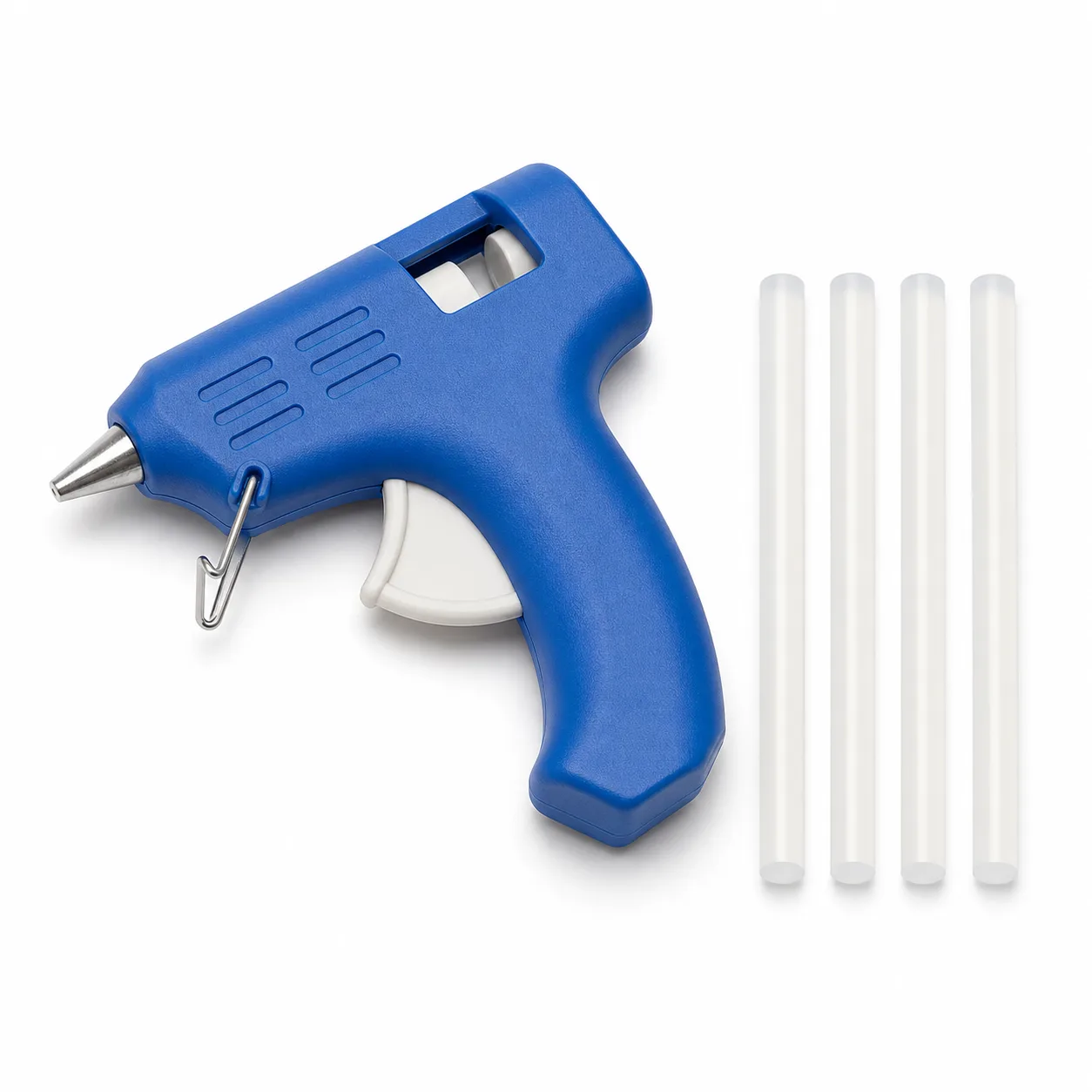
Hot Glue Gun + 4 Silicone Glue Sticks — Fast, Strong Petal Assembly
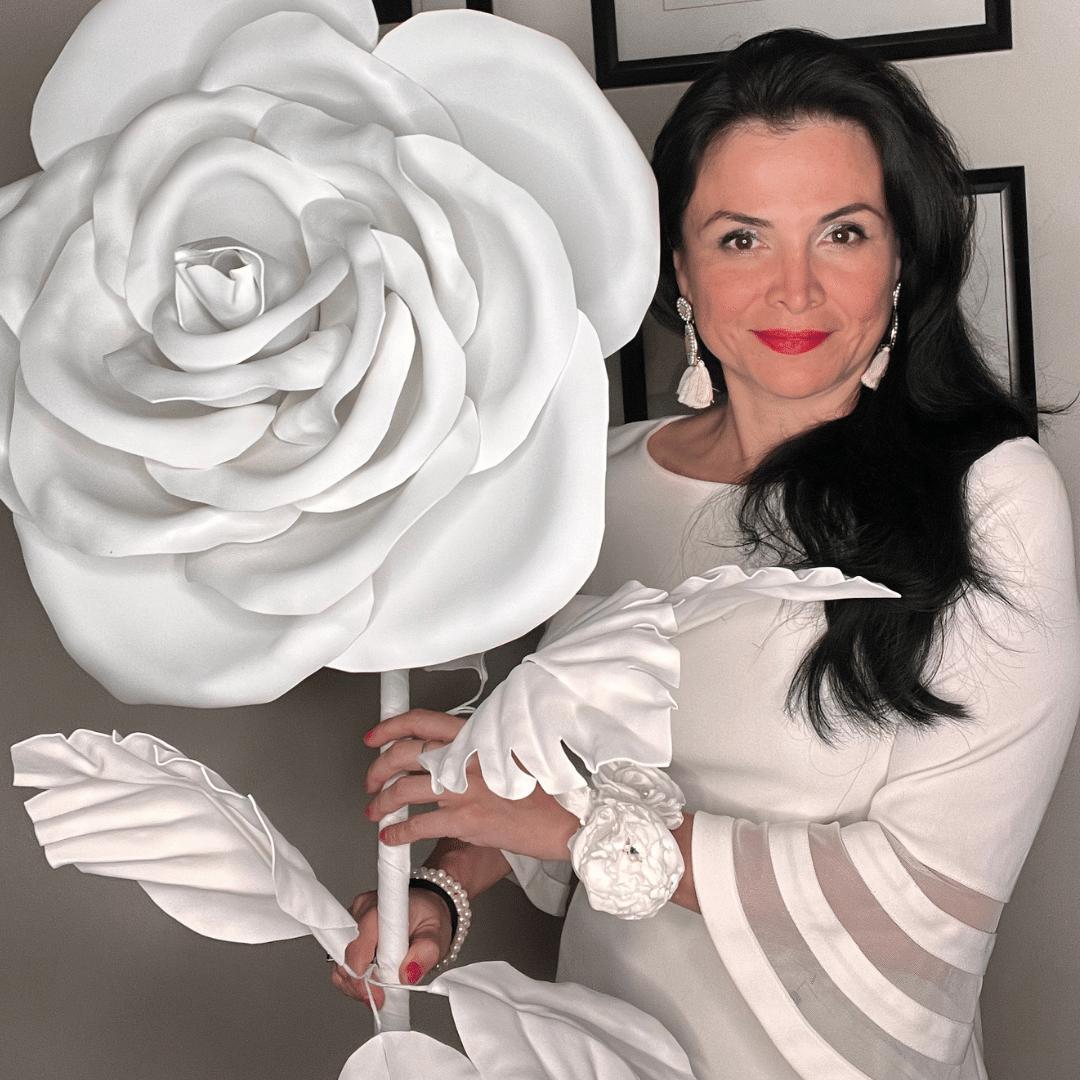
White Rose Freestanding Flower Kit — DIY Giant Wedding Bloom
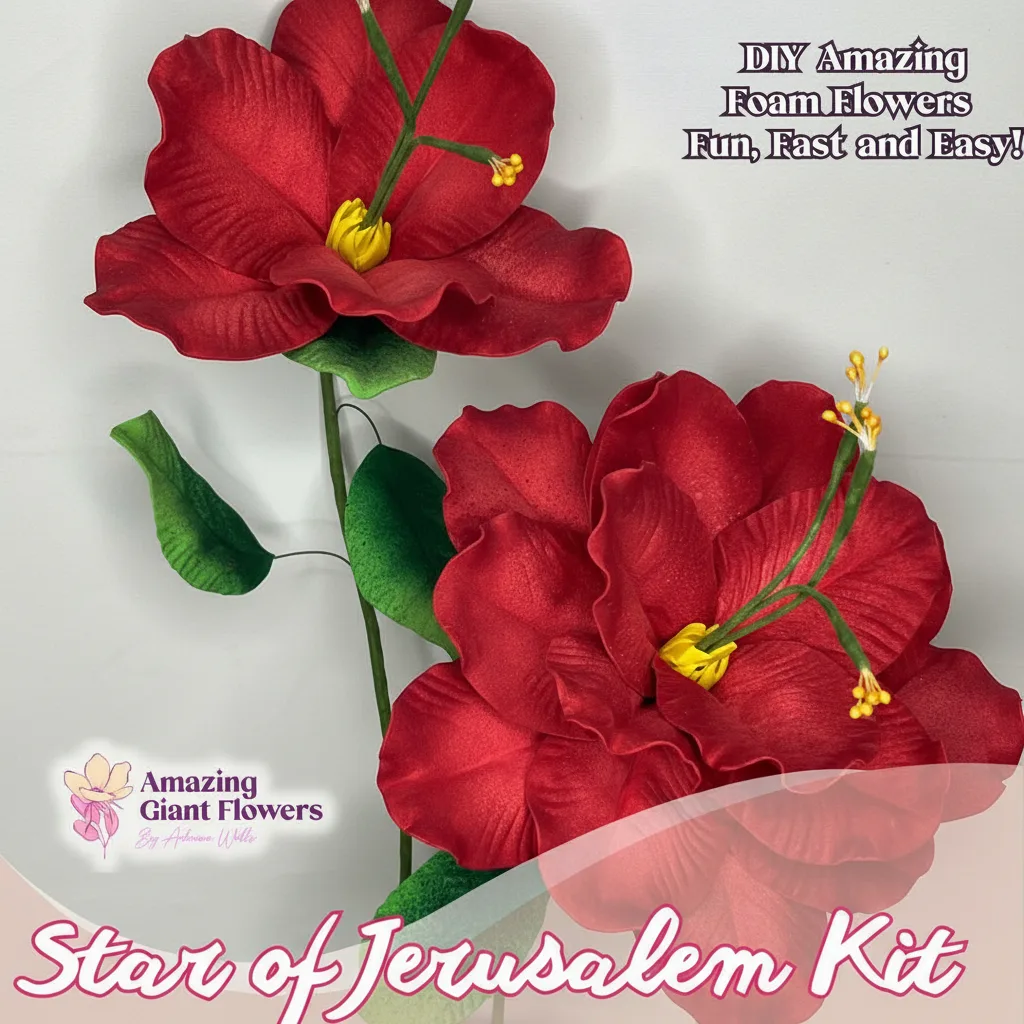
Real Touch Star of Bethlehem Foam Flower Kit — Large Tropical DIY Blooms (Star of Jerusalem) with Golden Pistils, Reusable Mold & Pre-Cut Petals
Wedding Ceremony Arch Wall Flowers

Written by
Adriana WellsFounder & CEO of Amazing Giant Flowers
Adriana Wells is the founder and creative force behind Amazing Giant Flowers, a Texas-based company specializing in handcrafted giant foam flowers, luxury floral installations, and DIY flower-making supplies.
More about Adriana →Ready to Create Something Amazing?
Browse our collection of giant flower kits and start your next project today.