Best Molds for Bridal-Bouquet Sugar Flowers
If you've ever spent hours hand-sculpting bridal bouquet sugar flowers only to end up with petals that look slightly different from one another — girl, I feel you. It's one of those things that sounds manageable until you're three dozen roses deep at midnight and your wrists are screaming. That's exactly why I started obsessing over molds, and honestly? It changed everything for me and for so many bakers I've talked to.
The secret to a truly cohesive bridal set — where the flowers on the cake actually match the ones on the cupcakes, the cookies, and even the cake pops — is consistency. And consistency at scale comes from great molds. Not just any molds, though. You need double-sided molds that capture real petal detail, hold up through hundreds of uses, and are food-safe compatible. That's a specific list, and I'm here to walk you through all of it.
Here at Amazing Giant Flowers, we design our flower molds for two worlds: crafters making life-size foam flowers AND cake decorators working in sugar and gumpaste. Same mold. Stunning results on both ends. Let me show you exactly how to use them to build the most gorgeous, cohesive bridal sugar flower collection your clients have ever seen.
Key Takeaways
Let's be real for a second. Wedding clients are not your average birthday cake clients. They have a Pinterest board with 400 pins, a specific color palette, and very strong feelings about whether those petals look "realistic enough." The pressure is real.
And when you're creating bridal bouquet sugar flowers that need to match across a five-tier cake, a dessert table, and a set of bridal shower cookies — every single petal has to feel intentional. That's where a high-quality mold stops being a convenience and starts being a professional necessity.
The Problem with Generic Molds
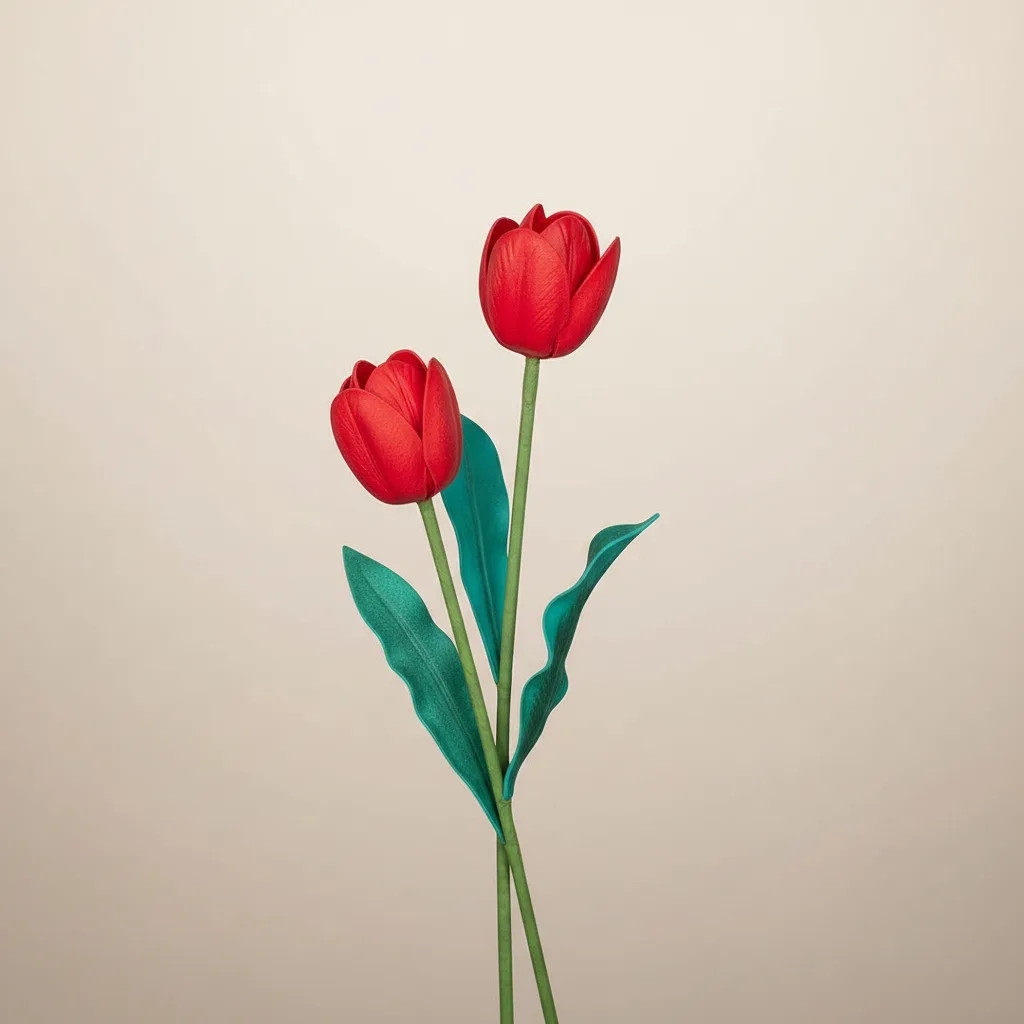
I've tried the cheap ones. We all have. They're either too shallow to capture real vein detail, or they're made from materials that aren't food-safe, or they crack after a dozen uses. One of my bakers told me she went through three different mold sets before finding ours — and she said the difference was "night and day."
Generic molds also tend to be single-sided, which means your petal looks great from the front and totally flat from the back. When you're wiring petals for a cascading bouquet-style sugar arrangement, that flat back shows. It matters.
Our molds are double-sided — meaning both the front AND the back of each petal get full texture. Veining, cupping, edge detail. When you hold a finished petal up to the light, it looks like something that grew in a garden, not something that came out of a mold. That's the goal.
Ok, this is where it gets really fun. Choosing your flower varieties is like choosing your bridal palette — it sets the entire tone. Here are the varieties I recommend most for bridal bouquet sugar flowers, and why each one works so well in sugar and gumpaste.
Classic, timeless, and endlessly versatile. A good rose mold gives you petals that spiral beautifully, and you can use the same mold to make buds, half-open blooms, and fully open roses depending on how you layer them. One mold, three looks. That's efficiency right there.
Peonies are having a serious moment in bridal florals, and for good reason — they're lush, romantic, and they photograph beautifully. In sugar, they're a bit more involved, but with the right mold capturing that ruffled petal edge, you can build a stunning peony in under 20 minutes once you've got your system down.
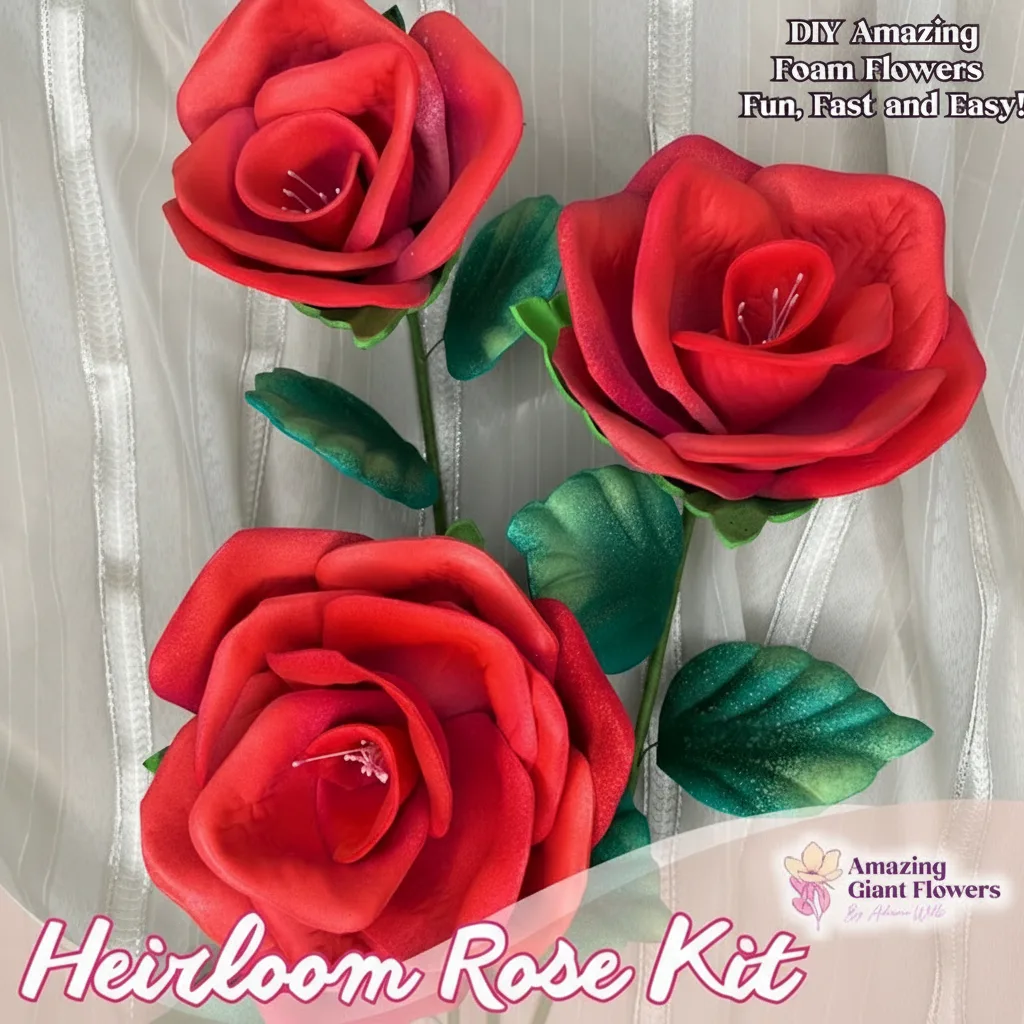
This is my personal favorite for bridal work. The layered, papery petals of a ranunculus translate SO well into gumpaste. Clients go absolutely wild for them. And because the petals are relatively small and uniform, a good mold makes the repetition feel effortless rather than tedious.
For brides who want something a little more dramatic or modern, anemones (with their dark centers) and magnolias (with those big, sculptural petals) are incredible statement flowers. A single magnolia bloom on a wedding cake tier? Absolutely stunning.
💡 Pro Tip
Pick two or three complementary flower varieties and stick with them across the entire bridal suite. A rose + ranunculus + eucalyptus leaf combination, for example, feels intentional and cohesive — not scattered. Your mold collection should reflect that same focused approach.
Here's the thing that took me a while to figure out: cohesion isn't about making everything identical — it's about making everything feel like it belongs together. And molds are your best tool for that.
This is your hero piece. Use your molds to create full blooms in multiple sizes — large statement flowers for the top tier, medium ones for the middle, and smaller accent blooms cascading down. Because they all came from the same mold, the petal texture and proportions are consistent even as the sizes vary.
Take the smallest petals from your mold and build tight, compact blooms that sit perfectly on a cupcake. One petal mold can give you both the large petals for your wedding cake AND the smaller petals for cupcake toppers — just adjust your gumpaste thickness and layering.
For royal icing cookies, you can actually press a thin layer of fondant through your mold and use it as a textured topper. It takes about 30 seconds per cookie and the effect is gorgeous. Cake pops get a single small blossom — five petals, a sugar pearl center, done.
If you're doing a full bridal package that includes a shower, your molds let you carry the same floral language from the engagement party through to the wedding day. Clients love that continuity. It makes them feel like everything was designed together — because it was.
🌸 Ready to build your bridal mold collection?
Browse our full flower molds collection and find the varieties that match your signature style.
Mold Materials Matter: What to Look for in Food-Safe Molds
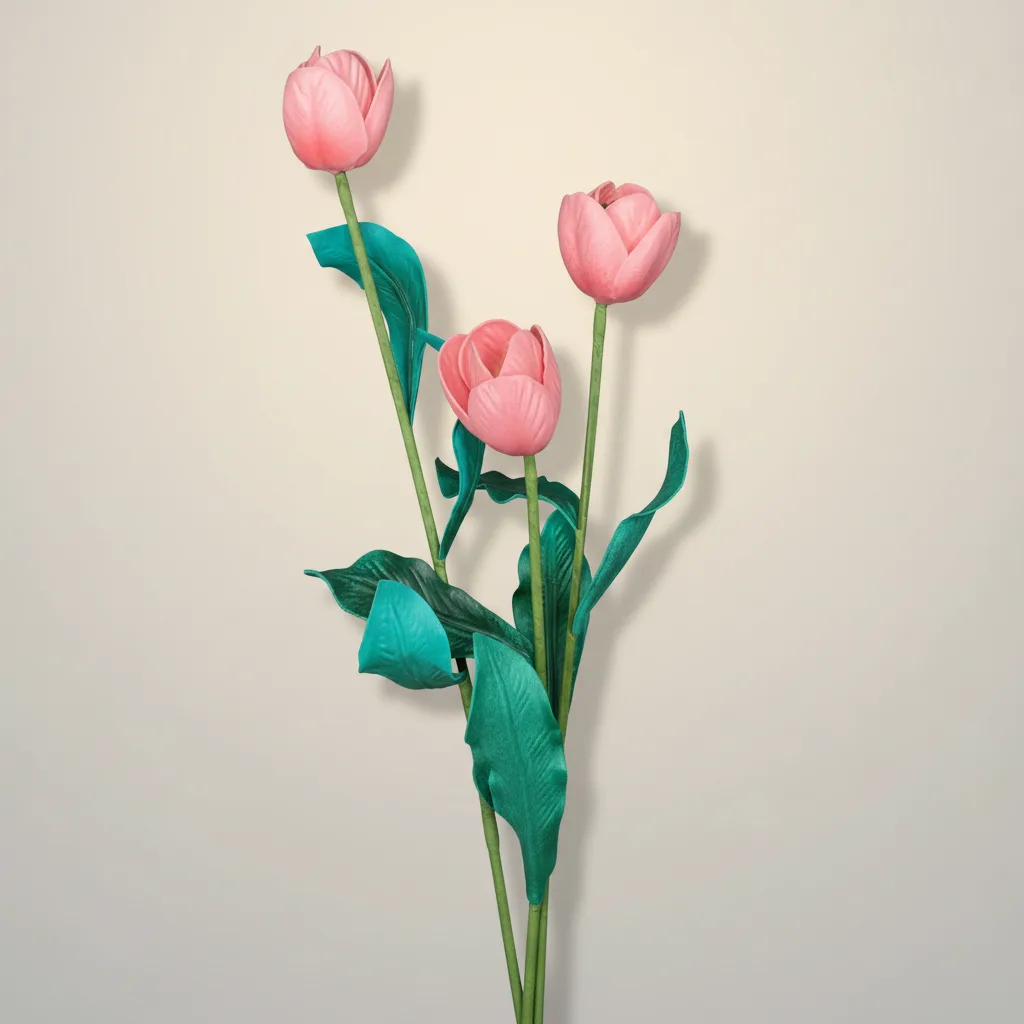
Not all molds are created equal, and when you're working with food — especially for something as special as a wedding — you cannot cut corners on materials. Here's what I always tell bakers:
Our flower molds are designed with all of this in mind. They're built to last hundreds of uses — which, when you're doing wedding season back-to-back, is exactly what you need.
Let me break this down into something you can actually use when you're shopping. Here's a real comparison of the mold types you'll encounter:
Honestly? If you're doing wedding work at any real volume, the dual-purpose double-sided mold is the only one worth investing in. Everything else is a compromise somewhere.
Even the best mold in the world won't save you if your technique is off. Here's what I've learned — and what I hear from bakers who use our molds every week:
Too thick and your petals look clunky. Too thin and they tear in the mold. Aim for about 1–2mm for most petal work. If you're making large statement petals, you can go slightly thicker at the base for structure, then thin out toward the edges.
Before pressing your gumpaste into the mold, dust it very lightly with cornstarch. Not powdered sugar — cornstarch. It prevents sticking without affecting the surface texture of your finished petal. A small brush works perfectly for this.
Gumpaste dries out fast, especially in air conditioning (hello, Houston summers). Keep your paste covered with a small piece of plastic wrap and only take out what you're about to mold. This sounds obvious but I can't tell you how many batches I've lost by getting distracted for five minutes.
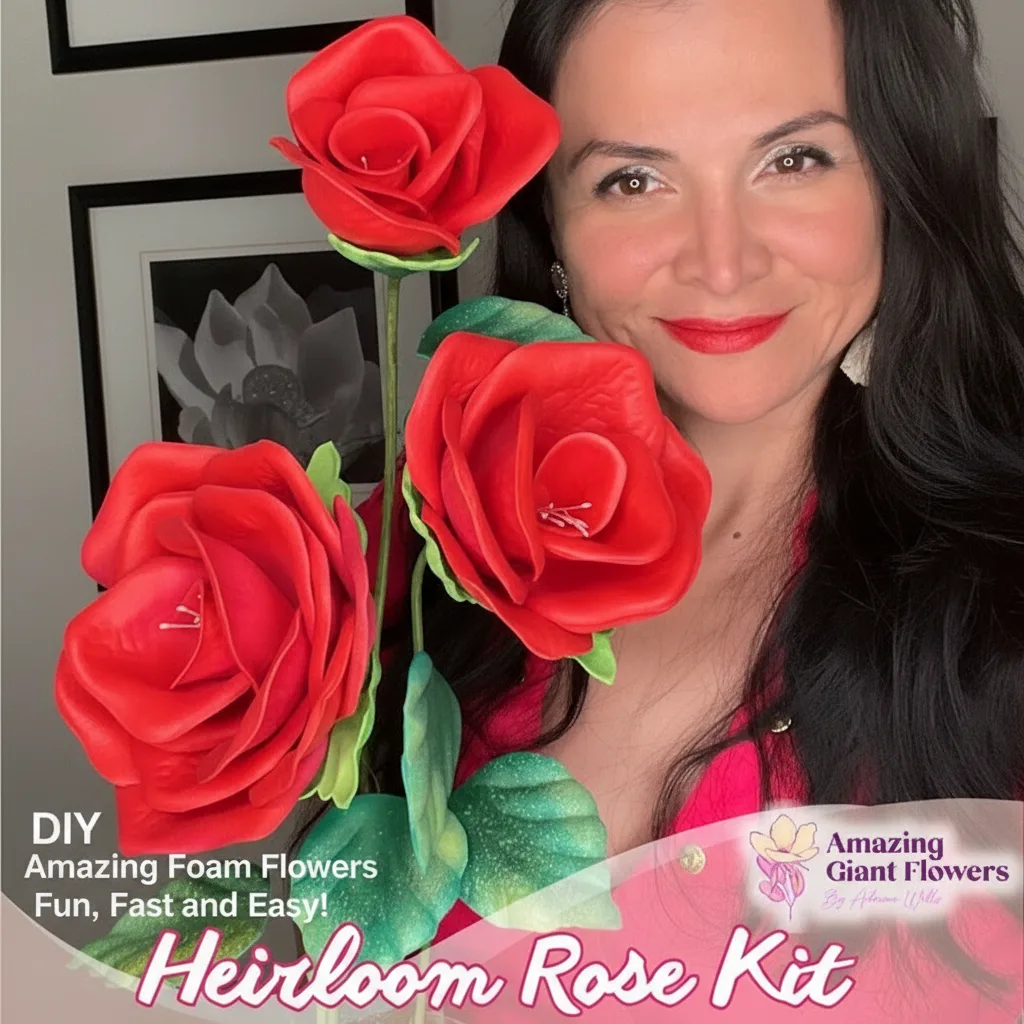
If you're making all-white or ivory flowers, you can color after. But for anything with depth — blush pinks, coral, dusty mauve — tint your gumpaste before molding and then dust with petal dust after for dimension. The result looks so much more natural.
💡 Pro Tip
Create a "bridal color test sheet" for each wedding — press a few petals in your molds using the bride's exact color mix, photograph them next to her inspiration images, and get approval before you make 200 petals. It saves so much heartache and rework.
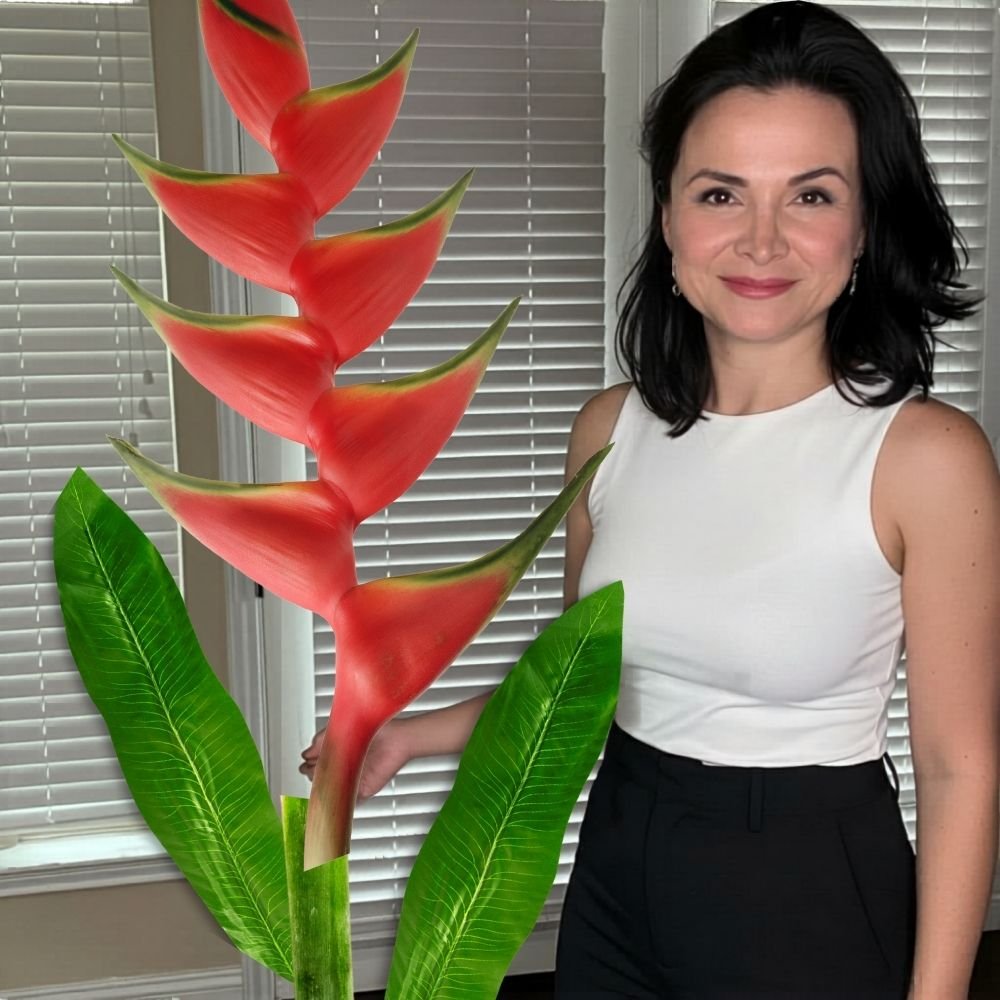
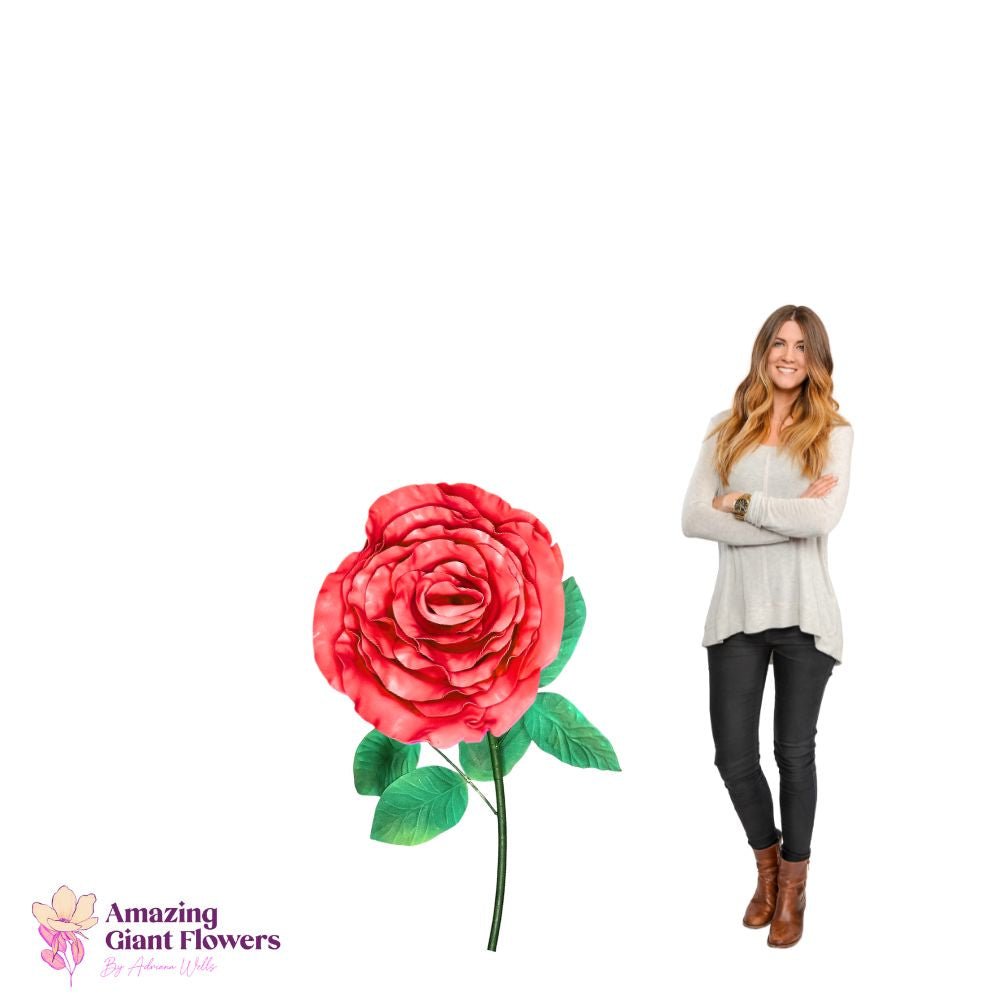
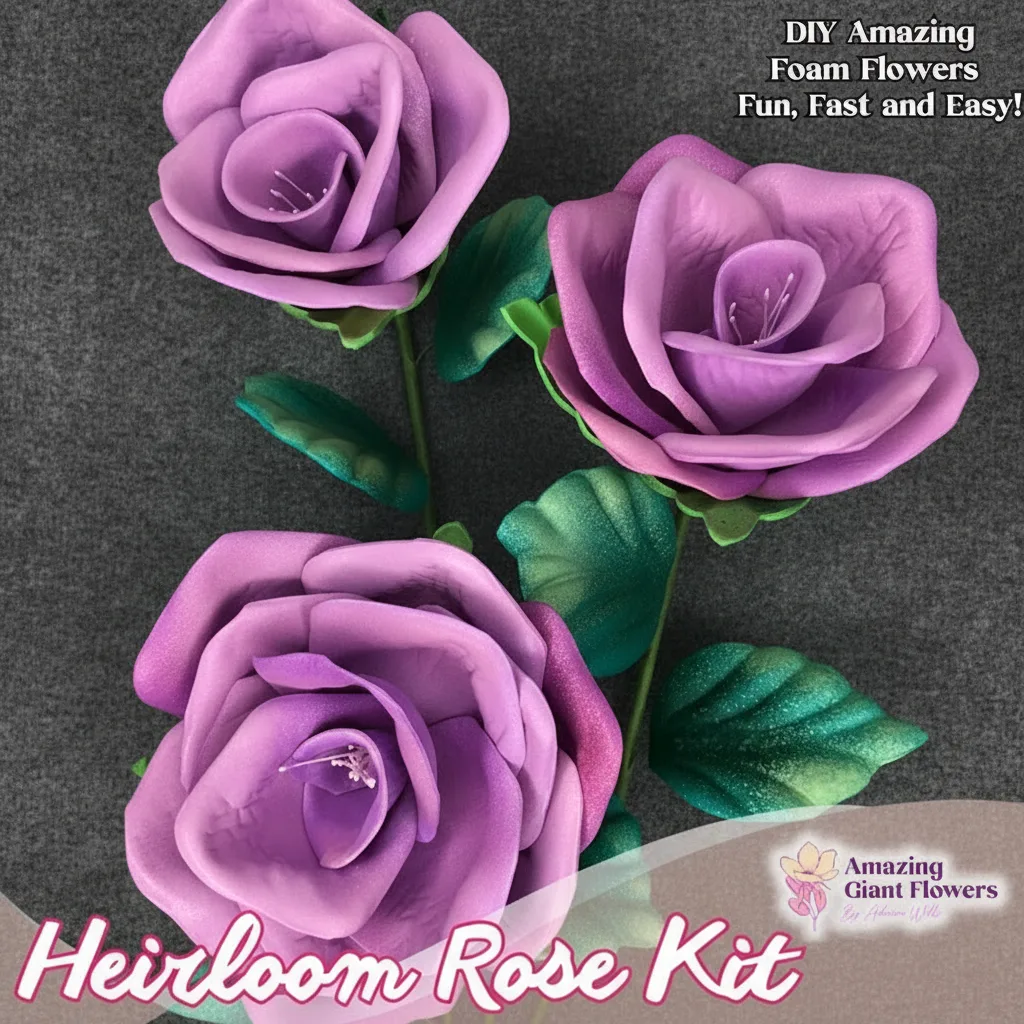
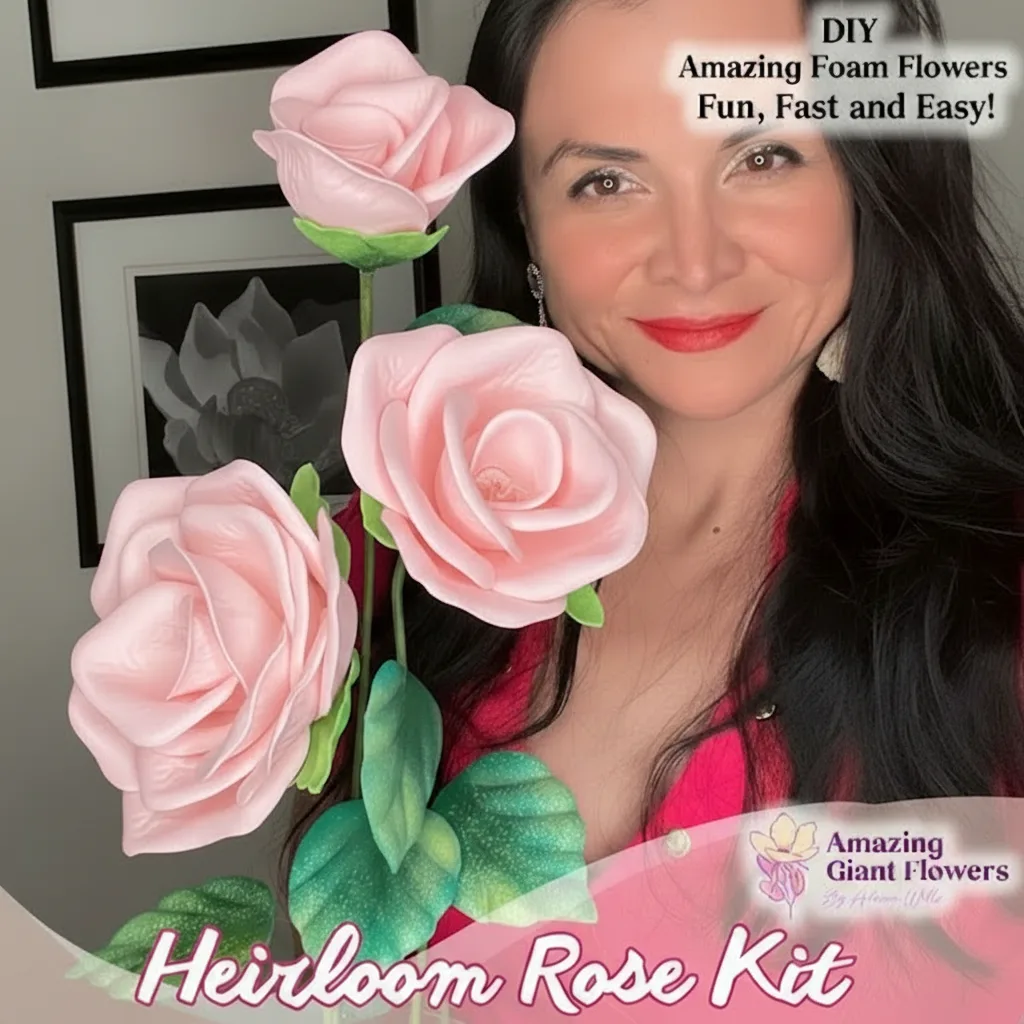
Ok, here's something I love to tell wedding bakers about — and it genuinely surprises them every time. Our flower molds aren't just for sugar work. The same molds work beautifully with EVA foam to create life-size decorative flowers for the venue, the photo booth, or the dessert table backdrop.
Imagine offering your wedding clients not just a cake and dessert table, but a fully coordinated floral experience — sugar flowers on the cake that match foam flowers on the backdrop. Same mold. Same petal shape. Completely cohesive. That's a serious upsell, and it's one more reason to invest in molds that work across both mediums.
If you're curious about the foam side of things, check out our life-size foam flower kits — they're designed to pair perfectly with our mold collection. And for inspiration on what a full floral installation looks like, this guide to bridal shower backdrop ideas is one of my favorites.
When your sugar flowers and your venue flowers speak the same visual language, you stop being a vendor and start being an artist. That's when clients stop asking about price and start asking when you're available.
When it comes to mold materials, the short answer is: always choose food-safe, flexible silicone with a firm enough body to hold detail without flopping. Look for molds labeled platinum-grade or food-grade silicone — these won't leach chemicals into your gumpaste and they release cleanly even on intricate vein details. Avoid anything with a strong plastic smell or molds that feel overly rigid, since those tend to crack your petals on release.
Frequently Asked Questions
What are the best molds for making bridal bouquet sugar flowers?
For bridal bouquet sugar flowers, double-sided silicone molds with detailed vein textures give you the most realistic, polished results. Look for sets that include both petal and calyx molds so your flowers are complete from every angle.
Rose, peony, and ranunculus molds are the most versatile starting points. They cover the majority of popular bridal styles and work beautifully in gumpaste, fondant, and even cold porcelain.
How do I keep my gumpaste petals from sticking to the mold?
A very light dusting of cornstarch — not powdered sugar — is your best friend here. Use a small soft brush and tap off any excess before pressing your gumpaste in. Too much cornstarch can blur fine vein details, so less is more.
Also make sure your gumpaste is at the right temperature. If it's too warm from your hands, it gets sticky fast. Give it a moment to firm up slightly before pressing it into the mold.
Can I use the same molds for both sugar flowers and foam flowers?
Yes — and this is honestly one of my favorite things to tell bakers. Quality silicone molds work with EVA foam as well as gumpaste, which means you can create sugar flowers for the cake and matching life-size foam flowers for the backdrop using the exact same petal shapes.
The result is a completely cohesive floral look across the entire wedding — from the dessert table to the photo wall. It's a beautiful upsell for your clients and a smart investment for your business.
How many molds do I need to start making wedding sugar flowers?
You can genuinely start with two or three well-chosen molds and build from there. A large rose or peony petal mold, a small accent blossom mold, and a leaf mold will cover the majority of bridal bouquet sugar flower arrangements.
As your wedding work grows, you can add specialty molds for specific requests — garden roses, sweet peas, anemones. But don't let a small starting collection hold you back. Consistency and technique matter far more than having every mold on the market.
I hope this gives you a clear, practical path forward as you build your bridal sugar flower toolkit. Whether you're just starting out or refining a collection you've been growing for years, the right molds make every petal feel intentional — and that's what wedding clients remember. Wishing you a beautiful, blooming wedding season! 🌸
Bringing It All Together
Making bridal bouquet sugar flowers that truly take a client's breath away comes down to three things: the right molds, solid technique, and a little patience with yourself as you build your skills. None of that happens overnight, but every petal you press gets you closer to the work you're dreaming of doing.
Start simple. Choose one or two quality double-sided silicone molds in shapes that match the most popular bridal styles — rose, peony, ranunculus — and practice until those feel effortless. Then layer in new shapes, new color techniques, and new pairings like coordinating foam flowers for the venue. Before long, you'll have a signature offering that sets you apart from every other wedding vendor in your market.
Here at Amazing Giant Flowers, I've built everything in our mold and kit collection with exactly that creative journey in mind. I want you to feel confident every time you sit down at your workstation, knowing your tools are going to show up for you the way your clients are counting on you to show up for them. If you have questions about which molds to start with, how to pair them with our life-size foam flower kits, or anything else — please reach out. I'd love to help you plan your perfect bridal sugar flower toolkit and make this your most beautiful wedding season yet. 🌸
Shop the supplies
Everything You Need for This Project
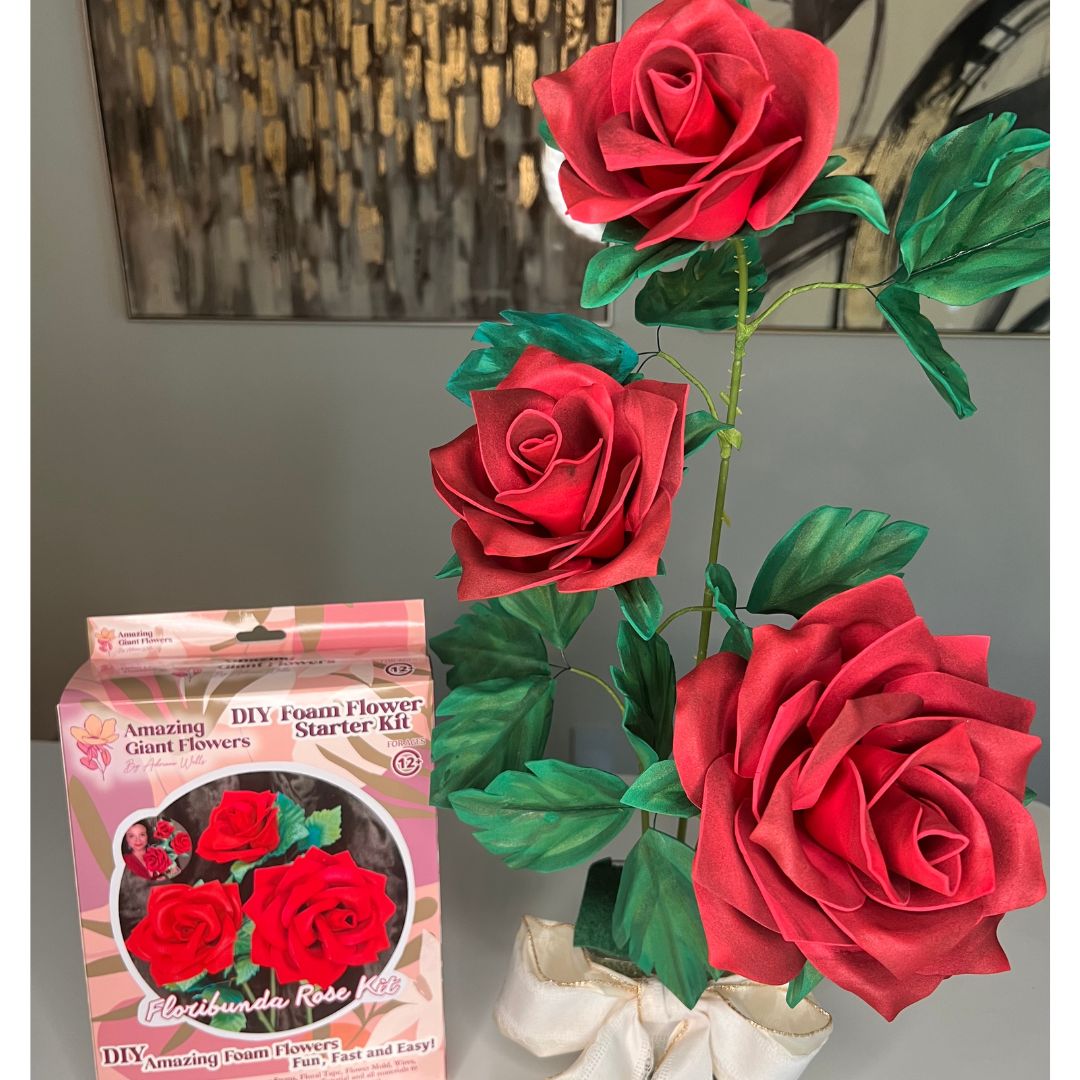
Real Touch Rose Foam Flower Kit — Realistic DIY Roses with 6" Double-Sided Mold & Pre-Cut Petals
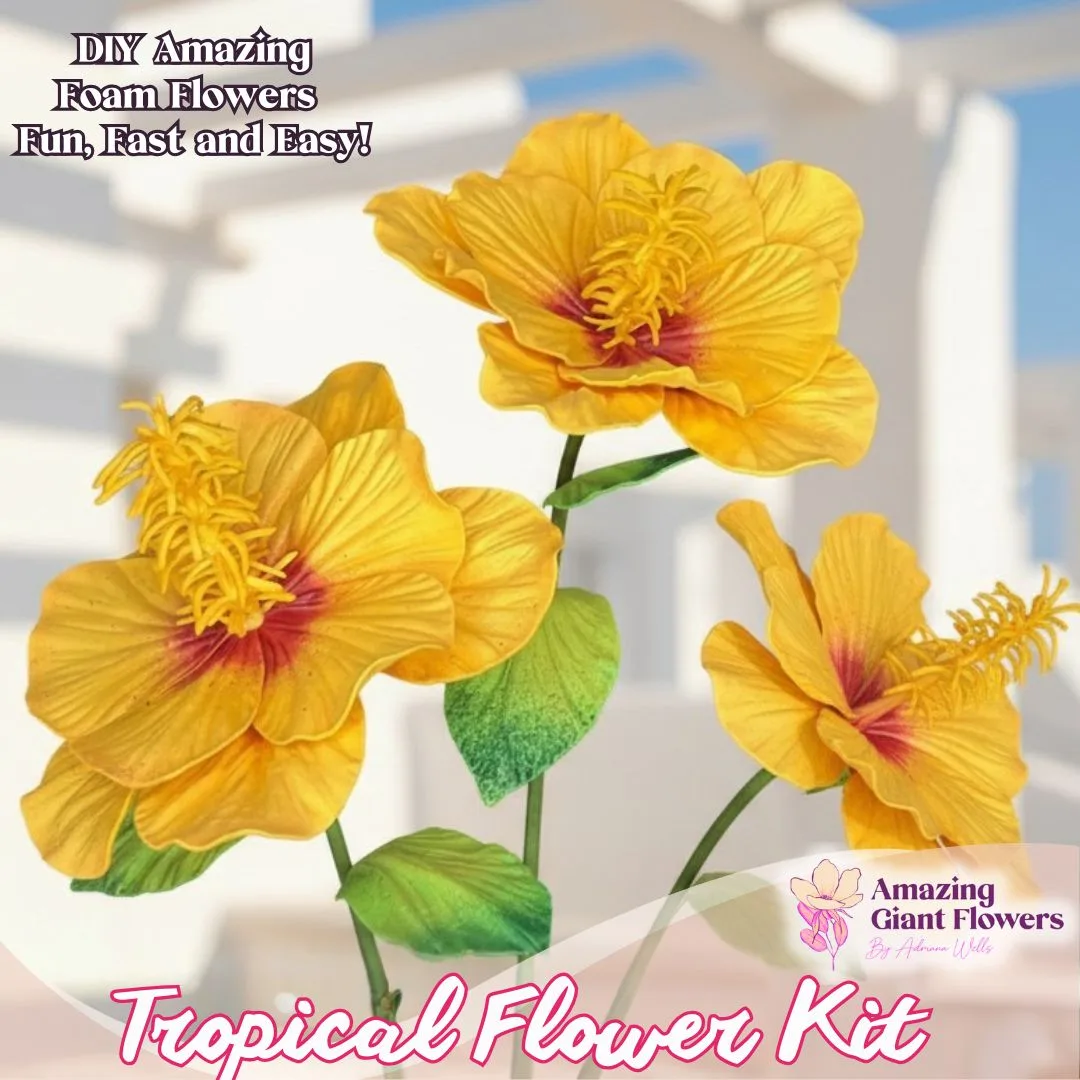
Real Touch Tropical Flower Foam Kit — Large DIY Hibiscus Blooms with Reusable Double-Sided Mold, Pre-Cut Petals, Bud & Leaves
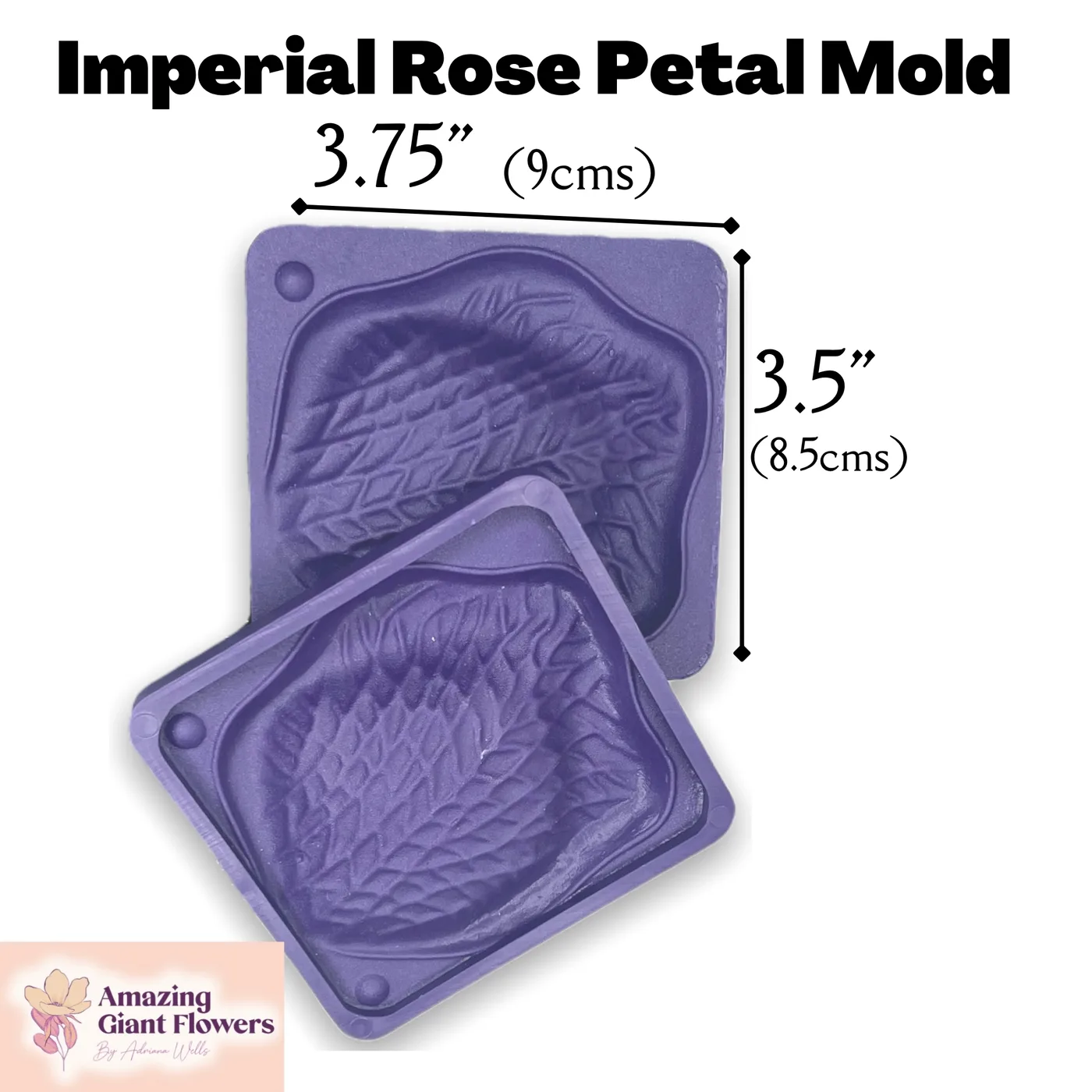
Imperial Rose Petal Mold — Double-Sided Mold for Real-Touch, Life-Size Flowers
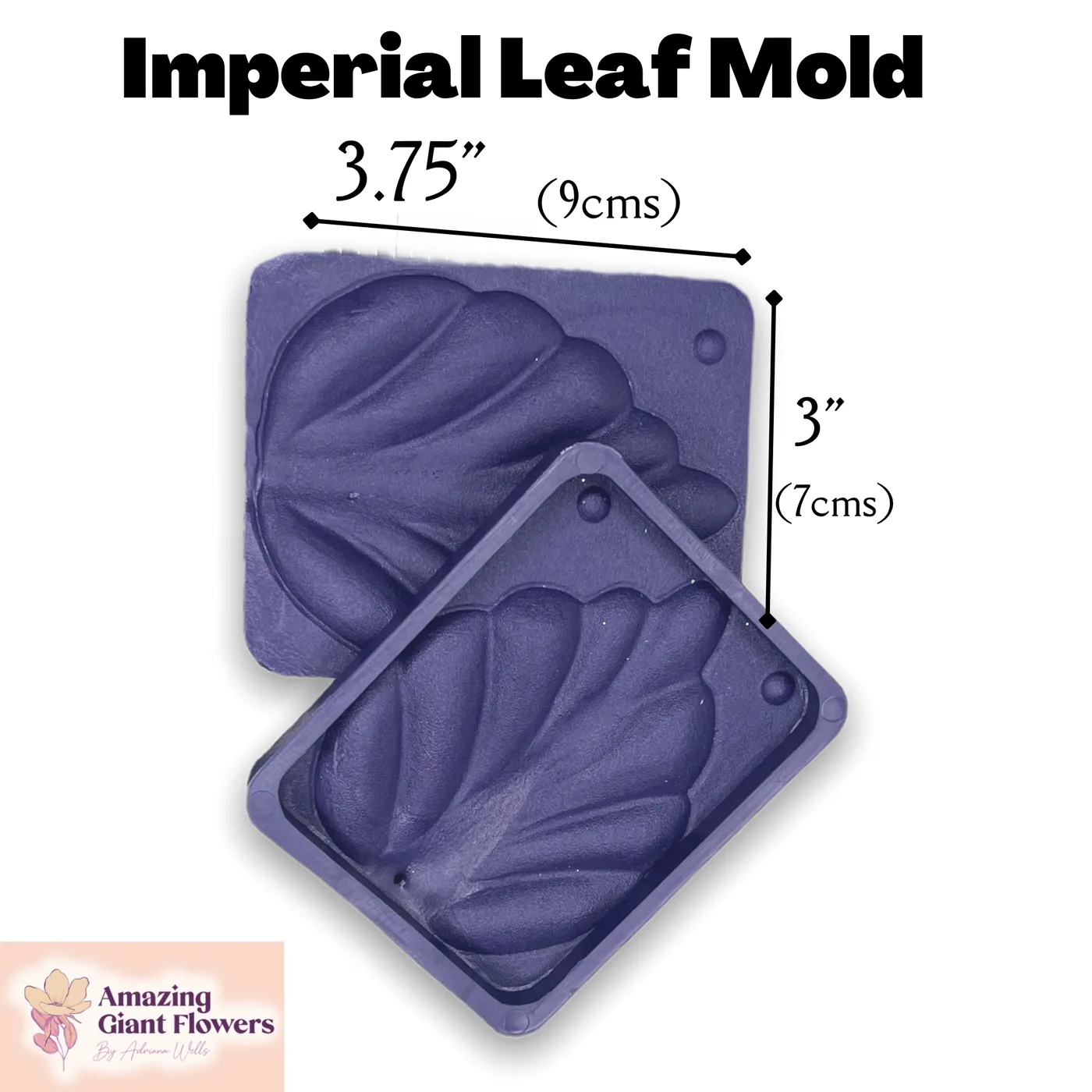
Imperial Rose Leaf Mold — Double-Sided Mold for Real-Touch, Life-Size Flowers

Written by
Adriana WellsFounder & CEO of Amazing Giant Flowers
Adriana Wells is the founder and creative force behind Amazing Giant Flowers, a Texas-based company specializing in handcrafted giant foam flowers, luxury floral installations, and DIY flower-making supplies.
More about Adriana →Ready to Create Something Amazing?
Browse our collection of giant flower kits and start your next project today.