Cake Decorators: Petal Veiners That Save Hours
If you've ever spent forty-five minutes hand-sculpting a single rose petal — pressing, smoothing, trying to get that delicate center vein just right — you already know exactly why a good cake petal veiner is basically a baker's best friend. I'm talking about the kind of tool that makes you wonder how you ever lived without it.
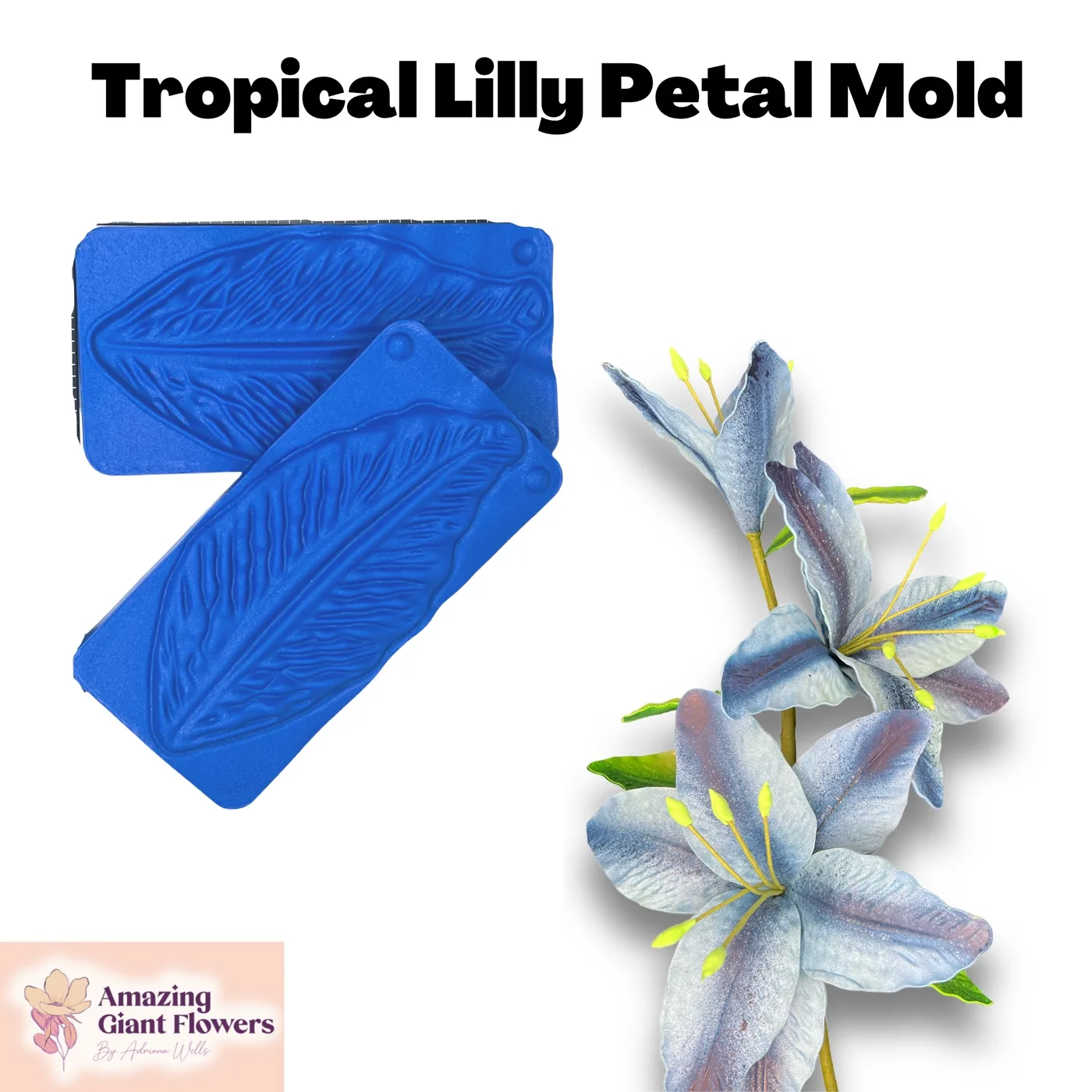
I came at this from the flower-making side first. At Amazing Giant Flowers, we design and build life-size foam flowers for events, weddings, photo backdrops — you name it. But when I developed our double-sided flower molds, I quickly realized something exciting: these molds work just as beautifully for sugar and gumpaste flowers as they do for foam. The texture, the vein detail, the petal curve — it all translates. And bakers started reaching out to tell me they were cutting their flower-making time in half.
So if you're a cake decorator who wants more realistic blooms in less time, pull up a chair. Let me tell you everything I know.
Key Takeaways
Real talk? Sugar flowers are one of the most technically demanding things a cake decorator can do. You're working with a medium that dries fast, cracks if you breathe wrong, and has zero tolerance for "I'll fix that later."
The biggest challenge isn't the shaping. It's the texture. A real rose petal has a network of veins — a central midrib and dozens of lateral veins branching off it. That texture is what makes a flower look alive. Without it, even a perfectly shaped gumpaste petal looks flat and plasticky.
Hand-veining with a ball tool or a Dresden tool takes forever. And honestly? It never looks quite as natural as a molded impression. I've seen incredibly talented decorators spend three hours on a single spray of flowers. That's not sustainable when you have a full wedding cake order due Friday.
The Time Problem Is Real
Think about a five-tier wedding cake with a sugar flower cascade. You might need 30–50 individual petals across multiple flower types. Hand-veining every single one? That's an entire day of your life, right there.
A good cake petal veiner changes that math completely. Press, lift, done. Each petal gets perfect, consistent texture in about five seconds.
Not all veiners are created equal. I've seen some that leave barely any impression at all — you press, you lift, and the petal looks exactly the same as before. Frustrating doesn't cover it.
Here's what to look for:
Our flower molds were designed with all of these in mind. I spent months refining the vein depth specifically because I wanted that "is that real?" reaction when someone looks at a finished flower up close.
Single-sided veiners only texture one face of the petal. That's fine for flowers where the back is hidden — but on a cake where petals are viewed from every angle, you need both sides to look real.
Double-sided molds are a game-changer. You sandwich the petal between the two halves, press gently, and both surfaces get the full vein impression at once. Two steps become one. That's where the real time savings happen.
💡 Pro Tip
Dust your mold with a very light coating of cornstarch before pressing — just enough to prevent sticking. Too much and you'll lose vein detail. A soft brush works better than your fingers for this step.
Ok, this is where it gets really fun. So many flowers translate beautifully through a veiner mold. Here are the ones our baker customers reach for most:
The classic. Rose petals have that gorgeous central vein with fine lateral branching. A good rose petal veiner captures all of it. Roll your gumpaste thin (I recommend around 1–2mm for sugar work), cut your petal shape, press in the mold, and you've got a petal that looks like it just came off a real bloom.
Ranunculus are having a serious moment in wedding cakes right now, and for good reason — those layered, tissue-paper-thin petals are stunning. The veiner gives each petal that slightly crinkled, delicate texture that's nearly impossible to achieve by hand.
Peonies are all about petal volume and texture. You might need 40+ petals for a single sugar peony. Without a veiner mold, that's an enormous time investment. With one? You can crank through petals in a fraction of the time and they'll all be consistent.
Any flower with visible petal veining benefits from this technique. Dahlias especially — those long, narrow petals with their clean central vein look incredible when molded. And anemones with their dark centers are a showstopper on any celebration cake.
Let me walk you through the basic process. This works for gumpaste, fondant mixed with tylose, and cold porcelain (for non-edible display pieces).
That's it. Seriously. Once you have a rhythm going, you can do a petal every 30–45 seconds. For a full rose, that's maybe 8–10 minutes of petal work instead of an hour.
💡 Pro Tip
Work in batches. Roll and cut 10–15 petals, keep them covered with plastic wrap, then run them through the veiner one by one. This keeps your paste from drying out between steps and makes your workflow SO much faster.
There are a few different types of veiners on the market. Here's an honest breakdown so you know what you're choosing between:
Honestly? For anyone doing volume work — wedding cakes, event dessert tables, custom orders — the double-sided silicone mold wins every single time. It's the only option that gives you speed AND quality simultaneously.
🌸 Ready to level up your sugar flower game?
Browse our full flower mold collection — designed for both bakers and crafters, with the detail that makes people stop and stare.
The Dual-Purpose Secret: Foam Flowers and Sugar Flowers from the Same Mold
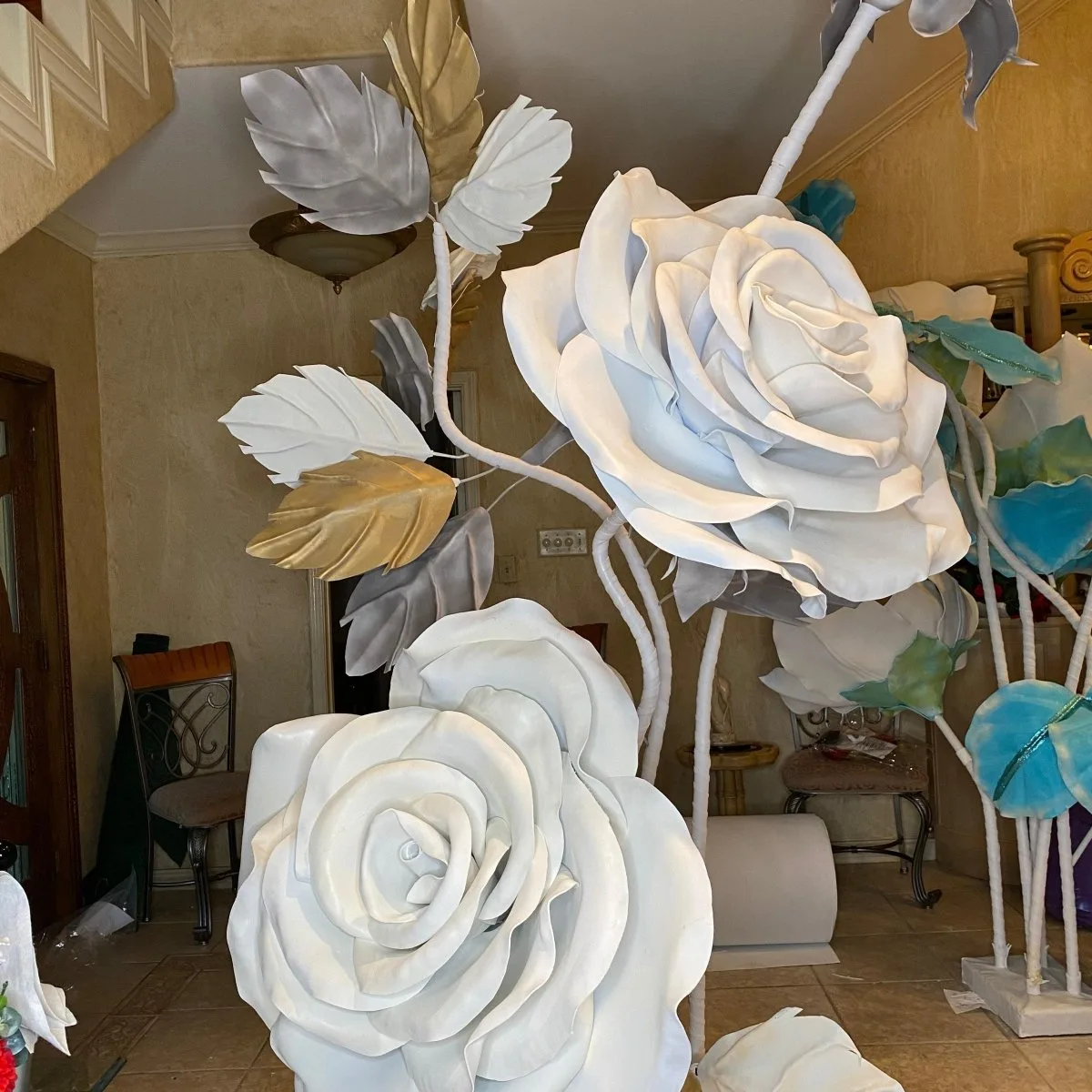
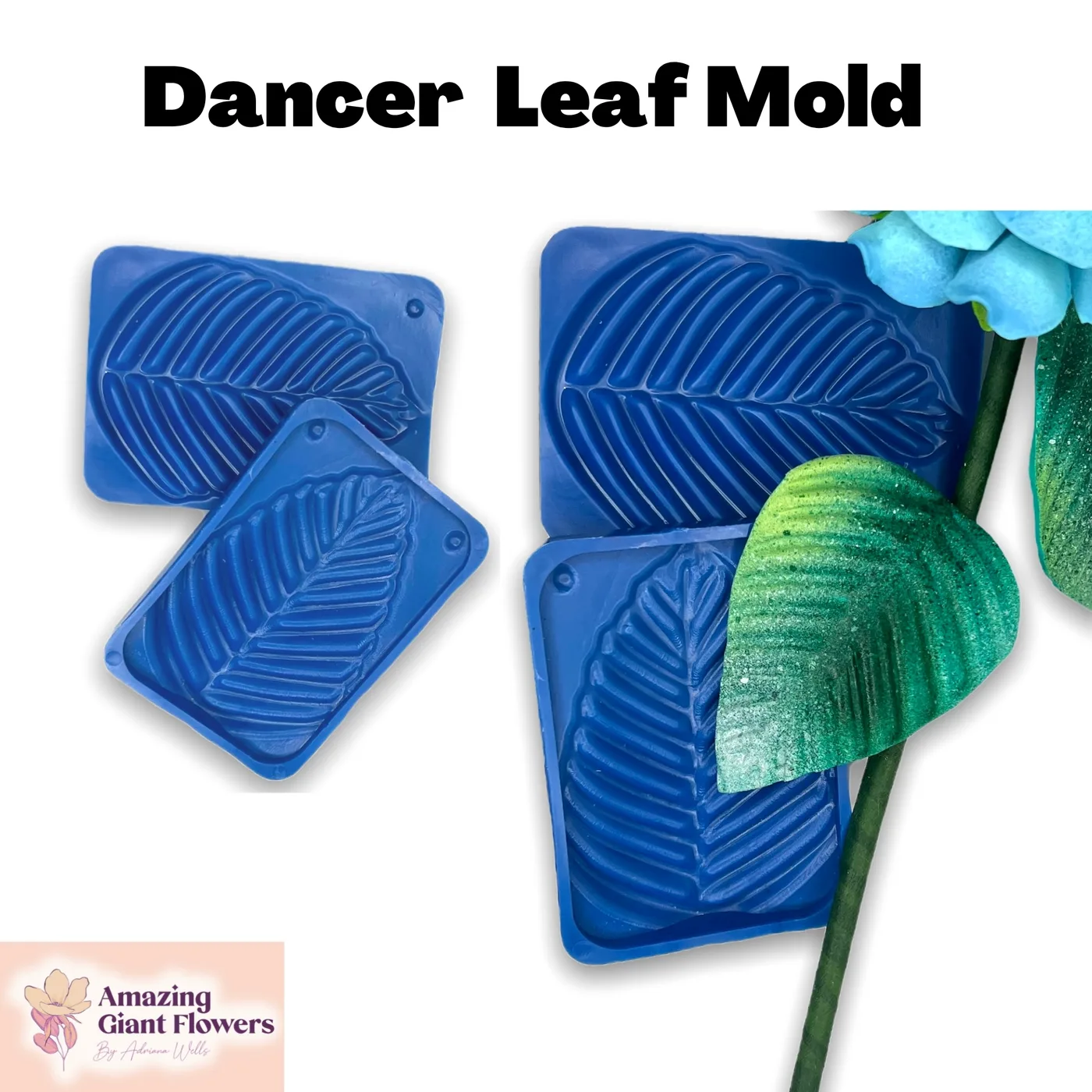
Here's something most bakers don't realize about our molds. They were originally developed for foam flower making — specifically for creating life-size blooms for event backdrops, wedding arches, and photo installations.
But the detail and scale translate perfectly to sugar work. Same mold, completely different medium, equally gorgeous results.
This matters for a few reasons. If you're a baker who also does event styling — or if you've ever thought about branching into foam flower wedding arch work as an add-on service — you can use the exact same molds for both. One investment, two revenue streams.
And if you're purely a baker? You're still getting molds that were engineered with obsessive attention to botanical accuracy, because that's what the foam flower world demands too. The vein detail has to hold up at close range. There's no hiding mediocre texture when a flower is displayed at eye level.
What Materials Work in These Molds
- Gumpaste — the gold standard for sugar flowers. Dries firm, holds detail beautifully.
- Fondant + tylose powder — a more affordable option that works well for less intricate flowers.
- Wafer paper — yes, really! Dampen slightly, press in the mold, and you get incredible translucent petals with real texture.
- Cold porcelain — for non-edible display pieces and cake toppers.
- EVA foam — for the event décor side, paired with our EVA foam sheets.
Real Time Savings: What Bakers Are Actually Experiencing
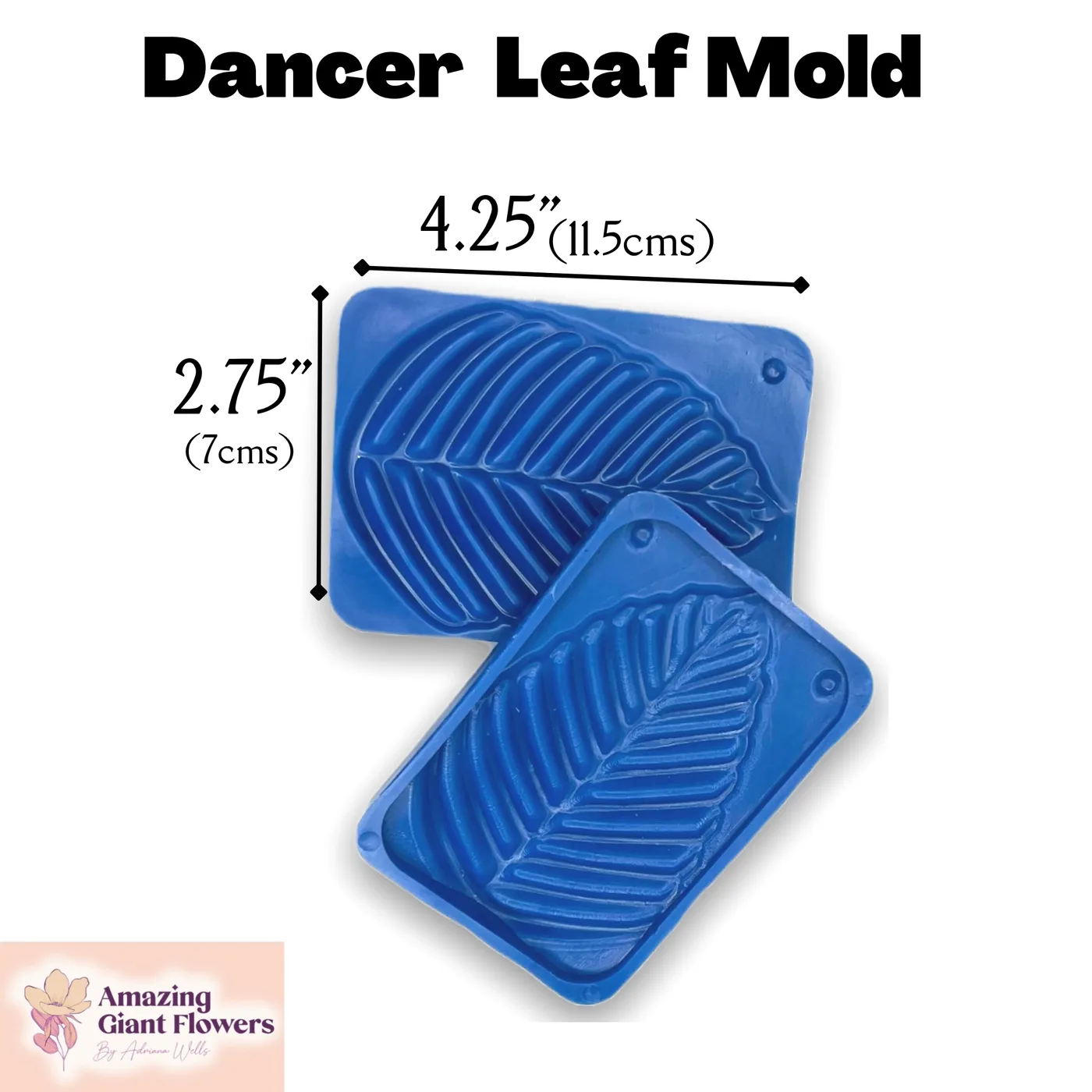
I hear from bakers regularly, and the feedback is consistent. One decorator told me she used to budget 6 hours for the sugar flowers on a wedding cake. After switching to our molds, she's doing it in under 3. That's a full afternoon back in her week.
Another baker who specializes in celebration cakes told me she used to dread peony orders. Now they're some of her favorites because the process is actually enjoyable — not a race against drying paste and cramping hands.
"When your tools are good enough, the craft stops feeling like a battle and starts feeling like art again."
That's what I want for every baker using these molds. Not just faster flowers — but flowers you're genuinely proud of. The kind that make your clients gasp when they see the cake.
Pricing Out the Investment
A quality silicone flower mold typically runs $18–$35 depending on the flower type and size. If it saves you even 2 hours per wedding cake order, and you're billing at $50+/hour for your time, you've paid for that mold on the very first use.
And these molds are reusable for hundreds of sessions. Wash with warm soapy water, dry, store flat. That's it. The math is extremely good.
Frequently Asked Questions
Are your flower molds food-safe for sugar and gumpaste work?
Yes
Ready to Create Something Amazing?
Browse our collection of giant flower kits and start your next project today.