Giant Foam Flowers for Wedding Arch
The pressure shows up fast at an outdoor ceremony. The arch goes in early, the wind picks up, the sun gets harsher than expected, and suddenly the backdrop in your mood board has to perform like real event infrastructure, not just decor.
Giant foam flowers work well for that job because they give you visual scale without the weight, water loss, and bruising that make large fresh installs harder to manage outdoors. They hold their shape, travel better, and give installers more control over timing. That matters if the setup window is tight or the venue requires the arch to be built hours before guests arrive.
The central question is not just whether foam flowers look good. It is whether the design can stay secure, balanced, and photo-ready through the full event. For couples and planners comparing options, it helps to study a few reception backdrop wall flower examples first, then decide whether a DIY build can handle the wind exposure, arch material, transport space, and install hardware the venue will require.
A wedding arch has one job. It needs to frame the ceremony beautifully, hold up through the event, and still look intentional in every close-up and wide shot. Fresh flowers can be gorgeous, but they also bring real pressure. Heat, transport, setup timing, and budget all get tighter the larger the design becomes.
Giant foam flowers solve a different version of the same design brief. They're built for statement scale, and they remove a lot of the stress that comes with short-lived materials. For outdoor weddings especially, that matters.
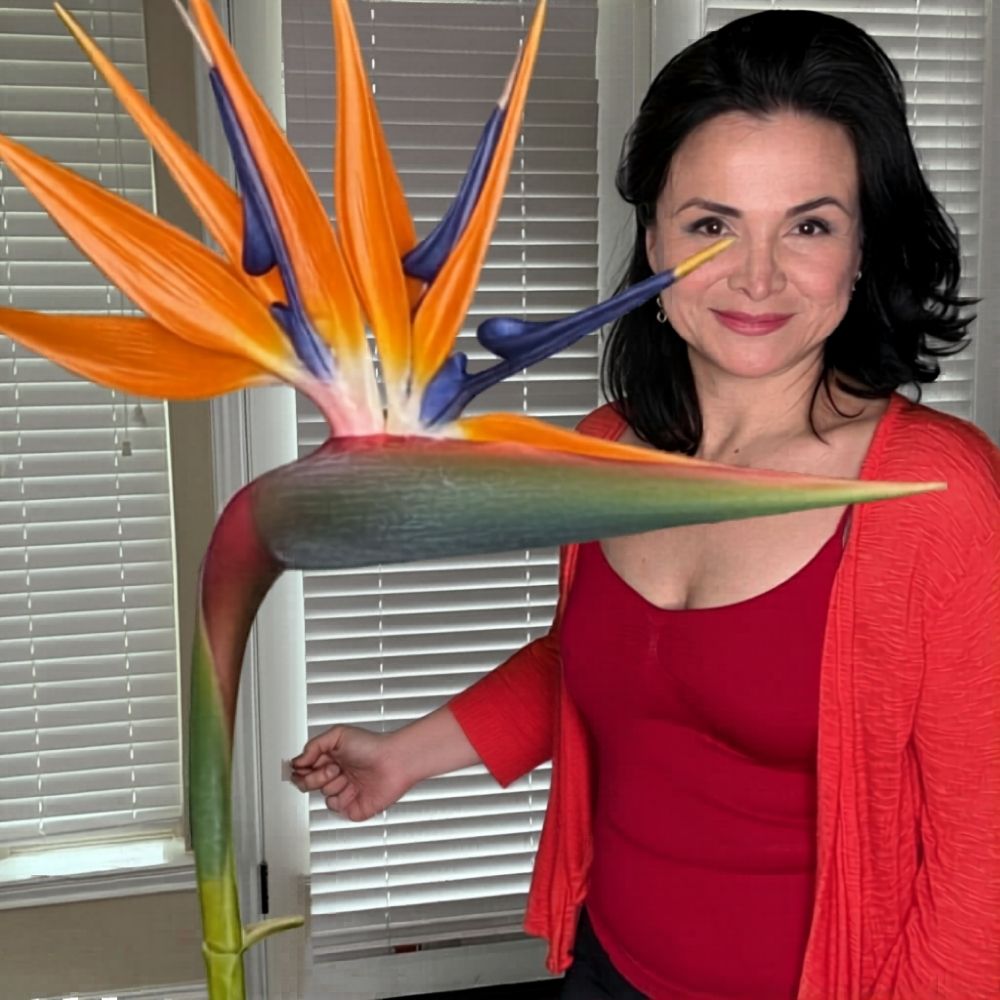
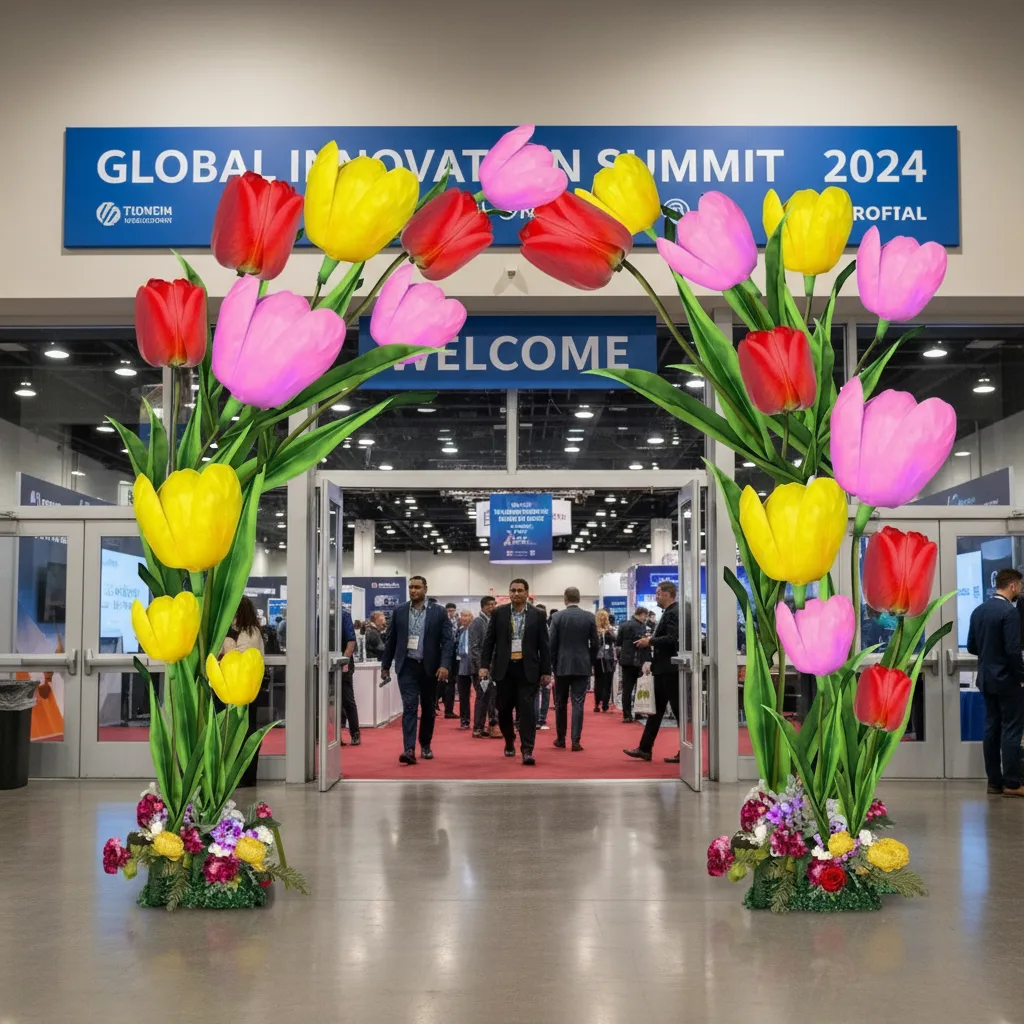
Giant foam flowers are commonly made from high-density EVA foam or expanded polyethylene, and they typically range from 8 to 24 inches in diameter, which is part of why they work so well on arches and backdrops. They offer structure while staying lightweight, and that makes mounting far easier than many people expect, as outlined in this overview of big foam flowers. If you want to see how that scale translates to event styling, a reception backdrop wall flowers collection is a useful visual reference.
Why planners keep coming back to them
The biggest shift is mental. Foam flowers aren't a backup plan for people who couldn't afford fresh flowers. In large-format design, they're often the more functional material.
Practical rule: For arches, material choice isn't just about appearance. It's about what still looks composed after sun, handling, and hours on site.
That's why giant foam flowers for wedding arch work have moved from novelty decor into standard event design language. They photograph cleanly, they handle scale well, and they let you build a stronger structure around the flowers instead of designing around fragility.
The outdoor arch that looks beautiful on a mood board can fail fast in the field. A light breeze turns a loose floral cluster sideways. Full sun flattens dimension. An arch that looked balanced in the garage suddenly reads patchy from twenty rows back. Good design starts with those conditions, not with flower shopping.
Start by deciding what the arch needs to do in the ceremony space. Some setups need a strong focal mass that frames the couple without blocking the view. Others need open center space because the venue itself is part of the shot. For outdoor weddings, I usually design for the photographer's widest angle first, then for the guest view, then for close-ups. That order prevents a common mistake: building detail that only works from six feet away.
Three layouts cover most weddings well:
For outdoor work, less coverage often performs better. A partially dressed arch gives wind fewer surfaces to catch, reduces weight on one side of the frame, and usually photographs cleaner.
Write down the answers before you order a single bloom.
Where will guests and photographers stand?
Side angles matter. A front-facing design can look finished in one photo and underbuilt from the aisle.
Will the arch sit in sun, shade, or wind?
This changes more than comfort. It affects color choice, flower density, fabric use, and how many attachment points you need.
Is the arch staying in one place all day?
A ceremony arch that has to be moved later should be built in sections, not as one large fixed arrangement.
Do you want realistic, stylized, or theatrical scale?
Foam can handle any of those looks, but mixing styles on one arch usually makes the install feel unsure.
I also recommend marking the exact arch dimensions on a wall or floor with painter's tape. That simple step catches proportion problems early and helps you decide whether a DIY giant foam flower kit for wedding arches will cover the frame properly or whether a custom mix makes more sense.
Scale problems are more common than color problems.
A flower that feels oversized on a worktable can disappear on a 7-foot or 8-foot ceremony frame, especially outdoors. Open air and long sightlines make everything read smaller. That is why large venues need larger focal blooms and stronger grouping, not just more flowers.
Use this rule set:
If the flowers only impress you up close, they are undersized for the ceremony.
Outdoor color behaves differently than indoor color. Midday sun can wash out soft tones. Late afternoon light can make blush, peach, and champagne blend together. Deep saturated shades hold their shape better from a distance, but too many can make the arch feel heavy.
A few combinations that usually hold up well outdoors:
Test the palette outside if possible. Ten minutes in actual daylight will tell you more than an hour of guessing indoors.
The material budget only tells part of the story. Arch design gets expensive when the plan ignores mechanics, transport, or weather exposure. A cheaper flower becomes costly if it needs replacing after one setup rehearsal or if it takes too long to secure properly on site.
As noted earlier, artificial wedding flowers can cost far less than fresh florals, and the biggest savings usually come from using premium flowers only where the camera will notice them. That is the right place to be selective. Build the rest of the arrangement with supportive shapes, leaves, and intentional open space.
A balanced arch usually includes:
- Hero blooms: Flowers placed near eye level and the couple's shoulders
- Support blooms: Mid-size forms that create body and transition
- Fill elements: Leaves, buds, or open space that keep the arrangement from looking crowded
Couples still pricing the broader floral plan often benefit from planning your UK wedding flower budget before locking in arch scale. It helps answer the question: whether this is a DIY project with manageable labor, or a custom piece where paying for precision, finish quality, and outdoor reliability makes more sense.
That decision is rarely about talent. It is usually about time, install conditions, and how much risk you want on the wedding day.
This is the true fork in the road. Not “should I use foam flowers,” but “should I make them myself or have them made for me.”
Both paths work. The wrong path is the one that ignores your actual timeline, your comfort with assembly, and how visible the final install will be on the wedding day.
When DIY makes sense
DIY works well when you enjoy hands-on projects and can spread the work across several sessions instead of trying to rush it in the final week.
DIY usually fits these situations:
For couples still sorting overall floral spending, this guide on planning your UK wedding flower budget is useful because it helps place statement decor inside the broader wedding flower conversation.
Custom orders are the practical choice when the arch is a focal point, the setup window is tight, or no one involved wants to spend evenings shaping petals.
Custom often suits:
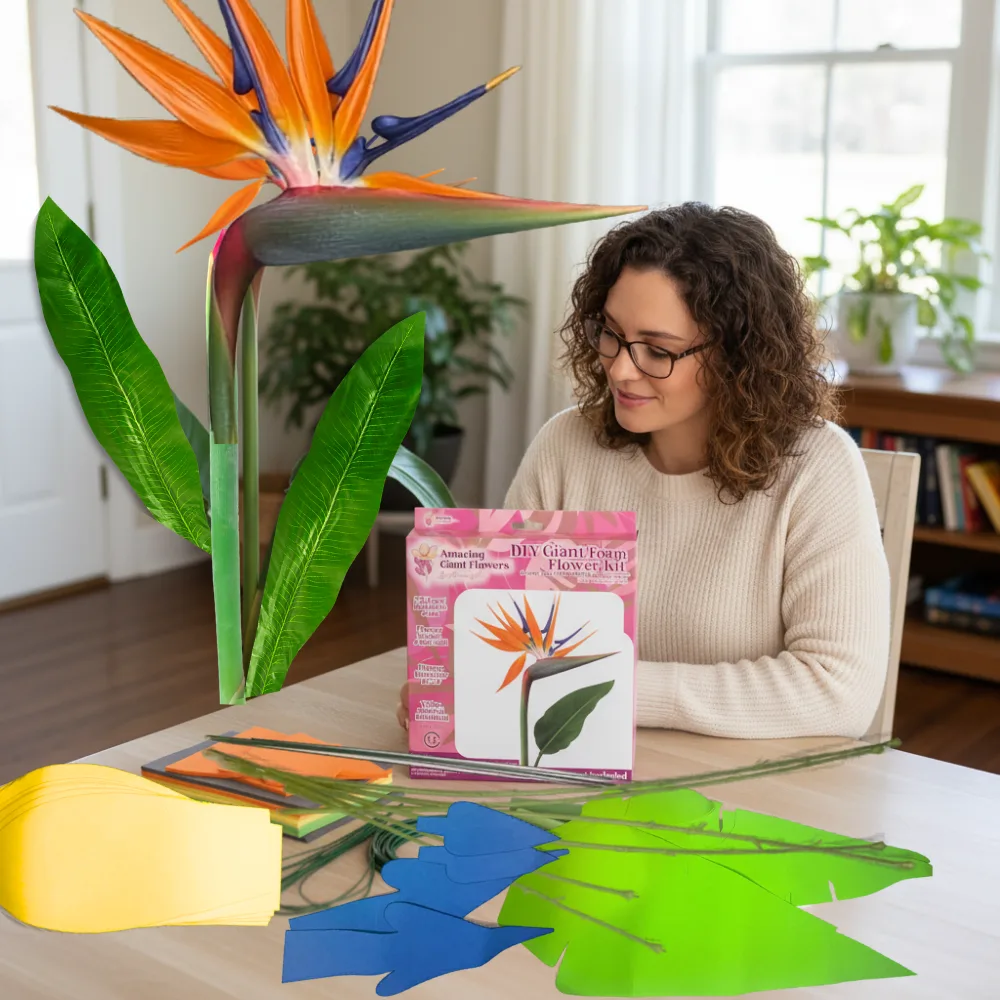
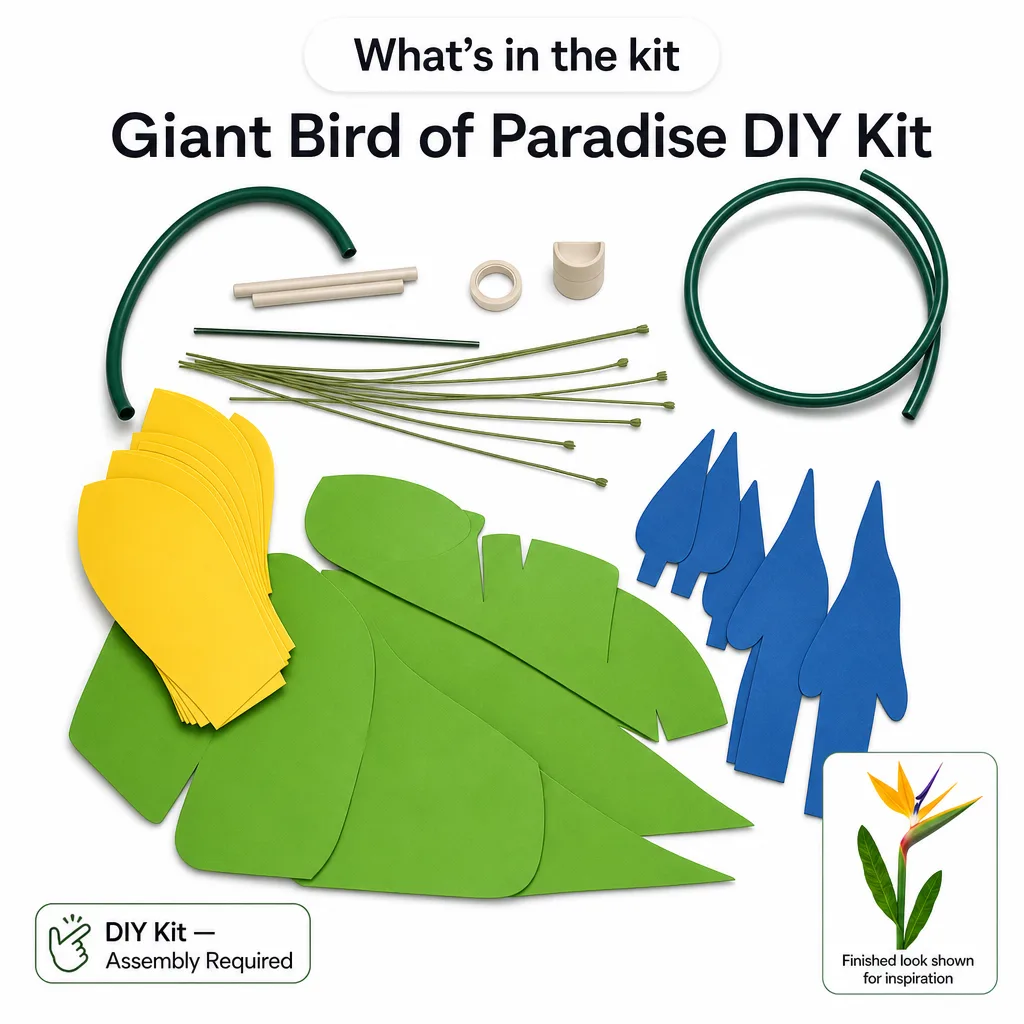
A practical middle ground exists too. Many people use pre-cut kits for focal flowers and order specialty pieces only where custom shaping or color matching matters most. If you want that route, DIY kits for giant foam flowers are one example of a pre-cut option that reduces prep work while still keeping assembly in your hands.
The smartest sourcing choice is the one you can finish calmly. Wedding decor almost always looks worse when it's rushed.
An outdoor arch only looks effortless in photos. In the workroom, every flower needs to hold its shape, hide its glue points, and stay attached after hours of transport, setup, heat, and handling. That is why I build giant foam flowers like install pieces, not tabletop crafts.
A sloppy bench creates sloppy flowers. Set up for repeatable results before you heat the first petal.
Keep these within reach:
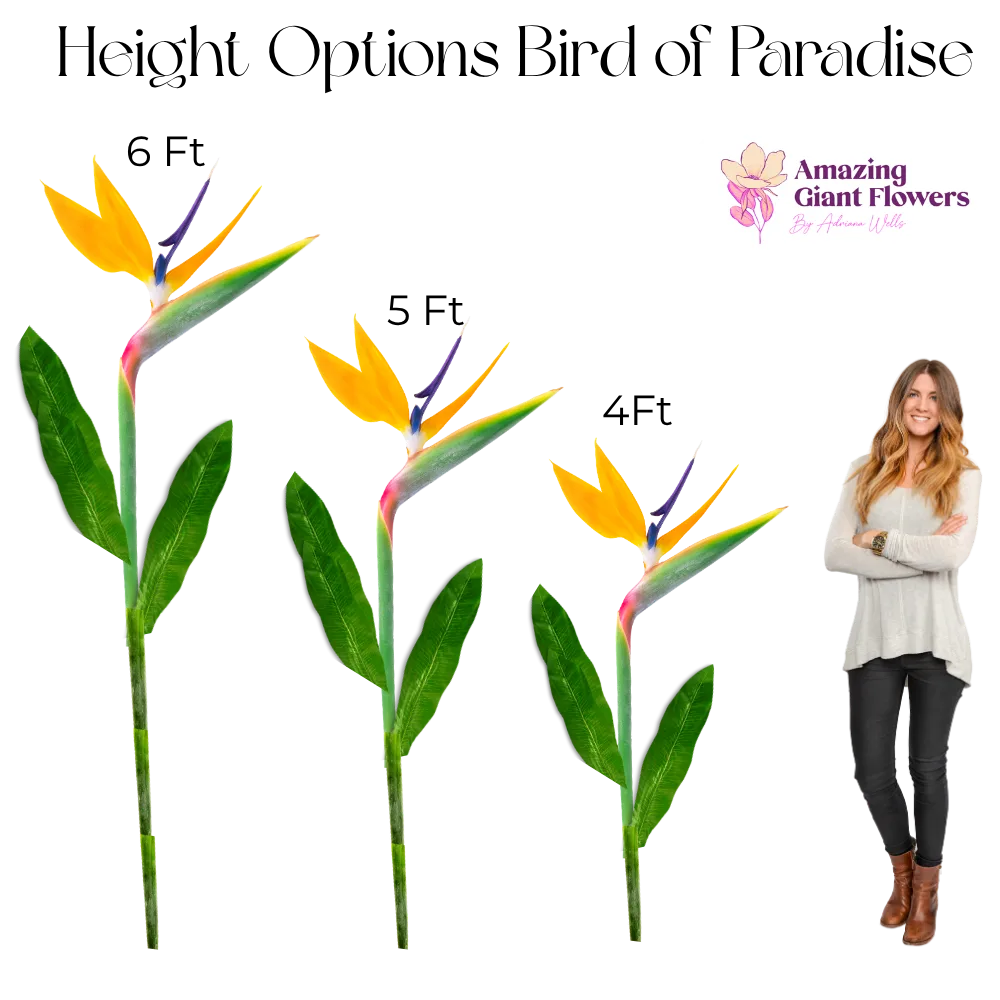
If you want a defined template for your first build, a white rose DIY giant flower kit gives you a clean petal system to practice on.
Consistency is what makes a full arch read as polished. Random shaping makes every bloom look like it came from a different project.
A useful visual reference for the forming sequence is this foam flower assembly tutorial. The key point is heat control. Warm the foam enough to make it flexible, then shape it immediately while it is still responsive.
Use this order:
Sort petals by size
Keep center, middle, and outer layers separated before assembly starts.
Heat one petal at a time
Foam cools fast. Small batches give cleaner, more even curves.
Shape with purpose
Rose petals usually need a gentle inward cup near the center and a softer opening toward the outside.
Build a tight center
The center sets the flower's character. If it is loose, the whole bloom looks flat in ceremony photos.
Rotate as you add layers
Offset each petal so gaps do not line up.
Pause between major layers
Let glue set before adding weight. That prevents the center from twisting out of alignment.
Two problems show up over and over in DIY builds. The foam gets overheated, or the glue bond is too light for transport and outdoor use.
Overheated petals turn shiny, thin, or stiff. Set those aside. They may still look usable on the table, but they often crack or lose shape once the flower sits in the sun. Weak glue joints fail later, usually when someone lifts the flower by the edge instead of the base.
Give each flower a basic shop test before calling it done:
A short cure period helps. I prefer to let assembled flowers rest before packing them, especially for summer weddings or long drives to the venue.
Workshop note: Outdoor installs punish weak construction. If a flower feels fragile in your hands indoors, it will not improve after a car ride and an afternoon in the heat.
The best-looking arches usually come from restraint and repetition, not fancy tricks.
DIY works well for couples and planners who can prep early, test their method, and remake any flower that comes out weak. Custom is usually the safer choice for tight timelines, large outdoor arches, or installs where every piece has to match on the first try.
A video walkthrough can help if you're more visual than technical:
Secure Installation Methods for Any Arch Type
This is the part that decides whether your design survives an outdoor ceremony. Beautiful flowers won't save a weak installation. The frame, anchor strategy, and attachment method have to be planned together.
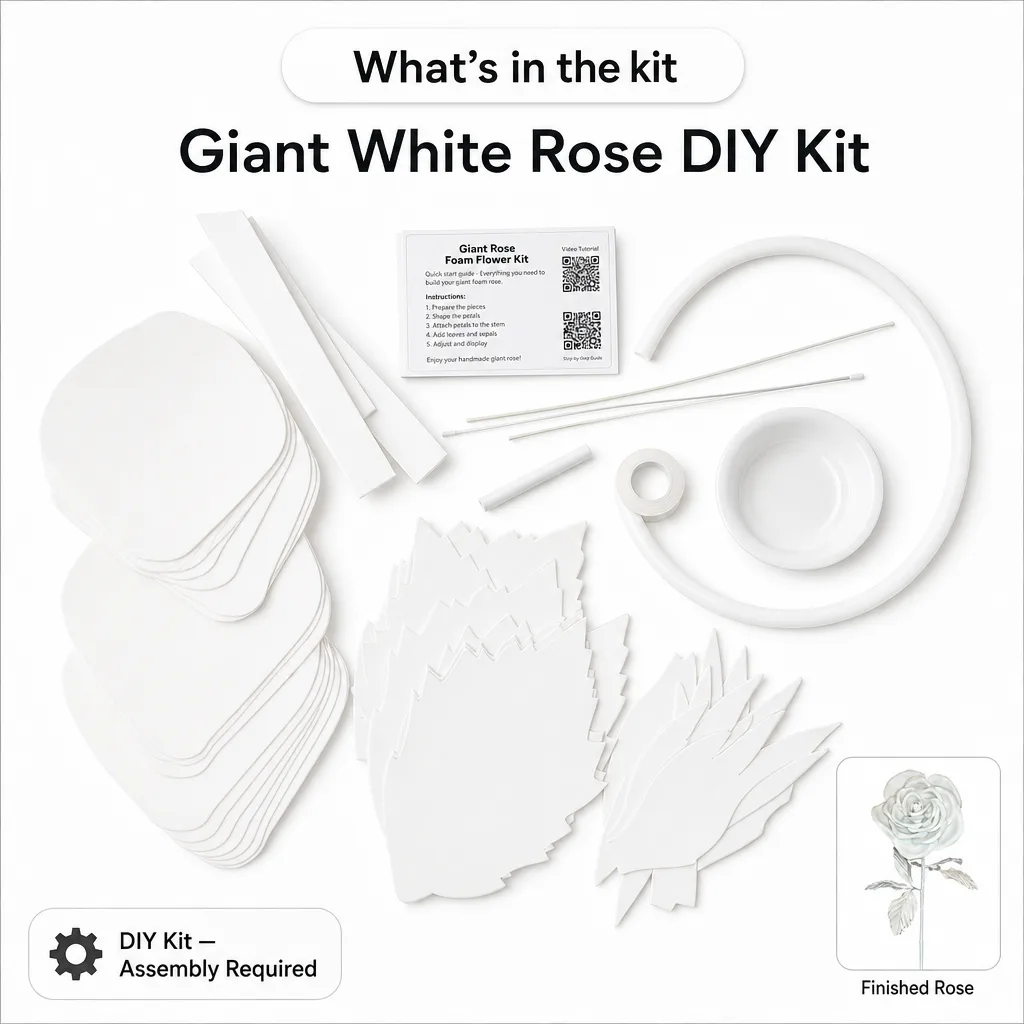
For outdoor work, EVA foam has a real performance advantage. In professional installation benchmarks, giant EVA flowers show 40% more wind resistance, handling up to 30mph, and a stable setup on an 8 to 12ft arch includes 50lb sandbags per side, a chicken wire base, and 16-gauge wire every 6 to 8 inches, according to this installation benchmark reference.
Before a single flower goes on, check the frame itself.
Use this order:
- Level the arch
- Add weight at the base
- Confirm there's no lateral sway
- Only then begin floral attachment
For curved or custom-shaped installations, flexible supports can help you build more reliable attachment paths. Bendable pipes for floral structures are one option when you need to shape support lines around non-standard forms.
Most arch failures don't start at the flower. They start at the base.
Metal frames are the easiest to secure cleanly because wire, zip ties, and clamp-style attachments all work well on them.
Best practice for metal arches:
Metal arches are usually the best choice for windy ceremonies because the fastening system is more predictable.
Wooden arbors look warm and natural, but attachment needs more care. You don't want flowers twisting loose around smooth posts or leaving visible hardware where guests can see it.
For wood structures:
Wood also reacts to outdoor moisture and heat differently than metal, so test the arbor before load-in if it's a rental piece.
Round arches create one special problem. The flower mass often wants to pull to one side, especially in asymmetrical designs. That can make the entire piece feel visually off even if it's technically stable.
Use this approach:
Not every styling trick belongs outside. Long loose draping can act like a sail. Overstuffed flower placement catches more wind than people expect. Thin, decorative arches can look elegant indoors and become risky outside.
What works better:
If the forecast looks unsettled, simplify. A cleaner asymmetrical install that holds is better than a dense build that needs constant rescue.
That checklist prevents most wedding-day problems. It also helps the design team make better decisions under time pressure, because everyone can see what matters first.
Once the arch is secure, styling becomes much easier. At this point, the install stops looking like assembled components and starts looking like a complete scene.
A strong arch usually needs contrast, depth, and softness around the flowers.
Try these finishing moves:
A ceremony backdrop can look balanced in person and still photograph poorly if it's badly placed.
Check these before final placement:
- Background: Avoid parking lots, service doors, or visual clutter behind the arch.
- Light direction: Soft side light usually flatters texture better than harsh front light.
- Aisle approach: Guests and photographers need a clean line of sight.
- Portrait reuse: If possible, place the arch where it can work again for post-ceremony photos.
A wedding arch should read in three ways. Wide shot, mid shot, and close-up.
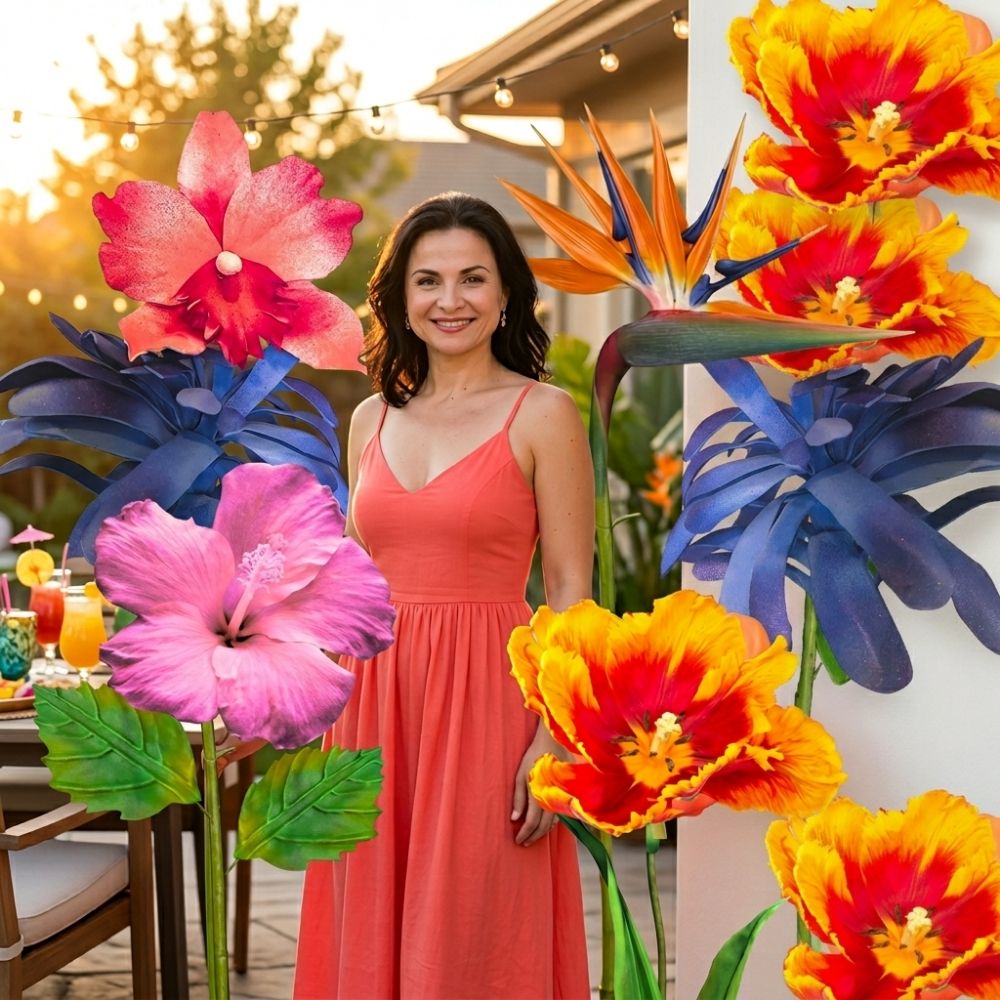
Regional styling can help too when it feels authentic. For Texas weddings, Amazing Giant Flowers' custom bluebonnet kits are noted to produce a 25% higher rate of Instagram shares because of their regional appeal. That makes a themed install more than decor. It becomes part of the event's visual identity.
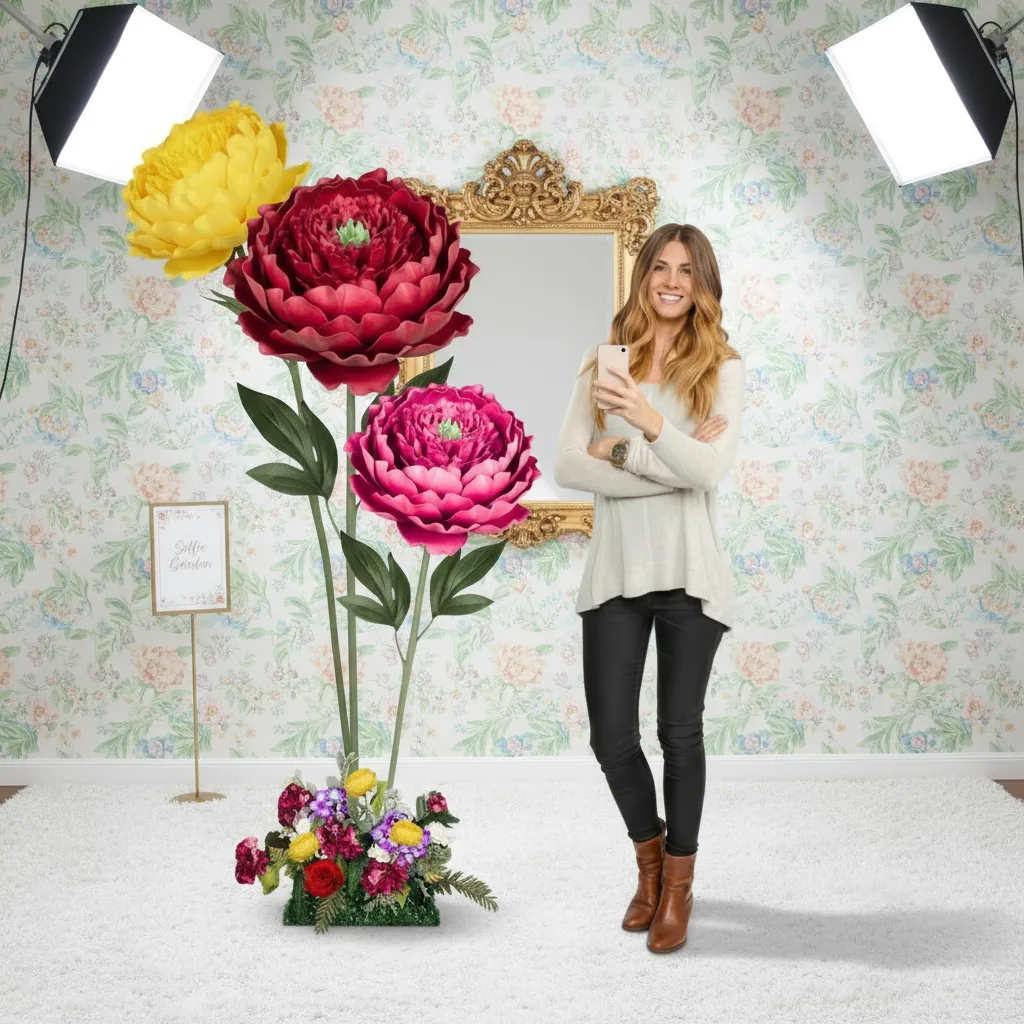
If you want to extend the floral moment beyond the ceremony itself, photo booth and step repeat wall flowers can carry the same oversized style into guest photos and reception content.
The main decision is still simple. If you have time, patience, and a real interest in making the flowers yourself, DIY can be satisfying and cost-conscious. If your outdoor arch needs to be exact, stable, and camera-ready with less hands-on strain, custom work is often the calmer choice.
If you're ready to build a wedding arch that looks polished and holds up outdoors, Amazing Giant Flowers offers both paths. You can start with DIY kits and supplies if you want to craft the blooms yourself, or request a custom setup for a made-to-measure installation designed around your venue, palette, and event style.
Ready to Create Something Amazing?
Browse our collection of giant flower kits and start your next project today.