10 Corporate Event Engagement Ideas for 2026

The warning signs show up fast. A polished venue opens, the agenda is tight, catering is on time, and by midmorning attendees are standing at the back of the room checking Slack instead of talking to each other.
That gap between attendance and participation is where event ROI gets won or lost. Sponsors notice it. Sales teams feel it in weak follow-up. Internal stakeholders see it when the event photo gallery looks good but the room itself never built momentum.
Strong corporate event engagement ideas give people a clear action in the moment. Take a photo. Join a demo. Add to an installation. Sit down and have a conversation in a space that feels designed for it. The highest-performing concepts usually do two jobs at once. They pull people in visually, then give them an easy way to participate without needing much explanation.
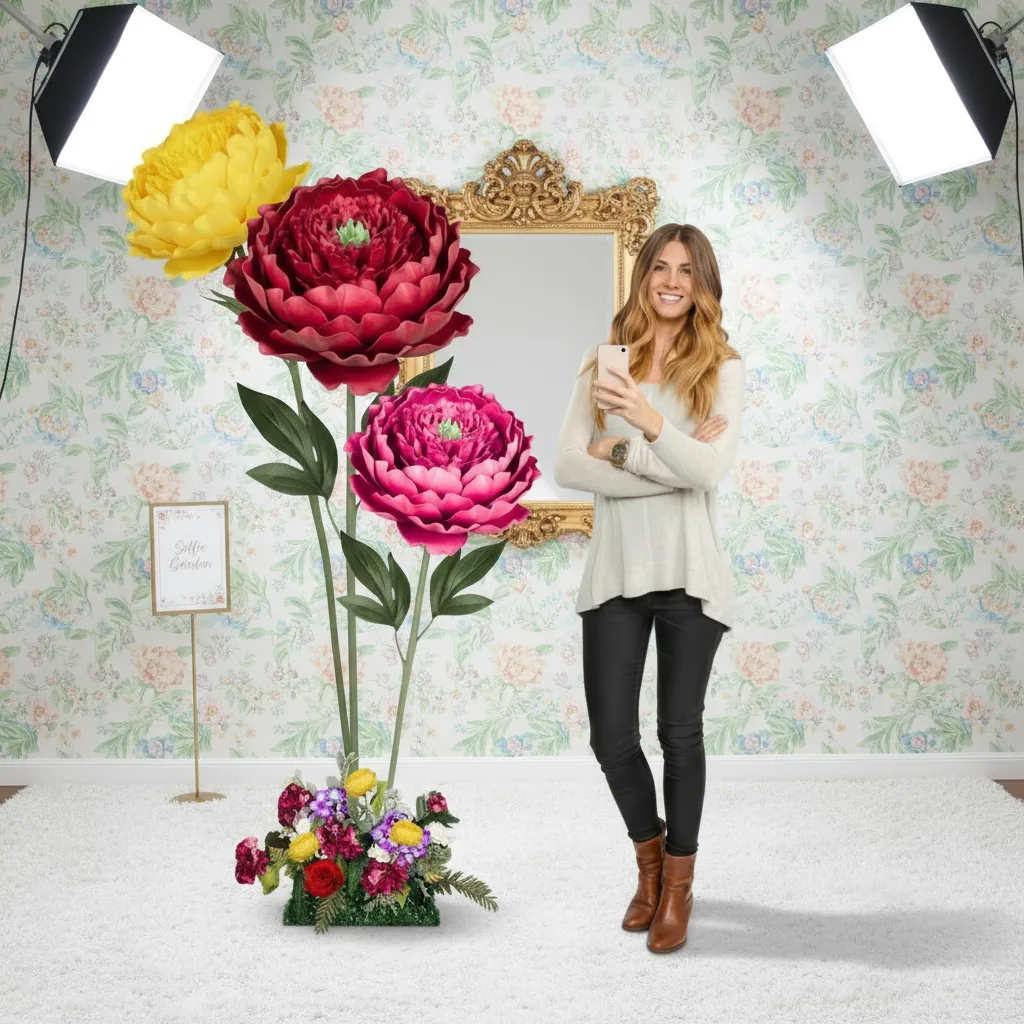
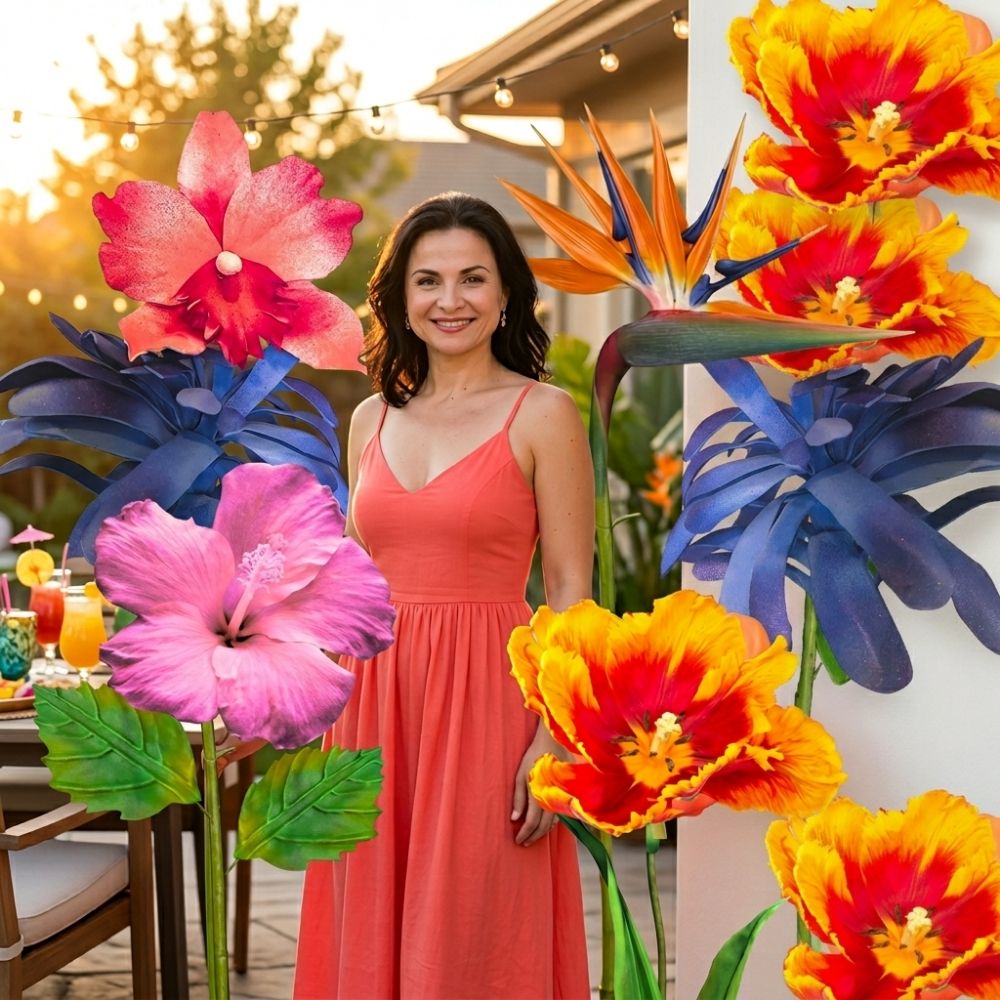
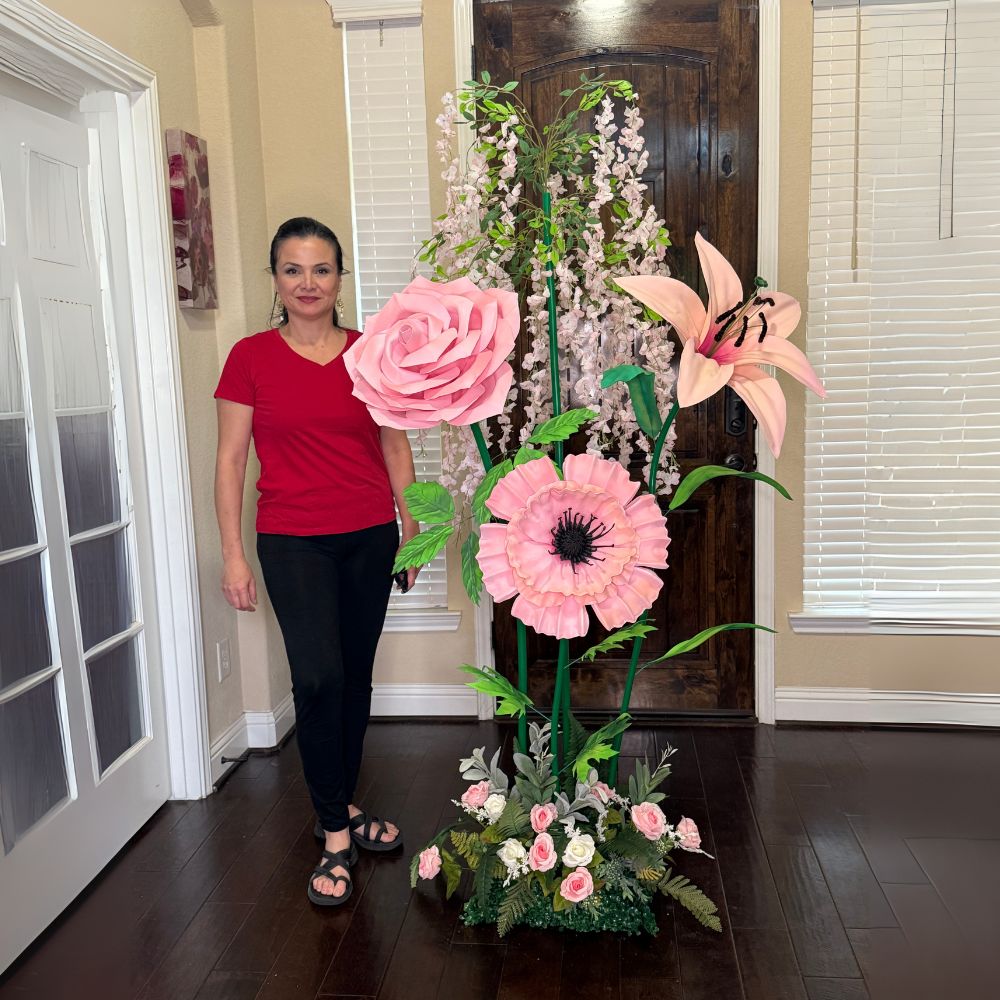
Oversized floral installations are especially effective for that. They read from across a ballroom, soften hard venue spaces, and create a focal point that works on camera. Used well, a giant flower wall or sculptural floral build is not just decor. It becomes the frame for selfies, the backdrop for brand storytelling, the edge of a networking lounge, or the anchor for a sponsor activation. That flexibility is why planners keep coming back to them, especially when they need one build to support social sharing, foot traffic, and brand recall in the same footprint.
The trade-off is practical. A visually striking install can still underperform if it has no prompt, no staffing plan, and no way to measure success. Good engagement design starts with the photo opportunity, then adds the operating details: where people enter, what they do there, how long they stay, what gets posted, and how the brand appears in the content. If you need examples of what that can look like, these giant flower selfie station ideas for events show the kind of visual anchor that can carry an activation.
The ideas below are built for planners who need more than inspiration. Each one is framed as an activation kit, with setup direction, material needs, and measurement tips such as dwell time, social lift, participation rate, and content volume. The goal is simple: create Instagrammable moments that are easy to execute and easier to defend when leadership asks what the event delivered.
1. Interactive Selfie Stations with Giant Flower Backdrops
A selfie station works when it’s treated like an activation, not an afterthought. Most fail because planners tuck them near registration, give them weak lighting, and assume people will figure it out. The best ones are obvious, branded, and easy to use in under a minute.
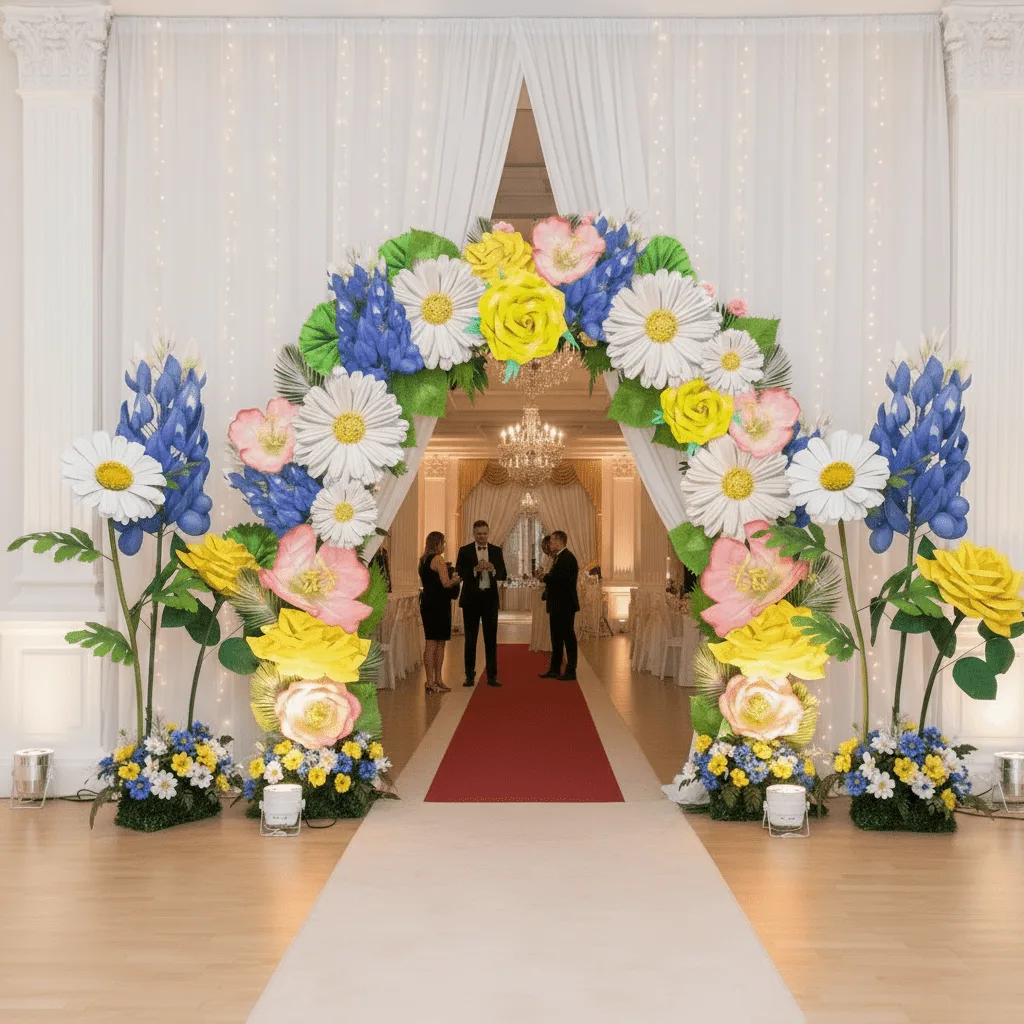
Oversized flowers solve a common event problem. They read clearly from across the room. A wall of giant roses or Texas bluebonnets gives people a visual target, and that matters in crowded venues where smaller decor disappears into the background.
Use the station as part of your floor plan, not a side attraction.
Practical rule: If attendees need instructions longer than a sentence, the station is too complicated.
For inspiration, this roundup of selfie station ideas for events shows how oversized floral builds can frame branded photos without looking rigid.
Measurement is straightforward if you set it up in advance. Track tagged posts, branded hashtag use, staff-captured photos, and the number of attendees who pass through the zone. If the station is near a sponsor, compare dwell time there with nearby areas that don’t have a visual anchor.
A realistic use case is a leadership summit reception where guests arrive guarded and slow to mingle. A flower-backed selfie zone near the welcome cocktail area gives smaller groups a low-pressure activity, which loosens the room faster than a generic photo booth curtain ever will.
The room changes the moment attendees can watch a giant bloom being built by hand. Phones come out. Small groups form on their own. People who would usually pass by a decor piece stop long enough to ask questions, film the process, and start a conversation with someone beside them.
That makes this format useful when you need more than a backdrop. A live build gives you movement, a teaching moment, and an oversized floral installation that keeps working after the demo ends. I use it when the goal is longer dwell time in a sponsor lounge, better traffic distribution during reception, or a content moment that feels earned rather than staged.
A good demonstration works because it gives attendees more than one way in.
The trade-off is capacity. This activation creates stronger engagement per person than a static display, but it processes fewer people per hour. Put it where lingering helps the event instead of slowing it down, such as a reception edge, sponsor hospitality area, or a pre-function corridor with enough clearance for a semicircle of viewers.
Material planning is straightforward if you treat it like a live production, not a craft table. You need one skilled fabricator, one support staffer to manage crowd flow and reset supplies, a protected work surface, waste bins, backup materials, and clear signage that answers the first question attendees will ask: what is being made, how long it takes, and when they can join.
For planners mapping the visual side of this activation, these corporate event decoration ideas for large-scale floral environments show how to connect a demo table to the finished installation so the build feels tied to the wider event design. If you want to add motion or branded video behind the demonstration area, you can also find modern LED billboard solutions.
A simple operating script helps. Open with one line that gives context, such as, “We’re building the entrance installation live over the next hour.” Then have staff invite participation at set times instead of letting the crowd guess. That keeps the maker focused and prevents the table from becoming a bottleneck.
A good companion resource is this tutorial collection on how to make paper flowers, especially if you want the activation to keep generating engagement after the event through recap emails or social content.
Here’s the video format that works well as a visual reference before launch:
Measure this activation like a working engagement zone. Count average stop time, number of attendee interactions with the maker, participation slots filled, and social posts captured during the build window versus after the installation is finished. If the piece sits near a sponsor, compare traffic and dwell time there before, during, and after the demo.
A strong use case is an internal culture event or client summit where the brand wants substance, not generic entertainment. The live build gives guests something to watch, ask about, and contribute to, and the finished giant flower installation remains in the room as proof that the activation produced something worth remembering.
If your event has a brand story, product launch theme, or values message, build it into the environment. Don’t leave the narrative trapped in a keynote deck. A large-scale floral installation can carry that story through the room in a way signage rarely does.
The strongest narrative installs do three jobs at once. They orient guests, reinforce the theme, and create usable content spaces. That’s more efficient than building separate zones for branding, photography, and networking.
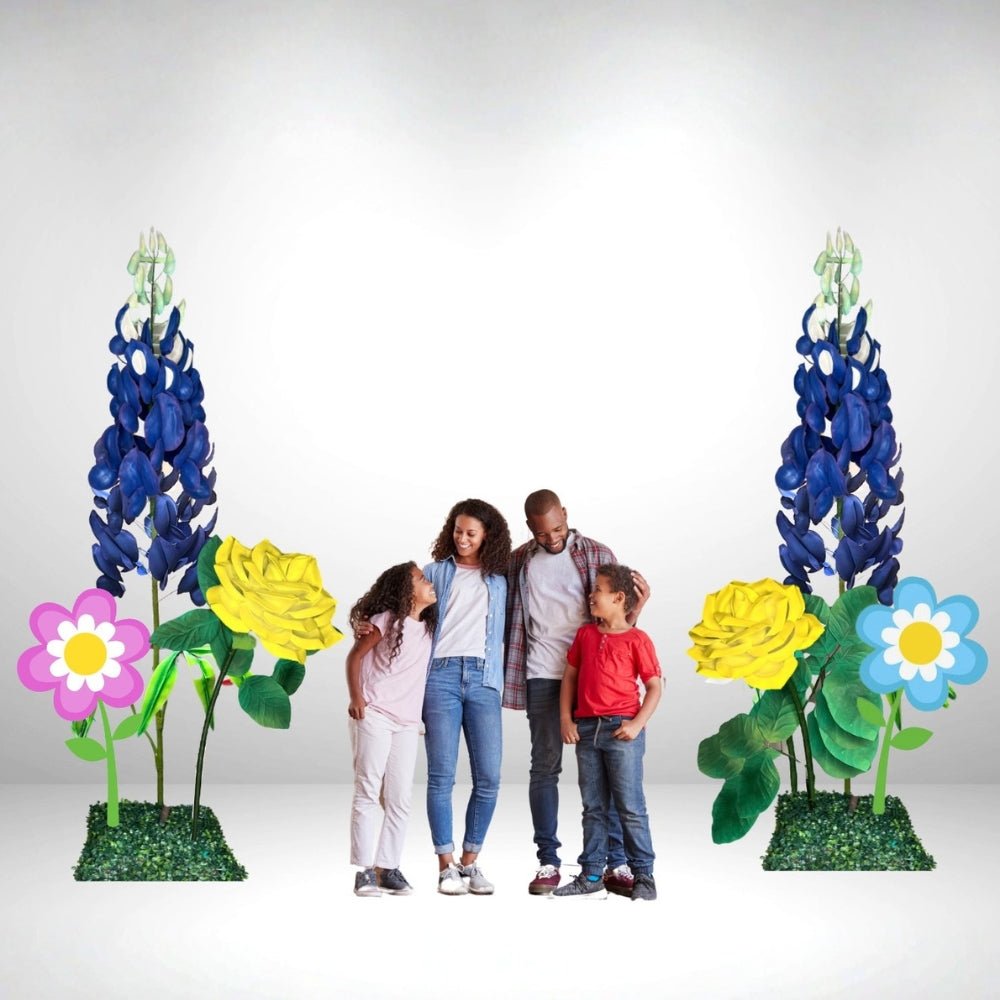
Designing the story into the space
Think in scenes, not decorations. A tech launch might use a progression from closed buds at the entrance to fully opened blooms at the product reveal area. A wellness brand might use soft floral corridors, quiet lounge pockets, and a central statement wall as the visual spine of the event.
For planners developing this kind of environment, these corporate event decoration ideas are useful because they move beyond table centerpieces and into full-room design thinking. If you want motion layered in, you can also find modern LED billboard solutions that complement floral scenery instead of competing with it.
What works:
What doesn’t:
The best brand environments give attendees a clear sense of where they are and why this setting exists.
A practical example is a client appreciation event for a luxury service brand. Instead of banners repeating the company mission, the room becomes an immersive garden-like space tied to care, attention, and detail. Guests feel the positioning before anyone says it on stage.
Networking gets forced when the room gives people nowhere natural to gather. Rows of cocktail tables in open floor space aren’t a networking strategy. They’re overflow furniture.
A themed lounge fixes that by giving attendees a clear reason to enter, stay, and start conversations. Giant flowers are useful here because they create visual identity for each zone without the heaviness of built walls.
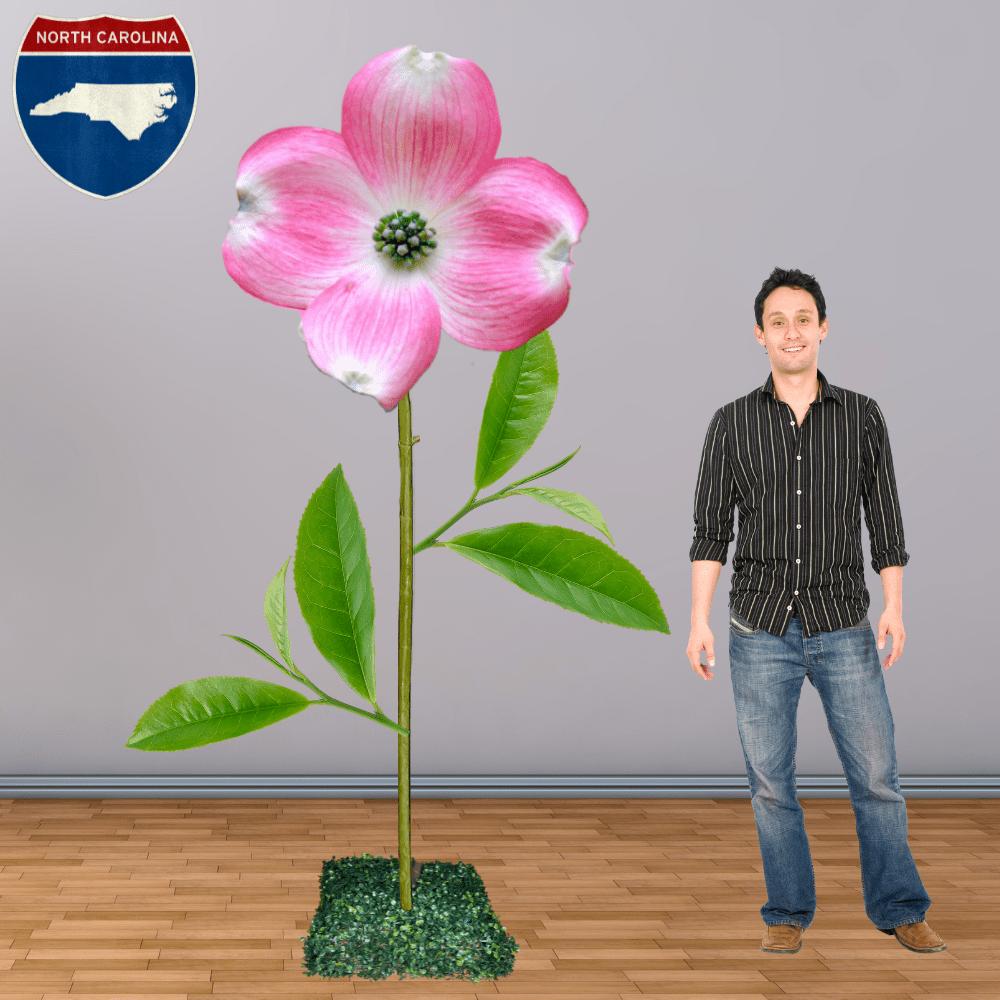
Use floral design as an organizer. Roses can frame a quieter VIP lounge. Sunflowers can signal an upbeat sponsor meet-up zone. Regional flowers such as bluebonnets can tie the environment to a Texas venue or local audience.
A few practical choices matter more than planners sometimes expect:
For event formats that skew formal, these gala decoration ideas show how oversized floral elements can enhance a room without making it feel like a wedding set.
The trade-off is that lounge design consumes square footage. If your venue is tight, a poorly sized lounge can choke circulation. In those cases, build two smaller conversation pockets instead of one oversized destination.
A good use case is a multi-department conference where attendees don’t know many people outside their own teams. A floral lounge near coffee service creates a softer landing spot than an open networking hall, and conversations start more naturally when the environment already feels distinct and intentional.
The weak point in many hashtag campaigns is not the hashtag. It is the lack of a destination. Attendees see the prompt, then keep walking because nothing on the floor feels worth posting. A flower-framed content hub solves that problem by giving the social ask a physical home.
This format works well when the event team needs measurable social lift, sponsor visibility, or a bank of reusable attendee photos. Giant floral framing gives every post a consistent visual signature, which makes the event feed look intentional instead of random. That matters later when marketing teams pull images for recap decks, recruiting pages, and sponsor reports.
Build the hub around four parts:
This giant flower photo booth backdrop guide is useful if the hub needs to photograph well from multiple angles and still hold its shape through a full event day.
Keep the mechanics simple. “Post with the event hashtag to be featured” usually gets better participation than a prize structure with long rules, QR forms, or app-based entry steps. Every extra instruction costs posts.
A strong setup also needs traffic planning. Put the hub near registration overflow, a break area, or the path into the general session, but not where a line will block circulation. If the event has sponsors, reserve one branded panel or a subtle logo moment inside the floral build rather than covering the set with logos. Photos perform better when the branding supports the image instead of overpowering it.
Measure this activation like a marketer, not just a designer. Track hashtag volume, share rate during peak session breaks, average dwell time at the hub, and how many usable attendee images the team pulls after the event. If those numbers matter, assign one staffer to monitor the area, invite small groups in, and reset props or signage before the space starts to look picked over.
A good use case is a product launch or recruiting event where brand perception matters as much as foot traffic. The floral hub creates the Instagrammable moment people already want, then turns that attention into content you can readily use.
6. Corporate Team-Building Flower Design Workshops
A lot of team-building activities create a temporary mood boost and nothing else. People complete the challenge, laugh, and move on. A flower design workshop leaves teams with a finished object they built together, which gives the activity a longer tail.
This is the most overlooked format in the category. The industry spends a lot of energy on apps, leaderboards, and novelty tech, while hands-on making remains an underserved engagement angle, as noted in this discussion of event engagement strategies focused on connection.
The best version is structured enough to prevent confusion but open enough to allow creativity. Don’t ask a group of non-crafters to invent from scratch. Give them a brief, a palette, pre-cut materials, and a clear finish line.
Use a format like this:
Field note: The quality bar should be “proud to display,” not “museum perfect.”
What works well is collaboration by role. One person shapes petals, one assembles, one handles finishing, one presents the concept. That avoids the common failure mode where one crafty person takes over and everyone else checks out.
A smart use case is an annual kickoff where leadership wants cross-functional mixing but doesn’t want another generic icebreaker. Give each team the same floral format and a different prompt. They leave with something tangible, and the final display can stay up as a culture artifact instead of vanishing when the ballroom gets flipped overnight.
7. Virtual Event Engagement with Shipped DIY Kits
A remote attendee opens a box 10 minutes before showtime and finds tissue paper, loose supplies, and a one-page instruction sheet with tiny type. That session is already in trouble.
Shipped DIY kits work when the physical experience is as carefully produced as the run of show. For corporate teams, oversized paper flower kits create a strong on-camera result without asking people to be expert makers. That matters if the goal is real participation instead of passive viewing. A finished bloom also gives attendees something visible to hold up, photograph, and keep after the event, which extends the life of the activation beyond the live session.
The strongest version uses a simplified build based on the visual drama of giant floral installations, like those from Amazing Giant Flowers, but scaled for a home desk or kitchen table. That gives remote guests an Instagrammable moment that still fits in a mailer.
The planning work sits in four areas:
A practical kit usually includes pre-cut petals, stems or supports, adhesive, a branded instruction card, a protective mailer, and one spare piece for common assembly mistakes. That extra part costs little and prevents a surprising number of support issues.
If you’re choosing the platform side at the same time, you can compare virtual event software based on breakout options, moderator controls, screen layout, and audience participation tools.
Where planners get this wrong
Shipping adds friction fast. International addresses, customs forms, apartment access issues, and last-minute registrants can turn a good idea into a support queue. I usually recommend this format when the attendee list is stable and the experience has enough importance to justify fulfillment costs.
A few operating rules help:
Measure more than attendance. Track delivery success rate, live participation, average time on session, reveal participation, screenshot or gallery submissions, and social sharing after the event. Those numbers tell you whether the kit created engagement or instead served as postage.
A strong use case is a distributed sales kickoff, client appreciation event, or holiday program where the business wants shared experience across locations. Everyone joins with the same materials, makes something that looks polished on screen, and contributes to a branded visual moment. That is a better trade than sending a snack box if the objective is dwell time, photo sharing, and a stronger sense that remote guests were part of the event rather than watching from the edge.
At 8:15 on a Tuesday morning, a lobby is usually dead space. A well-built seasonal window display changes that. People stop, point, take a photo, and walk inside instead of past the entrance.
That shift is why I treat window displays as activations, not decor. For hotels, retail brands, museums, mixed-use properties, and corporate headquarters, oversized floral installations create a public-facing engagement moment without the staffing load of a scheduled program. They work especially well when the goal is repeated exposure over several weeks, not a single burst of attention.
The strongest version starts with one job. Get people to pause.
Oversized flowers from makers such as Amazing Giant Flowers do that well because they read from a distance and still photograph cleanly up close. A spring launch, holiday theme, local festival tie-in, or brand campaign gives the display context. The build still needs discipline. Too many props, too much vinyl copy, or three focal points in one window will hurt dwell time and make user photos look cluttered.
A practical activation kit looks like this:
Retail teams can borrow useful ideas from exhibition design here. These examples of captivating trade show booth designs show how sightlines, framing, and physical flow pull people toward a display instead of letting them drift past it.
There is also a cost trade-off worth stating clearly. Reusable giant flowers usually cost more upfront than disposable seasonal decor, but they earn that back when the same core pieces rotate across spring, summer, holiday, and event-specific themes. That matters for venues trying to stretch one visual asset across multiple campaigns.
Use this format for storefront windows, hotel arrivals, venue entrances, atriums, and lobby corners that need a reason to be photographed. Measure results like an activation, not a styling exercise. If the display increases stops, photos, shares, and repeat visits, it is doing real event work even without a check-in desk or agenda.
Festivals and pop-ups move fast. If attendees can’t understand your activation in a glance, you’ll lose them to the next booth, stage, or food line. Giant flowers help because they communicate instantly and create a visual landmark people can refind later.
Event teams often overbuild the concept in these instances. They add too many touchpoints, too much copy, and too many instructions. The result feels like a compliance station, not an experience.
For a festival environment, build the activation in short loops. People should be able to enter, participate, capture content, and move on without friction.
Use a three-part structure:
You can also borrow display thinking from exhibition planning. These examples of captivating trade show booth designs are useful because they show how visual hierarchy and physical flow shape behavior in crowded environments.
A realistic use case is a beauty brand at a music festival. A sunflower or rose installation marks the activation from a distance, the center station offers a quick product try-on or shade match, and the exit scene captures user-generated content. That sequence is cleaner than asking people to interact with a branded maze of QR codes and touchscreens.
The main trade-off is durability. Festival settings are harder on materials, staff, and timing. Build for weather shifts, rough handling, and the fact that attendees may interact with the installation in ways your renderings didn’t predict.
A planner walks into a venue preview and sees the same problem they see in too many pitch decks. Nice ideas, weak translation to the room. Showcase events work when guests can judge scale, flow, and finish in person, not from a mood board.
That is why oversized floral installations earn their place here. A build like those from Amazing Giant Flowers gives the room instant visual structure and creates the kind of high-impact moment people photograph, discuss, and price on the spot.
Treat the event like a live sales floor. Each zone should answer a buying question quickly: What can this look like? How will guests use it? What will it cost to adapt?
Set up four experience areas:
Personalization matters here, but the practical version is what closes business. Show three distinct interpretations of the same core build, such as formal, modern, and playful, so attendees can compare color, scale, and styling without guessing. That reduces revision rounds later and gives the sales team a cleaner path to follow-up.
I have seen venue previews improve fast when the room stops behaving like a static sample sale and starts functioning like a set of finished event scenes. One strong showcase can produce longer dwell time, better social content, and more specific sales conversations because prospects react to something tangible. Measure it the same way you would any activation kit. Track time spent in each zone, count consultation requests, note which vignette gets photographed most, and ask every serious lead which installation matched their event best.
Top 10 Corporate Event Engagement Ideas Comparison
| Initiative | Implementation Complexity 🔄 | Resource Requirements ⚡ | Expected Outcomes 📊⭐ | Ideal Use Cases 💡 | Key Advantages ⭐ |
|---|---|---|---|---|---|
| Interactive Selfie Stations with Giant Flower Backdrops | Moderate, build, lighting, staff to manage flow 🔄 | Medium, backdrop build, pro lighting, on-site staff, sharing tech ⚡ | High social reach and measurable UGC-driven engagement 📊⭐ | Product launches, brand activations, weddings, festivals 💡 | Drives organic reach, high ROI, quantifiable metrics ⭐ |
| Live Giant Flower Crafting Demonstrations | High, requires skilled artisans and safety protocols 🔄 | Medium–High, artisans, demo space, materials, AV support ⚡ | Strong brand credibility, memorable experiences, kit sales 📊⭐ | Craft fairs, workshops, corporate team building, hybrid events 💡 | Showcases expertise, educates audience, generates direct sales ⭐ |
| Immersive Brand Narrative Installations | Very High, custom design, multisensory execution, complex logistics 🔄 | V...Ready to Create Something Amazing?Browse our collection of giant flower kits and start your next project today. |