One Double-Sided Mold, Two Worlds: Foam Flowers & Sugar Art
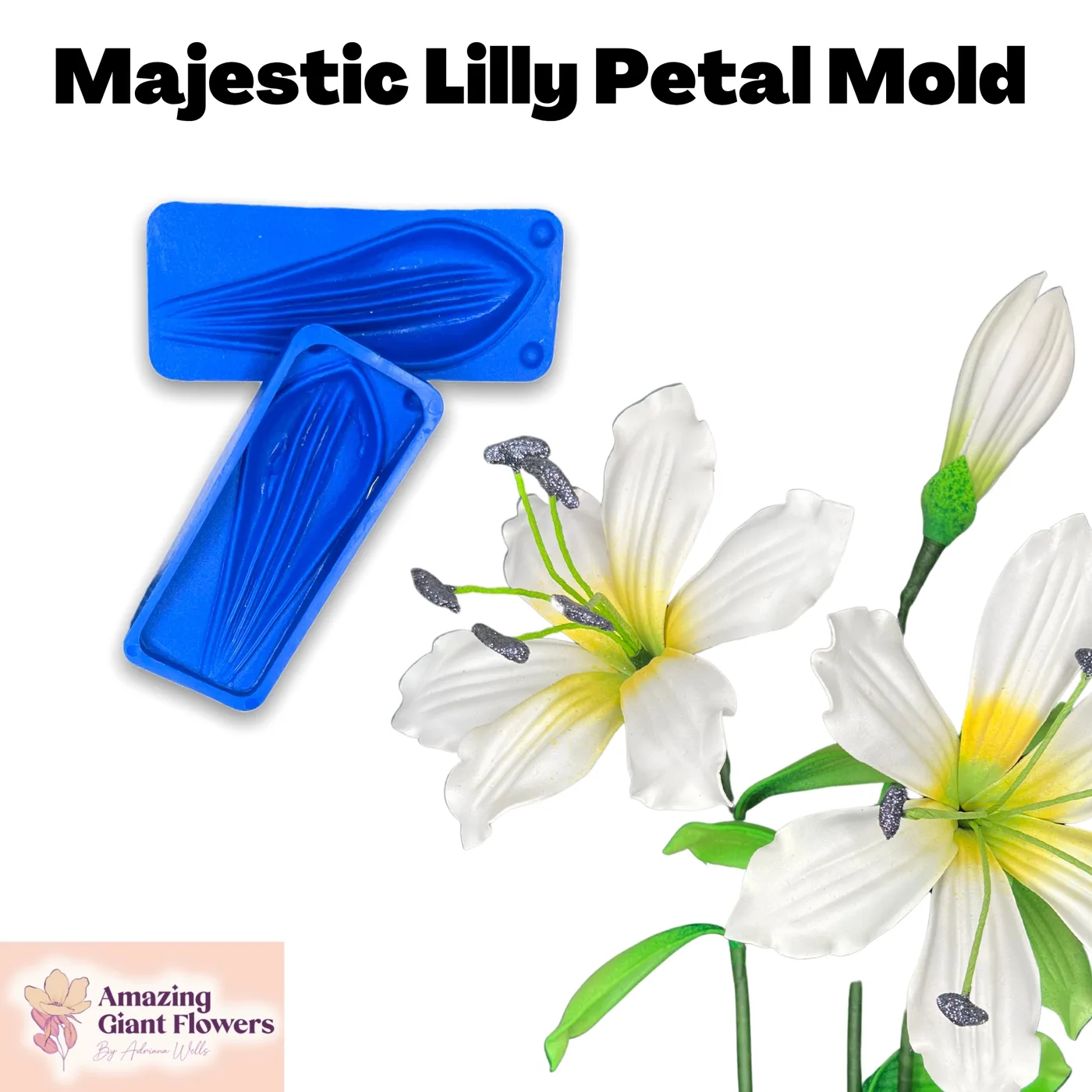
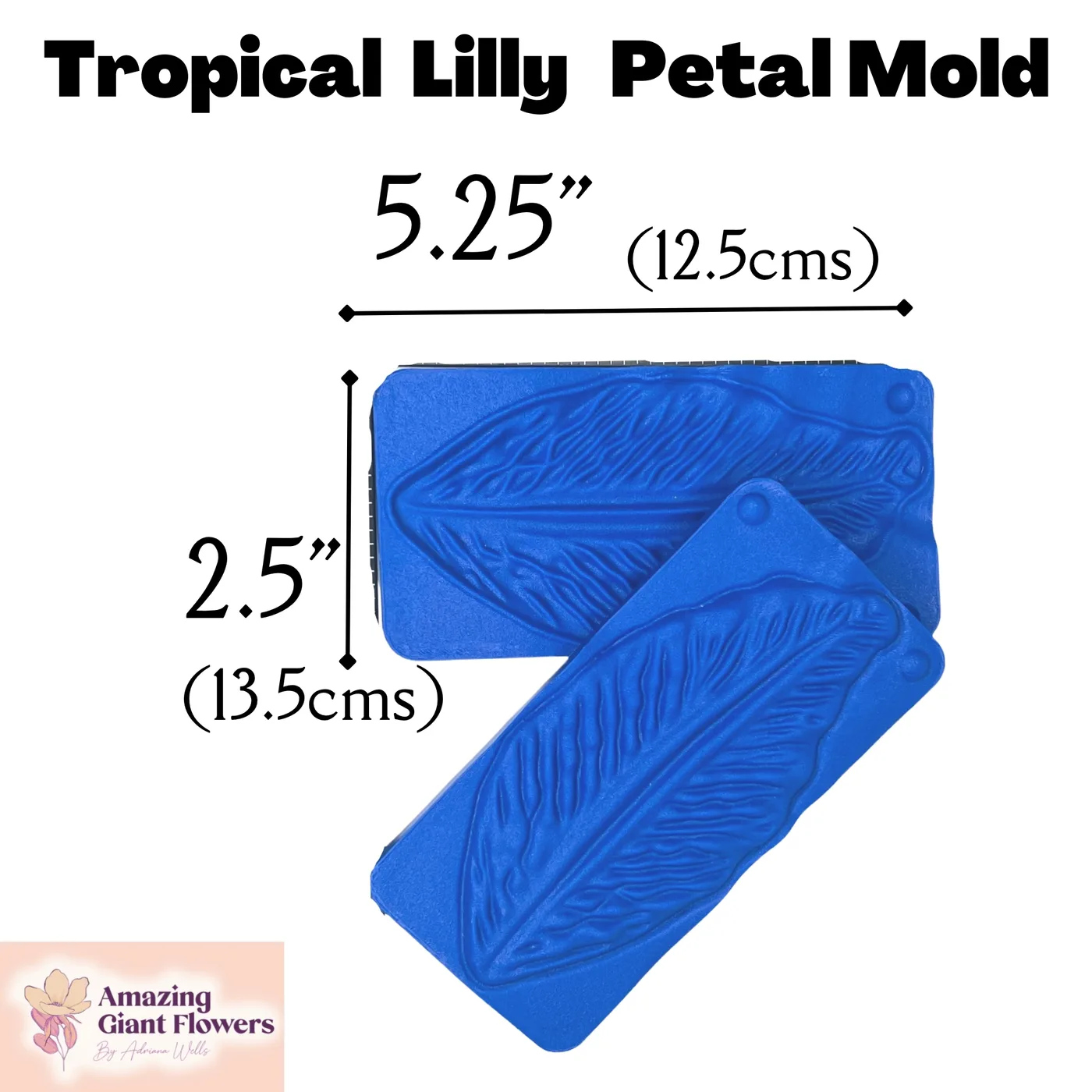
A great flower petal mold is a quiet workhorse. Press foam into it and you get a lifelike, veined petal in seconds. Press gumpaste or fondant into that same mold and you get a sugar flower a cake artist would be proud of. That dual life is what makes our double-sided molds so useful.
I'm Adriana, and our molds started as tools for realistic foam flowers — but crafters quickly discovered they double beautifully as a foam flower mold for decor and a petal veiner for cake art. Let me show you how one tool serves two very different worlds.
What I love about a good double-sided mold is that it removes the single hardest part of making a lifelike petal: the veining. Anyone can cut a petal shape, but it's those fine, branching veins and the gentle central spine that trick the eye into reading a petal as real rather than crafted. Achieving that detail by hand takes years of practice and a very steady tool hand. A mold hands it to you in one press — which is exactly why the same tool appeals to a hobbyist making her first rose and a professional cake artist finishing a five-tier wedding centerpiece.
It's also worth appreciating just how economical this crossover is. A single mold costs less than a nice dinner out, yet it will outlast thousands of petals and serve two entirely separate hobbies. For crafters who dabble in both decor and dessert — and there are more of them than you'd think — that's remarkable value from one small tool.
How a Double-Sided Mold Works
Each mold has two halves with the petal's veins and contours carved in. You place your material between them and press. The mold does the detailing for you — no freehand sculpting, no guesswork — so every petal comes out consistent and realistic.
That consistency is a bigger deal than it first appears. A convincing flower isn't one perfect petal; it's a dozen or more petals that clearly belong to the same bloom. Trying to hand-vein each one identically is where most people's projects start to look homemade. Because the mold stamps the exact same detail every time, your petals read as a matched set — and a matched set is what separates a flower that looks store-bought from one that looks handmade in the wrong way.
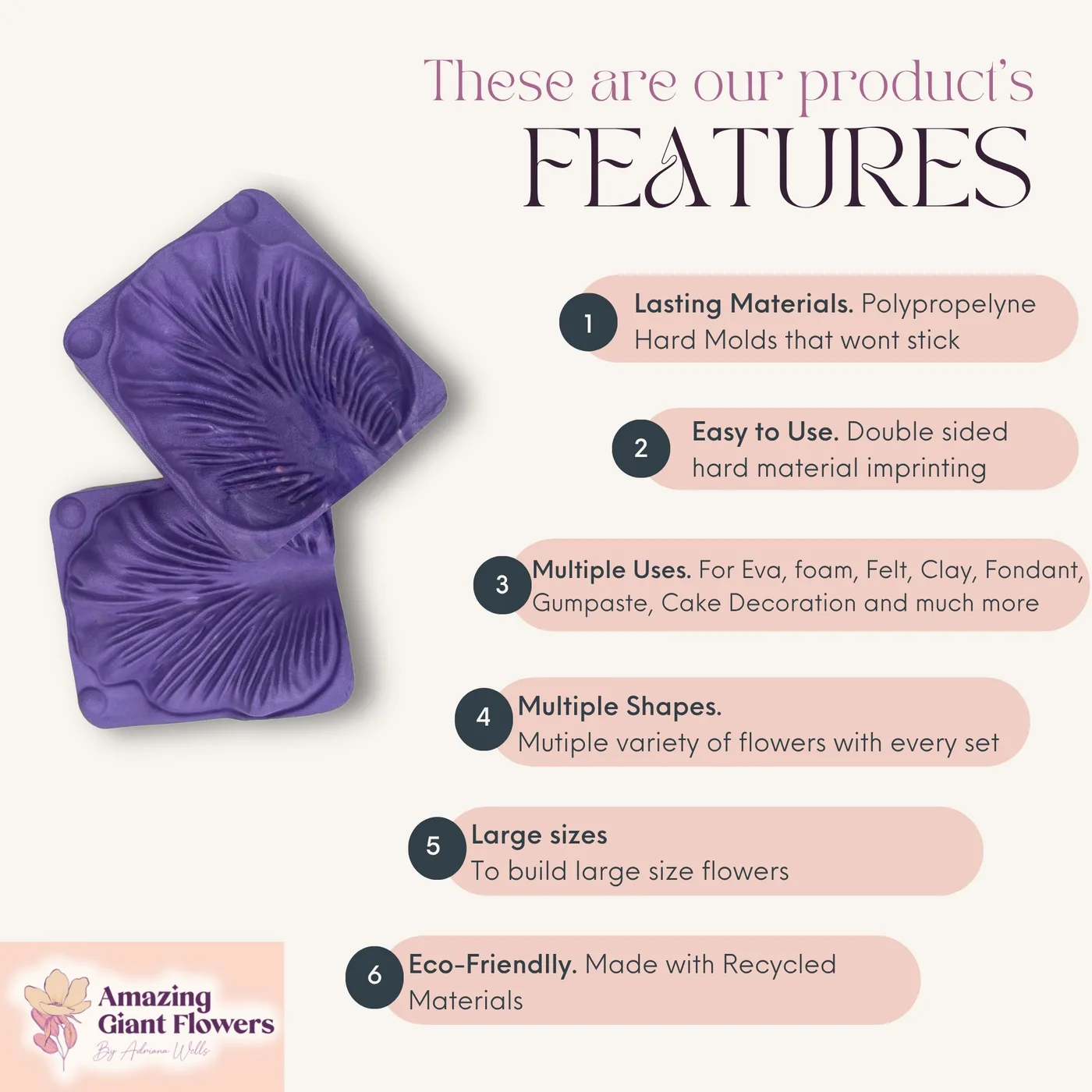
- Reusable: a single mold makes hundreds of petals over its life.
- Realistic detail: true-to-life veining that's almost impossible to achieve by hand.
- Material-flexible: works with foam for decor and with gumpaste, fondant, or sugar paste for cakes.
"The first time a cake decorator told me she used my rose mold for gumpaste petals, I realized I'd built two tools in one."
Two Worlds, One Mold: Foam vs Sugar Art
The technique shifts slightly depending on your medium, but the mold is identical. Here's how the two crafts compare.
| Foam Flowers | Sugar Art | |
|---|---|---|
| Material | Thin EVA / craft foam | Gumpaste, fondant, sugar paste |
| Use | Real-touch decor, bouquets, keepsakes | Wedding cakes, cupcakes, dessert tables |
| Finish | Durable, lasts for years | Edible, delicate, dries firm |
| Why the mold helps | Instant realistic veining | Works as a petal veiner |
If you make realistic decor flowers, these molds give your petals that lifelike, life-size detail. If you decorate cakes, the very same mold works as a petal veiner for gumpaste and sugar flowers — the crossover cake artists search for.
The technique differences are small but worth knowing. For foam, you'll warm a thin sheet slightly so it takes the impression and holds the shape as it cools — the veining sets permanently and the petal stays flexible and durable for years. For sugar work, you roll gumpaste or fondant thin, dust the mold lightly with cornstarch so nothing sticks, then press and release; the petal is delicate at first and firms up as it dries. Same mold, same veins, two completely different finished results — one you can keep on a shelf forever, one that crowns a cake for a single beautiful day.
This is also why I encourage people not to overthink their first purchase. Whichever craft brought you here, the mold you buy for it will quietly open the door to the other. Plenty of my customers arrived as cake decorators and left making keepsake foam roses for their own weddings — and just as many came for decor and discovered they could top a birthday cake with matching sugar blooms.
Tip from Adriana: Keep a dedicated mold for food use and another for foam/craft. It keeps your sugar work food-safe and your craft mold free to get glue and paint on it.
New to making realistic petals? Start with my real touch foam flower kits beginner project guide, then come back to explore molds on their own.
One Mold. Endless Petals. Two Crafts.
- Double-sided for true-to-life veining
- Works with foam for decor and gumpaste for cakes
- Reusable for hundreds of petals
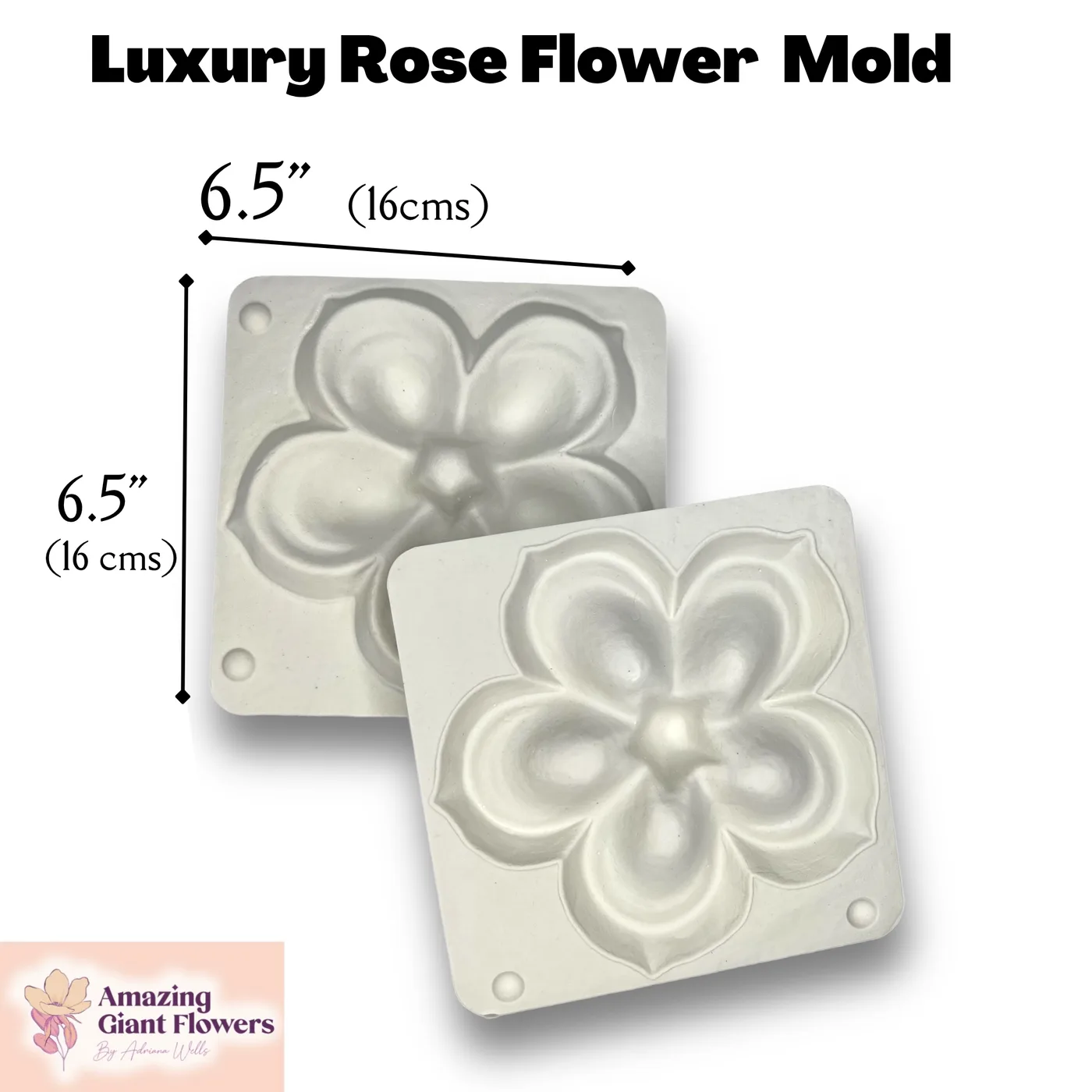
Luxury Rose Flower Mold — $22.99
Shop the Rose MoldBrowse All MoldsOur Double-Sided Mold Picks
Each of these is double-sided, reusable, and equally at home in foam or sugar work.
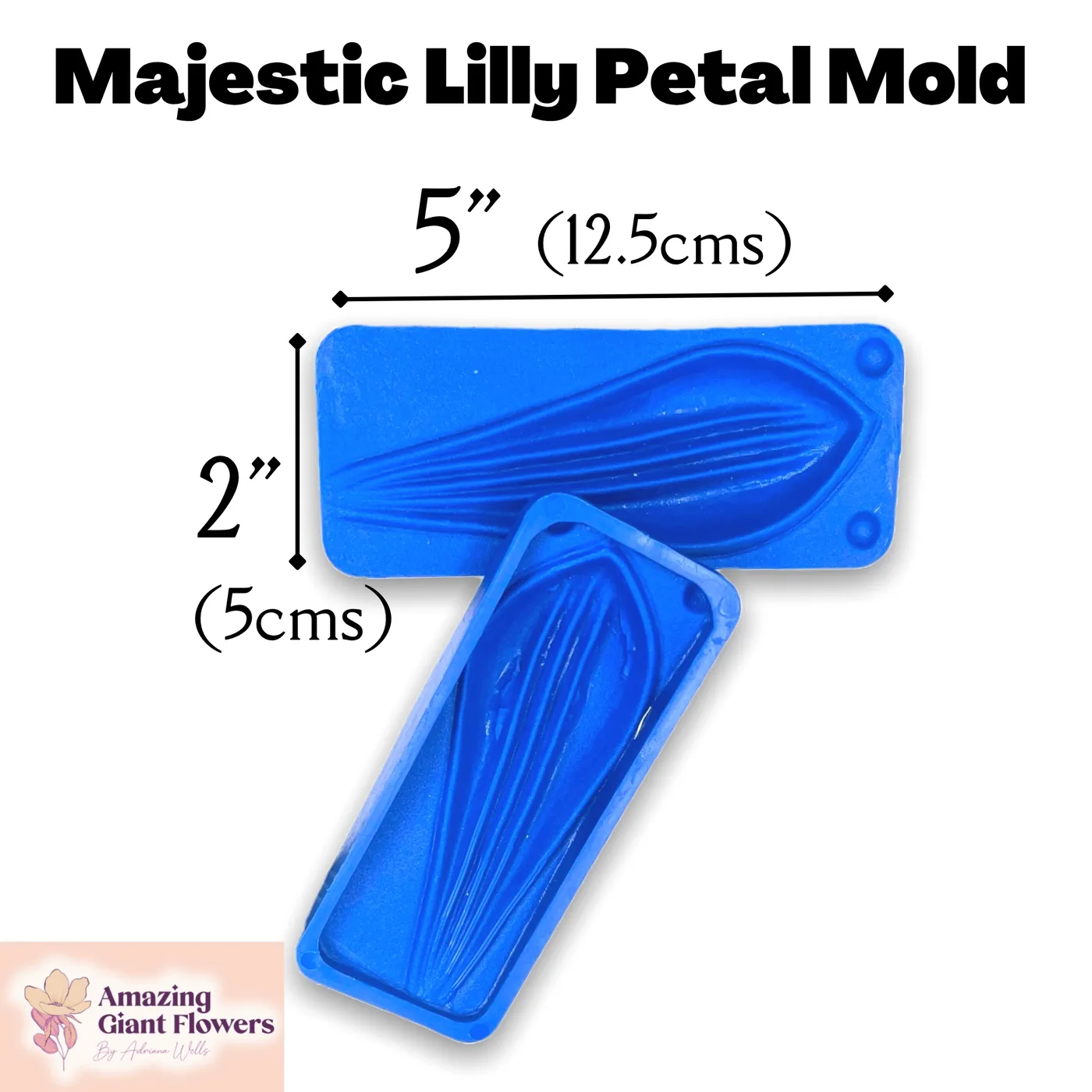
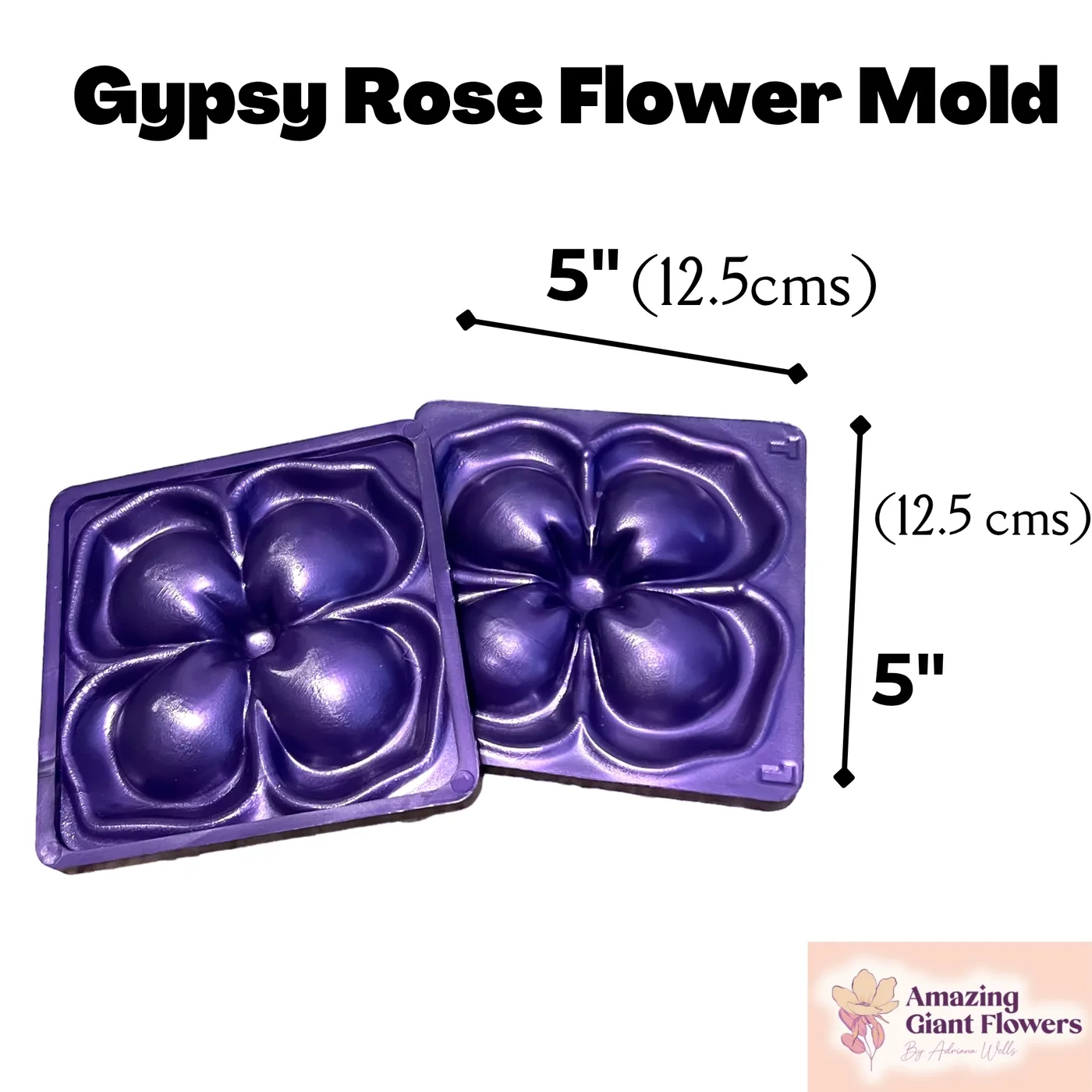
Want to see a mold in action inside a finished kit? My real touch peony assembly guide shows the whole process start to finish.
Caring for Your Molds So They Last for Years
These molds are built to be workhorses, and a little care keeps them producing crisp detail for a very long time. After foam or craft use, wipe them clean of any residue before the glue or paint has a chance to cure — dried adhesive is the main thing that dulls a mold's fine veining over time. A soft brush or cloth and warm water is all you need; there's no need for harsh solvents that could degrade the surface.
For sugar work, cleanliness is doubly important because you're working with food. Wash a food-dedicated mold in warm soapy water, rinse thoroughly, and let it dry completely before storing so no moisture gets trapped in the fine detail. Dusting the mold lightly with cornstarch before each use not only prevents sticking, it also makes cleanup afterward almost effortless.
Store your molds flat or gently stacked, away from direct heat that could warp them. Treated this way, a single mold will happily turn out hundreds — realistically thousands — of petals across both crafts, which is what makes them such a satisfying tool to own. Buy once, create for years.
Frequently Asked Questions
Are these molds food-safe?
Many crafters use them for gumpaste and sugar work. For food use, dedicate a mold to food only and clean it thoroughly before each use.
What materials work best?
Thin foam for decor petals; gumpaste, fondant, or sugar paste for cakes. All press the same way.
How many petals can one mold make?
Hundreds. The molds are reusable and hold their detail over a long life.
Do I need one mold per petal size?
Not necessarily — many designs use a single mold for all petals and simply trim to size for the inner and outer rows.
How do I clean a mold between uses?
Wipe or wash with warm water before residue cures, dry completely, and store flat. For food use, wash with warm soapy water and keep that mold dedicated to sugar work only.
Can beginners get good results?
Absolutely — that's the whole point of a mold. The tool does the detailing, so even a first-timer's petals come out with realistic, professional-looking veins.
Whether you're building lifelike decor flowers or crowning a wedding cake with sugar blooms, the right mold does the detailed work for you — beautifully, and again and again.
Ready to create? Shop the Flower Molds collection →
Ready to Create Something Amazing?
Browse our collection of giant flower kits and start your next project today.