Flower Molds vs Hand Cutting: Which Makes More Realistic Foam Flowers?
Key Takeaways
If you've ever Googled flower molds vs hand cutting, you already know the struggle is real. You want foam flowers that look like they just came out of a garden — not a craft store bin — and you're trying to figure out which technique is actually going to get you there.
I've been making foam flowers for years. I've hand-cut thousands of petals, pressed hundreds of molds, and burned my fingers more times than I care to admit. So let me save you some trial and error and just tell you what actually works.
This guide breaks down both methods honestly — the pros, the cons, the results — so you can choose the right approach for your project. Spoiler: the answer might surprise you.
Before we compare techniques, let's get specific about what makes a foam flower look real.
It's not just the shape. Honestly, shape is the easy part.
What fools the eye is texture, dimension and movement — the tiny veins on a rose petal, the way a tulip curves inward at the tip, the ruffled edge of a camellia. Those details are what separate a craft project from something that makes people do a double-take.
The Three Elements of a Realistic Foam Petal
- Surface Texture: Veining, ridges and organic variation that mimic real plant cells. Without this, foam looks flat and plasticky.
- 3D Curvature: Petals that cup, curl, wave or taper — not lie flat. Heat shaping is essential here.
- Edge Detail: Ruffled, pointed, rounded or serrated edges that match the real flower species.
Keep those three things in mind as we walk through both methods. Because each technique addresses them differently.
Hand cutting is exactly what it sounds like. You draw or trace a petal shape onto EVA foam, then cut it out with scissors or a craft knife. Simple, right?
Yes — and also no.
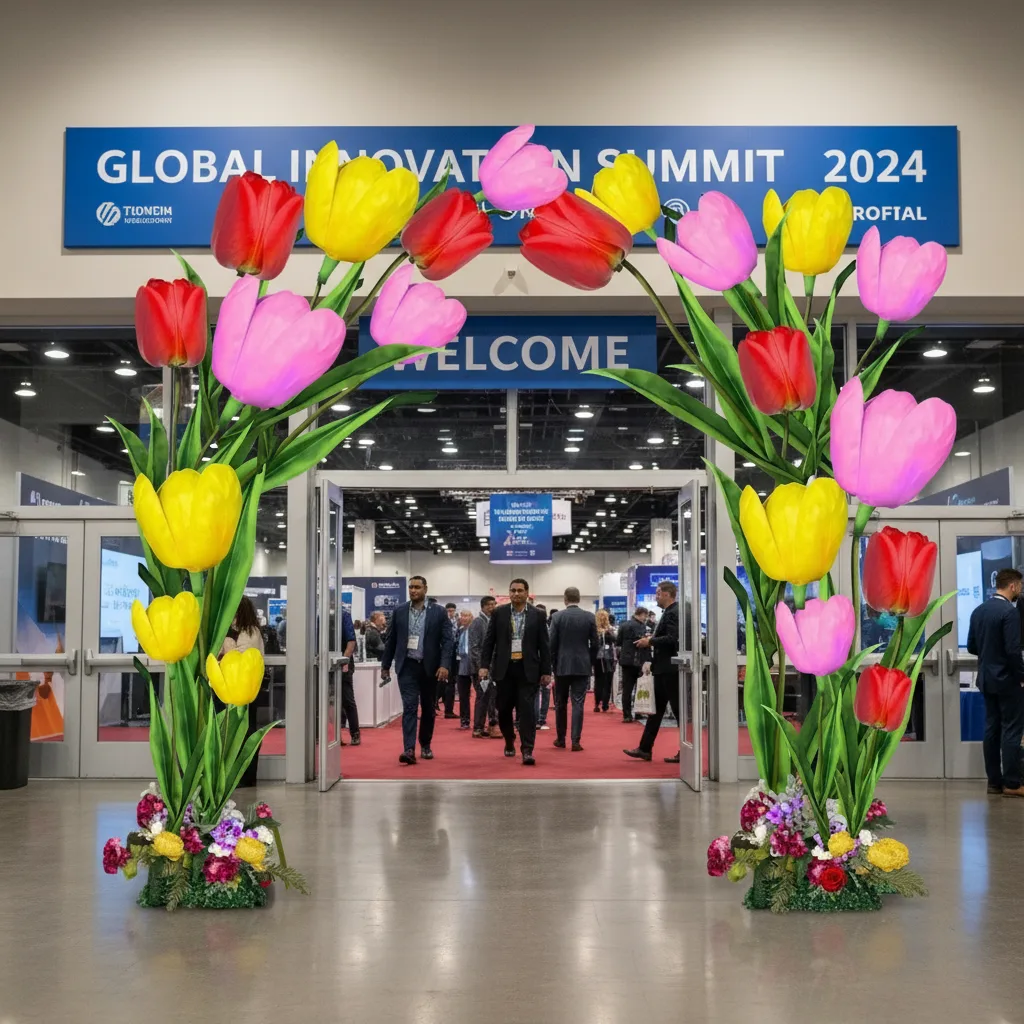
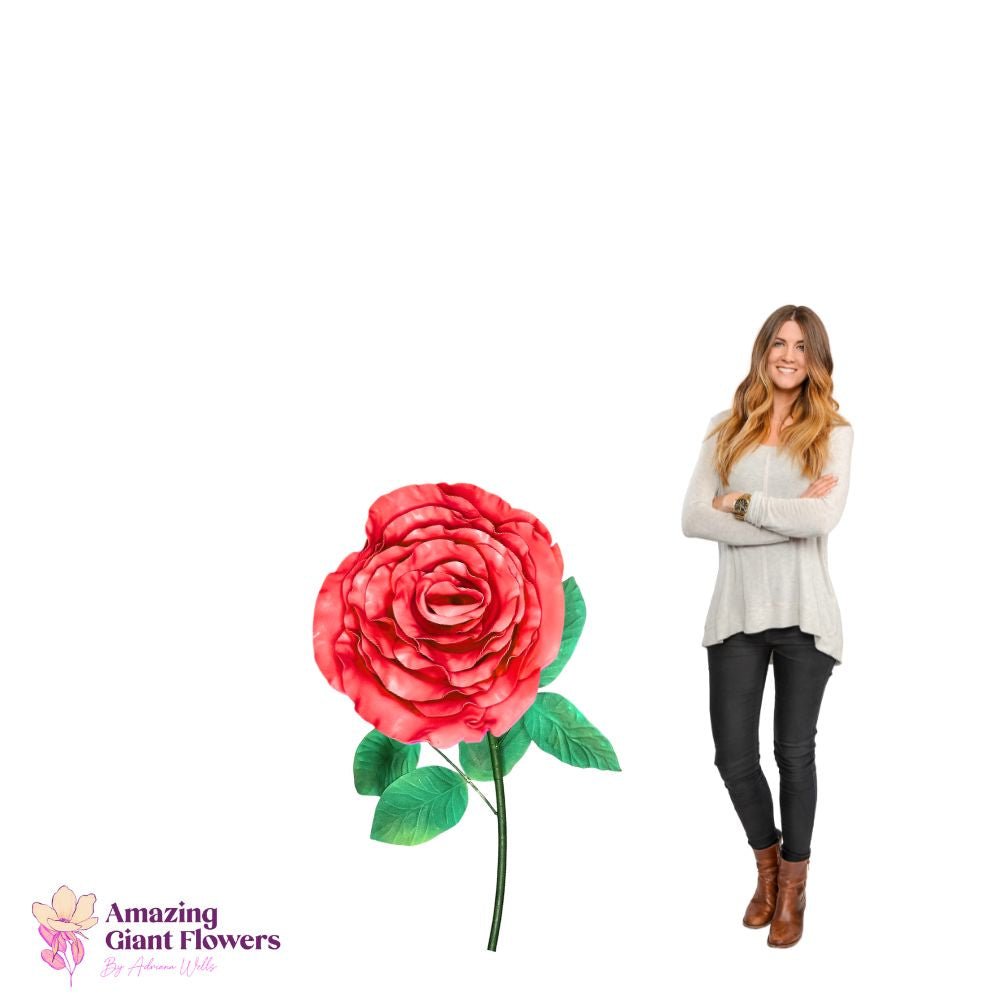
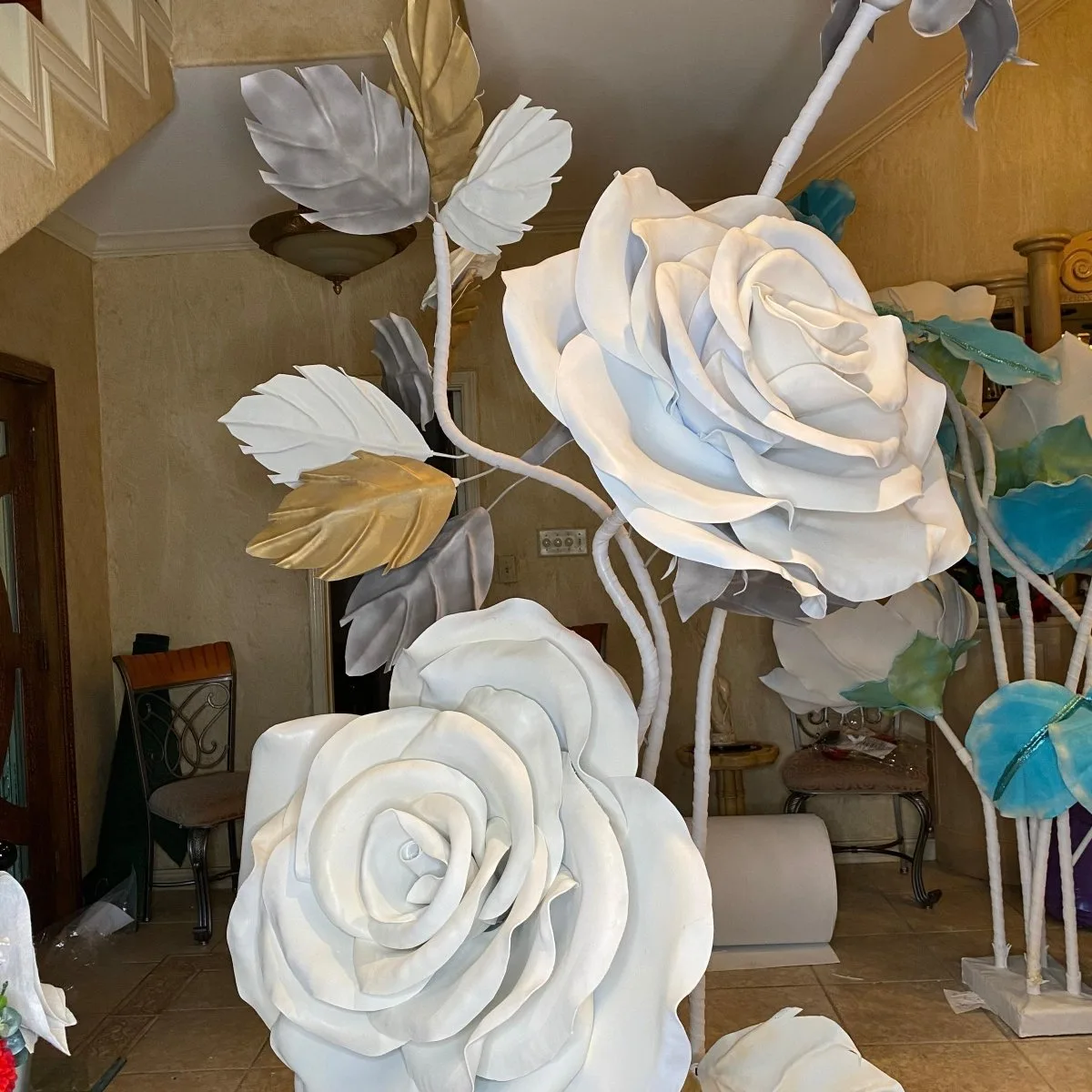
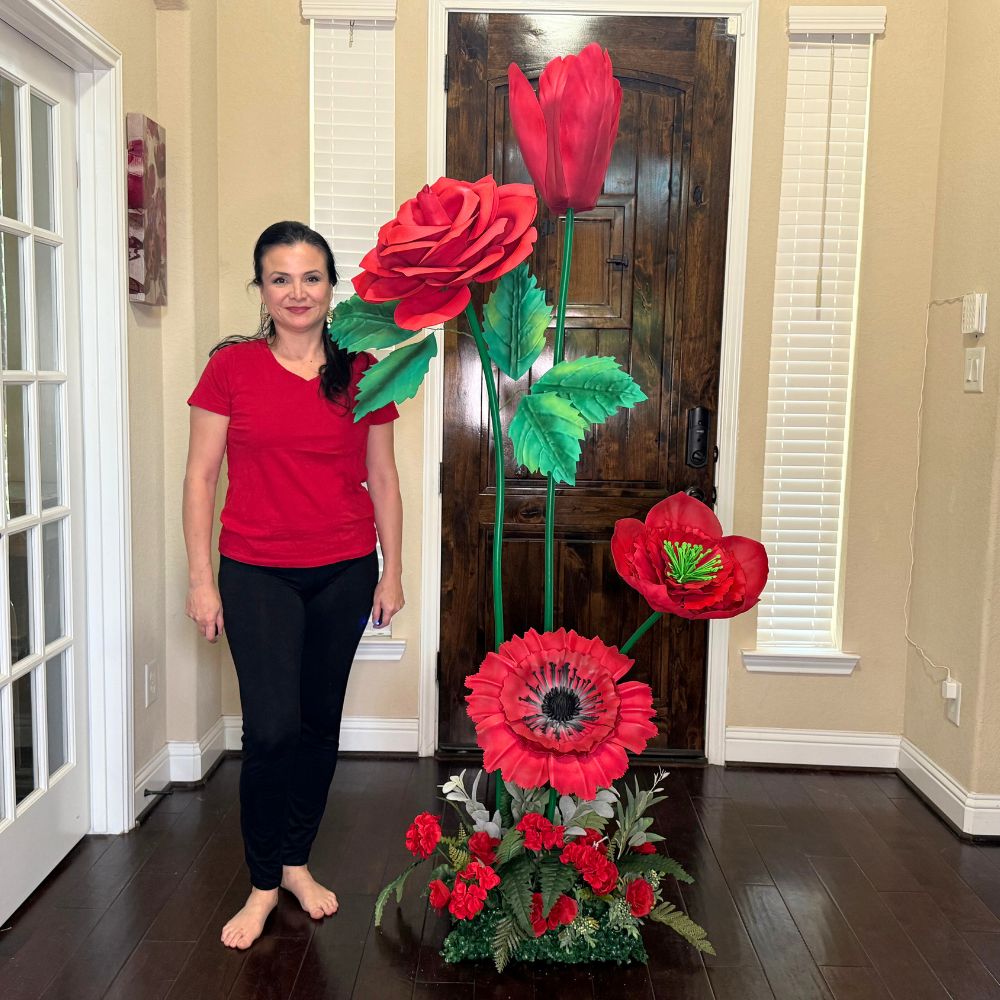
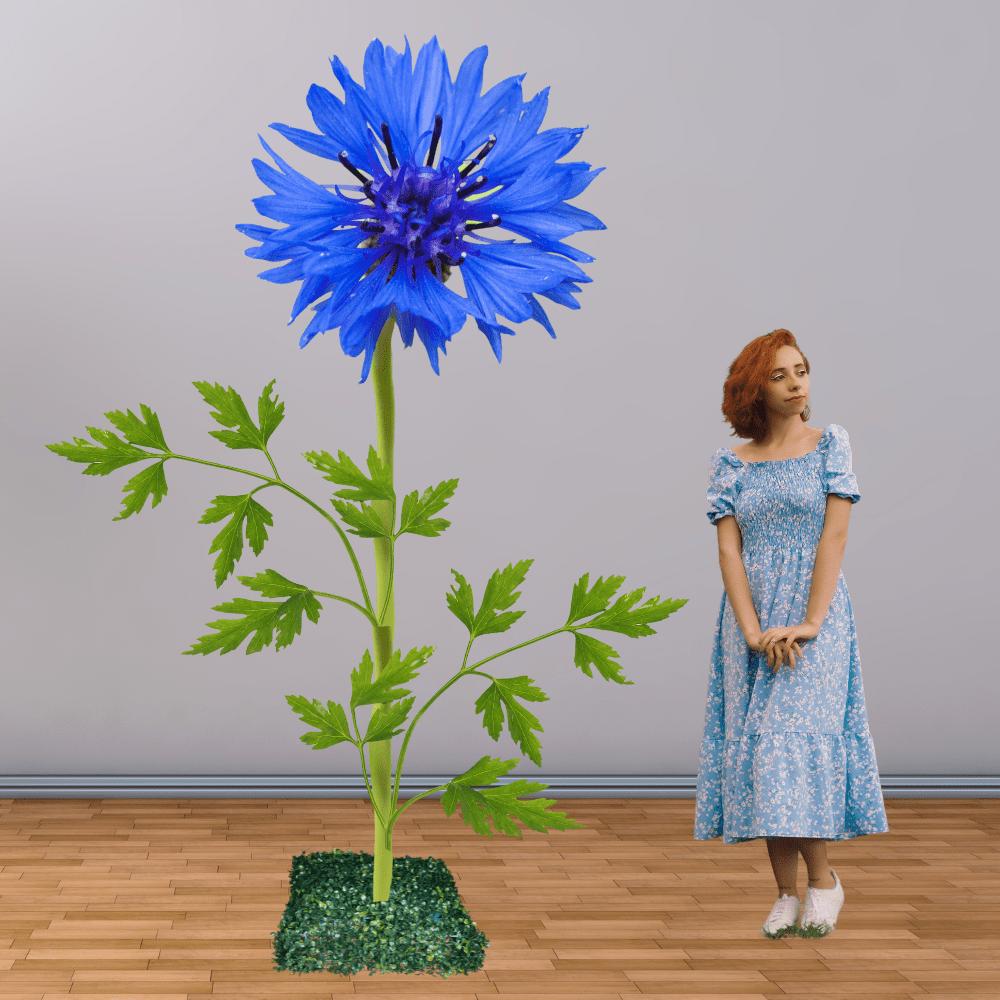
Hand cutting is unbeatable for giant flowers. When you're making a 3-foot or 5-foot bloom for an event backdrop or a giant flower wedding arch, you need petals that are 12, 18, even 24 inches long. No mold is going to cover that.
It's also great when you want to customize a shape that doesn't exist in nature — an oversized fantasy flower, a stylized logo bloom for a brand activation, something totally unique.
And if you love the meditative rhythm of cutting? Hand cutting is genuinely satisfying. There's something about making every single petal by hand that feels deeply creative.
The Real Limitations of Hand Cutting Alone
Here's the honest truth: hand cutting gives you shape, but not texture.
A hand-cut petal fresh off the scissors is smooth, flat and uniform. It looks like foam. To get any dimension, you still have to heat-shape it — using a heat gun, an iron or a flat grill for giant kits, or a hair styler for smaller craft flowers.
Even with heat shaping, you're working with a blank canvas. You can curve a petal. But you can't press veining into it with heat alone. That's where molds come in.
When you're hand-cutting 40 petals for a full flower, keeping them all the same size and shape is genuinely hard. One petal slightly too wide, one slightly too narrow — and suddenly your bloom looks uneven.
Digital templates (available at amazinggiantflowers.com/templates) help a lot with this. But even with a template, your hand and scissors introduce natural variation. Which can be charming — or frustrating, depending on the flower.
Flower Molds: The Secret to That "Is That Real?" Reaction
Ok, this is where it gets really fun.
Flower molds are rigid tools — not silicone — that you press heated EVA foam into to transfer texture and shape simultaneously. We're talking veining, petal curvature, leaf ribbing, all in one press.
The result? Petals that look like they were grown, not made.
You heat your foam petal with a hair styler or a heat gun until it's warm and pliable. Then you press it firmly into the mold. Hold it for a few seconds. Release.
What comes out is a petal with built-in texture, a natural curve, and realistic dimension — all at once. It's honestly kind of magical the first time you do it.
Our flower molds start from $12.49 and are reusable, so you can press hundreds of petals from a single mold. That's a pretty incredible return on a small investment.
What Molds Can Do That Hand Cutting Cannot
- Surface Veining: Molds press fine lines into the foam surface that mimic real plant veins. This is the single biggest factor in making foam look like a real petal.
- Consistent Curvature: Every petal comes out with the same cup or curve, so your finished flower looks intentional and professional.
- Leaf Realism: Leaf molds add ribbing and midrib detail that transforms a flat green cut-out into something that genuinely looks botanical.
- Speed: Once you're in a rhythm, pressing molds is significantly faster than trying to hand-shape each petal individually.
The Limitations of Molds
Molds are sized for life-size and craft-scale flowers — not the giant 2–5 ft freestanding blooms. For those larger flowers, you're working with petals that are just too big for a standard mold to cover.
Also, molds work best when your foam is cut to approximately the right shape first. A mold gives you texture and curve — it doesn't cut your petal for you. So you still need scissors or pre-cut pieces.
Let me put this side by side so it's easy to see at a glance.
Here's what I tell every crafter who asks me this question: stop choosing between them.
The most realistic foam flowers I've ever made — and I've made a lot — came from combining both approaches. You cut (or use pre-cut petals), then you mold.
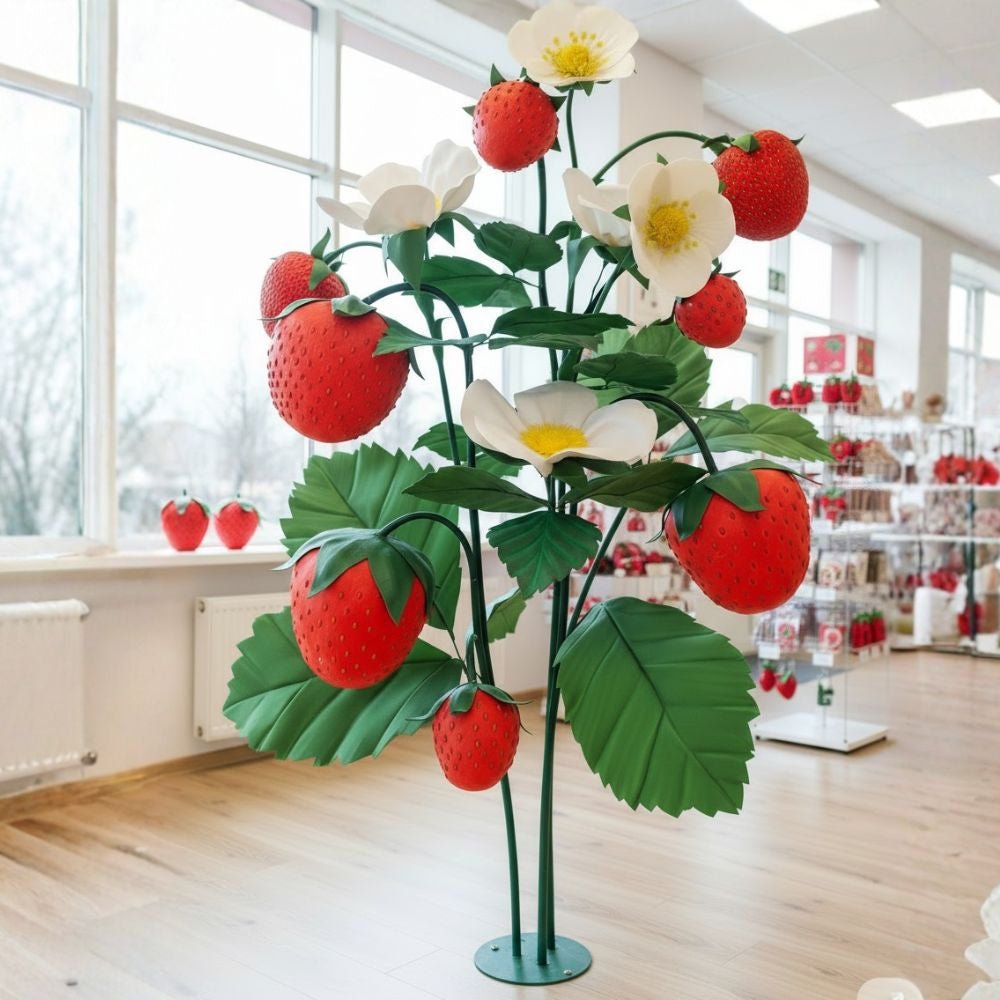
Our life-size craft flower kits start from $34.99 and include pre-cut foam petals and leaves — so you skip the cutting step entirely and go straight to the mold-pressing magic.
Each kit pairs specific flower molds with the right petal shapes for that bloom. The result is a finished flower that has the correct species shape AND realistic texture. That's the combination that makes people ask "wait, is that real?"

Real Flowers You Can Make With This Method
Here are some of my favorites from our real-touch kit collection:
Maybe you already have a stash of EVA foam and you just want to add the texture step. Totally valid.
You can grab individual flower molds from $12.49 and use them with your own hand-cut petals. This works really well if you're already comfortable cutting foam and just want to level up the realism.
Pair them with EVA foam from $9.99 and you have everything you need. Use a hair styler or heat gun to warm the foam before pressing — never a hair dryer, which doesn't get hot enough to make the foam truly pliable.
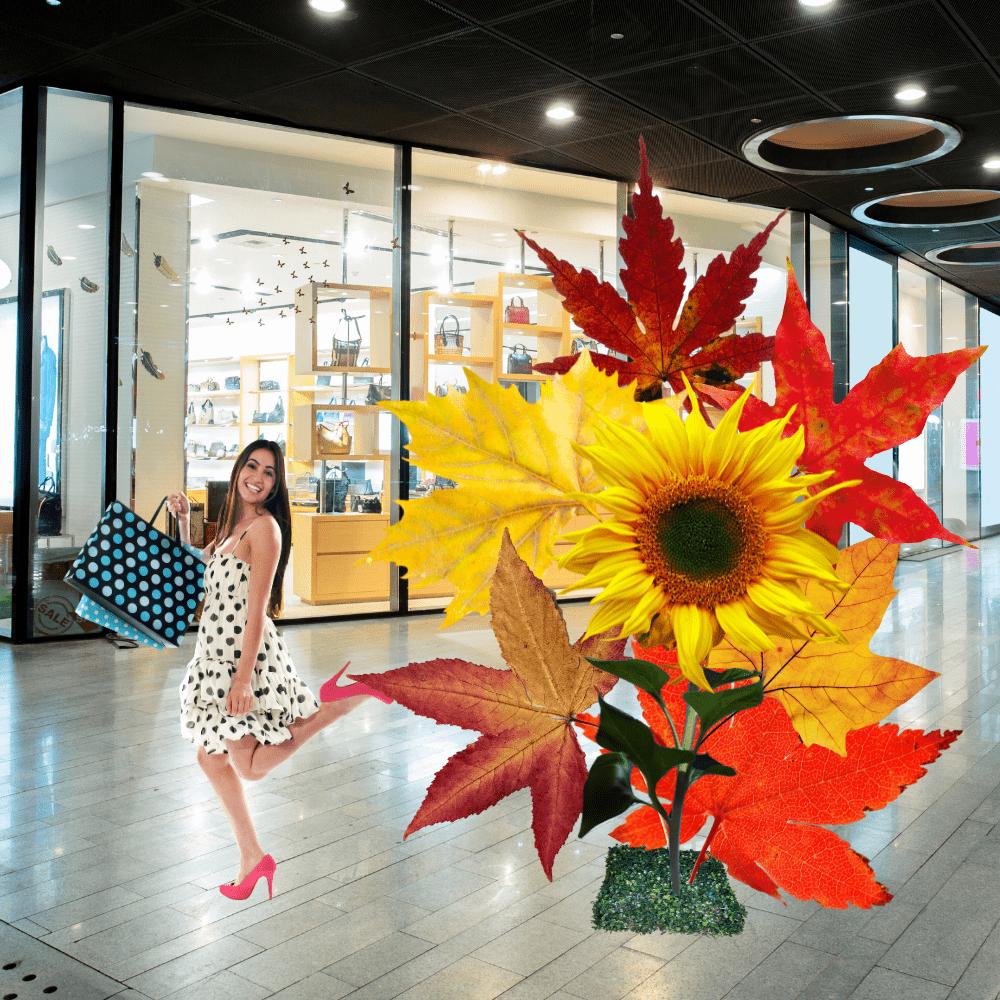
Great question. For our giant freestanding flower kits (2–5 ft, starting from $69.00) and wall flower kits (18, 24 and 30 inch sizes, from $14.99), the shaping tools are different.

Giant flowers are shaped with a heat gun, an iron or a flat grill — not a hair styler. And at that scale, molds aren't part of the process. The visual impact comes from scale and color, not fine petal veining.
For giant flowers, hand cutting (or using kit templates) is the right approach. For life-size realistic craft flowers, molds are the game-changer. Different tools for different goals.
If you want to understand foam types for different projects, I wrote a whole deep-dive in A Crafter's Guide to Every Type of Foam for Giant Flowers — worth a read before you buy.
The Cost Reality: Is It Worth Investing in Molds?
Let's talk money for a second, because I know that matters.
Molds start from $12.49 at amazinggiantflowers.com/shop/flower-molds. They're reusable — press them hundreds of times and they hold up. That's pennies per petal over time.
Compare that to the cost of fresh flowers. According to The Knot, couples married in 2025 spent an average of $2,800 on wedding flowers — and those flowers wilted by Sunday. A set of foam flower molds and a couple of craft kits? You're making flowers that last forever for a fraction of that.
Even at the higher end, The Knot reports that wedding flower spending ranges from about $900 at the lower quartile up to $4,800 at the upper quartile. DIY foam flowers with molds can produce genuinely stunning results at a tiny fraction of those numbers.
The DIY Craft Movement Is Real
You're not alone in wanting to make things yourself. According to the Association for Creative Industries, 63% of US households took part in at least one creative or craft activity in a year, with the creative products industry valued at $43 billion.
People are making things. And they want those things to look incredible. That's exactly why molds exist — to close the gap between "handmade" and "professional."
Once your petals are cut and mold-pressed, you need to assemble them. We use 369 glue or a hot glue gun with silicone glue sticks — both sold separately.
For stems on craft flowers, check out our bendable pipes from $7.00. They let you pose and curve your stems naturally, which adds another layer of realism to the finished piece.
And if you want your foam flowers painted to perfection, my post on flawless foam board paint finishes has everything you need to know about getting smooth, professional color.
Frequently Asked Questions
Are flower molds made of silicone?
No — our flower molds are not silicone. They're rigid tools designed to work with heated EVA foam. You press warmed foam into the mold to transfer texture and shape. They're durable, reusable and very effective for life-size craft flowers.
Can I use flower molds on giant flowers (2–5 ft)?
Flower molds are sized for life-size and craft-scale flowers, not giant 2–5 ft blooms. For giant freestanding or wall flowers, shaping is done with a heat gun, an iron or a flat grill to create curves and dimension. Molds are the right tool for realistic smaller-scale work.
What tool do I use to heat foam before pressing a mold?
For craft flowers and mold work, use a hair styler or a heat gun. These get the foam warm and pliable enough to take the mold's texture cleanly. Avoid tools that don't reach adequate temperature — they won't make the foam soft enough to press properly.
Do I need to hand-cut petals if I buy a craft flower kit?
Nope! Our life-size craft flower kits (from $34.99) include pre-cut foam petals and leaves, so you skip straight to the mold-pressing and assembly steps. It's the fastest path to a realistic finished flower.
How many flowers can I make from one mold?
Molds are reusable and don't wear out quickly — you can press hundreds of petals from a single mold over time. The cost per flower drops significantly the more you use them, making molds one of the best value investments for any serious foam flower crafter.
Is hand cutting still useful if I have molds?
Absolutely. Molds texture and curve your petals, but they don't cut the foam for you. Hand cutting (or using pre-cut kit petals) gives you the right petal shape, and then the mold adds the realistic texture on top. The two techniques work best together — not as competitors.
So here's my honest answer to the flower molds vs hand cutting debate: it's not either/or. Hand cutting gives you shape freedom, especially for larger statement flowers. Molds give you the surface texture and dimension that make foam petals look genuinely real. Together? That's where the magic happens.
If you're ready to try it, start by browsing our flower molds or grab one of our real-touch craft flower kits — everything you need is waiting for you at amazinggiantflowers.com/shop. I'd love to see what you make.
Shop the supplies
Everything You Need for This Project

Real Touch Dutch Tulip Foam Flower Kit — Realistic DIY with 3D Molds & Pre-Cut Petals (Makes 3)
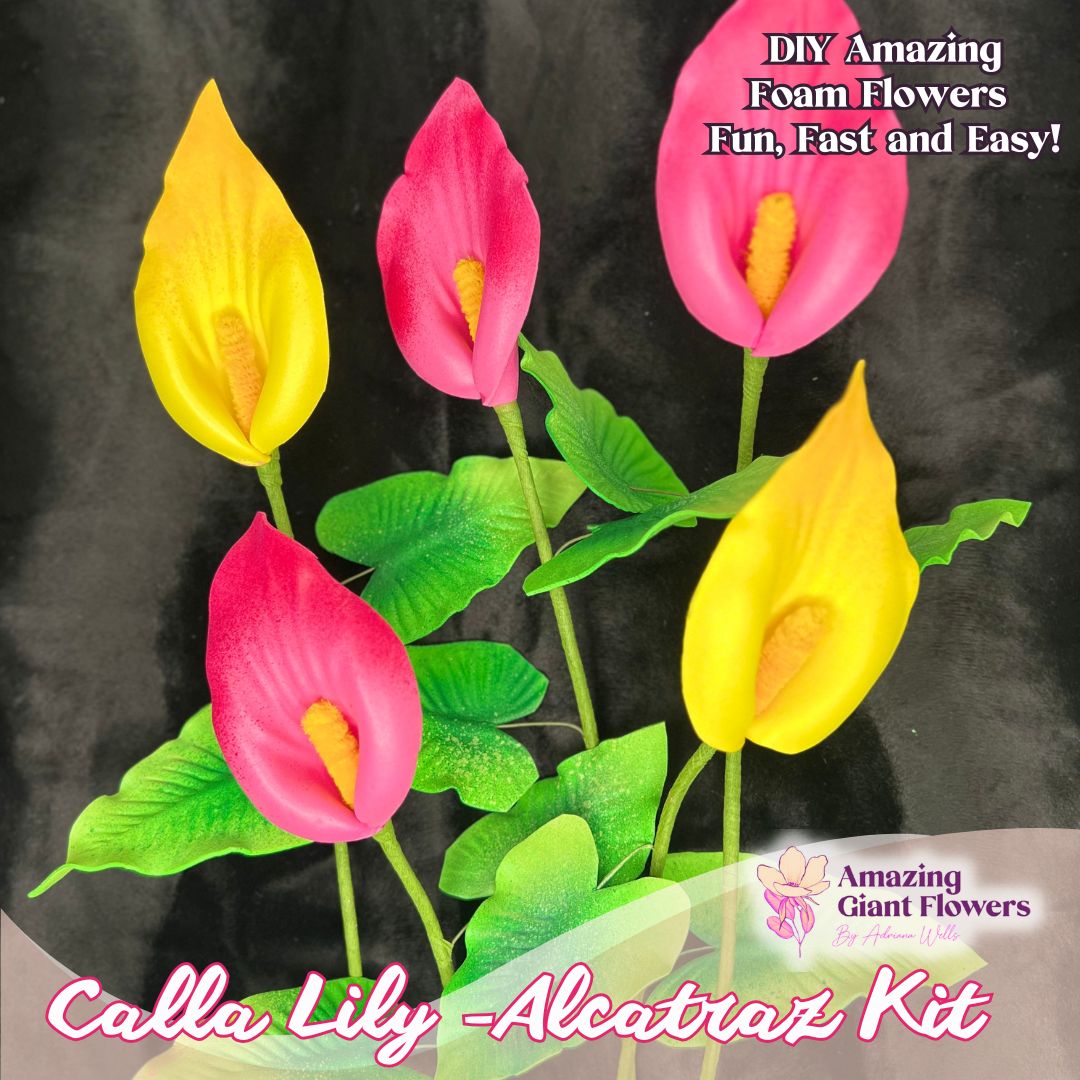
Real Touch Calla Lily Foam Flower Kit — Realistic DIY with 3D Molds & Pre-Cut Petals (Makes 6)
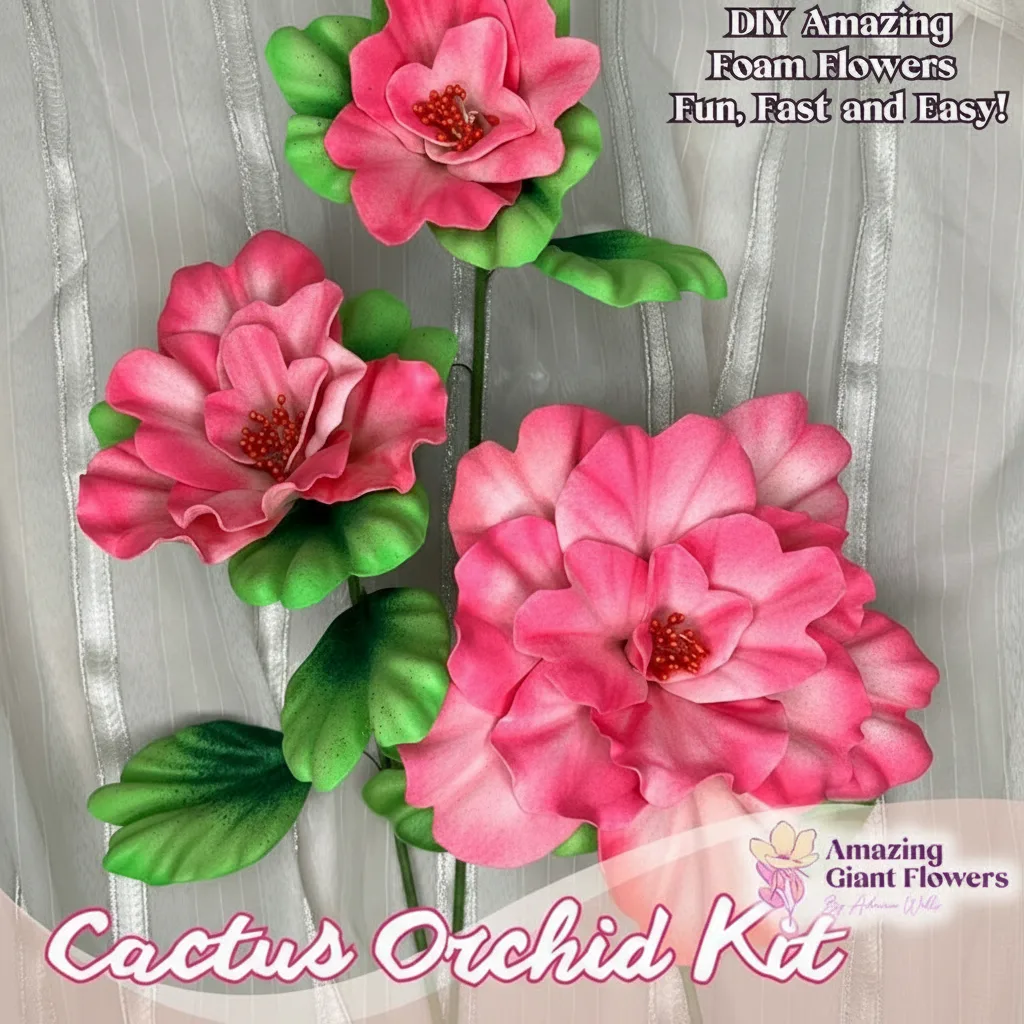
Real Touch Camellia Foam Flower Kit — Large DIY Ruffled Blooms with Reusable Mold, Pre-Cut Petals, Pistils & Leaves
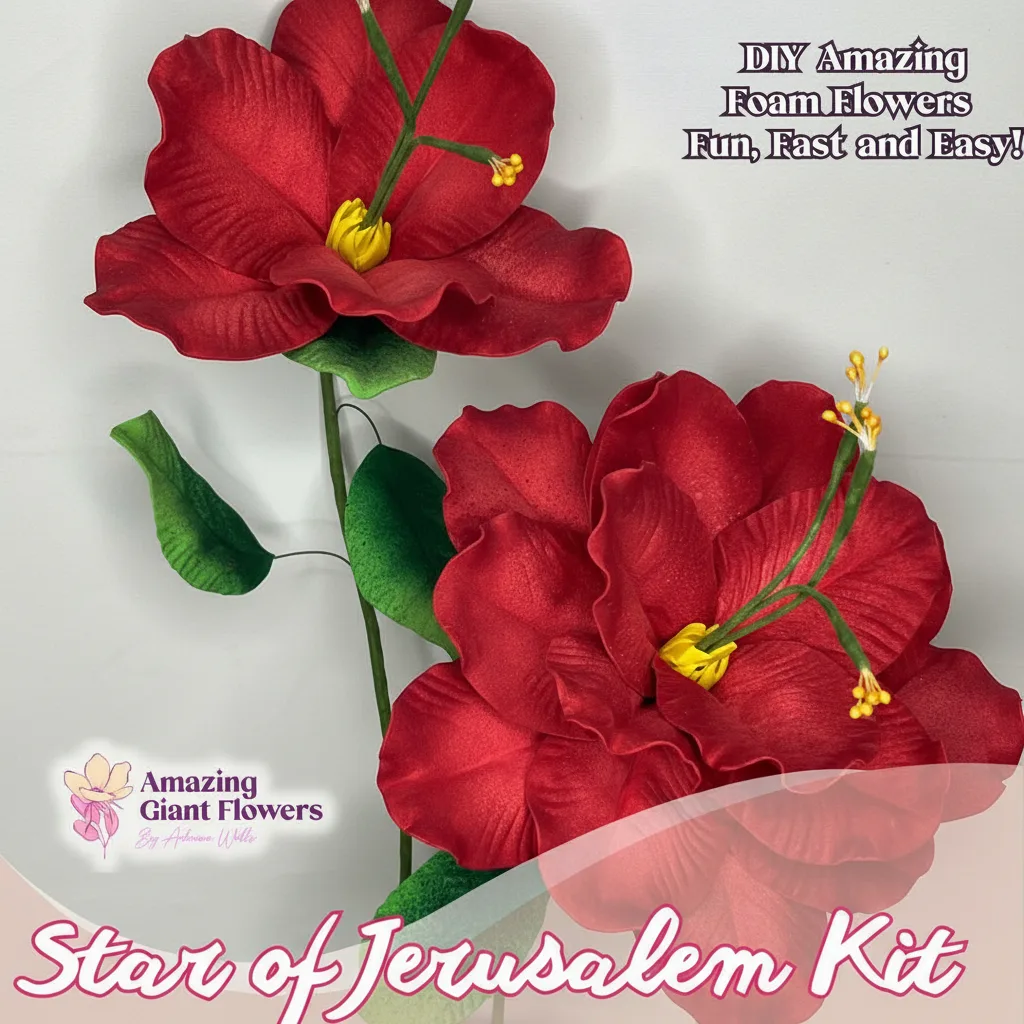
Real Touch Star of Bethlehem Foam Flower Kit — Large Tropical DIY Blooms (Star of Jerusalem) with Golden Pistils, Reusable Mold & Pre-Cut Petals

Written by
Adriana WellsFounder & CEO of Amazing Giant Flowers
Adriana Wells is the founder and creative force behind Amazing Giant Flowers, a Texas-based company specializing in handcrafted giant foam flowers, luxury floral installations, and DIY flower-making supplies.
More about Adriana →Ready to Create Something Amazing?
Browse our collection of giant flower kits and start your next project today.