EVA Foam Buyer's Guide: Thickness, Density & Sizing

If you've ever stood in front of a craft supply wall completely overwhelmed — or worse, ordered foam online only to realize it's way too flimsy for what you needed — this EVA foam buyer's guide is exactly what you've been looking for. I've been there. When I first started making giant flowers, I wasted so much money on the wrong materials before I finally figured out what actually works.
EVA foam sounds simple. It's just foam, right? But there's a real difference between a 2mm sheet and a 6mm sheet, between low-density and high-density, between a roll and a cut sheet. Those differences determine whether your giant flower petals hold their shape beautifully or flop over the second you walk away from them.
So let me save you the trial and error. Whether you're making your first giant flower backdrop, building cosplay armor, or crafting props for a school play, this guide will help you buy the right foam the first time — no wasted money, no frustrating do-overs.
Key Takeaways
EVA stands for ethylene-vinyl acetate. I know, very science-y. But all you really need to know is that it's a closed-cell foam that's lightweight, flexible, heat-shapeable, and incredibly versatile.
It's the same material used in the soles of athletic shoes. Which tells you something — it's durable, it bounces back, and it holds up under pressure. For crafters, that means your giant flower petals won't crumple after one event. Your cosplay armor won't crack when you bend your arm. Your theater props survive being handled by actual children.
Why EVA foam beats other options
I've worked with paper, fabric, cardboard, and even pool noodles (yes, really). Nothing compares to EVA foam for large-scale decorative work. Here's why I keep coming back to it:
This is the question I get asked most often. And honestly? It's the most important decision you'll make. Let me break this down by thickness so you can match the foam to your project right away.
2mm is thin. Think of it like a thick piece of card stock — flexible, easy to layer, and perfect for petals that need to look soft and natural. I use 2mm for the outer petals of large roses and peonies where I want that gentle, flowing curve.
It's also fantastic for classroom crafts and kids' projects because it's so easy to cut with regular scissors. No struggle, no frustration.
If I had to pick just one thickness for a beginner to start with, it would be 4mm. It's the sweet spot. Flexible enough to shape beautifully with a heat gun, thick enough to hold its form once it cools.
Most of my giant flower petals are made from 4mm foam. It works for dahlias, sunflowers, gerberas — really any flower where you want petals that stand up and look intentional rather than droopy.
6mm is where you start getting into structural territory. I use this for flower centers, for base layers that need to support other petals, and for any element that needs to be freestanding without extra support.
Cosplay crafters love 6mm for armor pieces because it holds its shaped form really well after heat forming. It's also great for theater props that need to survive being picked up, set down, and generally manhandled by a cast of 30.
8mm–10mm EVA Foam — The Heavy-Duty Option
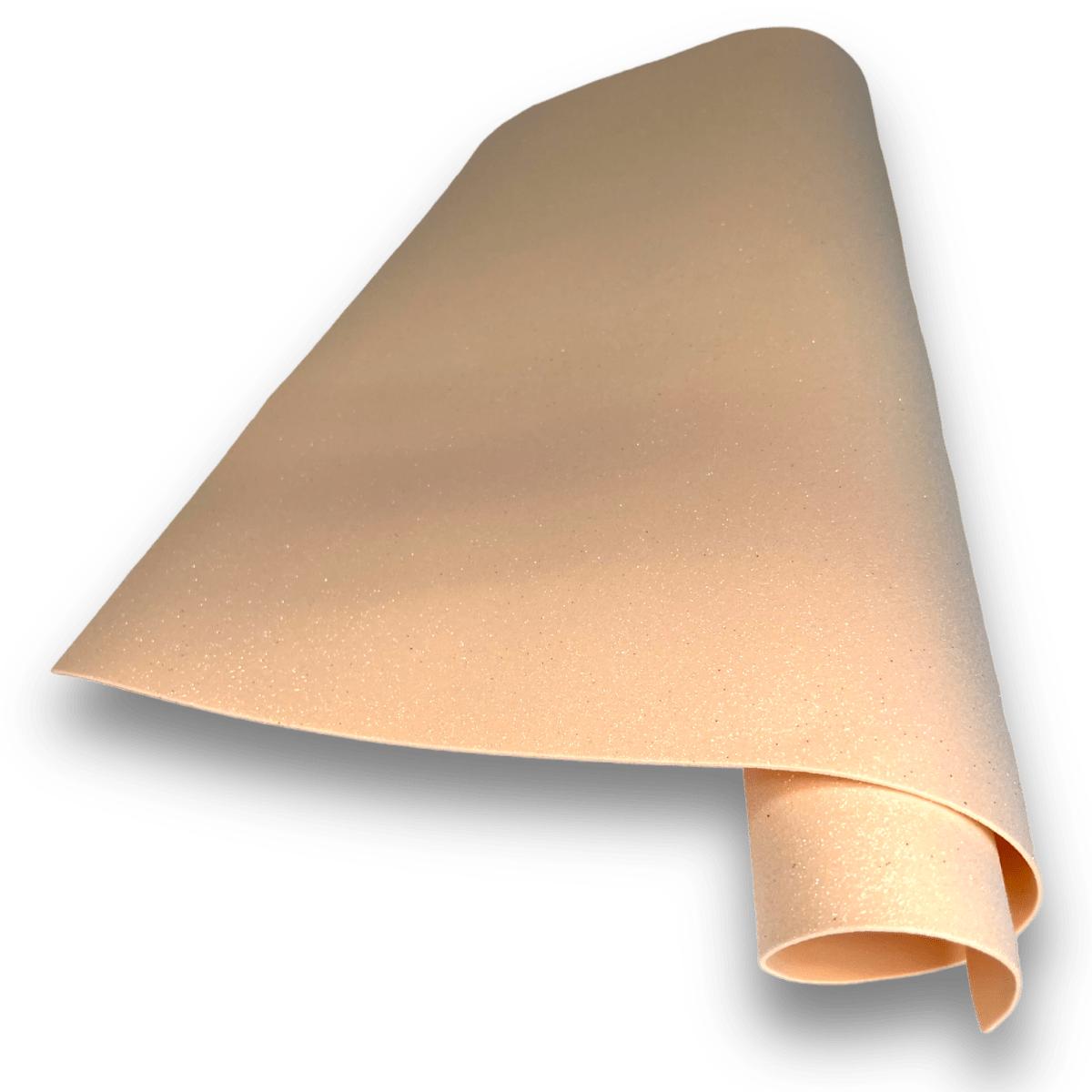
This is the thick stuff. 8mm to 10mm foam is for projects that need serious structural integrity. Think large freestanding elements, bases for arrangements, or any piece where you need the foam itself to act almost like a rigid material.
It takes more effort to heat-shape at this thickness, but the results are incredibly sturdy. If you're building a large installation that needs to hold up over a full weekend event, this is your foam.
💡 Pro Tip
When you're making giant flowers with multiple petal layers, try combining thicknesses. Use 2mm for outer petals for a soft, natural look, and 6mm for the center and base for structure. That combination is what makes flowers look professional instead of flat and uniform.
Thickness is easy to see. Density is invisible — but it matters just as much. Density refers to how tightly packed the foam cells are, and it affects how the foam behaves when you heat it, cut it, and paint it.
Lower density foam is softer, more compressible, and easier to cut with basic tools. It's great for lightweight decorative projects where you're not asking the foam to do a lot of structural work.
The trade-off? It can be harder to get crisp, clean edges when cutting, and it may not hold heat-shaped curves as crisply as higher density foam.
High-density EVA foam
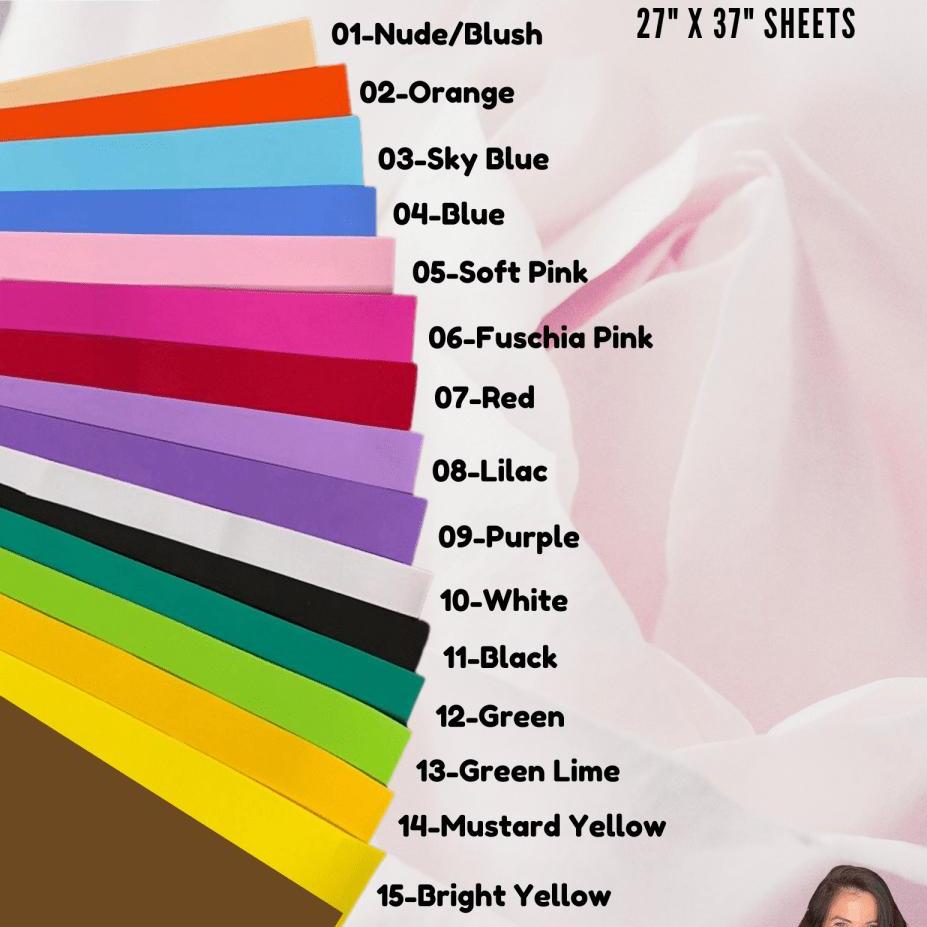
High-density foam is firmer, holds its shape better after heat forming, and gives you cleaner cuts. For giant flowers that need to look polished and professional, higher density is worth it.
It's also more durable over time — if you're renting out flower walls or using your pieces for multiple events, high-density foam will last significantly longer.
This is a practical question that doesn't get talked about enough in any EVA foam buyer's guide. The format you buy affects how easy it is to work with and how much you waste.
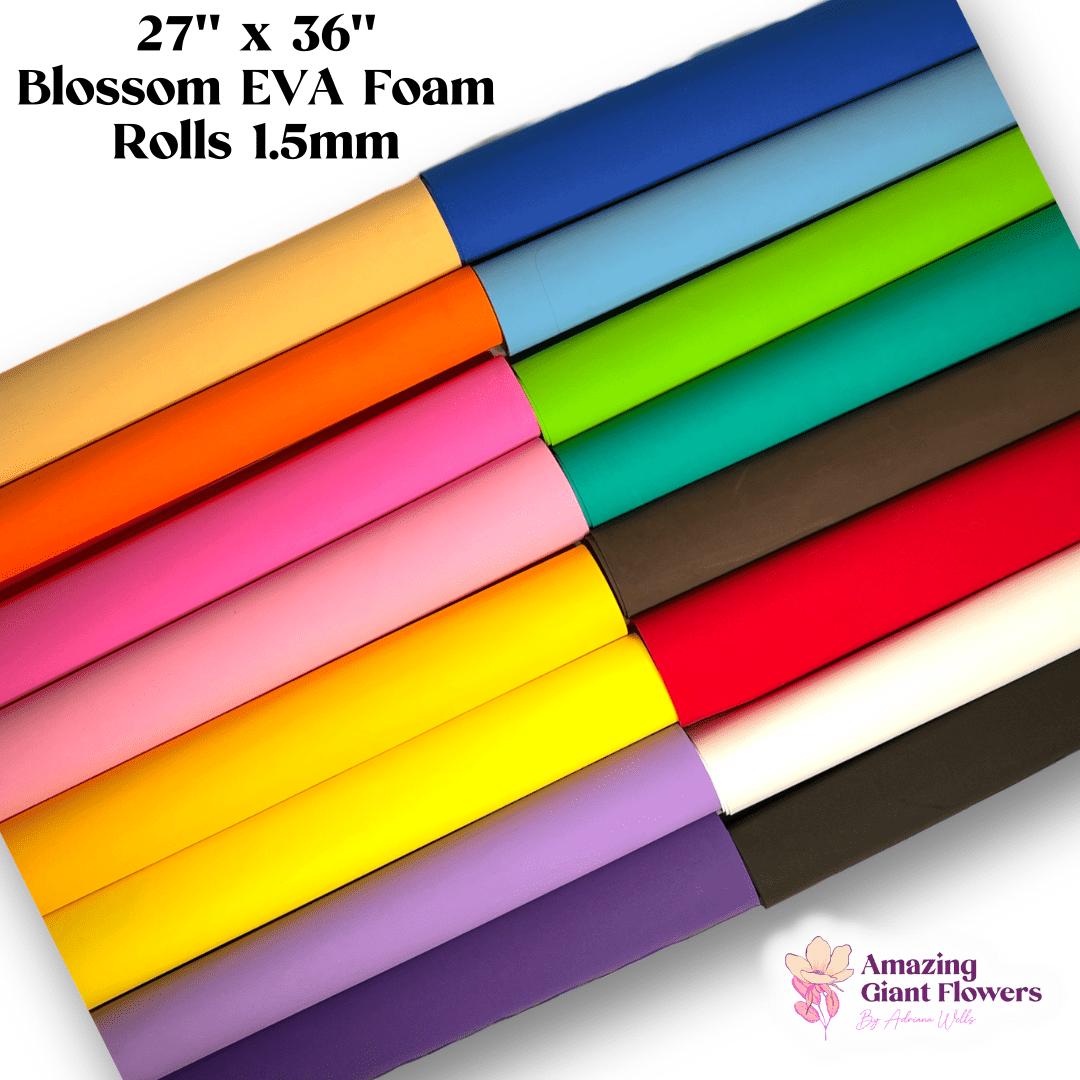
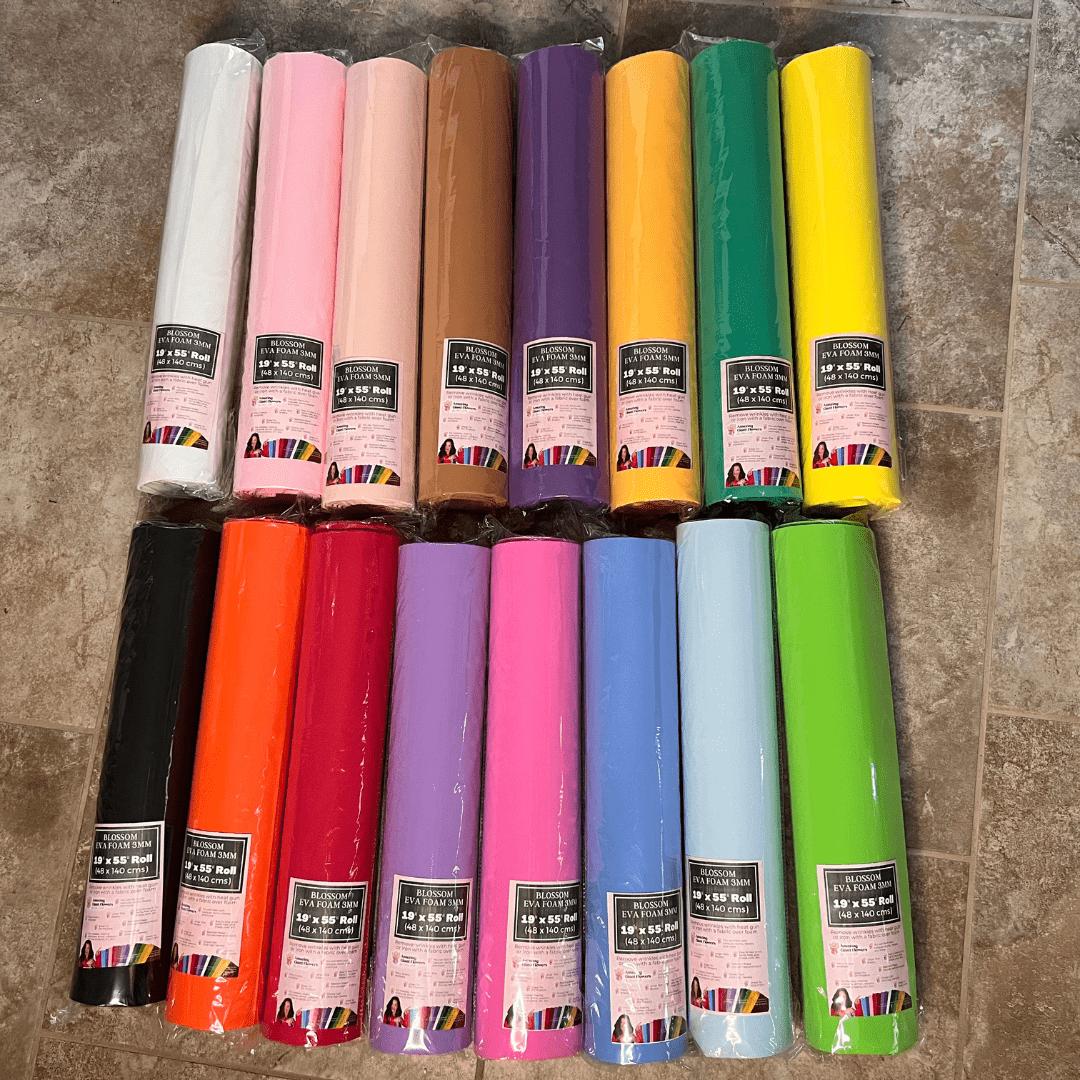
Rolls are ideal for large projects where you need a lot of material and you're cutting freehand or using large templates. You roll out what you need and cut. No piecing together smaller sheets.
The only thing to watch: foam that's been rolled tightly may have a slight curve when you unroll it. Give it a few minutes lying flat, or use a warm iron on a low setting to relax it before cutting.
Sheets are perfect for template work. When you're tracing petal shapes from a template — like the ones included in our freestanding flower kits — flat sheets are much easier to work with. You can stack them, trace multiple layers at once, and get really consistent cuts.
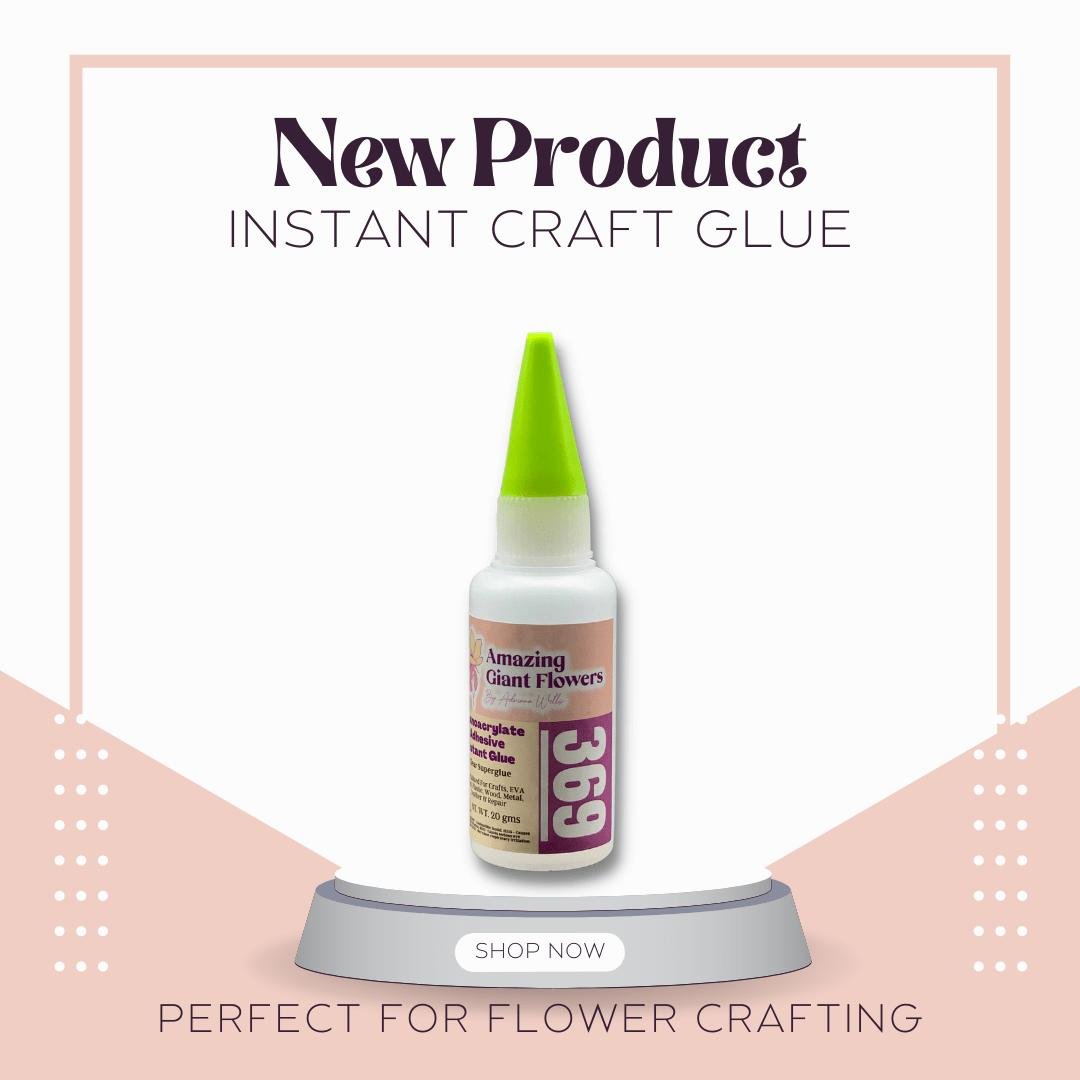
Sheets are also great for beginners because you can see exactly how much material you have and plan your cuts before you make them.
🌸 Ready to find your foam?
Browse our full EVA foam collection — rolls and sheets in every thickness, ready to ship.
I put this table together because I wish someone had handed me something like this when I was just starting out. Use it as your cheat sheet.
Good news: you don't need a fully equipped craft studio to get started. Here's what I actually use on a regular basis.
💡 Pro Tip
Before you start your actual project, always cut a few scrap pieces of your foam and test how they respond to your heat gun. Every heat gun is slightly different. You want to know how quickly the foam softens at your distance and angle before you're working on a petal you spent 10 minutes cutting.
I've made all of these. So you don't have to.
If you're brand new and you just want to make a gorgeous giant flower — maybe for a DIY flower backdrop for photos or a birthday party centerpiece — here's my honest starter recommendation.
Grab 4mm foam in a sheet format. It's the most forgiving thickness to work with, it shapes beautifully, and it's what I'd hand to someone sitting down at my craft table for the first time. Pair it with a heat gun, some hot glue, and a simple petal template, and you are genuinely ready to make something beautiful.
Once you've got that first flower under your belt, you can start experimenting — mixing in 2mm for delicate outer petals, or 6mm for a sturdy center cone. That's where the real fun begins.
Glue & Tools: What You'll Need Alongside Your Foam
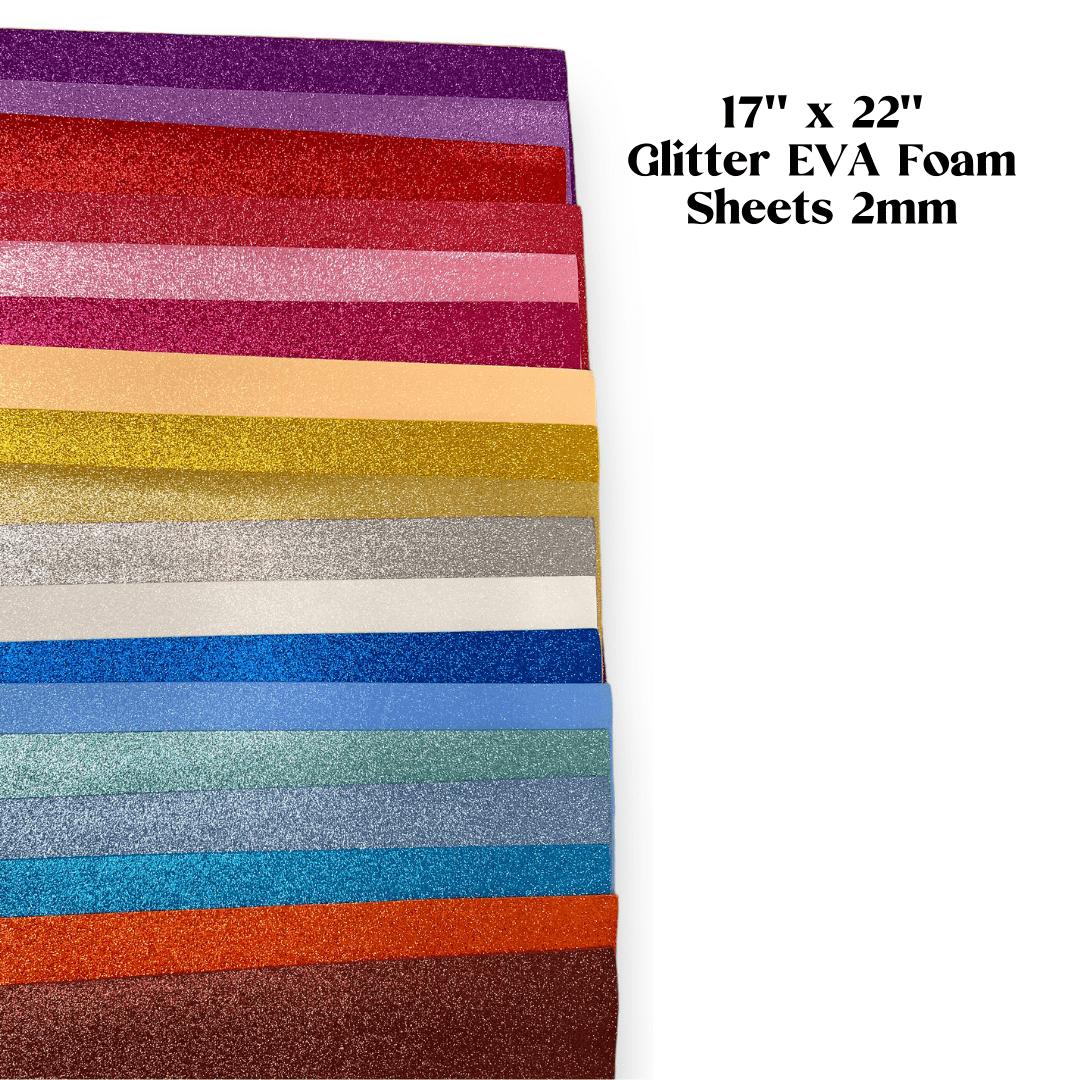
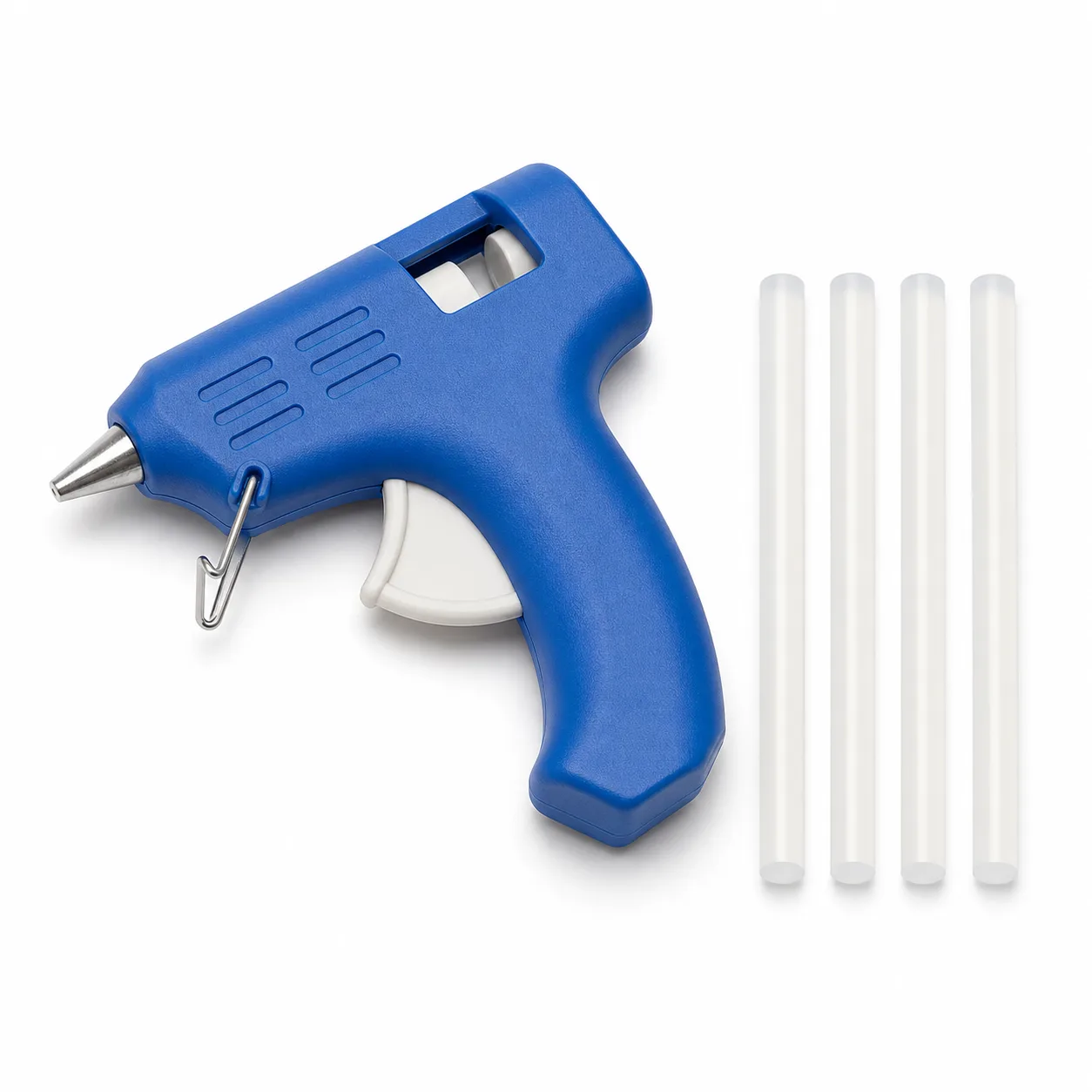
Foam alone won't build your flower — you'll need a couple of key supplies to bring it all together. For adhesive, I use 369 glue or a hot glue gun with silicone sticks. Both are sold separately from any kit, so make sure you have one on hand before you sit down to craft.
For shaping, you'll want a heat gun, iron, flat grill, or hair styler. Any of these will warm the foam enough to curve and mold your petals into that beautiful dimensional shape. Just work slowly and test on a scrap piece first so you know how your tool behaves before touching your finished cuts.
One more thing worth mentioning: bases and stands are not included in any of our giant flower kits — they're sold separately. So if you're planning a freestanding centerpiece, add a base to your order so you're not scrambling the night before your event.
Frequently Asked Questions
What thickness of EVA foam is best for beginners?
I always recommend starting with 4mm foam. It's firm enough to hold a shaped petal but flexible enough to be forgiving if you're still learning how to use your heat tool. It cuts cleanly and curves beautifully without requiring a lot of force or precision.
Once you're comfortable with 4mm, try layering in 2mm for softer outer petals and 6mm for structural base pieces. That combination is exactly what gives giant flowers a professional, dimensional look.
Does density really make a difference for giant flower projects?
It absolutely does, especially if your flowers are going to be used more than once. Higher-density foam holds heat-shaped curves more crisply and keeps its form over time, which matters a lot if you're building pieces for multiple events or a rental flower wall.
Lower-density foam is softer and easier to cut, which can be nice for very lightweight decorative layers — just know that it may not hold its shape as long under repeated handling.
Should I buy EVA foam in rolls or sheets?
Sheets are the better choice for most giant flower projects, especially if you're working from templates. They lay flat, stack easily, and let you plan your cuts before you make them — which means less waste and more consistent petal shapes.
Rolls make sense when you need a large volume of material and you're cutting freehand or working on oversized pieces. If you go the roll route, just give the foam a few minutes to relax flat before you start tracing.
What glue works best for EVA foam flowers?
I use 369 glue or a hot glue gun with silicone sticks — both work really well for EVA foam. Hot glue is great for quick assembly and strong bonds on thicker pieces. Just be careful not to let it pool on delicate 2mm layers, since too much heat can warp thin foam.
Whichever adhesive you choose, it's sold separately from our kits and foam sheets, so add it to your order before you check out. Running out of glue mid-project is a very real (and very frustrating) experience I want you to avoid.
I hope this guide takes some of the guesswork out of shopping for EVA foam and gets you to the fun part faster — actually making something. Whether you're a total beginner grabbing your first sheet of 4mm or an experienced crafter building a full flower wall installation, the right foam really does make all the difference. If you ever have questions about what to order for a specific project, don't hesitate to reach out. I love helping people figure this stuff out. Happy crafting! 🌸
Shop the supplies
Everything You Need for This Project

Written by
Adriana WellsFounder & CEO of Amazing Giant Flowers
Adriana Wells is the founder and creative force behind Amazing Giant Flowers, a Texas-based company specializing in handcrafted giant foam flowers, luxury floral installations, and DIY flower-making supplies.
More about Adriana →Ready to Create Something Amazing?
Browse our collection of giant flower kits and start your next project today.