EVA Foam for Theater & Stage Props on a Budget

If you've ever had to build a giant beanstalk for a school production of Jack and the Giant or a full set of oversized mushrooms for Alice in Wonderland — you already know the struggle. The vision is huge. The budget? Not so much. That's exactly where stage prop foam becomes your best friend, your secret weapon, and honestly, the thing that saves the whole show.
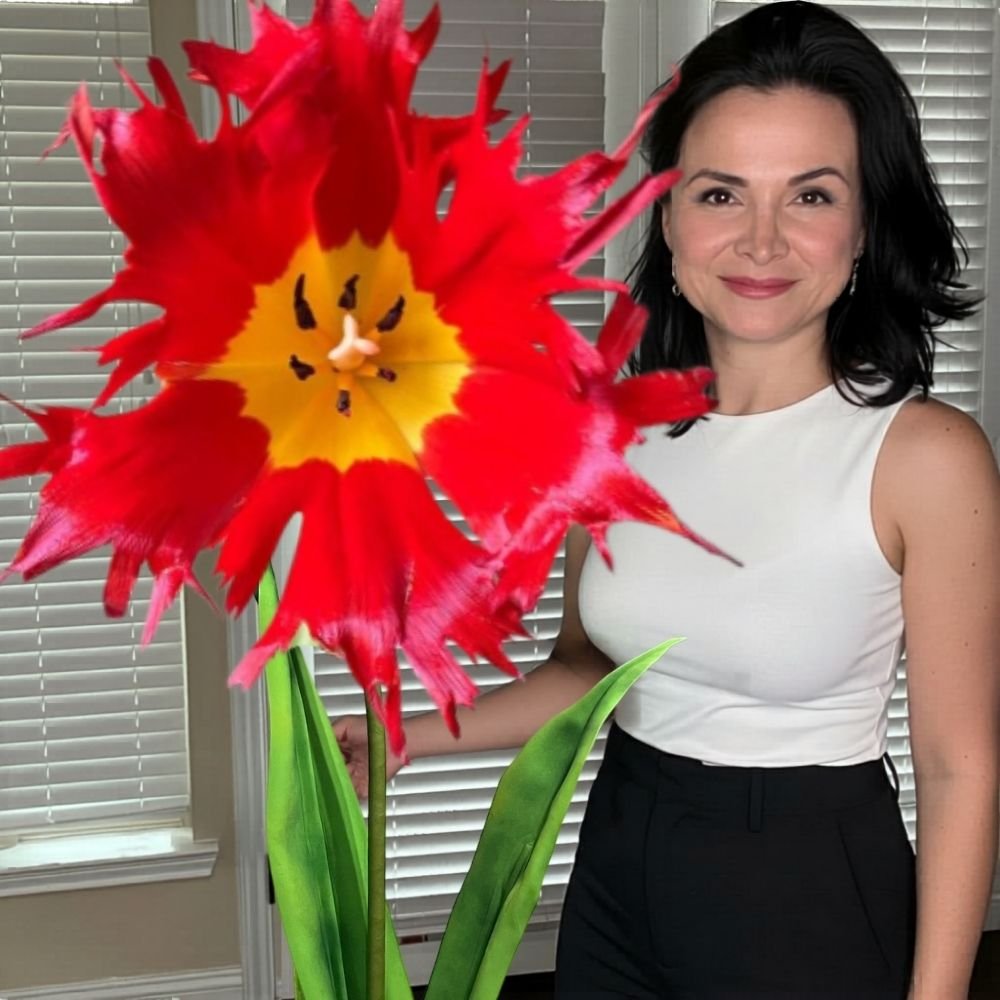
I'm Adriana, and I started Amazing Giant Flowers because I was obsessed with making big, beautiful things without spending a fortune. EVA foam was a huge part of that journey. It's lightweight, carvable, paintable, and shockingly affordable — which makes it pretty much perfect for theater groups who need to go big on stage without going broke in the process.
So let's talk about how to actually use EVA foam for your next production. Whether you're a high school drama teacher stretching a $400 prop budget or a community theater director trying to build a fantasy world from scratch, this one's for you.
Key Takeaways
Real talk? Theater prop-building has been stuck in a time warp for decades. Chicken wire and papier-mâché. Painted cardboard boxes. Foam board that warps the second you breathe on it. And don't even get me started on the cost of ordering pre-made props from a rental house.
EVA foam — ethylene-vinyl acetate, if you want the full name — completely changes the game. It's the same material used in high-end cosplay armor, professional theme park installations, and yes, my giant flower builds. And it's available in sheets and rolls that your drama department can actually afford.
The Cost Comparison Is Wild
A single prop rental for a regional theater can run $150–$400 for a two-week run. A full sheet of quality EVA foam? A fraction of that — and you own it forever. You can repurpose it next season, cut it into something completely different, or let your students practice on it.
I've talked to so many drama teachers who tell me the same thing: once they started building with EVA foam, they stopped renting props almost entirely. That's money back in the budget for costumes, lighting, or — imagine this — actually paying your stage crew.
No splinters. No sharp edges. No heavy plywood that could fall on someone's foot. EVA foam is soft enough to be safe for student performers and durable enough to survive a full run of shows. That combination is genuinely hard to find in prop materials.
Ok, this is where it gets really fun — because not all EVA foam is the same, and picking the right thickness for your project makes a huge difference in the final result.
Here's how I think about it:
For most theater builds, I recommend having at least two thicknesses on hand. Combine a thicker base layer with thinner foam for surface detail and you'll get results that look genuinely professional — even from the back row.
💡 Pro Tip
When building props that actors will carry or wear, always go one thickness lighter than you think you need. EVA foam looks more substantial than it feels — your performers will thank you by Act Two.
EVA Foam Thickness Guide for Stage Props
| Thickness | Best For | Flexibility | Typical Theater Use |
|---|---|---|---|
| 2mm | Petals, leaves, fabric-like shapes | Very high | Floral backdrops, costume accents, overlay details |
| 4mm | Layered props, medium flowers | Medium-high | Giant flowers, signage, character masks |
| 6mm | Structural prop elements, weapons | Medium | Swords, shields, architectural set pieces |
| 8mm | Heavy props, large sculpture bases | Low-medium | Oversized mushrooms, boulders, tree trunks |
| 10mm | Armor, rigid sculptural forms | Low | Fantasy armor, large creature costumes, structural bases |
What You Can Actually Build: Theater Prop Ideas with EVA Foam

Let me paint you a picture. You've got a production of Beauty and the Beast coming up. You need enchanted roses, a magical mirror, candelabras, and a Beast costume with some serious armor vibes. With EVA foam, all of that is buildable — by your students, in your drama room, over a few weekends.
Here's a quick rundown of what theater groups are actually making with this material:
I know some of you are reading this thinking, "Ok Adriana, this sounds great but I have zero idea how to actually work with foam." Don't worry. I've got you. EVA foam is genuinely one of the most beginner-friendly materials out there — and it's very forgiving when you make mistakes.
A sharp craft knife or box cutter is all you need for most thicknesses. For cleaner curves, try scissors on the thinner 2mm–4mm sheets. If you want to get fancy, a hot wire cutter gives you incredibly clean edges on thicker foam. Check out my full guide on the best way to cut foam for detailed technique tips.
This is where EVA foam truly shines over every other prop material. Hit it with a heat gun for 5–10 seconds and it becomes completely moldable. Curve it around a tube, press it into a mold, scrunch it into an organic shape — whatever you need. It holds that shape permanently once it cools. My post on heat gun techniques for shaping foam petals goes deep on this if you want to master it.
Contact cement or a low-temp hot glue gun are your best friends here. Contact cement gives you a permanent, flexible bond — great for props that need to survive a full run. Hot glue is faster and works great for lighter-duty joins. Just make sure your hot glue gun is on the low temperature setting or it can melt the foam surface.
Standard acrylic paint works beautifully on EVA foam. For a more durable finish that can handle stage handling and sweat, seal your painted props with a flexible acrylic sealer or Plasti-Dip before painting. This also helps the surface hold paint more evenly and gives you that professional, slightly matte finish that reads beautifully under stage lighting.
💡 Pro Tip
Under stage lighting, texture reads better than color. Use a dry-brush technique with a slightly lighter shade over your base coat to add depth and dimension — your props will look incredible from the audience even if the paint job isn't perfect up close.
Here's the thing about theater budgets — they're always tight and the expectations are always high. So let me share a few strategies I've seen work really well for drama departments and community theater groups.
Order more than you need for one production. Leftover EVA foam stores beautifully — just roll it back up and keep it flat. Next season, you already have materials on hand. Over time, you build a "foam library" that makes every production cheaper than the last.
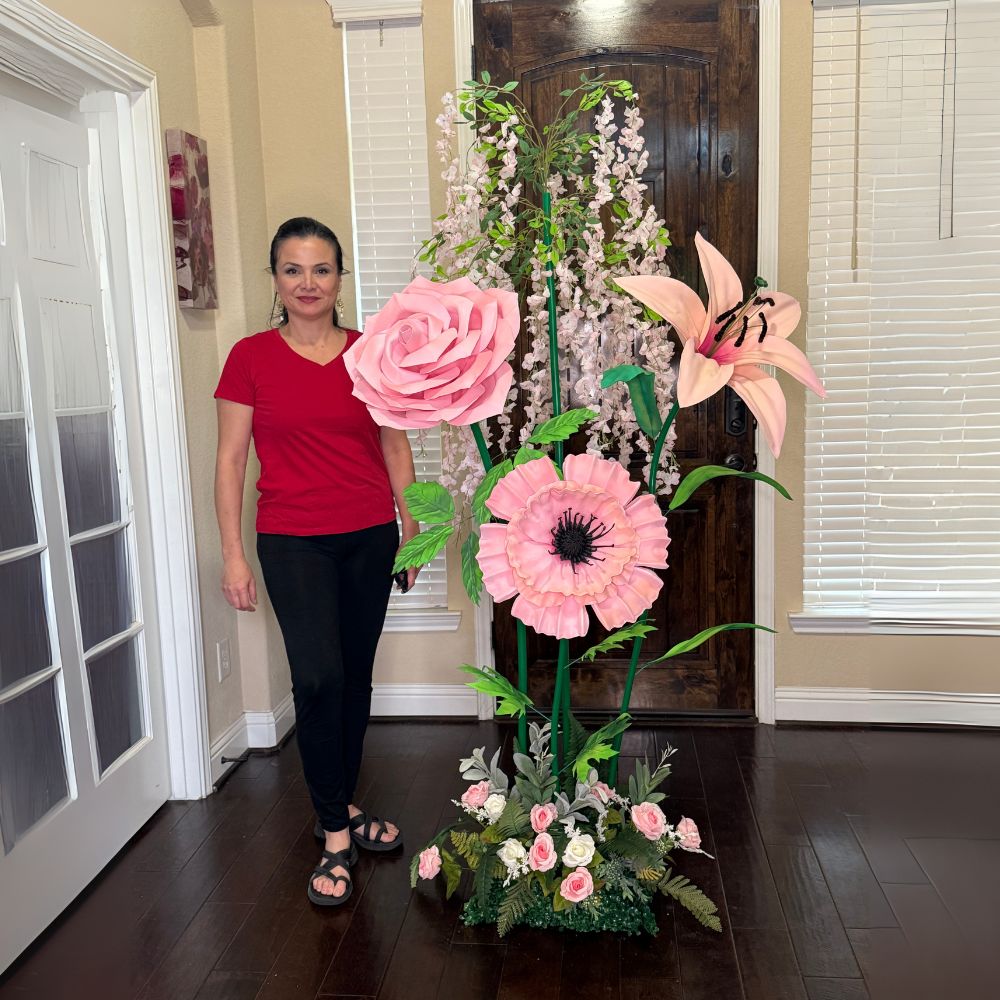
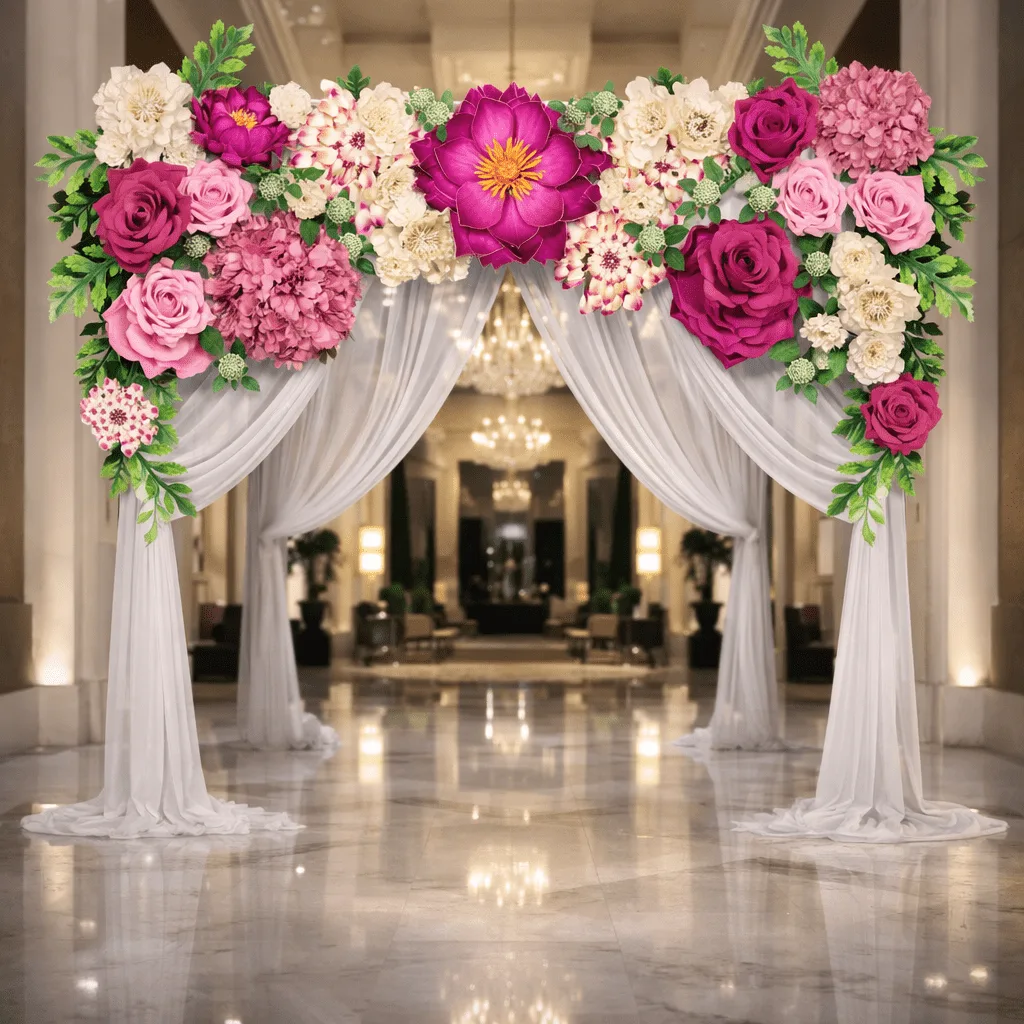
For large floral installations on stage — think enchanted gardens, fantasy forests, or elaborate set backdrops — combining EVA foam petals with our freestanding flower kits and bendable pipes gives you structural support without adding weight. The pipes bend into any shape, the foam wraps and covers them, and suddenly you have something that looks like it cost ten times what it did.
EVA foam is safe enough for high school students to work with independently. That means your prop-building process becomes a genuine learning experience — and you get more hands on deck. I've heard from teachers who turned their prop builds into a full unit on design, measurement, and fabrication. That's incredible.
🌸 Ready to build something amazing?
Browse our full EVA foam collection — rolls and sheets in every thickness, ready to ship to your theater or school.
Frequently Asked Questions

Is EVA foam safe for students to use in a classroom or drama room?
Yes — with basic supervision. The foam itself is non-toxic and soft. The tools involved (craft knives, heat guns, contact cement) do require adult oversight, but the material itself poses no chemical or structural hazards. Many drama teachers use it as a hands-on STEM/art integration project with students as young as middle school.
How do I make EVA foam props look realistic under stage lighting?
Texture and layering are your best tools. Use a heat gun to create organic surface texture before painting. Then build up your paint in layers — a base coat, a mid-tone, and a dry-brushed highlight — and seal everything with a matte acrylic sealer. Stage lighting will do the rest of the work, picking up all that texture and making it look three-dimensional and real from the audience.
How many props can I realistically build from one roll of EVA foam?
It genuinely depends on what you're building, but EVA foam goes further than most people expect. A single large roll of 4mm foam can yield 15–20 large flower petals, several costume accent pieces, and still have material left over. For a full set of 6–8 oversized flowers for a stage backdrop, most groups find that two to three rolls covers everything comfortably.
Can EVA foam props be reused across multiple productions?
Absolutely — and this is one of my favorite things about it. EVA foam is durable enough to be stored, repainted, and repurposed season after season. A giant mushroom from your Alice in Wonderland production can become a rock formation next year and a tree stump the year after. The material is flexible enough that you can even reshape pieces with a heat gun if you need to.
What's the difference between EVA foam and regular craft foam from the dollar store?
Night and day. Dollar store craft foam is thin, tears easily, and doesn't hold up to heat shaping or heavy use. Quality EVA foam — especially in the thicker gauges we carry — is dense, durable, and specifically designed to be shaped, painted, and handled repeatedly. For anything that needs to survive a full theatrical run, you really do want the real thing. If you want a deeper breakdown, check out my post on every type of foam for giant flowers — it covers the differences in detail.
If there's one thing I want you to take away from all of this, it's that a small budget doesn't have to mean small props. EVA foam genuinely levels the playing field for theater groups — it's the same material the pros use, available in the quantities that make sense for your production, at a price that won't make your principal faint.
Whether you're building your first set of giant flowers for a spring musical or stocking up for a whole season of productions, I'd love to help you figure out exactly what you need. Head over to our EVA foam shop and take a look — and if you have questions, reach out. I'm always here to talk foam, flowers, and making big things happen on a real-world budget.
Ready to Create Something Amazing?
Browse our collection of giant flower kits and start your next project today.