EVA Foam Safety: Ventilation & Tools 101
Let me be real with you — when I first started working with EVA foam, nobody sat me down and gave me the safety talk. I just grabbed a heat gun, started shaping petals, and figured it out as I went. And honestly? That's how a lot of us learn. But looking back, I wish someone had handed me a simple, no-fluff guide to EVA foam safety before I ever plugged in my first tool.
If you're just getting started with foam crafting — whether you're making giant flowers, cosplay armor, or classroom decorations — this is that guide. I'm not going to scare you. EVA foam is genuinely one of the safest, most beginner-friendly materials out there. But like any craft material, it deserves a little respect and a few smart habits from day one.
So grab a coffee, get comfy, and let's talk about how to craft safely, confidently, and without any surprises.
Key Takeaways
EVA stands for ethylene-vinyl acetate. That sounds very science-y, but here's what it actually means for you: it's a soft, flexible, closed-cell foam that's lightweight, easy to cut, and — this is the part I love — it responds beautifully to heat.
When you apply heat from a heat gun or even a hair dryer, EVA foam becomes pliable and moldable. You can curve petals, shape armor pieces, create dimensional flowers. Then it cools and holds that shape. It's kind of magical, honestly.
Why Beginners Gravitate Toward It
EVA foam forgives mistakes. You can re-heat a petal that curled wrong and try again. It doesn't splinter, crack, or shatter. It cuts cleanly with a basic craft knife. And it's affordable — you're not going to cry if you mess up a sheet.
We sell it in rolls and sheets ranging from 2mm all the way to 10mm thickness, and each thickness has its sweet spot. Thin sheets for delicate flower petals. Thicker sheets for freestanding structures, cosplay builds, or theater props. You can browse the full range in our EVA foam collection.
Ok, here's where I want to spend some real time. Because ventilation is the number one thing beginners overlook — and it's also the easiest thing to get right.
When EVA foam is at room temperature, it's completely inert. You can handle it all day. No fumes, no off-gassing, nothing. The moment it gets interesting — safety-wise — is when you apply heat.
Heating EVA foam releases mild volatile organic compounds (VOCs). The levels are considered low-toxicity, especially compared to materials like PVC or fiberglass. But "low toxicity" doesn't mean "no concern." Breathing any heated polymer fumes in a small, unventilated space repeatedly over time? Not ideal.
You might notice a faint plastic-y smell when you're heat-shaping foam. That's your cue to make sure air is moving.
My Personal Ventilation Setup
When I'm working in my studio, I do three things every single time:
If you're working in a garage with the door open, or outdoors, you're honestly in great shape. That's the gold standard for ventilation.
For occasional crafting sessions? A basic N95 mask is a reasonable precaution and costs almost nothing. For longer sessions or if you're working in a tighter space? I'd go with a half-face respirator with organic vapor cartridges. You can find these at any hardware store for around $30–$40.
Real talk: most hobbyists don't wear respirators and are totally fine. But if you're building a cosplay suit over three weekends, or making 200 flowers for a wedding, the cumulative exposure adds up. Protect yourself from the start.
💡 Pro Tip
If you ever smell something burning (not just warm foam, but actually burning), you've got your heat gun too close or too stationary. Back off immediately, let the piece cool, and check your technique. Burned EVA foam releases more intense fumes than properly heated foam.
Here's something I tell every beginner: a dull blade is more dangerous than a sharp one. When your knife is dull, you press harder, the foam slips, and that's when fingers get nicked. Sharp tools cut cleanly with light pressure. This is non-negotiable in my studio.
Want to go deeper on cutting technique? I wrote a whole guide called The Best Way to Cut Foam for Flawless DIY Crafts — it covers everything from scoring to using templates.
Always use a self-healing cutting mat. They protect your table, keep the foam from sliding, and extend the life of your blades. A decent A3-size mat runs about $15–$20 and is worth every penny.
Never cut toward your body. Always cut away. I know you've heard this before, but I'm saying it again because it matters.
Heat Gun Safety: The Tool That Changes Everything
The heat gun is where EVA foam crafting gets truly exciting. It's also where beginners need the most guidance. I've seen people burn their foam, burn their fingers, and burn their table — all in the same afternoon. Let's avoid that.
I have a whole deep-dive on this — check out Heat Gun Techniques: Shaping Foam Flower Petals Like a Pro for the full breakdown on temperatures, distances, and petal shaping tricks.
Most EVA foam becomes pliable between 120°F and 180°F (49°C–82°C). A good dual-temperature heat gun with a low setting (around 250°F) and a high setting (around 750°F) gives you control. For flower petals, I almost always use the low setting. For thicker structural pieces, I'll bump it up.
🌸 Ready to get started?
Browse our EVA foam collection — sheets and rolls in 2mm to 10mm thickness, ready to ship. Find your perfect match and start crafting safely from day one.
This is something that trips up almost every beginner. You find a gorgeous giant flower tutorial, you order foam, and then you realize you grabbed the wrong thickness. Let me save you that frustration.
My honest recommendation for a first-time foam flower maker: start with 4mm. It's forgiving, shapes beautifully, and gives you a real feel for how the material responds to heat without being too floppy (like 2mm can be) or too stubborn (like 8mm).
If you want to see how different foam types compare for giant flower projects, I also wrote A Crafter's Guide to Every Type of Foam for Giant Flowers — super helpful for understanding your options.
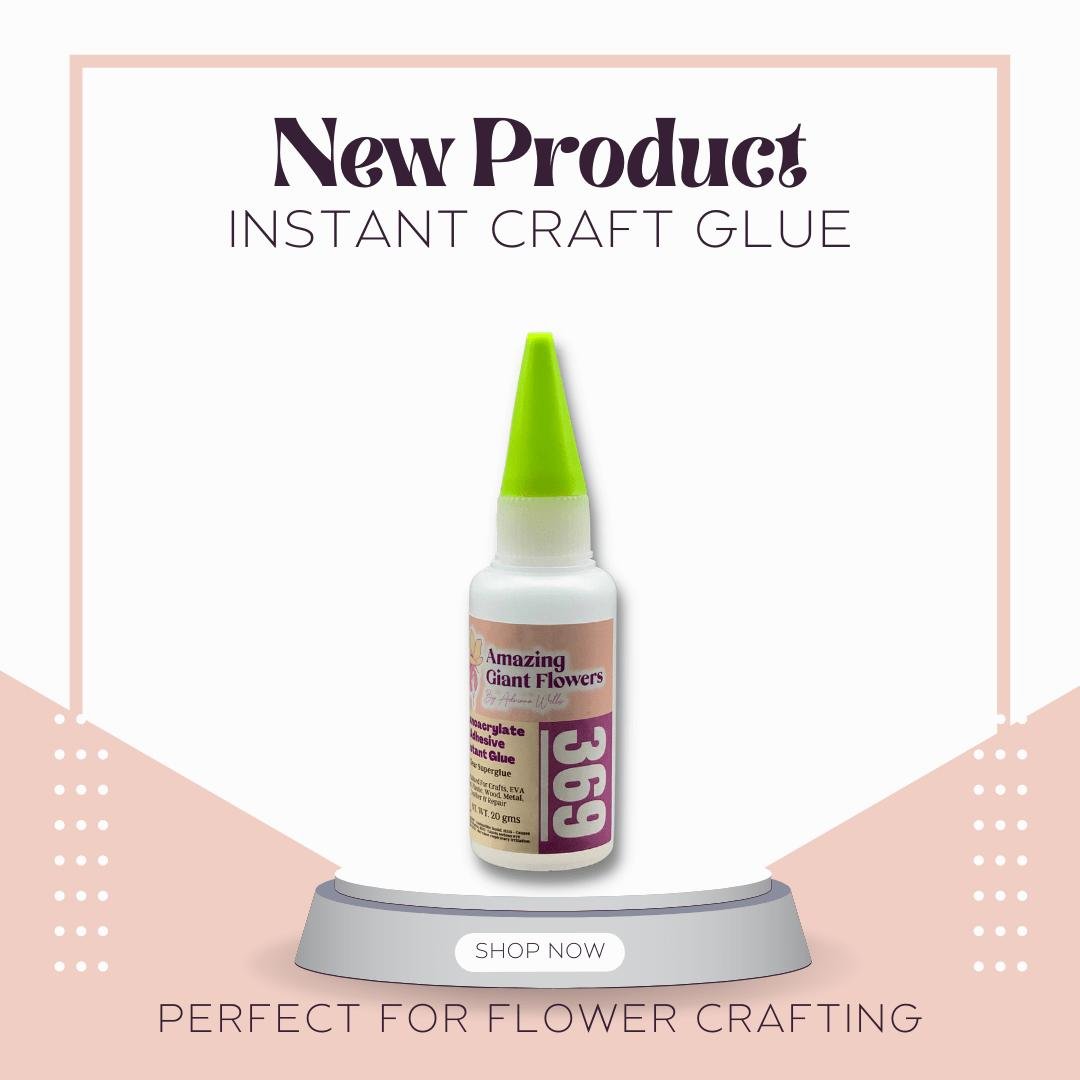
Cutting and heating get all the attention, but adhesives deserve a mention too. Most EVA foam crafters use one of three options:
For giant flowers specifically, I almost always reach for hot glue. It's fast, it's controllable, and for decorative purposes it holds beautifully. If you're pairing your foam with our freestanding flower kits or bendable pipes, hot glue is your best friend for attaching petals to the structure.
💡 Pro Tip
Silicone finger caps (the kind used for document handling) are a game-changer for hot glue work. They protect your fingertips while still giving you the dexterity to position petals precisely. Find them at office supply stores for a couple of dollars.
Frequently Asked Questions
Is EVA foam toxic to breathe?
At room temperature, EVA foam is completely safe — no off-gassing, no fumes. When heated, it releases mild VOCs that are considered low-toxicity compared to many other craft materials. That said, working in a well-ventilated space is always the right call, especially for longer crafting sessions. A basic N95 mask adds an extra layer of protection if you're working indoors.
Can kids work with EVA foam?
Absolutely — with appropriate supervision. Cold-cutting with scissors (for thin 2mm foam) is totally kid-friendly. The heat gun is an adult tool and should never be operated by children. Hot glue guns with adult supervision are fine for older kids (10+). EVA foam is actually one of the most popular classroom craft materials for good reason — it's soft, safe to handle, and easy to work with.
What's the difference between EVA foam and craft foam?
"Craft foam" is often the same material — EVA — just sold in thinner sheets (typically 2mm) at craft stores. The EVA foam we sell in our shop comes in a wider range of thicknesses and is specifically selected for quality and consistency. Craft store foam can vary a lot in density and heat response, which matters when you're trying to get consistent results across a large project like a wedding arch or event backdrop.
Do I need special tools to get started?
Honestly, no. A sharp craft knife, a cutting mat, a heat gun, and a hot glue gun will take you incredibly far. That's it. You don't need a foam cutter, a laser cutter, or any fancy equipment to make beautiful giant flowers. Start simple, get comfortable with the basics, and add tools as your projects grow in complexity.
Can I paint EVA foam?
Yes! EVA foam takes paint really well, especially acrylic paints. You'll want to prime it first (a light coat of Plasti-Dip or foam-safe primer helps paint adhere and prevents cracking). Avoid oil-based paints — they can stay tacky on foam. For giant flowers, I usually paint after shaping and before assembling, so every angle gets good coverage.
Ready to Create Something Amazing?
Browse our collection of giant flower kits and start your next project today.