
EVA Foam vs Worbla: Which for Your Cosplay?
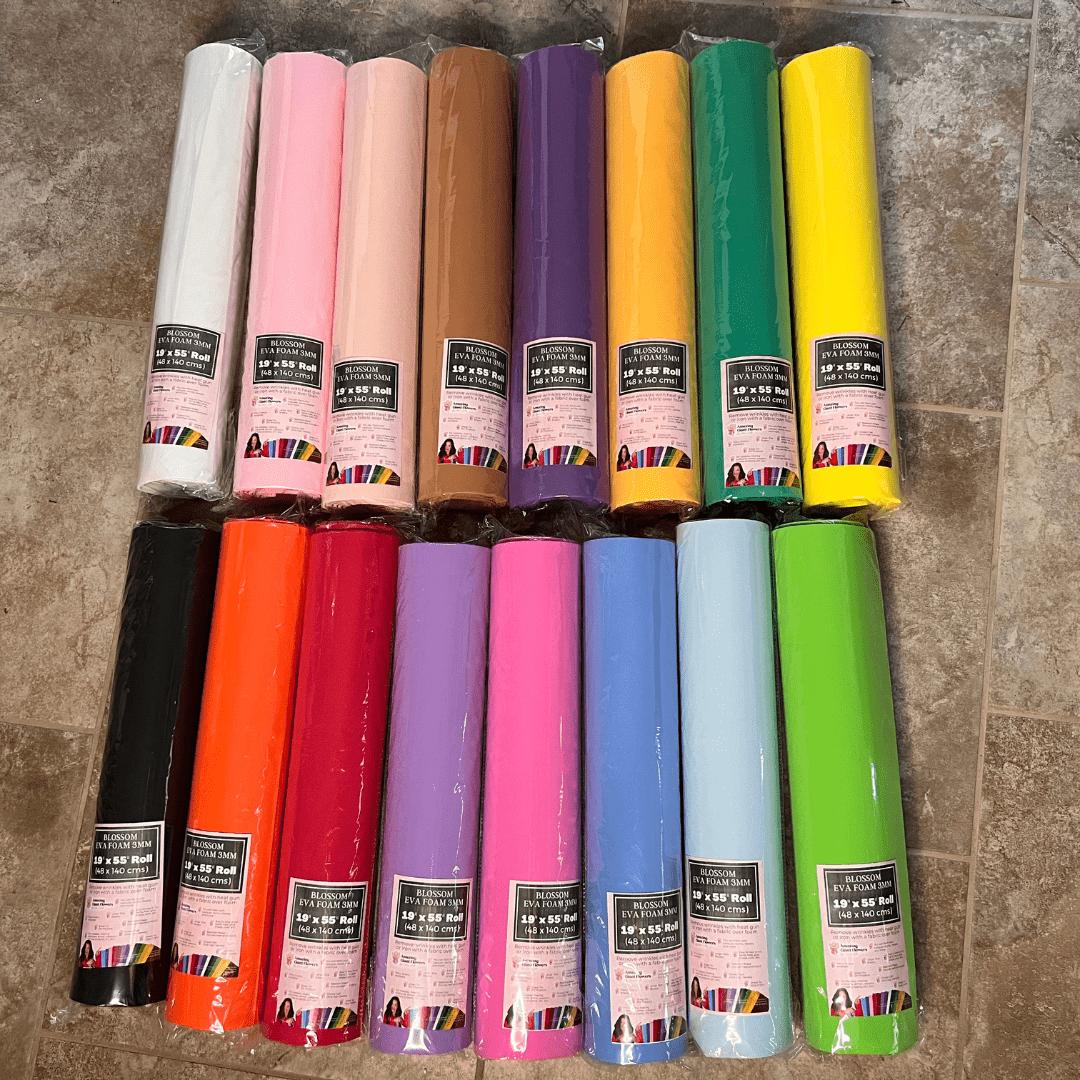
So you've leveled up past craft foam and hot glue, and now you're standing in front of your laptop at midnight googling EVA foam vs Worbla like your next build depends on it. (Spoiler: it kind of does.) I've been there. And honestly, this is one of those questions that sounds simple but opens up a whole rabbit hole of texture, heat tolerance, budget, and build style.
Here's the thing — I come at this from a slightly different angle than most cosplay tutorials. My whole world is giant EVA foam flowers. I've worked with this material in ways most people haven't even thought of: shaping it into 3-foot blooms, heat-forming petals, painting it for weddings and events. So when cosplayers ask me about EVA foam, I get genuinely excited. Because I know what this stuff can do when you really understand it.
If you're an intermediate builder — meaning you've finished a few builds, you know your way around a heat gun, and you're ready to stop guessing — this breakdown is for you. Let's figure out which material actually belongs in your next project.
Key Takeaways
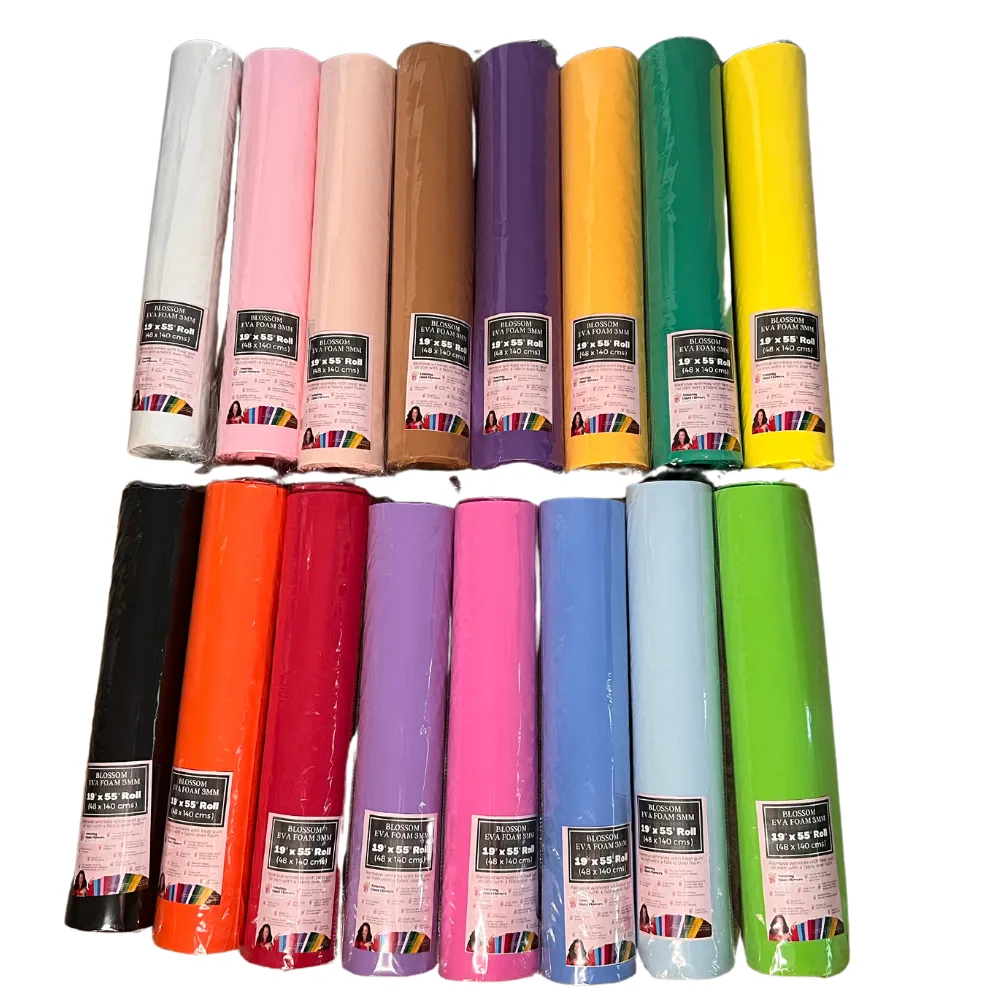
EVA stands for ethylene-vinyl acetate. It's a closed-cell foam that comes in sheets and rolls, ranging from 2mm all the way up to 10mm thick. You've seen it in yoga mats, flip-flops, and yes — kids' foam floor tiles. But don't let that fool you.
In the right hands, EVA foam is one of the most versatile crafting materials on the planet. It cuts cleanly with a craft knife or scissors, shapes beautifully with a heat gun, and takes paint like a dream once you seal it properly. I use it to build giant flower petals that hold their curve for years. Cosplayers use it to build full suits of armor, wings, horns, and everything in between.
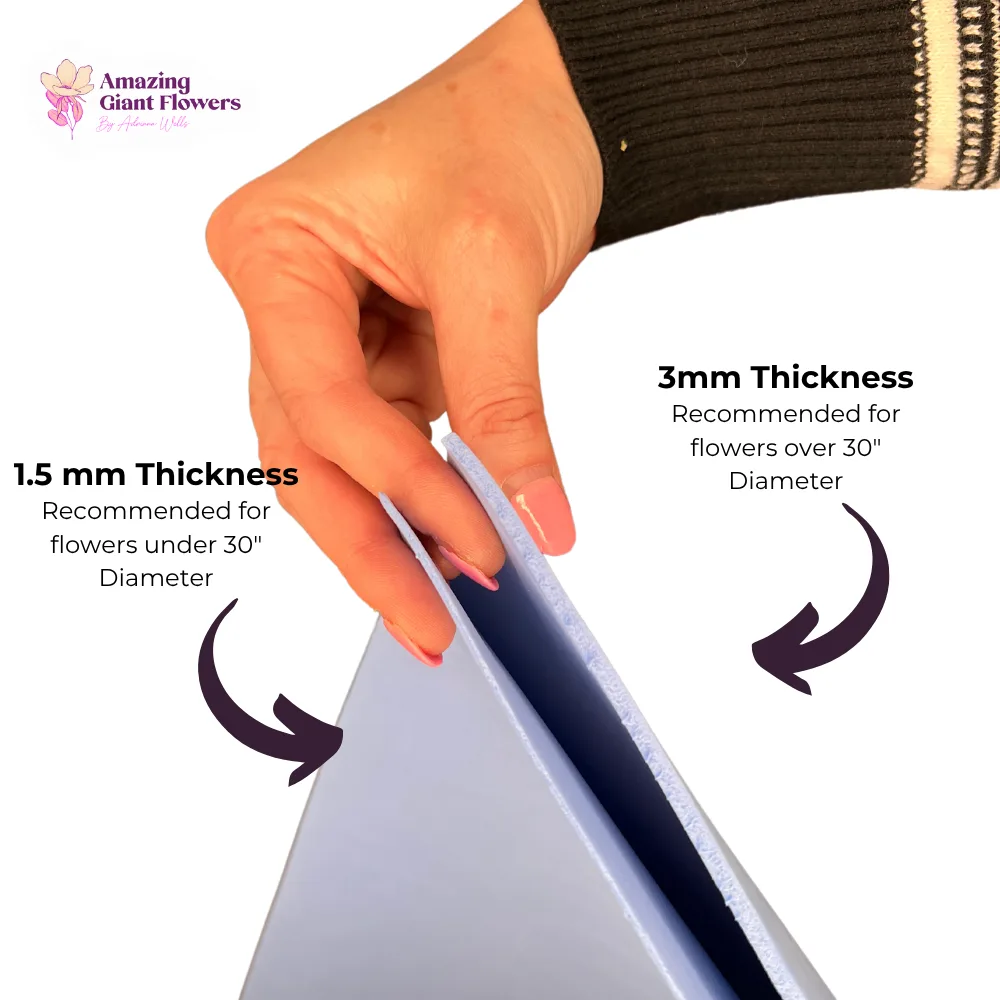
The key is knowing your thicknesses. 2mm sheets are flexible and great for layering, curved surfaces, and detail work. 4–6mm hits a sweet spot for medium-structure pieces. 8–10mm is your base layer for anything structural — chest plates, pauldrons, thick boot covers.
💡 Pro Tip
When I'm shaping EVA foam with a heat gun, I work in short passes — about 2–3 seconds at a time — and then immediately press it into the shape I want. It cools fast, so you have to move with intention. Practice on scraps first if you haven't done much heat-shaping yet. And if you want to go deeper on technique, check out my post on heat gun techniques for shaping foam petals like a pro — everything there applies to cosplay builds too.
Worbla is a brand name for a thermoplastic sheet material that becomes moldable when heated (usually with a heat gun at around 160°F / 70°C). When it cools, it hardens into a rigid, durable shell. The most popular version — Worbla's Finest Art — has a slightly rough, granular texture on one side and is self-adhesive when warm, which means you can press two pieces together without glue.
That self-adhesion is a game-changer for certain builds. You can sandwich EVA foam between two layers of Worbla to create a piece that's lightweight on the inside but hard and detail-ready on the outside. Lots of armor builders swear by this technique.
Worbla also holds fine embossed details really well, and scraps can be reheated and reused — nothing goes to waste. That's genuinely cool. But it comes at a cost. Literally.
EVA foam gives you freedom. Worbla gives you precision. The best cosplayers know when to use each — and aren't afraid to use both in the same build.
EVA Foam vs Worbla: The Real Differences
Cost — And Why It Actually Matters for Your Build
Let's be real for a second. Worbla is expensive. A standard sheet (19.5" x 27.5") runs around $18–$25 depending on where you buy it. If you're building a full breastplate, pauldrons, vambraces, and leg armor? You're looking at a significant materials budget before you've even bought paint or straps.
EVA foam, on the other hand, is dramatically more affordable. You can grab a large roll or a pack of sheets for a fraction of the price. That matters when you're experimenting, making mistakes, and iterating — which is exactly what intermediate builders do. You shouldn't be scared to cut a piece wrong because the material costs too much to waste.
EVA foam is incredibly lightweight. If you're building something you'll wear for 8 hours at a convention, that matters more than almost anything else. Full armor builds in EVA foam are genuinely comfortable to wear all day when they're properly padded and strapped.
Worbla adds weight, especially when you're using it in thicker applications or sandwiching multiple layers. For small accent pieces, it's totally fine. For a full suit? You'll feel it by hour three.
This is where a lot of people get tripped up. Raw EVA foam has a smooth surface that needs to be sealed before painting — otherwise paint soaks in unevenly and can crack when you flex the foam. Common sealers include Plasti-Dip, Mod Podge with a heat gun pass, or a thin layer of contact cement. Once sealed, it takes acrylic paint beautifully.
Raw Worbla has that bumpy, pebbly texture that needs to be sanded or primed down before you can get a smooth painted finish. People use wood glue layers, gesso, or specialty primers to smooth it out. It takes more prep work than people expect.
Honestly? Neither material is "ready to paint" straight out of the package. They both need prep. EVA foam prep is just faster and cheaper.
Head-to-Head Comparison Table
| Feature | EVA Foam | Worbla |
|---|---|---|
| Cost | Very affordable — budget-friendly for large builds | Expensive — $18–$25+ per sheet |
| Weight | Very lightweight — great for all-day wear | Heavier, especially in thick applications |
| Flexibility | Stays flexible when cool — great for organic shapes | Hardens rigid when cool — better for structured pieces |
| Heat Shaping | Shapes easily with heat gun; holds curve when cooled | Shapes well; re-heatable and repositionable |
| Surface Finish | Smooth — needs sealing before paint | Pebbly texture — needs sanding/priming for smooth finish |
| Detail Work | Good with carving/burning; less fine embossing | Excellent — holds fine impressed detail beautifully |
| Adhesion | Needs contact cement or hot glue | Self-adhesive when warm — no glue needed |
| Durability | Durable but can dent; holds up well with sealant | Very durable; hard shell resists denting |
| Waste | Scraps not reusable once cut | Scraps can be reheated and reused — zero waste |
| Best For | Large surfaces, organic shapes, budget builds, beginners to advanced | Small armor details, hard edges, fine embossing, competition builds |
When to Choose EVA Foam
Ok, this is where it gets really fun. EVA foam is my personal love language, so let me tell you exactly when it's the right call.
And here's something I love pointing out: the techniques for shaping EVA foam for cosplay and shaping it for giant flowers are almost identical. Heat, press, hold, cool. If you want to see how far this material can go, check out our crafter's guide to every type of foam for giant flowers — it gives you a really solid foundation in understanding how EVA behaves at different thicknesses.
🌸 Ready to stock up on EVA foam for your next build?
Browse our full EVA foam collection — rolls and sheets from 2mm to 10mm, ready to ship from Houston.
Worbla earns its price tag in specific situations. Here's when I'd reach for it:
Real talk? The "EVA foam vs Worbla" debate is a little bit of a false choice. Once you've got a few builds under your belt, you stop thinking about it as either/or and start thinking about which material serves each part of your build.
The classic combo technique: EVA foam core, Worbla shell. You carve and shape your piece out of EVA foam, then sandwich it between two warm sheets of Worbla. The Worbla self-adheres around the foam, giving you a lightweight interior with a hard, paintable exterior. You get the best of both worlds.
Another popular approach: use EVA foam for the large base pieces (chest, back, thighs) and Worbla only for the small detail overlays (clasps, raised symbols, edge trims). Your budget stays reasonable and your build still looks polished.
💡 Pro Tip
When cutting EVA foam for detailed layered work, a sharp craft knife is everything. A dull blade drags and tears. I replace my blades constantly — way more often than feels necessary. Also, check out the best way to cut foam for flawless DIY crafts for a full breakdown of cutting techniques that apply directly to cosplay builds.
Painting and Finishing: What You Need to Know for Both Materials
Finishing EVA Foam
The most popular sealing method for EVA foam is Plasti-Dip — a few thin coats, let it dry between coats, and you've got a flexible, paint-ready surface. Some builders prefer a mix of Mod Podge and water, or a thin coat of contact cement brushed on and allowed to dry. All of these create a skin that prevents paint from soaking in or cracking.
Once sealed, acrylic craft paints work great. For metallic effects, I love using a dark base coat followed by dry-brushing a
Ready to Create Something Amazing?
Browse our collection of giant flower kits and start your next project today.