Glue Guide: What Actually Bonds EVA Foam
If you've ever watched a petal pop off mid-event or a cosplay armor piece delaminate right before a convention, you already know the pain of using the best glue for EVA foam — or rather, the wrong one. And trust me, I've been there. Early on in my giant flower journey, I glued an entire backdrop together with a craft store hot glue gun and watched it slowly surrender to the Houston summer heat. Never again.
The thing is, EVA foam is a little picky. It's flexible, it's smooth, and it doesn't bond the way paper or fabric does. So the glue that works great on your scrapbook? Probably not going to cut it here. Whether you're building giant flowers for a wedding arch, crafting cosplay armor, or making classroom props, the adhesive you choose is genuinely make-or-break.
I put this guide together because I get asked about glue constantly — in DMs, at craft fairs, in the comments. So let's settle it once and for all. Here's what actually bonds EVA foam, what to skip, and how to make sure your work holds together when it counts.
Key Takeaways
EVA foam (ethylene-vinyl acetate, if you want to get technical) has a naturally smooth, slightly waxy surface. That's what makes it so wonderful to work with — it's lightweight, flexible, and takes paint beautifully. But that same surface is what makes random adhesives slide right off.
Most craft glues are designed for porous materials. EVA foam is not porous. So when you slap a water-based glue on it, there's nothing for it to grip. It sits on top, dries, and then peels off the moment you flex the foam.
The Flexibility Factor
Here's another thing people forget: EVA foam moves. Petals bend. Armor flexes. Giant flowers sway in the breeze. Your glue has to move with it. A rigid adhesive — even a strong one — will crack at the bond line the moment the foam shifts.
This is why I always say: the best glue for EVA foam isn't just about strength, it's about flexibility. You need both.
Ok, let's get into it. I'm breaking down every adhesive worth knowing about, with real talk on when to use each one.
If you want a bond that genuinely doesn't fail, contact cement is your answer. Brands like Barge All-Purpose Cement or Weldwood Contact Cement are absolute workhorses. You brush a thin layer on both surfaces, let them get tacky (usually 5–10 minutes), then press them together. That's it. The bond is instant and incredibly strong.
The reason it works so well on EVA foam? It stays flexible after curing. You can bend, twist, and stress the foam and the bond holds. I use this for any structural piece — the base of a giant flower, foam wrapped around a pipe, layered foam builds that need to stay put permanently.
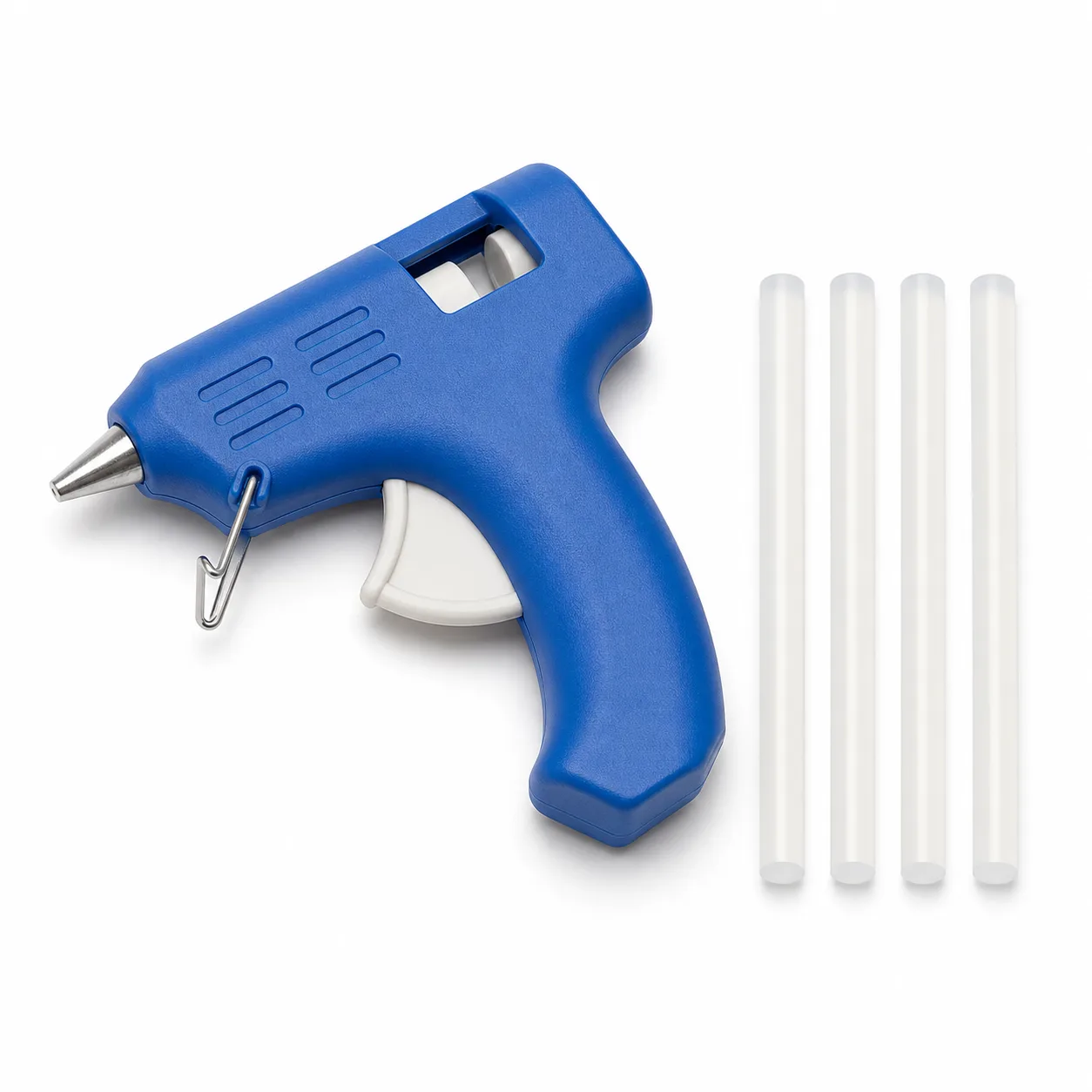
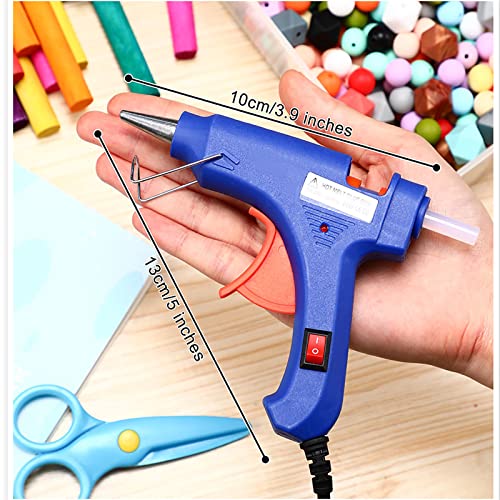
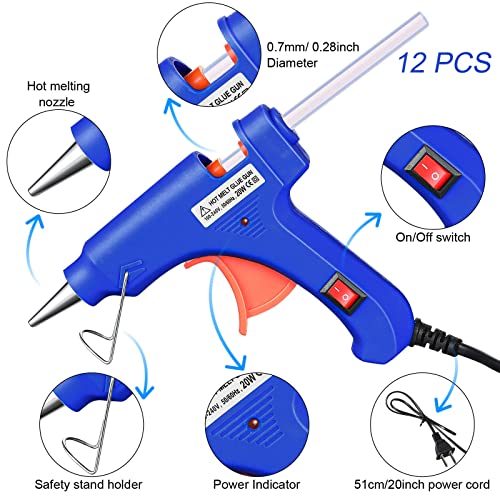
Hot glue is probably what most of you are already using, and honestly? It's not wrong. For giant flower petals, layered foam details, and quick assembly, hot glue is fast and effective. The key is using a low-temperature glue gun.
High-temp hot glue can melt thin EVA foam (especially 2mm sheets) and leave you with warped, sad petals. Low-temp guns give you the same bonding power without the heat damage. I keep both in my studio but reach for the low-temp one 90% of the time.
- Best for: Flower petals, decorative layering, quick fixes, classroom crafts
- Drying time: Sets in seconds
- Watch out for: Stringing (annoying but manageable), heat warping on thin foam
- Foam thickness sweet spot: 2mm–6mm
💡 Pro Tip
Those annoying hot glue strings? Hit them with a heat gun on low for 1–2 seconds and they vanish instantly. You're welcome.
E6000 is my secret weapon for anything that needs to be absolutely bulletproof and I have time to wait. It's a flexible, industrial-strength adhesive that bonds EVA foam beautifully. The downside? It takes 24–72 hours to fully cure. So you need to plan ahead.
I love E6000 for attaching foam embellishments to non-foam surfaces — like gluing a foam flower to a metal stand, attaching foam to fabric, or securing a foam piece to a wood base. It grips almost anything.
Regular super glue? Skip it. It can react with EVA foam and leave a white residue or actually eat into the surface. But foam-safe cyanoacrylate (look for brands labeled specifically for foam) is a different story. It bonds fast and strong.
This is great for small, precise bonds — attaching a tiny foam detail, fixing a crack, or spot-repairing a piece. Not my first choice for large surface areas because it sets so fast there's no room for repositioning.
Spray Adhesive
For laminating large flat sheets of EVA foam together — like building up thickness or attaching foam to a backing — spray adhesive is a dream. 3M Super 77 or similar repositionable sprays let you get even coverage fast.
Just know that most spray adhesives aren't meant for high-flex applications. Great for flat panels and backdrops, not ideal for pieces that will be bent repeatedly.
Real talk: there's no single "best" adhesive for every situation. What works for a cosplay breastplate is different from what works for a giant flower petal. Let me break it down by project type.
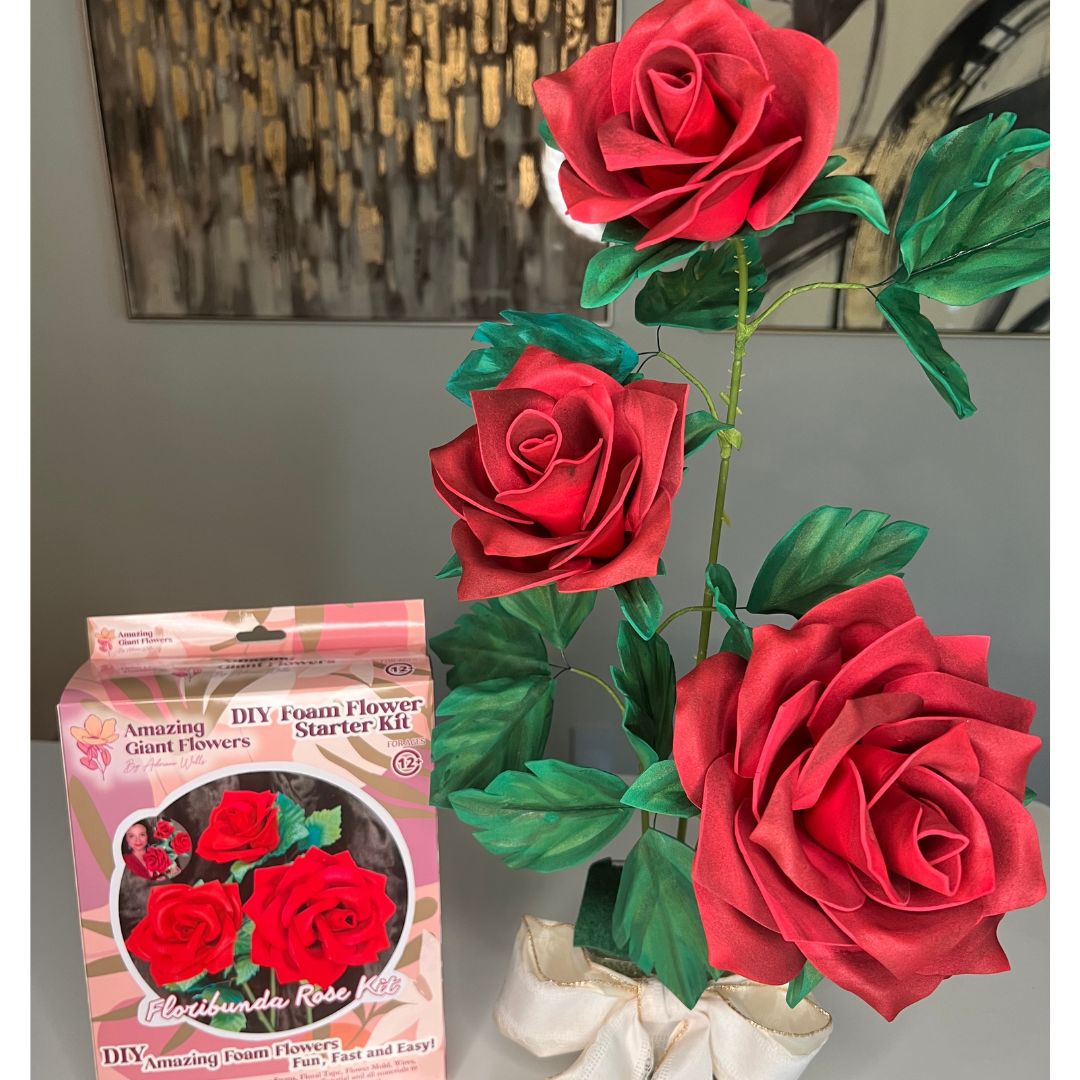
For my giant foam flowers for wedding arches and event backdrops, I use a combination approach: contact cement for the structural base (attaching foam to the stem, building the flower center) and low-temp hot glue for the petals. The petals need to be positioned quickly and I don't have time to wait for contact cement to tack up on 40 petals.
If you're building a freestanding giant flower arrangement, you'll also want to make sure your foam-to-pipe connection is contact cement strong. Hot glue alone won't hold a heavy flower head on a pipe over time.
For cosplay, contact cement is non-negotiable. You're wearing and moving in these pieces. They flex, they get stressed, they need to survive a full convention day. Barge cement applied to both surfaces, let to tack, then pressed together gives you a bond that will outlast the event.
Here, convenience and safety win. Low-temp hot glue is the way to go — it's fast, it's easy for kids to use with supervision, and it holds well enough for decorative projects that aren't going to be stressed. E6000 is not appropriate for kids due to fumes.
Large-scale builds often involve foam-to-wood or foam-to-PVC connections. E6000 or contact cement both work beautifully here. For really large surface areas, spray adhesive gives you even coverage fast — then reinforce key stress points with contact cement.
🌸 Ready to start building?
Browse our full selection of EVA foam rolls and sheets — from 2mm to 10mm, in every color you need. And while you're there, check out our freestanding flower kits and flower molds to take your project further.
Surface Prep: The Step Everyone Skips
I cannot stress this enough. Surface prep is the difference between a bond that holds and one that doesn't. EVA foam right out of the roll has a slightly slick surface — a tiny bit of release agent from the manufacturing process. That's invisible to the eye but it's there, and it repels adhesives.
How to Prep EVA Foam for Gluing
- Light sanding: A quick pass with 80–100 grit sandpaper roughs up the surface just enough for adhesives to grip. Do this for contact cement and E6000 especially.
- Wipe with isopropyl alcohol: 70% or higher. This removes any oils or residue. Let it fully dry before applying glue.
- Heat activation: A very quick pass with a heat gun on low can open the surface of the foam slightly, improving adhesion. Don't overdo it — you're not trying to shape it, just warm it.
- Apply thin, even layers: More glue is not better. A thin, even coat beats a thick glob every single time.
If you're curious about heat gun techniques beyond just prep, I wrote a whole post on shaping foam flower petals with a heat gun that's worth a read.
Ready to Create Something Amazing?
Browse our collection of giant flower kits and start your next project today.
Ready to Create Something Amazing?
Browse our collection of giant flower kits and start your next project today.