Large Decorative Paper Flowers: A Planner's Guide

Key Takeaways
A large room with no focal point is harder to design than a room that's already busy. Wedding planners see it in ballrooms. Brand teams see it on trade show floors. Retail visual merchandisers see it in wide storefront windows that need to stop people mid-walk.
That's where large decorative paper flowers earn their keep.
Used well, they don't just "decorate" a space. They create height, shape the sightline, frame photos, soften hard architecture, and give guests one obvious place to look first. Used poorly, they read as craft-project props that buckle under lighting, flatten in transit, or disappear against the scale of the venue. The difference comes down to material choice, construction, installation method, and whether the design was built for a real event environment instead of a tutorial table.
This guide is for planners, producers, and creative teams who need floral impact without guesswork. It covers what works, what fails, and how to turn oversized blooms into durable, camera-ready installations that hold up from load-in to final reveal.
A planner usually knows the problem before the client says it out loud. The room feels empty. The stage needs scale. The brand activation has a footprint, but no visual anchor. Fresh florals might fill tables, but they often don't solve the vertical space.
Large decorative paper flowers solve a different design problem than bouquets do. They work at architectural scale.
A giant bloom wall, an oversized rose cluster at a ceremony entrance, or a freestanding floral scene in retail gives the eye a destination. That matters in venues with high ceilings, blank walls, polished concrete, or long guest pathways that need rhythm.
These installations are effective because they do several jobs at once:
The commercial case is strong too. The global artificial flowers market was valued at USD 3.09 billion in 2024 and is projected to reach USD 4.49 billion by 2030, driven by demand for low-maintenance décor in events, weddings, and retail, according to Grand View Research's artificial flowers market report.
That demand makes sense on the ground. Planners need décor that can be staged, transported, photographed, and, in many cases, reused.
Practical rule: If a décor element can't hold attention from across the room and still look good at arm's length in photos, it won't carry a major event space.
The strongest use cases tend to be spaces that need scale and softness at the same time:
- Hotel ballrooms and banquet halls with ceilings above 14 feet
- Trade show booths and brand activations that need to compete for attention across a crowded floor
- Retail storefronts and window displays that have to stop foot traffic in seconds
- Outdoor festivals and covered pavilions where fresh florals would wilt within hours
- Ceremony arches and reception entrances where the first impression sets the entire tone
If you're tracking current styling direction, wedding decoration trends show why oversized statement pieces keep showing up. They photograph well, scale well, and give a room identity quickly.
A giant flower only looks effortless when the build is doing hard work behind the scenes. Every part matters. Petals create volume, the center gives character, the stem controls posture, and the base determines whether the whole piece reads as polished or precarious.
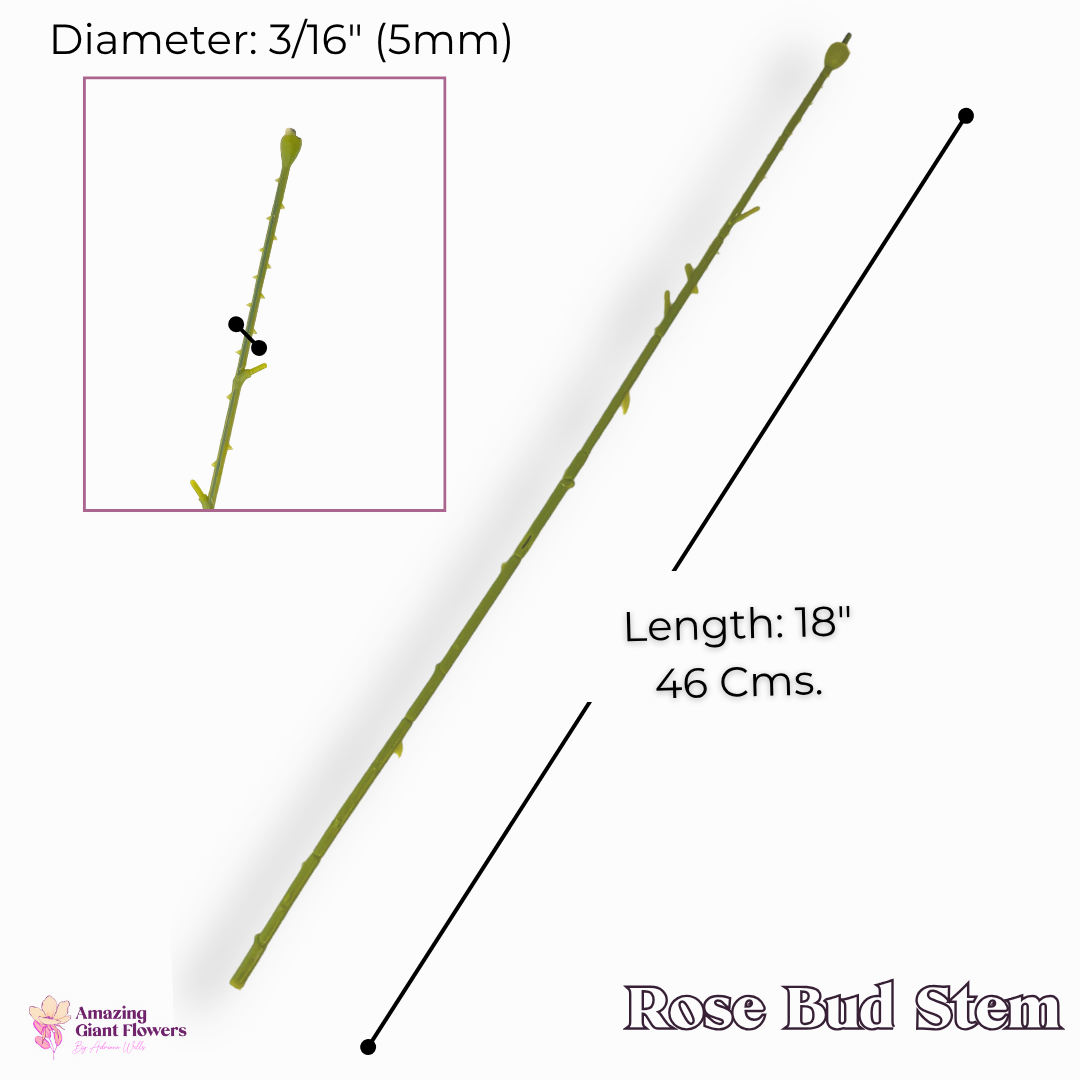
A professional flower build usually comes down to these components:
Material is where many projects go wrong. Hobby tutorials often treat all paper as interchangeable. It isn't.
For flowers over 18 inches in diameter, Italian crepe paper is a popular choice because its stretch factor reaches 30 to 50%, which allows petal cupping and ruffling that better mimics natural floral form, as shown in Oh Yay Studio's guide to huge crepe paper flowers.
That stretch is useful. It gives petals movement and lets you shape realistic edges. But realism and durability aren't the same thing.
Crepe is the closest thing to fabric behavior in paper form. It's ideal for:
- Romantic, organic-looking ceremony installations
- One-time or short-run event pieces
- Controlled indoor environments with stable humidity
Cardstock
Cardstock is cleaner and more graphic. It doesn't stretch the way crepe does, so the shaping language is different — crisper folds, more geometric silhouettes, stronger edges. It suits:
EVA foam is often the professional answer when reuse matters more than delicate realism. It handles transport better, resists casual crushing, and gives planners a more forgiving install piece.
A flower reads as premium when three things are right:
The most common visual mistake isn't color. It's proportion. If the center, petal width, and outer span don't relate properly, the flower reads flat from ten feet away.
For planners who are still deciding which substrate suits the brief, this guide to paper for flower arrangements is useful because it helps match material behavior to event conditions, not just aesthetics.
A soft crepe peony may be perfect for a ceremony alcove and completely wrong for a retail installation that needs repeated handling. A cardstock wall bloom may look sharp in a display window but feel too rigid for a romantic stage design.
The right material isn't the prettiest sample on the table. It's the one that survives the environment you're placing it in.
DIY Kits vs. Custom Installations: How to Choose the Right Path
There are two legitimate ways to get striking large floral décor. You can build it yourself, or you can commission it. The better choice depends less on taste and more on deadline, labor capacity, installation complexity, and the level of finish the event requires.
The market itself supports both paths. In the artificial flowers market, large flowers over 30 cm prevail in high-impact settings like galas and festivals, and paper flower sales are projected to grow at a CAGR of 8.2% from 2025 to 2030, outpacing the broader market, according to Market Research Future's artificial flowers market analysis.

DIY kits are a good fit when you want creative control and the scope is manageable. They're especially useful for makers, balloon artists expanding their services, small studios, and planners who need accent pieces rather than a fully engineered install.
DIY tends to work best when:
- The install is under 10 pieces and can be prototyped before event day
- The team has fabrication experience and understands adhesive drying times and petal shaping
- The deadline allows for iteration — at least two to three weeks of build time
- The pieces are accent elements rather than the primary visual anchor of the event
Custom installations make sense when the stakes are high
Custom installations make sense when the decor has to land on the first attempt. That's usually the case for luxury weddings, branded photo opportunities, stage design, retail windows, and large-format event entries.
A custom build removes several common pain points:
Decision filter: If your team is already stretched with florals, signage, rentals, vendor management, and floor plan revisions, don't add hand fabrication unless the install is small enough to test in advance.
The biggest issue isn't talent. It's production reality.
A flower may look simple as a template, but event-ready output involves repeatable shaping, adhesive control, drying time, transport planning, and mounting hardware. That's why DIY often works beautifully for statement accents and less reliably for large installations with strict deadlines.
Common DIY friction points include:
- Inconsistent petal shaping across a large set — the first flower and the twelfth flower look noticeably different
- Adhesive failure under venue heat — hot glue softens above 90°F, which matters in outdoor-adjacent or poorly ventilated spaces
- No recovery time — if a piece is damaged in transit, there's no replacement ready
- Underestimating build hours — a 36-inch bloom can take 4–8 hours for an experienced maker; multiply that across a full wall
For planners comparing done-for-you options, bespoke installations are worth reviewing because they clarify what custom service should include before production starts, especially when scale and brand alignment matter.
Flower choice isn't decorative trivia. It sets the emotional tone before a guest reads the signage, sees the menu, or steps into the photo area. Shape, petal density, and color family all send signals.
Roses carry weight visually and culturally. They work for weddings, galas, luxury pop-ups, and editorial-style sets because the layered petal structure feels full even at oversized scale.
Use them when you need:
If you're building mood boards, visual references with different flower types like roses can help teams align on silhouette and symbolism before fabrication starts.
Sunflowers are direct. They read cheerful, open, and confident from across the room. They're ideal for festivals, summer launches, school events, outdoor-inspired themes, and family-friendly activations.
They're especially useful when the palette needs yellow without feeling overly formal. A 36-inch sunflower against a white wall is one of the fastest ways I know to make a space feel immediately welcoming.
Not every client wants abundance. Some want clean lines.
Lilies and tulips suit:
- Minimalist or Scandinavian-influenced aesthetics where negative space is part of the design
- Corporate events that need botanical softness without a romantic or maximalist read
- Monochromatic palettes where the silhouette carries more weight than petal complexity
Their simpler profiles also pair well with structured staging and modern furniture.
A themed event gets stronger when the floral language isn't generic. Regional flowers can anchor the concept in place and make the design feel authored rather than assembled from trends.
Examples include:
Don't choose a flower only because it's popular. Choose it because its shape supports the tone of the event and the geometry of the space.
Before approving a flower type, ask these questions:
A good installation doesn't just fill a footprint. It communicates a point of view.
At 6 a.m. on install day, the rendering always looks perfect. Then the crew rolls cases into the venue and actual constraints emerge. The wall is shorter than expected, the sponsor mark needs more breathing room, and the photo moment that looked generous on screen now has a line of guests cutting through it. High-impact floral work is won in the planning stage.
Start with the business job of the installation. A retail feature has to stop traffic and hold up for days or weeks. A gala backdrop has to photograph well from one primary angle and survive a fast install window. A conference selfie station has to carry branding cleanly enough that guests share it without the setup looking like an ad.
That purpose drives budget, scale, mechanics, and flower density. It also determines return. If the piece is meant to generate photos, judge it by queue length, dwell time, sponsor visibility, and how often the backdrop appears in guest content. If the piece is for retail, judge it by sightline capture, window read, and how well it pulls people deeper into the store.
Take Real Site Measurements — Not Just Photos
Site photos are useful. Site measurements are better. I want wall width, usable height, obstructions, floor condition, loading path, elevator dimensions, strike time, and venue rules on adhesives or freestanding builds.
A beautiful concept can fail because it cannot get through a service corridor.
Every installation has a money angle. In events, that is usually the guest photo position. In retail, it may be the storefront glass, the mall approach, or the aisle endcap. Once that hero view is set, build the composition to read well there first, then make sure the side views still feel finished.
Planners often overspend. They pay for 360-degree detail on a piece that will only ever be photographed from the front.
Large decorative paper flowers need to read from where the audience first encounters them. In a ballroom, undersized blooms look timid and scattered. In a boutique entry, oversized heads can crowd signage and make the display feel heavy.
A useful rule in practice is simple. The farther the first view, the fewer tiny details matter and the more silhouette matters.
Test Your Palette Under Actual Event Lighting
Paper reacts differently under daylight, LEDs, pin spots, and colored wash. Soft blush can disappear under warm uplighting. Bright white can lose petal definition in flash photography. Richer tones usually hold edge definition better, especially in branded photo moments.
Get palette approval against the expected light, not just against a digital swatch.
The strongest floral installations give guests a clear place to stand and a clear reason to post. That matters for sponsors, retailers, and venues that want measurable lift from the décor budget.
For planners evaluating mixed-media options, a LED hedge floral wall rental can be a useful reference point. It shows how some teams combine florals, light, and backdrop structure when they need more stage presence.
A photo-driven floral station performs better when it includes:
Good selfie stations earn their footprint. Weak ones become expensive obstacles.
Later in the planning phase, motion and detail studies help. This walkthrough gives a closer look at oversized floral form in action:
Mockups shorten approval cycles and catch proportion problems before fabrication starts. That matters even more on commercial work, where one late change can affect labor hours, material yield, freight, and install timing.
Review these items before sign-off:
- Bloom diameter vs. wall width ratio — does the composition breathe or crowd?
- Color contrast against the venue surface — does the palette pop or blend into the background?
- Mounting point locations — are they hitting studs, concrete, or hollow drywall?
- Strike sequence — can the installation come down in the venue's allotted breakdown window?
If your team wants to test layout and proportion before build, a
Ready to Create Something Amazing?
Browse our collection of giant flower kits and start your next project today.