Rose, Peony or Lily? Choosing Your First Flower Mold
If you've been scrolling through flower mold options online and feeling completely overwhelmed — girl, I've been there. When I first started making foam flowers, I spent way too long staring at product pages, second-guessing myself, and honestly just picking something random and hoping for the best. So if you're a new crafter trying to figure out the best flower mold for beginners, this post is my way of saving you from that whole mess.
Here's the thing: roses, peonies, and lilies are the three shapes I get asked about most. And they're popular for a reason — they're stunning, versatile, and they show up everywhere from wedding arches to birthday backdrops to cake toppers. But they are not all equal when it comes to beginner-friendliness. Some are forgiving. Some will humble you fast.
So let's actually talk through it. I'm going to break down each flower type, what makes it easy or tricky, and help you figure out which mold to grab first — whether you're making foam flowers, sugar flowers, or both.
Key Takeaways
I know it's tempting to think "it's just a mold, how different can they be?" But honestly? The flower shape you start with can make or break your early experience as a crafter.
If you pick something too complex right out of the gate, you might spend hours on a flower that doesn't look the way you imagined — and then convince yourself you're "not crafty." That's a lie, by the way. You just picked the wrong starting point.
The best flower mold for beginners isn't necessarily the prettiest or the trendiest. It's the one that teaches you the core skills — pressing, shaping, layering — without making you want to throw everything across the room.
The right first mold doesn't just make a flower — it builds your confidence as a crafter.
What Skills Does a Mold Actually Teach You?
Every flower mold — whether you're pressing foam or rolling out gumpaste — teaches you a handful of foundational skills:
Different flowers teach these skills at different levels of difficulty. That's exactly what we're about to dig into.
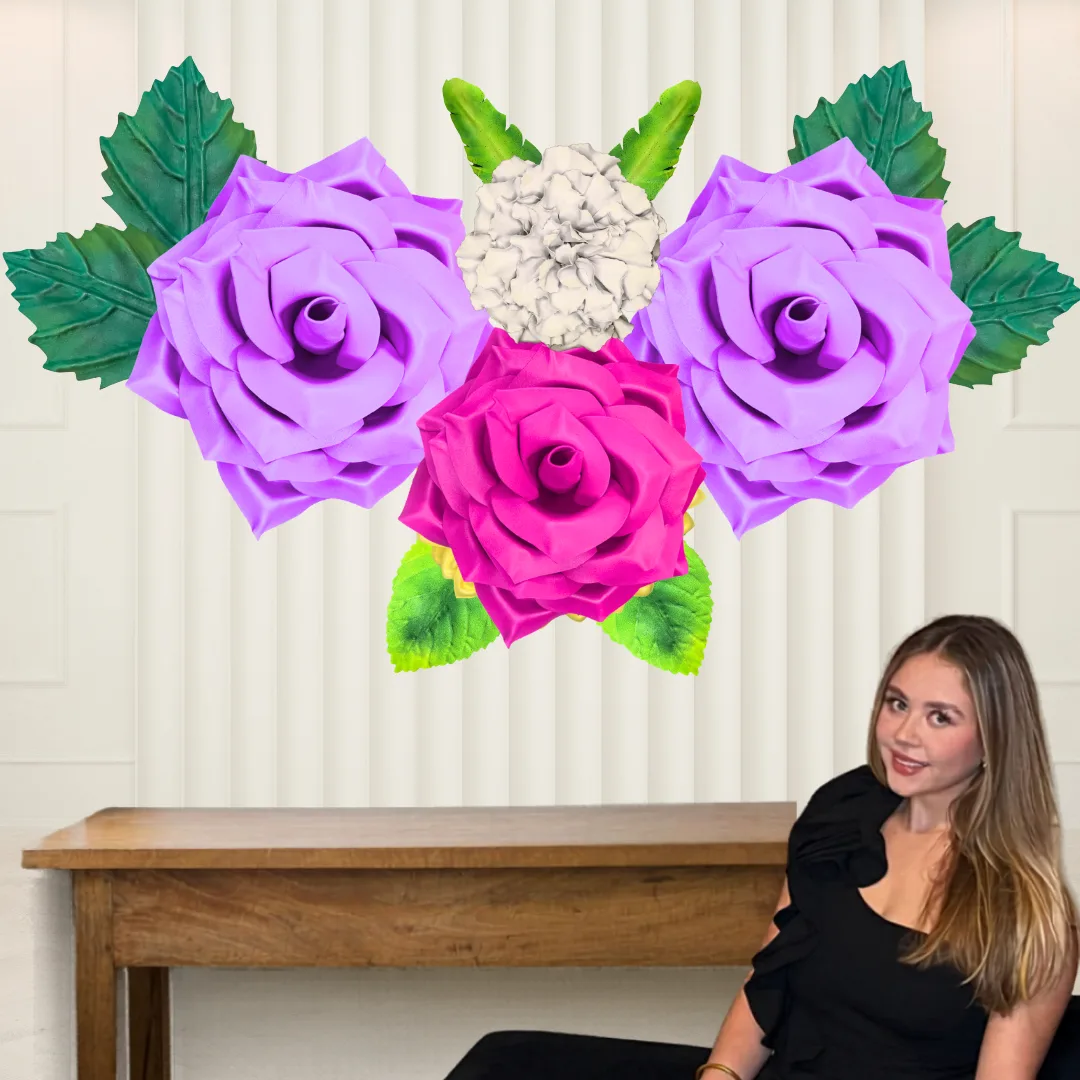
Ok, let me just say it: if you're brand new, start with a rose mold. Full stop. I've taught this to hundreds of crafters and the rose is consistently the most forgiving, most versatile, and most satisfying first flower to make.
The rose petal has a naturally curved, slightly irregular shape. That means small imperfections in your pressing or shaping actually look intentional. Real roses aren't perfect either — and that works in your favor when you're still learning.
Rose petals also come in a range of sizes within one bloom, which means you get to practice small, medium, and large petal shaping all in one project. By the time you finish your first rose, you've genuinely learned a lot.
For foam flower crafters: rose molds pair beautifully with our EVA foam sheets. You heat the foam, press it into the mold, and the petal holds its shape almost immediately. The rose's rounded petal edges are easy to curl with a ball tool or even your fingers.
For cake decorators and sugar artists: gumpaste roses are a classic for a reason. The petal vein detail from the mold gives you that realistic texture without any extra work. And because rose petals are thicker and sturdier than, say, lily petals, they're more forgiving if your gumpaste is slightly too thick or too thin.
💡 Pro Tip
When making your first foam rose, don't stress about getting every petal identical. Real roses have slight variations in petal size and curl — lean into that. It's what makes handmade flowers look handmade (in the best way).
What Can You Make With a Rose Mold?
Honestly, the list is long. Wedding arches, DIY flower backdrops, birthday centerpieces, cake toppers, bridal shower decorations — roses fit everywhere. If you want to explore more backdrop ideas, check out our post on bridal shower backdrop ideas using giant flowers.
I love peonies. They are lush and romantic and they photograph like a dream. One of my brides once told me her peony foam flower arch made her cry when she saw it — and that memory is everything to me. But here's the honest truth: peonies are not the best starting point for beginners.
Peonies have a LOT of petals. A full, lush peony bloom can require 40–60 individual petals layered in multiple rings. Each ring has slightly different petal shapes and sizes. That's a lot of pressing, a lot of shaping, and a lot of assembly before you see a finished result.
The inner petals are also smaller and more ruffled, which requires more precise shaping. If you're still getting comfortable with how your foam or gumpaste behaves, those tiny inner petals can be really frustrating.
Once you've made two or three roses and you understand how petal layering works, the peony becomes so much more approachable. You're not learning a new skill — you're applying the same skills with more petals and more layers. That's a very different experience.
Peonies are also incredible for large floral centerpieces and event displays once you've got the technique down. Worth the wait.
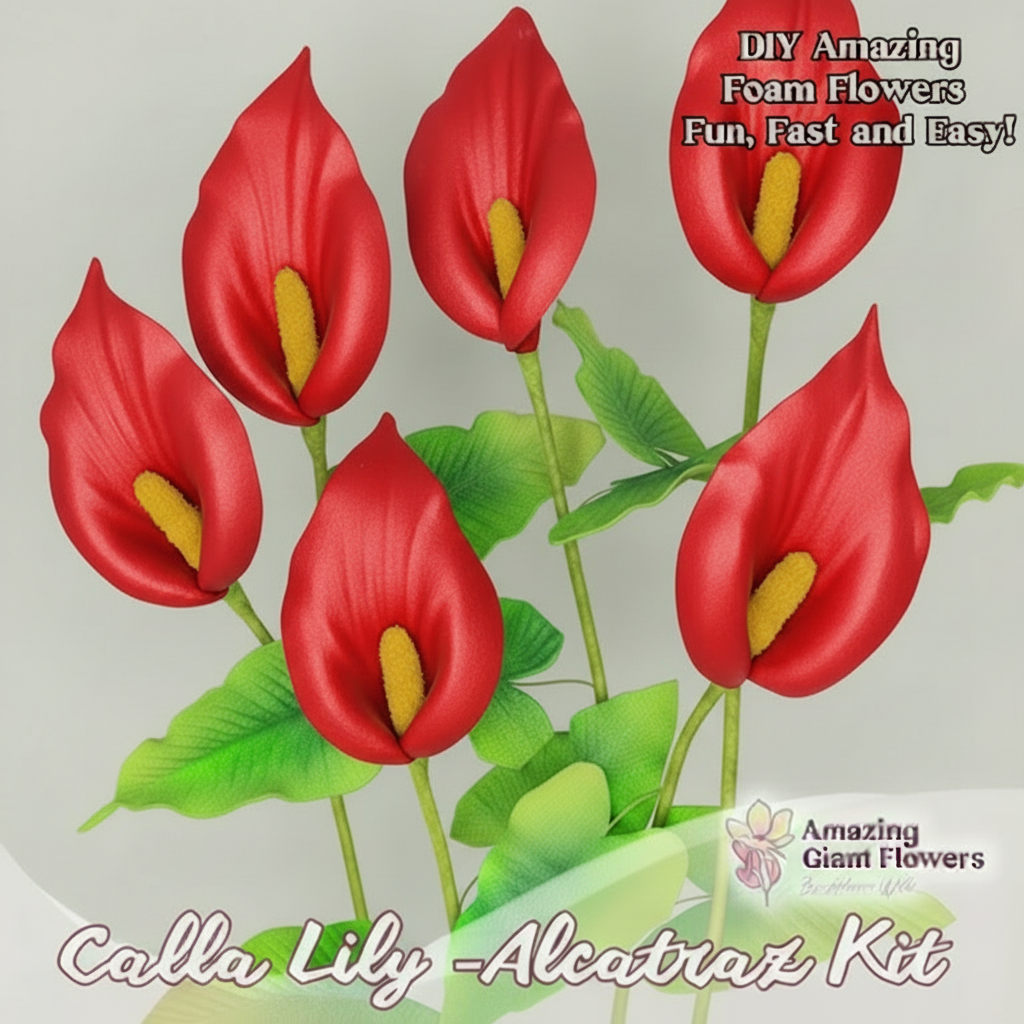
Lilies are interesting because they look simple — only 6 petals! — but they actually require a fair amount of precision. Each petal is long, pointed, and very visible in the final bloom. There's nowhere to hide a wobbly edge or an uneven curl.
If you're naturally detail-oriented, patient, and you love clean, graphic shapes — you might actually thrive with a lily mold as your first choice. Some crafters find the simplicity of 6 petals less overwhelming than the 40+ petals of a peony.
For sugar artists and cake decorators especially, lilies are a classic showpiece. The long, elegant petals look incredible on tiered cakes, and the mold detail gives you beautiful vein texture automatically.
The Lily's Biggest Challenge for New Crafters
The thinness. Lily petals are naturally delicate, and to look realistic, they need to be pressed thin — especially toward the edges. In foam, this means you need good heat control. In gumpaste, it means your paste needs to be rolled very evenly. Both of these are learnable skills, but they take a little more practice than rose petals do.
💡 Pro Tip
If you're working with EVA foam and a lily mold, check out our guide on heat gun techniques for shaping foam flower petals. Getting your heat control right makes a huge difference with longer petals like lily.
Rose vs. Peony vs. Lily: Side-by-Side Comparison
Let me lay this out visually so you can see it all at once. This is basically the cheat sheet I wish someone had handed me when I started.
| Feature | Rose | Peony | Lily |
|---|---|---|---|
| Beginner Difficulty | ⭐ Easy | ⭐⭐⭐ Intermediate | ⭐⭐ Easy-Moderate |
| Approx. Petals Per Bloom | 15–30 | 40–60 | 6 |
| Forgiveness of Imperfections | High — natural variation looks intentional | Medium — volume hides flaws but ruffles are tricky | Low — each petal is prominent |
| Works for Foam Flowers? | Yes ✅ | Yes ✅ | Yes ✅ |
| Works for Sugar/Gumpaste? | Yes ✅ | Yes ✅ | Yes ✅ |
| Best For | All events, backdrops, cakes | Wedding arches, lush displays | Elegant cakes, tropical themes |
| Assembly Time (Approx.) | 45–90 min per bloom | 2–4 hours per bloom | 30–60 min per bloom |
| Our Recommendation | Start here 🌹 | Project #2 or #3 | Great if you love detail work |
What to Look for in Any Beginner Flower Mold
📺 Watch our step-by-step tutorial: How to Make a Giant Rose
Beyond just the flower shape, there are a few things I always tell new crafters to look for when they're shopping for their first mold. These things matter more than most people realize.
Double-Sided Design
Our flower molds are double-sided — meaning you get both the front petal texture AND the back vein detail in one mold. This is huge. Single-sided molds only give you texture on one face, which looks flat and unfinished when you're working with translucent materials like thin gumpaste or light-colored foam.
Food-Safe Compatibility
If there's even a chance you'll ever want to make sugar flowers or use these for cake decorating, make sure your mold is food-safe compatible. Our molds are — which means you can use them for both your foam crafting projects AND your cake decorating work. That's real value for a beginner who's still figuring out which direction they love most.
Reusability
A good mold should last you hundreds of uses. I still have molds from when I first started this business that are going strong. Look for flexible, durable materials that release cleanly without tearing your petals — especially important when you're new and still figuring out the right pressure.
🌸 Ready to find your first mold?
Browse our full flower mold collection — designed for both foam crafters and cake decorators, and built to last.
Getting the Most From Your First Mold: Beginner Tips
Real talk — even the perfect mold won't do all the work for you. Here are the things I wish someone had told me before I pressed my very first petal.
- Practice on scraps
Ready to Create Something Amazing?
Browse our collection of giant flower kits and start your next project today.