
A Crafter's Guide to Upholstery Foam Cutters

Achieving clean, professional edges on thick foam is simple with the right tool. An upholstery foam cutter, such as an electric hot knife or a dedicated foam saw, is designed to give you precise cuts every single time. It's the secret to making everything from custom cushions to intricate giant flower petals look flawless, elevating your craft from homemade to high-end.
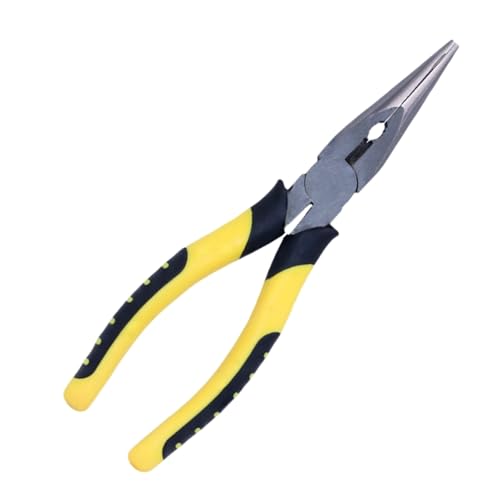
Before diving into your next project, assembling the right toolkit is the first step toward a perfect outcome. This isn't just about grabbing supplies; it's about choosing tools that deliver specific benefits and ensure a smooth, successful crafting experience.
The heart of your setup is the cutter itself. Your choice of a hot knife, a foam saw, or a manual blade depends on your project's scale and the specific type of foam you're using.
Choosing your main cutting tool is a critical decision. Each type offers unique advantages, so let's break down which one is right for your workshop. This comparison will help you select the ideal tool for your specific needs, whether you're creating detailed crafts or large-scale installations.
Ultimately, the right cutter is the one that matches the foam you use most.
The demand for custom foam work in furniture and event design has made these professional tools more affordable than ever. It's a growing field, with the global foam cutting machines market valued at approximately USD 1.5 billion in 2024. This growth is great news for creators, making high-quality equipment easier to find.
Your cutter is the star, but supporting tools are vital for a professional finish. These items help you achieve accuracy and protect both you and your workspace.
Once you have your upholstery foam cutters and these key accessories, a great way to practice your new skills is by learning how to make a couch cushion that looks like it came from a high-end designer.
Great foam work isn't just about the right cutter; it’s about setting yourself up for success. A well-prepared workspace is the foundation for achieving clean lines and accurate shapes. A little prep work goes a long way.
It all starts with your work surface. You need a big, flat area where your foam can lie completely level. Any instability will translate directly into your cut.
- Benefit: A stable surface, like a dedicated workbench or large dining table, ensures your cuts are straight and true. Even a clean floor can work for extra-large pieces.
Creating a Secure Cutting Zone
Once you have your spot, you need to protect it. A self-healing cutting mat is the gold standard here. It not only saves your table from damage but also helps keep your blades sharp.
If your project is bigger than your mat, a large piece of cardboard or a spare sheet of MDF can serve as a sacrificial layer. This provides a safe, oversized cutting area so you can focus on your lines.
This is where your project takes shape. A fine-tipped permanent marker is your best choice; it glides effortlessly and provides a clear line to follow. Here are a few reliable methods for transferring your designs:
A lesson I learned the hard way: always double-check your measurements before you draw that final line. The old "measure twice, cut once" rule is especially true for foam, since mistakes are hard to fix and can get expensive. A flexible tailor's tape is perfect for measuring around curves.
Following these steps builds the foundation for a polished result. To see some of these techniques in action, find more tips in our guide on the best way to cut foam.
With your workspace ready, it’s time for the fun part. This is where technique and the right tool come together to create graceful lines and clean edges. How you handle the cutter is just as crucial as the tool itself.
To guide the cutter effectively, find a consistent, steady speed.
This classic "measure, mark, cut" process is your best friend for achieving precision.

Sticking to this simple sequence every time will help you achieve consistent, high-quality results.
Once you master straight lines, it’s time to learn the techniques that elevate a project. The demand for this level of precision is huge—Europe’s foam cutting market is valued at over 184 million USD, which shows just how many industries rely on flawlessly shaped components.
Here are a few techniques that deliver high-end results:
The real game-changer with these methods is the control you gain. Once you get a feel for manipulating the blade angle and your cutting speed, you can create almost any shape you can dream up. You're no longer limited by what the tool can do on its own.
Long, sweeping arcs and tight corners become easy with the right approach. The secret is to use your whole body, not just your wrist. When cutting a long curve, position your body so you can move your entire arm in one smooth, continuous motion.
For tricky inside corners, follow these steps for a perfect outcome:
If you’re working with digital patterns, it also helps to understand how these shapes are designed. For more on that, you can check out our guide on using SVG files for your craft projects.
When working with any cutting tool, especially an electric one, safety must be a priority. Building good habits into your workflow allows you to focus completely on your project with confidence. These simple practices provide peace of mind and ensure a secure creative process.
Before plugging in your cutter, always equip yourself with the right safety gear. This is a non-negotiable step.
Your environment is just as critical as your personal gear. A well-organized space prevents accidents.
For a broader overview, this Contractor's Guide to Power Tool Safety is a fantastic resource. Proper blade handling and understanding your material, like cross-linked polyethylene foam, are also key parts of a safe workflow.
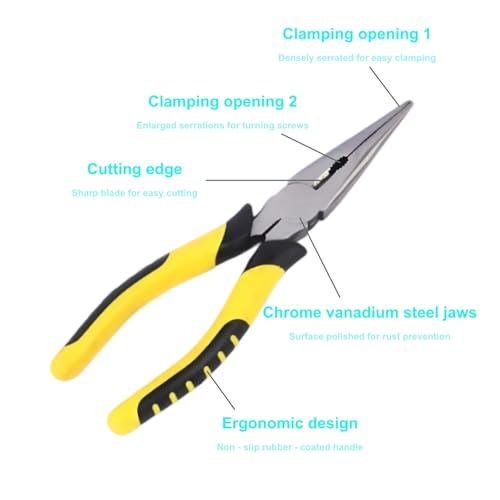
Even with careful preparation, you might encounter issues like a dragging blade, melted edges, or choppy curves. These challenges are easy to fix once you know what to look for. Think of this as your field guide to resolving common problems with upholstery foam cutters so you can get back to creating smooth, professional pieces.
A bad edge is the most frequent issue. A torn or jagged cut is usually caused by a dull blade or moving too quickly. A wide, gooey channel from a hot knife means the blade is too hot or you’re moving too slowly.
Here’s how to get clean edges:
- For Jagged Edges: Swap in a fresh blade. If tearing persists, slow down your cutting motion and ease up on the pressure. Let the tool do the work.
- For Overly Melted Edges: If your hot knife has a temperature dial, turn it down. If not, increase your cutting speed so the blade doesn't linger in one spot.
When Your Blade Drags or Sticks
A blade that starts to stick mid-cut ruins your rhythm. This is almost always due to a dirty blade, the wrong temperature, or residue buildup. With standard knives, foam particles can gum up the blade. With hot knives, a temperature that is too low won't melt cleanly, while one that is too high can cause the foam to re-fuse behind the blade.
A sticky blade is a red flag. A clean, sharp, and properly heated blade should glide through foam with very little effort. If you feel like you have to push, stop and figure out what's wrong.
For a deeper dive into how foam density and composition can play a role, our guide on working with EVA block foam is a great resource.
Foam Cutting Troubleshooting Guide
Keep this quick-reference table handy in your workspace to instantly diagnose and solve common issues.
| Problem | Potential Cause | How to Fix It |
|---|---|---|
| Blade is sticking or dragging | The blade is dirty or has residue buildup. | Unplug the tool, let it cool completely, and wipe the blade with a soft cloth and rubbing alcohol. |
| Curves look jagged or blocky | You're moving the tool from your wrist, not your whole arm. | Guide the cutter using your entire arm and shoulder in one smooth, sweeping motion. Practice on scrap pieces first. |
| Foam is bunching up in front of the blade | Your blade is dull, or you're pushing the tool too fast. | Put in a new blade. Let the tool's speed or heat do the cutting for you and just guide its path. |
| Burn marks or brown residue on foam | The hot knife is set too hot for the specific foam you're using. | Turn the temperature setting down. If it's a non-adjustable tool, you'll need to increase your cutting speed. |
With these tips, you can quickly identify the root cause of any issue. A little practice on scrap foam goes a long way.
Your Top Questions About Foam Cutters, Answered
Diving into a new project with a tool like an upholstery foam cutter can bring up some questions. Getting the fundamentals right from the start will help you achieve the professional results you're after. Let's tackle some of the most common queries.
What's the Best Foam Cutter for a Beginner?
For beginners, an electric hot knife is an excellent choice. It offers a great balance of price, control, and performance for small to medium-sized projects.
- Use Case: Ideal for making giant flower petals or cutting a custom cushion for a window seat.
- Benefit: A hot knife provides a level of precision that's difficult to achieve with a manual knife on thick foam. They are less intimidating and easier to handle than a large foam saw, making them perfect for achieving clean cuts without a steep learning curve.
Can I Cut EVA Foam With an Upholstery Cutter?
Yes, absolutely! This is one of the best reasons to add a quality cutter to your toolkit. Most tools designed for upholstery foam, especially electric hot knives and foam saws, work beautifully on EVA foam. For many crafters creating cosplay armor or props, a hot knife is the go-to tool.
Here’s why it’s a game-changer for EVA foam:
- Sealed Edges: The hot blade melts and seals the cut edges instantly, creating a smoother, more durable finish that is easier to glue and paint.
- Precision for Details: The fine control you get with a hot knife is perfect for carving out the intricate details and complex curves that make a project stand out.
The one non-negotiable rule is to work in a well-ventilated area to handle any fumes produced by the heated foam.
"I was hesitant to use my upholstery cutter on my first EVA foam project, but the results were a game-changer. The sealed edges made finishing so much cleaner and more professional. It’s a must-have tool now."
How Do I Keep the Foam From Melting Too Much?
A gooey, melted mess is a common issue, but it's an easy fix. It usually means the blade is too hot or you’re moving too slowly. Here are clear steps to get it right:
- Start Low: If your hot knife has an adjustable temperature, always start on a low setting.
- Test Cut: Use a scrap piece of foam to do a test cut.
- Adjust as Needed: Slowly increase the heat until you find the perfect temperature that cuts cleanly without creating a wide, melted channel.
If your tool has no temperature controls, your focus should be on maintaining a steady and consistent cutting speed. If you see the foam melting too much, that's your cue to speed up your motion.
Ready to bring your creative visions to life with flawless, professional-looking foam creations? Explore the DIY kits, supplies, and educational resources at Amazing Giant Flowers to find the perfect tools and inspiration for your next project. Transform your events and crafts today by visiting https://www.amazinggiantflowers.com.
Ready to Create Something Amazing?
Browse our collection of giant flower kits and start your next project today.