Inspiring Wedding Ceremony Arch Flowers for 2026

You’re probably staring at saved photos of floral arches that look effortless, then looking at your venue notes, weather forecast, and budget spreadsheet and wondering how any of it turns into something practical.
That tension is normal. Wedding ceremony arch flowers sit right at the intersection of style and logistics. They’re front and center during the vows, they show up in nearly every ceremony photo, and they can become one of the trickiest décor decisions because every choice affects something else. Go bigger on coverage and the flower count climbs fast. Choose delicate fresh blooms and outdoor timing gets tighter. Pick a dramatic design without thinking about setup, and the day can get stressful in a hurry.
The couples and planners who handle this well usually stop chasing every idea at once. They narrow the decision to one core question first. What material is carrying the look?
That choice usually lands in one of three paths:
- Fresh flowers for natural texture, scent, and a classic ceremony feel
- Silk flowers for flexibility, reuse, and lower setup pressure
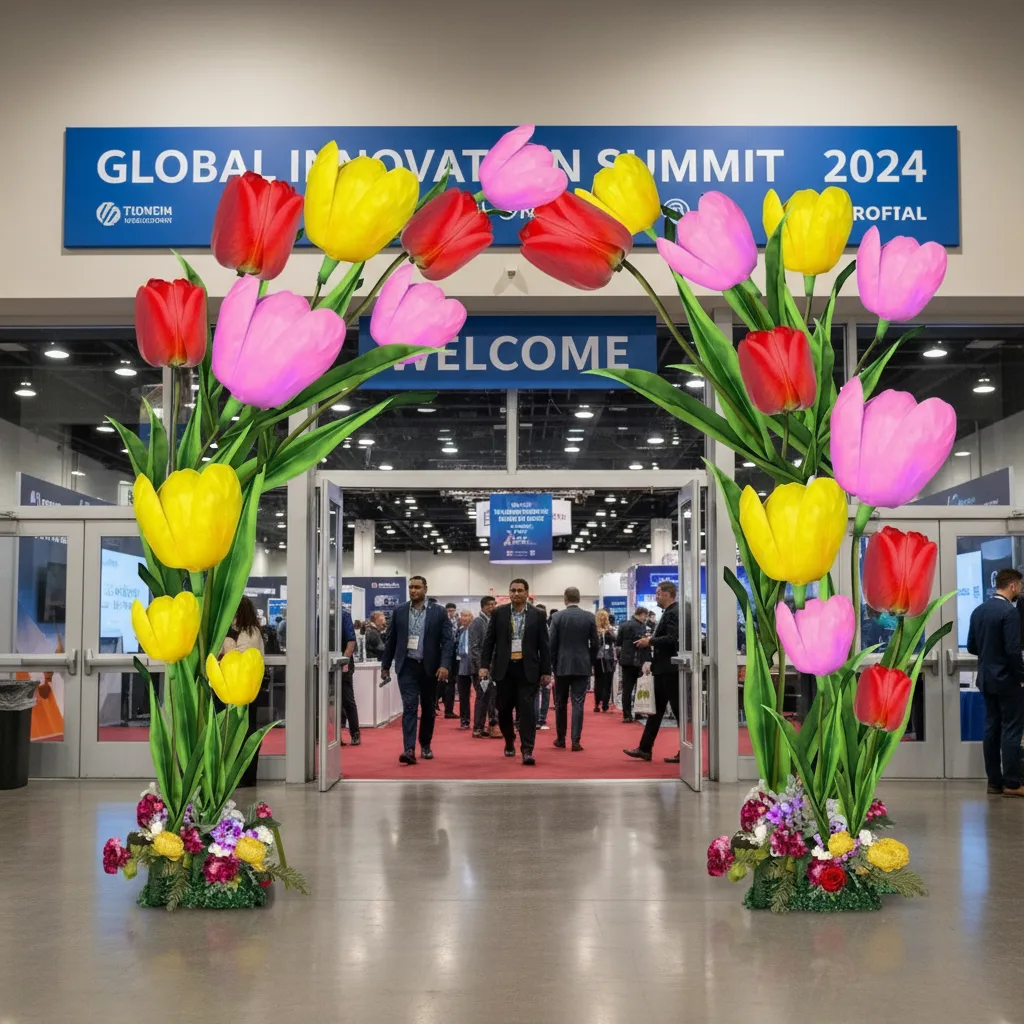
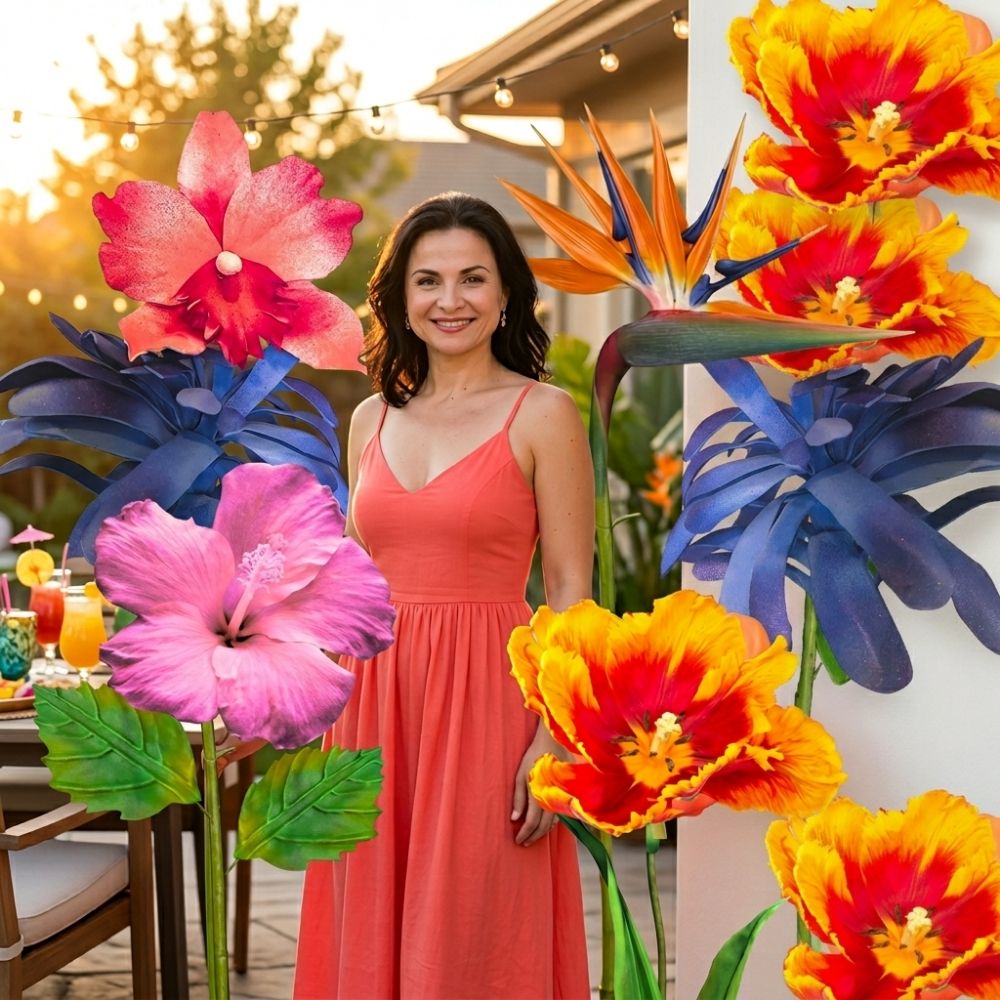
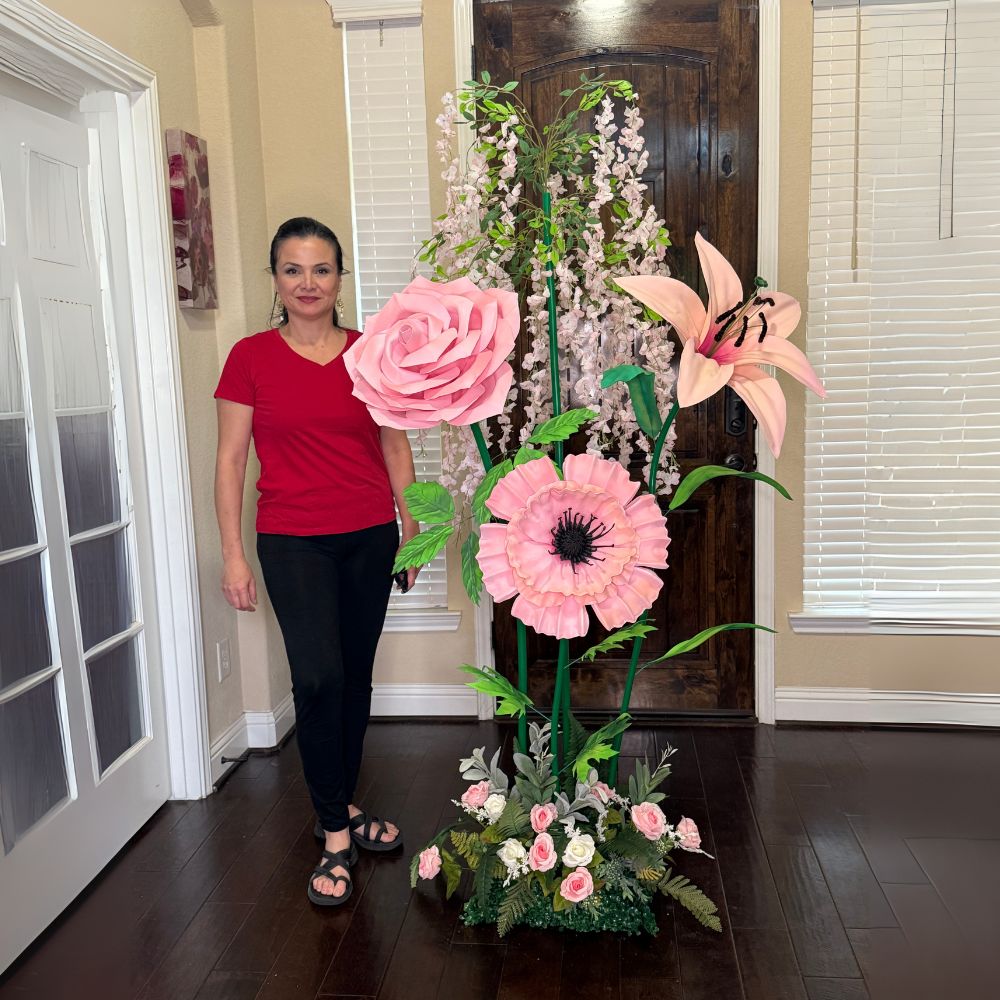
- Giant EVA foam flowers for graphic scale, strong photo impact, and a DIY-friendly route
Once that’s clear, the rest gets easier. Shape, coverage, mechanics, timing, and budget all start to line up.
A good arch doesn’t just look beautiful in a close-up. It has to read from the aisle, survive the ceremony window, work with your venue backdrop, and feel proportional to the couple standing under it. That’s why I’d rather see a clean, intentional design than an overloaded one that fights the setting.
If you need visual direction before locking the details, browse a range of large-scale floral installs in this commercial floral portfolio. It helps to see how different materials change the mood of a backdrop without relying on the same wedding references over and over.
Most couples don’t start with a technical brief. They start with one screenshot. Then another. Then a dozen more that somehow mix a garden ceremony, a beach wedding, and an indoor ballroom.
That’s where the overwhelm begins. One image shows a fully wrapped arch in premium blooms. Another shows a loose asymmetrical spray with lots of negative space. A third has giant flowers that look editorial and playful. All are beautiful. Not all belong at the same venue, in the same weather, or at the same price point.
The real problem isn’t taste
The problem is that inspiration photos hide the trade-offs. They rarely tell you:
That’s why the cleanest planning approach is to decide your material family before you obsess over flower varieties.
Practical rule: If you choose the material first, most of the styling decisions stop fighting each other.
A fresh flower arch behaves differently from a silk arch. A silk arch behaves differently from giant EVA foam flowers. Each one changes the labor, the weather tolerance, the prep window, and the overall visual effect.
Use this as your first filter.
Here, many plans get back on track. Instead of trying to force every trend into one installation, you build around what the arch needs to do.
A strong wedding arch usually does three jobs at once:
What doesn’t work is treating the arch like a separate Pinterest moment. If the venue already has a view, a lake, a historic doorway, or a dramatic altar line, the arch should support that scene, not block it. If the space is plain, then the arch can carry more visual weight.
That’s the shift that makes planning easier. You’re not just picking pretty flowers. You’re building a ceremony focal point that has to perform.
Style comes before stems. Once you know the look you want, you can avoid paying for floral density you don’t need or choosing a structure that fights your venue.

According to Zola’s guide to wedding arch pricing and design, the arch structure alone often starts at $75 to $125, and one notable design shift is the deconstructed floral arch, which moves away from dense symmetry toward asymmetrical, naturally inspired placement. That matters because design style directly affects material use and labor.
Pick the shape before the flowers
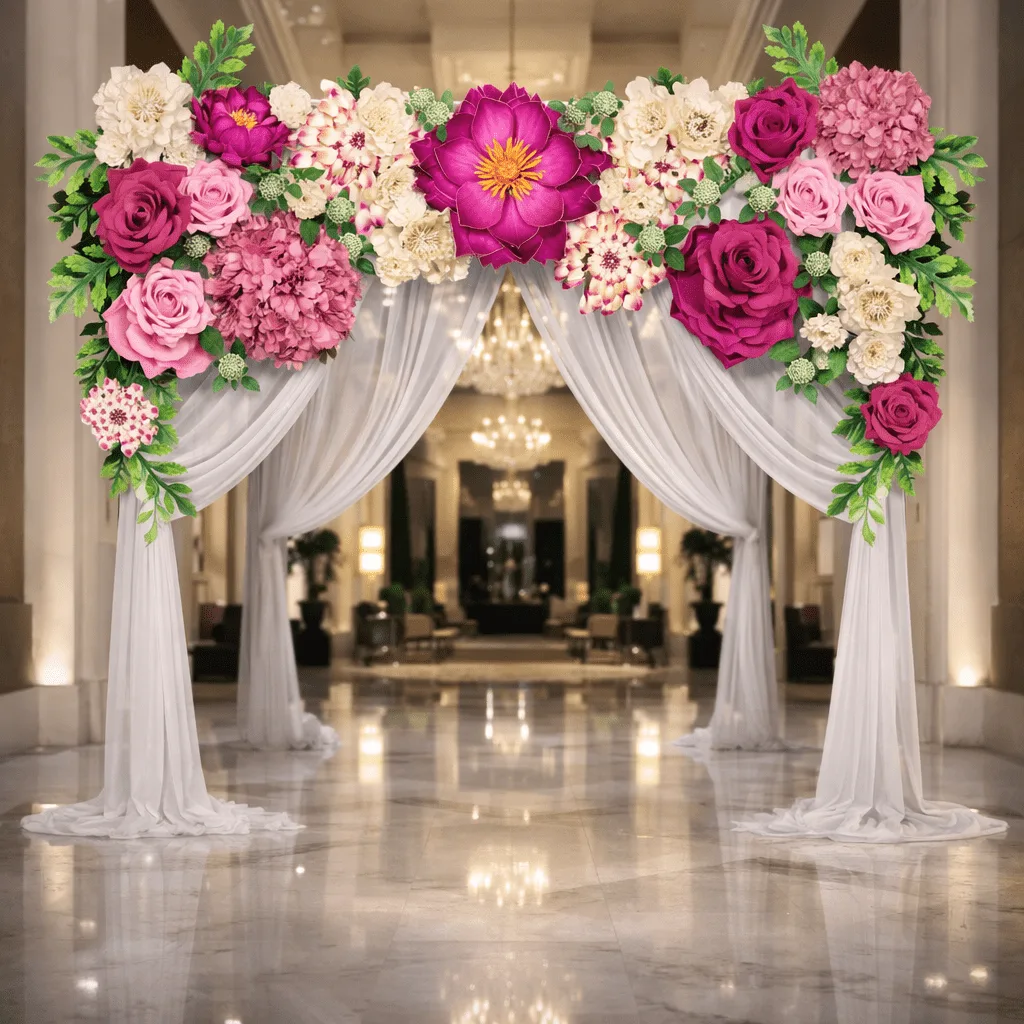
Start with the frame. The most common options each tell a different story.
A rustic wooden arch with loose greenery feels right in a barn or vineyard setting. A slim metal hoop with clustered flowers suits a city rooftop or gallery venue. A geometric arch can look striking, but only if the rest of the ceremony styling is disciplined.
Coverage density changes the tone more than couples expect. Think in broad categories:
Dense doesn’t automatically mean better. Some of the strongest ceremony arches leave part of the frame exposed so the shape can do its job.
If the venue backdrop is already busy, heavy floral coverage can make the ceremony area look crowded. If the venue is stark or neutral, then fuller coverage can help the arch carry the scene.
Color should connect the arch to the environment, not float above it. That usually means using one of these approaches:
For giant flower projects, color matching becomes even more important because large forms read instantly in photos. If you’re assembling oversized elements yourself, these wall flower kits can help you test scale and palette before you commit to a full ceremony installation.
Here are combinations that tend to work:
The smartest arch style is the one that still looks good when guests are seated, wind picks up a little, and photos are taken from the back row.
This is the decision that shapes everything else. Not just the look, but the schedule, the handling, the allergy risk, the chance to reuse pieces, and whether the arch can be built ahead of time without stress.

For outdoor installs, Estelle Bridal’s floral arch guide notes that sturdy flowers such as roses and carnations can last 4 to 6 hours in direct heat, while delicate blooms may last only 2 to 3 hours. The same source notes that high-quality artificial blooms can be installed 24 to 48 hours in advance without visual deterioration. That single difference changes the working day dramatically.
Fresh flowers give you the texture people instinctively recognize. They move naturally, photograph beautifully in close-up, and they bring scent into the ceremony space.
They also ask the most from your timeline.
Best for:
- Traditional weddings
- Indoor ceremonies
- Couples who care most about natural texture
- Designs where floral realism matters at very close range
Benefits
Pain points
If you go fresh, keep the recipe practical. Use durable flowers for the exposed parts of the arch and save delicate blooms for focal areas with less sun and wind.
Silk flowers sit in the middle. They can look convincing from ceremony distance, they’re easier to prep ahead, and they remove some of the day-of panic.
They work especially well when you want a romantic floral look but don’t want every decision tied to perishability.
Silk makes sense when:
This is also where smaller styling details become easy to manage. For aisle styling, table scatter, or post-ceremony repurposing, a small accessory like white rose petals for weddings can help carry the floral look without introducing more fresh material on the day.
Artificial flowers remove one of the biggest stress points in weddings. The countdown clock between installation and ceremony.
Giant EVA foam flowers are not trying to impersonate fresh flowers at close range. Their strength is different. They create scale, drama, clear silhouettes, and a memorable backdrop that reads from far away.
They’re useful when the arch needs to do more than frame vows. For example, when it also needs to serve as a guest photo area, ceremony focal point, or reusable display piece.
Where giant foam flowers shine
- Outdoor ceremonies with uncertain weather
- Venues where setup happens well before guest arrival
- Couples who want a stylized editorial look
- DIY builds where transport and reuse matter
Why planners choose them
The gap in many wedding flower guides is allergy planning. Some guests are highly sensitive to pollen and scent, and artificial options can solve that without making the ceremony look bare. Giant flowers are especially useful here because they add volume without adding airborne irritants.
If you’re building large flowers yourself, EVA foam flower materials give planners and makers a route to custom colors, oversized petals, and structured installations without relying on fresh floral timing.
The right choice comes down to what failure you’re trying to avoid. Wilting. Setup stress. Flat visuals. Allergy concerns. Once you know that, the answer is usually obvious.
A floral arch can look balanced in your sketch and still fail on site if the scale is off. Most installation problems come from two issues. The flowers are too small for the frame, or the attachment method was treated as an afterthought.

Wild Blossoms Studio’s arch planning guide points out a budgeting detail planners learn quickly on large installs: a 6-inch diameter post needs substantially more flowers to cover than a 2-inch post, because the flower requirement scales with the surface area being wrapped. The same source recommends requesting material specifications from vendors at least 3 months prior to the event.
Measure the frame like an installer
Don’t stop at height and width. Record:
That last point is where budgets go sideways. A design that covers only the top corner and one lower side behaves very differently from a fully wrapped arch.
Here’s the practical sequence:
Slimmer structures often give better value. You get a fuller visual result with less material fighting to cover the frame.
This is one reason oversized foam flowers can be so efficient on a ceremony arch. They occupy visual space quickly, especially on taller frames where smaller flowers disappear from the back rows.
Fresh, silk, and foam don’t attach the same way.
For fresh flowers
For silk flowers
For giant foam flowers
If you’re building custom forms or oversized floral sweeps, bendable pipes for giant flower structures are useful for shaping arches, side sprays, and freestanding mechanical support.
A visual walkthrough helps here before the build gets complicated:
A few common mistakes show up again and again:
Set the frame up early if possible, even in a garage or studio. Step back. Take phone photos from ceremony distance. That one test catches proportion mistakes fast.
The costing of wedding ceremony arch flowers begins, turning abstract ideas into concrete line items. The structure, the material, the install labor, the flower density, and the timing all have a cost attached.

According to The Knot’s wedding flower cost data, the average cost for wedding flowers reached $2,723 in 2025, up from $2,000 in 2019. The same source notes that luxury floral arch installations can range from $3,000 to $8,000. That’s why arch planning needs to happen early, not as a last decorative add-on.
Know what you’re actually paying for
The arch quote usually includes more than flowers. It can involve:
A quote can look high until you realize the team isn’t just bringing stems. They’re building a temporary installation that has to look finished from every angle and hold up through the ceremony.
Cost control doesn’t mean shrinking the vision. It means putting the money where guests and cameras will notice it most.
The fastest way to overspend is paying for floral coverage no one will remember. Guests remember shape, color story, and focal impact.
When asking for quotes, send vendors a concise brief with:
Also be honest about your top priorities. If your goal is a dramatic silhouette in photos, that may point toward silk or giant flowers. If your goal is traditional floral scent and natural texture, fresh flowers may deserve the larger share of the budget.
Local florist Best when you want fresh flowers, regional sourcing, and professional install support.
Rental and silk décor provider Best when you need flexibility, earlier setup, or décor that can move from ceremony to reception.
DIY or custom oversized flower studio Best when you want a statement arch, stylized visuals, or reusable elements you can keep or repurpose.
The right budget decision isn’t the cheapest line item. It’s the one that solves the most problems at once.
DIY Arch Kits and Day-Of Staging Secrets
DIY works best when you’re simplifying the right part of the project. It doesn’t work when couples try to recreate a florist-level fresh install at the last minute with no prep space and no mechanics plan.
A kit-based approach is different. You’re building with repeatable materials, predictable structure, and enough lead time to adjust scale, color, and composition before the wedding day.
For oversized floral styling, a kit gives you something many wedding purchases don’t. Control.
You can build in stages, test the layout against the frame, pack sections carefully, and avoid the race against wilting. That’s especially useful for planners, creative couples, and production teams that want a strong visual result without relying on fresh installation windows.
One practical option is using DIY giant flower kits for arch clusters, side installations, or a ceremony backdrop that later becomes a guest photo area. The appeal isn’t just cost. It’s that the pieces can be assembled ahead of time and styled with intention.
Day-of staging that improves every photo
The arch can be beautifully made and still underperform if it’s staged badly. A few adjustments matter a lot.
- Face the best light: Soft side light usually flatters both the couple and the flowers better than harsh overhead sun.
- Check the background: Remove distracting signs, cords, bins, and service doors from the frame.
- Leave breathing room: Don’t crowd the arch with too many aisle props if you want clean ceremony photos.
- Test standing positions: Make sure the officiant and couple don’t block the floral focal point.
Small moves that create a bigger result
A few insider habits help:
- Build the arch so the strongest floral moment sits slightly above shoulder level in photos.
- Keep the center opening clean enough that faces don’t disappear behind blooms.
- If the arch is dramatic, let it be dramatic. Don’t stack competing décor around it.
- Turn the installation after the ceremony if needed, so guests can use it as a selfie station.
A wedding arch should work twice. First for the vows, then for guest photos.
That second life is where giant flowers do especially well. They hold their shape, read clearly in phone photos, and keep the backdrop feeling intentional long after the ceremony ends.
If you want a wedding arch that feels custom without becoming a day-of headache, explore Amazing Giant Flowers for oversized floral installations, custom builds, and kit-based options that suit ceremonies, photo backdrops, and reusable event décor.
Ready to Create Something Amazing?
Browse our collection of giant flower kits and start your next project.
Shop All Flowers