Amazing Giant Flowers by Adriana Wells

Window Display for Spring: Your Guide to Giant Floral Art

Adriana Beaman April 14, 2026 16 min read
Window Display for Spring: Your Guide to Giant Floral Art

Late winter windows have a familiar problem. The glass is clean enough, the products are back on the risers, and maybe a few pastel props are in place, but the whole storefront still feels flat.

That’s usually where spring displays go wrong. They acknowledge the season without creating any reason to stop. A strong window display for spring needs to do more than signal “new collection.” It needs scale, depth, and a focal point that reads from across the street.


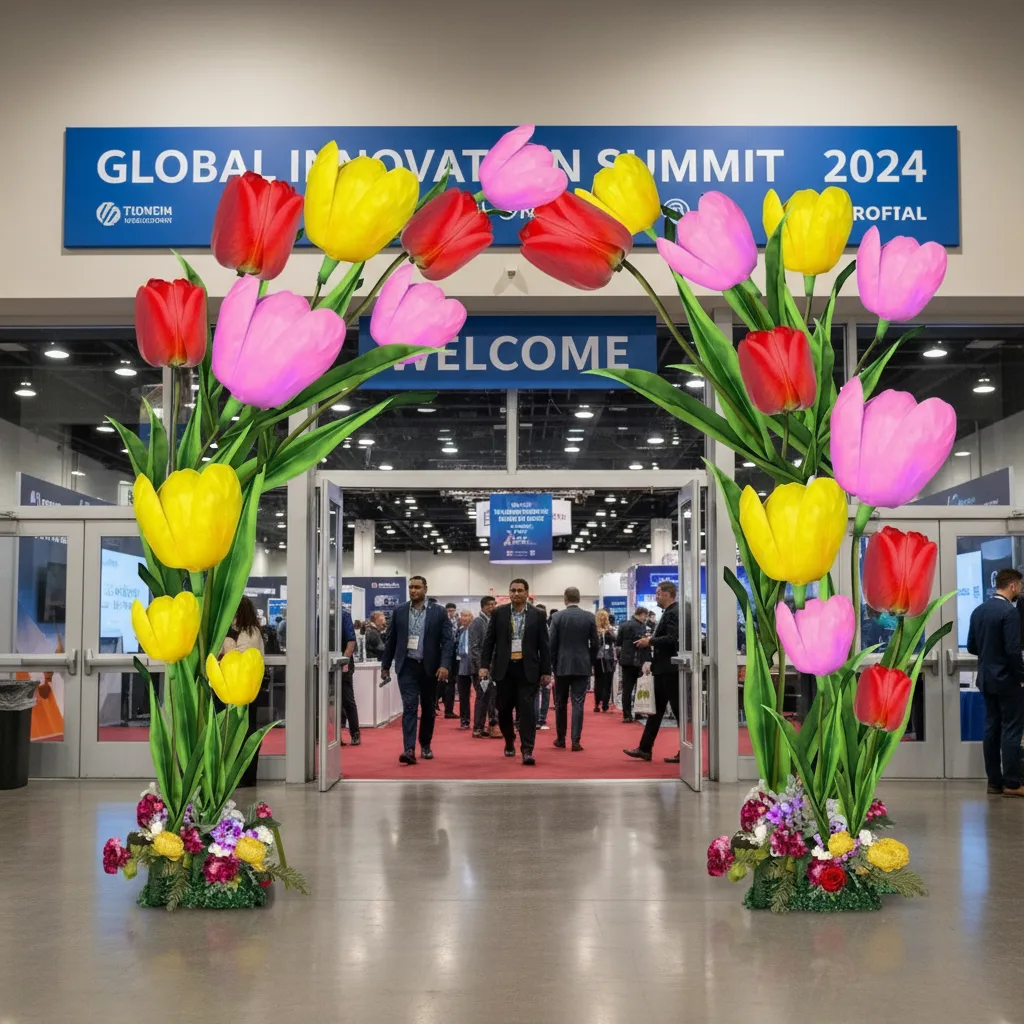
Oversized florals solve that fast. They bring color, movement, softness, and shape in a way small bouquets and paper garlands rarely can. They also give you something many spring displays miss: a reusable visual asset that can be adapted for promotions, launches, selfies, and themed product stories without rebuilding the whole window every few weeks.

The practical advantage matters just as much as the visual one. In high-traffic retail, temporary materials often wrinkle, fade, droop, or look tired long before the season is over. Durable giant flowers made for repeat use hold their form better and make the labor you put into styling worthwhile.

From Dreary to Dreamy The Power of a Spring Window

A post-winter storefront often has two issues at once. It looks visually heavy, and it doesn’t offer a clear emotional hook.

Spring is the reset. Shoppers are ready for freshness, color, and signs of movement. Your window should reflect that shift immediately, starting with the glass itself. Before styling anything, make sure visibility isn’t being sabotaged by haze, streaks, or winter residue. If your exterior needs attention, this guide on a good spring cleaning for your windows is a practical place to start.


A young woman in a denim jacket looking into a store window featuring a rustic floral display.

Once the glass is working for you, the next move is scale. Small florals can look pretty from the sidewalk only if the viewer is already close. Giant blooms read at distance. They create a silhouette first, then reveal detail as people approach.

What changes a window from seasonal to memorable

A spring window works when it gives the eye an order to follow:

A window doesn’t need more items. It needs a clearer point of view.


If you need visual references before sketching your own concept, this collection of retail inspiration is useful: https://www.amazinggiantflowers.com/blogs/news-amazing-giant-flowers/retail-window-display-ideas

Good spring windows usually start long before any stem is mounted. They start with a tight concept.


That matters because window displays can influence purchase decisions up to 24% of the time, and spring nature-led themes can lift foot traffic by 15-20% in urban high streets, according to seasonal retail display research. If the display has that much influence, vague ideas cost you.

Pick a single visual direction and protect it. These are the spring concepts that consistently translate well into oversized florals:


A theme should answer three questions:

A dress boutique might choose ranunculus for softness and layered petals. A cosmetics retailer might want cleaner tulip lines. A gift shop may benefit from mixed bloom shapes because the assortment is more eclectic.


Pinterest is useful, but don’t stop at “pretty ideas.” Turn the board into decisions.

Include:


Then reduce. If the board has three unrelated moods, your final window will too.

Here’s a common use case. A boutique owner launching a spring apparel line in blush, cream, and blue might choose custom-colored ranunculus with Texas bluebonnets to echo the collection without making the display literal. The result feels branded rather than generic.

Translate the idea into a practical plan

Many teams become stuck here. They know the mood but not the build.

Use a simple planning grid:


If you want examples of how others translated ideas into finished pieces, browse https://www.amazinggiantflowers.com/blogs/customer-inspiration-projects

Practical rule: If you can’t explain your concept in one sentence, it’s still too loose to install.


The biggest sourcing mistake in spring visual merchandising is choosing a method that doesn’t match your timeline, labor, or environment.

A lot of displays fail because the concept was fine but the execution path was wrong. A hands-on maker with prep time can get excellent results from kits. A retail team with a launch date, staff limits, and multiple locations usually needs something more turnkey.


A split image showing a pink hat with craft supplies and an abstract sculpture with geometric shapes.

A practical concern sits underneath that decision. Weather can ruin fragile spring setups, and durable alternatives like EVA foam giant flowers are a better fit for rainy seasons and low-maintenance use. The same source notes that oversized installations boosted foot traffic by 25% via Instagram shareability in 2025 retail analytics, making durability and scale part of the traffic strategy, not just the styling strategy, as noted by Creoate’s spring window display article.

When DIY kits make sense

DIY is the right path when you want control, reuse, and a lower barrier to creative experimentation.

Choose kits if you have:


DIY works especially well for:

If you’re exploring that route, this collection shows the format clearly: https://www.amazinggiantflowers.com/collections/diy-giant-foam-flower-kit


What DIY does well:

Where DIY gets difficult:


Custom work suits teams that need speed, polish, or brand precision.

This is the better path when your window has to coordinate with a campaign, store opening, mall event, or press moment. It’s also the safer choice when color matching matters. Pastel is not one color. Blush, shell pink, peach-rose, and ballet pink all read differently against merchandise and glass reflections.

A custom installation is usually the right answer for:

  • Flagship windows
  • Multi-store campaigns
  • Brand activations
  • Luxury merchandising
  • Displays that need exact color matching and measured fit

Amazing Giant Flowers offers custom oversized floral installations with free quote and mockup options, color matching, and made-to-measure builds. That’s useful when a visual team has a concept but needs the flowers built to suit a specific window, palette, or promotion.

Here’s a quick side-by-side view:


If your team wants to see how large flower assembly works before deciding, this walkthrough helps:

If you’re torn, use this checklist:


A strong spring window isn’t built by filling empty space. It’s built by controlling sightlines.

The easiest way to lose impact is to place every flower on one plane. Flat displays read quickly and get ignored quickly. Layered displays pull the eye deeper into the scene and make the window feel larger than it is.


Expert guidance on spring retail design recommends hanging floral elements at 6-8 feet high and layering products at 3-4 vertical zones beneath them. It also notes that multi-level displays generate 23-40% longer customer engagement than single-plane layouts, according to Conzoom Solutions.

A five-step infographic showing the process for creating a spring window display using giant paper flowers.

Start with the focal point

Before you mount anything, stand across the street and choose the first thing people should notice.

That focal point is usually one of these:


Don’t compete with your own hero element. If the tulips are giant, keep the pedestal props quieter. If the products are colorful, choose flower tones that support rather than fight them.

The most reliable structure for a window display for spring is vertical zoning. Think top, eye level, mid-level, and base.


A practical build often looks like this:

Bendable structural components help here. For shaped stems, curved forms, and controlled angles, this product category is relevant: https://www.amazinggiantflowers.com/collections/bendable-pvc-pipes-giant-flower-stems


Leave breathing room around the largest flower heads. Giant elements need negative space to feel intentional.

Use this sequence when mapping the window:


If you’re using crates, plinths, or acrylic risers, wrap or paint them to suit the spring palette. Raw support pieces can break the illusion if they look like stockroom leftovers.

Different surfaces need different hardware and different expectations.


Use glass when you want a floating effect and minimal visible support.

Watch-outs:


Interior framing gives you the most security.

Best use:


Use masonry only when you need permanent or semi-permanent support.

This surface usually rewards restraint. Too many attachment points create install time and cleanup problems.


Keep the install cart simple and specific:

The last pass matters as much as the first mount.

Stand at three distances:

  • Across the street to test silhouette
  • At sidewalk distance to check readability
  • At the glass to inspect finish and product integration

Then adjust for rhythm. One flower turned slightly outward can change the whole composition. A pedestal lifted a few inches can make the merchandise finally connect to the floral story.

A spring window can be beautifully built and still underperform at dusk.


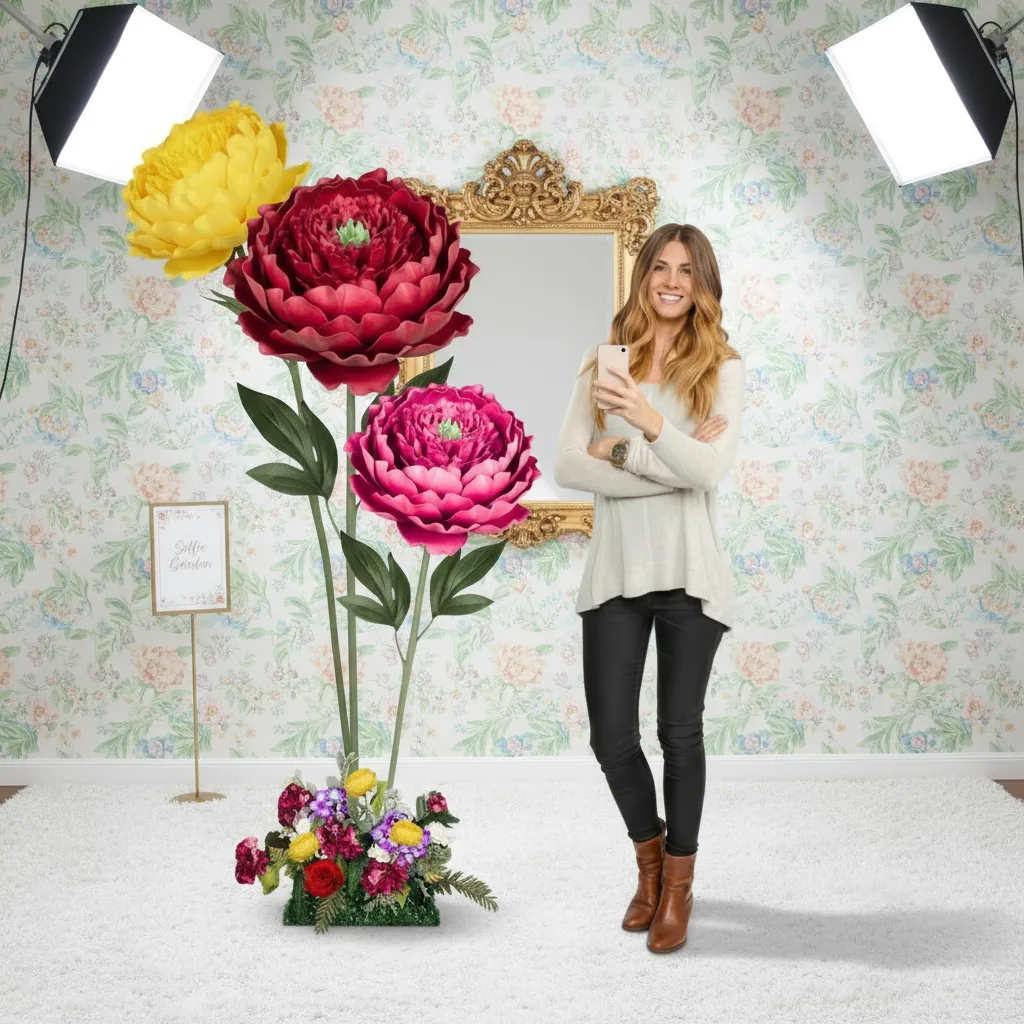
Lighting finishes the display. It shapes petals, separates layers, and keeps the composition legible after daylight fades. Social sharing extends that effect beyond the sidewalk.

Interactive display elements such as selfie cameras or social integration can increase dwell time by up to 40%, and the same retail trend source notes an 80% consumer association between spring and blooms, with some retailers reporting 10-15% sales uplifts from tech-enhanced or highly shareable spring displays, according to Valentino’s Displays.

A close-up view of elegant green glass vases with bright yellow flowers placed in a shop window.

Light the flowers like they matter

Most spring windows need at least two kinds of light:

Useful lighting choices include:


Avoid blasting the whole scene evenly. Flat light makes giant flowers lose contour.

Good lighting should reveal shape first, color second.


If you want a helpful outside perspective on why polished visuals drive response, the framing ideas in perfect real estate visuals translate surprisingly well to storefront presentation.

The best social display isn’t complicated. It just gives people a clear place to stand and a reason to share.


Make that easier with:

For practical inspiration, this gallery is useful: https://www.amazinggiantflowers.com/blogs/news-amazing-giant-flowers/selfie-station-ideas


A few details improve participation fast:

The display isn’t finished when the last flower goes up. It’s finished when someone stops, smiles, and pulls out a phone.


A spring window only helps if it stays clean, secure, and saleable all season.

Safety comes first, especially near entrances, active sidewalks, and high-touch retail zones. Check every attachment point after installation, then recheck on a routine schedule. Hanging blooms, freestanding stems, and riser-based product groupings all need a quick inspection after cleaning, restyling, or customer traffic nearby.

Maintenance checklist that keeps the display working

  • Inspect mounts weekly for loosening hooks, sagging line, or shifting bases.
  • Dust petals and leaves gently with a soft microfiber cloth so color stays crisp.
  • Rotate any sun-facing elements if one side gets stronger exposure through the day.
  • Refresh the product story when featured items sell down, rather than leaving empty styling gaps.
  • Check sightlines from outside after every floor move or in-store fixture reset.

Simple ways to turn attention into store visits

  • Add a window callout that names the collection, launch, or offer tied to the display.
  • Merchandise the hero products inside near the entrance so the transition feels smooth.
  • Train staff to mention the display when greeting customers or bagging purchases.
  • Use one clear seasonal message across the window, entry table, and social posts.
  • Keep the threshold uncluttered so people who stop at the window can move inside without hesitation.

Maintenance is what protects the return on the install. A flower wall that still looks sharp in week three is doing real work.

Yes, if the build is planned with reuse in mind.


Tulips, roses, ranunculus, lilies, and neutral botanical elements can shift between spring retail, weddings, mother’s day campaigns, summer events, and indoor selfie stations. Reusability improves when you avoid overly theme-specific add-ons that only work for one holiday.

Store them in a dry, clean area where petals won’t be crushed.


A few practical habits help:

If you’re storing a full display, pack by zone. Group hanging pieces together, base pieces together, and hero flowers separately so reinstall is faster.


That depends on whether you’re building in-house or ordering finished pieces.

DIY usually needs planning time, assembly time, and a test layout before install day. Custom work needs concept approval, color decisions, fabrication, shipping, and final styling. Waiting until the products arrive to start designing the floral framework is a mistake.

What if my brand colors are very specific

Then color matching should be part of the planning process, not an afterthought.

Bring exact swatches, packaging references, or campaign artwork into the conversation early. Spring palettes can drift easily under different lighting, especially pinks, lavenders, creams, and soft blues. Test the floral colors against the actual merchandise and window light before final placement.

What usually makes a spring window look amateur

Three things show up most often:

  • Everything sits on one level
  • There’s no clear focal point
  • The flowers and products compete instead of supporting each other

If the window feels busy but not compelling, reduce elements and strengthen the hierarchy. One strong statement bloom usually beats several weaker ones.


If you’re ready to build a window display for spring that feels larger, cleaner, and more reusable than a one-season paper setup, explore custom installs and DIY options at Amazing Giant Flowers. The site includes oversized floral designs, supplies, and project inspiration for retail windows, events, and branded photo moments.

Ready to Create Something Amazing?

Browse our collection of giant flower kits and start your next project.

Shop All Flowers