Bendable Stems for Backdrop Vines & Greenery Runners
If you've been dreaming of a flower vine backdrop that actually looks like something out of a garden — loose, trailing, organic, a little wild in the best way — I need to tell you about the one supply that makes it all possible. Not the flowers. Not the greenery. The stems.
I know, I know. Stems sound boring. But trust me on this one. When I first started building giant flower installations, I was hot-gluing everything flat against walls and wondering why my displays looked stiff and... kind of sad? The moment I started using bendable pipes as structural stems, everything changed. Suddenly my flowers had movement. They had life. They cascaded and curved the way real vines do.
If you're a wedding DIYer trying to build something beautiful without hiring a professional florist, this post is for you. I'm going to walk you through exactly how to use bendable stems to create those lush, trailing, magazine-worthy looks — for your ceremony arch, your sweetheart table, your photo wall, all of it.
Key Takeaways
Here's the thing that nobody tells you when you start making giant flowers: the bloom is only half the story. The other half is how it's positioned. A gorgeous flower placed flat and stiff against a backdrop looks like a decoration. A gorgeous flower angling outward on a curved stem that dips and trails? That looks like a garden.
Real vines don't grow in straight lines. They meander. They droop. They reach toward light in unexpected directions. When you're building a flower vine backdrop, you're trying to replicate that organic randomness — and you simply cannot do that with rigid wire or wooden dowels.
The Problem With Rigid Supports
I've seen so many beautiful DIY wedding backdrops fall flat (literally and figuratively) because the maker used stiff stems. The flowers point straight out or sit completely flat. There's no variation in height or angle. Everything looks uniform, and uniform is the enemy of organic.
Rigid stems also can't adapt. If your arch is curved, a straight stem fights that curve. If you want a flower to droop slightly — like a peony heavy with petals — a stiff stem won't let that happen.
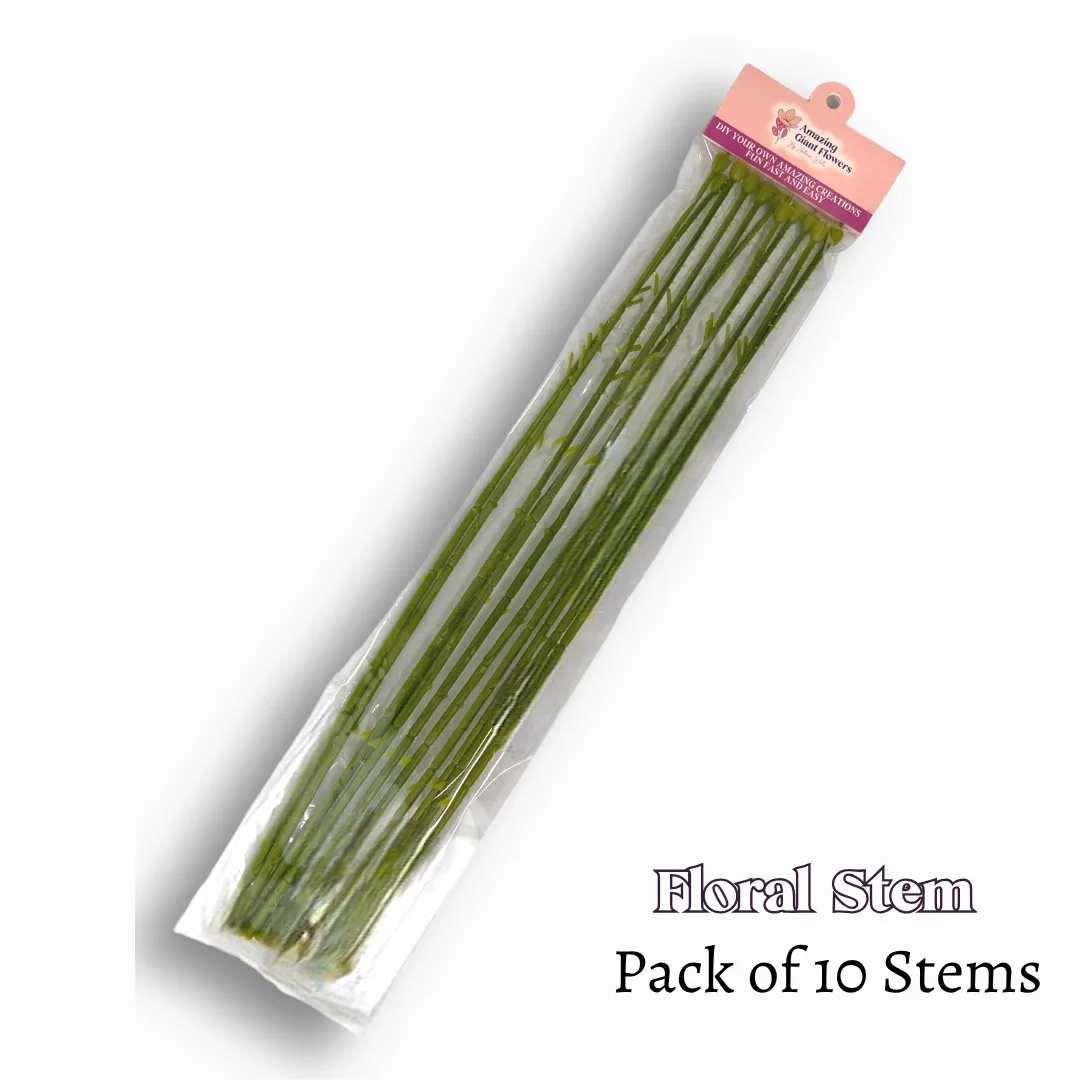
Our bendable pipes hold whatever shape you bend them into. You curve them, they stay curved. You angle them upward, they stay up. You want a gentle S-curve that mimics a real vine tendril? Done. And if you change your mind — or if you're reusing them for a different event — you just rebend.
That's the magic. Flexibility on demand, rigidity when you need it.
Ok, this is where it gets really fun. Let me walk you through the actual process I use — and that I teach to our community of makers — for building a trailing vine look from scratch.
Before you touch a single flower or pipe, sketch your backdrop. I'm serious — even a rough pencil sketch on paper helps. Mark where your main vine "runners" will travel. Think of them like rivers: you want a few main channels, then smaller tributaries branching off.
A typical 8-foot arch backdrop might have 3-4 main vine runners and 6-8 smaller branch stems. The main runners establish the flow; the branches create the lushness.
Step 2: Pre-Bend Your Pipes Before Attaching Anything
This is the step most beginners skip, and it costs them so much time. Bend all your pipes before you start attaching flowers. Lay them out on the floor in the shape you want. Step back. Does it look like a vine? Does it have natural variation? Adjust until it does.
I like to mix these curve styles in every installation:
Attach your main runner pipes to your backdrop structure first. If you're working with a flower arch, check out our Giant Flower Wedding Arch: A Complete Guide for 2026 — it walks through the whole structural setup. If you want a freestanding display, our freestanding flower kits are designed to work perfectly with bendable pipe stems.
Once your main runners are in place, layer your branch stems off them. Then — and only then — start placing your flowers and greenery.
💡 Pro Tip
Place your largest blooms first, then fill in with medium flowers, then add greenery last. This is exactly how professional florists work — biggest anchor pieces first, details last. It prevents overcrowding and makes the whole thing look intentional rather than stuffed.
Achieving That Organic Trailing Look: The Details That Matter
Real talk? The difference between a backdrop that looks like a DIY project and one that looks like it came from a high-end florist is almost always in the details. Here's what I focus on when I want that truly organic, trailing vine aesthetic.
Don't cut all your stems to the same length. I use stems ranging from about 6 inches to 24 inches in a single installation. The long ones create that gorgeous trailing drape. The short ones let flowers nestle close to the structure, creating depth.
When everything is the same length, your eye reads it as a pattern. When lengths vary, your eye reads it as nature.
This is my favorite trick. Bend a few stems so the flower at the end actually points slightly downward — like it's too heavy to hold itself up. This is exactly how peonies and garden roses behave in real life. It's incredibly effective at making foam or fabric flowers look believable.
If you want to go deeper on making your flowers look as realistic as possible, my post on Large Fabric Flower Tutorial: How to Make Giant Blooms has a whole section on petal shaping for realism.
Most DIYers think about height variation (some flowers higher, some lower) but forget about depth variation — some flowers closer to the viewer, some further back. Bendable pipes make this easy because you can angle stems forward or backward, not just up and down.
Push some flowers back into the greenery. Pull others forward so they almost reach out toward your guests. This layering is what creates that lush, three-dimensional look that photographs so beautifully.
Flower Vine Backdrop Configurations: Which One Is Right for Your Wedding?
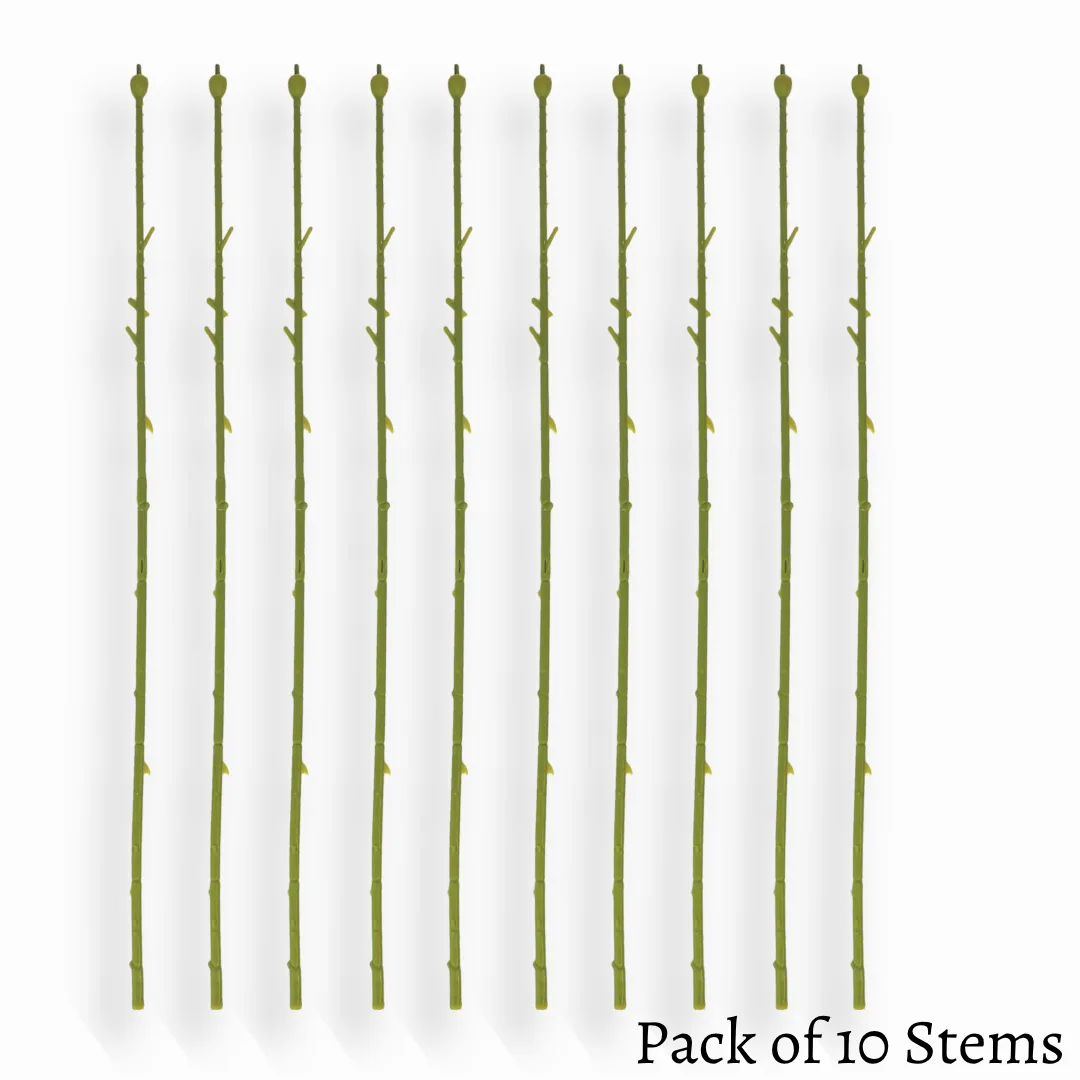
Not every wedding has the same setup, and the beauty of bendable pipes is that they work across so many different configurations. Here's a quick breakdown of the most popular options for wedding DIYers.
For hanging installations especially, the ability to bend stems downward so flowers cascade toward guests is something you simply can't achieve without flexible pipes. It's one of my favorite effects — and it photographs absolutely beautifully from below.
🌸 Ready to build your dream backdrop?
Browse our Bendable Pipes collection and grab the stems that will make your flower vine backdrop come to life.
The stems are the structure, but what you put on them matters just as much. Here's what I've found works best for that organic, trailing vine aesthetic.
EVA foam is my absolute go-to for wedding installations. It's lightweight enough that even a long bendable stem can support a large bloom without drooping. It holds paint beautifully, it's durable, and honestly — when it's shaped well — it looks incredibly realistic in photos.
For vine-style backdrops, I love using a mix of sizes: large 14–18 inch blooms as anchor flowers, medium 8–10 inch flowers as secondary blooms, and small 4–6 inch flowers as filler. This size variation mimics how real flowering vines grow — big blooms here and there, smaller buds and flowers in between.
The greenery is what sells the vine illusion. I recommend:
Wrap greenery loosely around your bendable stems before attaching flowers. This creates the illusion that the vine is real — that the greenery grew first, and the flowers bloomed from it.
💡 Pro Tip
Don't cover every inch of your stems with greenery. Leave some sections of bare stem visible — especially toward the ends of trailing pieces. In nature, vines have bare sections between leaf clusters. Replicating this makes your installation look far more authentic.
Reusing Your Bendable Stems: The Budget-Smart Wedding Hack
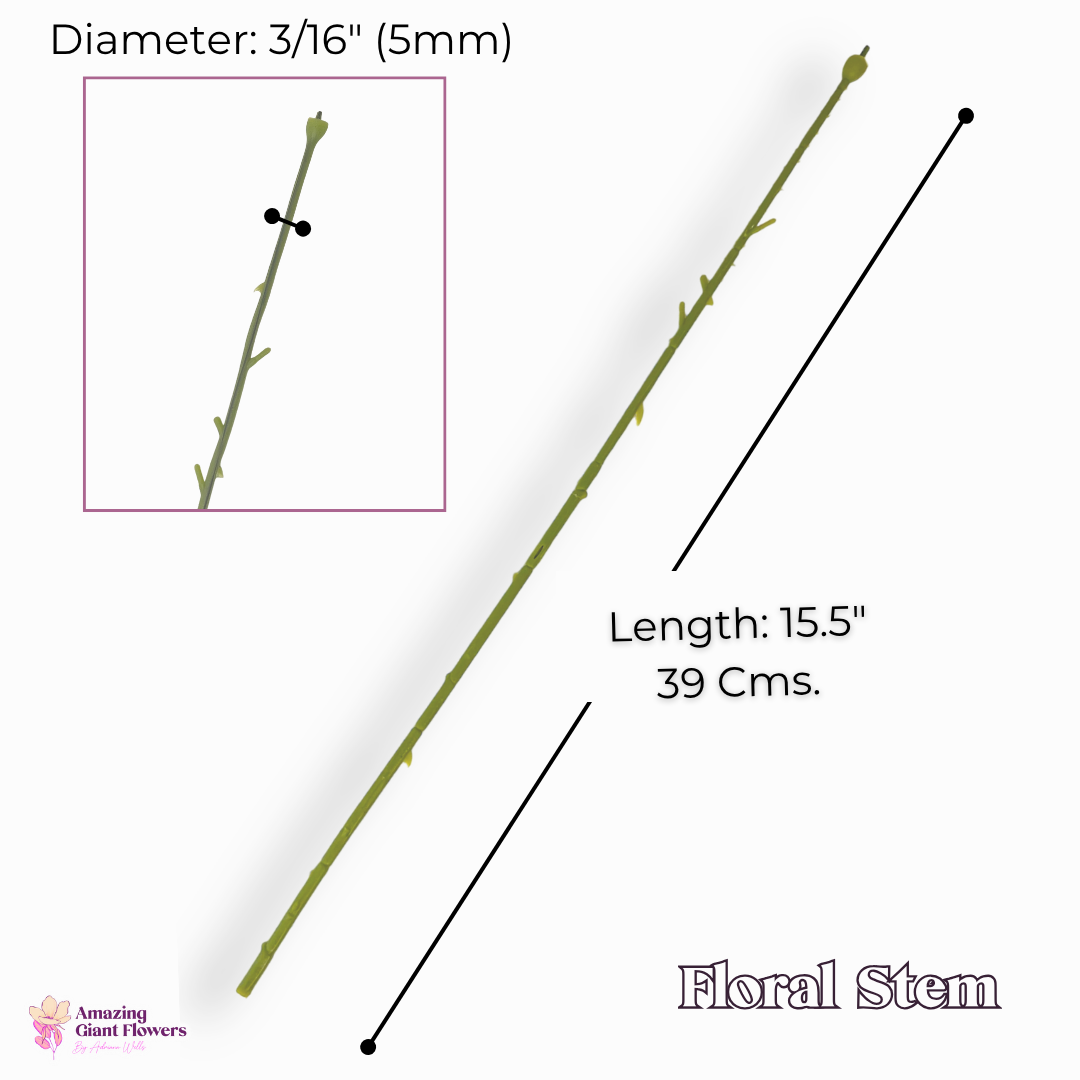
One of the things I love most about bendable pipes — and honestly, one of the reasons I built our whole supply line around them — is that they are completely reusable. This matters so much for wedding DIYers who are watching their budget.
Here's how smart brides are using them:
- Ceremony to reception: Reshape the arch stems after the ceremony and use them to build a sweetheart table display for the reception
- Wedding to bridal shower: Build your bridal shower backdrop first (check out Bridal Shower Backdrop Ideas: Giant Flowers for 2026 for inspo), then rebend the stems for your wedding day
- Sell or lend after: Because the pipes hold their value, many of our brides sell their full kits after the wedding and recoup a big chunk of their investment
Compare that to fresh florals, which wilt within hours and can't be reused at all. The math is pretty clear.
One of my brides told me she used her bendable pipe stems for her bridal shower, her wedding arch, and then sold the whole kit to another bride for half price. That's a supply that pays for itself.
Frequently Asked Questions
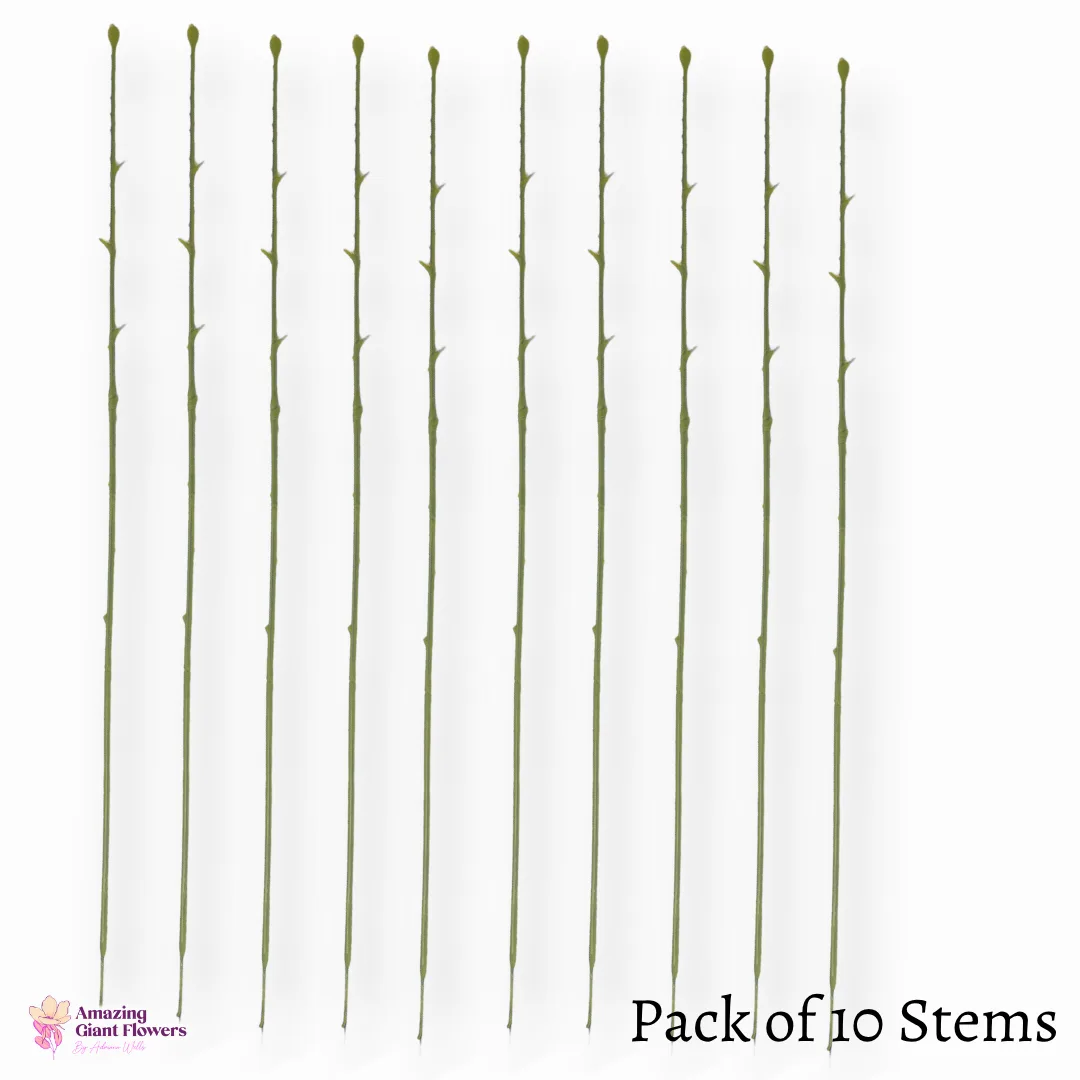
How many bendable pipes do I need for a full flower vine backdrop?
It really depends on your configuration, but as a general rule, I'd say plan for at least 10–15 stems for a standard 8-foot arch and 6–10 for a flat wall backdrop. You want enough to create that layered, lush look without running out mid-build. I always recommend ordering a few extra — they're endlessly useful for filler pieces and you'll be glad you have
Ready to Create Something Amazing?
Browse our collection of giant flower kits and start your next project today.