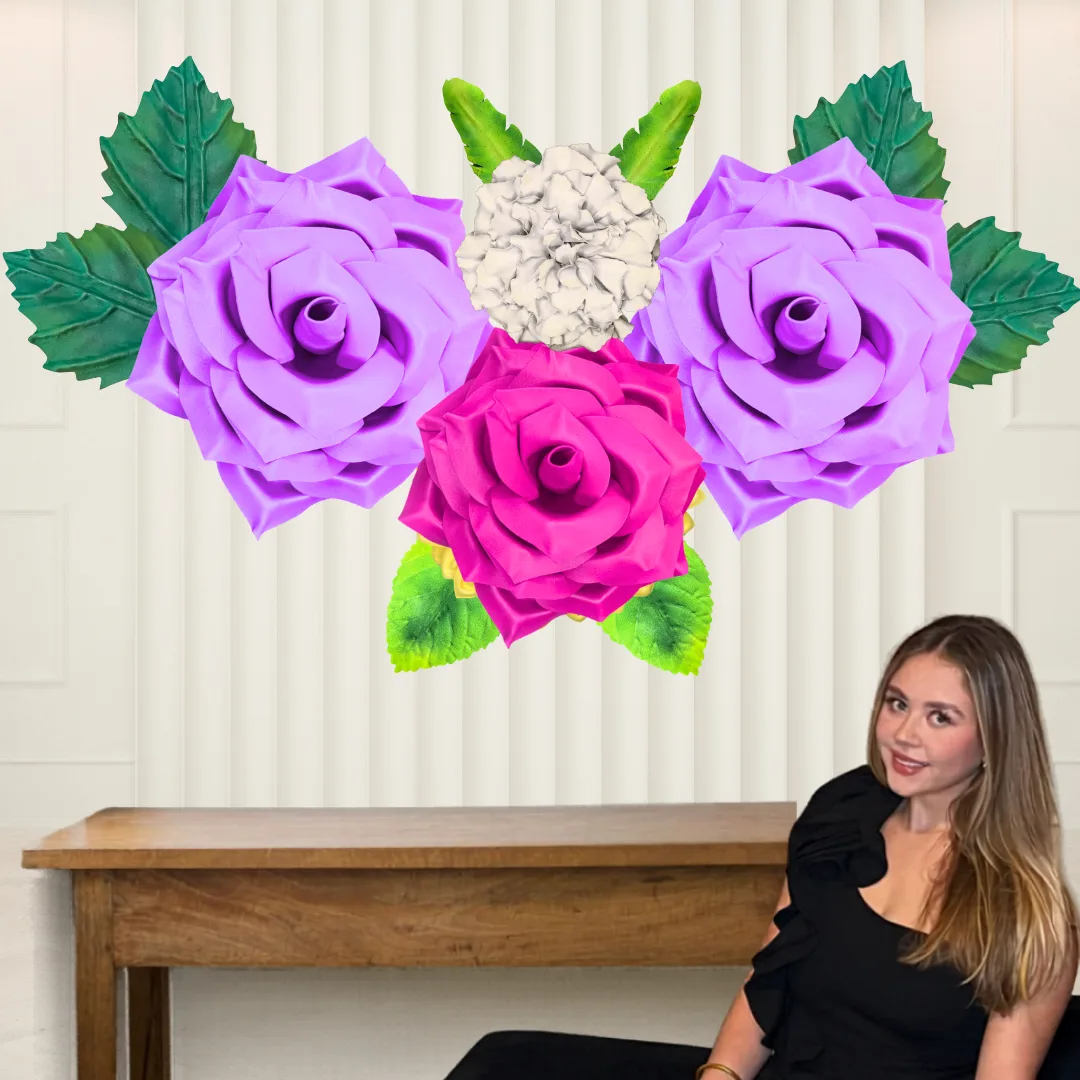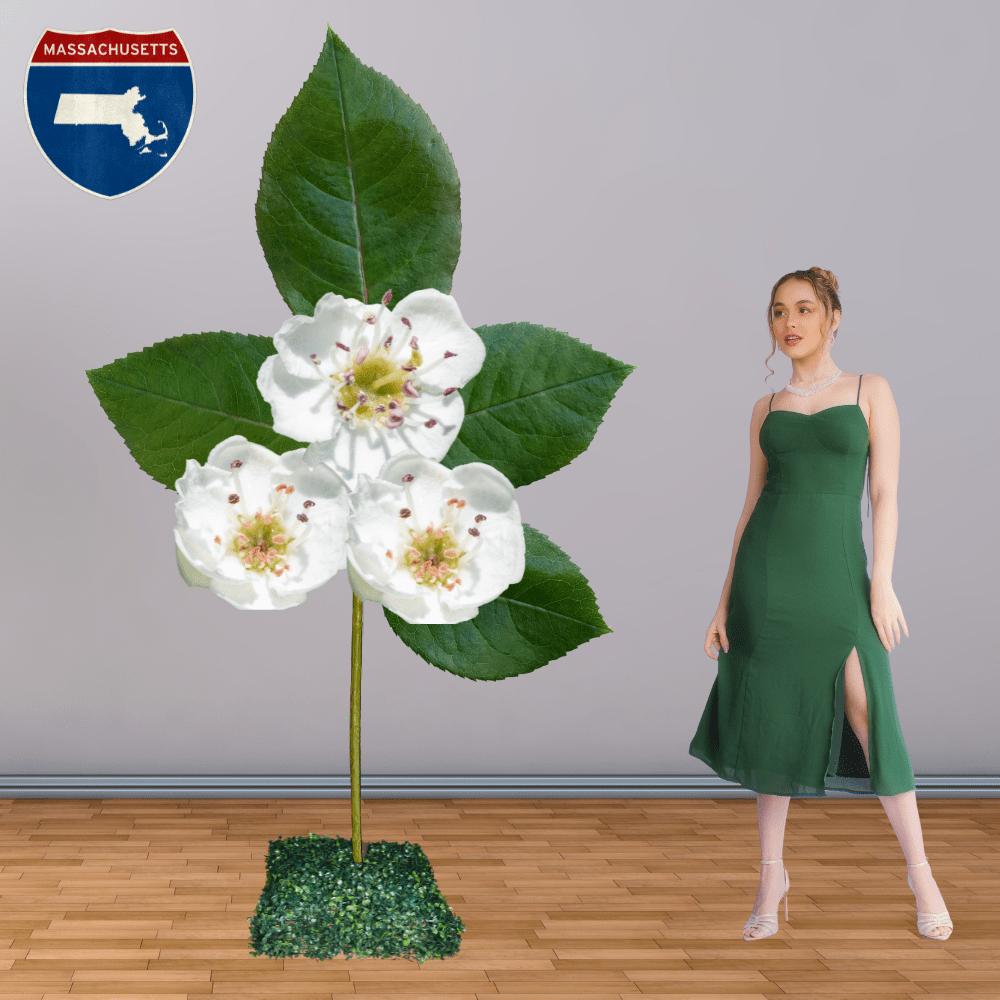
The Essential Toolkit for Giant Foam Flower Making
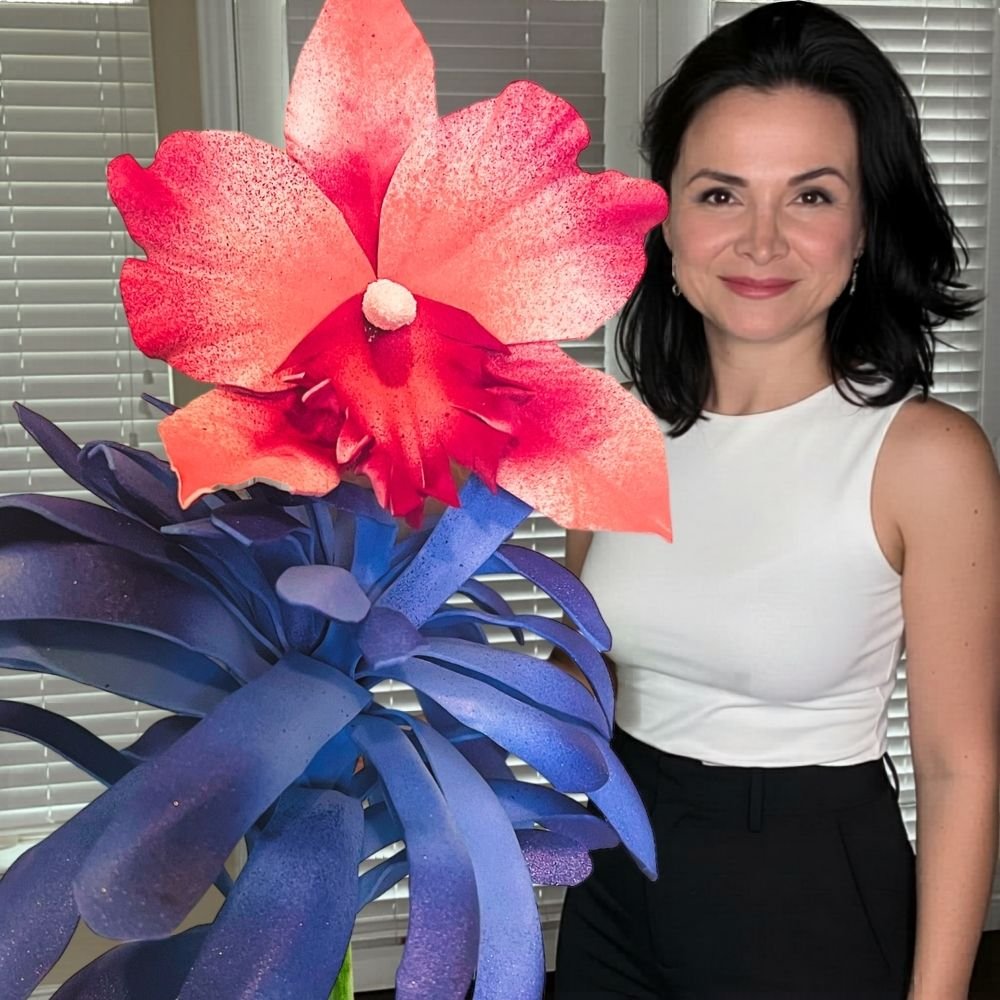
If you've ever fallen down the rabbit hole of giant foam flower making, you already know the magic is real — but so is the frustration of grabbing the wrong material and watching your petals crack, warp, or just look... sad. I've been there. When I first started Amazing Giant Flowers here in Houston, I made every mistake in the book. And a big chunk of those mistakes came down to not understanding my giant foam flower making tools and materials well enough to pick the right ones for the job.
That's why I put this guide together. Not a fluffy overview — a real, honest buyer's guide for crafters who want to stop guessing and start creating with confidence. Whether you're making your first oversized bloom for a birthday party or you're building out a full wedding arch installation, the materials you choose at the very start will make or break your project.
So let's dig in. I'm going to walk you through everything: EVA foam thicknesses, what each one is actually good for, and how it all fits together with the rest of your toolkit. Grab your coffee. This is going to be good.
Choosing The Right EVA Foam
Key Takeaways
Real talk? Not all foam is created equal. I've tried craft foam from dollar stores, upholstery foam, packing foam — you name it. And every single time, I come back to EVA foam. It's the gold standard for giant flower making, and once you work with it, you'll understand why.
EVA stands for ethylene-vinyl acetate. I know, that sounds very chemistry class. But what it means for you as a crafter is this: it's lightweight, flexible, heat-shapeable, and durable. It cuts cleanly, it paints beautifully, and it holds its shape after you've curved and shaped it. That combination is pretty rare.
If you want to dive deeper into how EVA stacks up against other foam types, I wrote a whole breakdown in A Crafter's Guide to Every Type of Foam for Giant Flowers — worth a read before you buy anything.
The Difference Between EVA Foam Rolls and Sheets
When you shop our EVA foam collection, you'll notice we carry both rolls and sheets. Here's how I think about it:
For most beginners, I actually recommend starting with sheets. They're less intimidating, easier to manage, and you can get a feel for each thickness without committing to a full roll.
Ok, this is where it gets really fun. Thickness is everything. I cannot stress this enough. Using 10mm foam for delicate inner petals is like using a sledgehammer to hang a picture frame. And using 2mm for a structural base? Your flower will flop over and you'll want to cry. Let me break this down properly.
2mm is your go-to for fine detail work. Think tiny inner petals, stamen details, leaf veining, or any element where you want the foam to look almost paper-thin and delicate. It's incredibly easy to cut with scissors or a craft knife, and it responds beautifully to a heat gun for subtle curling.
I use 2mm constantly for the innermost layers of roses and peonies — those tight little petals that give the flower its heart. It's also fantastic for cosplay crafters who need lightweight armor detailing or small decorative elements.
Honestly? 4mm is probably the thickness I reach for most often. It's the sweet spot. Flexible enough to shape with heat, sturdy enough to hold its form, and light enough that your finished flower won't be pulling down your backdrop or arch.
Most of the giant blooms you see in our work — sunflowers, dahlias, open roses — are built primarily in 4mm. It's the reliable middle child of the foam family.
6mm is where you start getting into structural territory. I use this for larger outer petals that need to hold their shape without support, and for any flower that's going to be handled a lot — like a freestanding piece at an event where guests are going to be touching and bumping it all night.
It's also a favorite in the cosplay community for building armor pieces and props that need to look solid without being heavy.
8mm and 10mm EVA Foam — The Foundation Layers
These are your base builders. When I'm creating a flower center, a thick structural backing, or a prop that needs to be genuinely rigid, 8mm and 10mm are what I grab. They're harder to shape with a heat gun (you'll need more heat and patience), but the payoff is a rock-solid foundation.
10mm is also popular for theater set pieces and classroom projects where durability over time really matters.
Here's a quick reference I wish someone had handed me when I was starting out:
Essential Giant Flower Shaping Tools
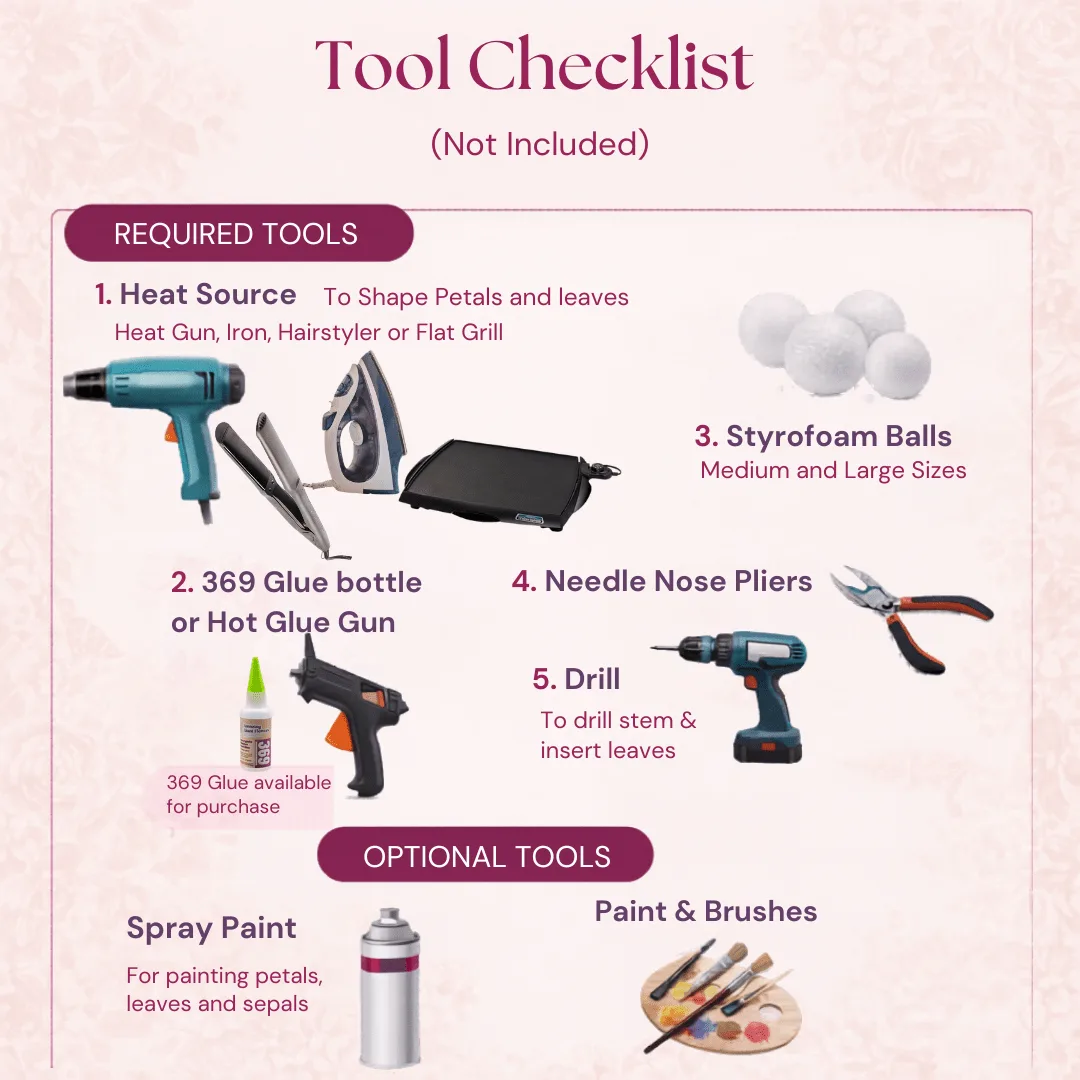
EVA foam is the star, but it doesn't work alone. The tools and accessories you pair with it are what actually bring your flowers to life. Here's what I consider non-negotiable in my studio:
A heat gun is the single most transformative tool in giant flower making. Without it, your petals are flat. With it, they're curved, cupped, ruffled — alive. I use mine to shape every single petal before assembly.
The key is to keep the gun moving. Hold it about 3-4 inches from the foam, use a sweeping motion, and shape with your hands immediately while the foam is warm. It cools and sets in seconds. I wrote a whole deep-dive on this in Heat Gun Techniques: Shaping Foam Flower Petals Like a Pro — seriously bookmark that one.
For clean cuts, you have a few options:
If you want the full breakdown on cutting technique, check out The Best Way to Cut Foam for Flawless DIY Crafts.
Molds are the shortcut to professional-looking petals. Instead of freehand shaping every petal with a heat gun (which takes forever and requires a lot of practice), you press your warmed foam into a mold and get perfectly consistent curves every time.
We carry a range of flower molds designed specifically for EVA foam. They're one of those tools that once you try them, you'll wonder how you ever managed without.
Bendable Pipes
If you're making freestanding flowers or attaching blooms to an arch, you need a reliable stem system. Our bendable pipes are specifically designed for giant flower work — they're flexible enough to position exactly where you want, but sturdy enough to hold a large foam bloom in place all event long.
💡 Pro Tip
When pairing bendable pipes with your foam flowers, always build your flower center around the pipe before adding petals. Thread the pipe through first, secure it with hot glue, then layer your petals outward. It creates a much cleaner, more stable result than trying to attach a stem after the fact.
High-temperature hot glue is your assembly best friend. Low-temp guns don't bond EVA foam reliably — the glue cools too fast and you get weak joints. Invest in a quality high-temp gun and work quickly. The bond is nearly instant, which is great for production speed.
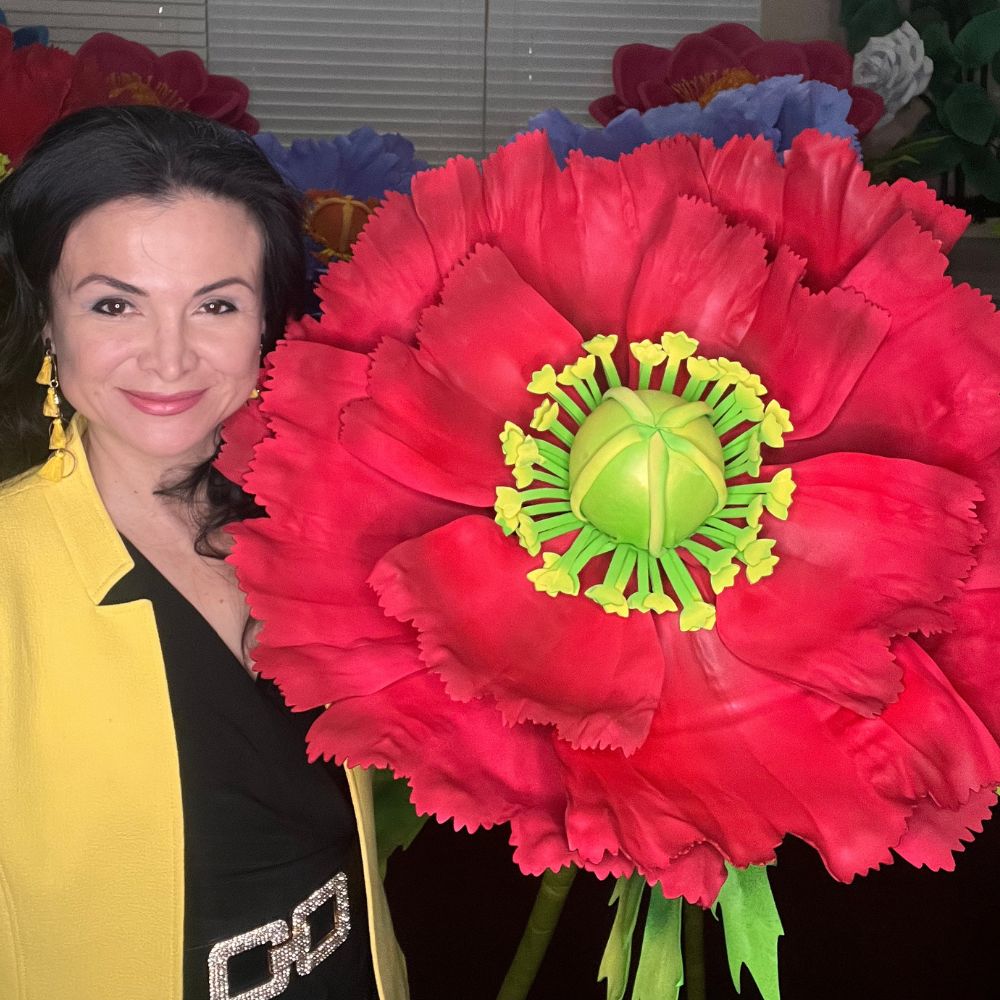
One thing crafters don't always think about until it's too late: how you finish your foam affects how it looks almost as much as the shape does. EVA foam has a slightly smooth, almost rubbery surface, which means paint behaves differently than it does on paper or fabric.
For sealing your finished flowers, I love using Mod Podge. I wrote a full guide on that in A Crafter's Guide to Mod Podge Clear Acrylic Sealer — it's a game-changer for getting that polished, finished look.
🌸 Ready to stock your toolkit?
Browse our full EVA foam collection — rolls and sheets in every thickness, ready to ship.
Kits Versus Building Your Own Toolkit
I get this question a lot: "Adriana, should I just buy a kit or build my own setup?" Honestly? It depends on where you are in your crafting journey.
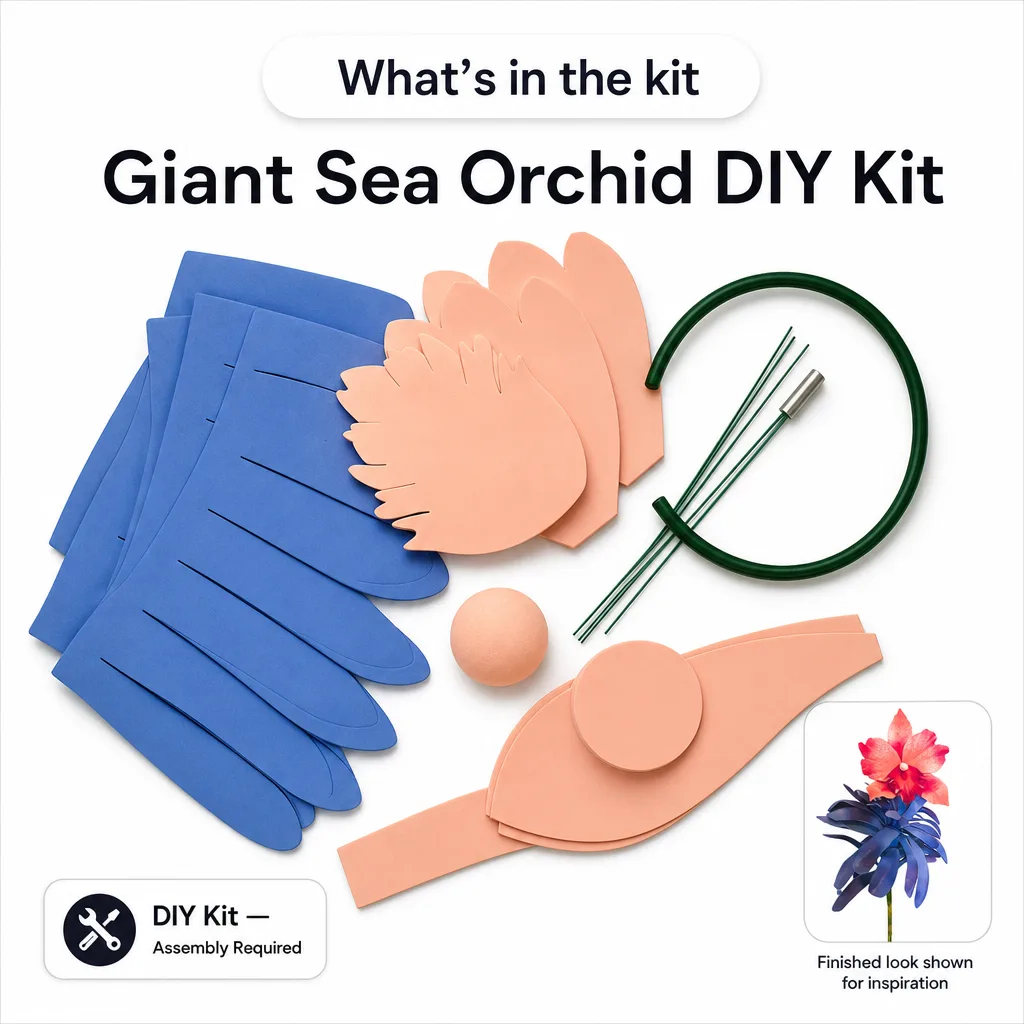
If you're newer to giant flower making and you want a guided, foolproof starting point, our freestanding flower kits are genuinely fantastic. Everything is sized and matched — you're not guessing which foam thickness pairs with which mold. It's all done for you.

Kits are also great if you need a specific flower type for a specific event and you don't have time to experiment. I've had brides order kits two weeks before their wedding and absolutely nail it on the first try. For inspiration on what's possible, peek at our Giant Foam Flowers for Wedding Arch guide.
When to Build Your Own Toolkit
Once you've got some experience, building your own toolkit gives you total creative freedom. You can mix thicknesses within a single flower, experiment with different mold shapes, and scale up or down for any project size. That's where the real artistry lives.
For crafters who are ready to go that route, I recommend starting with a sampler approach: grab a sheet each of 2mm, 4mm, and 6mm foam from our EVA foam shop, plus a basic mold set and a heat gun. Make the same flower in each thickness. You'll immediately feel the difference — and that hands-on knowledge is worth more than anything I can write in a blog post.
From there, add tools gradually as your projects demand them. Bendable pipes when you're ready to go freestanding. 369 glue when you want a cleaner, more flexible bond than hot glue alone. Thicker foam when you need structural backing. Your toolkit should grow with your skills, not ahead of them.
Frequently Asked Questions
What shaping tools work best for giant foam flower making?
The most popular options are a heat gun, a household iron, a flat grill, or a hair styler — each applies heat differently and gives you slightly different results. A heat gun is the most versatile and the one I reach for most often in my studio because it lets you target specific areas of a petal quickly.
Whichever tool you choose, the technique is the same: apply heat in a sweeping motion, shape the foam immediately with your hands while it's warm, and hold the curve for a few seconds until it cools and sets. Practice on a scrap piece first so you get a feel for how your specific tool behaves.
What glue should I use to assemble giant EVA foam flowers?
I recommend two options: 369 glue for a flexible, clean bond, or a hot glue gun with silicone sticks for fast assembly. Both are available in our shop and sold separately from kits. Low-temperature glue guns are not ideal for EVA foam — the bond tends to be weak and can separate under the weight of larger petals.
For most event flowers where speed matters, I use a high-temp hot glue gun. For pieces that need to flex or travel, 369 glue is my go-to. Many experienced crafters keep both on hand and use them for different stages of the same flower.
Do giant flower kits come with a base or stand included?
No — bases and stands are sold separately from our kits. This is something I always want crafters to know before they order, so there are no surprises when the box arrives. Our kits include everything you need to build the flower itself, but the base or stand is a separate purchase depending on how you plan to display it.
We carry bases designed to work with our flowers, so it's easy to add one to your order. Just plan ahead, especially if you're working toward an event deadline — standard shipping applies to all orders, with free shipping on qualifying orders of $50 or more.
Which EVA foam thickness should a beginner start with for giant foam flower making?
2mm and 4mm are the most beginner-friendly thicknesses because they heat and shape quickly, respond well to molds, and are forgiving if you need to re-shape a petal. Most large outer petals are made from these thinner sheets, so you'll get a lot of use out of them right away.
Once you're comfortable with the basics, 6mm is a great next step for petals that need more body and structure. Save 8mm and 10mm for when you're ready to build flower centers or structural backings — they require more heat and patience to shape, but they add a level of durability that really shows in the finished piece.
I hope this guide takes some of the guesswork out of setting up your workspace and choosing the right materials. Giant foam flower making is one of those crafts that genuinely rewards you the more you understand your tools — and once everything clicks, the creative possibilities are endless. Whether you're just unboxing your first kit or stocking a full studio, I'm rooting for every bloom you make. Happy crafting! 🌸
Shop the supplies
Everything You Need for This Project
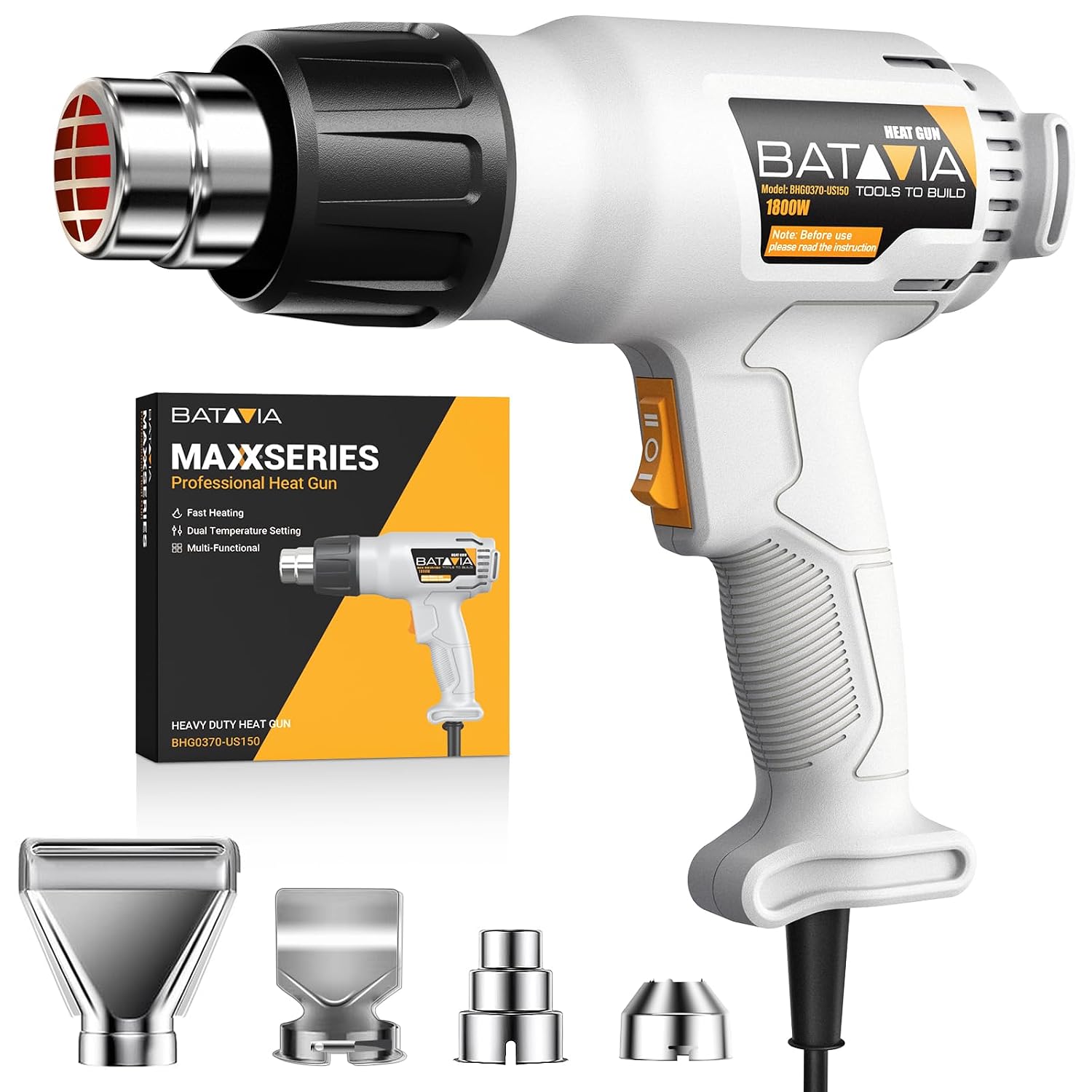
Heat Gun (Dual-Temp) — Thermoshaping Tool for Foam Flowers
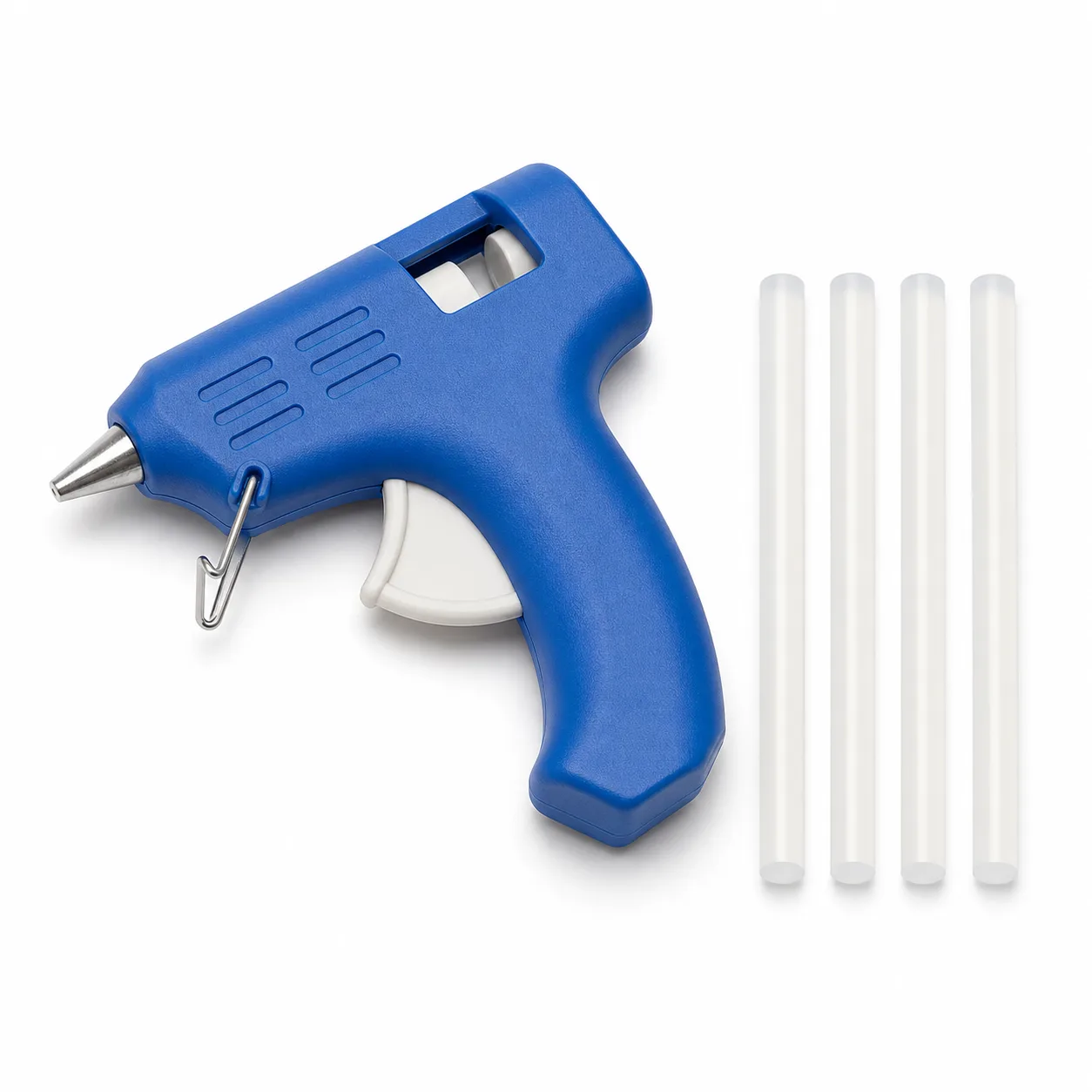
Hot Glue Gun + 4 Silicone Glue Sticks — Fast, Strong Petal Assembly
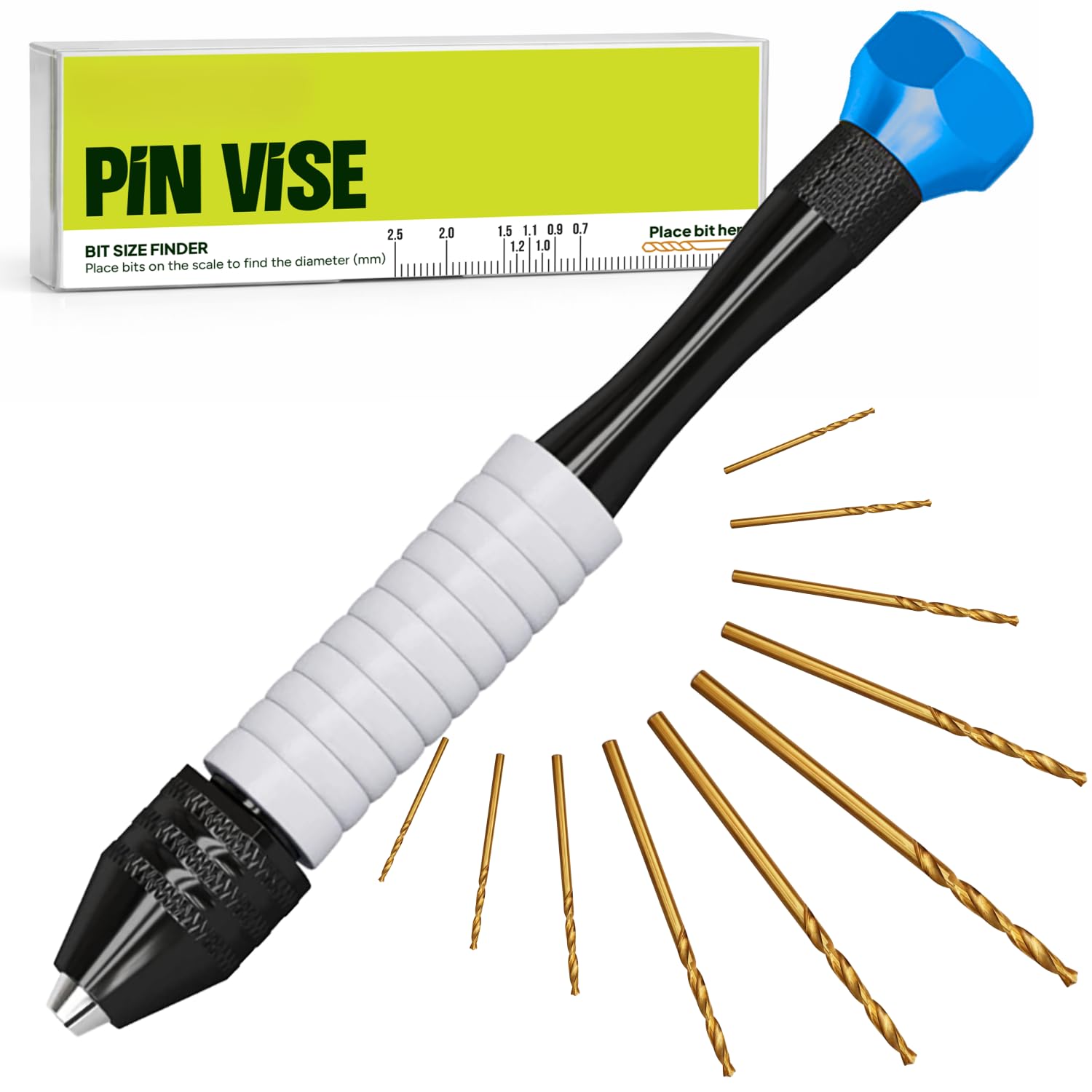
Pin Vise Hole Drill + Bits — Clean Stem Holes, No Power Tool
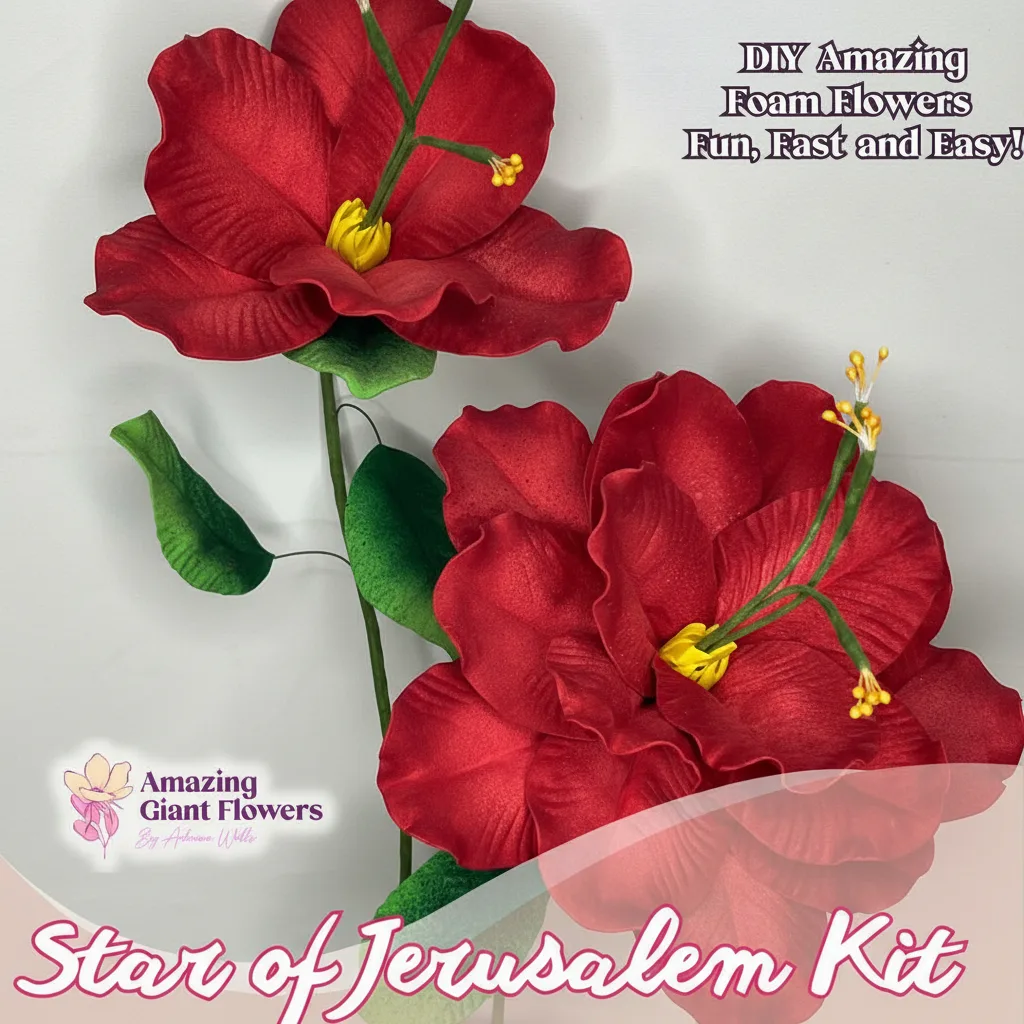
Real Touch Star of Bethlehem Foam Flower Kit — Large Tropical DIY Blooms (Star of Jerusalem) with Golden Pistils, Reusable Mold & Pre-Cut Petals

Written by
Adriana WellsFounder & CEO of Amazing Giant Flowers
Adriana Wells is the founder and creative force behind Amazing Giant Flowers, a Texas-based company specializing in handcrafted giant foam flowers, luxury floral installations, and DIY flower-making supplies.
More about Adriana →Ready to Create Something Amazing?
Browse our collection of giant flower kits and start your next project today.