EVA Foam vs Craft Foam: What's the Real Difference?
So you're standing in the craft store (or scrolling through listings at midnight, no judgment) and you see two options: EVA foam and craft foam. They look similar. They're both foam. The price difference makes you raise an eyebrow. And you're thinking — does it actually matter which one I pick?
Yes. It really, really does. And if you're new to making giant flowers, props, or any kind of large-scale craft project, choosing the wrong material on day one can send you down a frustrating (and expensive) rabbit hole. The eva foam vs craft foam debate is one of the first things I wish someone had explained to me clearly when I was starting out.
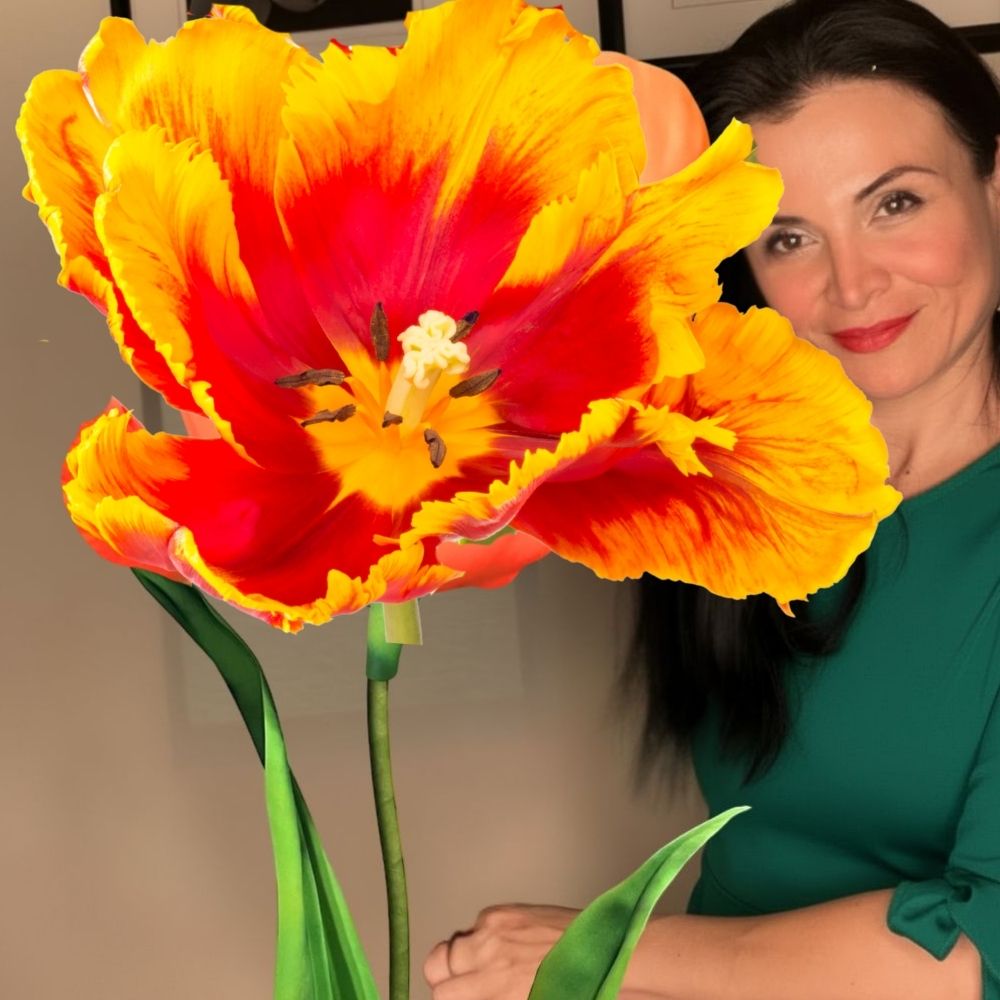
I'm Adriana, and I've been building giant foam flowers out of my Houston studio for years. I've worked with both materials more times than I can count. So let me save you some time, some wasted supplies, and maybe a few tears — and just tell you exactly what you need to know.
Key Takeaways
EVA stands for Ethylene-Vinyl Acetate. I know, that's a mouthful. But basically, it's a closed-cell foam that's denser, more durable, and way more versatile than your average craft store foam sheet.
You've actually been around EVA foam your whole life without knowing it. It's what the soles of your sneakers are made of. It's in yoga mats, kids' play mats, and pool floaties. It's tough, lightweight, and — here's the part that makes crafters and prop-makers obsess over it — it responds beautifully to heat.
Why Heat-Shaping Changes Everything
When you apply a heat gun to EVA foam, it becomes soft and pliable. You can curve it, dome it, pinch it, roll it. Then it cools and holds that exact shape permanently. That's how I get those gorgeous, realistic-looking curved petals on my giant flowers.
If you want to go deep on that technique, I wrote a whole guide on heat gun techniques for shaping foam flower petals — it's a game changer for beginners.
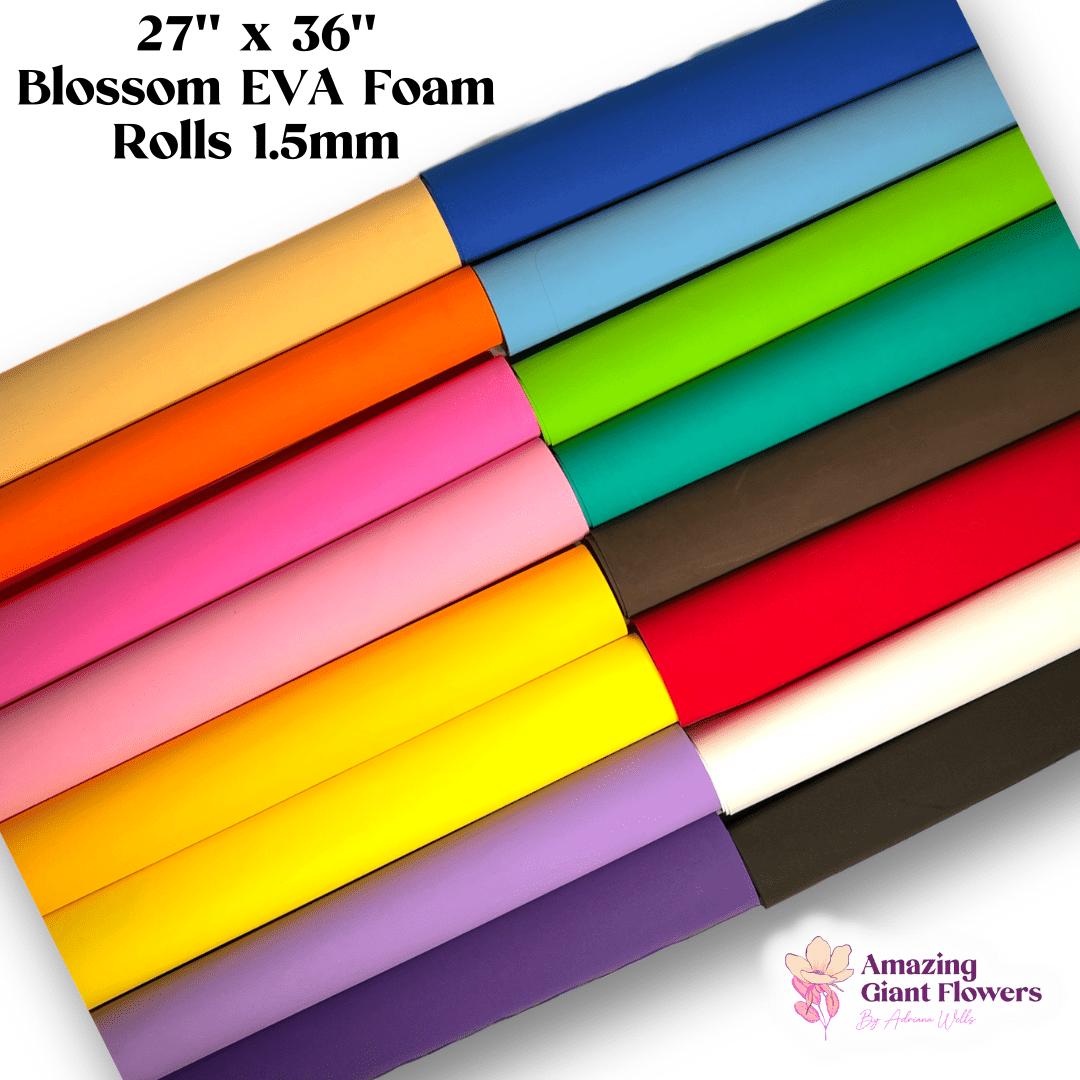
Our EVA foam comes in a range of thicknesses, and the one you pick depends entirely on what you're making:
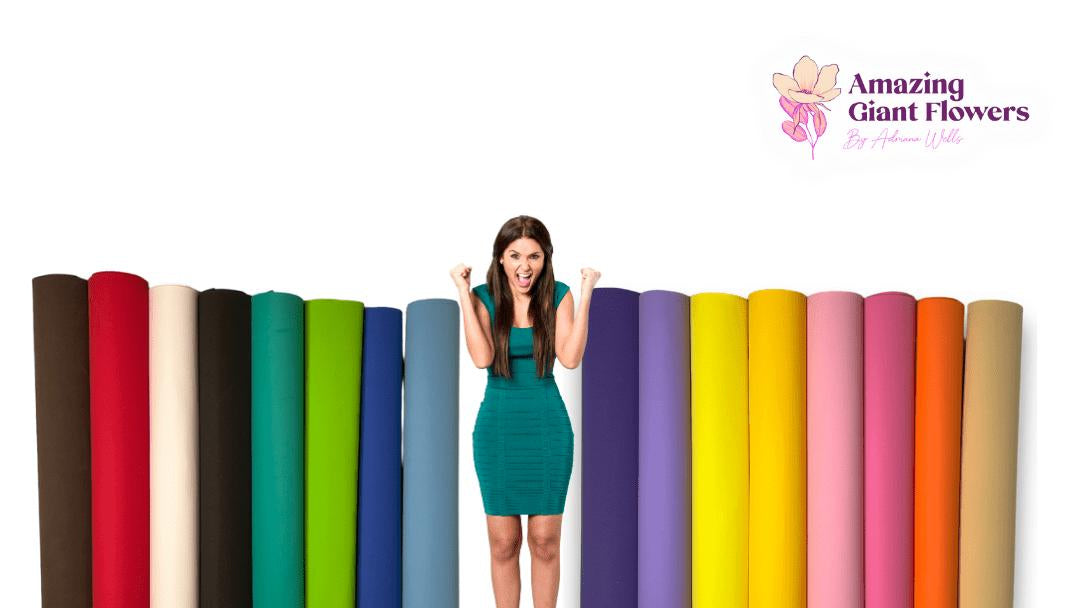
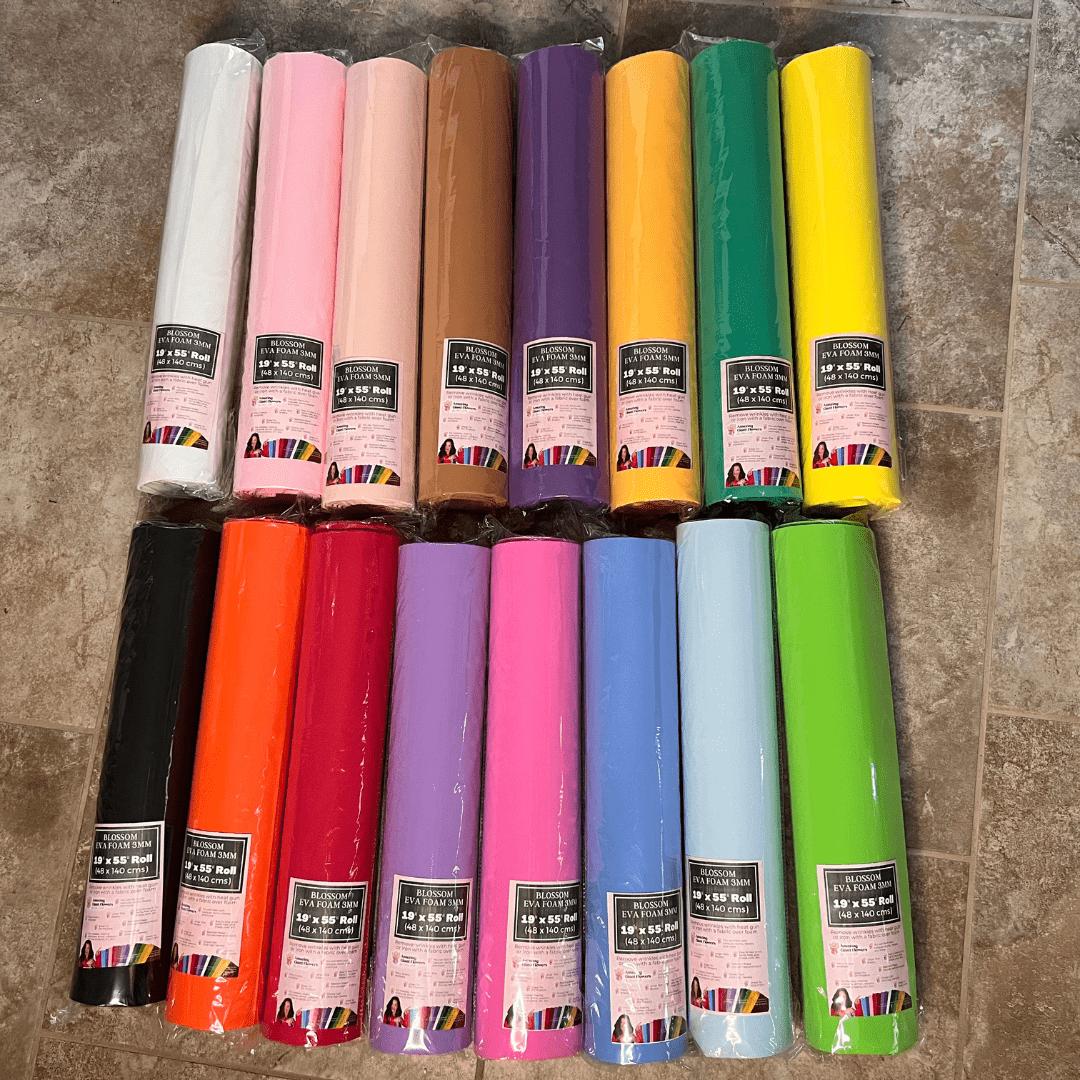
You can browse all the options in our EVA foam collection — rolls and sheets both available.
Craft foam is that thin, squishy, colorful foam you see at every Michael's and Dollar Tree. It usually comes in 9x12 inch sheets, about 2mm thick, in every color of the rainbow. It's cheap, it's cheerful, and it's totally fine for what it's designed for.
Classroom projects. Kids' crafts. Simple flat cutouts. Holiday decorations that live in a box most of the year. For those things? Craft foam is perfectly fine. Nobody needs to spend more than they have to on a kindergarten butterfly project.
Here's where I have to be real with you. The moment you try to scale up — bigger flowers, structural pieces, anything that needs to hold a curve or support its own weight — craft foam starts to disappoint you.
Let me just lay this all out flat so you can see it clearly.
Ok, this is where it gets really fun. Because once you understand what EVA foam can do, you start seeing possibilities everywhere.
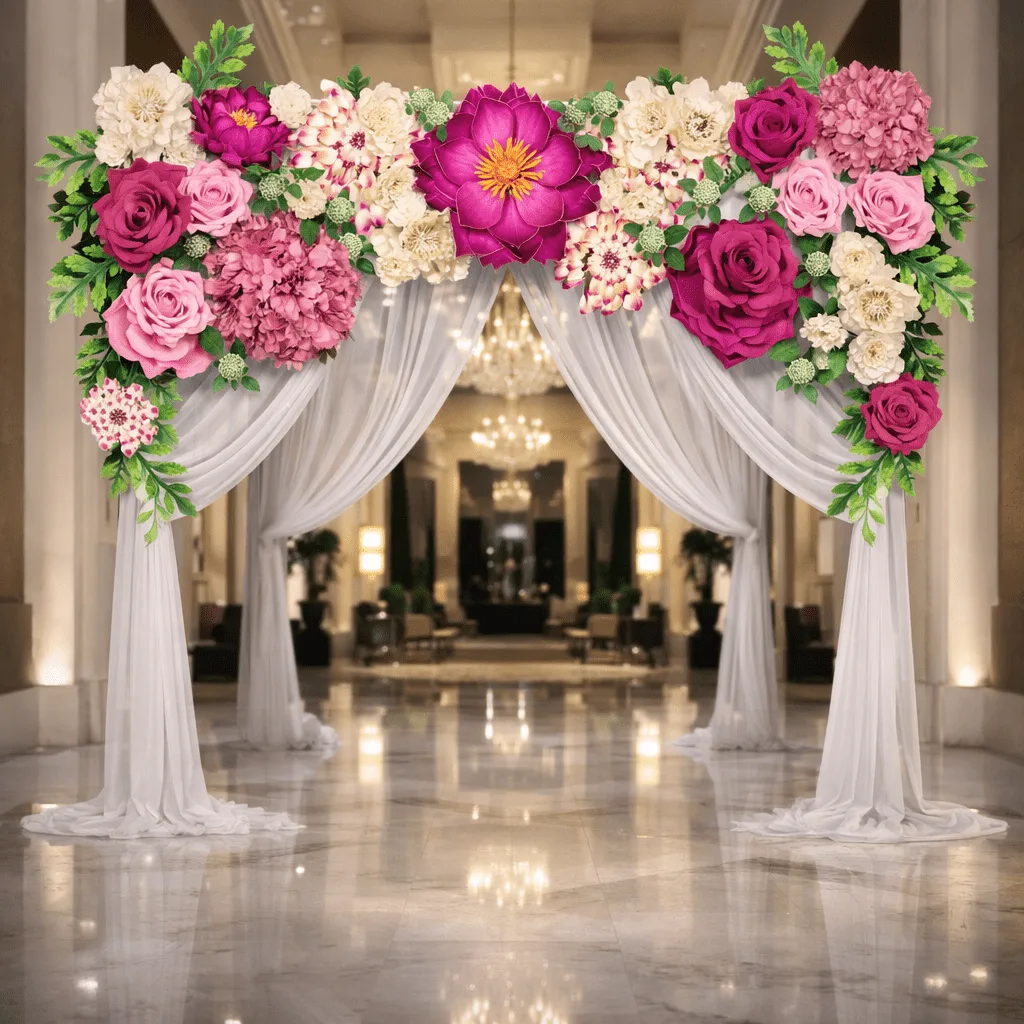
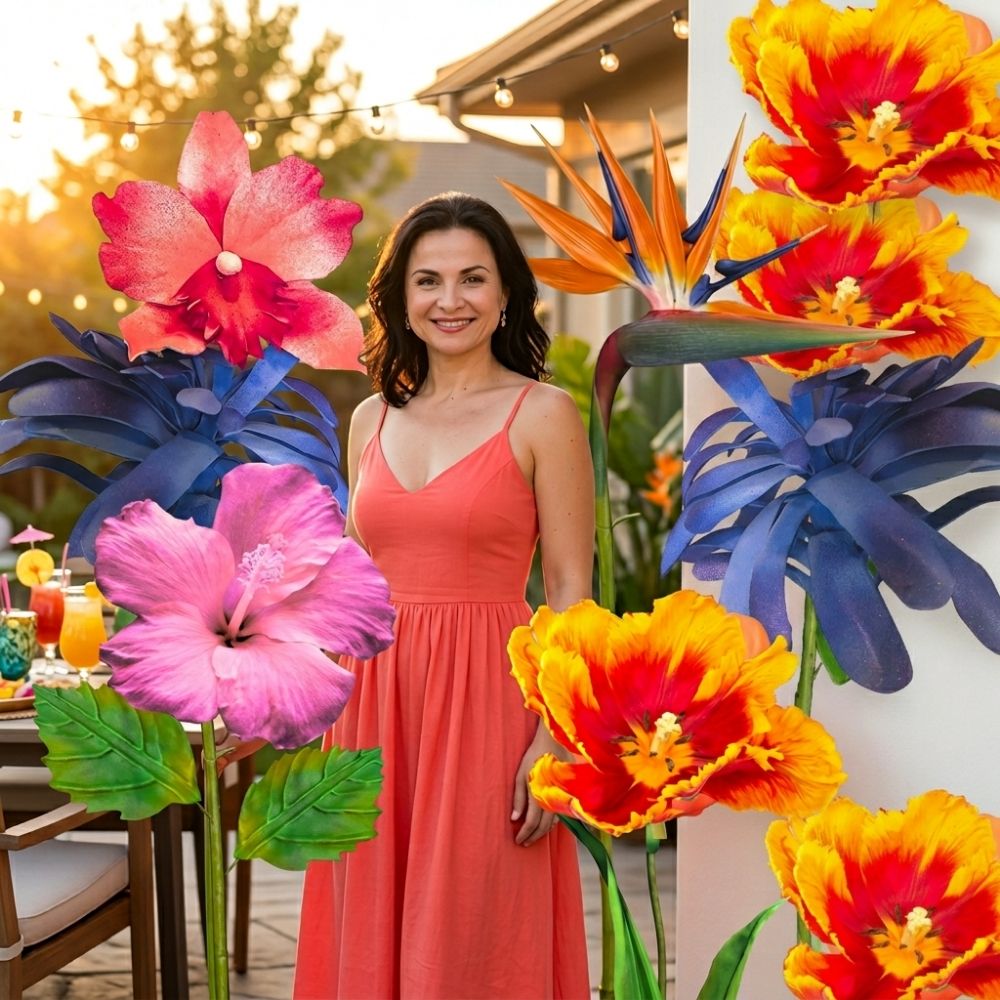
This is my world. When I'm building a giant flower backdrop for a wedding, quinceañera, or corporate event, EVA foam is the only material I trust. The petals need to be big — sometimes 12 to 18 inches long. They need to hold a realistic curve. And they need to survive being transported, assembled, and displayed for hours without wilting.
Craft foam simply cannot do that. I've seen people try. It's heartbreaking, honestly. If you're planning something like a giant flower wedding arch, please, please start with the right material.
Cosplay Armor and Props
The cosplay community has been using EVA foam for years — and for good reason. You can carve it, heat-shape it, seal it, paint it, and it holds up through entire convention weekends. Thicker sheets (6mm–10mm) are the go-to for armor pieces and structural props.
Theater props need to be lightweight but durable. They get handled, dropped, stored, and used again next season. EVA foam delivers on all of that. And because you can paint it beautifully (check out our guide on flawless foam board paint finishes), your props can look genuinely professional.
💡 Pro Tip
For giant flower petals, I almost always reach for 4mm or 6mm EVA foam. It's thick enough to hold its shape after heat-shaping, but still light enough that a full flower doesn't become a structural engineering problem. If you're making a smaller accent flower (under 8 inches), 2mm can work beautifully for delicate layered petals.
Good news: EVA foam is genuinely beginner-friendly. You don't need fancy equipment to get started. Here's what you actually need:
I have a detailed post on the best way to cut foam for flawless DIY crafts if you want to get into the specifics. It's one of those foundational skills that makes everything else so much easier.
Honestly? If you're brand new and feeling a little overwhelmed by all the choices, our freestanding flower kits are a great starting point. Everything is pre-sized and thought through — you just bring the creativity. Once you've made a few flowers and understand how the foam behaves, buying raw EVA foam by the roll makes a lot more sense.
🌸 Ready to get started?
Browse our full EVA foam collection — rolls and sheets in 2mm to 10mm thickness, ready to ship from Houston.
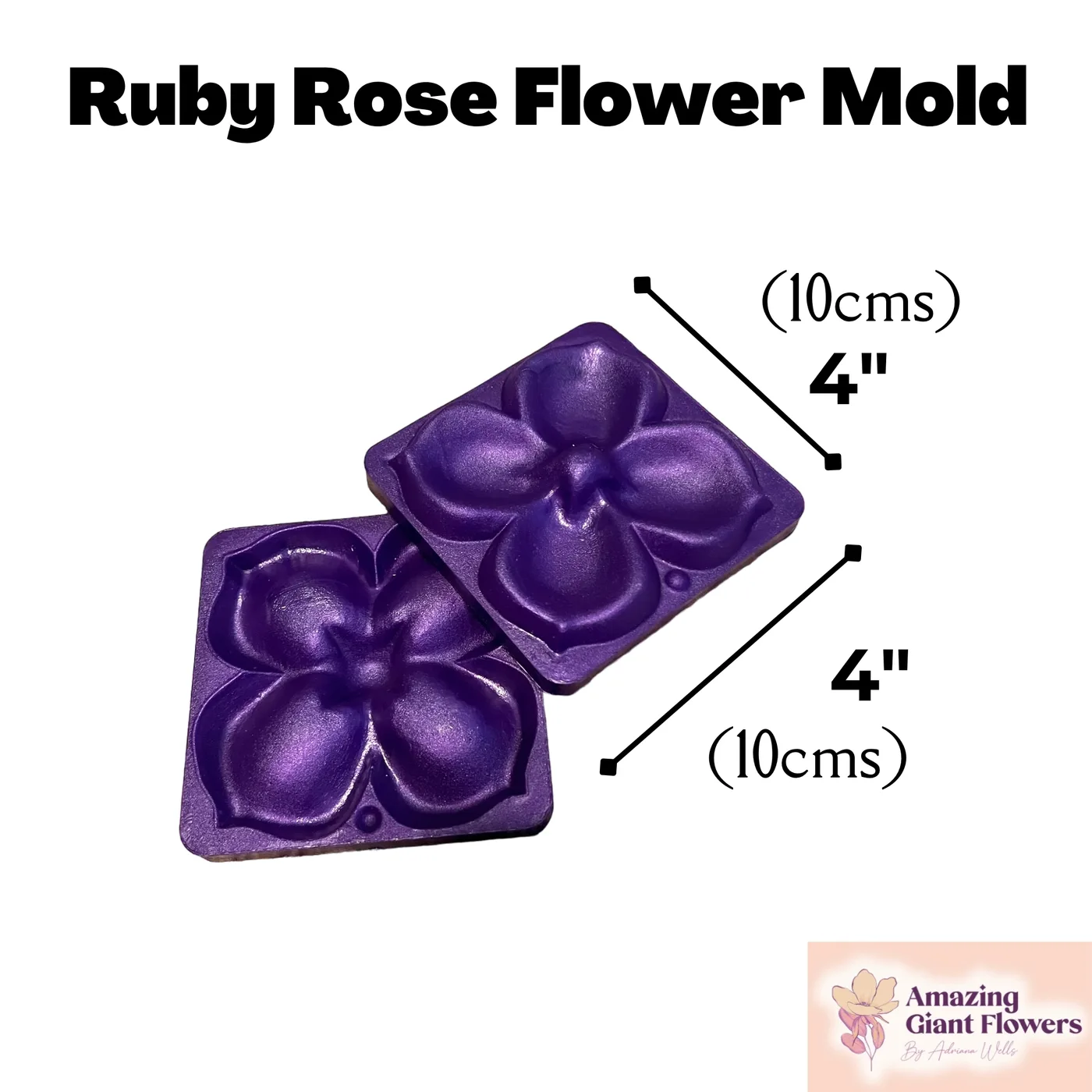
The foam is just the beginning. What you pair it with matters too. A few things I always recommend alongside EVA foam:
When you combine quality EVA foam with the right structural support and good molds, the results genuinely look like they came from a professional floral studio. That's the goal, right?
You can try, but I really don't recommend it for anything larger than about 6 inches. Craft foam doesn't have the structural integrity to hold up large petals — they'll flop and droop, especially in warm or humid conditions (hello, Houston summers). It also doesn't heat-shape the way EVA foam does, so you lose that beautiful natural curve that makes giant flowers look realistic.
If you want your flowers to actually look stunning and hold up through an event, EVA foam is the investment that pays off. You can read more about the broader material comparison in our guide to every type of foam for giant flowers.
What thickness of EVA foam should a beginner start with?
For most beginners, I recommend starting with 4mm EVA foam. It's forgiving enough to cut and shape easily, but substantial enough to hold a beautiful curve after you run a heat gun or iron over it. It's the sweet spot that most of my DIY flower kits are designed around.
Once you're comfortable with 4mm, you can experiment with 2mm for delicate inner petals and 6mm for larger statement blooms that need extra structure. But honestly, 4mm will take you a very long way.
Frequently Asked Questions
What is the main difference between EVA foam and craft foam?
The biggest difference comes down to density, thickness, and what the material can actually do. Craft foam is thin, floppy, and designed for flat, small-scale projects. EVA foam is denser, available in a much wider range of thicknesses, and — most importantly — it responds to heat so you can shape it into curves and three-dimensional forms.
For anything larger than a few inches, or anything that needs to hold its shape over time, EVA foam is simply the better material. Craft foam is a great budget option for kids' crafts, but it's not built for serious floral or prop work.
What tools do I need to shape EVA foam?
The good news is you don't need a lot. To heat-shape EVA foam, you can use a heat gun, a household iron, a flat grill, or a hair styler. Any of those will soften the foam just enough to press it into a curve or mold it around a shape, and once it cools it holds that form beautifully.
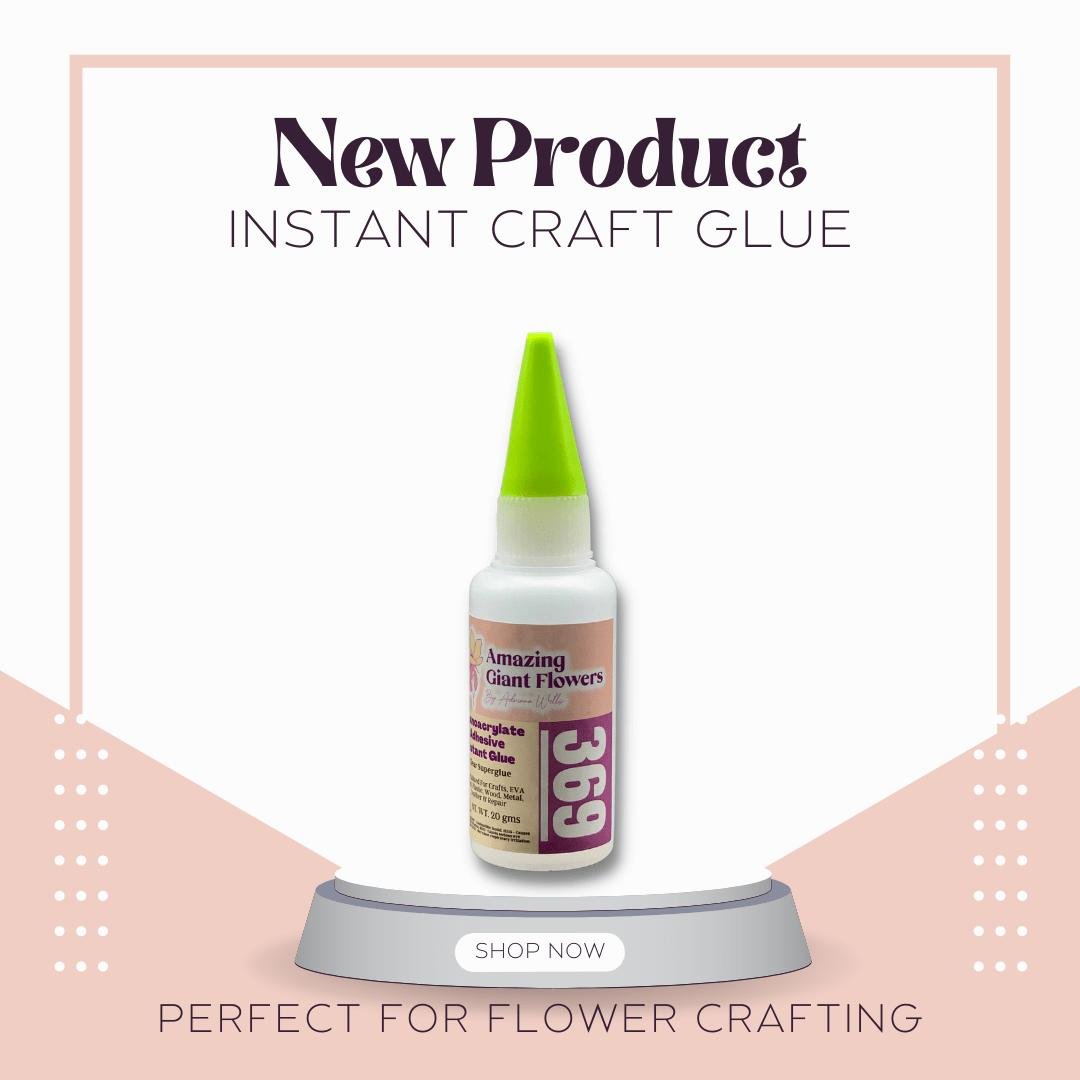
For gluing, I use 369 glue or a hot glue gun with silicone sticks — both are sold separately in my shop. A sharp craft knife or scissors rounds out your basic toolkit, and you're genuinely ready to start.
Can I use craft foam for giant flowers if I'm on a tight budget?
I completely understand wanting to keep costs down, and I'll always be honest with you: craft foam will struggle with anything over about 6 inches. The petals will flop, especially in warm or humid conditions — and if you're in Houston, you know exactly what I mean. The lack of heat-shaping ability also means you lose that realistic, dimensional curve that makes giant flowers look truly stunning.
If budget is a real concern, I'd suggest starting with a smaller flower in EVA foam rather than scaling up in craft foam. A well-made smaller EVA flower will always look better than a large craft foam one that's drooping by hour two of your event.
Do your giant flower kits include a base or stand?
They don't — and I want to be upfront about that so there are no surprises. Bases and stands are sold separately. The kits include everything you need to build the flowers themselves: pre-sized foam pieces, templates, and instructions. The base is a separate purchase because the right stand really depends on how and where you're displaying your flowers.
If you're not sure which base to pair with your kit, feel free to reach out — I'm always happy to help you figure out the right setup for your specific event or display.
I started Amazing Giant Flowers because I genuinely believe that beautiful, professional-looking floral décor should be accessible to everyone — not just people with a florist's budget. Understanding your materials is the first step, and I hope this breakdown helps you feel confident going into your next project. Whether you're making your very first flower or planning a full wedding backdrop, I'm rooting for you every single step of the way. 🌸
Shop the supplies
Everything You Need for This Project
Ready to Create Something Amazing?
Browse our collection of giant flower kits and start your next project today.