Flower Molds Math: How Reusable Molds Drop Your Cost Per Petal
Key Takeaways
Without a mold, most crafters spend roughly $0.44-$1.70 per petal in foam materials alone (depending on foam thickness), plus significant labor time. With a reusable mold and efficient nesting, that material cost drops to $0.31-$1.06 per petal — a savings of 30-40% on materials before you even count labor.
When you factor in labor savings at a modest $20-$25/hour rate, the total cost per petal (materials + time) drops dramatically — often by 60-80% compared to freehand cutting at production scale.
It depends heavily on the material. Cardboard templates start degrading after 10-15 uses. Acrylic or rigid plastic molds can last 200-500+ uses with proper storage. Silicone molds for texture and shaping can last even longer — often thousands of uses — because they're flexible and don't crack.
For production work, I always recommend investing in acrylic templates. The upfront cost is higher, but the per-use cost over their lifespan is a fraction of a cent.
Yes, generally. A dahlia petal is long and pointed. A peony petal is rounder and ruffled. A rose petal has that distinctive curved edge. Each flower type benefits from its own petal mold — or at minimum, a mold set that covers multiple petal shapes.
The good news is that many petal shapes are versatile. A basic elongated oval mold can work for multiple flower varieties depending on how you layer and shape the petals. Start with 2-3 core shapes and expand your collection as your production volume grows.
Is it worth making my own molds or should I buy them?
If you're just starting out and making 1-5 flowers, a DIY cardboard template is totally fine. It costs nothing and gets the job done. But if you're planning to make more than 10-15 flowers — especially for clients or events — buying quality acrylic molds is worth every penny.
The consistency and durability of purchased molds versus DIY cardboard is significant. I tried to stretch my cardboard templates way too long when I first started, and the quality of my later flowers in a batch was noticeably worse than the first ones. Don't make that mistake.
Absolutely. The same molds work beautifully with cardstock, crepe paper (160gsm is my favorite), craft foam, and even thin felt. The nesting and material efficiency principles are the same regardless of what you're cutting.
That said, EVA foam is the gold standard for giant flowers because of how it responds to heat shaping. If you're making flowers for outdoor events or long-term installations, EVA foam's durability is hard to beat. Check out our foam type guide for a full breakdown of material options.
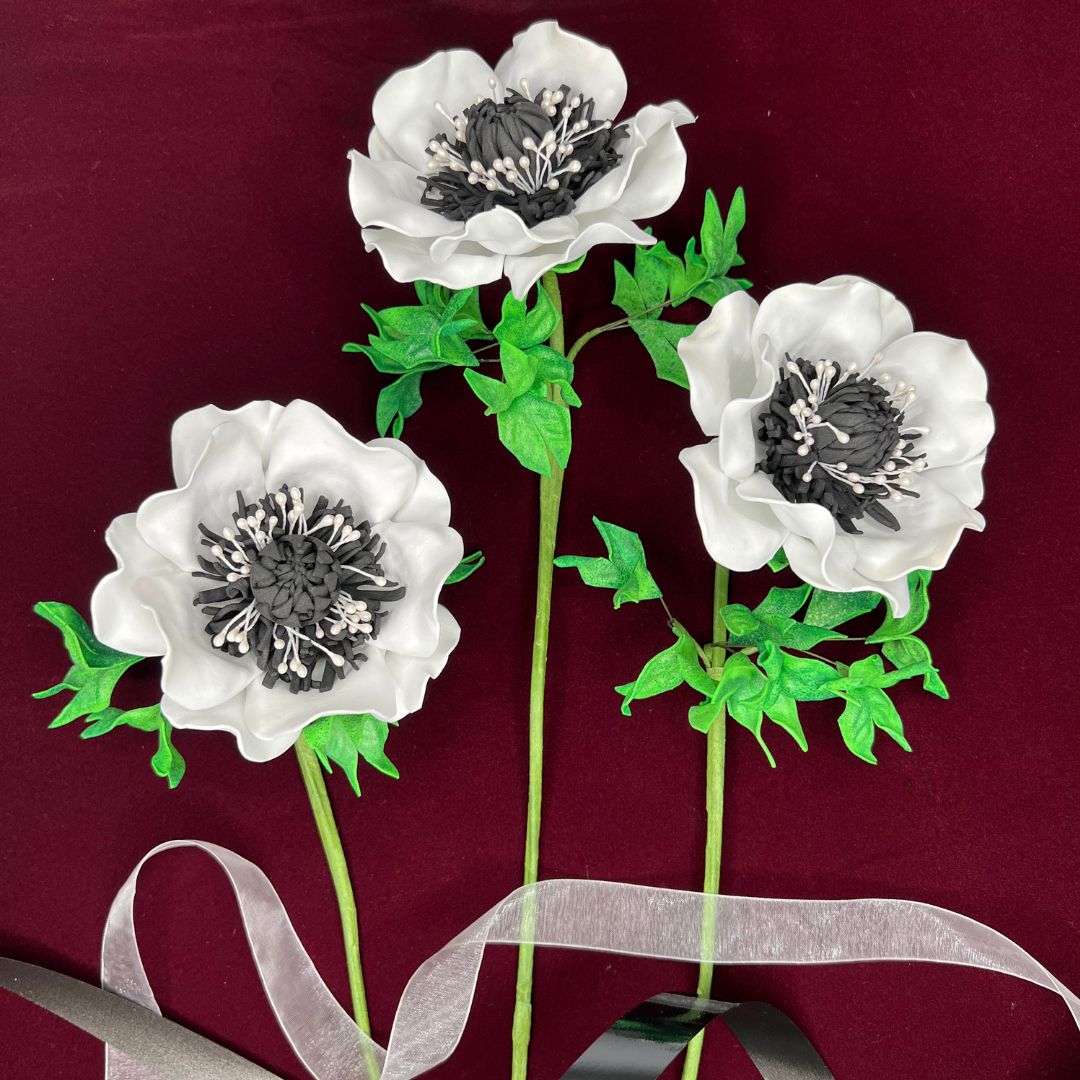
In the best possible way. Consistent petal shapes mean your finished flower has a symmetrical, intentional appearance that reads as professional and polished. Irregular freehand petals create subtle asymmetries that the eye picks up on — even if the viewer can't articulate exactly what's "off."
For events where giant flowers are used as photo backdrops or brand installations — like the work we've done for Dolce & Gabbana — that level of visual consistency isn't optional. It's the whole point. Our guide on DIY Giant Flower Backdrops for Photos shows exactly how this plays out in real installations.

The math doesn't lie. Reusable molds are one of the smartest investments you can make if you're serious about giant flowers — whether you're making three for a baby shower or three hundred for a wedding season rental fleet. The flower molds cost per petal savings compound every single time you use them, and the quality improvement is something your clients will notice immediately. If you're ready to start your next project with materials that are already precision-cut and ready to go, head over to the Amazing Giant Flowers shop. And if you're scaling up and want to talk through the best approach for your specific volume — I'm always happy to help. This stuff genuinely excites me, and I love seeing what you all create.
Frequently Asked Questions
How do reusable flower molds save money per petal?
Reusable molds reduce how much foam you waste when cutting petals, so your material cost per petal drops. I also see a big labor savings because consistent templates make the work faster and more efficient. When you scale up, those savings add up quickly.
What kinds of flowers benefit from different petal molds?
Different flower types do best with their own petal shapes. A dahlia petal is long and pointed, a peony petal is rounder and ruffled, and a rose petal has a curved edge. A basic elongated oval mold can also work for multiple flower varieties depending on how you layer and shape the petals.
Can I use the same molds for different crafting materials?
Yes, I can use the same molds with cardstock, crepe paper, craft foam, and thin felt. The nesting and material efficiency principles stay the same across those materials. EVA foam is still the gold standard for giant flowers because it responds so well to heat shaping.
Should I buy acrylic molds instead of making cardboard templates?
If you're just starting out and making only a few flowers, a DIY cardboard template is fine. But once you're making more than 10-15 flowers, I recommend quality acrylic molds because they hold up much better and keep your petals consistent. Cardboard templates start degrading after 10-15 uses, while acrylic or rigid plastic molds can last much longer with proper storage.
Why do consistent petal shapes matter for giant flowers?
Consistent petal shapes help the finished flower look symmetrical, intentional, and polished. Freehand petals can create small asymmetries that people notice even if they cannot explain why. That level of consistency really matters for photo backdrops and brand installations.
Ready to start your own? Everything I use for projects like this is in the shop. A great place to begin is the Real Touch Star of Bethlehem Foam Kit and the Real Touch Heirloom Rose Foam Flower Kit. Have questions while you build? Reach out anytime. I can't wait to see what you create!
Shop the supplies
Everything You Need for This Project
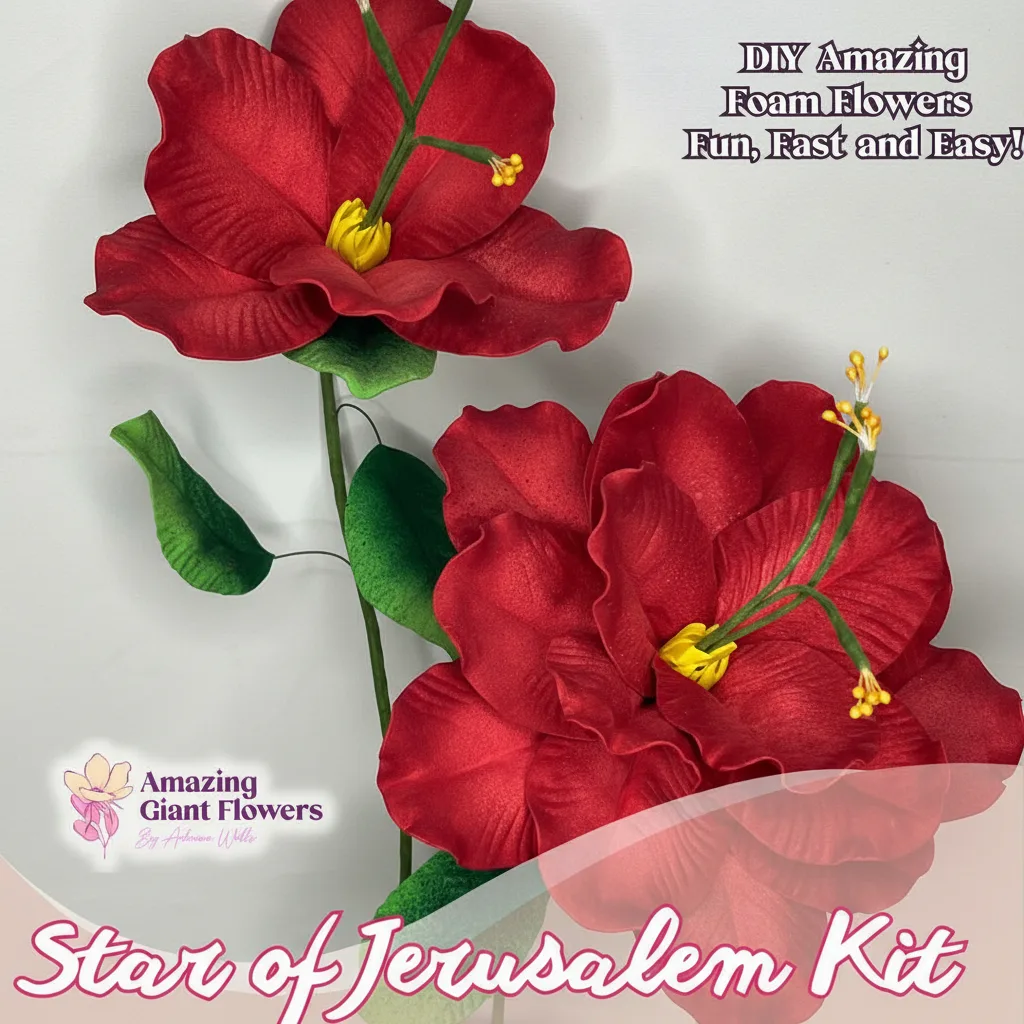
Real Touch Star of Bethlehem Foam Flower Kit — Large Tropical DIY Blooms (Star of Jerusalem) with Golden Pistils, Reusable Mold & Pre-Cut Petals
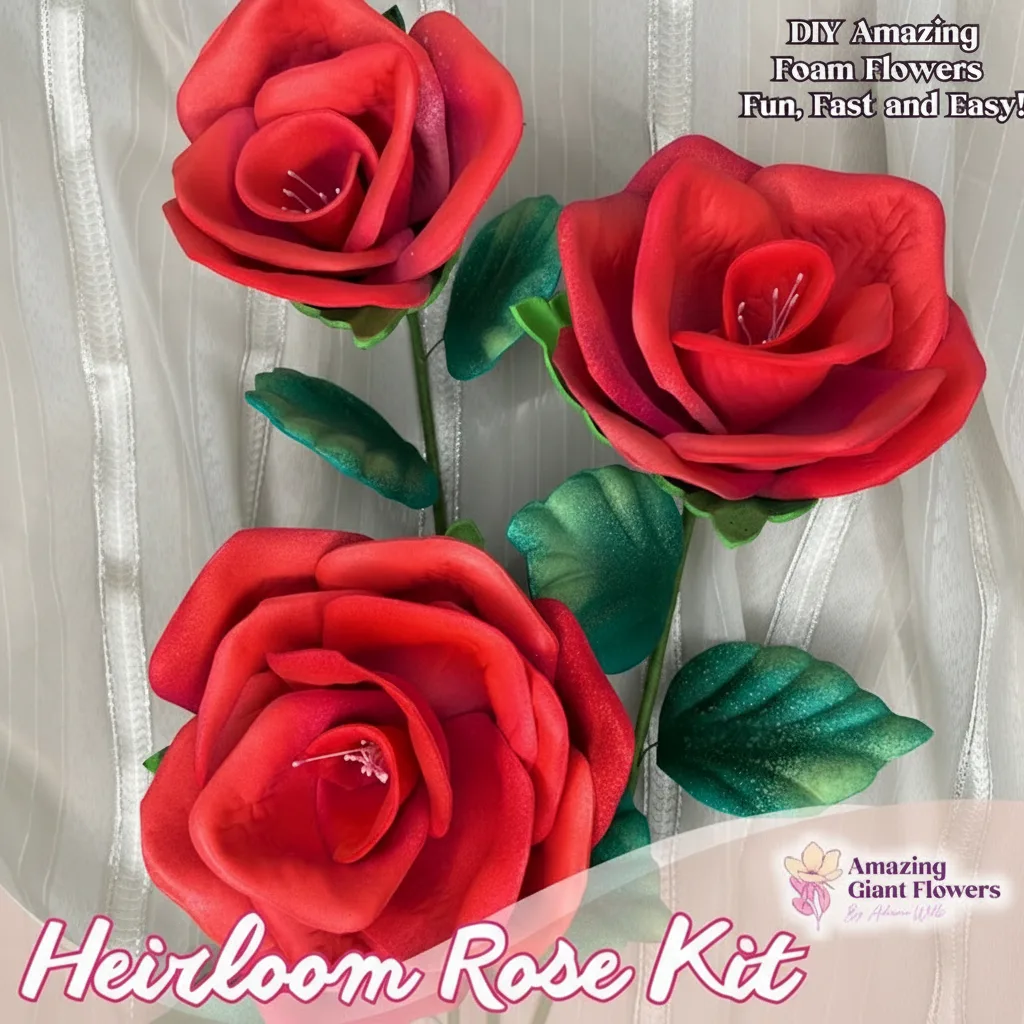
Real Touch Heirloom Rose Foam Flower Kit — 3 DIY Roses (6", 5" & 4") with 2 Reusable Molds, Pre-Cut Petals & Leaves
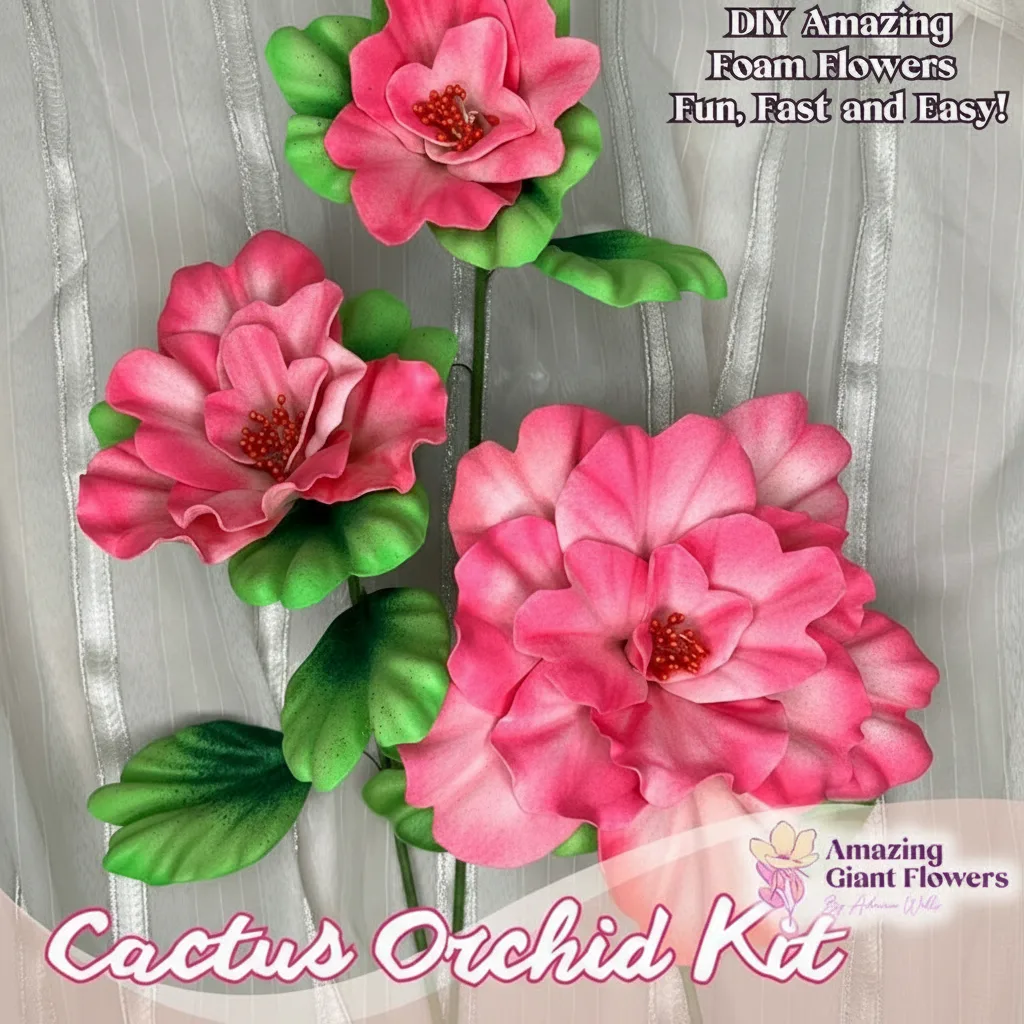
Real Touch Camellia Foam Flower Kit — Large DIY Ruffled Blooms with Reusable Mold, Pre-Cut Petals, Pistils & Leaves
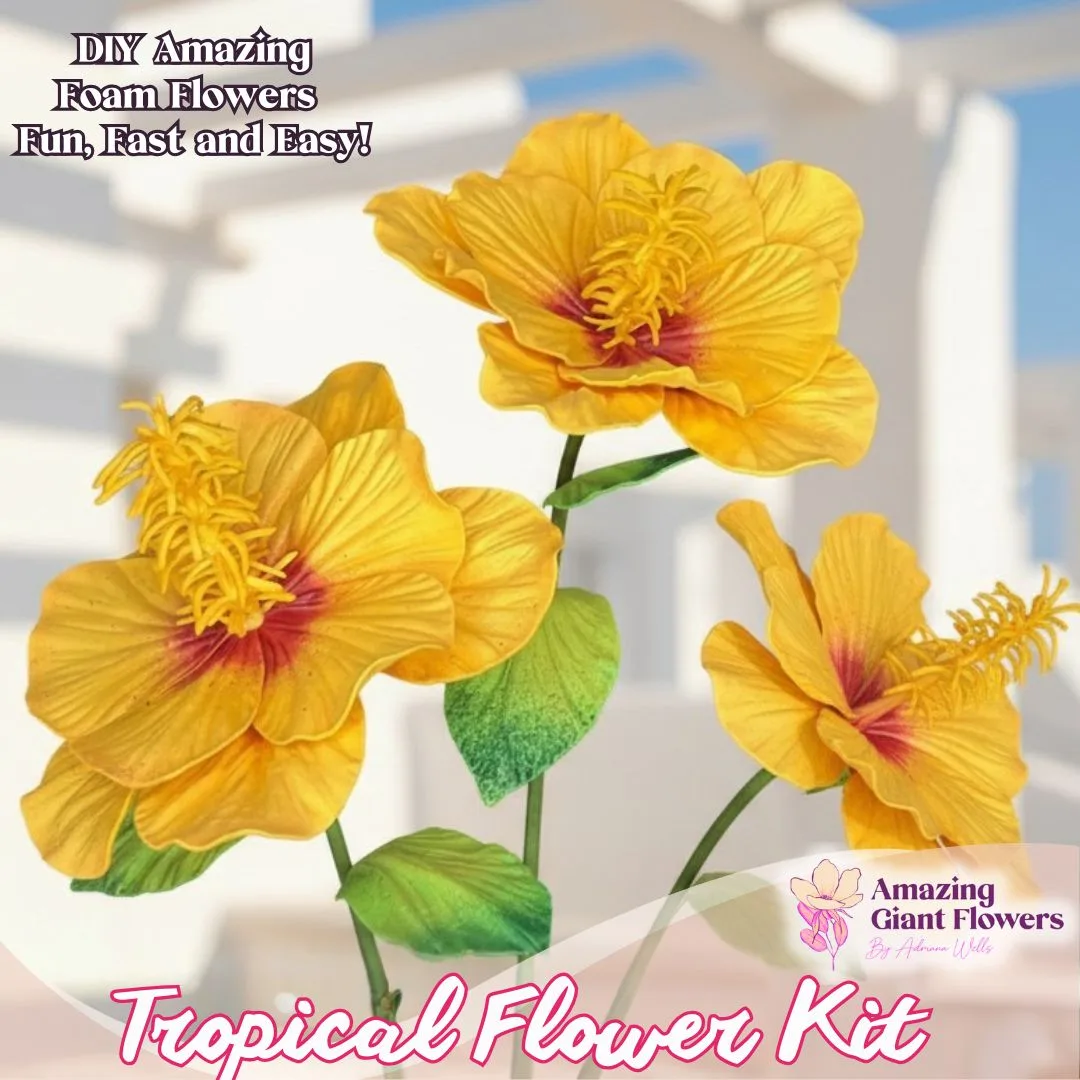
Real Touch Tropical Flower Foam Kit — Large DIY Hibiscus Blooms with Reusable Double-Sided Mold, Pre-Cut Petals, Bud & Leaves

Written by
Adriana WellsFounder & CEO of Amazing Giant Flowers
Adriana Wells is the founder and creative force behind Amazing Giant Flowers, a Texas-based company specializing in handcrafted giant foam flowers, luxury floral installations, and DIY flower-making supplies.
More about Adriana →Ready to Create Something Amazing?
Browse our collection of giant flower kits and start your next project today.