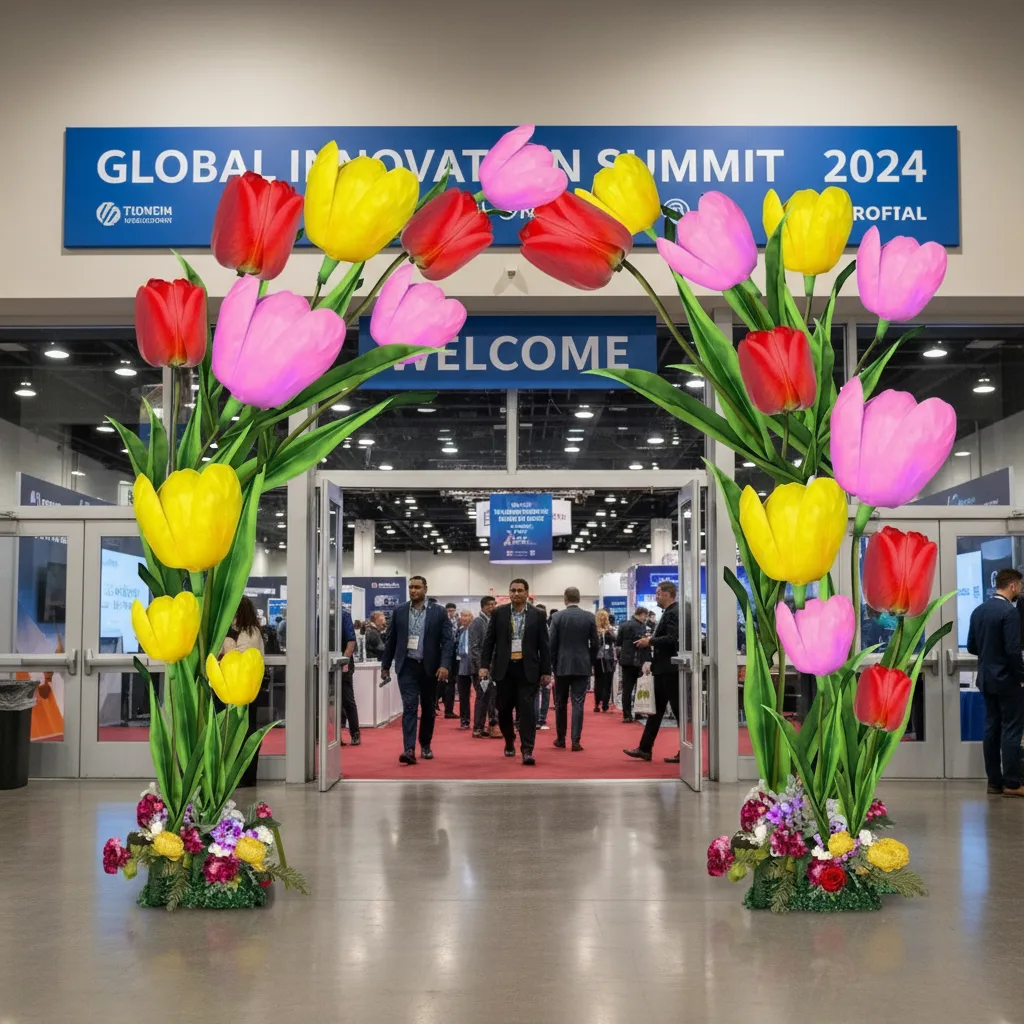
Foam Flower Care: Cleaning, Dusting, and Making Them Last for Years

Key Takeaways
- Dusting regularly (every 2-4 weeks) is the single most important thing you can do to keep foam flowers looking fresh and vibrant.
- Never use harsh chemical cleaners — a lightly damp microfiber cloth or soft brush is all you need for most cleaning situations.
- Heat is the enemy of EVA foam — keep flowers away from direct sunlight, heat vents, and hot car interiors to prevent warping.
- Proper storage (flat or hanging, in breathable bags) can extend the life of your foam flowers to 5+ years with regular use.
- Minor reshaping is totally possible with a low-heat hair dryer — EVA foam has memory that responds to gentle warmth.
Why EVA Foam Flowers Are Built to Last (When You Treat Them Right)
Unlike fresh flowers — which, according to Brides.com, cost couples an average of $2,000–$2,500 and last maybe a week — foam flowers are a one-time investment that pays off over and over again. Fresh flowers wilt. Crepe paper tears. Silk flowers fade and fray. But EVA foam flowers, when cared for properly, genuinely last for years.
That said, EVA foam does have a few vulnerabilities. It can warp under sustained heat. It accumulates dust. And it can get slightly compressed or dented if stored incorrectly. All of these things are totally manageable — you just need to know what to do.
The Basics of Foam Flower Care: What You Need
- Soft microfiber cloths: The gentlest option for wiping down petals. These pick up dust without scratching or leaving lint behind.
- A soft-bristle paintbrush (1–2 inches wide): Perfect for getting into the layered center of flowers where dust loves to hide.
- A can of compressed air: Great for blasting dust out of tight crevices without touching the foam at all.
- A spray bottle with plain water: For slightly more stubborn spots — just a light mist, never soaking wet.
- A low-heat hair dryer: For reshaping petals that have gotten a little bent or compressed.
- Mild dish soap (optional): For actual stains — a tiny drop diluted in water works wonders.
That's genuinely it. No specialty foam cleaners, no expensive sprays. Simple tools, used the right way.
How to Dust Your Foam Flowers (And How Often)
The Dusting Schedule That Actually Works
Dusting is the most important part of regular foam flower care — and it's the one people skip most often. Dust accumulates gradually, so you don't always notice it until it's really built up. My recommendation: dust your foam flowers every 2–4 weeks if they're on permanent display. For flowers used only at events, dust them before and after each use.If you're in a high-traffic area — a retail store, a restaurant, a busy studio — dust more frequently. Foot traffic kicks up particles constantly, and they settle right onto those beautiful petals.
Step-by-Step: How to Dust Giant Foam Flowers
Here's exactly how I do it. It takes maybe 5–10 minutes per flower once you get the hang of it. Step 1: Start with the outer petals. Use a dry microfiber cloth and gently wipe each petal from base to tip in one smooth motion. Don't scrub back and forth — that can create static and actually attract more dust.Step 2: Work your way inward. Use your soft-bristle paintbrush for the inner petals and layered center sections. A gentle sweeping motion works perfectly here. Step 3: Use compressed air for the very center. That's where dust really packs in, and a brush can sometimes push it deeper. A quick burst of compressed air from about 6–8 inches away clears it right out.
Step 4: Don't forget the stem and base. Dust collects there too, especially on freestanding flowers. A quick wipe-down keeps everything looking polished.
Deep Cleaning Foam Flowers: When and How
When Does a Foam Flower Need More Than Just Dusting?
Sometimes dusting isn't enough. If your flowers have been at an outdoor event, near food, or in a high-humidity environment, they may need a proper clean. Look for:- Visible smudges or fingerprints: Super common on flowers used as photo booth props or at kids' events.
- Sticky residue: Can happen near food stations or if someone sprays hairspray or perfume nearby.
- Actual dirt or mud: Outdoor events — enough said.
- Mystery stains: I don't always want to know what caused them, but I do want to remove them.
The Safe Deep-Clean Method for EVA Foam
Here's the method I trust. It's gentle enough to use regularly without degrading the foam or the paint. Mix a tiny amount — and I mean tiny, like a single drop — of mild dish soap into a small bowl of lukewarm water. Dip a microfiber cloth into the solution and wring it out until it's barely damp. You want moisture, not wetness.Gently dab or wipe the stained area. Work in small sections. Never scrub aggressively — EVA foam can hold up to a lot, but aggressive scrubbing can lift paint or texture from the surface.
After cleaning, go over the same area with a plain damp cloth (no soap) to remove any residue. Then let the flower air dry completely before storing or displaying it. Never use a hot dryer or place it in direct sun to speed up drying — that's how you warp petals.
What NOT to Use on Foam Flowers
Ok, this is important. I've seen people make these mistakes and the results are not pretty.- Bleach or bleach-based cleaners: Will strip color and degrade the foam structure over time.
- Alcohol-based sprays or hand sanitizer: Can dissolve certain foam finishes and leave permanent dull patches.
- Abrasive scrubbers or rough sponges: Will scratch and scuff the surface, especially on painted or coated flowers.
- Acetone or nail polish remover: Absolutely not. This will literally melt EVA foam.
- Soaking in water: EVA foam is water-resistant but not waterproof — prolonged soaking can weaken the adhesive bonds between layers.
Stick to mild soap and water. That's genuinely all you need.
Protecting Your Foam Flowers from Environmental Damage

Heat: The Biggest Enemy of Foam Flower Longevity
This is the one I cannot stress enough. Heat is the number one cause of foam flower damage that I see. EVA foam is thermoplastic — it softens and reshapes under heat, which is actually useful for DIY shaping, but terrible for finished flowers sitting in the wrong environment.Keep your flowers away from:
- Direct sunlight through windows: A south-facing window can create surprisingly intense heat. UV rays also fade color over time.
- Heat vents and radiators: Even indirect heat from a nearby vent can cause gradual warping.
- Hot cars: A car interior in summer can reach 130–170°F according to NHTSA data. That will warp your flowers badly.
- Outdoor summer events in direct sun: If flowers must be outdoors, keep them in shade as much as possible.
Humidity and Moisture Considerations
EVA foam handles humidity better than paper flowers by a long shot — but extreme moisture environments can still cause issues. If you live somewhere very humid (hello, fellow Houstonians — I feel you), make sure stored flowers have good air circulation.Don't seal foam flowers in airtight plastic bags for long-term storage. Trapped humidity can cause adhesive to weaken over months. Breathable fabric storage bags or open cardboard boxes work much better.
UV Fading and Color Protection
Even though EVA foam is more UV-resistant than fabric or paper, prolonged direct sun exposure will fade colors over time. This is especially true for bright pinks, purples, and reds — the pigments in those colors are more photosensitive. If your flowers are near a window, consider a UV-filtering window film. They're inexpensive and make a real difference for any display pieces.How to Reshape Foam Flower Petals That Have Bent or Compressed
The Hair Dryer Reshaping Method
Set your hair dryer to low heat. I mean it — low. Hold it about 8–10 inches away from the petal you want to reshape. Move the dryer slowly back and forth over the bent or compressed area for about 10–15 seconds. You'll feel the foam soften slightly under your fingers.While the foam is warm and pliable, gently guide it back into the shape you want with your hands. Hold it there for 20–30 seconds while it cools. It will set in the new position. This works beautifully for petals that got crushed during transport or storage. It's honestly a little magical the first time you do it.
When to Use a Heat Gun Instead
For more significant reshaping — like a petal that's been bent for a long time — a heat gun on its lowest setting gives you more control. But be careful. Heat guns get much hotter than hair dryers. Keep it moving constantly and never hold it in one spot. If you're new to working with EVA foam, check out our guide on every type of foam for giant flowers — it covers the properties of EVA and how heat affects different foam types.Foam Flower Care: Cleaning, Dusting, and Storage Best Practices
How to Store Foam Flowers Between Events
Storage is where a lot of people go wrong, and it's such an easy fix. Good storage habits are the foundation of long-term foam flower longevity.For freestanding flowers: Store upright if possible, in a large wardrobe box or custom storage bin. If you have to lay them flat, place them petal-side up with nothing stacked on top. For wall-mounted flowers: Stack them face-to-face with a layer of tissue paper or bubble wrap between each flower. This prevents the surface texture from imprinting on the petal below.
For stem-and-base assemblies: Disassemble the stems from the flower heads if possible. Store stems separately to prevent them from bending under the weight of the flower during storage.
Labeling and Organizing Your Inventory
If you're an event planner or decorator with a large collection, organization is everything. I label my storage boxes by color family and flower type, and I keep a simple spreadsheet of what I have and its condition. This sounds like overkill until the third time you're frantically searching for your blush pink peonies at 10pm before a morning setup. Trust me on this one.Foam Flowers vs. Other Materials: Longevity Comparison
| Material | Average Lifespan | Cleaning Ease | Weather Resistance | Reshapeable? |
|---|---|---|---|---|
| EVA Foam | 5–10+ years | Very easy | Good (avoid heat) | Yes, with heat |
| Silk/Fabric | 2–4 years | Moderate | Poor (fades, frays) | Limited |
| Crepe Paper | 1–2 years | Very difficult | Very poor | No |
| Fresh Flowers | 5–10 days | N/A | Very poor | No |
| Artificial Plastic | 3–5 years | Easy | Moderate | No |
EVA foam wins on almost every metric for long-term use. That's why brands like Disney and Dolce & Gabbana trust it for large-scale installations — it looks incredible and holds up under real-world conditions. According to Statista, the global events industry is valued at over $1.5 trillion — and with that kind of investment in event décor, longevity matters enormously to professional planners.
Repairing Common Foam Flower Damage
Fixing a Torn or Separated Petal
It happens. Someone bumps the display, a petal gets caught on something, and suddenly you've got a separation at the base. Don't panic — this is very fixable. Hot glue is your best friend here. Use a low-temperature glue gun (not high-temp — that can melt the foam). Apply a thin bead of glue to the separated edge and press firmly for 30–45 seconds. Done.For a cleaner repair on a visible seam, you can also use foam-safe contact cement. Apply to both surfaces, let it get tacky for about 60 seconds, then press together. The bond is nearly invisible and very strong.
Touching Up Paint or Color
If a painted flower gets a scuff or scratch, touch-ups are easy. Acrylic paint adheres beautifully to EVA foam. Match your color as closely as possible, apply with a small brush, and let it dry fully before handling. For tips on getting perfect paint finishes on foam, I'd point you to our post on flawless foam board paint finishes — a lot of those techniques translate directly.Fixing a Bent or Kinked Stem
Our bendable pipe stems are designed to flex, but sometimes a stem gets a kink that won't relax on its own. Usually you can just bend it back manually — slowly and evenly, not with a sharp jerk. If the stem wire has snapped inside the foam casing, that's a trickier fix. Reach out to us directly — we can usually advise on a replacement stem that works with your existing flower head.Making Foam Flowers Last for Outdoor Events
Shade whenever possible. Set up flowers under a tent, canopy, or near a building where they'll get natural shade during the hottest part of the day. This protects against both heat warping and UV fading. Anchor freestanding flowers properly. Wind is a real concern outdoors. Make sure your bases are weighted appropriately — I recommend adding sand or gravel to hollow bases for outdoor use.
Avoid dewy mornings and rainy setups. EVA foam handles light moisture fine, but if flowers sit in a wet environment for hours, adhesive bonds can weaken over time. If rain is in the forecast, have a plan to bring them inside.
For more ideas on using giant flowers outdoors, check out our guide on giant flower wedding arches — there's a whole section on outdoor setup and protection.
Frequently Asked Questions
How often should I clean my foam flowers?
For flowers on permanent display, dust every 2–4 weeks and deep clean every 3–6 months or as needed. For event-use flowers, dust before and after each use and deep clean any time you notice visible stains or buildup.
Can I use a vacuum to clean foam flowers?
Yes — but carefully. Use the soft brush attachment on the lowest suction setting. Hold the attachment slightly above the surface rather than pressing it against the foam. This works well for large outer petals but isn't ideal for delicate inner layers.
How long do EVA foam flowers actually last?
With proper care, EVA foam flowers can last 5–10 years or more. I have flowers in my own collection that are several years old and still look gorgeous. The key factors are avoiding sustained heat, storing them properly, and doing regular light maintenance.
Compare that to fresh flowers (5–10 days) or crepe paper flowers (1–2 years maximum), and the value proposition of foam is clear — especially if you're planning to reuse them across multiple events.
Can foam flowers be used outdoors long-term?
For short-term outdoor use — events, photo shoots, temporary installations — absolutely. For permanent outdoor display, I'd be more cautious. Extended UV exposure will eventually fade colors, and sustained outdoor heat can cause gradual warping. If you want them outdoors long-term, keep them shaded and consider a UV-protective clear coat spray on the surface.
What's the best way to store foam flowers long-term?
Store them in breathable containers — wardrobe boxes, fabric bags, or open cardboard boxes. Keep them away from heat sources and direct sunlight. Don't stack heavy items on top of flower heads, and if possible, store freestanding flowers upright rather than flat. Disassemble stems from flower heads to prevent compression during storage.
Can I spray paint or re-paint my foam flowers?
Yes! Acrylic paint and foam-safe spray paint both work well on EVA foam. Avoid solvent-based spray paints — they can dissolve or pit the foam surface. If you're refreshing an old flower or changing the color entirely, lightly sand the surface first for better adhesion, then apply thin coats. Our guide on painting on foam core has great technique tips that apply here.
Your giant foam flowers are an investment — in your event, your business, your creative vision. And honestly? They're tough. With just a little regular attention, they'll keep looking incredible for years. If you're just getting started with giant foam flowers, or you're ready to add to your collection, come visit us at amazinggiantflowers.com/shop. I'd love to help you find the perfect flowers for your next project. And if you have questions about care or repair that I didn't cover here — reach out! I genuinely love hearing from the people who use these flowers.
Ready to Create Something Amazing?
Browse our collection of giant flower kits and start your next project today.