Foam Flower Kits for Assisted-Living & Group Activities
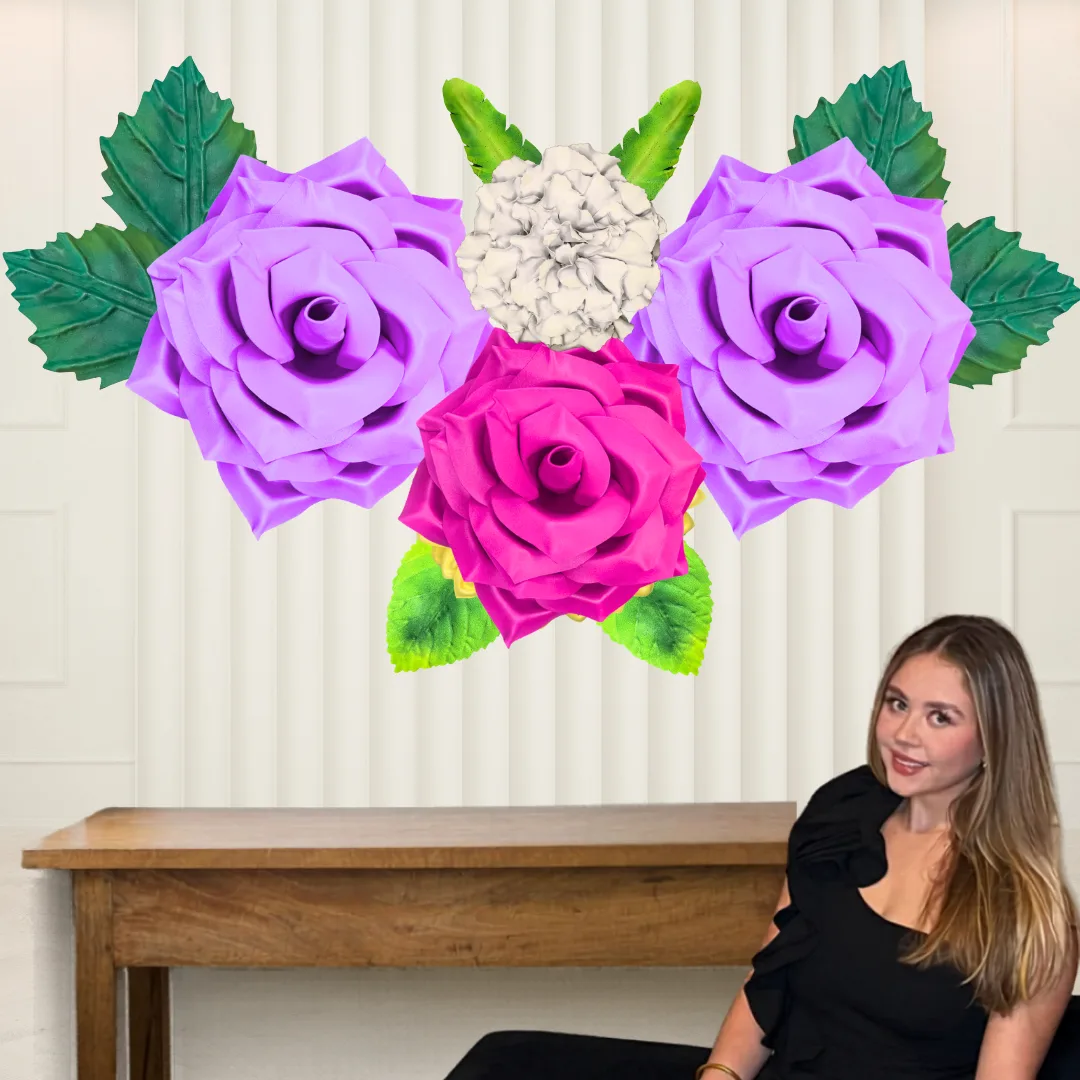
If you're an activity coordinator, you already know the pressure of finding a group craft activity that actually works — one that's engaging enough to hold attention, simple enough that nobody feels frustrated, and beautiful enough that participants feel genuinely proud of what they made. That's a tall order. And honestly? Most craft kits out there fall flat on at least one of those counts.
I started Amazing Giant Flowers years ago because I fell in love with the art of oversized blooms. But somewhere along the way, I kept hearing from activity directors, occupational therapists, and senior center coordinators who were using my foam flowers in their programs — and the stories they shared completely changed how I thought about this craft. These weren't just decorations. They were moments of connection, accomplishment, and joy.
So I want to talk directly to you today. If you're planning programming for assisted-living residents, memory care participants, adult day programs, or any kind of group setting — our Life-Size Foam Flower Kits might be exactly what you've been looking for. Let me walk you through why.
Key Takeaways
Real talk? I've seen the craft supply closets in senior centers. There are half-used kits, tangled yarn projects that nobody finished, and pom-pom sets still in the shrink wrap. It's not because the residents aren't interested. It's because the projects weren't designed with group dynamics in mind.
Here's what typically goes wrong:
- Too many fiddly steps — participants lose the thread (literally and figuratively) and disengage.
- Materials that punish shaky hands — paper tears, glue strings everywhere, scissors slip.
- Results that look "crafty" but not beautiful — and participants can tell the difference. Pride matters.
- Prep that takes longer than the activity itself — coordinators spend an hour cutting and sorting before anyone even sits down.
I designed the Crafter Line specifically to solve these problems. Not on purpose at first — honestly, I was just trying to make a kit that my own customers could use at home without a crafting background. But the feedback I kept getting from group settings told me we'd accidentally built something really special for this exact use case.
This is where I get a little nerdy, so bear with me. The material matters so much more than people realize.
Our kits use EVA foam — the same soft, flexible material used in high-quality craft and cosplay applications. It has a slight give to it. If someone's hands tremble or they press too hard, the petal doesn't crumple or tear. It just... flexes. And then you can reshape it. That's genuinely huge when you're working with older adults or anyone with limited fine motor control.
Compare that to paper flowers — which, don't get me wrong, are beautiful. But paper is unforgiving. One wrong fold and you've got a crease you can't undo. I actually wrote a whole comparison if you're curious: check out Foam Flowers vs Paper Flowers: Which Is Better for Events? — it breaks down the differences in a really practical way.
Here's something that surprises people every time: our life-size foam flowers look and feel incredibly realistic. The real-touch finish mimics the texture of actual petals. When participants hold the finished flower, there's this moment of genuine delight — "Did I really make this?" That reaction? That's the whole point.
This matters more than you'd think in a facility setting. Finished pieces can be displayed in common areas, on windowsills, at nursing stations. They won't wilt, fade, or get damaged by humidity. Residents' work lasts. And that longevity reinforces a sense of contribution — "I made that thing that's still on the wall three months later."
Let me give you the practical details, because I know you're planning budgets and sessions and you need specifics.
Our Life-Size Foam Flower Kits range from $34.99 to $49.99 and make between 2 and 6 flowers per kit, depending on the style you choose. For a group session, you can do the math pretty quickly — a couple of kits can easily serve a table of 6–8 participants, especially if you're doing a collaborative display piece rather than individual take-homes.
If you want to expand your program over multiple sessions, our EVA foam sheets and flower molds are available separately — so once participants know the basics, you can keep the creativity going without repurchasing full kits every time.
💡 Pro Tip
For memory care groups, consider doing a "one petal at a time" session structure. Each week, participants add one layer to a communal flower. The gradual build keeps engagement high across multiple visits and gives residents something to look forward to — and look back on — each session.
How to Structure a Group Craft Activity Session with Foam Flowers
Ok, this is where it gets really fun. Let me walk you through what a session could actually look like, from setup to finish.
This is where I want to save you time. Because the petals are already pre-cut, your prep is mostly just organizing. Sort petals by size into small trays or cups at each station. Set out the molds. Have a low-temp glue gun per table (or per 2–3 participants if you have volunteers helping). That's genuinely it.
Total prep time for a table of 8? I'd estimate 15–20 minutes max. Compare that to paper flower projects where you might spend an hour cutting and tracing templates.
Start with a show-and-tell moment — bring a finished flower and pass it around. Let people touch it, smell it (yes, some people do this!), and really look at it. That sets the expectation: "We're going to make something this beautiful today."
Then walk through the steps together as a group. The mold does a lot of the heavy lifting — participants press petals into it to get the shape, then layer them. The tactile, hands-on nature of working with foam is genuinely therapeutic. There's research behind this: repetitive, focused hand movements can be calming and centering, especially for participants managing anxiety or early-stage dementia.
Display the finished flowers! This part is non-negotiable in my opinion. Whether it's a communal wall display, individual flowers sent to residents' rooms, or a centerpiece for the dining area — the work needs to be seen. Visibility = validation. If you want ideas for displaying finished pieces, our post on DIY Giant Flower Backdrop for Photos has some really creative display approaches that translate beautifully to facility settings.
I want to be fair here and actually compare options, because you deserve a real answer — not just a sales pitch. Here's how foam flower kits stack up against other common group craft activities for assisted-living settings:
The thing that stands out to me every time I look at this? Foam flowers win on result quality AND accessibility simultaneously. That combination is rare. Most crafts that are highly accessible produce modest results. Foam flowers produce something genuinely stunning — and that matters enormously for participant self-esteem and engagement.
🌸 Ready to plan your next session?
Browse our full Life-Size Foam Flower Kits collection and find the perfect style for your group.
Therapeutic Benefits of This Group Craft Activity
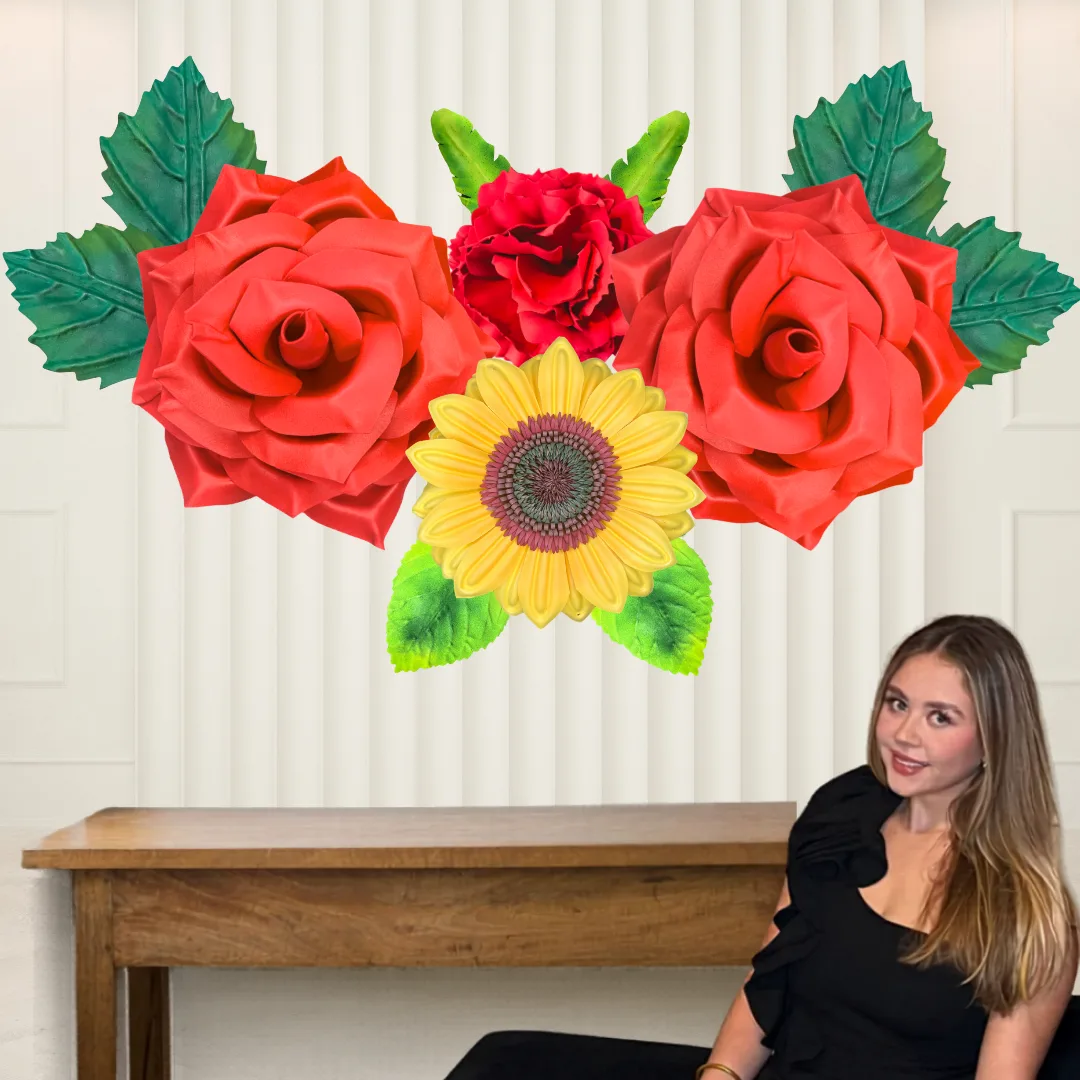
I want to be careful here — I'm not a therapist, and I'm not making medical claims. But I've heard enough from coordinators and occupational therapists who use our kits to know that the benefits go well beyond "it's fun."
Fine Motor Engagement
Handling petals, pressing them into molds, layering and assembling — these are all gentle, repetitive hand movements that engage fine motor skills without demanding precision. The foam's flexibility means there's a wide margin for error, which keeps frustration low and engagement high.
Cognitive Stimulation
Following a sequence (petal sizes, layering order, center placement) provides light cognitive engagement without being overwhelming. For residents in early to mid-stage memory care, this kind of structured-but-flexible task can be genuinely beneficial.
Social Connection
Crafting together naturally sparks conversation. "Oh, what color are you choosing?" "Mine looks like a rose — what do you think?" I've had coordinators tell me that flower-making sessions are some of the most conversational activities they run. There's something about creating something beautiful together that opens people up.
Pride and Accomplishment
This one's the big one. When a resident holds their finished life-size foam flower and it looks like something from a professional florist's display — that feeling is real and powerful. It's not a participation trophy. It's genuine craftsmanship. And people feel that difference.
Creative Themes and Session Ideas for Activity Coordinators
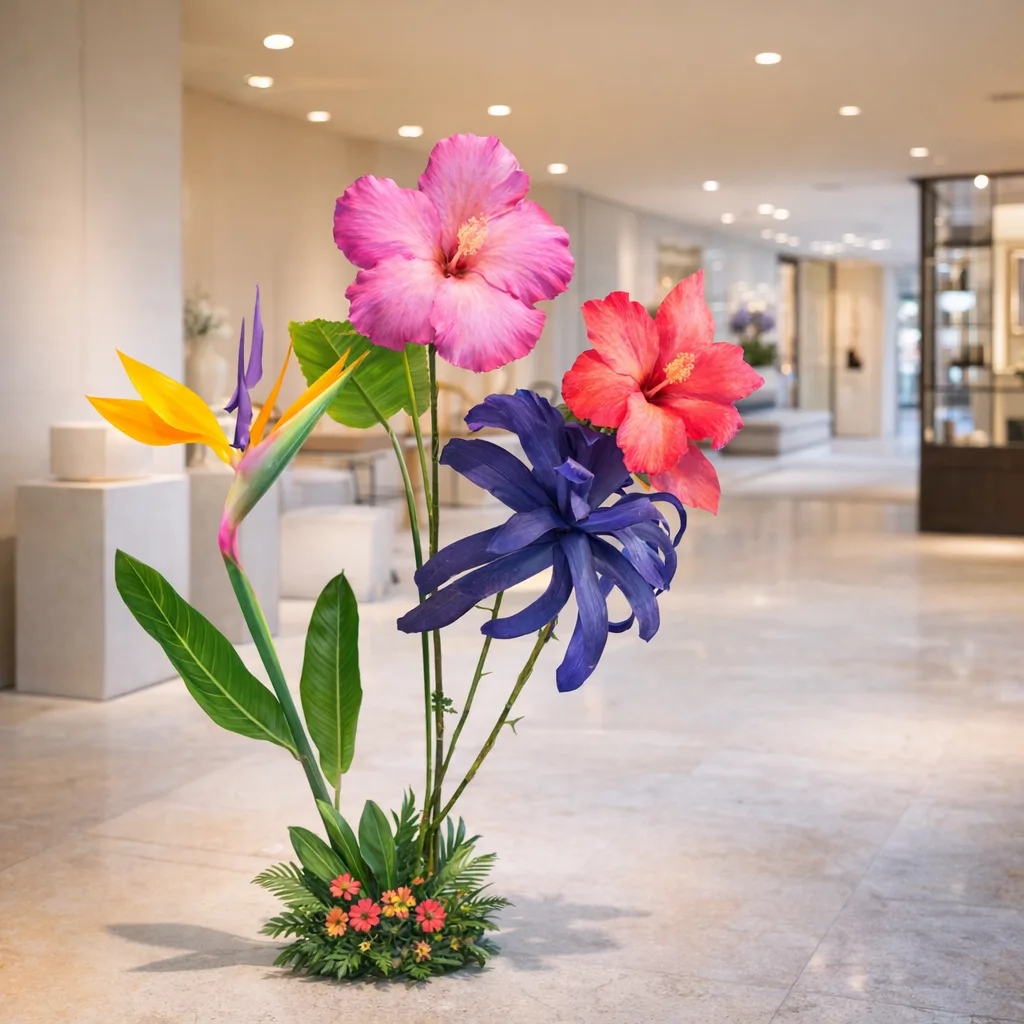
One of my favorite things about foam flowers is how versatile they are as a programming tool. Here are some themed session ideas that have worked really well in group settings:
- Seasonal Displays: Spring peonies
Ready to Create Something Amazing?
Browse our collection of giant flower kits and start your next project today.