Amazing Giant Flowers by Adriana Wells

Bendable Pipe Stems for Giant Flowers: The Complete Guide

Adriana | Amazing Giant Flowers May 28, 2026 11 min read
Bendable Pipe Stems for Giant Flowers: The Complete Guide
```html

If you've ever built a giant foam flower and then stared at it wondering how on earth do I make this thing stand up and look natural, you are not alone. The stem situation is genuinely the part most people skip over or rush through — and then wonder why their flower looks stiff, awkward, or just... sad. That's exactly why I put together this foam flower stem bendable pipe guide. Because once you understand how stems work, everything about your giant flower game changes.

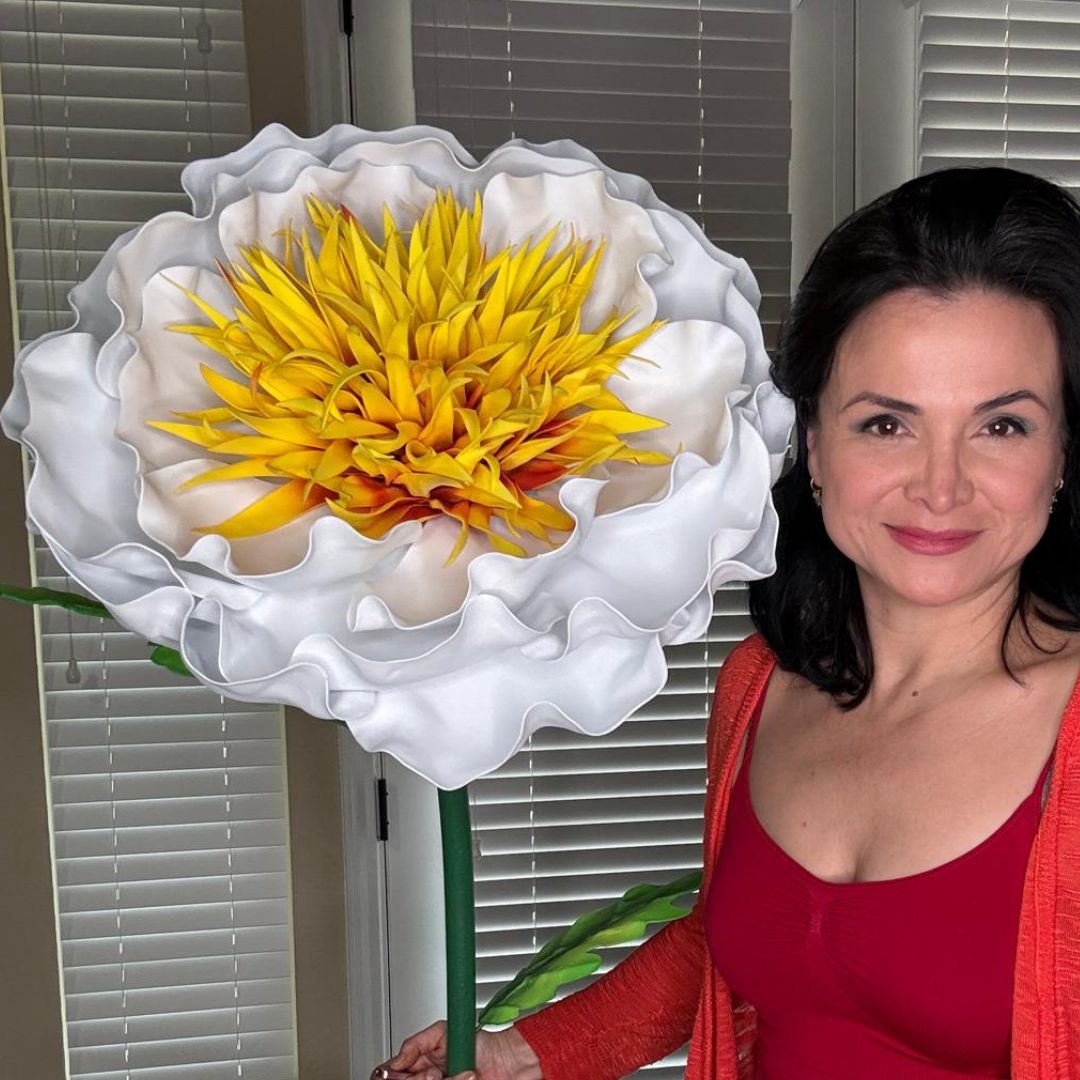
I've been making giant EVA foam flowers for years now. I've worked with Disney, I've shipped kits all over the country, and I still remember the first time I figured out that the right pipe stem could make a flower look like it was actually growing out of the ground. It was a total lightbulb moment. The flower went from looking like a craft project to looking like something out of a fairy tale garden.


So today I'm walking you through everything. What bendable pipe stems are, which ones to use for which flowers, how to attach them, how to shape them — all of it. Grab your coffee. Let's do this.

Ok, so let's start at the beginning. A bendable pipe stem is exactly what it sounds like — a flexible, hollow or solid pipe that you can shape by hand to create a natural, curved stem for your giant flower.

These are not the flimsy little craft wires you find in a dollar bin. We're talking about heavy-duty aluminum core pipes wrapped in paper or fabric, designed to hold their shape once you bend them — even under the weight of a 2 to 5 foot foam flower.


Here's the thing most tutorials miss: the stem isn't just structural. It's visual. A slightly curved stem makes your flower look alive. A perfectly straight, rigid stem makes it look like a lollipop on a stick.

Real flowers curve. They lean toward light. They droop just slightly under the weight of their own bloom. When you nail that in a giant foam flower, people stop and stare. That's the goal.


According to Statista, the US floral and event décor market continues to grow year over year, with consumers spending more than ever on immersive event experiences. Giant flowers are a massive part of that trend — and the difference between a professional-looking installation and a craft fair booth often comes down to details like this one.

Not all bendable pipes are created equal. I've tested a lot of them over the years, and I have opinions. Strong ones.


The pipe you choose depends on three things: the size of your flower, where it's being displayed, and how long it needs to last. Let me break this down.

Honestly? Skip the cheap floral wire for anything over 18 inches. It bends when you don't want it to and doesn't bend when you do. I've seen so many beautiful flower builds ruined by a floppy wire stem.

You can find the bendable pipe stems I use and recommend right in our shop — I've already done the testing so you don't have to.


Stem Length: How Long Should It Be?

This is a question I get constantly. And the answer is: it depends on your display setup.

For a freestanding flower that goes into a weighted base or vase, you want at least 18 to 24 inches of stem below the bloom. That gives you enough length to anchor it securely and still have room to adjust the angle.


For a floor arrangement where the flower stands tall, you might want a full 36 to 48 inch stem. That's when you're creating that dramatic, larger-than-life garden effect that looks incredible at weddings and quinceañeras. (Speaking of which — if you're planning a quinceañera, check out our quinceañera backdrop ideas guide because giant flower stems are a huge part of making those setups look stunning.)

For wall-mounted flowers, you might not need a full stem at all — just a short 6 to 8 inch pipe stub that attaches to the wall bracket and keeps the flower from rotating.


Ok, this is where it gets really fun. The attachment method makes or breaks the whole thing, so pay attention here.

There are a few different ways to do this depending on your flower design. I'll walk you through the most reliable method I use in my own builds.


First, you need to think about this before you assemble your flower. I know, I know — most people build the whole flower and then go "wait, how do I add a stem?" Trust me, plan the stem attachment point at the start. It's so much easier.

When I'm cutting my EVA foam center disc — that's the base piece that holds all the petals — I cut a 3/4 inch hole in the center. That hole is where the stem pipe will feed through.


Here's my step-by-step process:

If you're building a freestanding giant flower arrangement, you'll also want to think about how the stem connects to your base. A PVC pipe sleeve inserted into a weighted bucket of concrete or sand is one of my favorite tricks for outdoor events. The aluminum stem slides right into the sleeve and locks in place.


If your flower is on the larger end — we're talking 4 to 5 feet across with multiple layers of thick EVA foam — you need to reinforce that attachment point.

I use a technique I call the "double disc method." Instead of one center foam disc, I cut two and sandwich a small wooden disc (about 4 inches in diameter, 1/4 inch thick) between them. The pipe runs through all three layers. The wood gives the glue something really solid to grip onto, and the whole assembly becomes incredibly stable.


According to The Knot, oversized floral installations are one of the top wedding décor trends right now, with couples investing significantly in statement backdrops and ceremony arches. If you're building flowers for a wedding arch, you definitely want that double disc reinforcement — those flowers need to hold up for hours of photography. Our giant flower wedding arch guide goes deep on exactly this kind of structural planning.

Here's the part I love most. Once your stem is attached, you get to sculpt it.

This is genuinely an art form, and it takes a little practice — but once you get the feel for it, you'll be bending stems in your sleep. (I may or may not have dreamed about flower stems. No comment.)


The key principle is this: bend gradually, not sharply. A sharp bend looks broken. A gradual curve looks organic.

Hold the stem with both hands about 6 inches apart and apply slow, even pressure. Move your hands along the stem as you work, creating a long smooth arc rather than a single kink point. Think of the letter J or a gentle S-curve — those are your two most natural stem shapes.


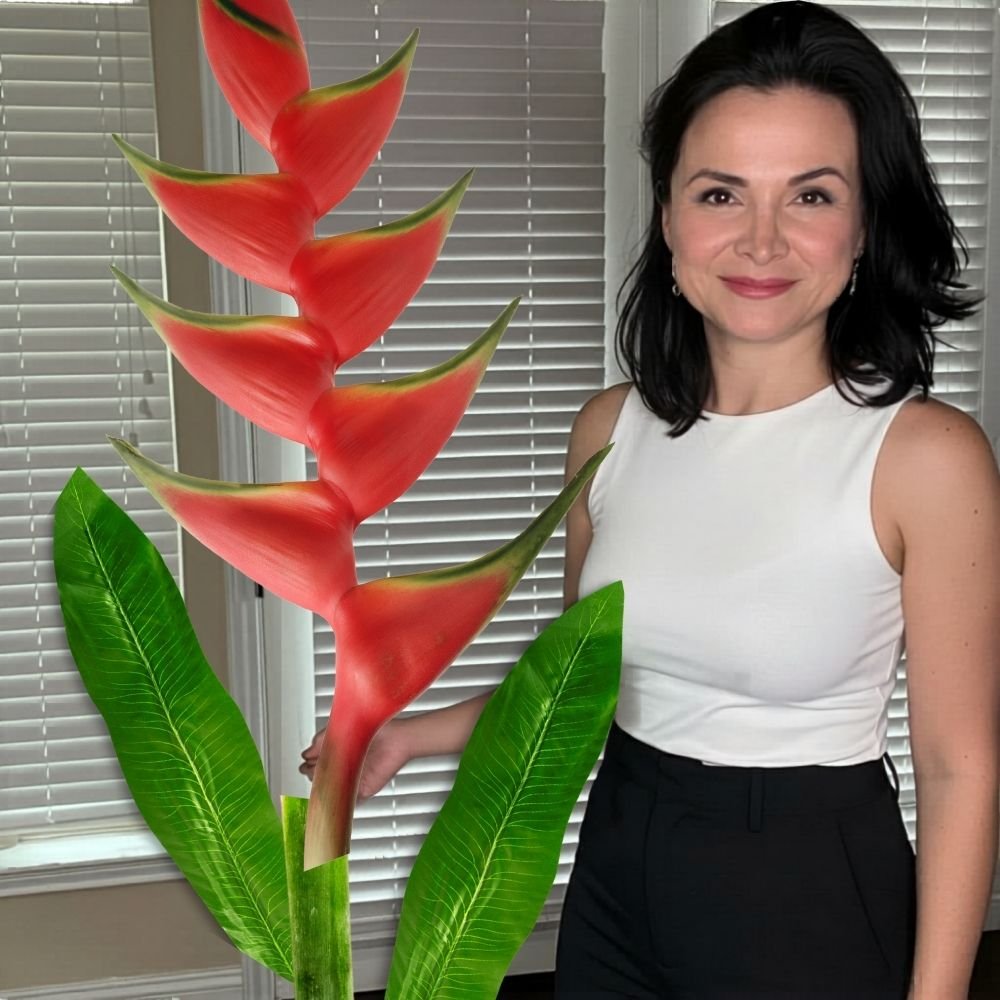
A J-curve works beautifully when your flower is leaning slightly to one side — perfect for asymmetric arrangements or when you want a flower to appear to be reaching toward a light source. This is a classic look for giant flower centerpieces where you want varying heights and angles.

An S-curve is more dramatic and works well for tall freestanding flowers where the stem is fully visible. It gives the whole piece a sense of movement and life that a straight stem just can't achieve.


Real talk? Step back and look at your flower from across the room as you shape the stem. What looks like a tiny adjustment up close reads completely differently from 10 feet away. I always shape my stems in the space where they'll actually be displayed when possible.

A Brides.com survey found couples spend an average of $2,000 to $2,500 on wedding flowers. Giant foam flower installations can deliver the same visual impact for a fraction of that cost — but only if the craftsmanship is there. The stem shape is a huge part of what makes the difference between "cute DIY" and "professional installation."


Once you're happy with the shape, give the stem a gentle test. Hold the base and gently push sideways on the flower head. It should flex slightly but spring back. If it wobbles dramatically, your attachment point needs reinforcement. If it's completely rigid with zero give, that's actually fine for most applications — it just means you've got a very sturdy build.

For flowers that are going into a photo backdrop or wall installation, the stem shaping matters less for structure and more for visual texture. Even a slight curve at the base of a wall flower adds dimension. Check out our guide on DIY giant flower backdrops for photos for more on how to layer stems and blooms for maximum visual impact.


When I first started making giant flowers, I ruined so many stems by bending them too aggressively and creating those ugly kink points. The fix is simple: if you over-bend, just slowly work the pipe back in the opposite direction. Aluminum is forgiving. It might take a few passes, but you can almost always recover a bent stem.

One more tip before we move on: always bend your stem before you wrap it. Wrapping first and then bending can cause the fabric or tape to bunch and tear at the bend points. Shape first, wrap second. Every time.


According to IBISWorld, the US floral industry is worth approximately $7.9 billion. Event décor and artificial floral installations are one of the fastest-growing segments — and crafters and event planners who master techniques like professional stem shaping are positioning themselves right at the center of that growth.

If you're building flowers for a larger installation — like a flower arch backdrop or a paper flower arch decoration — you'll often be working with 20 to 40 stems at once. In that case, I recommend shaping all your stems first and laying them out before attaching any flowers. It gives you a much better sense of how the overall arrangement will flow.


A Martha Stewart Weddings feature on event décor noted that the most memorable installations share one quality: they look effortless. That effortlessness comes from careful structural planning — including, yes, the humble stem.

And if you want to take your petal shaping to the next level while you're at it, our post on heat gun techniques for shaping foam flower petals pairs perfectly with everything we've covered here. The combination of beautifully shaped petals and a well-curved stem is honestly unbeatable.


According to WeddingWire, 73% of couples say that floral décor significantly impacts the overall feel of their wedding photos. When your giant flowers look polished — stems included — that translates directly into photos that couples will treasure and share. And for event planners and small business owners, those shared photos are essentially free marketing.

One thing I want to address because I see this mistake constantly: don't paint your stems after wrapping. Paint adds weight and can crack along bend points over time. If you want a specific stem color, use colored floral tape or pre-colored fabric wrap from the start. It looks cleaner and lasts longer.


For outdoor events specifically — graduation parties, garden weddings, corporate activations — I always recommend doing a full load test before the event day. Set your flower up in its base, bend the stem to its final position, and leave it for 24 hours. Check for any settling or drooping. Better to discover a weak point in your garage than in the middle of a client's event.

Speaking of corporate events — if you're a small business owner or event planner using giant flowers for brand activations or retail displays, our post on visual merchandising ideas for boutiques has some great context on how structural elements like stems factor into professional commercial installations.


You've got everything you need now. The right pipe, the right attachment method, the right shaping technique. That's genuinely the full picture of what makes a giant foam flower stem look incredible instead of just functional.

If you're ready to start building, head over to our shop — we carry the bendable pipe stems I use in my own builds, along with EVA foam sheets, pre-cut kits, and everything else you need to bring your vision to life. And if you have questions about your specific project, drop them in the comments or reach out directly. I love hearing what you're making. Seriously, show me everything.

```

Ready to Create Something Amazing?

Browse our collection of giant flower kits and start your next project.

Shop All Flowers