Sell Handmade Petals: Turn One Mold Into a Side Income
If you've ever wanted to sell handmade flowers but felt like the startup costs were going to eat you alive — I get it. I really do. When I first started making flowers out of my garage in Houston, I was calculating every single dollar. Hot glue sticks. Foam sheets. Packaging. It adds up fast, and the last thing you want is to pour money into inventory that doesn't move.
But here's the thing that changed everything for me: one good mold. That's it. One mold, used over and over, producing petal after petal with almost zero per-unit cost. That's the math that makes a side income actually feel like income — not just a hobby with extra steps.
So if you're a crafter thinking about turning your flower-making obsession into something that actually pays, this is the post I wish I'd had on day one. Let's talk molds, margins, and how to build real volume without burning out.
Key Takeaways
Let me be real with you. There are two kinds of craft businesses: the ones that scale, and the ones that stay stuck trading hours for dollars. The difference almost always comes down to systems and tools.
A mold is a system. You press it once, you get a perfectly shaped petal. You press it a hundred times, you get a hundred perfectly shaped petals — all identical, all professional-looking, all ready to sell.
That consistency is what customers pay for. Not just the flower itself, but the confidence that every piece in their wedding arch or birthday backdrop is going to look exactly right.
The Math That Makes This Work
Here's a simple breakdown. A single flower mold from our flower molds collection runs you a one-time cost. After that, your per-petal expense is basically just the foam or sugar paste — which is pennies per piece.
A finished foam flower that took you 15 minutes to make using a mold? That can sell for $12–$35 depending on size, complexity, and your market. Batch 20 of them in an afternoon and you're looking at real money.
Our molds are built to be used hundreds of times. This isn't a one-and-done situation. The more you use them, the more your effective cost per unit drops — until it's basically nothing. That's the compounding magic of a good tool.
Ok, this is where it gets really fun. Our molds aren't just for one thing — they're double-sided, which means each mold works for both foam flower crafting AND sugar/gumpaste cake decoration. Two completely different markets. One tool.
That's a big deal if you're trying to maximize your investment. You can sell to event decorators AND to bakers. You can make foam petals on Monday and sugar flowers on Thursday. Your mold doesn't care.
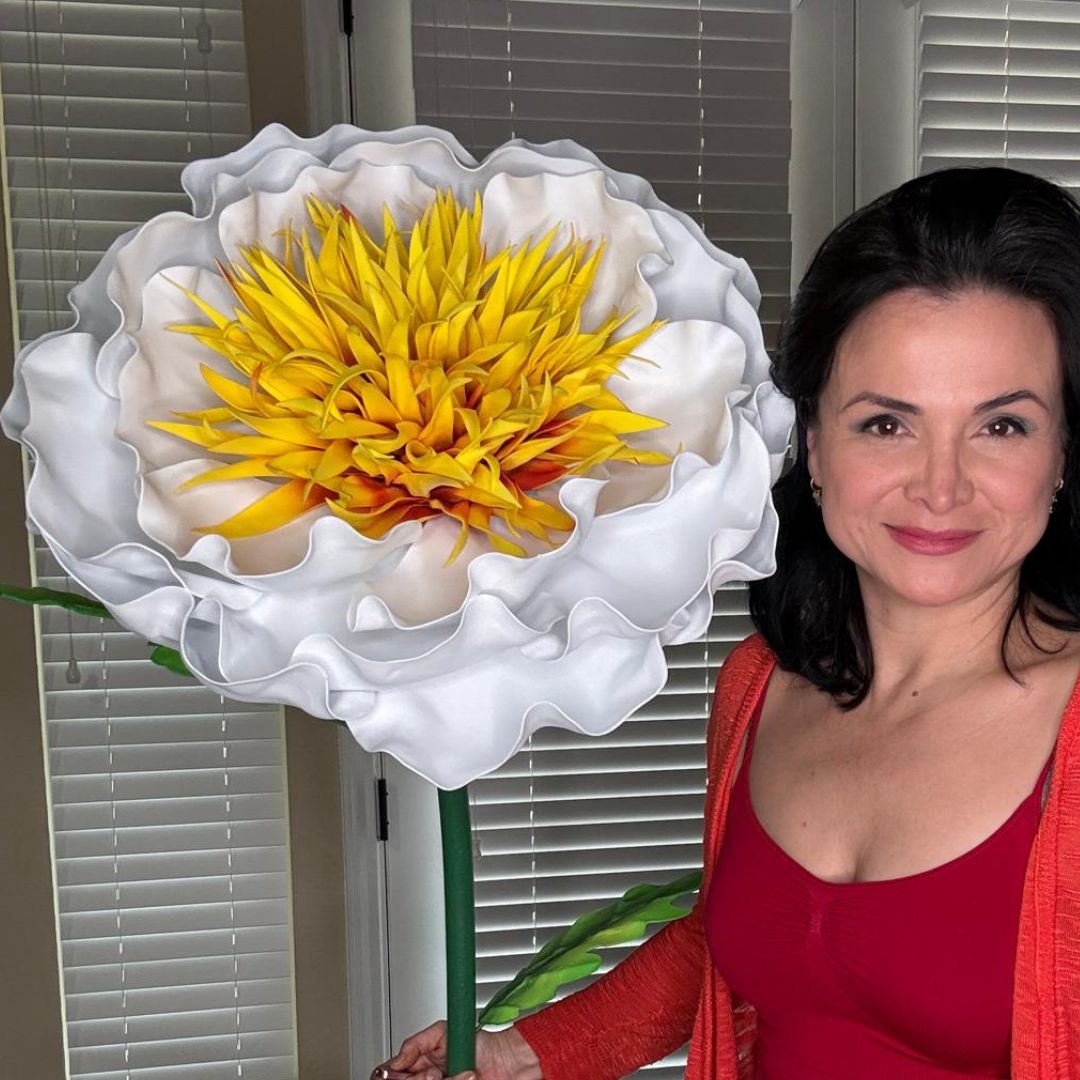
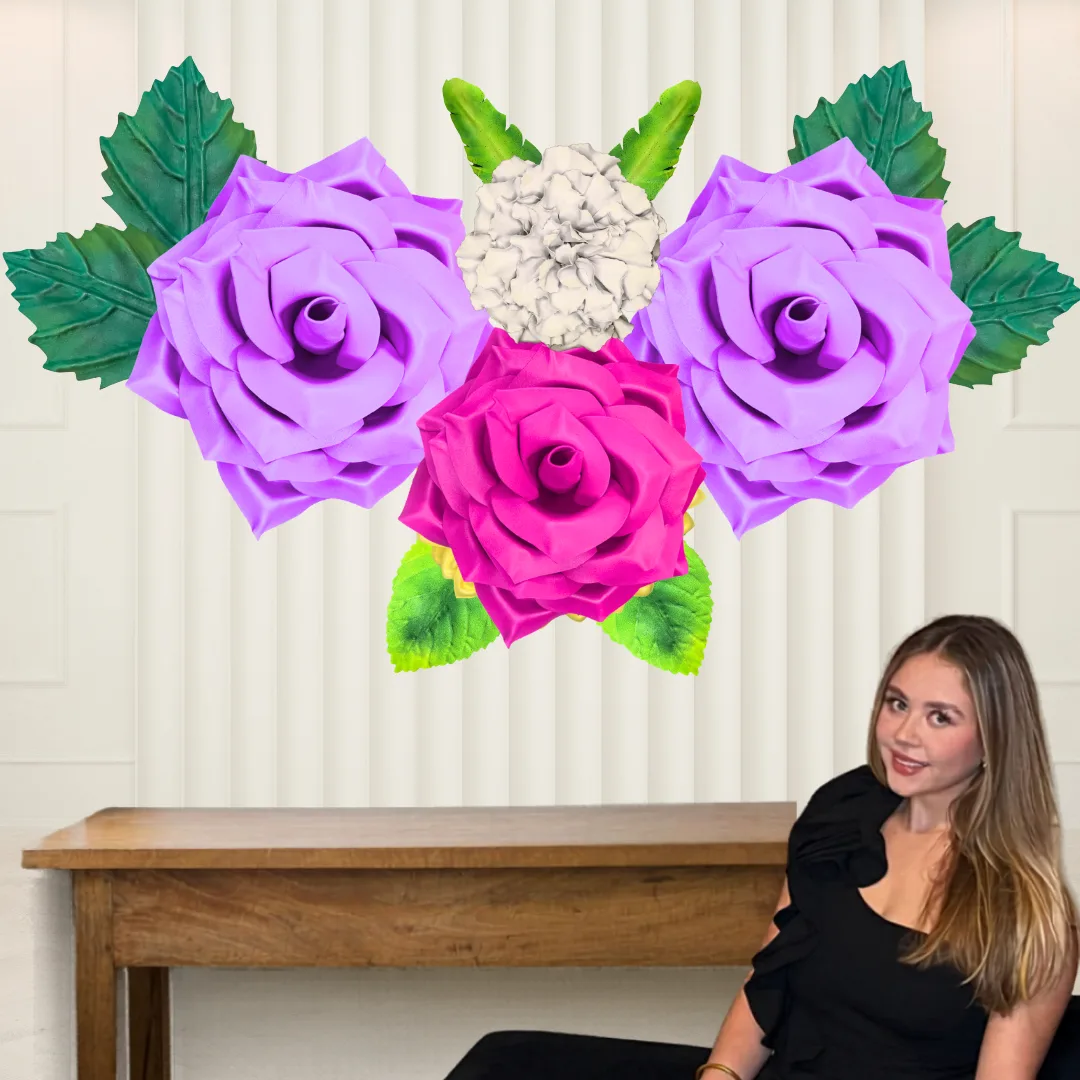
EVA foam flowers are everywhere right now — wedding arches, quinceañera backdrops, baby shower walls, photo booths. If you've been scrolling Pinterest or Instagram lately, you already know this. The demand is real and it's not slowing down.
Our molds are designed to work with EVA foam, and the petals they produce are life-size — not cartoonishly oversized, but realistic, elegant, the kind that photograph beautifully. That's exactly what event clients are looking for.
Sugar and Gumpaste: The Cake Decorator Market
Here's a market a lot of foam crafters completely overlook: cake decorators. Sugar flowers are a premium product in the baking world. A single sugar rose can add $15–$40 to a cake's price tag. Our molds are food-safe compatible, which means you can step right into this space.
If you already sell at farmers markets or craft fairs, imagine having a table with both foam flower decor AND a display of sugar flower samples. Different buyers, same mold, doubled opportunity.
💡 Pro Tip
Don't try to serve both markets at once when you're starting out. Pick one, get really good at it, build your pricing and process — then expand. Most craft sellers who burn out do so because they spread too thin too fast.
The sellers who make the most money aren't necessarily the most talented. They're the most organized. Here's how I think about batch production — and how you can set yourself up to actually make volume work.
Stop making flowers one at a time. Seriously. Set up a dedicated session — two to three hours, your molds laid out, your foam pre-cut, your heat gun ready. Produce as many petals as you can in that window, then assemble separately.
When you separate the making stage from the assembling stage, you get into a rhythm. Your hands know what to do. You stop second-guessing. Speed comes naturally.
How Many Petals Per Flower?
It depends on the bloom, but here's a rough guide:
Once you know your petal count per flower, you can plan your sessions backward. Need 30 flowers for a wedding arch? That's potentially 600–900 petals. Sounds like a lot — until you realize a good session can produce 200+ petals per hour once you're in flow.
Real talk? Most craft sellers underprice. They forget to charge for their time, their tools, their packaging, their Etsy fees. Here's a simple formula I use:
If your materials for one foam flower cost $0.80 in foam plus a few cents of glue, your floor is around $2.50. But your market price — what a customer on Etsy or at a craft fair will happily pay — is often $15–$30. That gap is your profit, and molds are what make that gap possible.
You've got the product. Now where does it go? Here are the channels that work best for flower crafters specifically.
Etsy gets millions of searches for handmade decor every single month. Brides, event planners, party hosts — they're all there, and they're ready to buy. Your listing photos need to be gorgeous (natural light, styled shots, close-ups of texture), but the platform will do a lot of the heavy lifting for you.
Search terms like "foam flower decor," "life-size flower wall," and "sugar flower cake topper" all have real buyer intent. If you're making flowers with our molds, those search terms apply to you.
Don't sleep on in-person selling. A well-styled booth with a foam flower arch or a flower backdrop as your display? That is your marketing. People stop. People take photos. People ask where to buy.
Bridal expos especially are goldmines for this. One bride who falls in love with your work can turn into a $500–$2,000 custom order for her wedding.
Process content performs incredibly well right now. A 30-second video of you pressing a mold, shaping a petal with a heat gun, and assembling a flower gets way more engagement than a polished product photo. People love watching things get made. It builds trust and it sells.
If you want some inspiration for what finished displays look like, check out our post on foam flowers for wedding arches — it shows the scale and style that's driving the most demand right now.
🌸 Ready to get started?
Browse our flower molds collection and find the petal shapes that match your style — and your market.
Mold vs. Freehand: A Real Comparison for Craft Sellers
I know some crafters swear by cutting every petal by hand. And look — there's artistry in that. But when you're trying to build a business and sell handmade flowers at volume, the numbers just don't lie.
| Factor | Freehand Cutting | Using a Flower Mold |
|---|---|---|
| Consistency | Varies — each petal slightly different | Identical every time |
| Speed | Slow — 3–5 min per petal | Fast — under 1 min per petal once in flow |
| Skill required | High — takes months to get consistent | Low — beginners can produce pro results |
| Scalability | Hard — time is the ceiling | Easy — add molds, add helpers, add volume |
| Dual use | No — foam only | Yes — foam AND sugar/gumpaste |
| Upfront cost | Low (just tools) | Low (mold + tools) |
| Long-term ROI | Limited | High — hundreds of uses per mold |
What You Actually Need to Get Started

I love this question because the answer is so much simpler than people expect. Here's the honest starter kit:
- Flower molds — start with 2–3 petal shapes that cover your target bloom styles. Browse our full mold collection here.
- EVA foam sheets — grab a variety of thicknesses. Thinner for delicate petals, thicker for structural base petals. Check out our EVA foam selection.
- Heat gun — essential for shaping petals into realistic curves. If you're not sure how to use one yet, I wrote a whole guide on heat gun techniques for shaping foam petals.
- Hot glue gun — low-temp for foam, standard for assembly.
- Floral wire and tape — for stems and structure if you're selling individual blooms.
- Acrylic paint or foam-safe spray — for color. Our post on foam board paint finishes covers this beautifully.
That's genuinely it. You don't need a studio. You don't need a huge budget. You need a clear workspace, the right molds, and a plan for your first batch.
💡 Pro Tip
Start with our life-size foam flower kits if you want everything bundled together. It's the fastest way to go from zero to your first sellable flowers — no guessing about what materials work together.
Frequently Asked Questions
How many times can I use one flower mold before it wears out?
Honestly? Hundreds of times with normal use. Our molds are made to be workhorses, not one-trick tools. The key is not to use them with materials that are too hot or abrasive — follow the guidelines for your specific foam or sugar paste, and your mold will last you a very long time.
Can I really use the same mold for both foam flowers and sugar/gumpaste?
Yes — that's the whole point of the double-sided design. One side is optimized for foam, the other for sugar work. Just make sure you clean the mold thoroughly between uses if you're switching between food and non-food materials. Food-safe compatible means the mold material won't leach anything harmful into your sugar work.
What flower styles sell best for craft sellers?
From what I've seen and heard from our community, roses, peonies, and ranunculus are consistently the top sellers for foam flower decor. For sugar work, roses and magnolias are perennial favorites. That said, dahlias and anemones are having a real moment right now — especially for fall weddings and boho-style events.
Is it better to sell individual flowers or full arrangements?
Ready to Create Something Amazing?
Browse our collection of giant flower kits and start your next project today.