Food-Safe Mold Habits Every Baker Should Know
If you've ever made sugar flowers for a cake, you know how much work goes into getting those petals just right. And if you're like me when I first started experimenting with gumpaste, you probably didn't think twice about what your mold was actually made of. I just grabbed whatever looked pretty and got to work. Big mistake. Using a food safe flower mold isn't just a nice-to-have — it's the difference between a gorgeous cake topper and a potential health hazard hiding under all that beautiful fondant.
Here's the thing: not all molds are created equal. Some are sold as "craft molds" and are made with materials that were never intended to touch food. Others are marketed vaguely without any clear safety information. As a home baker, you deserve to know exactly what's pressing against your sugar work — especially when that cake is going to your daughter's birthday party or your best friend's baby shower.
So let me walk you through everything I've learned about food-safe mold habits — what to look for, what to avoid, how to care for your molds, and why our flower molds were designed with bakers like you in mind from the very start.
Key Takeaways
I hear "food safe" thrown around a lot, but most people — myself included, for a long time — don't really know what it means technically. So let me break this down.
A food-safe material is one that has been tested and confirmed to not leach harmful chemicals, toxins, or heavy metals into food when it comes into contact with it. For molds specifically, this means the silicone or plastic used to make the mold won't transfer anything nasty into your gumpaste or sugar paste during the pressing and curing process.
The Materials You Want to See
Platinum-cure silicone is the gold standard. It's what most professional-grade food molds are made from. It's non-porous, flexible, doesn't absorb odors or bacteria, and can handle temperatures from freezing cold to well over 400°F. If a mold listing mentions platinum silicone, that's a great sign.
Food-grade plastic (look for BPA-free, FDA-compliant labels) can also work, though it's less flexible and harder to demold delicate petals without cracking them. For intricate flower work, silicone wins every time.
Craft-grade resin molds. Tin-cure silicone (it's cheaper to produce and less stable). Any mold with no material disclosure at all. And honestly? If the seller can't tell you what their mold is made of, that's your answer right there.
Ok, this is where it gets really practical. You're browsing online, you see a beautiful rose petal mold, and the photos look amazing. How do you actually know if it's safe for sugar work?
A legitimate food-safe mold will say so — explicitly. Look for phrases like "food-grade silicone," "FDA compliant," "platinum silicone," or "safe for gumpaste and fondant." Vague descriptions like "high-quality silicone" or "flexible mold" without any food-safety mention are red flags.
Some molds — like ours — are designed to work for both crafting AND baking. That's completely fine and actually brilliant, as long as the seller is upfront about it and the material is certified food-safe. The key is knowing which side is which and keeping your food-use molds separate from your craft-use ones. More on that in a minute.
Reach out to the seller. Ask: "Is this mold made from food-grade silicone? Is it safe for gumpaste and sugar work?" A good seller will answer immediately and confidently. Silence or a vague non-answer? Move on.
💡 Pro Tip
When you receive a new silicone mold, wash it with warm soapy water and let it air dry completely before its first use — even if it looks clean. This removes any manufacturing residue and gives you peace of mind before it ever touches your sugar work.
When I designed our flower molds, I had two very specific people in mind: the crafter making foam flowers for a wedding arch, and the home baker trying to create stunning sugar flowers for a celebration cake. I wanted one product that could genuinely serve both — without compromise.
So here's what makes our molds different.
Double-Sided Design
Each mold is double-sided — one side is optimized for foam flower crafting, the other for sugar and gumpaste art. The detail on the sugar side is incredible. We're talking realistic vein texture, natural petal curves, and edges that look hand-sculpted. I've had bakers tell me their sugar roses looked better than anything they'd made before.
Life-Size Petal Dimensions
These molds produce life-size petals — not miniature, not oversized. Just beautifully proportioned blooms that look like they were just picked from a garden. For cake decorating, this is exactly what you want. A life-size rose on a wedding cake tier looks elegant and intentional. It's a completely different feel from the tiny sugar flowers most home bakers default to.
Reusable Hundreds of Times
With proper care, these molds will last you years. Hundreds of uses. That makes the cost-per-flower absolutely tiny compared to buying pre-made sugar flowers or using cheap molds that warp and tear after a few uses.
🌸 Ready to get started?
Browse our flower mold collection and find the perfect match for your next cake project.
Food-Safe Mold Habits That Will Change Your Sugar Work
Having a food safe flower mold is just step one. How you use it, clean it, and store it matters just as much. These are the habits I swear by — and that I wish someone had told me years ago.
Never Cross-Contaminate Craft and Food Molds
This is the big one. If you use a mold for foam crafting — especially with paints, glues, or heat tools — do not then use that same mold for sugar work. Even if you wash it thoroughly, craft materials can penetrate silicone over time. Keep your baking molds and crafting molds physically separate. Different storage boxes, different labels, different drawers. Non-negotiable.
Clean After Every Single Use
Gumpaste and sugar can dry inside the fine details of a mold and be really hard to remove later. Wash your mold with warm water and a gentle dish soap right after use. Use a soft brush (a clean pastry brush works great) to get into the textured areas. Rinse well and air dry completely — never store it damp.
Use the Right Release Agent
For sugar work, a tiny amount of vegetable shortening or cornstarch is your best friend. Lightly dust or wipe the mold before pressing in your gumpaste. This helps the petal release cleanly without distorting those beautiful details. Avoid cooking sprays with additives — some leave a residue that can affect how your sugar sets.
Store Flat or Rolled, Never Folded
Folding a silicone mold creates creases that can eventually crack or distort the detail areas. Store your molds flat in a drawer or loosely rolled in a breathable container. Keep them away from direct sunlight and sharp objects.
- Flat storage: Best for larger petal molds — keeps the shape perfectly intact
- Loose roll: Fine for smaller molds, just don't secure with a tight rubber band
- Away from heat: Don't store near your oven or in a hot car — sustained high heat can degrade silicone over time
- Labeled containers: Separate your food-use and craft-use molds clearly from day one
Comparing Mold Types for Sugar Flower Work
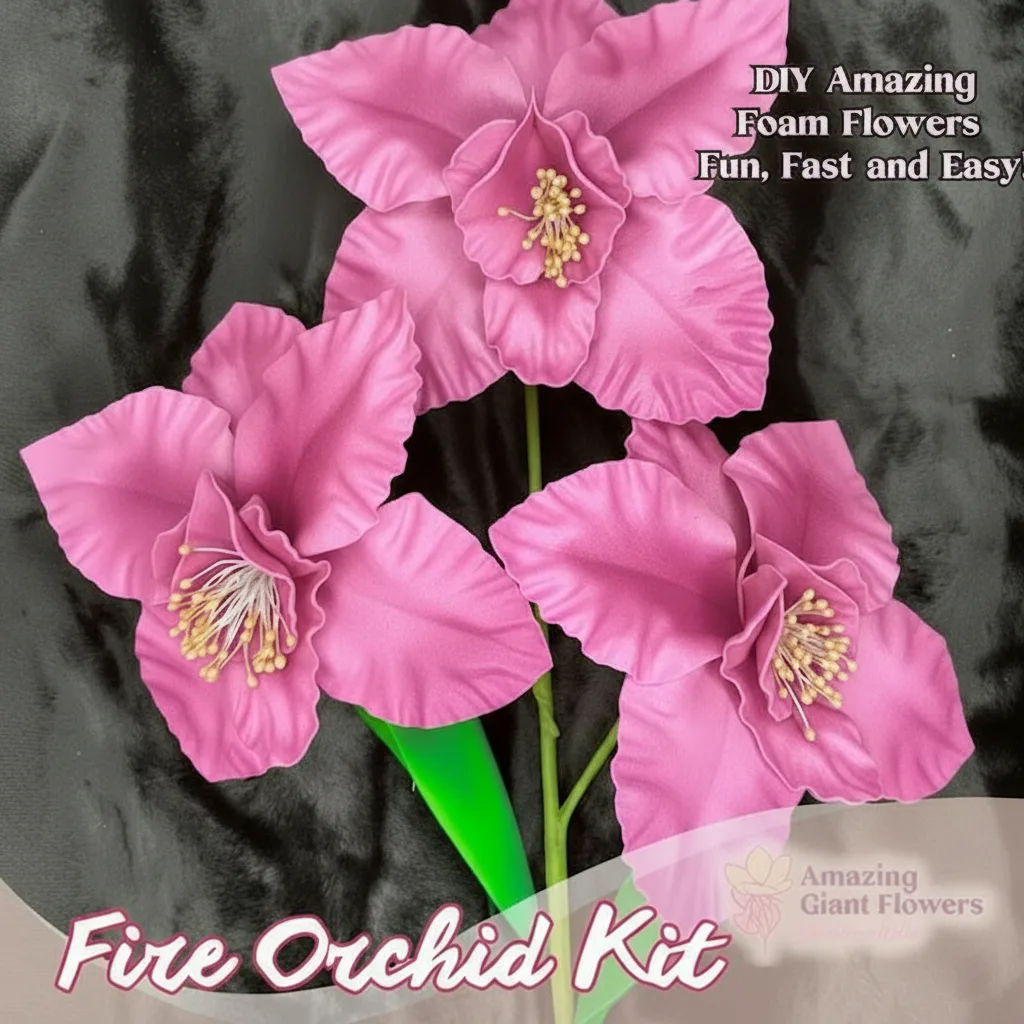
Not sure which type of mold makes sense for your baking style? Here's an honest breakdown of what's out there.
| Mold Type | Food Safe? | Detail Quality | Flexibility | Durability | Best For |
|---|---|---|---|---|---|
| Platinum silicone | ✅ Yes | Excellent | Very flexible | Hundreds of uses | All sugar work, gumpaste, fondant |
| Tin-cure silicone | ⚠️ Sometimes | Good | Flexible | Degrades faster | Crafting only unless certified |
| Craft resin molds | ❌ No | Good | Rigid | Moderate | Foam and craft work only |
| BPA-free plastic | ✅ Usually | Moderate | Rigid | Good | Simple shapes, not intricate petals |
| Amazing Giant Flowers molds | ✅ Yes | Excellent | Very flexible | Hundreds of uses | Sugar work AND foam crafting (dual-sided) |
Getting the Best Results with Gumpaste and Fondant

Once you've got a proper food safe flower mold in your hands, the fun really begins. Here are my favorite tips for getting those petals looking absolutely stunning.
Work with Gumpaste at the Right Consistency
Your gumpaste should be smooth and pliable — not sticky, not cracking at the edges. If it's tearing when you press it into the mold, it's too dry. Add a tiny smear of shortening and knead it back to life. If it's sticking even with a release agent, it's too soft — let it rest uncovered for 5 minutes.
Press Firmly and Evenly
Don't be timid. Press your gumpaste firmly into every corner of the mold to capture all that beautiful vein detail. Use your fingertip or a small ball tool to work it into the edges. Then trim the excess with a small palette knife before releasing.
Release Slowly
Peel the mold back slowly from one edge — don't yank it off. Let the flexibility of the silicone do the work. If a petal is being stubborn, pop the whole thing in the freezer for 2-3 minutes and try again. Works like a charm.
- Rose petals: Cup them slightly over a foam pad while still soft to get that natural curve
- Daisy petals: Lay flat on parchment to dry for a clean, graphic look
- Ranunculus layers: Dry each layer separately, then assemble with a small amount of gumpaste glue
💡 Pro Tip
Dust your finished gumpaste petals with petal dust (edible luster dust) before assembling your flower. It adds depth, dimension, and that "just picked from the garden" realism that makes people think you're a professional cake artist. Start light — you can always add more.
The Dual-Purpose Magic: One Mold, Two Worlds
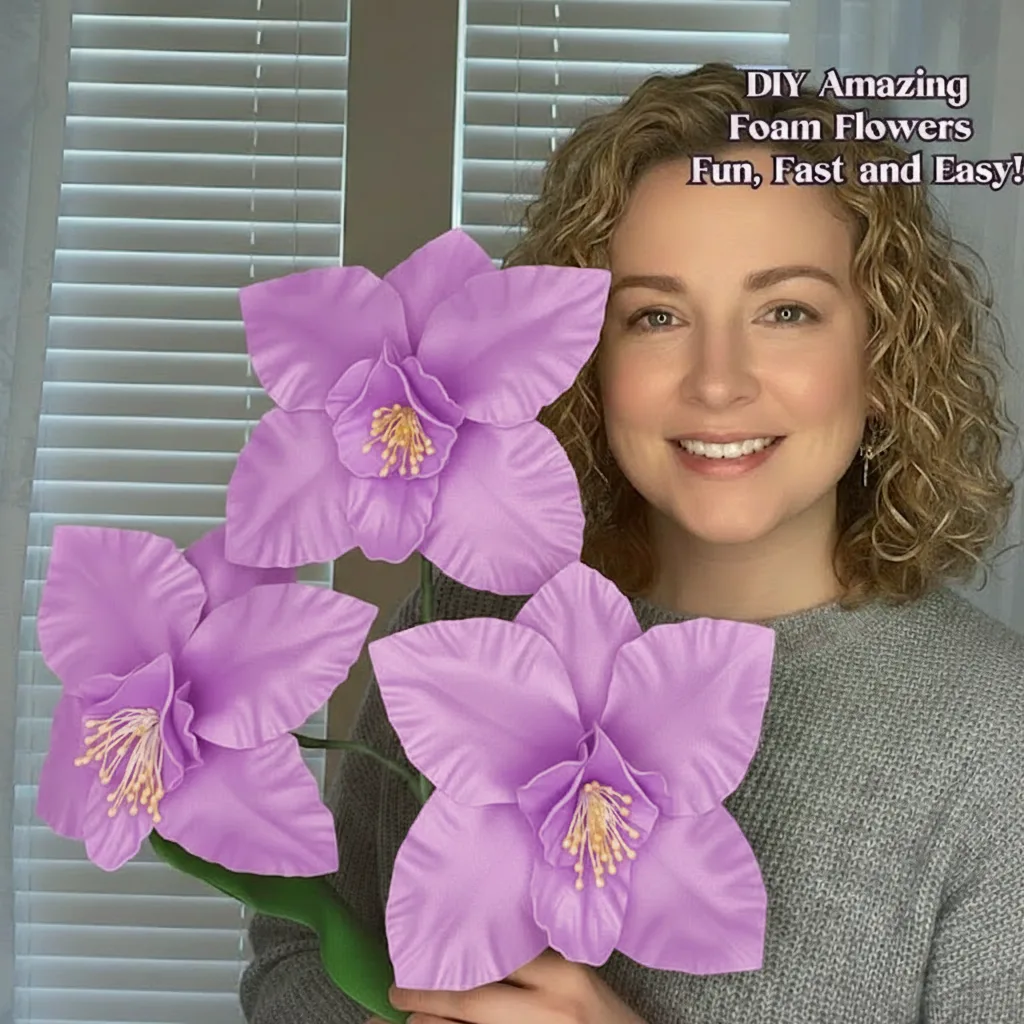
Here's something I love telling bakers who discover our molds for the first time: you're not just buying a cake decorating tool. You're buying a gateway into foam flower crafting too — if you
Ready to Create Something Amazing?
Browse our collection of giant flower kits and start your next project today.