From Hobby to Wedding Orders: Scaling With Molds
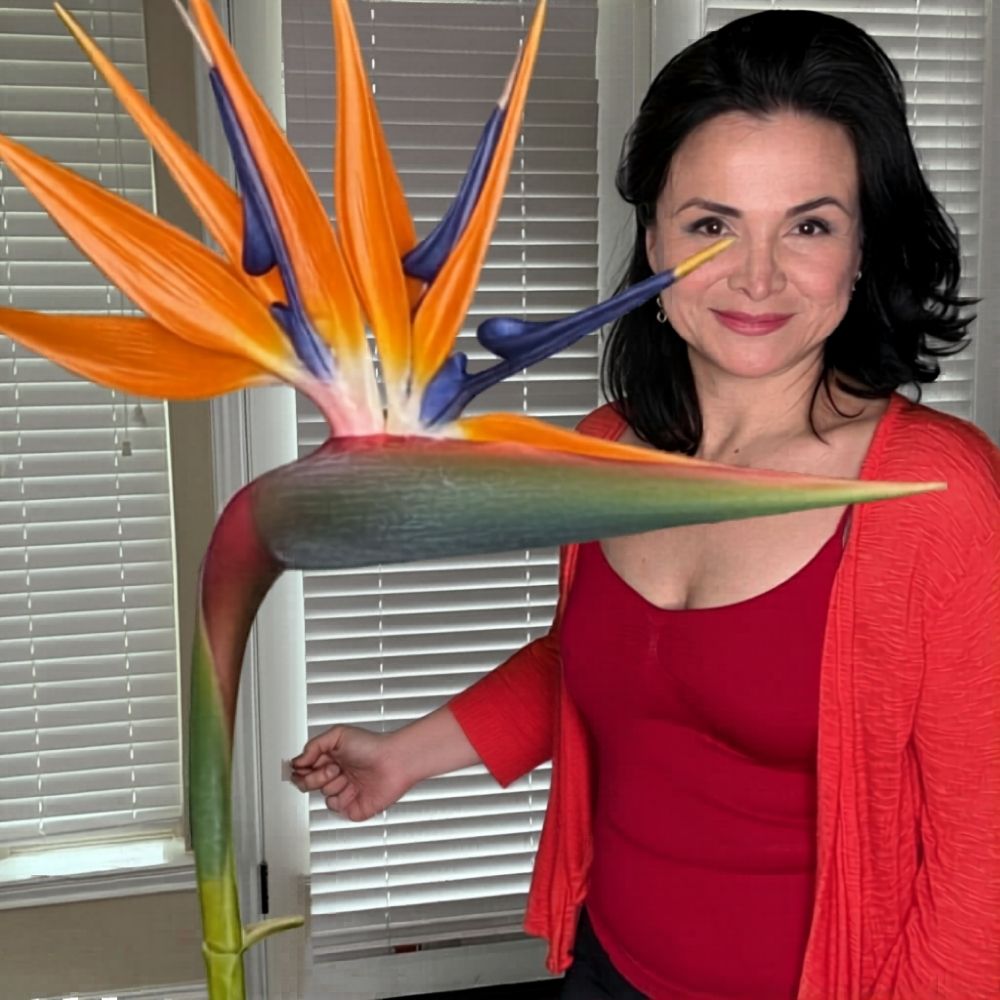
So you started making flowers as a hobby — maybe for a friend's birthday, or just to see if you could — and now someone wants to order fifty of them for a wedding. Congrats, by the way. That's not a small thing. But I'm not going to lie to you: that jump from "I make flowers for fun" to "I need to scale flower business operations fast" is where a lot of talented crafters hit a wall.
I've been there. When my first big wedding inquiry came in, I was hand-cutting every single petal freehand. It was fine for a centerpiece or two. But multiply that by hundreds of petals across dozens of flowers and suddenly your hobby becomes a second job — the exhausting, unprofitable kind. That's when I started rethinking everything.
The answer, for me and for so many sellers I've talked to since, came down to one thing: molds. Specifically, the right molds. The kind that give you consistent, professional-quality petals in a fraction of the time — whether you're working with EVA foam or sugar paste for a cake client. Let me walk you through how this actually works in practice.
Key Takeaways
Here's what nobody tells you when your Etsy shop starts picking up: time is the first thing that breaks. Not skill. Not creativity. Time.
When you're hand-cutting petals, every flower is a small miracle — but it's also a 45-minute investment. Multiply that across a 100-flower wedding arch and you're looking at weeks of work for one order. That's not scalable. That's a burnout schedule.
The other thing that breaks? Consistency. When you're cutting freehand, petal #1 and petal #87 don't look the same. For one or two flowers, nobody notices. For a full wedding installation? The client notices. And so do you.
What "scaling" actually means for a flower seller
Scaling doesn't mean working more hours. It means producing more output with the same — or less — effort. That's the whole game. And molds are one of the most powerful tools you have to get there.
When I introduced molds into my workflow, my per-flower time dropped by more than half. Not because I got faster. Because the mold did the hard part — the shaping, the vein detail, the consistent curve — and I just had to assemble.
Ok, this is where it gets really fun. Our flower molds aren't just for one type of crafter. They're double-sided, which means one mold gives you two different petal textures or profiles — and they work beautifully for both EVA foam flowers and sugar/gumpaste cake decorating.
That dual functionality is huge if you're trying to grow a business. You're not locked into one market. You can take a wedding flower order AND a wedding cake topper order and use the same tool to fulfill both.
💡 Pro Tip
When you're quoting a big order, factor in your mold cost as a one-time supply expense — not a per-order cost. After the first order, that mold is essentially free. Price accordingly, and your margins will surprise you.
How to Use Molds to Scale Flower Business Orders Without Losing Your Mind
Let me get practical here. You've got a wedding order coming in — let's say a full backdrop with 75 flowers. Here's how a mold-based workflow actually looks.
Instead of making one flower at a time, you press petals in batches. Set up your EVA foam, run through your mold, and produce 50 petals in a session. Then shape. Then assemble. Assembly-line style.
This sounds obvious, but most hobby sellers don't do it. They make one flower, start to finish, then the next. Batching is where the time savings really show up.
When you're scaling, you can't be making 12 different flower sizes for one order. Pick 2-3 sizes that work together beautifully and stick to them. Molds help you enforce this — you're not eyeballing anything.
If you want to see how different sizes play together in a real installation, check out our guide on Giant Flower Wedding Arch: A Complete Guide for 2026 — it breaks down the size combinations that actually photograph well.
You don't need every mold on day one. Start with 3-4 versatile shapes — a classic rose petal, a ranunculus, a peony, and maybe a dahlia. Those four shapes alone can produce dozens of different flower looks depending on how you layer and arrange them.
As orders come in and you see what clients are actually requesting, you add to your collection. This keeps your upfront investment manageable while your business grows.
The Two Markets You Can Serve With One Mold
Real talk? This is one of my favorite things to talk about because most crafters don't realize they're sitting on a two-income opportunity.
This is the obvious one. Weddings, quinceañeras, baby showers, corporate events, photo booth backdrops — the demand for large, beautiful foam flowers is not slowing down. If anything, it's growing.
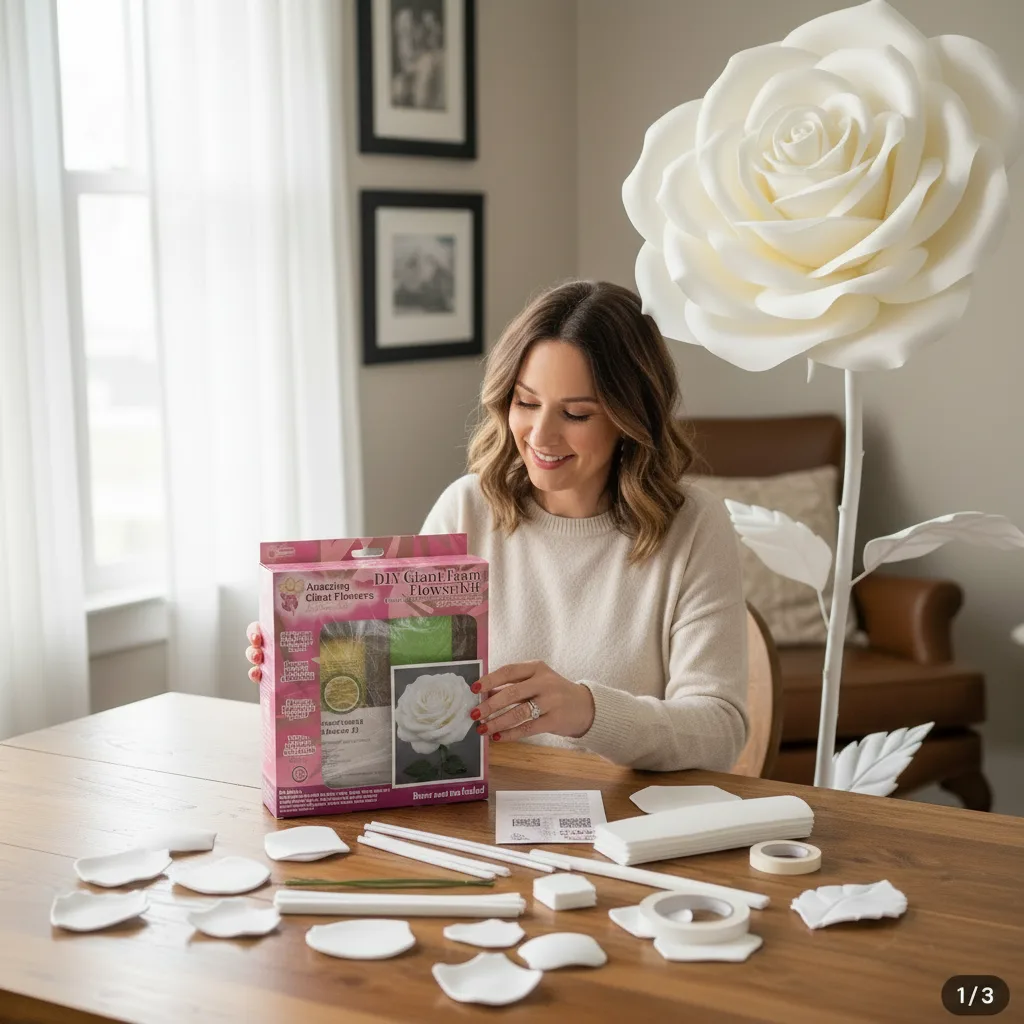
Our life-size foam flower kits pair perfectly with the molds if you're just getting started and want everything in one place. But if you're already buying your own EVA foam in bulk, the molds alone are what you need.
This one surprises people. The same mold you use for a foam peony? It works beautifully with gumpaste and sugar paste for cake toppers and sugar flowers. The food-safe compatibility is built in — you're not buying a separate set of tools for a separate market.
One of my customers told me she started taking cake orders after buying molds for her foam flower business. She said it felt like finding money she didn't know she had. That's exactly the kind of pivot that makes a real difference when you're trying to grow.
Let's talk money for a second. Because "affordable" is a word that gets thrown around a lot, and I want to be specific about what it actually means here.
Say a mold costs you $25. You use it to make petals for a 50-flower wedding order. That's already a fraction of a penny per petal in mold cost. Then you use it again for the next order. And the next. Hundreds of uses later, that mold has paid for itself many times over.
Compare that to buying pre-made flowers or outsourcing production. The margins aren't even close.
How to price big orders confidently
When you have molds in your workflow, your cost per flower goes down significantly — which means you can price competitively AND protect your margins. You're not racing to the bottom. You're just efficient.
If you're not sure how to think about pricing for large event orders, our post on Giant Flower Event Budget: How Much Does It Really Cost? is a really honest breakdown of where costs actually come from.
💡 Pro Tip
When you're batching petal production with molds, your effective hourly rate goes up — even if your quoted price stays the same. That's not just good for your wallet. It's good for your sanity. Fewer late nights, fewer rushed orders, fewer mistakes.
Not all molds are created equal. Honestly? Skip the cheap stuff. I've tried the bargain options and they warp, they don't hold detail, and they crack after a few dozen uses. That's not a savings — that's a replacement cycle.
If you're also thinking about technique — how to actually shape petals once they come out of the mold — our post on Heat Gun Techniques: Shaping Foam Flower Petals Like a Pro is a great companion read.
🌸 Ready to build your mold collection?
Browse our full flower molds collection and find the shapes that match your best-selling flowers.
Frequently Asked Questions
Can I really use the same mold for both foam flowers and sugar/gumpaste?
Yes — and this is one of my favorite things about our molds. They're double-sided and food-safe compatible, which means they work beautifully with EVA foam for craft and event flowers AND with sugar paste or gumpaste for cake decorating. You don't need two separate sets of tools.
Just make sure you're keeping your food-use molds separate from your craft-use molds if you're using any paints or adhesives on the craft side. Good hygiene practice either way.
Honestly, you can start with 3-4 shapes and fulfill a wide range of orders. A rose petal, a peony petal, a ranunculus, and a dahlia will cover the vast majority of what wedding clients ask for. You can always add more as your order types diversify.
The goal isn't to have every mold — it's to have the right molds for your most common orders. Start there, then grow your collection strategically.
With proper care, these molds are built for hundreds of uses. We're not talking about something that warps after 20 presses. If you're storing them flat, keeping them clean, and not leaving them in extreme heat, they'll last you through many, many orders.
That longevity is exactly what makes the cost-per-use math so favorable. The longer they last, the cheaper each petal becomes.
What's the best EVA foam thickness to use with these molds?
For most petal molds, 2mm EVA foam gives you the best detail capture and the most natural curve when shaped with heat. Thicker foam can work for certain larger petals, but it takes more heat and can be harder to get clean detail from the mold.
If you're newer to working with EVA foam in general, our guide A Crafter's Guide to Every Type of Foam for Giant Flowers is a really helpful starting point for understanding your material options.
Can I use these molds if I'm just starting out, or are they only for experienced sellers?
They're genuinely great for beginners. In fact, starting with molds means you skip the frustrating freehand phase entirely and go straight to producing consistent, professional-looking petals. You don't have to earn the right to use good tools — you just use them.
The learning curve is minimal. If you can press and release, you can use a mold. The technique comes with practice, but the results are good from the very first use.
Ready to Create Something Amazing?
Browse our collection of giant flower kits and start your next project today.