Amazing Giant Flowers by Adriana Wells

Giant Orchid Display: Exotic Foam Flowers That Look Real

Adriana | Amazing Giant Flowers June 19, 2026 10 min read
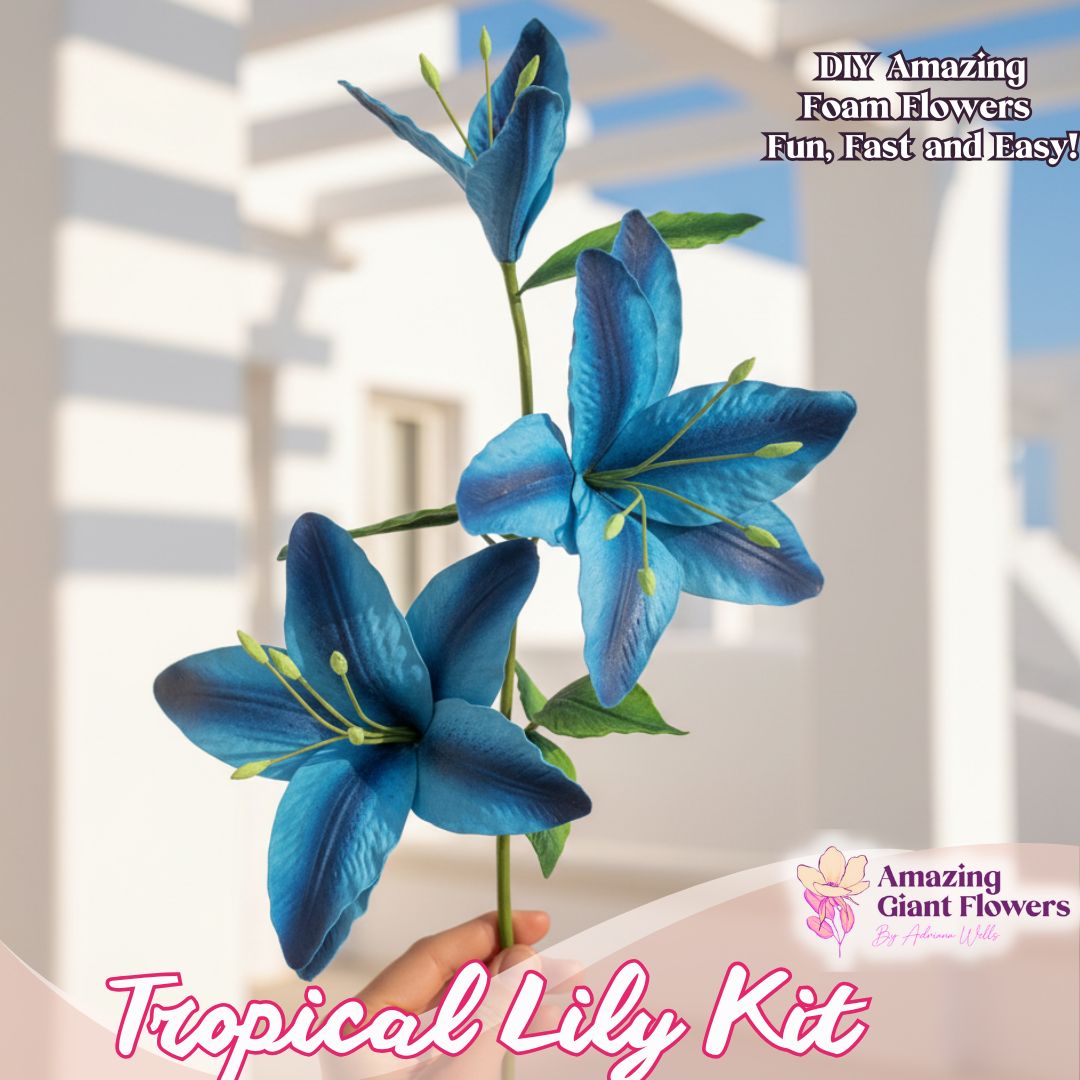
Giant Orchid Display: Exotic Foam Flowers That Look Real
```html

If you've ever walked into a space and stopped dead in your tracks because of the flowers — that's the power of a giant orchid foam flower display. Orchids have this reputation for being delicate, expensive, and honestly a little intimidating. But when you scale them up to two, three, even five feet tall in EVA foam? They become something else entirely. Something theatrical. Something unforgettable.

I've been making giant foam flowers for years, and orchids are still the ones that make people gasp. Every single time. There's something about those distinctive shapes — the ruffled lips, the spreading lateral petals, the elegant curves — that translates beautifully into foam.


In this tutorial, I'm going to walk you through everything: why orchids work so well in foam, how to build them from scratch, how to style a full display, and the little tricks I've learned (sometimes the hard way) that make the difference between "that looks like a craft project" and "wait, are those real?" Let's get into it.

Real talk? Most people default to roses and peonies when they think giant foam flowers. And yes, they're gorgeous. But orchids are a completely different level of impact — and they're actually not that much harder to make.

The orchid silhouette is instantly recognizable. Even at five feet tall, your brain registers it as an orchid. That recognition factor is huge for events and installations.


Here's something most people don't think about: orchids have asymmetrical, architectural shapes that create incredible visual interest. A rose is beautiful, but it's symmetrical. An orchid has drama built right into its biology.

According to Statista, orchids are consistently among the top-selling cut flowers in the United States, generating hundreds of millions in retail sales annually. People are already drawn to them. Your giant foam version is just... the version that lasts forever and costs a fraction of the price.


Fresh orchid arrangements for events? We're talking $150 to $400 per arrangement from a florist, and they're wilted by Sunday. A foam orchid display you build once can be used at dozens of events. The math is genuinely shocking when you sit down and do it.

A Brides.com survey found that couples spend an average of $2,000–$2,500 on wedding flowers — and that's before factoring in orchid upcharges, which florists add because the stems are so fragile in transit. Foam doesn't have that problem.


I've had clients use the same giant orchid foam flower display for a wedding, then a corporate launch, then a quinceañera. Three events. One investment. That's the whole point.

Ok, this is where it gets really fun — gathering your supplies. I'm going to be honest with you about what actually matters and what you can skip.

EVA foam is non-negotiable. Not craft foam from the dollar store. Not foam board. EVA foam sheets, specifically 2mm for petals and 6mm for structural base layers. The difference in quality is night and day.


Here's my core materials list for a single giant Phalaenopsis-style orchid (the classic "moth orchid" shape, roughly 3 feet in diameter):

When I first started making giant flowers, I tried to cut costs on foam quality. I ruined so many petals — they tore, they wouldn't hold shape after heating, they looked flat and plasticky. Good EVA foam is the single biggest factor in whether your orchid looks real or looks like a school project.


You can find our full range of EVA foam sheets and supplies at the shop — I stock exactly what I use in my own builds.

Let me break this down into stages. Don't try to rush through — orchids have more petal pieces than a rose or peony, and each one matters for that final realistic look.


A Phalaenopsis orchid has five main petals (three sepals and two lateral petals) plus the labellum, the dramatic lip at the center. That's six distinct pieces, each with a different shape.

Print or hand-draw your templates first. For a 3-foot diameter flower, your two lateral petals should be approximately 14–16 inches long and 8–10 inches wide at their broadest point, with that characteristic rounded, slightly asymmetrical shape.


The three sepals (the narrower, more pointed petals that sit behind the lateral petals) should be roughly 12–14 inches long and 4–5 inches wide. They're what gives the orchid its star-like spread.

The labellum is where you really earn your orchid status. It's ruffled, tubular at the base, and flared at the front. Cut it from your 6mm foam for structure, then use your heat gun to ruffle and roll the edges. This piece alone takes practice — but it's what makes people do a double-take.


Stage 2: Shaping with Heat

This is the magic step. This is where flat foam becomes something that looks alive.

Hold your heat gun 4–6 inches from the foam surface and move it constantly — never hold it in one spot or you'll burn through. As the foam warms, it becomes pliable in about 3–5 seconds.


For the lateral petals, cup them slightly in your palm as you heat the back surface. They'll naturally curve forward, mimicking how real orchid petals curve toward the viewer.

For the edges, run the heat gun along the perimeter and use your fingers to create gentle waves and ripples. Work fast — you have about 8–10 seconds before the foam cools and sets. If you don't love the shape, reheat and try again. That's the beauty of EVA foam.


For more detailed heat gun techniques across different petal types, I wrote a whole deep-dive on heat gun techniques for shaping foam flower petals — it covers everything from temperature control to fixing mistakes.

Here's where most DIYers stop short — and it's such a shame, because paint is what makes foam look real. Don't skip this.

Orchids are rarely one flat color. Even a "white" Phalaenopsis has blush pink at the center, green-yellow at the petal base, and deep magenta or purple veining radiating outward. Study a photo of a real orchid before you paint.


My technique: start with a very diluted base wash of your main color over the entire petal. Let it dry. Then add a slightly more concentrated version of a complementary color at the petal base, blending outward with a dry brush. Finally, use a fine liner brush for veining — thin, slightly irregular lines that follow the natural direction of petal growth.

For the labellum, go bolder. Real orchid lips are the most intensely colored part of the flower. Deep purples, spotted patterns, bright yellows — this is your statement piece. Don't be timid with it.


According to University of Illinois Extension, the orchid labellum evolved specifically to attract pollinators — it's nature's most dramatic petal design. When you're painting yours, think of it as the centerpiece of the whole flower. Because it is.

One orchid is stunning. A full giant orchid foam flower display with multiple blooms at varying heights? That's the kind of thing people photograph and post everywhere.


Let me share how I approach styling these for different contexts, because the display strategy matters as much as the flowers themselves.

For weddings: Orchids at three different heights — say 24 inches, 36 inches, and 54 inches — create that cascading effect that mimics how real orchid plants grow. Pair with a few large tropical leaves cut from green foam for a lush, botanical feel. I've done this for ceremony arches and the photos are always incredible. Check out my complete guide to giant flower wedding arches for full setup instructions.


For corporate events and retail: A cluster of five to seven giant orchids in a brand's color palette makes an extraordinary branded installation. We've done this for major clients — and the social media reach from one installation can be enormous. According to Event Marketer, 74% of event attendees say they have a more positive opinion of a brand after an experiential marketing event. A stunning floral installation is experiential marketing in its purest form.

For home and studio spaces: A single oversized orchid in a weighted decorative pot is a conversation piece that never dies, never needs water, and costs a fraction of what a live orchid arrangement would. I have one in my studio that visitors always reach out to touch because they're convinced it's real.


If you're building a larger backdrop installation, our DIY giant flower backdrop guide walks through the structural setup in detail — including how to anchor freestanding arrangements safely.

Here are some display combinations that consistently get the biggest reactions:


Spacing matters more than most people realize. Don't crowd your orchids. Real orchid blooms have breathing room — they're not crammed together. Give each giant bloom space to be seen, and the display will feel luxurious rather than busy.

For freestanding arrangements, I always recommend our bendable pipe stems — they let you adjust the angle and height of each bloom after assembly, which is crucial when you're fine-tuning a display on-site. Nothing worse than getting to a venue and realizing a stem is pointing the wrong direction with no way to fix it.

For a full breakdown of freestanding setup options, my guide to freestanding giant flower arrangements for events covers everything from base weights to transport tips.


One more thing on styling: lighting changes everything. If you have any control over the lighting at your event or space, position a soft warm light source slightly above and in front of your orchid display. The shadows that fall across those shaped petals are what sell the realism. I've seen a well-lit foam orchid fool florists. Genuinely.


According to The Knot's annual wedding study, the average US wedding budget has climbed significantly in recent years, with flowers and décor representing one of the largest line items. DIY foam flower alternatives — especially for statement pieces like giant orchid displays — can cut floral costs by 60–80% without any visible compromise in visual impact. That's not a small number when you're planning a wedding or large event.


Whether you're a DIY bride trying to stretch your budget, an event planner building a signature look, or a small business owner creating a retail installation that stops people in their tracks — the giant orchid foam flower display delivers in a way that almost nothing else does.

If you want a head start, our pre-cut kits at Amazing Giant Flowers come with everything you need — foam sheets pre-cut to the right petal shapes, video tutorials, and the stems — so you're not starting from a blank sheet and a prayer. I designed them specifically so that someone making their very first giant flower can end up with something that looks genuinely professional.


So — are you going orchid for your next project? I'd love to know what you're making. Drop a comment or tag me when your display is up. Seeing what people create with these kits is honestly my favorite part of this whole thing.

```

Ready to Create Something Amazing?

Browse our collection of giant flower kits and start your next project.

Shop All Flowers