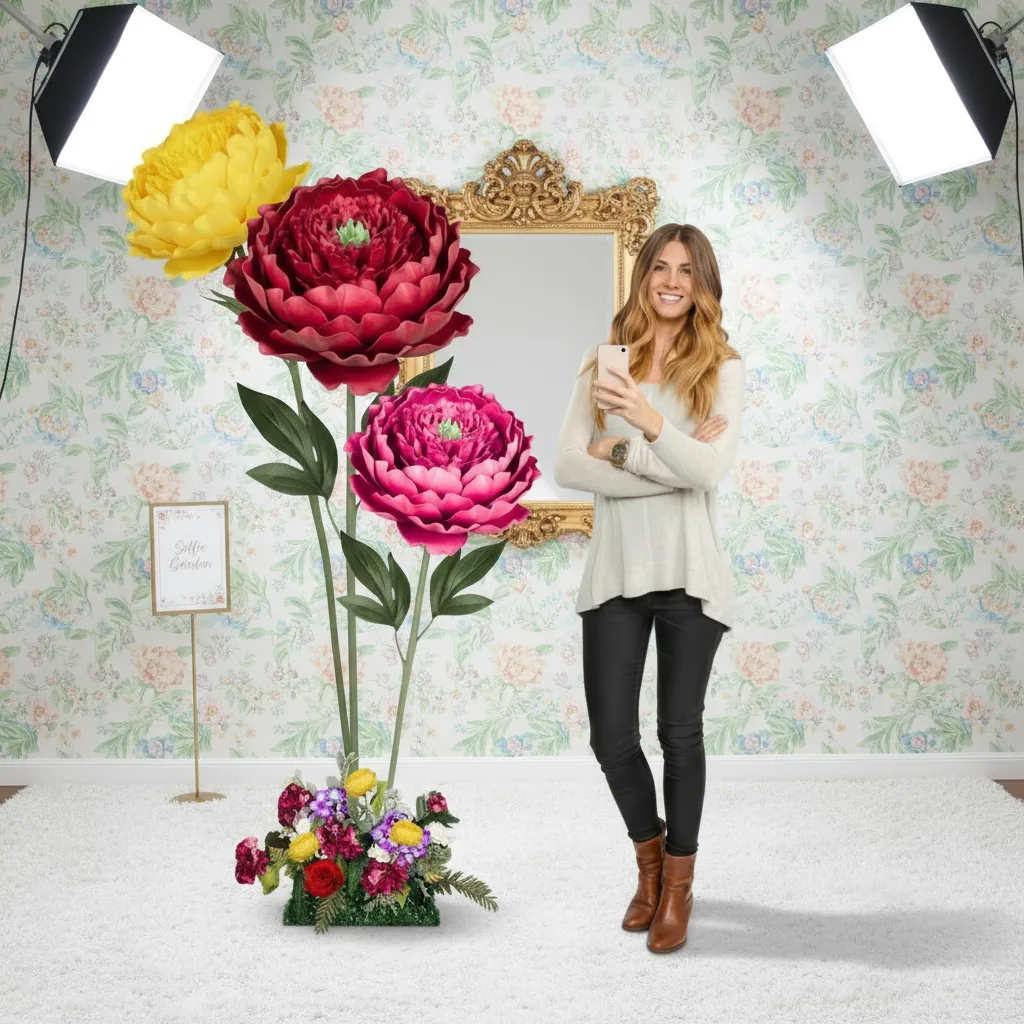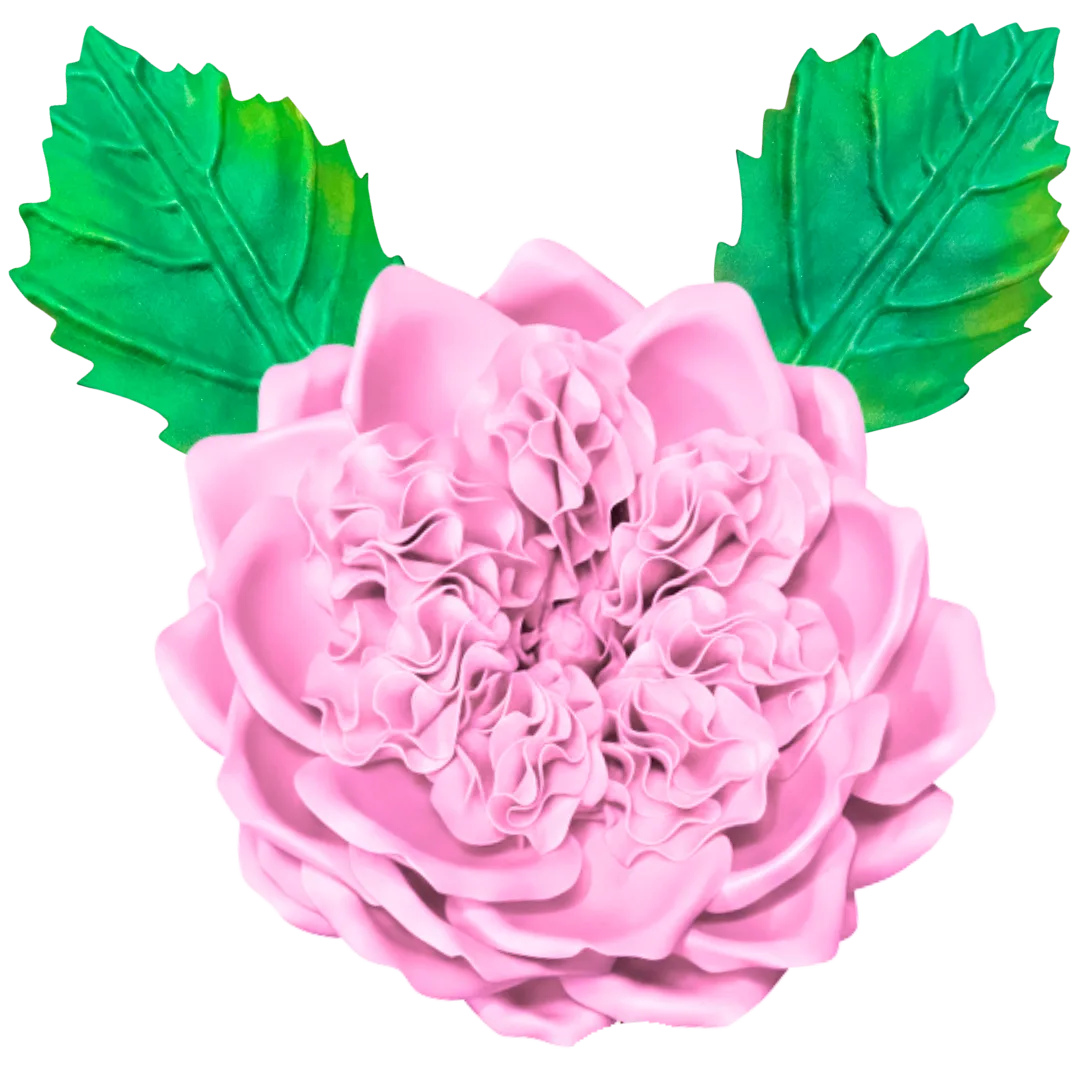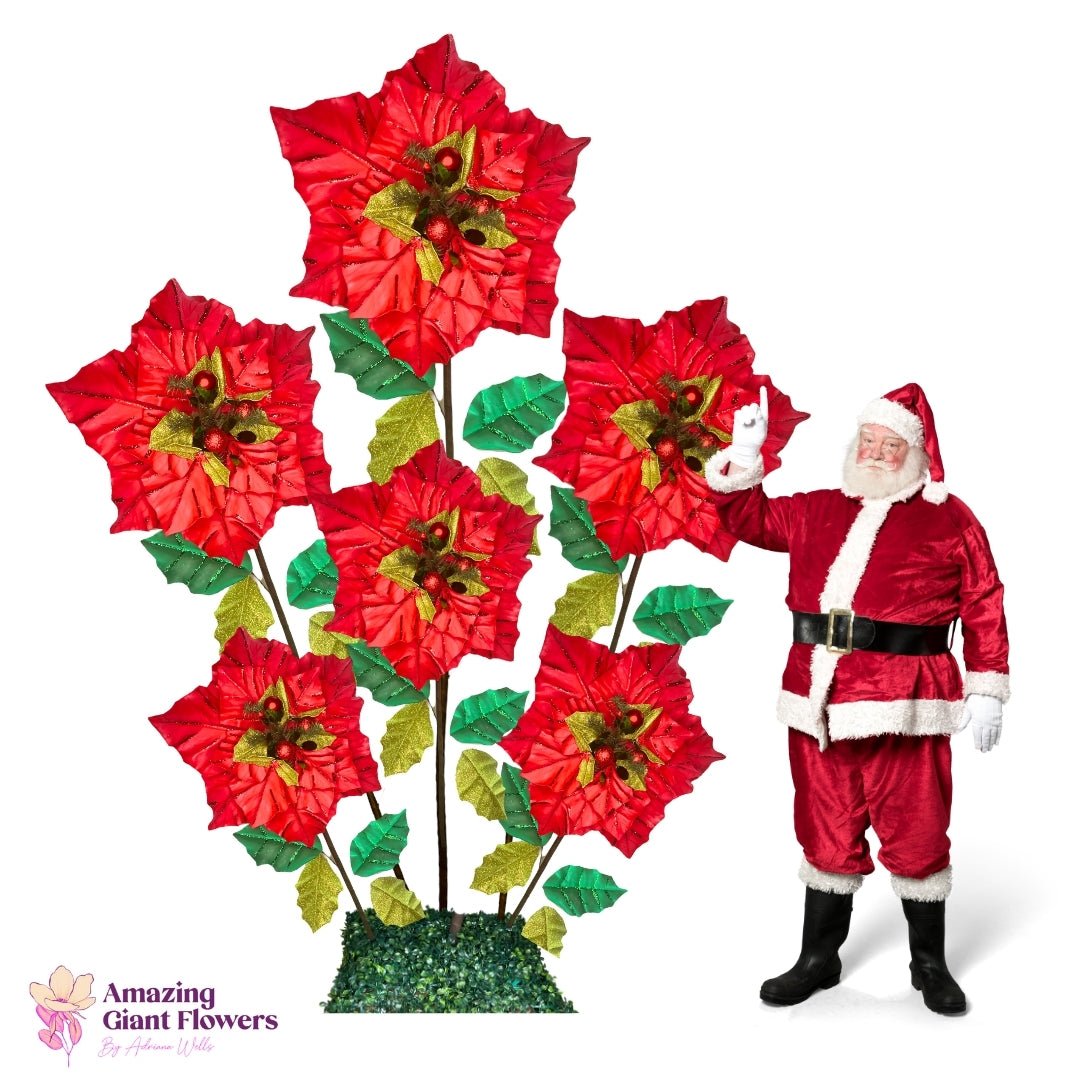
Giant Peony Tutorial: Lush Foam Petals for Romantic Events
Key Takeaways
If you've been searching for a giant peony foam flower tutorial that actually walks you through every single step — not just the pretty Instagram version — you're in the right place. Peonies are my absolute favorite flower to recreate in foam. There's something about that full, ruffled, outrageously lush shape that just translates perfectly into EVA foam. Better than any other flower, honestly.
I've made hundreds of these over the years. For weddings, quinceañeras, corporate installs, baby showers — you name it. And every single time I pull the finished bloom together, I still get a little thrill. That moment when the petals fan out and it suddenly looks like a two-foot peony? Chef's kiss.
Real peonies are stunning. They're also expensive, seasonal, and gone within a week. According to a Brides.com survey, couples spend an average of $2,000–$2,500 on wedding flowers — and a significant chunk of that goes toward statement blooms like peonies.
Foam peonies? They last forever. Literally. I have a blush pink foam peony sitting on my studio shelf that I made three years ago and it still looks brand new.
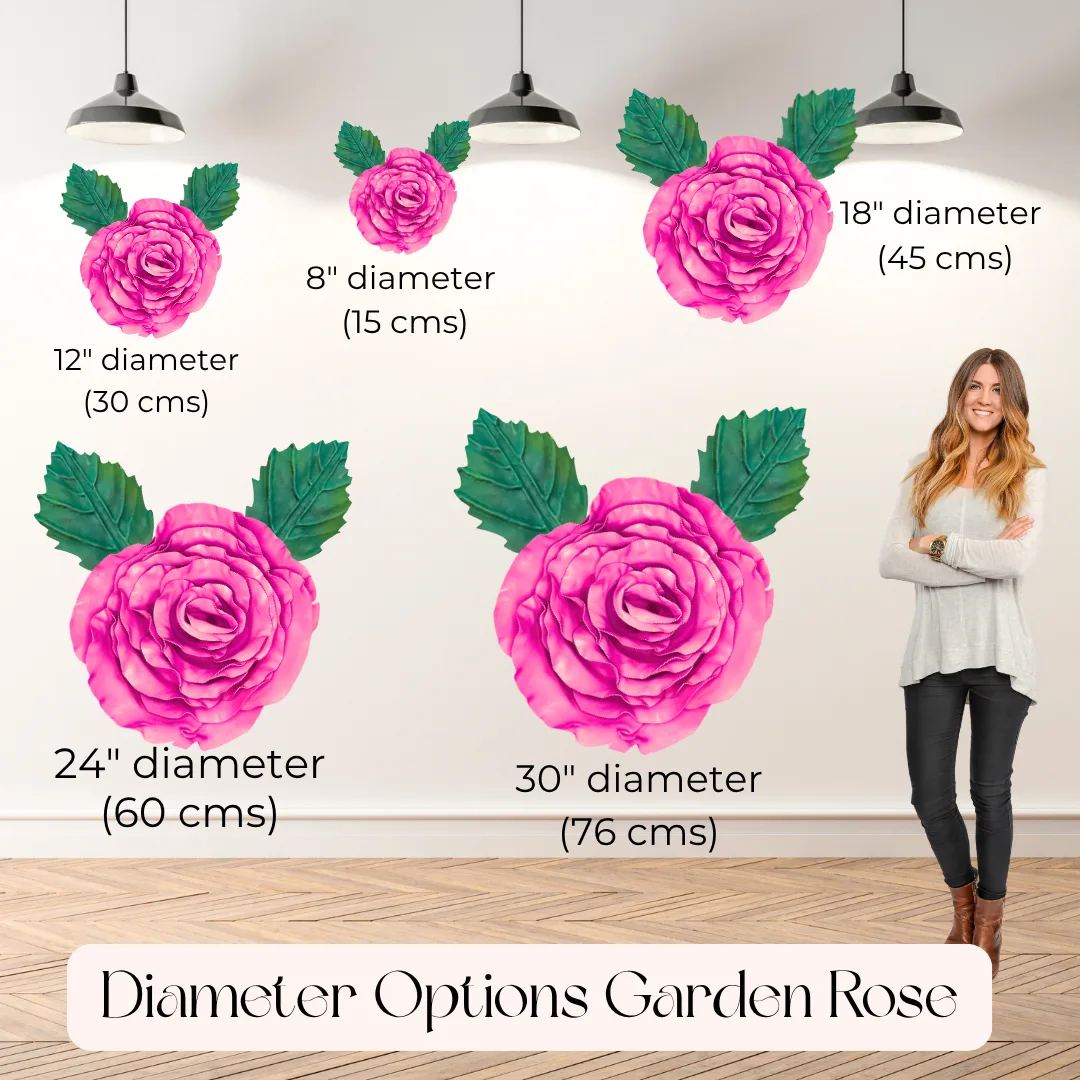
A real peony maxes out at maybe 5–6 inches across. A foam peony can be 24 to 36 inches wide. That's the kind of visual impact that stops people mid-scroll on Instagram and makes event guests actually gasp when they walk in the door.
Scale is everything in event design. One giant foam peony commands a room the way an entire fresh arrangement sometimes can't. And you can make multiples for the cost of a single premium floral centerpiece.
The Business Case
According to Statista, the global events industry is projected to surpass $2.19 trillion by 2028. Couples, brands, and planners are all investing more in visual storytelling — and oversized floral installations are one of the biggest trends driving that.
If you're an event planner or a DIY bride, knowing how to make a stunning foam peony is genuinely a marketable skill. I've seen crafters turn this into full side businesses. And if you just want to make something beautiful for your daughter's birthday party or your best friend's bridal shower? That's equally valid and equally amazing. Let's get into it.
Real talk — the materials make or break this project. I learned that the hard way when I first started and tried to cut corners with craft store foam. The petals cracked. They looked flat. It was a whole disaster.
Here's what you actually need:
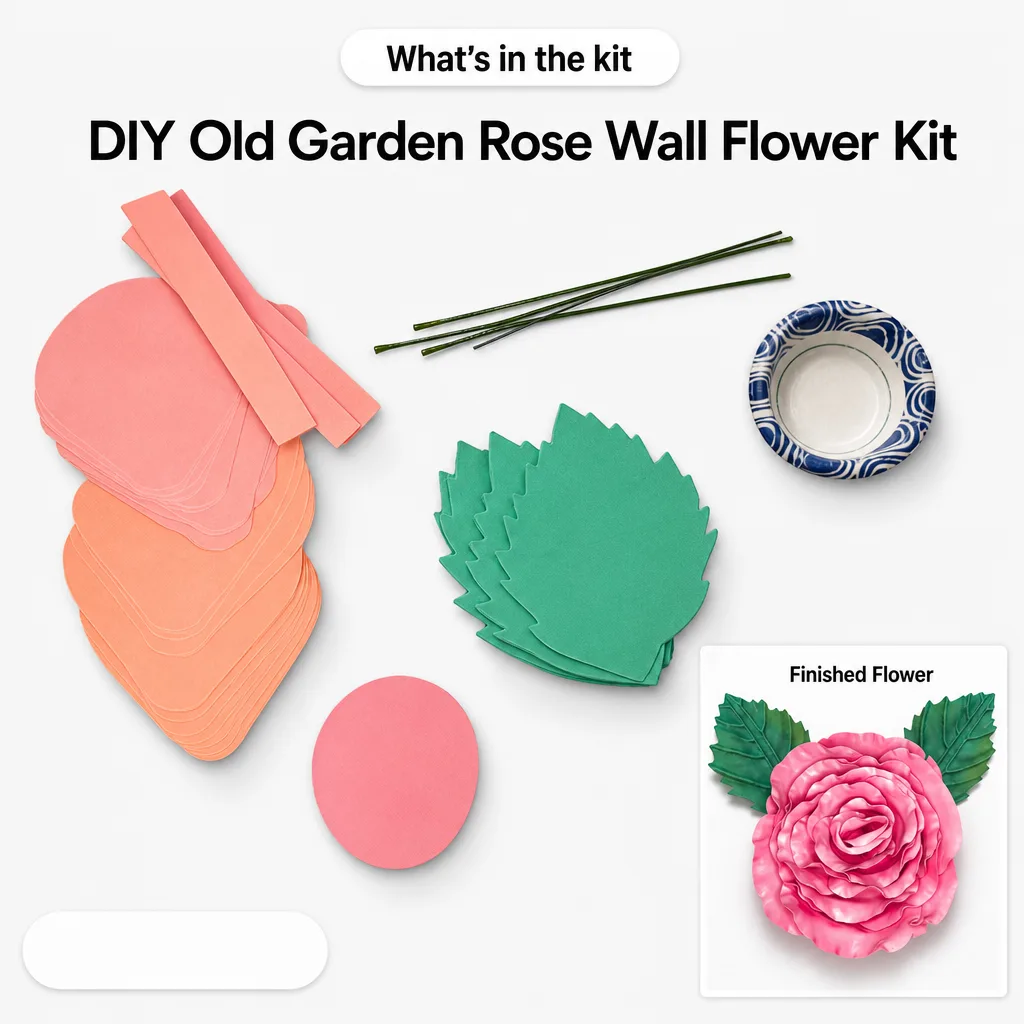
If you want to skip the cutting and get pre-cut EVA foam kits with everything measured and ready to go, check out our shop at Amazing Giant Flowers. Every kit comes with video tutorials so you're never guessing.
But if you're cutting from scratch, here are your petal dimensions:
| Petal Type | Width | Height | Foam Thickness | Quantity Needed | Role in Flower |
|---|---|---|---|---|---|
| Small inner petals | 2–3 inches | 3–4 inches | 2mm | 8–10 petals | Tight center bud |
| Medium petals | 4–5 inches | 5–6 inches | 2mm | 18–24 petals | Mid-bloom layers |
| Large outer guard petals | 7–9 inches | 8–10 inches | 6mm | 10–14 petals | Outer structure |
Choosing Your Color
One more thing before we start — color matters more than people think. Classic peony shades are blush pink, coral, deep magenta, soft white, and burgundy. For romantic events, I'm almost always reaching for blush or dusty rose foam. It photographs beautifully and pairs with everything.
If you want to go bold, a deep fuchsia or wine-colored peony against a greenery wall is absolutely breathtaking. Don't be afraid to go dramatic.
Ok, this is where it gets really fun. Shaping is the step most tutorials rush through, and it's honestly the most important part. A flat petal looks like craft foam. A shaped petal looks like a flower.
Turn your heat gun on and hold it about 3–4 inches away from the foam surface. Move it in slow circles — don't hold it in one spot or you'll melt through the foam.
As the foam warms up (you'll see it start to soften in about 5–8 seconds), use your fingers or a rounded tool to curl and cup the petal. Work fast — EVA foam sets its shape within a few seconds of cooling.
Curl Styles by Petal Size
This is the detail that makes all the difference. Each petal size gets its own distinct curl:
I have a whole deep-dive on this technique over at my Heat Gun Techniques: Shaping Foam Flower Petals Like a Pro post if you want to get really precise with it. Seriously worth reading before you start.
Here's a bonus technique I rarely see other tutorials mention: after you've shaped the basic curl, go back and use the very tip of your heat gun nozzle to add tiny, irregular ripples along the top edge of each petal. Hold the nozzle about 1–2 inches away and pulse it in quick, short bursts.
Real peony petals are never perfectly smooth at the edges — they're slightly ruffled and irregular. This step takes about 10 extra seconds per petal and makes a dramatic difference in how organic and lifelike the finished flower looks.
Take your foam ball and start gluing your smallest, most tightly curled petals directly onto it. Pack them in close together — you want that dense, ruffled center that peonies are famous for.
Use about 8–10 tiny petals in the very center. Glue them at the base, let them fan upward. It should look a little messy and organic. That's correct. Peonies are not tidy flowers.
Once your center is built, start adding your medium petals in a circular layer around it. Offset each petal so it sits between two petals from the previous layer — just like real flower petals grow.
I usually do 2–3 rings of medium petals, each one slightly more open than the last. This is what gives the foam peony its incredible depth and dimension. Don't rush this stage — it's where the flower really comes alive.
Adding the Outer Guard Petals
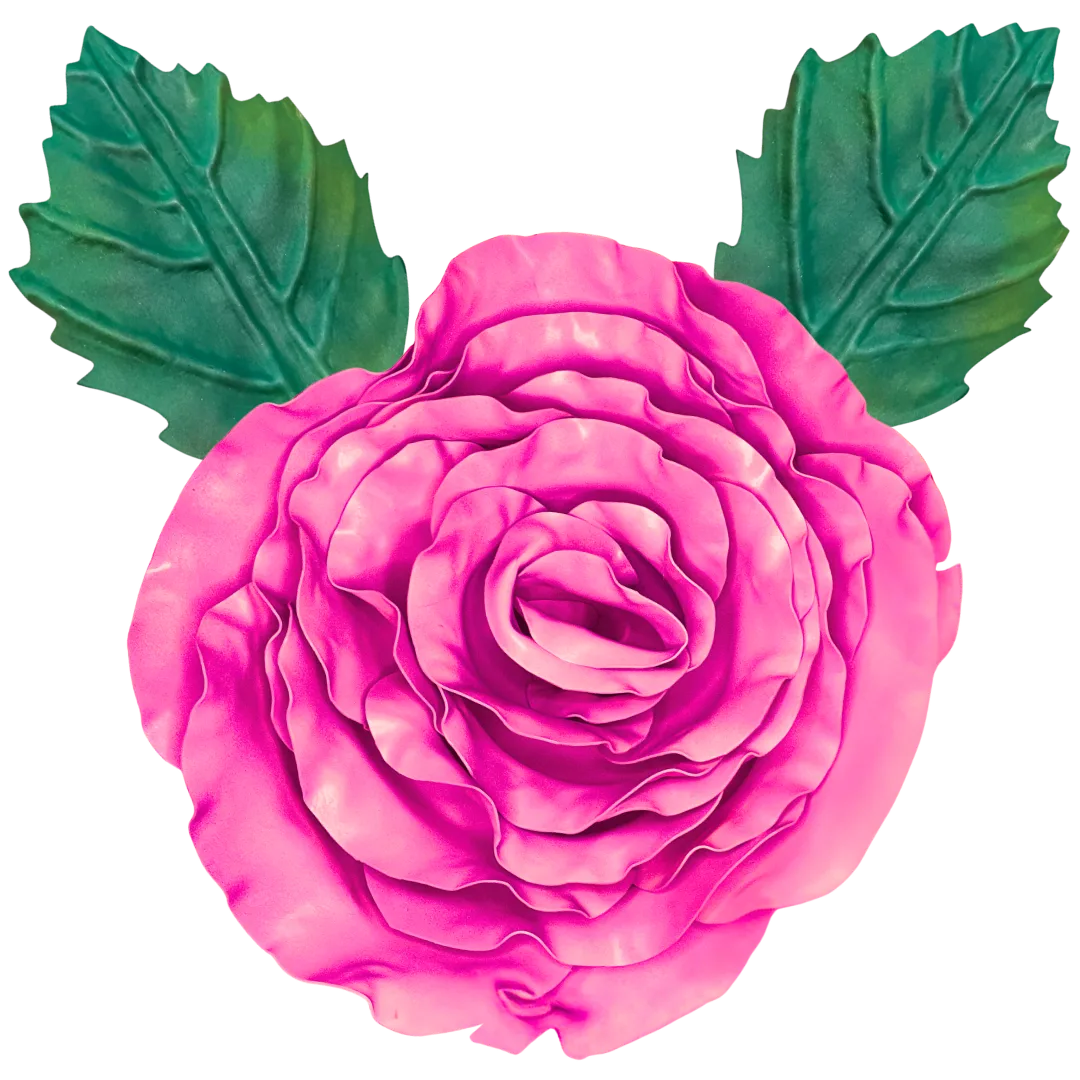
Then come your large outer guard petals. These go around the outside, curving back gently. At this point your flower is starting to look seriously impressive. I always take a little pause here just to appreciate it before finishing.
Glue the outer petals to a flat cardboard circle base (cut it to about 6–8 inches diameter) rather than directly to the foam ball. This gives the finished flower a clean, flat back for mounting or displaying.
According to HGTV's craft guides, the layering technique is consistently cited as the most critical factor in making paper and foam flowers look realistic. Rushing the layering is the number one reason DIY flowers look flat. Take your time. Each layer matters.
This step is completely optional, but if you want your foam peony to look truly lush, a little paint goes a long way.
Mix acrylic paint with a tiny bit of water — just enough to make it flow easily. Using a wide sponge brush, lightly dust the petal edges with a slightly deeper shade than your base foam color.
Center Detailing
You can also add a very light wash of green or yellow at the very center of the flower, right where the petals meet the foam ball. That's where the stamen would be on a real flower, and that tiny detail makes a huge difference.
For more on getting beautiful finishes on foam, my post on Flawless Foam Board Paint Finishes has everything you need.
Once your paint is fully dry, finish with a light coat of clear matte acrylic sealer spray held about 12 inches from the surface. This locks in the color, adds a touch of UV resistance, and gives the petals a subtle sheen that reads beautifully on camera. Two thin coats beat one heavy coat every time — heavy coats can pool in the petal curves.
You've built this gorgeous thing — now let's talk about how to actually use it. Because the display makes as much difference as the flower itself.
According to WeddingWire, floral backdrops and oversized floral installations are consistently among the top 5 most-requested wedding décor elements year over year. Couples and planners are actively looking for cost-effective ways to achieve this look.
A set of 10 foam peonies costs a fraction of what a fresh floral installation would run. And they're reusable — which means event rental businesses can recoup their investment over and over again.
Mounting Options
- Backdrop panels: Hot-glue or zip-tie flowers directly onto a wooden frame, PVC grid, or wire mesh panel for a full floral wall.
- Foam board mounting: Attach a wooden dowel or floral stem wire to the cardboard base and insert into a foam-filled vase or planter for a freestanding display.
- Hanging installations: Use fishing line threaded through the cardboard base to suspend peonies at varying heights from a ceiling beam or arch.
- Table centerpieces: A single oversized peony in a tall mercury glass vase makes an unforgettable centerpiece that costs under $20 to produce.
Event-Specific Inspiration
If you're making these for a quinceañera, I have a whole post on Quinceañera Backdrop Ideas with Giant Flowers that's full of color palette ideas and layout inspiration. Peonies in deep rose and gold? Absolutely stunning for that.
For baby showers, soft white and blush peonies on a backdrop wall are incredibly popular right now. My Baby Shower Backdrop Ideas post has some really beautiful examples.
The Knot's annual wedding trend report noted that maximalist floral displays — think lush, full, overflowing arrangements — are dominating event aesthetics heading into 2026. Peonies, with their naturally full and ruffled shape, are perfectly positioned as the statement bloom of the moment.
One practical tip — if you're transporting these to an event, store each finished peony in a large plastic bag with a little tissue paper around the petals. They're surprisingly durable once fully assembled, but you don't want them getting crushed in transit.
I also recommend making a few spare petals when you cut your foam. If a petal gets damaged during transport or setup, you can swap it out in about two minutes with a hot glue gun. Event day emergencies are real — be prepared.
For long-term storage, use large flat cardboard boxes lined with tissue paper. Place peonies face-up in a single layer and tuck tissue gently around the petals. Never stack heavy items on top — sustained pressure can permanently flatten shaped petals. Stored correctly in a cool, dry space away from direct sunlight, foam peonies can last 5 years or more without any meaningful degradation.
Cost Comparison: Foam Peonies vs. Fresh Flowers
I get asked about the numbers all the time, so let me lay it out clearly. This is the comparison that convinced me to go all-in on foam florals years ago — and it's only gotten more compelling since.
Making them in foam means you can go as maximalist as you want without the budget spiraling out of control. That's the whole magic of this.
For a beginner, expect to spend about 3–4 hours on your first 24-inch peony — including cutting, shaping, and assembly. Once you've made two or three and your hands know the motions, that drops to around 90 minutes to 2 hours per flower.
If you're working from a pre-cut kit, you can shave significant time off that. Most of my students using our Amazing Giant Flowers kits finish their first peony in under two hours, even with no prior experience.
Honestly, the brand matters less than the quality and density of the foam itself. Look for EVA foam with a smooth, slightly matte surface — avoid foam that feels spongy or has a visible grain, as it tends to tear when shaped with heat. Craft foam from big-box stores is usually too thin and low-density for large-scale petals.
I source the foam used in our kits specifically for giant flower making, and the difference in how it shapes and holds up is significant. If you're buying independently, order a small test sheet first and run it through a heat shaping test before committing to a large quantity.
Yes, with some caveats. EVA foam handles light outdoor conditions beautifully — a garden party, an outdoor ceremony under a pergola, a covered patio setup. What it doesn't love is prolonged direct sun (which can cause colors to fade over time) or heavy rain (which can loosen hot glue bonds if the flowers get truly soaked).
For outdoor events, I recommend sealing finished flowers with a clear matte acrylic sealer spray — it adds UV and moisture resistance without changing the look of the foam. And if rain is a real possibility, bring them inside or cover them between setup and the event itself.
How do I price foam peonies if I want to sell them or rent them out?
A great starting point is to calculate your materials cost (foam, glue, paint, templates) and multiply by three for a retail sale price. For a 24-inch peony, materials typically run $8–$15 per flower depending on your foam source — so a retail price of $30–$50 per bloom is very reasonable and competitive with the market.
For event rental, I typically price individual large peonies at $15–$25 per bloom per event, with a minimum order. A full backdrop of 20 peonies renting at $20 each is $400 for a single weekend — and those same flowers can be rented out again the following weekend. The math gets very good very quickly.
Absolutely not. I've taught this technique to complete beginners — people who described themselves as "not crafty at all" — and they produced beautiful flowers. The process is methodical: cut, heat, shape, glue, repeat. If you can follow steps in order and work carefully with a heat gun, you can make a stunning foam peony.
The one thing I'd say is: don't skip the practice petals. Before you start on your main flower, shape five or six petals just to get the feel of how the foam responds to heat. That ten-minute warm-up makes the whole project go much more smoothly.
The best storage method is in large, flat cardboard boxes — the kind used for shipping artwork or mirrors. Line the box with tissue paper, place the peonies face-up in a single layer, and tuck more tissue around the petals. Never stack heavy items on top of stored foam flowers, as sustained pressure over time can permanently flatten shaped petals.
Stored correctly in a cool, dry space away from direct sunlight, foam peonies can last 5 years or more without any meaningful degradation. That blush peony on my studio shelf? Three years old and still perfect.
I've been doing this for years and I genuinely never get tired of watching someone see their finished foam peony for the first time. There's always this moment of — "Wait, I made that?" Yes. You did. And it's incredible.
If you're ready to dive in, our kits at
Ready to Create Something Amazing?
Browse our collection of giant flower kits and start your next project today.