How Long Do Bendable Pipes Last? Durability Truths

Let me be real with you: when I first started making giant flowers, I bought the cheapest stems I could find. And I paid for it — over and over again. Bent out of shape after one event, snapped during setup, couldn't hold a bloom heavier than a feather. So when people ask me about bendable pipe durability, I don't just give them specs. I give them the truth I learned the hard way.
If you're a value shopper — and honestly, who isn't? — you're probably wondering whether bendable pipes are worth the investment upfront. I hear you. You want to spend smart, not just spend less. And that's exactly why I want to walk you through what these pipes are actually made of, how long they genuinely last, and why buying a quality set once beats replacing cheap ones every season.
Spoiler: a good set of bendable pipes can carry you through years of weddings, baby showers, corporate activations, and holiday markets without missing a beat. Let's dig into why.
Key Takeaways
This is where most people's eyes glaze over, but stick with me — because understanding the material is everything when it comes to durability.
Our bendable pipes are built around an aluminum wire core. Aluminum is the sweet spot — it's lightweight enough to work with easily, but strong enough to hold a giant foam flower (we're talking blooms that can weigh 1–3 lbs) without drooping or collapsing.
Aluminum also doesn't rust. That matters more than people realize. If you're doing outdoor events — garden parties, farmers markets, outdoor weddings — moisture is a real threat to cheaper steel-core alternatives. Aluminum just doesn't care about humidity.
The Outer Coating
A good bendable pipe has a smooth, durable outer wrap — usually a plastic or fabric coating — that protects the core and gives you something to grip. This coating also matters for aesthetics. If you're creating a floral stem effect, you want something that takes floral tape cleanly, or that you can wrap with ribbon or greenery without it slipping all over the place.
Cheap pipes? The coating cracks, peels, or separates from the core after a few bends. That's when things get frustrating fast. Once that coating goes, the exposed core snags on everything and the pipe becomes genuinely unpleasant to work with.
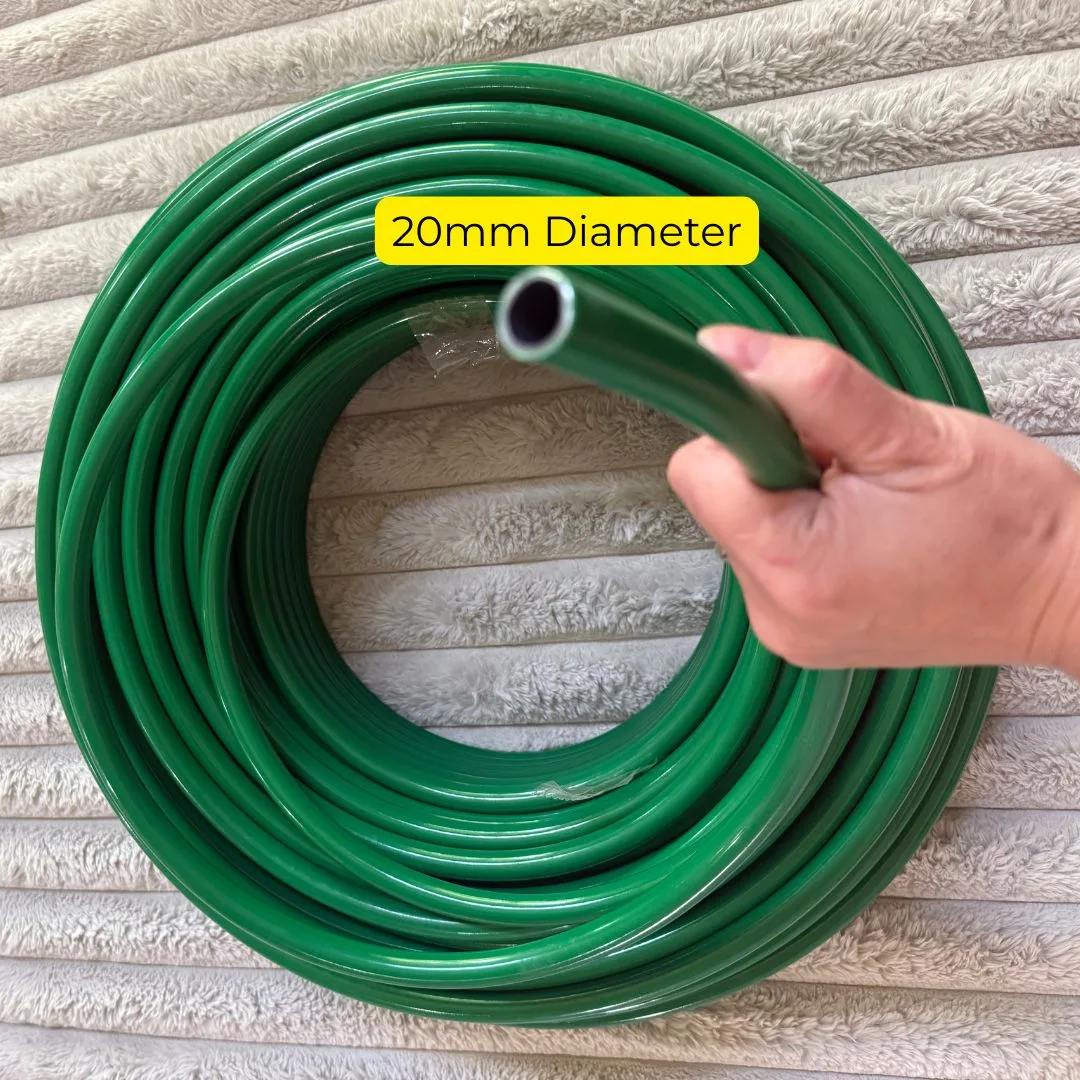
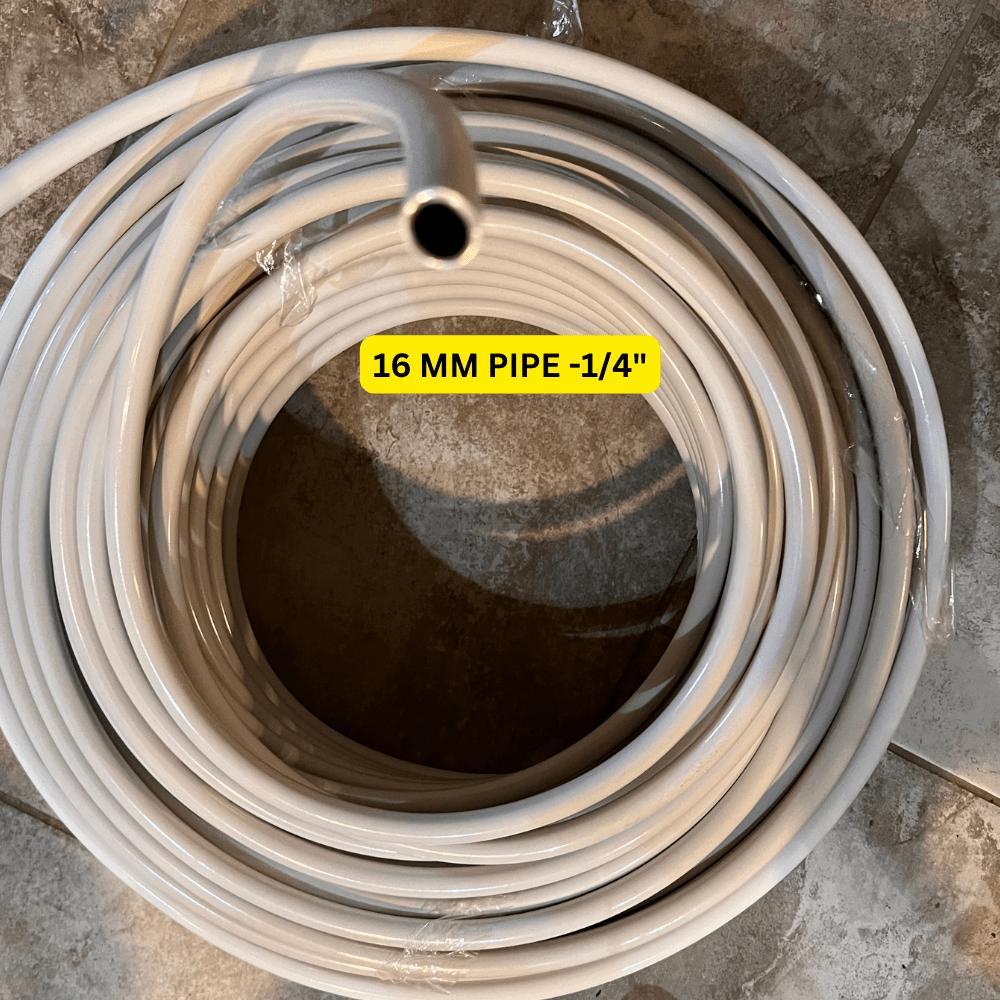
Most giant flower work calls for pipes in the 16mm to 20mm diameter range. The 16mm pipe is my everyday workhorse — light, flexible, and easy to shape by hand. The 20mm pipe is what I reach for when I need extra rigidity for heavier blooms or taller freestanding displays.
Getting the gauge right from the start saves you a lot of frustration. A pipe that's too thin for your bloom will droop; one that's too rigid won't give you the graceful curves that make giant flower displays look professional.
Ok, this is where it gets really fun — because the numbers actually tell a compelling story for value shoppers.
Quality aluminum-core bendable pipes can withstand hundreds of reshape cycles before showing any sign of fatigue. I've personally used the same pipes for over three years across dozens of events. Weddings, quinceañeras, brand activations, holiday pop-ups — same pipes, different shapes every single time.
Cheap alternatives? I've seen them start to weaken after just 10–15 bends. The core begins to kink rather than bend smoothly, and once that happens, the pipe loses its ability to hold position. It's done — and you're back at the craft store.
Our pipes are designed to support blooms up to approximately 3 lbs when properly anchored. For reference, a large EVA foam flower — like the kind I walk through in my giant foam flowers for wedding arch guide — typically weighs between 0.5 and 2 lbs depending on petal count and foam thickness.
The pipe holds its bent position without memory-springing back. That's the technical term for when a wire "wants" to return to straight. Good bendable pipes stay where you put them. That's non-negotiable for event work.
"The best supply investment you'll ever make is the one you only have to make once."
Cheap Pipes vs. Quality Pipes: A Side-by-Side Look
I want you to see this clearly, because the math really does favor quality. Here's the honest comparison I wish someone had shown me when I was starting out.
See what I mean? When you spread the cost of quality pipes across 50+ events over three years, you're paying pennies per event for your structural support system. That's the value shopper's dream right there.
Real talk? The pipe's quality is only half the equation. How you treat it is the other half. I've seen people ruin good supplies in one event because of bad habits. Let me save you from that.
Store your pipes loosely coiled or laid flat — never crammed into a tight space where they're forced into unnatural bends. I use long flat bins (think under-bed storage containers) for mine. It takes up a little more space, but my pipes come out ready to use every single time.
Keep them away from extreme heat. I'm in Houston, so I know what a hot car or storage unit can do. Prolonged heat can affect the outer coating and, over time, the structural integrity of the core. If your storage space gets above 100°F regularly, find a climate-controlled alternative — it's worth it.
Bend gradually and smoothly, not sharply at one point. Think of it like bending a straw gently versus snapping it in half. Distribute the curve over a longer section of pipe. This prevents stress concentration at a single point, which is what causes premature kinking.
💡 Pro Tip
When creating an arch shape, bend the pipe in multiple small increments rather than one big curve. Start from the center and work outward. This distributes stress evenly and gives you a more elegant, consistent curve — plus it's much kinder to the pipe's longevity.
Use a dedicated pipe bag or tube for transport. I've repurposed long garment bags and PVC tubes for this. The goal is to prevent the pipes from getting tangled, crushed, or repeatedly bent in the same spot during transit.
One of my event designer friends wraps hers in pool noodles cut lengthwise. Sounds ridiculous, works perfectly. Do what works for you — just protect them.
- Long garment bags: Lightweight, easy to carry, and keep pipes from tangling.
- PVC tube carriers: Rigid protection for pipes you've already pre-bent into specific shapes.
- Pool noodle wraps: Cheap, cushioned, and surprisingly effective for preventing transit kinks.
- Labeled flat bins: If you're transporting multiple pipe sizes, label your bins so you're not digging through everything on-site.
The Versatility Factor: Why One Pipe Does the Work of Many
Here's something value shoppers often overlook: versatility is a form of savings. When one supply item can do ten different jobs, you're not buying ten things. You're buying one.
The same bendable pipe that forms a graceful curved stem for a freestanding flower display can also be:
That's five use cases from one product. When you pair them with our freestanding flower kits, you have a complete modular system that adapts to literally any event format.
If you're working with EVA foam to build your blooms, bendable pipes are your best friend for internal structure. You can run a pipe through the center of a flower to give it a poseable neck — meaning you can tilt the bloom at exactly the angle you want, and it stays there. I talk about foam choices in depth in my crafter's guide to every type of foam for giant flowers, if you want to go deeper on that.
I want to paint you a picture of what "buy once, use for years" actually looks like in practice. Because it's not abstract — it's real events, real savings, real creative freedom.
One of my brides told me after her wedding that the flower arch looked "exactly like a Pinterest board come to life." What she didn't know was that the pipes holding those blooms had already been to four other weddings that year. Same pipes. Different flowers, different colors, completely different vibe each time.
For wedding work specifically, I highly recommend reading my post on freestanding giant flower arrangements for events — it covers exactly how to build stable, beautiful displays that travel well and set up fast.
Corporate Events and Brand Activations
Corporate clients are some of the best customers for giant flower displays — and they often need quick turnarounds and multiple setups across a weekend. Bendable pipes make that possible because you can reshape on-site in minutes. No tools, no hardware, no stress.
If you're exploring the corporate event space, my post on corporate event engagement ideas is a great starting point for understanding what clients actually want from floral installations.
Farmers markets, holiday pop-ups, boutique openings — these are high-frequency, lower-budget events where durability really pays off. You might set up and break down 20 times in a single season. Your pipes need to handle that without complaint. Quality ones do.
This is actually where I first proved to myself that the investment was worth it. After my tenth market setup of the season with the same pipe set, I did the math — and I hadn't spent a single dollar on replacements. That was the moment I stopped buying cheap.
With proper care and storage, quality aluminum-core bendable pipes typically last 3 to 5 years or more with regular event use. I personally have pipes in my kit that are going on their fourth year and still perform perfectly. The key variables are material quality, how you bend them, and how you store and transport them between events.
Cheap pipes — the kind you find in bulk craft packs — might last one season if you're lucky. The cost savings upfront evaporate quickly when you're replacing them every few months. I've done the math so you don't have to: replacing a set of 20 cheap pipes twice a year for three years costs more than buying one quality set that lasts the whole time.
🌸 Ready to get started?
Browse our bendable pipes collection and find the perfect stems for your next build — whether it's a wedding arch, a photo booth backdrop, or a freestanding garden display.
Yes — and this is one of their biggest advantages over other structural options. Aluminum-core pipes don't rust, so humidity, light rain, and outdoor conditions won't degrade them the way they would steel alternatives. That said, I'd still avoid leaving them in standing water or during a heavy downpour. They're weather-resistant, not fully waterproof.
For outdoor events, just make sure your base anchoring is solid. Wind is your bigger concern than moisture — a well-anchored freestanding kit is your best defense there. I always add sandbag weights to my bases for any outdoor setup.
Honestly? More times than you'll ever need to. Quality bendable pipes are designed for repeated reshaping — we're talking hundreds of cycles before any structural fatigue becomes noticeable. The trick is to bend smoothly and gradually rather than forcing sharp kinks at a single point. Distributed curves equal longer life.
If you ever do notice a slight kink starting to form, don't try to force it straight again aggressively — work it gently back over a longer section. Catching it early means the pipe stays usable for much longer.
What's the best way to store bendable pipes between events?
Store them flat or in a loose coil in a long, flat container — under-bed storage bins work great for this. Avoid cramming them into tight spaces that force unnatural bends, and keep them away from extreme heat (especially important if you're in a hot climate like Houston, where storage units can reach 120°F in summer).
A dedicated storage solution protects both the pipe and the outer coating. I label my bins by pipe diameter so I can grab exactly what I need without digging — that small habit alone saves me 10 minutes on every setup day.
Not necessarily. One standard size of bendable pipe works for most giant flower applications — from 12-inch blooms up to 36-inch statement flowers. For very large or heavy installations (think multiple flowers clustered on one stem), you can twist two pipes together for added strength. That's a trick I use regularly for oversized centerpiece work, and it extends your existing supply without buying anything new.
The main exception is when you need extreme rigidity for a tall vertical stem — say, a 5-foot freestanding flower on a thin base. In that case, stepping up to a 20mm pipe or using a rigid PVC insert alongside your bendable pipe gives you the stability you need without sacrificing flexibility at the bloom end.
Absolutely — and I do this all the time. The smooth outer coating on quality pipes takes floral tape, ribbon, fabric wrap, and even spray paint really well. Floral tape is my go-to because it stretches slightly as you wrap, creating a seamless, professional finish that looks like a real stem.
For a rustic look, I wrap with burlap ribbon. For a glam event, metallic ribbon or gold floral tape works beautifully. The key is that the coating doesn't slip or bunch — which, again, is a quality issue. Cheap pipes with peeling coatings make wrapping a nightmare.
Are bendable pipes safe for DIY beginners?
Yes — they're one of the most beginner-friendly supplies I carry. You don't need any special tools to shape them; your hands are enough for most curves and bends. The aluminum core is firm enough to hold position but soft enough that you're not straining to work with it.
My one tip for beginners: practice your bending technique on a spare pipe before committing to a final shape on your display piece. Once you get the feel for how much pressure gives you how much curve, you'll be shaping like a pro in no time. It's genuinely one of those skills that clicks fast.
At the end of the day, bendable pipe durability isn't just a technical spec — it's the foundation your entire giant flower business or hobby is built on. Get this right, and
Ready to Create Something Amazing?
Browse our collection of giant flower kits and start your next project today.