Molds for Giant Flower Centers & Detail Work

If you've ever built a big foam flower and felt like something was just off — like the bloom was beautiful but the center looked a little flat, a little fake, a little "craft store project" — I promise you, I've been there. And nine times out of ten, the culprit is the center. That's exactly why I became a little obsessed with finding the right flower center mold for every bloom I make.
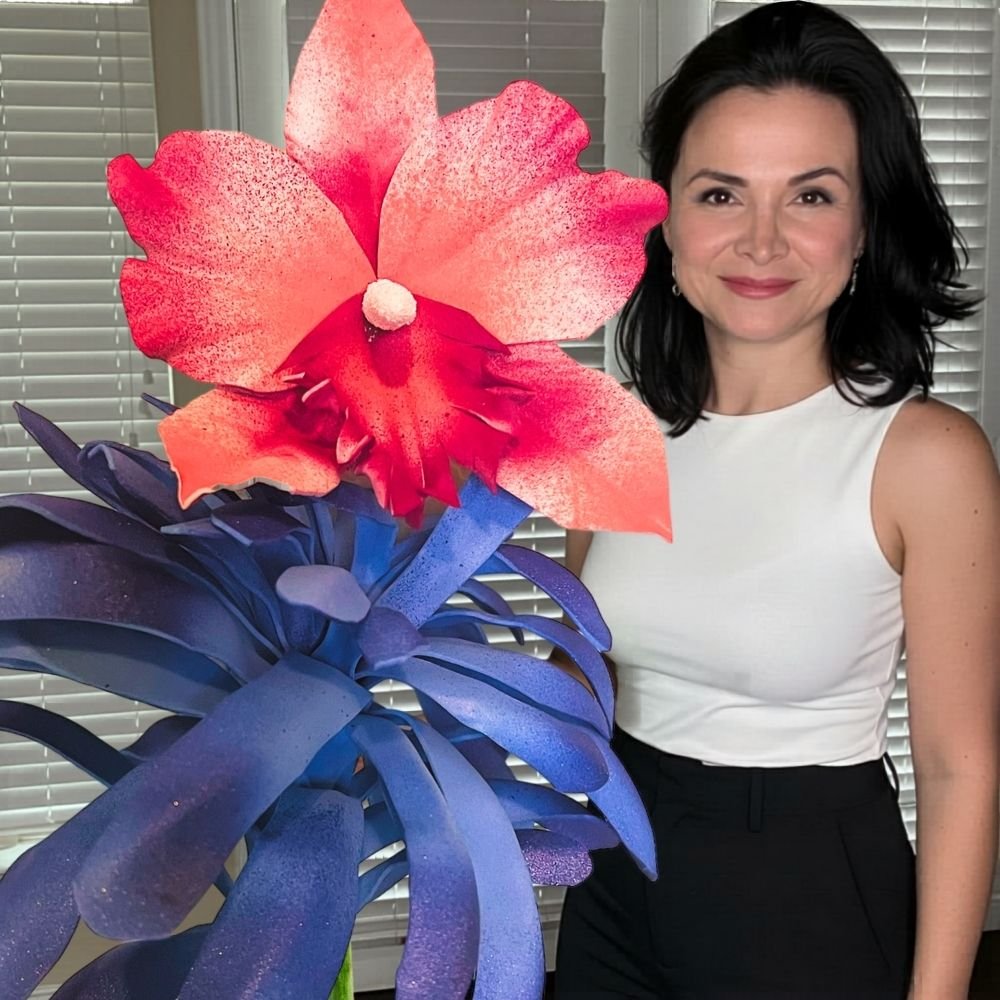
Here's the thing about giant flower making: your petals can be absolutely stunning, perfectly shaped and heat-curved and painted to perfection, but if the core looks like a styrofoam ball glued in the middle, the whole illusion falls apart. The center is what sells the realism. It's the part people lean in to look at.
So let's talk about molds — specifically, how the right mold transforms your bloom cores from "cute DIY" to "wait, is that real?" Whether you're building a wedding arch, a photo backdrop, or a massive event installation, this is the detail work that makes your flowers unforgettable.
Key Takeaways
I used to spend hours on petals. Cutting, shaping, layering, painting — all of it. And then I'd slap a painted foam ball in the middle and call it done. And it was fine. But fine isn't what makes someone stop mid-conversation at a wedding and pull out their phone to take a photo.
Realism lives in the details. And the center of a flower is loaded with detail — texture, dimension, shadow, structure. A real sunflower center has hundreds of tiny seeds packed in a spiral. A real ranunculus has a tight swirl of miniature petals. A real anemone has a dramatic dark dome ringed with delicate stamens. None of that happens by accident, and none of it happens with a smooth foam ball.
What a Mold Actually Does for Your Bloom Core
A good flower center mold presses texture directly into your foam or sugar medium. You get consistent, repeatable results every single time. No more eyeballing it, no more inconsistent hand-sculpting between flowers in the same installation.
When you're making 40 sunflowers for a giant flower wedding arch, consistency matters enormously. Every center needs to look like it belongs to the same bloom family. Molds make that possible.
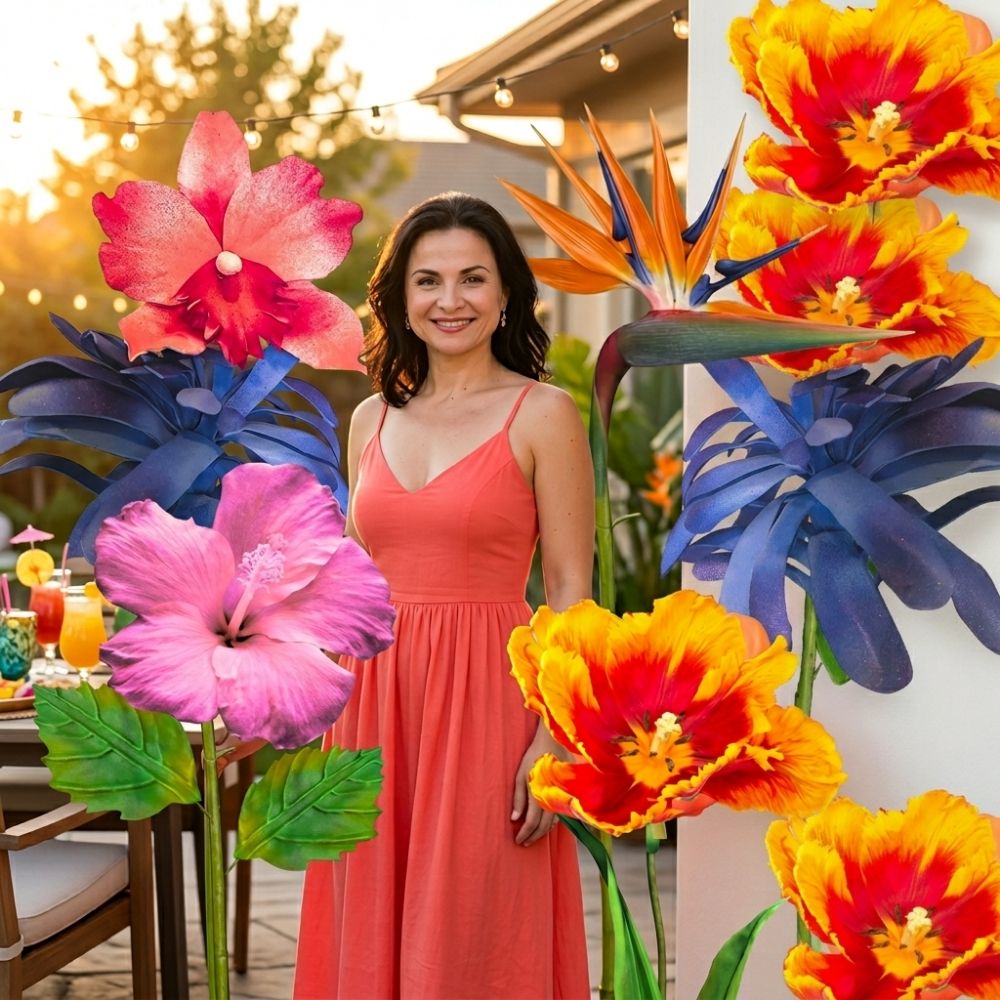
I've watched people at events walk up to our foam flower installations and genuinely debate whether the flowers are silk or real. That reaction? It almost always starts with the center. Textured, dimensional, shadow-catching cores read as organic. Smooth, featureless centers read as fake. It's that simple.
If you want your work to land at that higher level — the kind that books you repeat clients and gets shared on Instagram — investing in the right flower center mold is non-negotiable.
Ok, this is where it gets really fun. Our flower molds aren't single-purpose tools. They're double-sided, which means one mold works for foam flower making AND sugar/gumpaste cake decorating. Two completely different crafts, one incredibly versatile tool.
I designed them this way on purpose. So many of my customers are multi-talented — they're making foam flowers for events AND decorating cakes for the same clients. Why should they buy separate tools for each? They shouldn't.
Side One: EVA Foam Applications
For foam flower makers, the mold surface is designed to work with warmed EVA foam. You heat your foam slightly (a heat gun is your best friend here — check out our guide on heat gun techniques for shaping foam flower petals), press it into the mold, hold for a few seconds, and release. The texture transfers beautifully.
The result is a center piece with real depth — raised edges, recessed detail, organic-looking surface variation. Paint it with a dry-brush technique and suddenly you've got shadow and highlight built right into the texture.
Flip the mold over and you've got a food-safe surface ready for cake decorating work. Press in your gumpaste or fondant, let it set, pop it out. The detail is crisp, the edges are clean, and it works beautifully for sugar flower centers that sit on top of tiered cakes or cupcakes.
Food-safe and reusable hundreds of times. That's the commitment we make with every mold in this collection.
💡 Pro Tip
For EVA foam, work with 2mm foam for fine center details and 4mm foam for larger, chunkier core textures. The thinner foam picks up delicate surface detail much more crisply. Browse our EVA foam collection to find the right thickness for your project.
Which Flower Center Mold Do You Actually Need?
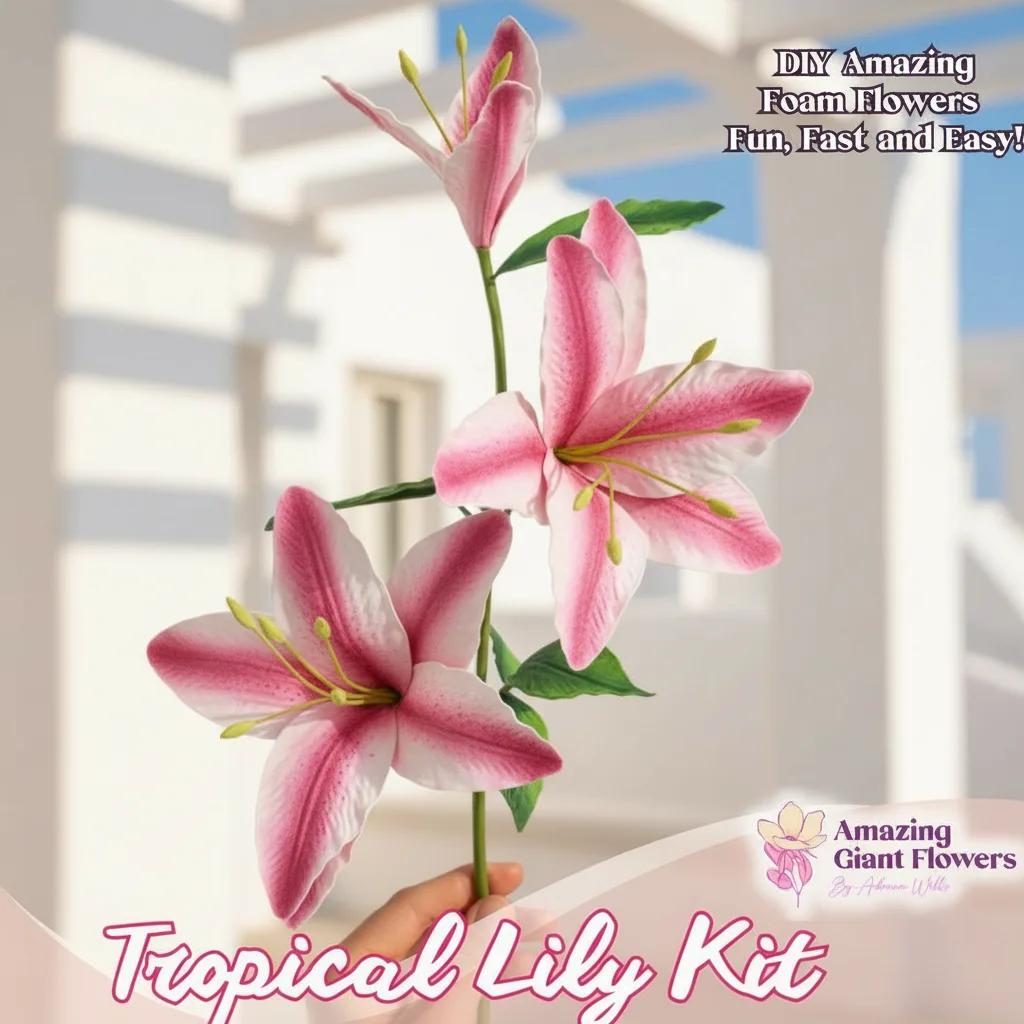
Not all bloom centers are created equal. This is something I learned the hard way — buying one "universal" mold and then wondering why my roses looked like sunflowers. Different flowers have fundamentally different core structures, and your mold needs to match.
Here's a quick breakdown of the most popular bloom types and what their centers actually look like:
This matters more than most people think. If you're making a 24-inch foam sunflower, you need a center mold that produces a piece at least 4–6 inches across. A mold designed for a 3-inch sugar flower center is going to look ridiculous — like a button on a dinner plate.
Our molds are scaled specifically for life-size petals and proportional centers, so you don't have to guess. The proportions are built in.
Real talk? There are other ways people try to make flower centers. I've tried most of them. Here's how they stack up against using a proper mold.
The numbers don't lie. If you're making more than a handful of flowers, molds win on every metric that matters for professional work: speed, consistency, and realism.
Owning a great mold is step one. Using it well is step two. Here are the things I wish someone had told me when I was starting out.
💡 Pro Tip
For foam flowers going into outdoor event installations, seal your painted center with a matte UV-resistant sealant after painting. The textured surface created by the mold holds the sealant beautifully and gives you a finish that lasts through a full event weekend without fading or chipping.
Pairing Your Mold with the Right Kits and Materials

A mold is a tool, not a complete system. To get the best results, you want to think about everything that goes into and around that center piece.
If you're just getting started with life-size foam flowers, our life-size foam flower kits are the perfect starting point. They include pre-cut petal pieces that are already sized to work proportionally with our molds — no guessing, no scaling issues.
For the foam itself, I always recommend checking out our EVA foam collection and reading our complete guide to every type of foam for giant flowers before you buy. The wrong foam density will fight your mold instead of working with it.
Think of your flower in layers: base structure → petals → detail work → center. The mold handles that final layer — the one that ties everything together. When all four layers are done right, you get a bloom that makes people stop and stare.
For inspiration on what's possible when you nail the full system, take a look at some of our giant flower centerpiece ideas — a lot of those installations use exactly this approach.
🌸 Ready to find your perfect mold?
Browse our full flower molds collection — designed for foam flower makers and cake decorators alike.
Ready to Create Something Amazing?
Browse our collection of giant flower kits and start your next project today.