Real Touch vs Silk Flowers: What Crafters Should Know
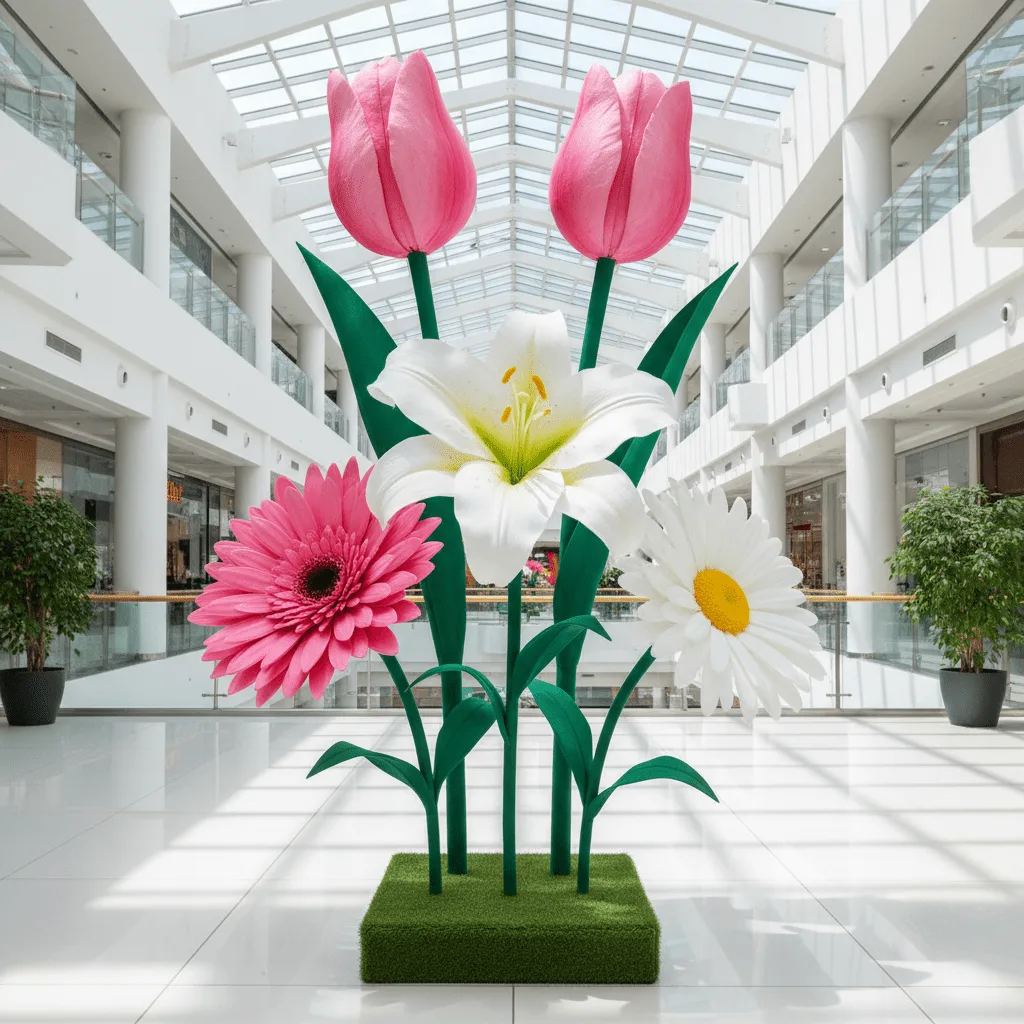
If you've ever stood in a craft store holding a silk stem in one hand and a real-touch petal in the other, wondering what's actually the difference — I've been there. Totally been there. The whole real touch vs silk flowers debate is one I get questions about constantly, and honestly, it deserves a real answer. Not a vague "it depends" answer. A real one.
Here's the thing — for hobbyist crafters especially, the material you choose affects everything. How your project looks. How long it lasts. Whether it survives a Houston summer on your porch. Whether your centerpiece still looks gorgeous in photos six months from now. These are not small decisions.
I've spent years working with both materials, and I want to share what I actually know — not just the marketing fluff. So let's dig in.
Key Takeaways
Okay, so "real-touch" is a term that gets used a few different ways. In the floral industry, it often refers to high-end latex or silicone artificial flowers that mimic the feel of fresh petals. They're gorgeous — but they're also expensive and not super DIY-friendly.
In the crafting world — my world — real-touch more commonly refers to EVA foam flowers that have been shaped and finished to look and feel remarkably like the real thing. That velvety, slightly flexible texture? That's foam doing its thing beautifully.
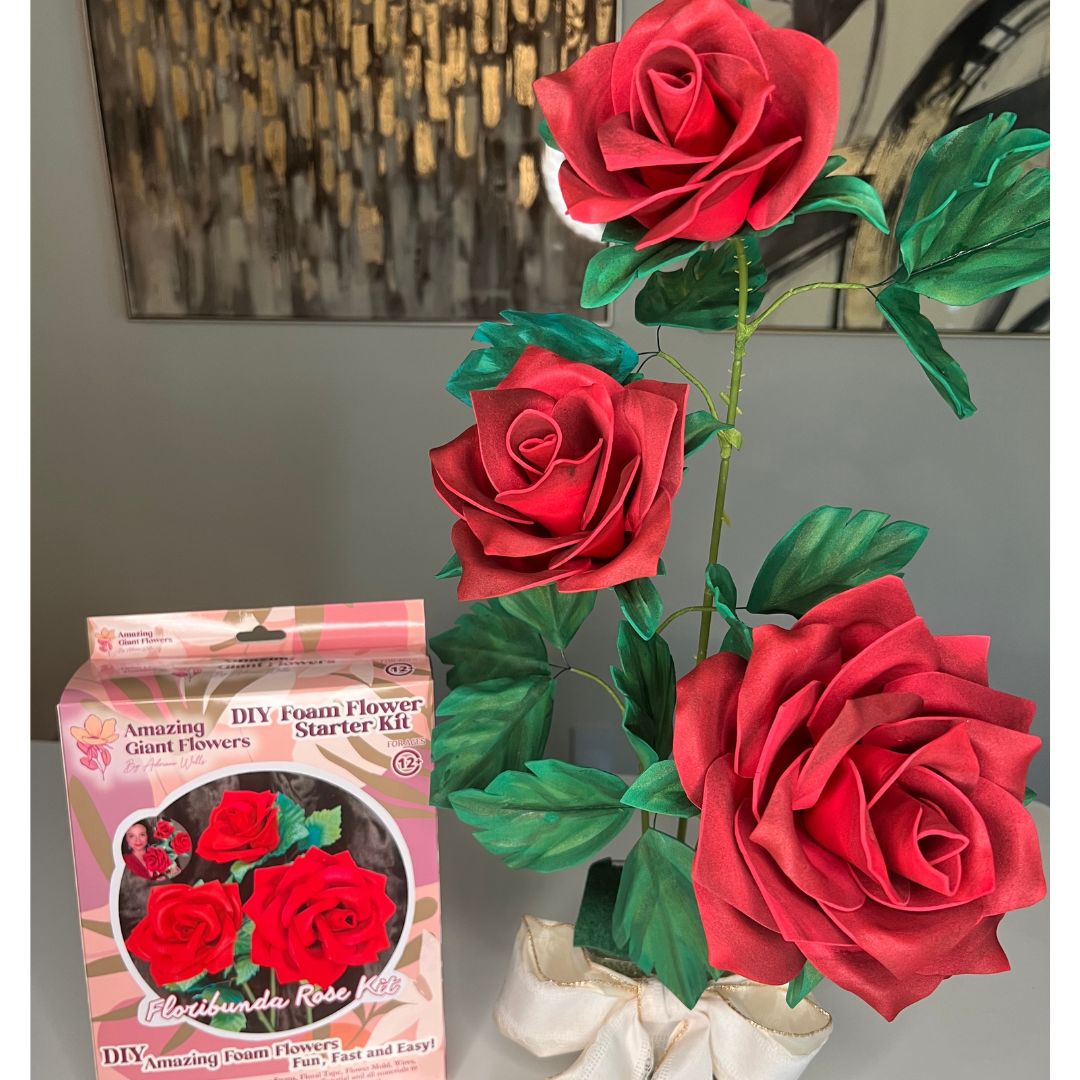
When I first started making life-size flowers, I was blown away by how convincing foam could look up close. We're talking petals with realistic veining, natural curves, and a finish that photographs like an actual bloom. That's the whole idea behind our Life-Size Foam Flower Kits.
The Two Main Types of "Real-Touch" in Crafting
- Latex/silicone real-touch stems: Pre-made, expensive, not customizable — these are what you find at high-end floral boutiques.
- EVA foam real-touch DIY: Cut, shape, paint, and assemble yourself — endlessly customizable and way more satisfying to make.
For crafters, the EVA foam route is where the magic happens. You can check out A Crafter's Guide to Every Type of Foam for Giant Flowers if you want to geek out on the material science side of things.
Silk flowers have been the go-to artificial bloom for decades. They're everywhere — craft stores, dollar bins, wholesale suppliers. And look, I get the appeal. They're affordable, immediately available, and come in every color imaginable.
But here's what most people don't talk about: modern "silk" flowers are rarely actually silk. They're usually polyester fabric stretched over wire frames. That's fine for a lot of uses — but it matters when you're comparing quality.
Silk is a solid tool in the crafter's kit. I'm not here to trash it. But when you're creating something statement-making — a backdrop, a life-size centerpiece, a photo wall — silk just doesn't deliver the same wow factor.
Let me break this down in a way that actually helps you decide. I've used both materials extensively, and these are the differences that matter most to crafters.
You might be wondering about paper flowers — especially if you've seen the gorgeous tutorials from designers like Lia Griffith. Paper flowers are beautiful. Truly. But they have a major weakness: they're fragile.
One humid Houston afternoon and your paper peony is drooping. One accidental splash and it's done. I've seen paper backdrops literally wilt at outdoor events. It's heartbreaking after all that work.
Foam doesn't do that. EVA foam is waterproof, flexible, and holds its shape even in heat and humidity. If you want to go deeper on this comparison, I wrote a whole post on Foam Flowers vs Paper Flowers: Which Is Better for Events? — worth a read.
The Texture Difference Is Real
Paper has a matte, flat texture. Silk has that telltale sheen. But foam? Foam can be finished to look velvety, waxy, matte, or even dewy depending on how you treat it. It's incredibly versatile.
You can use a heat gun to curve petals naturally, paint with acrylics for custom colors, and even add subtle veining with a fine brush. The level of realism you can achieve is honestly wild. Check out Heat Gun Techniques: Shaping Foam Flower Petals Like a Pro for the full tutorial on that.
💡 Pro Tip
When painting foam flowers, use a slightly damp sponge brush to apply acrylic paint in thin layers. This gives you that soft, blended petal look instead of a flat painted-on finish. Two thin coats always beats one thick one.
Okay, real talk — I don't think silk flowers are useless. I just think crafters need to know when to reach for which material. So here's my honest take.
🌸 Ready to try real-touch foam for yourself?
Browse our Life-Size Foam Flower Kits — pre-cut petals, mold included, and everything you need to make 2–6 stunning blooms starting at $34.99.
What's Actually Inside Our Life-Size Foam Flower Kits
I want to be specific here because I think it matters. When I designed these kits, I thought about what I wish I had when I was starting out — because figuring it all out from scratch took me way longer than it needed to.
Each kit includes pre-cut EVA foam petals in the exact shapes you need, plus a mold to shape them correctly. No pattern-tracing, no guessing at proportions. The real-touch finish is built into the foam itself — that velvety texture isn't painted on, it's the material.
If you want to expand your toolkit, our flower molds and EVA foam sheets are sold separately too — perfect for when you're ready to freestyle your own designs.
And if you're wondering what to do with all these beautiful blooms once you've made them, I have so many ideas for you. The DIY Giant Flower Backdrop for Photos guide is one of my most popular posts — it walks you through building a full backdrop from scratch.
Honestly? Not at all — especially with a kit. The pre-cut petals and included mold take most of the guesswork out of it. If you can use a hot glue gun and follow basic steps, you can absolutely make these. I always say: if you've made a wreath, you can make a foam flower.
The learning curve is mostly in the shaping step. A heat gun helps a lot, and once you get the feel for it, it becomes almost meditative. Most crafters tell me they're hooked after the first petal.
Can I use foam flowers outdoors?
Yes! This is one of the biggest advantages foam has over both silk and paper. EVA foam is naturally water-resistant, so it handles humidity, light rain, and outdoor conditions really well. I'd still bring them in during a heavy storm, but for patios, garden parties, and outdoor events — foam is your best bet.
If you want extra protection, a light coat of Mod Podge Clear Acrylic Sealer works beautifully to lock in paint and add weather resistance.
How do real-touch foam flowers compare to silk in photos?
This is a big one. Silk flowers often have a polyester sheen that catches light awkwardly in photos — especially under flash or bright event lighting. It's that telltale "fake flower" look. Foam has a matte, soft finish that reads as natural in photographs.
If you're creating a Browse our collection of giant flower kits and start your next project today.Ready to Create Something Amazing?