
Bendable Pipe for Giant Flower Trees & Sculptures
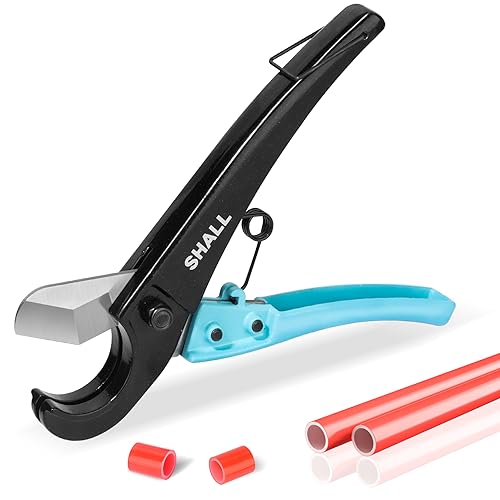
If you've been making giant flowers for a while, you already know that the bloom is only half the story. The real magic — the part that separates a flat wall panel from a jaw-dropping flower sculpture stem that curves, reaches, and commands a room — is what's underneath. And for most advanced builders, that means one thing: bendable pipes.
I'm Adriana, and I've been building giant flower installations out of my Houston studio for years. I've done wedding arches, retail activations, 10-foot flower trees for quinceañeras, hanging cloud installations — you name it. And the question I get most from experienced makers isn't about petal technique. It's about structure. Specifically: how do you get your stems to hold a dramatic curve, stay put under the weight of a 24-inch foam bloom, and then — this is the good part — reshape for the next event?
That's exactly what we're digging into today. If you're ready to move beyond flat backdrops and start building freeform statement pieces that look like they belong in an art gallery, keep reading. This one's for you.
Key Takeaways
Here's something I wish someone had told me earlier: your installation is only as good as its skeleton. You can spend hours shaping perfect petals, painting gorgeous gradients (if you want tips on that, check out Your Guide to Flawless Foam Board Paint Finishes), and assembling a stunning bloom — and then watch the whole thing droop because the stem couldn't hold it.
For flat backdrops and wall panels, this isn't a huge issue. But the moment you go freestanding — the moment you want a flower to lean, arc, or reach out at a 45-degree angle like it's growing wild — you need a stem system that can actually do that job.
That's where bendable pipes change everything. They're not just a support rod. They're the creative tool that makes freeform sculpture possible.
What Makes a Build "Freeform"?
Freeform means you're not constrained by a grid, a frame, or a flat surface. Your flowers can grow in any direction. Stems can spiral. Branches can fork. A flower tree can have one bloom pointing left, another arching overhead, and a third cascading down — all from a single base.
That kind of organic, sculptural quality is what clients are willing to pay premium prices for. And it's 100% achievable when you have the right flower sculpture stem material in your toolkit.
Bendable pipes — sometimes called flexible conduit or armature pipe — are tubes designed to hold their shape after you bend them. Unlike regular PVC or wooden dowels, they don't spring back. You bend them, they stay.
The core principle is simple: the pipe has enough internal resistance to maintain a curve under load, but enough flexibility that you can reshape it by hand (or with a gentle assist from your knee and both hands). No heat gun required. No special tools. Just you and the pipe.
This is where a lot of makers get tripped up. Not all bendable pipes are created equal, and choosing the wrong diameter for your build is a real problem.
My general rule? Go one size up from what you think you need for anything freestanding. Gravity is not your friend when you're dealing with a 2-pound foam bloom on a 5-foot stem.
💡 Pro Tip
Before you commit to a bend, do a dry run. Attach your bloom temporarily, hold the pipe in the shape you want, and let go. Watch where it settles. Most pipes will give just a tiny bit under load — account for that by overbending slightly, then letting the weight of the bloom pull it to your target angle.
Building a Flower Tree: Step-by-Step Armature Strategy
Ok, this is where it gets really fun. A flower tree is one of the most impressive freestanding builds you can create — and it's also one of the best showcases for what bendable pipes can do. I've built these for everything from quinceañera entrances (see Quinceañera Backdrop Ideas: Giant Flowers for 2026) to corporate brand activations.
Don't just start bending. Sketch your tree silhouette on paper — even a rough one. Decide how many blooms you want, at what heights, and in which directions they'll face. This sketch becomes your bending guide.
Asymmetry is your friend. The most beautiful flower trees look like they grew naturally, not like they were assembled on a grid. Plan for blooms at different heights — maybe 3 feet, 4.5 feet, and 6 feet — and in different horizontal directions.
Start with a thick central pipe anchored into your freestanding kit base. This trunk doesn't need to be perfectly straight — a slight organic lean actually looks more natural. Secure it firmly. This is your foundation and everything else hangs off it.
Attach medium-diameter bendable pipes as branches, offsetting them at different heights along the trunk. Each branch becomes a flower sculpture stem for one bloom. Bend each branch into its final position before attaching the bloom — it's much harder to adjust once the flower is on.
Attach your EVA foam blooms (our EVA foam sheets are perfect for this) and then do a full balance check. Walk around the tree. Look at it from every angle. Make micro-adjustments to stem angles until it looks natural and holds without stress.
If you've been making giant flowers for a while, you probably already know the basics of bending a pipe into a gentle arc. Let's go deeper. These are the techniques I use for my most complex builds.
A compound bend means bending a single pipe in two different planes. Think of a stem that curves upward AND sweeps to the left. This is what gives flower trees that gorgeous, reaching quality — like the flowers are straining toward light.
To do this, make your vertical bend first. Then rotate the pipe 90 degrees and make your horizontal bend. Work slowly and check your shape frequently against your sketch.
For really heavy blooms or very long stems, don't rely on a single pipe. Bundle two pipes together with floral tape or zip ties for the lower portion, then let them split into individual stems near the top. This gives you the strength of a thick pipe with the flexibility of thinner ones at the tips.
Bendable pipes aren't just for upright builds. I've used them to create cascading installations where flowers hang at different heights from a ceiling grid. Bend each pipe into a gentle downward curve, attach your bloom to the lowest point, and the natural drape looks absolutely stunning. Check out my full guide on How to Make an Oversized Flower Arch Backdrop for more on overhead installations.
🌸 Ready to start building?
Browse our full Bendable Pipes collection and find the right diameter for your next statement build.
Bendable Pipes vs. Other Stem Options: The Real Comparison
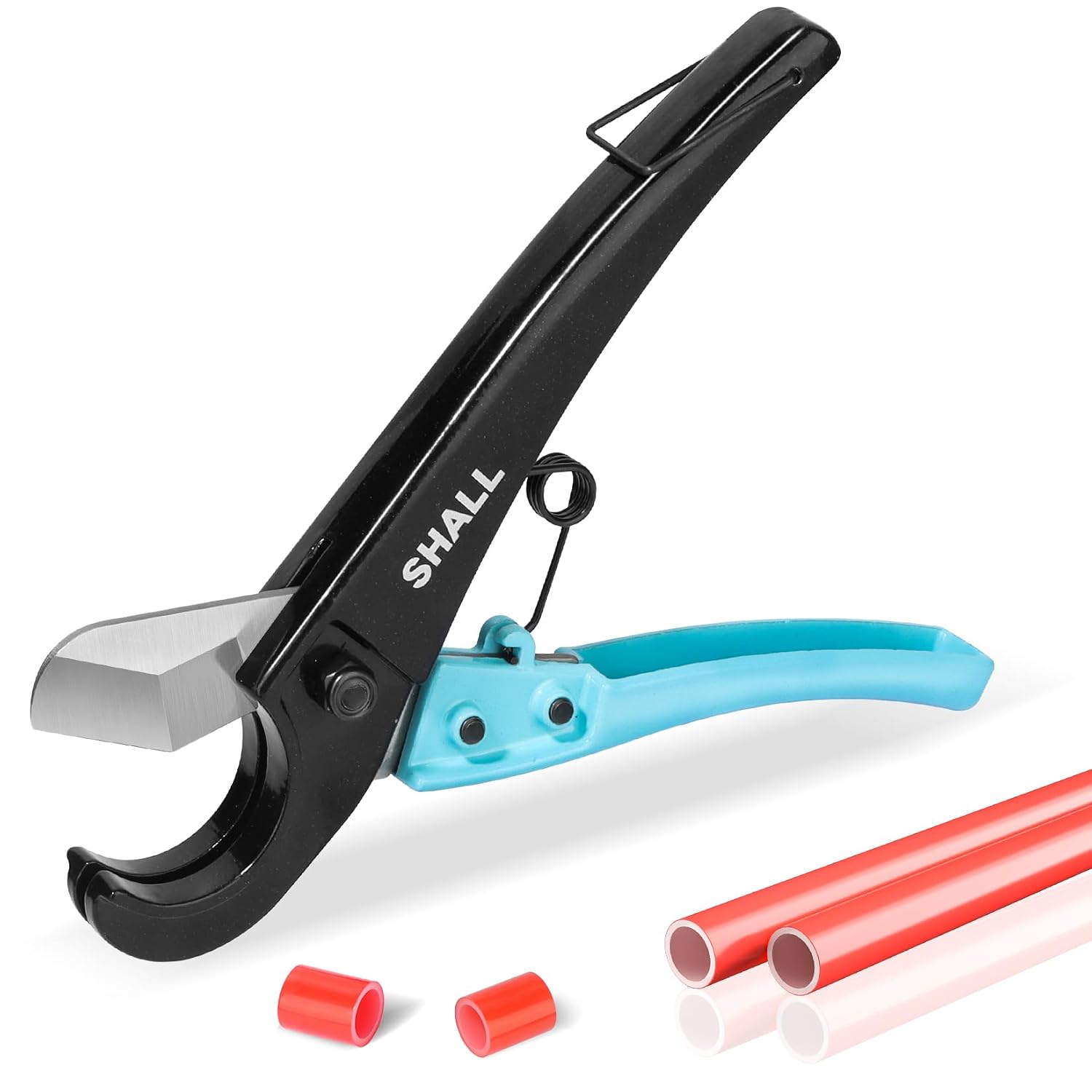
I get asked all the time whether you really need bendable pipes or if you can just use PVC, wooden dowels, or wire. Honest answer? It depends on your build. But for anything freeform or sculptural, there's really no competition. Here's the full breakdown:
| Stem Material | Bendability | Shape Retention | Load Capacity | Reusability | Best For |
|---|---|---|---|---|---|
| Bendable Pipes | Excellent — holds any shape | Excellent | High (varies by diameter) | Yes — reshape for each event | Sculptures, trees, arches, hanging installs |
| PVC Pipe | Poor — needs heat to bend | Good once set | High | Limited — shape is permanent | Fixed straight or pre-curved stems only |
| Wooden Dowels | None — rigid only | N/A | Moderate (can snap) | Yes, but shape never changes | Flat backdrops, wall panels only |
| Floral Wire (heavy gauge) | Good for small pieces | Fair — can creep over time | Low | Yes | Small blooms under 10 inches |
| Rebar / Metal Rod | Poor without tools | Excellent | Very high | Limited | Permanent outdoor installations only |
Real talk? If you're doing any kind of event work where you need to pack up, transport, and rebuild for a different client in a different space — bendable pipes are the only option that makes sense. Everything else locks you into one shape forever.
The Reusability Factor: Why This Is Actually a Business Decision
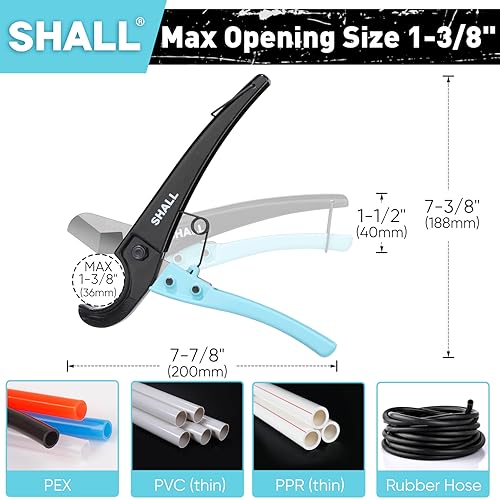
I want to talk about this because I don't think enough makers think about it strategically. When you invest in quality bendable pipes, you're not buying a one-event supply. You're buying an asset.
I have pipes in my studio that I've used for a wedding arch, then reshaped into a flower tree for a baby shower, then bent into a curved installation for a brand activation — all in the same year. That's three events from one set of pipes. When you're thinking about your giant flower event budget, that kind of reusability changes the math completely.
How to Store Bendable Pipes Between Events
- Straighten them out before storage if you want a clean slate for the next build. Or leave them in their current shape if you're likely to reuse the same configuration.
- Label your pipes by diameter with colored tape — you'll thank yourself when you're prepping at 11pm before a morning install.
- Store vertically in a PVC tube rack or horizontally in a flat bin. Avoid storing heavy items on top of them — they can take on a permanent bend you didn't plan for.
- Inspect before each use — check for any kinks or stress points, especially near connection joints.
💡 Pro Tip
Take a photo of each installation before you break it down. When a client books a similar event, you can reference your own photos to re-bend your pipes to nearly the same configuration in a fraction of the time. Your past builds become your fastest future builds.
Pairing Bendable Pipes with the Right Materials
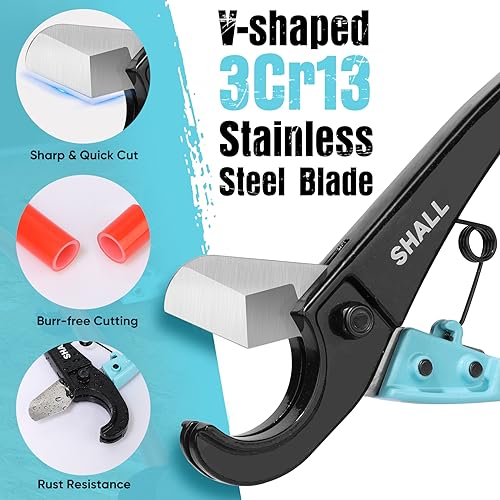
Bendable pipes don't work in isolation. The best freeform builds combine them with the right complementary materials. Here's what I reach for every time.
EVA Foam for Blooms
EVA foam is my go-to for giant flower petals because it's lightweight enough not to overload your stems but sturdy enough to hold its shape. A 24-inch EVA foam bloom weighs a fraction of what a paper or fabric bloom of the same size would. That matters enormously when you're asking a single bendable pipe to hold it at a dramatic angle. Browse our Browse our collection of giant flower kits and start your next project today.Ready to Create Something Amazing?