The Crafter's Guide to Bendable Pipe Stems and Vines

If you've ever tried to make a giant flower stand up on its own and ended up with a sad, drooping stem that just will not cooperate — girl, I've been there. That's exactly why I became obsessed with bendable pipe stems vines early on in my giant flower journey. They are honestly one of those supplies that sounds simple but completely changes what you're able to create.
I'm Adriana, and I've been building giant flower installations out of my Houston studio for years now. Weddings, quinceañeras, brand activations, baby showers — you name it, I've probably hot-glued a flower to it. And through all of that, bendable pipes have become one of my absolute non-negotiables. They're the skeleton behind the magic.
So if you're a crafter who wants to level up your displays — whether you're building a freestanding arch, a hanging vine installation, or just trying to get your giant blooms to hold a natural curve — this guide is for you. Let me walk you through everything I know.
Key Takeaways
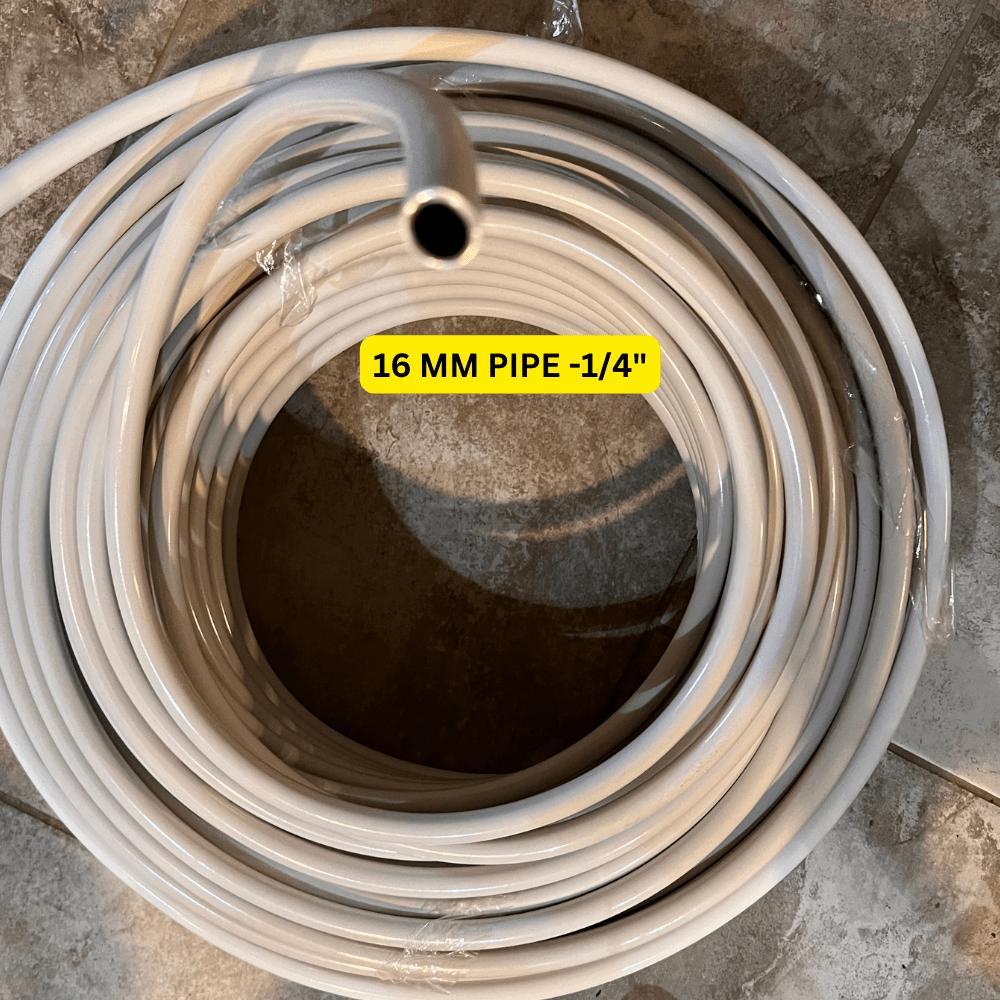
Let me break this down. Bendable pipes — sometimes called flexible stems or armature pipes — are exactly what they sound like. They're sturdy, poseable tubes that you can bend into any shape and they stay there. Unlike flimsy craft wire that loses its shape the second you breathe on it, these have real structural integrity.
They come in different diameters and lengths depending on what you're building. I use them constantly for giant flower stems, vine-like cascades, arch structures, and even as internal supports inside large foam petals.
The Difference Between Bendable Pipes and Regular Craft Wire
Regular craft wire is great for small-scale florals. But when you're working with a 24-inch foam flower that weighs a couple of pounds? Wire is not your friend. It'll bow, twist, and eventually give up on you mid-event.
Bendable pipes are thicker, hold more weight, and keep their position under real conditions — heat, humidity (hello, Houston summers), and the general chaos of event setups. That's why I switched and never looked back.
This is where it gets really fun. You can curve them into gentle S-shapes for natural-looking stems. You can spiral them for hanging vine effects. You can create right-angle bends to attach flowers to a backdrop frame. The flexibility is genuinely wild once you start experimenting.
Okay, let's get into the actual how-to. Because I know you didn't come here just to read about how great these pipes are — you want to know how to use them.
This matters more than people think. A pipe that's too thin won't support a heavy foam bloom. Too thick and it becomes hard to bend by hand. Here's my general rule of thumb:
You can browse the full size range in our bendable pipes collection — I've curated what actually works for giant flower projects specifically.
Always — and I mean always — shape the pipe first. Once your foam flower is glued on, it's way harder to adjust without risking damage to the petals. Bend your stem to the exact curve or angle you want, set it against your display area to check the look, then attach.
💡 Pro Tip
Use both hands when bending — one hand close to where you want the curve to start, one hand a few inches away. This gives you a smooth, gradual bend instead of a sharp kink. Kinks weaken the pipe and look unnatural.
Hot glue is your best friend here. I run a generous bead of hot glue around the top of the pipe, then press the center of my EVA foam flower firmly onto it. Hold for a full 30 seconds. Then I add a second layer of glue around the base of the flower center for extra security.
If you're working with especially large or heavy blooms, I also recommend wrapping the top few inches of the pipe with floral tape before gluing — it gives the glue more texture to grip onto. You can check out our EVA foam collection if you need flowers to pair with your pipes.
Step 4: Cover and Finish Your Stem
Raw pipe showing through a beautiful floral display? Not the vibe. Here are my favorite ways to cover bendable pipe stems for a polished finish:
This is one of my absolute favorite applications. A cascading vine installation with giant flowers tucked in looks SO stunning — at weddings, at brand activations, at quinceañeras. And it's more achievable than it looks.
If you want more inspiration for how these work in real event settings, I wrote a whole guide on freestanding giant flower arrangements for events that goes deep on this.
Start with your main structural pipe — this is your "vine trunk." Then attach smaller bendable pipes at intervals along the main pipe, angled outward and downward to mimic natural vine growth. Each smaller branch gets a flower or a cluster of leaves.
You can connect multiple pipes end-to-end to create longer runs. Most of our pipes can be connected or overlapped and taped securely for extended vine lengths.
Hanging installations are suspended from a ceiling, beam, or overhead structure. You'll anchor the top of your main pipe with a sturdy hook or zip tie, then let the vine cascade downward. The bendable pipe holds the shape even as it hangs.
Freestanding installations need a base — this is where our freestanding flower kits come in. The pipe inserts into the base and stands upright, then you can curve and branch it however you like from there.
🌸 Ready to build your vine installation?
Browse our full bendable pipes collection and find exactly what you need for your next project.
Arches are one of the most requested giant flower structures I get asked about. And bendable pipes play a huge supporting role — literally. They're how you attach flowers to an arch frame at natural-looking angles instead of just flat against the frame.
I have a full breakdown in my giant flower wedding arch guide if you want to go deep on arch construction. But here's the quick version for how bendable pipes fit in:
Instead of gluing your flower directly flat against the arch, attach a short bendable pipe to the arch frame first, then attach the flower to the pipe. This lets you angle the flower face outward, upward, or at a tilt — so it looks natural and dimensional instead of flat and stiff.
A 6–8 inch pipe extender is usually all you need. Bend it to your desired angle, zip-tie or wire it to the arch frame, then attach your flower to the end. Game changer.
Creating Cascading Sides on a Backdrop
For a backdrop with flowers cascading down the sides, I use longer bendable pipes — sometimes 24–36 inches — attached to the top corners of the frame and curved outward and down. Flowers and leaves along the pipe create that lush, overflowing look that photographs so beautifully.
Comparison: Bendable Pipes vs. Other Stem Options
Real talk — I've tried everything. Here's how bendable pipes stack up against the other common options crafters reach for:
| Stem Option | Weight Support | Shape Retention | Reusable? | Best For |
|---|---|---|---|---|
| Bendable Pipes | Excellent | Excellent — holds position | Yes — reshape between events | Giant flowers, arches, vines, freestanding |
| Craft Wire | Poor for heavy flowers | Weak — bends under weight | Sometimes | Small paper flowers only |
| Wooden Dowels | Good for vertical stems | Rigid — no flexibility | Yes | Straight upright stems only |
| PVC Pipe | Excellent | Rigid — requires heat to bend | Yes | Large structural frames |
| Floral Stem Wire | Fair | Moderate | Limited | Medium-scale paper flowers |
Honestly? For anything giant-flower-related, bendable pipes win every single category that matters. The reusability alone makes them worth every penny.
Tips for Getting the Most Out of Your Bendable Pipes
I've made a lot of mistakes so you don't have to. Here are the things I wish someone had told me when I started.
Store Them Straight
When you're not using them, store your pipes as straight as possible. If they sit in a curved position for a long time, they'll develop a memory for that curve. Not always a problem, but if you need them straight for a new project it can be annoying to work out.
Don't Over-Bend in the Same Spot
Bending and re-bending the exact same point repeatedly will eventually weaken the pipe. If you need to reshape, try to distribute the bend over a slightly different section each time. They're durable, but they're not indestructible.
Use Them as Internal Petal Supports Too
This is a sneaky trick I love. For really large petals that need to hold a curved shape — like the outer petals on a 30-inch dahlia — I'll insert a thin bendable pipe along the inside of the petal before final assembly. It gives the petal a permanent, natural curve without adding much weight. If you want to learn more about shaping foam petals, my post on heat gun techniques for shaping foam flower petals pairs perfectly with this trick.
💡 Pro Tip
Label your pipes by project after an event — a small piece of masking tape with the event name and date. When you go to reuse them, you'll know exactly what shape they were used in before and whether they need reshaping. Saves so much time.
Frequently Asked Questions

How heavy of a flower can a bendable pipe actually support?
It depends on the diameter of the pipe and the length of the stem. Generally, our mid-diameter pipes can support EVA foam flowers up to about 24 inches without any issue. For larger or heavier blooms, I recommend using a thicker diameter or doubling up two pipes side by side and wrapping them together with floral tape before attaching the flower.
The angle matters too — a pipe held vertically supports more weight than one held at a dramatic horizontal angle. For horizontal arrangements, always go up a size in diameter.
Can I use bendable pipes outdoors?
Yes! I've used them at plenty of outdoor events. They handle heat well and
Ready to Create Something Amazing?
Browse our collection of giant flower kits and start your next project today.