Daycare & Preschool Wall Decor: Giant Flowers Kids Love

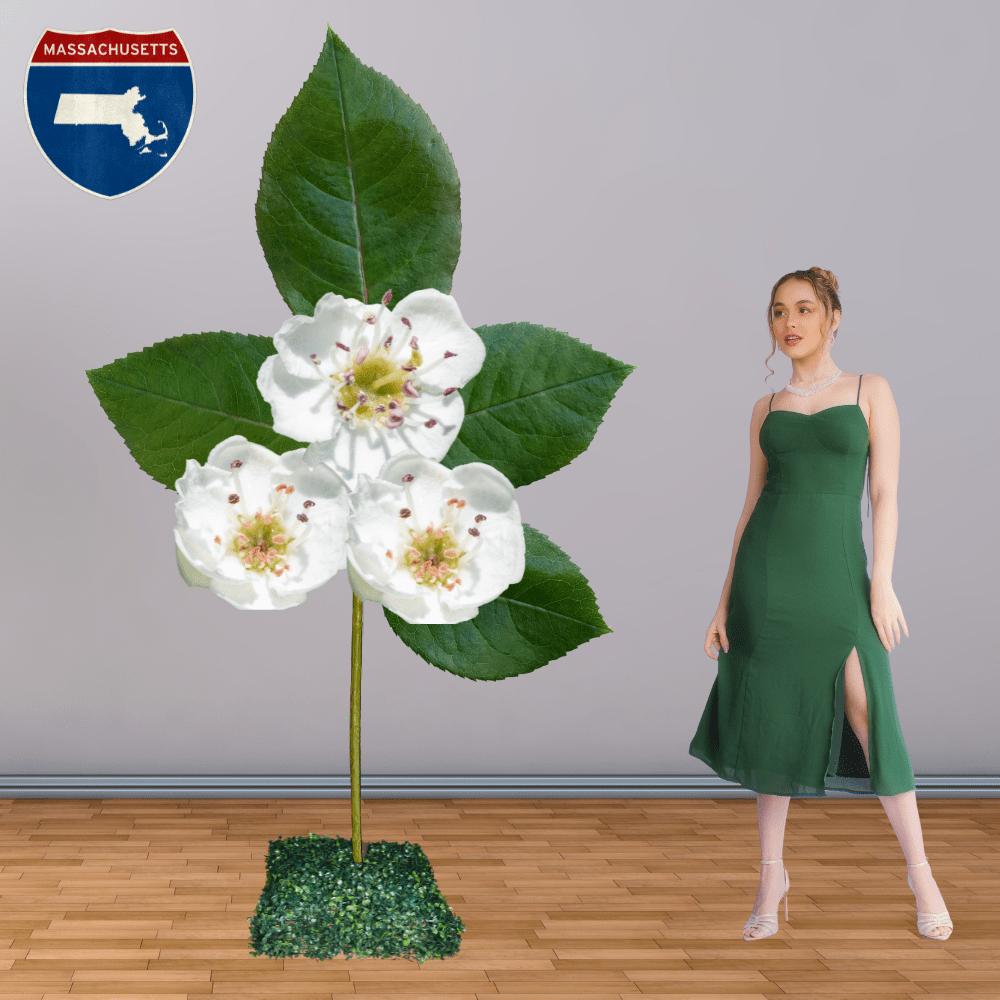
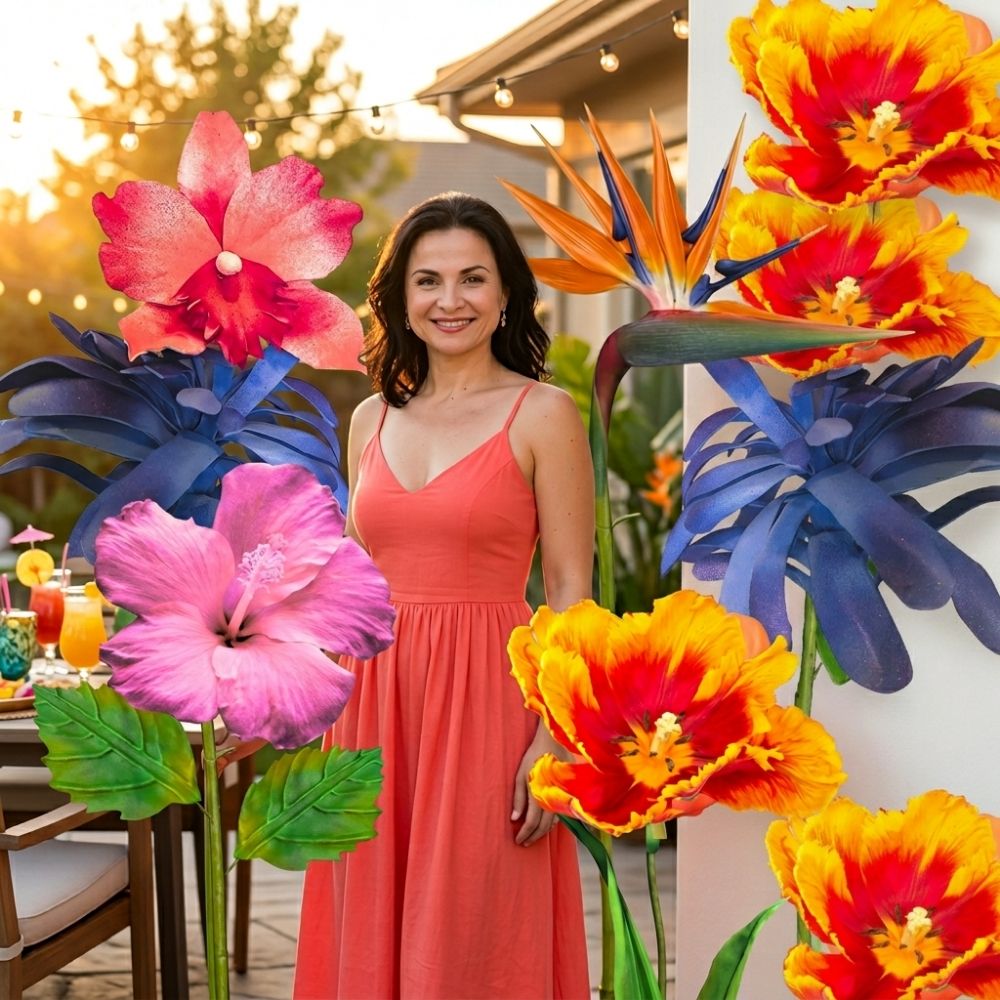
If you've ever walked into a daycare or preschool and felt that instant rush of warmth and color, you already know what good design does for little ones. Daycare preschool wall decor giant flowers are having a serious moment right now — and honestly, it makes complete sense. Big, bold, joyful flowers transform a plain classroom wall into something that sparks imagination the second a child walks through the door.
I've been making giant EVA foam flowers for years, and some of my favorite projects have been for early childhood spaces. There's something so rewarding about knowing your work is going to light up a three-year-old's face every single morning.
Key Takeaways
In this guide, I'm going to walk you through everything — why giant flowers work so well in kids' spaces, how to choose the right sizes and colors, what materials actually hold up in a busy classroom, and how to get your hands on kits that make the whole process way less overwhelming than you might think. Let's dig in.
The Developmental Case For Floral Decor
Kids are wired to respond to big, bright things. It's not just a cute aesthetic choice — there's real developmental science behind it.
According to NAEYC (National Association for the Education of Young Children), the physical environment is considered a "third teacher" in early childhood education. The colors, shapes, and textures surrounding children directly influence their mood, focus, and willingness to engage.
That's a big deal. It means the wall decor you choose isn't just decoration — it's part of the learning experience.
The Developmental Case for Large-Scale Floral Decor
Giant flowers specifically hit several developmental sweet spots at once. They're large enough for little eyes to focus on from across the room. Their organic, rounded shapes feel safe and inviting. And when you use a range of colors, you're naturally creating an environment that supports color recognition, vocabulary, and sensory exploration.
A study highlighted by Edutopia found that classroom design factors — including visual stimulation and color — can affect student learning progress by as much as 16%. Sixteen percent. That's not a small number when we're talking about foundational years.
When I first started getting requests from daycare directors, I honestly wasn't sure my flowers would translate into that setting. I was used to weddings and corporate installs. But the first time I saw a photo of my giant sunflowers mounted above a reading corner — surrounded by tiny kids curled up with books — I was completely sold.
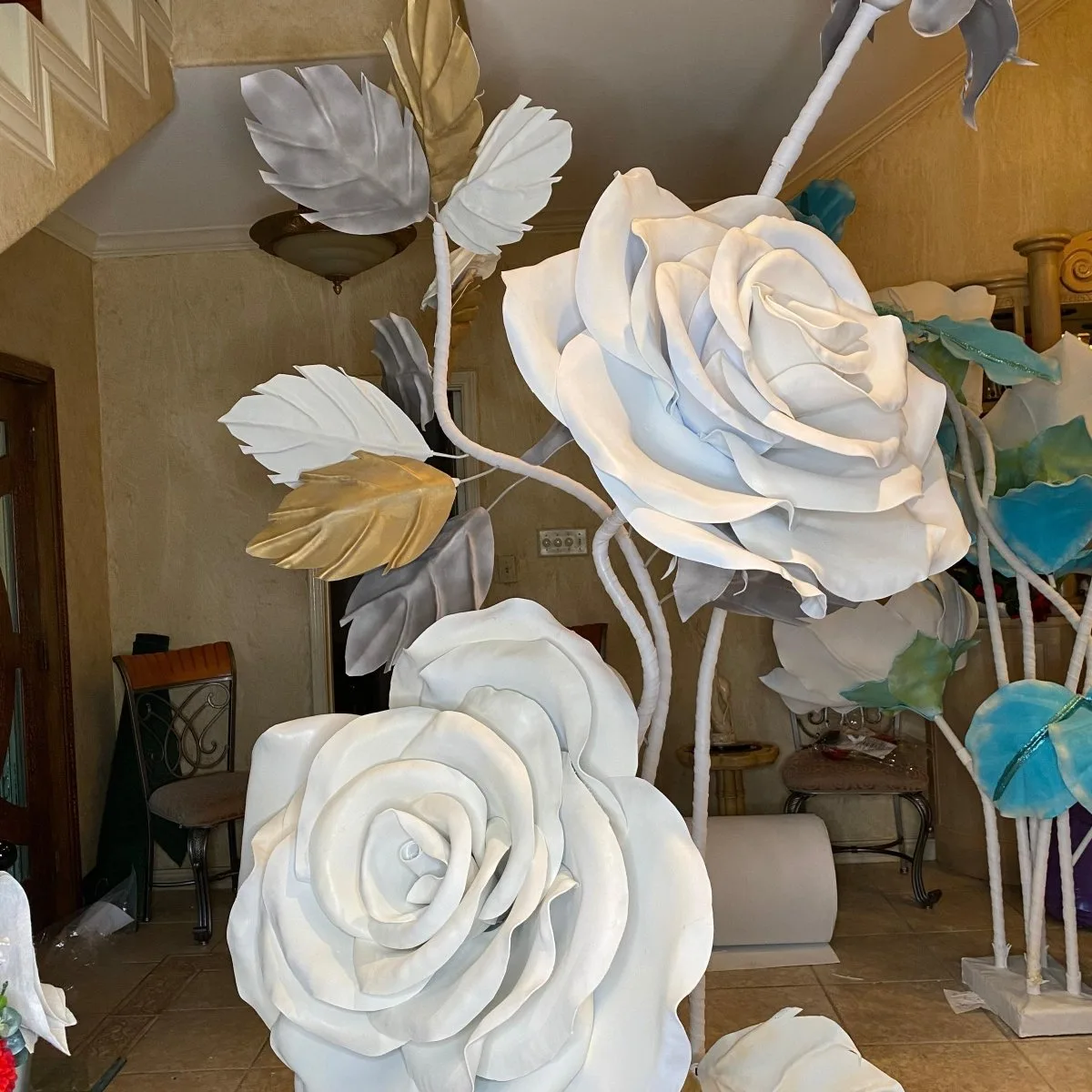
Posters fade. Painted murals are permanent and expensive to change. Fabric banners droop. Giant foam flowers, on the other hand, are three-dimensional, tactilely interesting, and visually dynamic in a way that flat decor simply can't match.
Real talk? Giant flowers might be the single best investment a preschool can make in their space. They're reusable, they're durable when made from the right materials, and they create an environment children genuinely look forward to coming back to.

Choosing Flower Sizes For Classroom Walls
Not all giant flowers are created equal. And in a classroom setting, the wrong size choice can mean decor that looks great on day one and underwhelming by month one. So let me share what I've learned from doing this for years.
For daycare and preschool walls, I always recommend going bigger than you think you need. A flower that feels enormous in your garage looks perfectly proportional on a tall classroom wall.
My General Size Guidelines for Kids' Spaces
- Small accent flowers (12–18 inches): Perfect for window frames, doorways, or grouped in clusters of five or more on a smaller wall section.
- Medium statement flowers (24–30 inches): The workhorse of any classroom installation — versatile enough to anchor a corner or fill out a gallery-style arrangement.
- Large focal flowers (36–48 inches): These are your showstoppers. One or two of these above a reading nook or entryway creates an immediate wow moment that children remember.
For a standard 10-foot by 8-foot classroom wall, I typically recommend one large focal flower (36–48 inches), two to three medium flowers (24–30 inches), and three to four smaller accent blooms (12–18 inches) scattered around the edges. That layered arrangement creates a sense of a garden growing right out of the wall. Kids absolutely lose their minds for it in the best possible way.
Our wall-mounted kits start around $50 and go up to about $120 depending on size. For a full classroom transformation, our Bundle Kits — which include 8 to 12 flowers — run between $350 and $600 and give you the most cohesive, polished look.
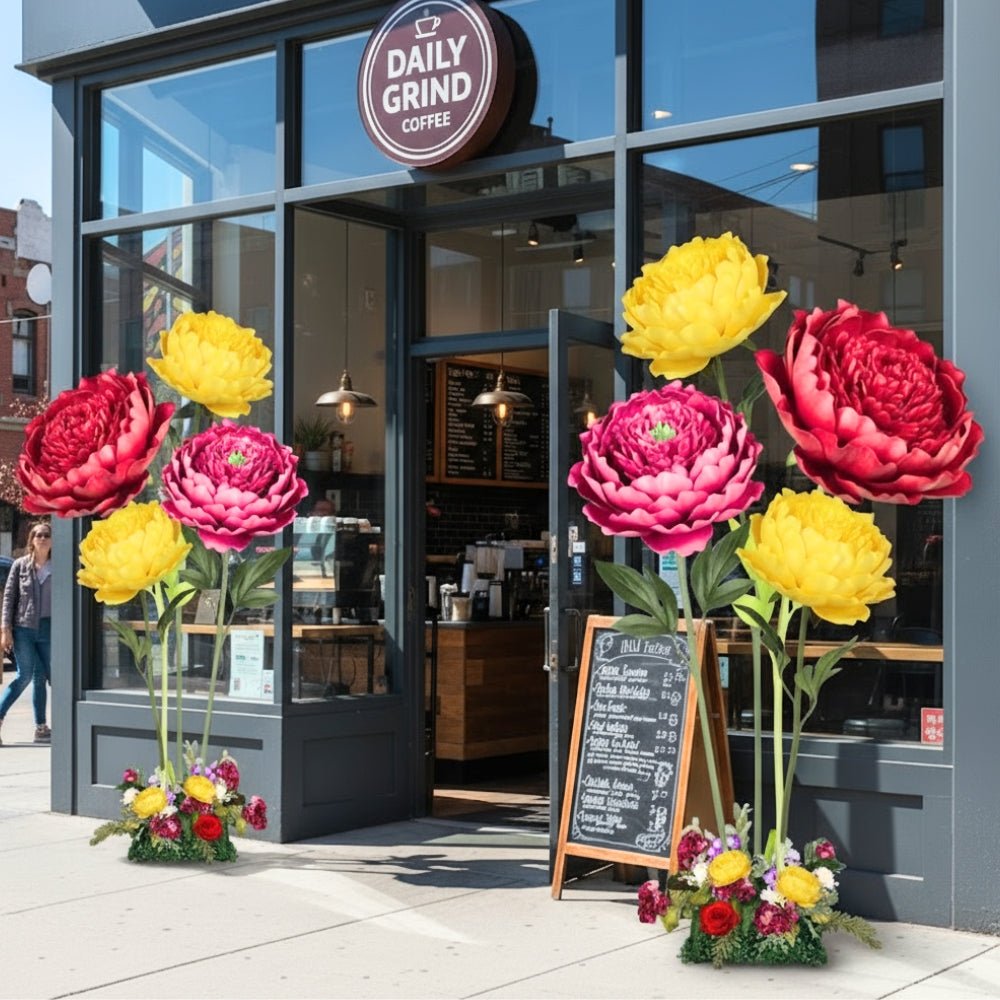
Compare that to fresh florals, where a Brides.com survey found that even modest arrangements run $200 or more and last maybe a week. Our foam flowers will still be going strong three school years from now.
Color Ideas For Daycare Preschool Walls
Color is where the magic really happens in a kids' space. And I have strong opinions here, so bear with me.
A lot of people default to primary red, yellow, and blue for preschool spaces. And look, those colors are classic for a reason. But don't be afraid to go unexpected. Coral, lavender, peach, and mint green create environments that feel fresh and modern without being overstimulating.
According to Psychology Today, softer, medium-saturation colors tend to support calm focus in children, while very high-contrast or neon environments can increase agitation. So if you're decorating a naptime room or a quiet reading area, think blush pink, soft yellow, sage green. Save the brights for the active play zones.
My personal favorite combination for preschool walls? Coral, cream, and dusty rose with a few pops of golden yellow. It feels joyful without being chaotic. Every single time I've installed that palette, the teachers love it as much as the kids do.
You can use flower color intentionally to define different areas in an open classroom layout. It's a subtle technique, but it works beautifully and costs nothing extra.
One of the things I love most about foam flowers in a classroom setting is how easy they are to add to throughout the year. Start with a core collection of neutral blooms — creams, soft yellows, blush pinks — and then layer in seasonal accent flowers as the year progresses.
Teachers have told me this is one of their favorite things — having a living, changing environment they can update themselves without needing a decorator or a big budget. That kind of creative ownership matters in a profession where so much feels out of your control.
Why EVA Foam Outperforms Paper Decor
Ok, this is where I have to be really honest with you, because I see so many schools invest in paper flowers that fall apart within a semester. And it breaks my heart every time.
Paper flowers are gorgeous. I love them. But in a daycare or preschool environment — where little hands reach for everything, where humidity from humidifiers and wet coats is a real factor, where things get bumped and touched constantly — paper is not your friend.
Honestly? Skip the crepe paper flowers for permanent classroom installations. They tear, they droop, they fade. You'll be remaking them every few months and that's just not sustainable for a busy teacher or director.
Why EVA Foam Is the Clear Winner
EVA foam is the answer. Here's why it's genuinely perfect for kids' spaces:
Our pre-cut EVA foam kits come with everything you need — the foam sheets are already cut to shape, and we include video tutorials so you're not guessing at any step. Even teachers who have never crafted a day in their lives have pulled these off beautifully.
If you want to see how foam flowers translate to wall installations more broadly, my guide on wall decor paper flowers for events and retail has a ton of styling ideas that translate perfectly to educational spaces too.
Simple Installation Tips For School Walls
Installation is the part that intimidates people most. I get it. You're looking at a 4-foot foam flower and thinking, "How on earth does this go on a wall?" Let me walk you through it.
First, the good news: our wall-mounted kits are specifically designed with installation in mind. Every flower comes with a mounting bracket system built into the back, so you're not improvising with hot glue and prayers.
For cinder block walls — which I see a lot in older school buildings — you'll need a masonry bit and appropriate anchors. It sounds scarier than it is. The maintenance staff at most schools can handle this in about 20 minutes once you show them the mounting points.
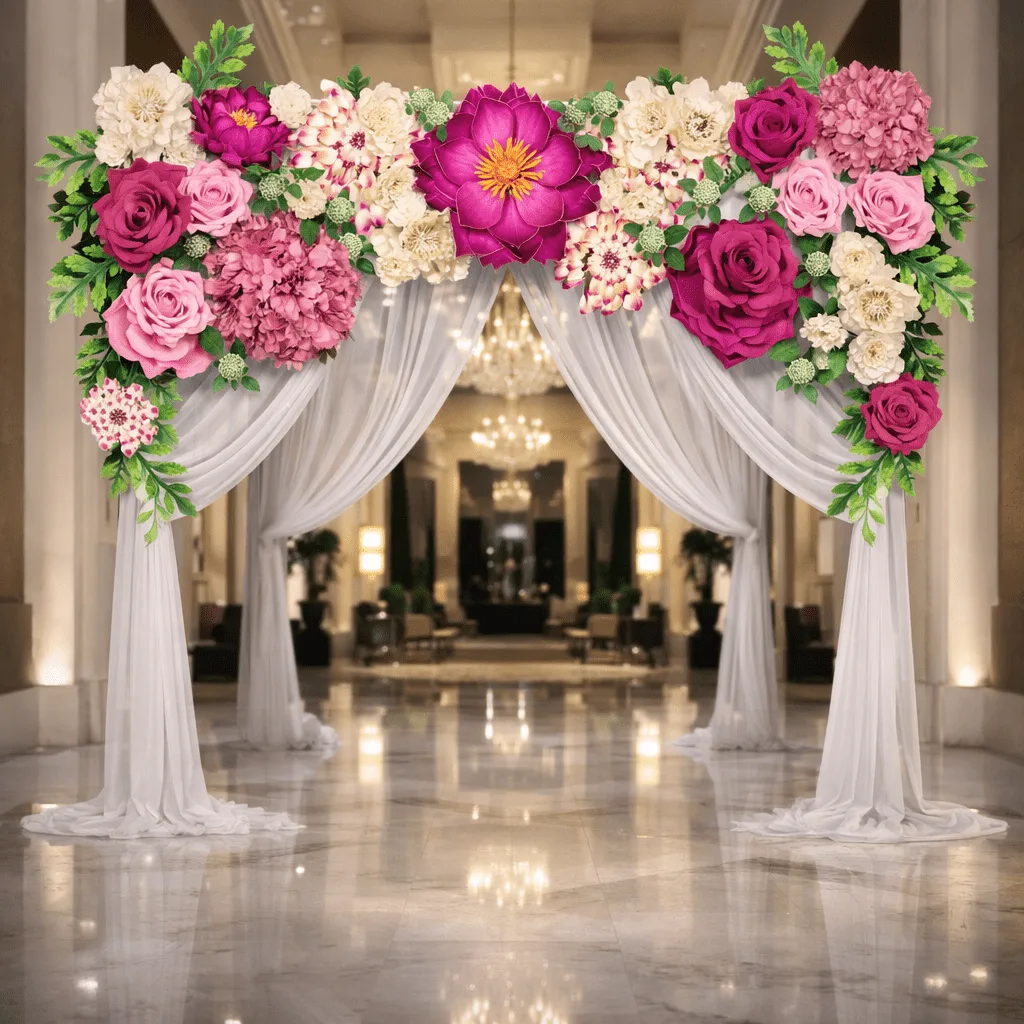
One thing I always tell people: plan your arrangement on the floor first. Lay all your flowers out on the ground in the pattern you want, step back, take a photo. That photo becomes your installation guide. It saves so much time and second-guessing once you're up on a ladder.
The HGTV design team recommends treating any large wall installation like a gallery — start with your largest piece as the anchor, then build outward. That principle applies perfectly to a multi-flower classroom installation.
Going Big: Full Backdrop Walls for School Events
Full Backdrop Walls For School Events
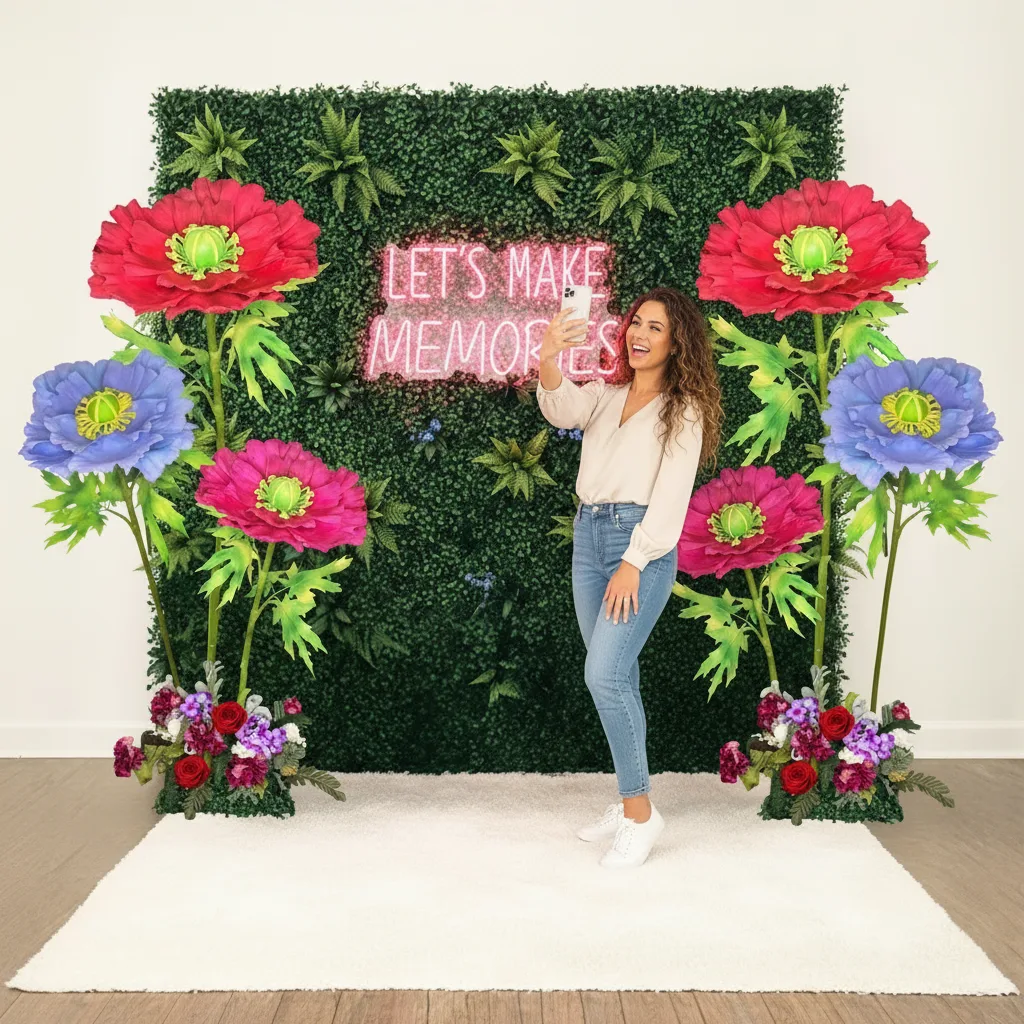
Want to go even bigger? A full flower backdrop wall for a school photo day or graduation ceremony is absolutely achievable. I have a whole guide on DIY giant flower backdrops for photos that walks through the process step by step — and it's genuinely one of the most popular things I've ever written.
According to Statista, there are over 93,000 preschool and kindergarten programs operating across the United States. That's a lot of walls just waiting to bloom — and I genuinely believe every single one of them deserves a beautiful, stimulating environment.
If your school has a limited budget — and most do — I want you to know that a genuinely stunning classroom transformation is still completely within reach. You don't need a professional installer or a massive budget line item.
If you're a parent or PTA member reading this thinking about a school fundraiser project — this is such a good one. A group of parents can assemble a full classroom's worth of flowers in an afternoon. I've seen it happen. It becomes a whole community event, and the end result is something the kids will talk about for the entire school year.
For even more inspiration on how giant flowers can transform spaces beyond the classroom, take a peek at my guide on large floral arrangement ideas for stunning displays. A lot of those concepts translate directly into educational environments with just a little creative adaptation.

With normal classroom use, EVA foam flowers typically last three to five years or more. I've had schools reach out to tell me their flowers are going into their fourth year and still looking great. The key is the initial installation — properly mounted flowers that aren't being pulled directly off the wall will hold up beautifully.
If a petal ever does get bent or slightly damaged, EVA foam is forgiving — gentle heat from a heat gun or hair styler can reshape it. And because our kits include extra foam material, minor repairs are easy to handle yourself without ordering replacement parts.
Are giant foam flowers safe for classrooms with very young children (infants and toddlers)?
Yes — EVA foam is the same non-toxic material used in children's foam play mats and interlocking puzzle floors, so it's completely safe for early childhood environments. The key safety consideration is mounting height and security. For infant and toddler rooms, I recommend mounting flowers at least 5 feet off the ground and always anchoring into studs or using appropriate wall anchors rather than adhesive strips alone.
Our bracket mounting system is specifically designed to hold securely, so you're not relying on tape or command strips for large pieces. If you have any specific safety requirements from your licensing agency, I'm always happy to chat through the installation approach with you directly.
Absolutely — and this is one of my favorite parts of working with schools. EVA foam comes in a wide range of colors, and I can work with you to select a palette that matches your school colors, your existing classroom furniture, or a specific theme you have in mind. Just reach out through the shop and tell me what you're working with.
For schools with very specific branding requirements — like a charter school with a defined color palette — I can often source custom foam colors or suggest combinations that feel on-brand while still being warm and child-friendly. It's more flexible than most people expect.
Genuinely not difficult at all — and I say that as someone who has watched first-time crafters pull off beautiful results with our kits. Every kit comes with pre-cut foam pieces and access to step-by-step video tutorials that walk you through the entire process. Most medium-sized flowers take 30 to 45 minutes to assemble; larger statement flowers might take up to 90 minutes.
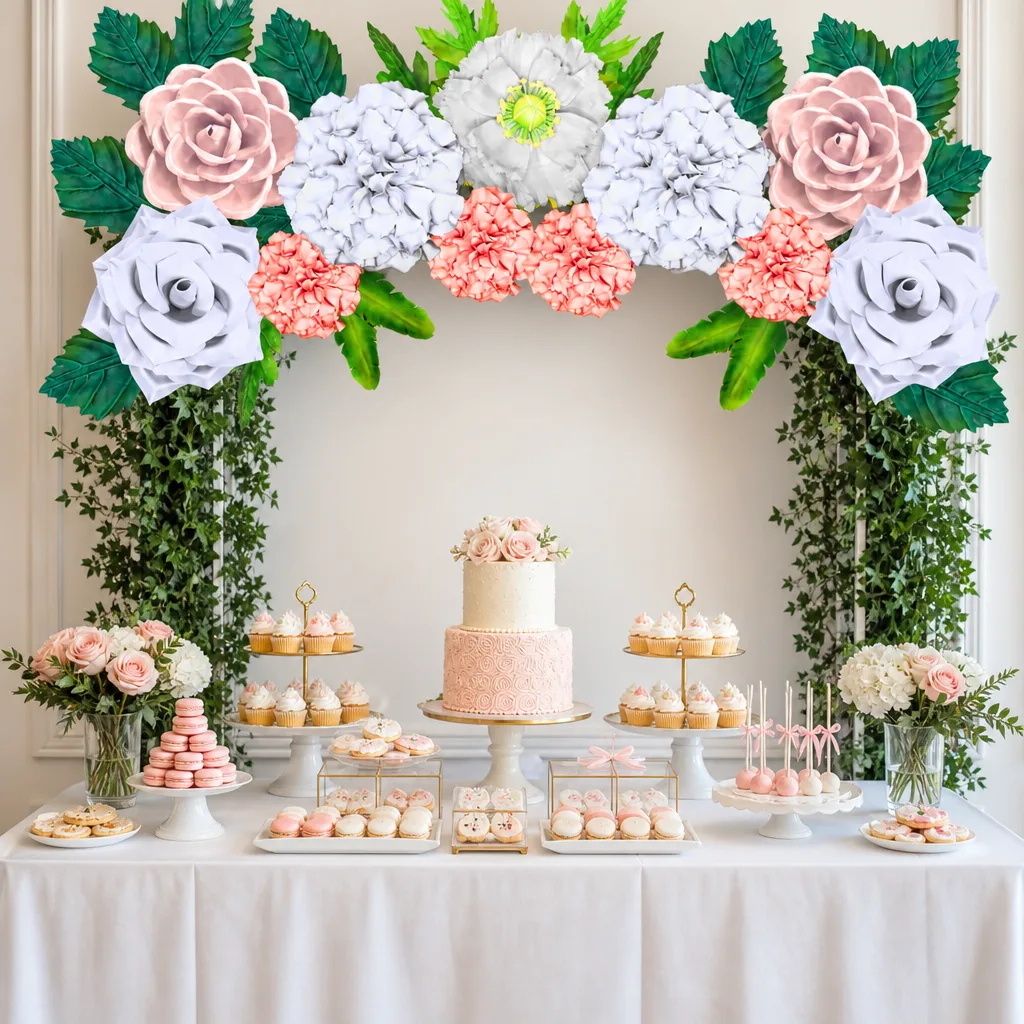
A group of parent volunteers can typically assemble a full classroom set — eight to twelve flowers — in a single afternoon. I've had teachers tell me they made their first flower during a planning period and had it on the wall before the kids came back from lunch. That's the goal: accessible, confidence-building, and genuinely fun.
What's the best way to hang giant flowers without damaging school walls?
For drywall, I always recommend anchoring into studs for anything 24 inches or larger. Our kits include a bracket system that makes this straightforward — you're not improvising. For smaller accent flowers (12–18 inches), heavy-duty removable adhesive strips rated for at least 5 pounds can work, but I always prefer a proper anchor for longevity and safety.
For cinder block or brick walls — common in older school buildings — your school's maintenance team can drill masonry anchors in about 20 minutes. It sounds more intimidating than it is, and the result is an installation that will genuinely stay put for years. I always recommend looping in maintenance staff early so they can assess the wall type before you purchase supplies.
They can, with some caveats. EVA foam handles humidity well, but prolonged direct UV exposure will cause fading over time — typically after one to two seasons in a sunny outdoor spot. For covered outdoor areas that are shaded most of the day, our flowers hold up really well and I've seen beautiful courtyard installations that lasted multiple school years.
If you're planning an outdoor installation, I'd suggest choosing colors in the mid-to-deep saturation range rather than very pale pastels, which show fading more quickly. And if the area gets any direct rain exposure, make sure your mounting hardware is rust-resistant. Feel free to reach out and describe your specific space — I'm happy to give you a tailored recommendation.
So if you're a daycare director, a preschool teacher, a parent volunteer, or just someone who loves the idea of creating a magical space for little ones — I really hope this got your wheels turning. Giant flowers are so much more accessible than most people realize, and the impact they have on a kids' space is genuinely hard to overstate.
Head over to the Amazing Giant Flowers shop and take a look at what we have — I'd love to help you find the perfect kit for your space. And if you have questions about sizing, color combinations, or installation for a specific room, just reach out. Helping people figure this stuff out is honestly one of my favorite parts of this whole business.
Shop the supplies
Everything You Need for This Project



Written by
Adriana WellsFounder & CEO of Amazing Giant Flowers
Adriana Wells is the founder and creative force behind Amazing Giant Flowers, a Texas-based company specializing in handcrafted giant foam flowers, luxury floral installations, and DIY flower-making supplies.
More about Adriana →Ready to Create Something Amazing?
Browse our collection of giant flower kits and start your next project today.