EVA Foam 101: Everything a First-Time Buyer Needs
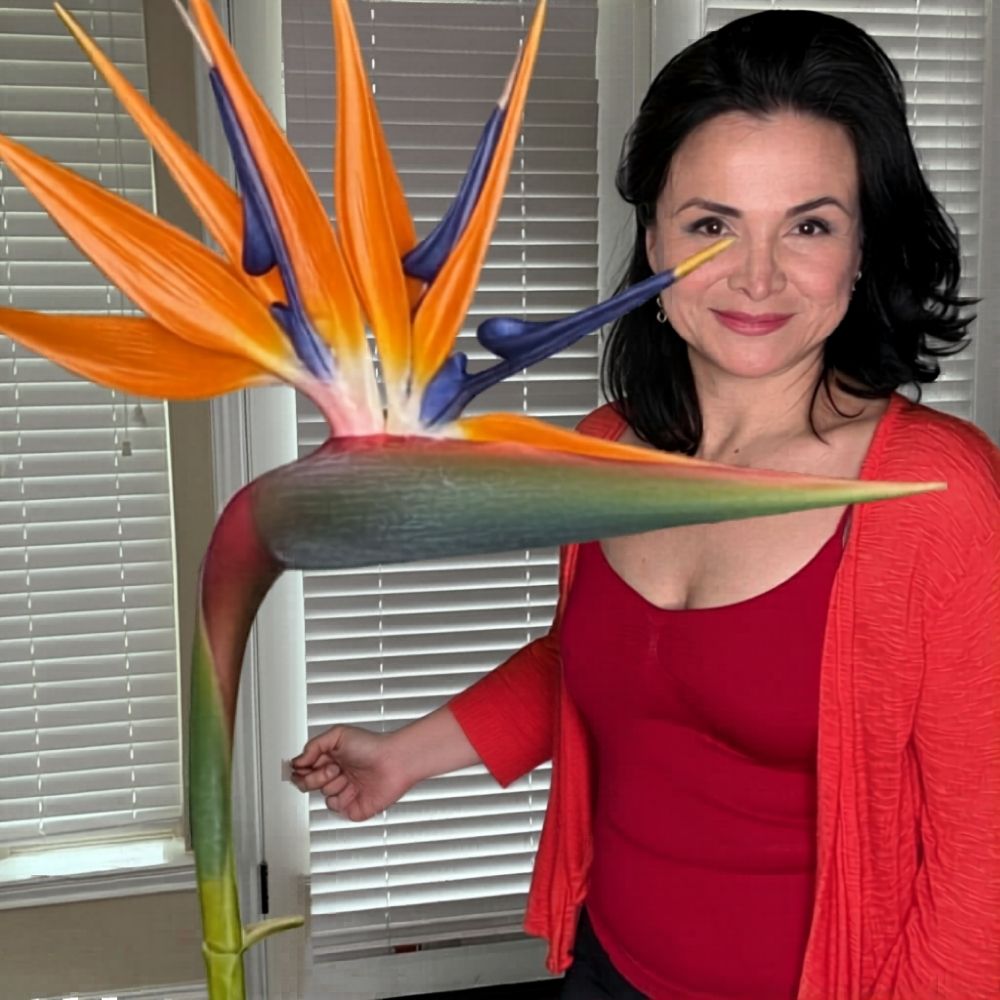
If you've been searching for eva foam for beginners and feeling a little overwhelmed by all the options, thicknesses, and confusing craft-supply jargon — take a breath. I've been there. When I first started making giant flowers out of my garage in Houston, I didn't know a 2mm sheet from a 10mm roll. I just knew I wanted to create something beautiful, and I figured it out one petal at a time.
That's exactly why I wrote this guide. Whether you're dreaming of a jaw-dropping giant flower wedding arch, planning a DIY photo backdrop for your daughter's quinceañera, or just diving into cosplay for the first time — EVA foam is probably the material you need. And once you understand it? You're going to fall in love with it the same way I did.
So let's start from scratch. No assumptions, no fluff. Just everything you actually need to know to buy your first roll or sheet of EVA foam with total confidence.
Key Takeaways
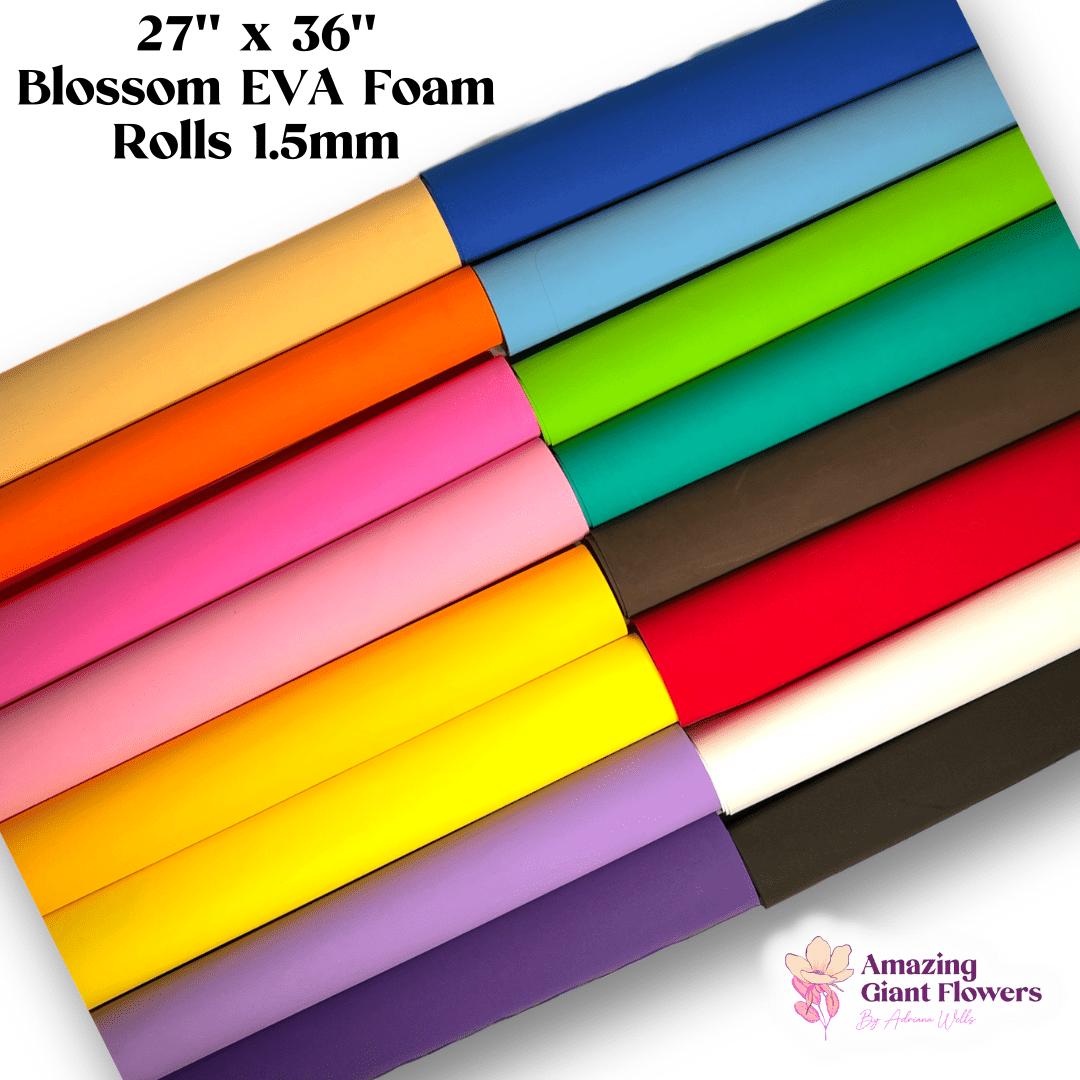
EVA stands for Ethylene-Vinyl Acetate. That sounds very science-lab, I know. But in practice, it's just a super versatile, closed-cell foam that's soft enough to cut with a craft knife but firm enough to hold a shape when you heat it.
You've probably already touched EVA foam without realizing it. It's in the soles of your sneakers. It's in kids' foam floor mats. It's in yoga blocks. The craft-grade version — the kind we sell at Amazing Giant Flowers — is made specifically for shaping, painting, and building things that look incredible.
Why Crafters Love It
Here's what makes EVA foam genuinely special for creative work:
And if you're curious how EVA foam stacks up against other materials, I wrote a whole breakdown in A Crafter's Guide to Every Type of Foam for Giant Flowers — worth a read before you buy anything.
This is the question I get asked more than anything else: "What thickness should I buy?" And the honest answer is — it depends on what you're making. Let me break it down by thickness so you can match it to your project right away.
Think: thin, flexible, detail work. This is the thickness I reach for when I need delicate petals, small decorative elements, or anything that needs to curve tightly. It's almost fabric-like in how it drapes. Great for cosplay accessories, small flower centers, and layered petal details.
The sweet spot for giant flowers. Honestly? This is my most-used thickness. It's substantial enough to hold a petal shape after heating, but still light and easy to cut. If you're making giant blooms for a DIY giant flower backdrop or a wedding arch, start here.
Structural pieces and cosplay armor. When you need something that stands up on its own, has real body to it, or will be handled a lot — 6mm is your friend. I use it for flower bases, structural backings, and any piece that needs to support weight.
Heavy-duty builds and props. Theater sets, large cosplay armor plates, freestanding sculptural elements. This is the thick stuff. It takes a little more effort to cut and shape, but the results are incredibly sturdy.
💡 Pro Tip
If you're a first-time buyer making giant flowers, grab a 4mm sheet first. It's forgiving, easy to work with, and gives you gorgeous results without a steep learning curve. Once you've made a few petals and gotten comfortable with your heat gun, then experiment with thicker options.
This trips up a lot of beginners. EVA foam comes in two formats — rolls and flat sheets — and they're not interchangeable for every project.
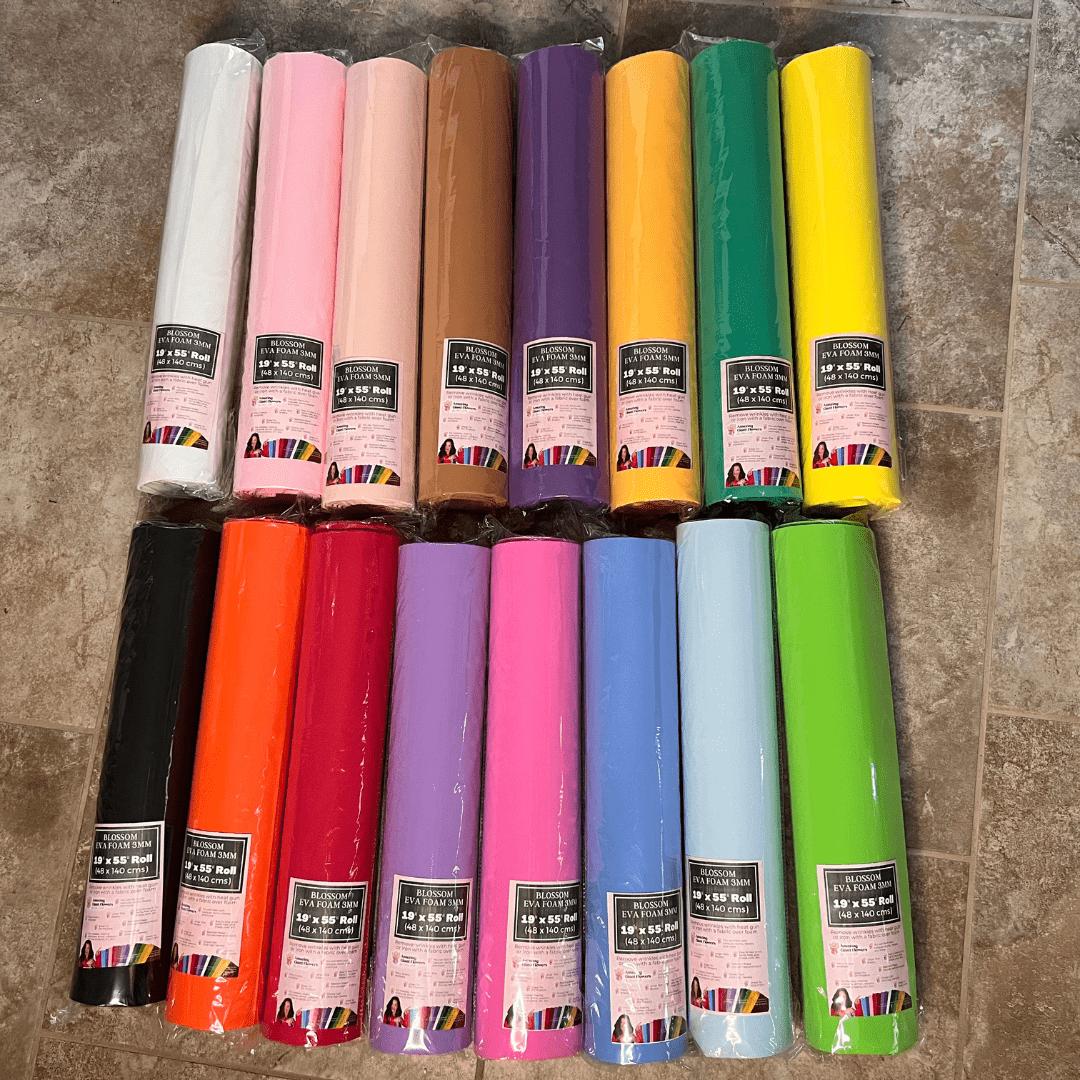
Rolls are great when you need a lot of material or you're working on large-scale builds. They're economical for big projects like freestanding giant flower arrangements or full event backdrops. The trade-off? You'll need to flatten the foam before working with it — just lay it out flat for a few hours or use your heat gun to relax any curl.
Sheets are perfect for beginners. They arrive flat, they're easier to store, and they're ideal for cutting out individual petals or testing a new pattern. If you're just starting out and making your first few flowers, flat sheets are the way to go. Less waste, less fuss.
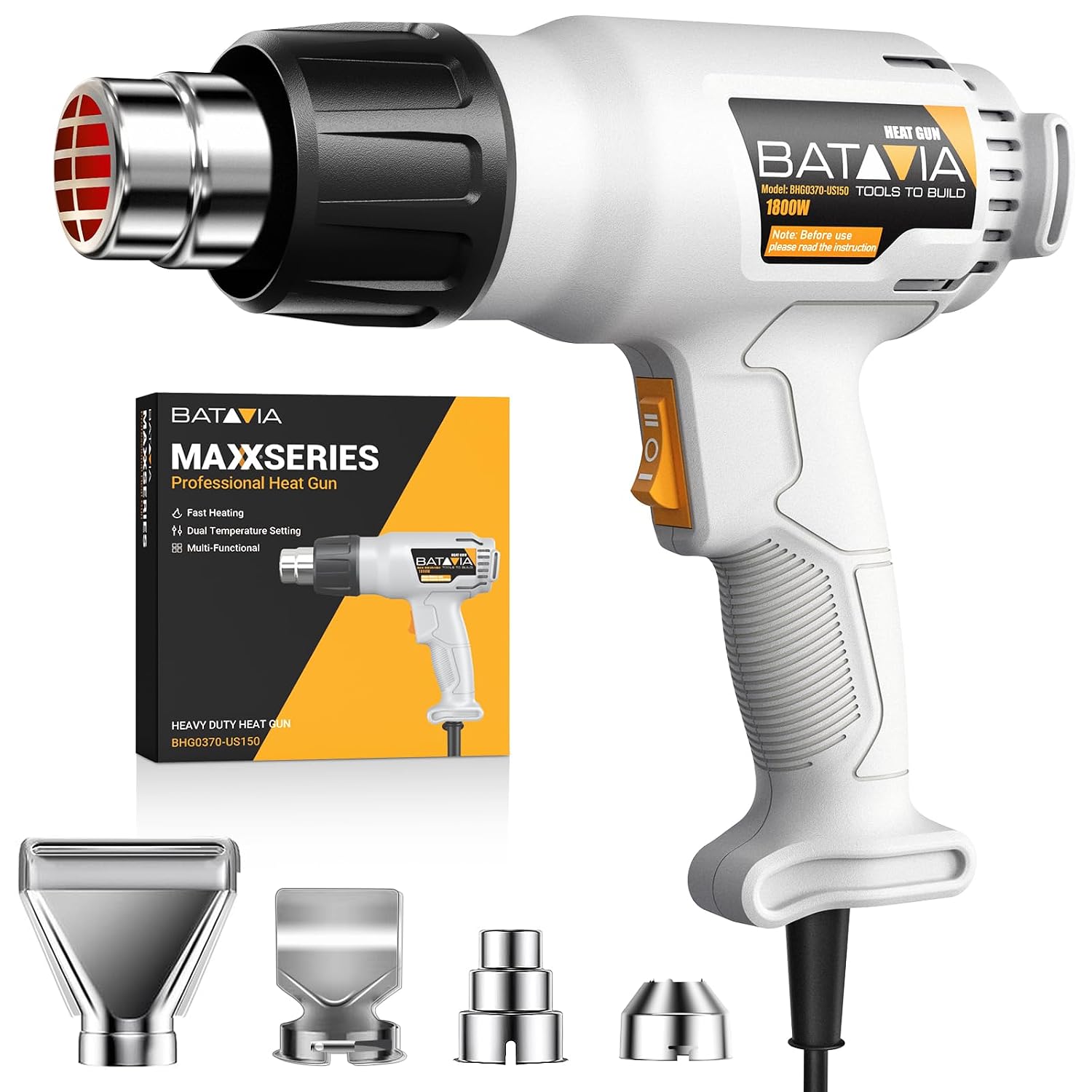
Real talk? You don't need a fancy setup to start. I made my first giant flower with a craft knife, a heat gun I borrowed from my neighbor, and a cutting mat from the dollar store. Here's what I'd recommend for a beginner toolkit:
🌸 Ready to get started?
Browse our full EVA foam collection — rolls, sheets, and every thickness you need to start creating with confidence.
Ok, this is where it gets really fun. The range of things people make with EVA foam genuinely blows me away. Every week I see something new in my inbox or DMs from customers who started exactly where you are right now.
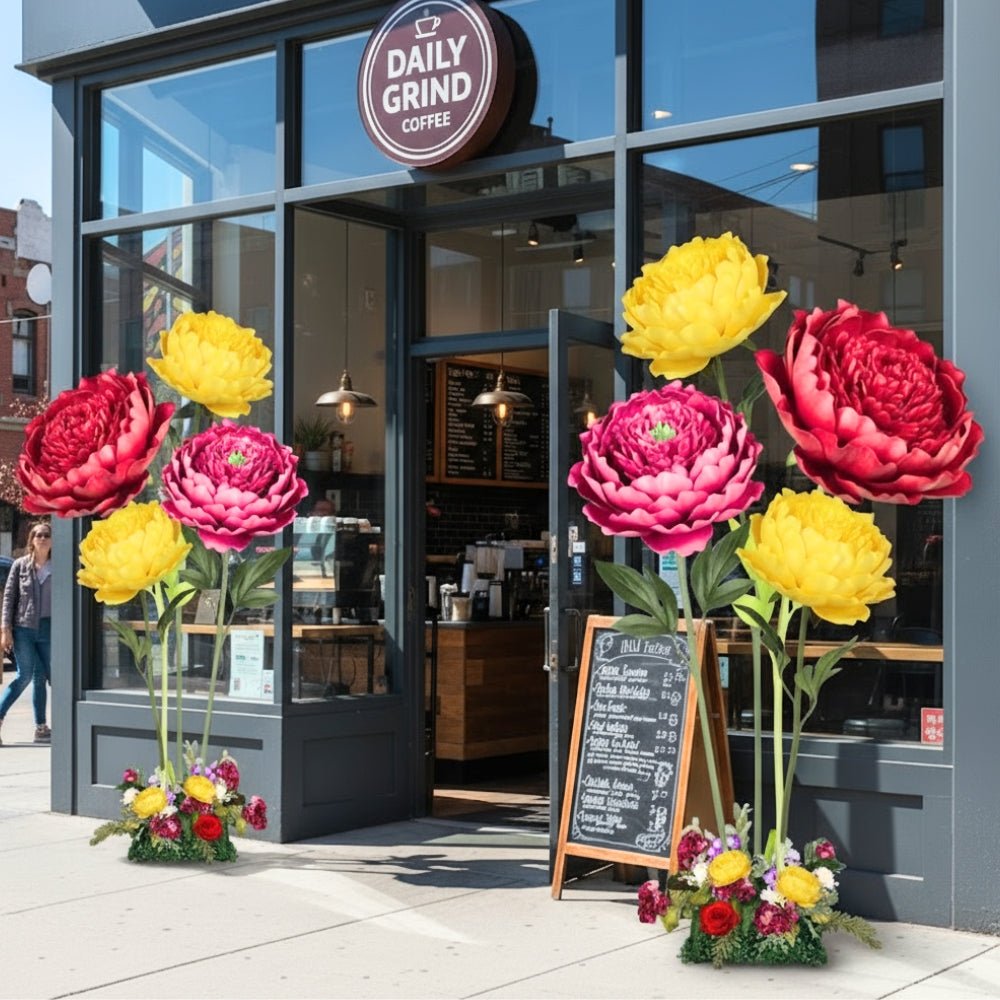
This is our specialty, obviously. Giant foam flowers for wedding arches, baby shower backdrops, graduation parties, quinceañeras — the list goes on. EVA foam gives you petals that hold their shape, look lush and dimensional, and photograph beautifully. One of my brides told me her foam flower arch looked more real in photos than actual fresh flowers she'd seen at other weddings. That made my whole week.
The cosplay community absolutely runs on EVA foam. Breastplates, helmets, wings, weapon props — if you can dream it, you can build it with foam. The thicker gauges (6mm–10mm) are especially popular for structured armor pieces.
Lightweight, paintable, and easy to build at scale — EVA foam is a theater designer's dream. Set pieces, oversized props, decorative elements that need to travel between venues. It's practical and it looks stunning under stage lighting.
Safe, non-toxic, and easy to cut even with kid-safe scissors (at the thinner gauges). Teachers love it for bulletin board displays, science fair projects, and art class. And honestly? Kids go absolutely wild making their own giant flowers.
💡 Pro Tip
If you want a complete beginner experience with zero guesswork, check out our freestanding flower kits. Everything is pre-cut and ready to assemble — perfect for your very first project while you get comfortable with the material.
How to Get the Best Results: Tips Straight from My Workshop
I've been working with EVA foam for years, and I still learn something new every few months. But here are the fundamentals that will make your very first project look like you've been doing this forever.
Always Use a Sharp Blade
I cannot stress this enough. A dull knife is the number one reason beginners get frustrated. It drags, it tears, it makes jagged edges. Swap your blade often — they're cheap, and a fresh blade makes cutting feel effortless.
Heat Slowly and Evenly
When you're shaping petals with a heat gun, keep the gun moving. Don't hold it in one spot — you'll scorch the foam and it'll turn brown and bubbly. Move in slow passes, about 4–6 inches from the surface, until the foam becomes pliable. Then shape it with your hands (carefully — it'll be warm) and hold the shape until it cools. Takes about 30 seconds.
Use Our Bendable Pipes for Structure
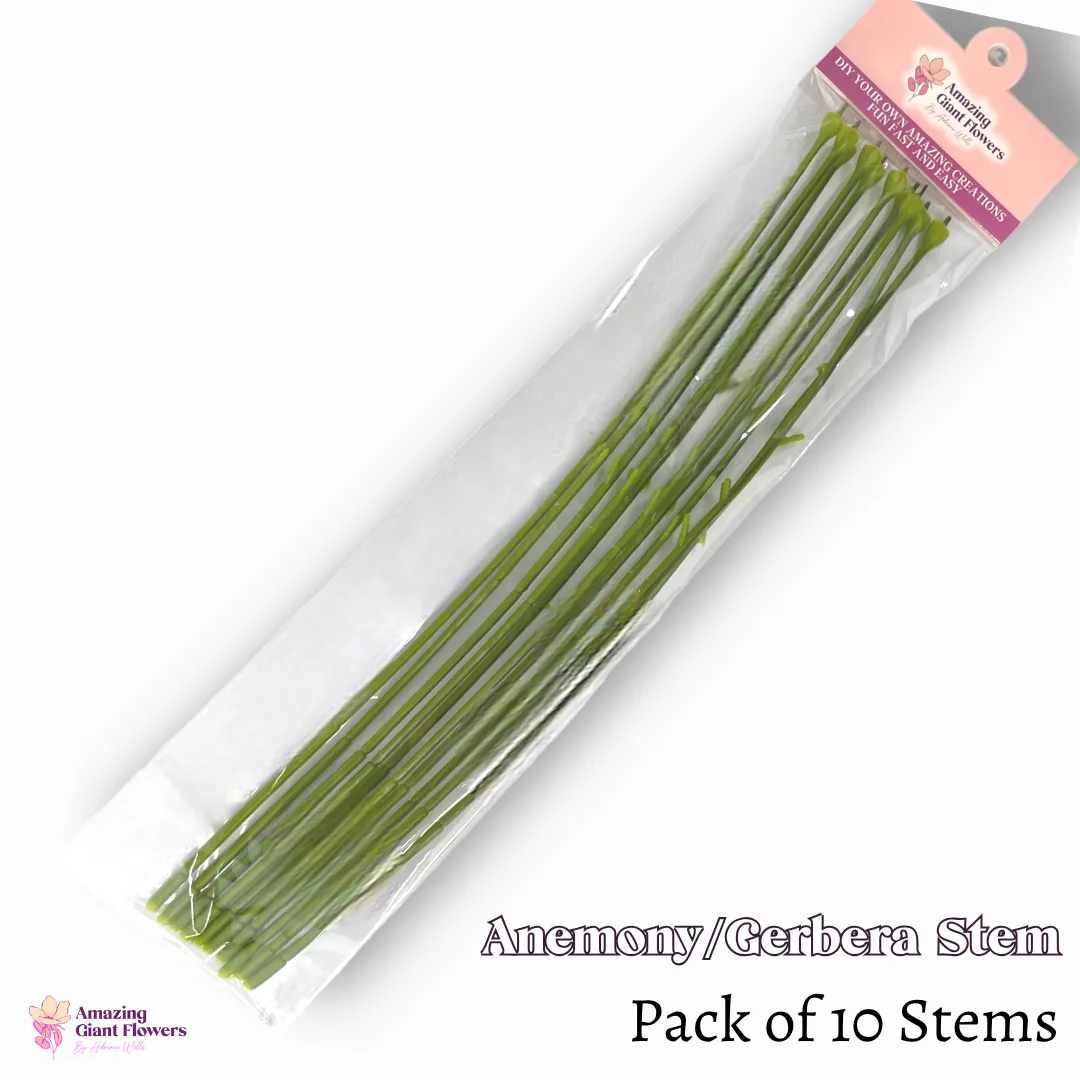
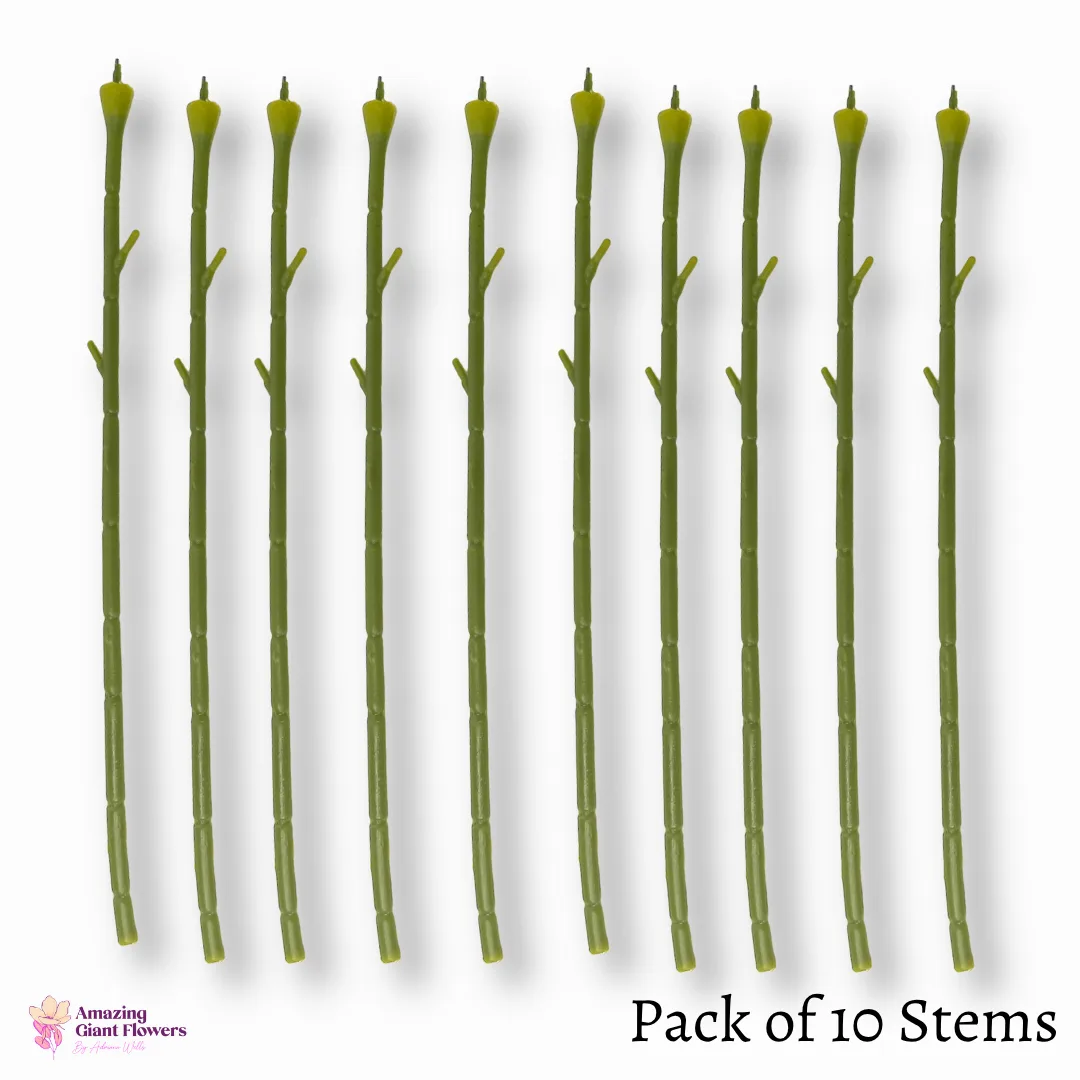
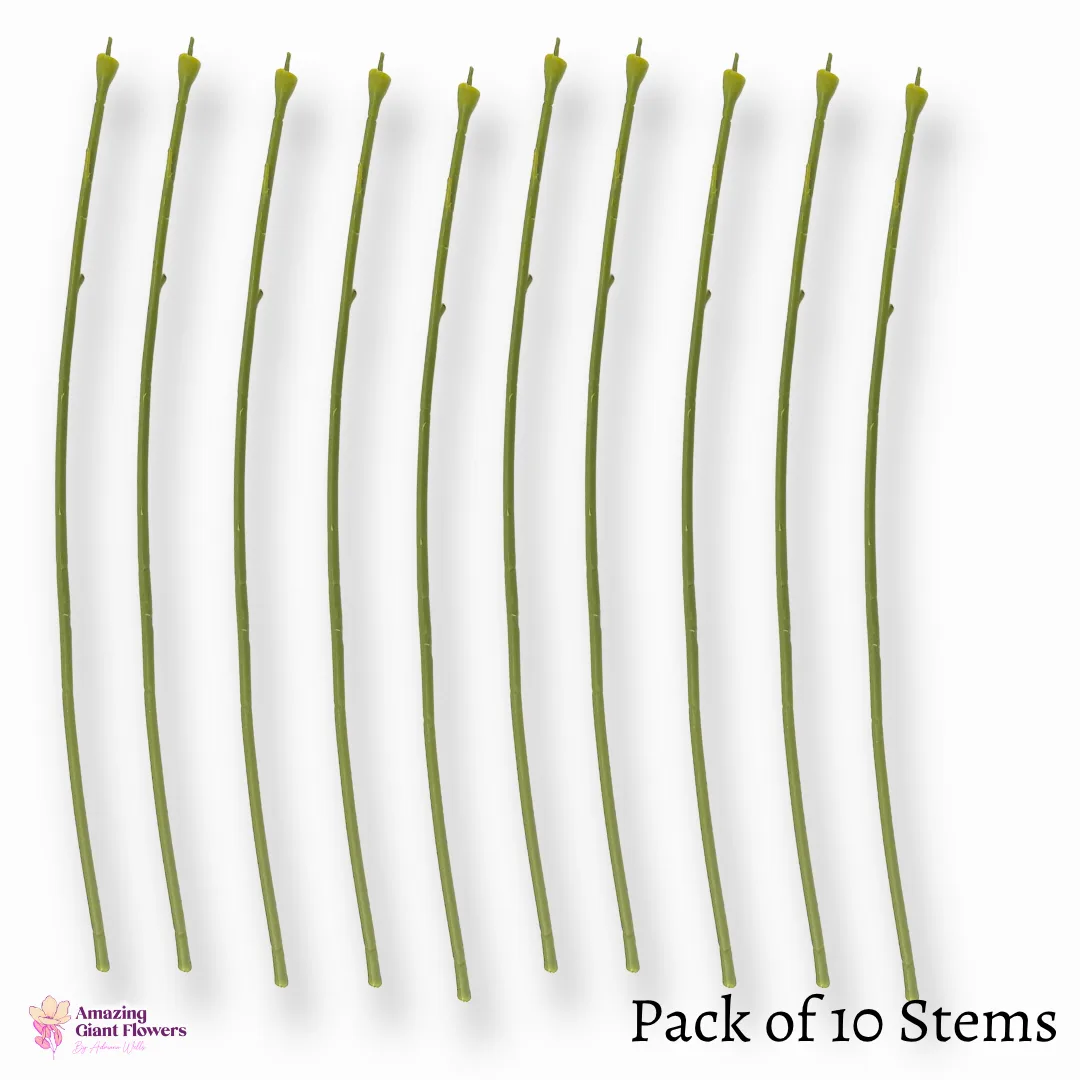
If you're making freestanding flowers or anything that needs to stand upright, don't skip the bendable pipes. They slide right into the flower base and give your creation the structure it needs to stand tall at an event without flopping over. Game changer, seriously.
Prime Before You Paint
EVA foam has a slightly waxy surface that can resist paint if you skip prep. A quick coat of Plasti-Dip or foam-safe primer before painting gives you a surface that takes color evenly and doesn't crack or peel. We go deep on this in Your Guide to Flawless Foam Board Paint Finishes.
Frequently Asked Questions
Is EVA foam safe to use indoors?
Yes — EVA foam is non-toxic and safe for indoor use. When you heat it with a heat gun, there can be a very mild smell, so I always recommend working in a well-ventilated space or near an open window. Nothing alarming, just good practice.
What's the difference between craft EVA foam and the cheap stuff at dollar stores?
Honestly? A lot. The thin foam sheets you find at dollar stores are very low density — they compress easily, don't hold their shape well after heating, and the surface texture is inconsistent. Craft-grade EVA foam has a higher, more consistent density, which means your petals will dome beautifully, hold their shape, and look professional. Cheap foam is fine for testing a pattern. For a real project, use quality material.
Can I use EVA foam outdoors?
EVA foam handles outdoor conditions pretty well for events — it's not going to fall apart on you during a wedding ceremony or a graduation party. That said, it's not meant for permanent outdoor installation. Extended exposure to direct sun and rain over time will eventually break it down. For a one-day event or a weekend display, you're totally fine.
What glue should I use with EVA foam?
My two go-to options are 369 glue and a hot glue gun with silicone sticks. Both are sold separately in our shop. Hot glue is great for quick assembly and works beautifully for flower petals. 369 glue gives you a stronger, more flexible bond — I reach for it when I need pieces to really stay put under pressure. Either way, avoid regular craft glues; they don't bond well with foam and tend to peel.
Do I need a special tool to shape the foam?
Not at all — you have options depending on what you already have at home. A heat gun is my personal favorite for control and speed. But a hair styler, iron, or flat grill all work too, depending on the shape you're going for. The key is applying gentle, even heat and shaping quickly while the foam is warm. You'll get the hang of it after your very first petal — I promise.
You're More Ready Than You Think
EVA foam for beginners can sound intimidating at first — all those thicknesses, densities, tools, and techniques. But here's what I've seen over and over again: once people make their first cut, their first shaped petal, their first finished flower, they are hooked. The learning curve is genuinely short, and the results feel like magic.
Start simple. Grab a sheet or two, a sharp blade, and follow a template. Give yourself permission to experiment. The foam is forgiving, the process is fun, and your first project doesn't have to be perfect — it just has to get you started.
I started Amazing Giant Flowers right here in Houston because I fell in love with what this material could do, and I've never looked back. I genuinely can't wait to see what you create. If you make something, tag me — my DMs are always open and I celebrate every single first project that comes through.
Shop the supplies
Everything You Need for This Project

Written by
Adriana WellsFounder & CEO of Amazing Giant Flowers
Adriana Wells is the founder and creative force behind Amazing Giant Flowers, a Texas-based company specializing in handcrafted giant foam flowers, luxury floral installations, and DIY flower-making supplies.
More about Adriana →Ready to Create Something Amazing?
Browse our collection of giant flower kits and start your next project today.