From Flowers to Props: EVA Foam Skills That Cross Over to Cosplay

Key Takeaways
- EVA foam flower-making teaches you the core skills — heat shaping, cutting, layering — that cosplay prop builders rely on daily.
- The same 2mm–6mm EVA foam sheets used for giant petals are the go-to material for cosplay armor, masks, and accessories.
- Techniques like heat-curling petals and beveling foam edges transfer directly to building curved armor pieces and character props.
- Giant flower kits are one of the most beginner-friendly entry points into working with EVA foam — and they build real, transferable confidence.
- You don't need expensive equipment: a heat gun, sharp craft knife, and contact cement are the foundation of both crafts.
Why EVA Foam Is the Material That Connects Both Worlds
According to the Grand View Research EVA Foam Market Report, the global EVA foam market was valued at over $9.5 billion in 2022 and is growing steadily — driven in part by crafting and consumer goods demand. That's not a niche material. That's a material the whole world is using.
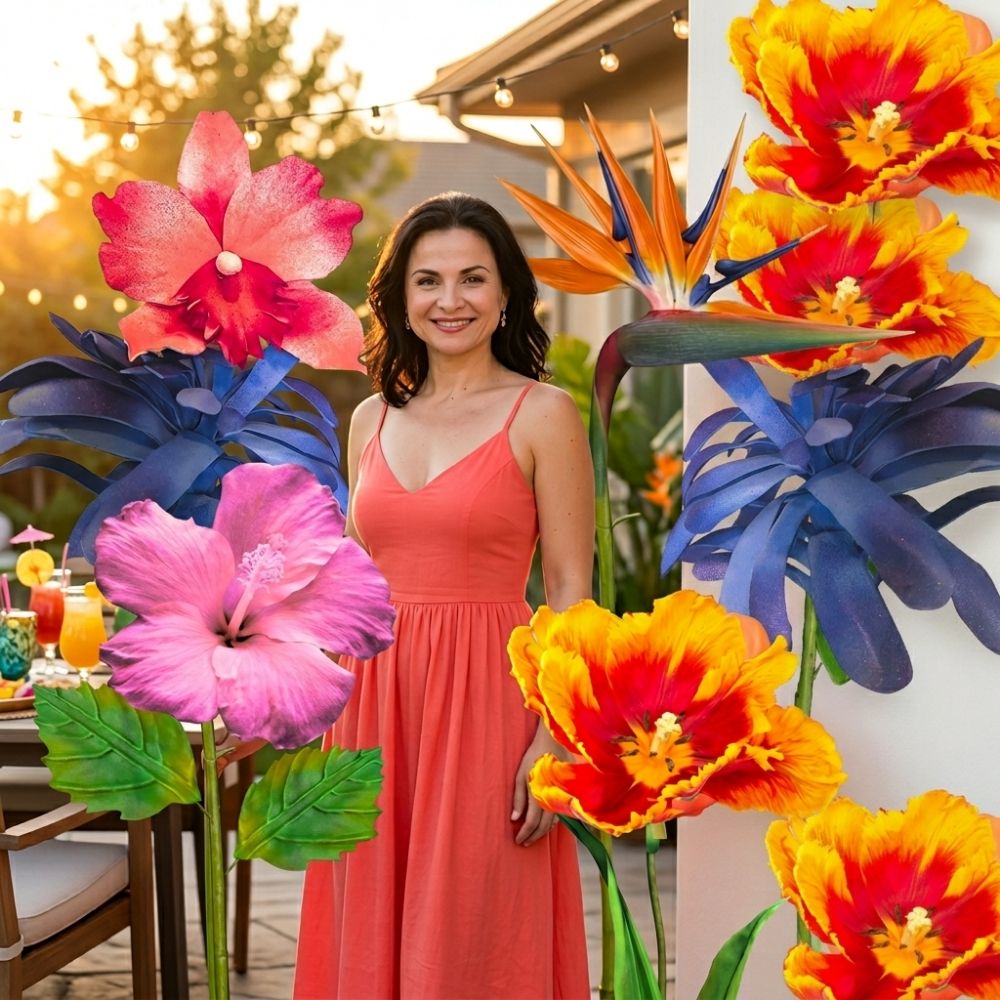
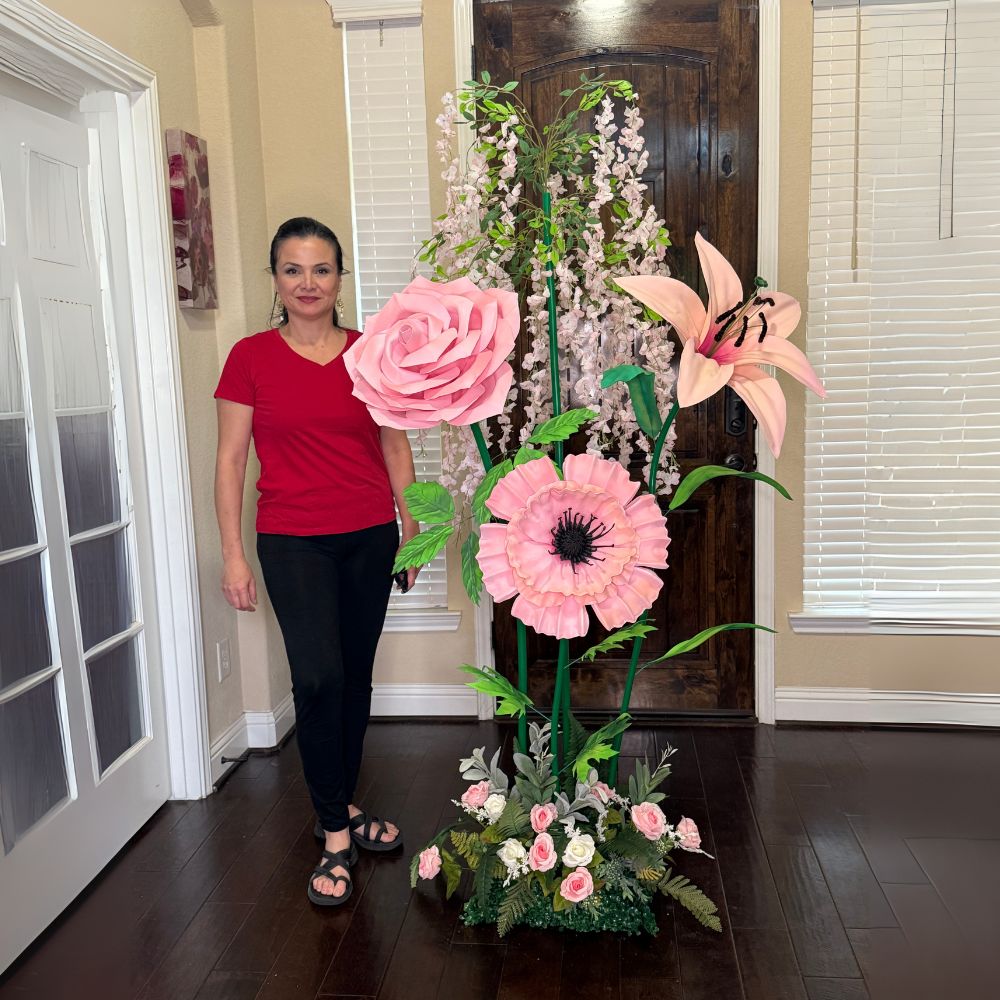
In the giant flower world, we use EVA foam because it holds its shape after heat forming, it's durable enough to survive outdoor events, and it's lightweight enough to mount on walls or arches without collapsing. In cosplay, builders use it for the exact same reasons: it can become a dragon scale, a knight's breastplate, or a fairy wing. Same material. Different vision.
What Thickness Do You Actually Need?
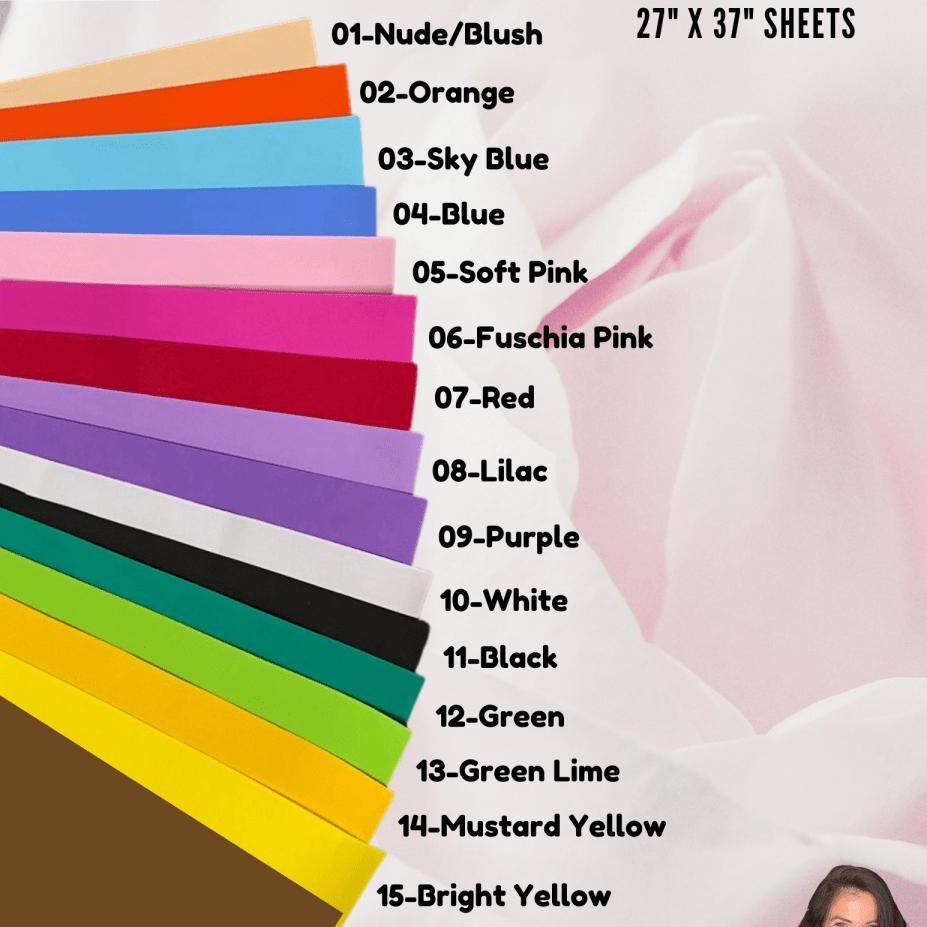
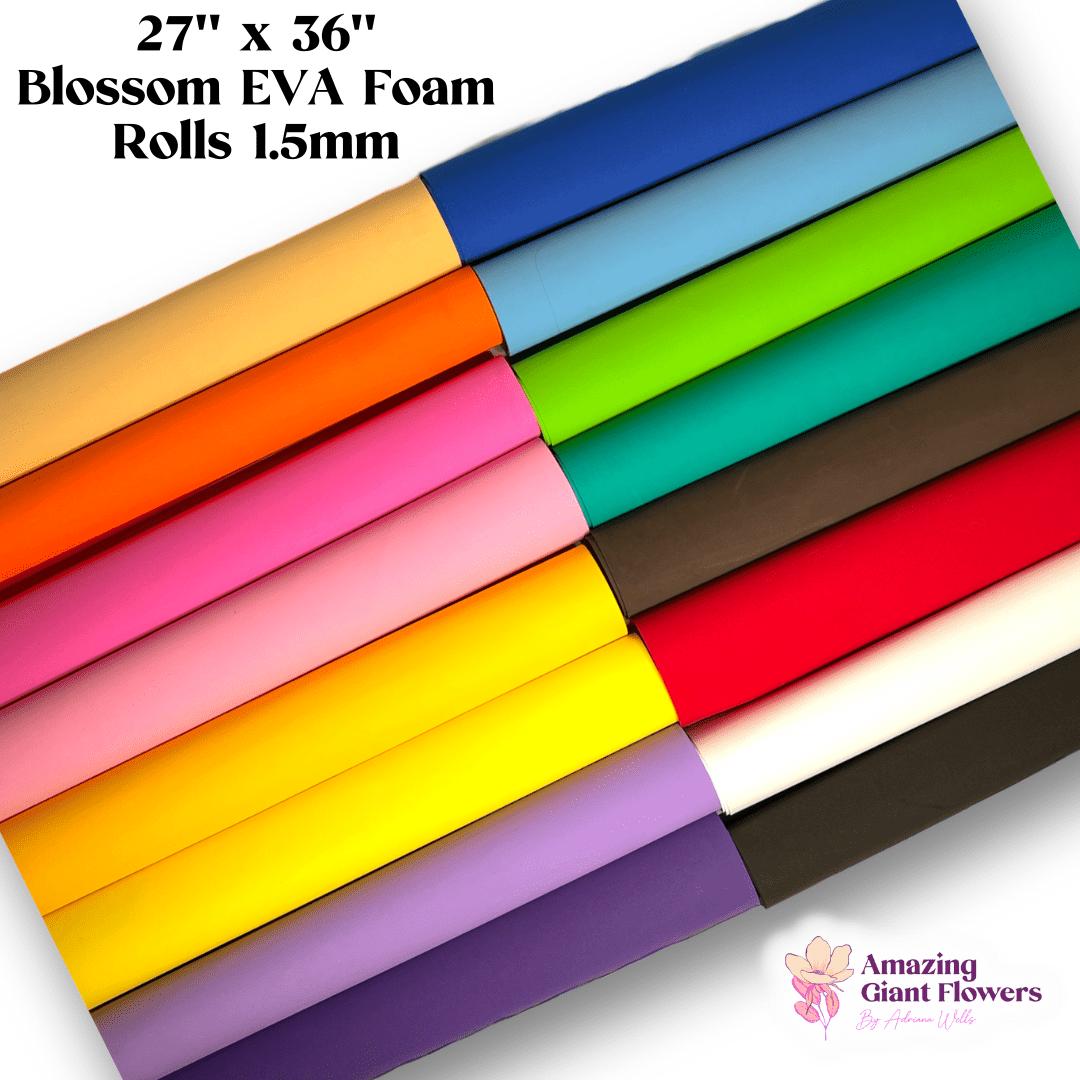
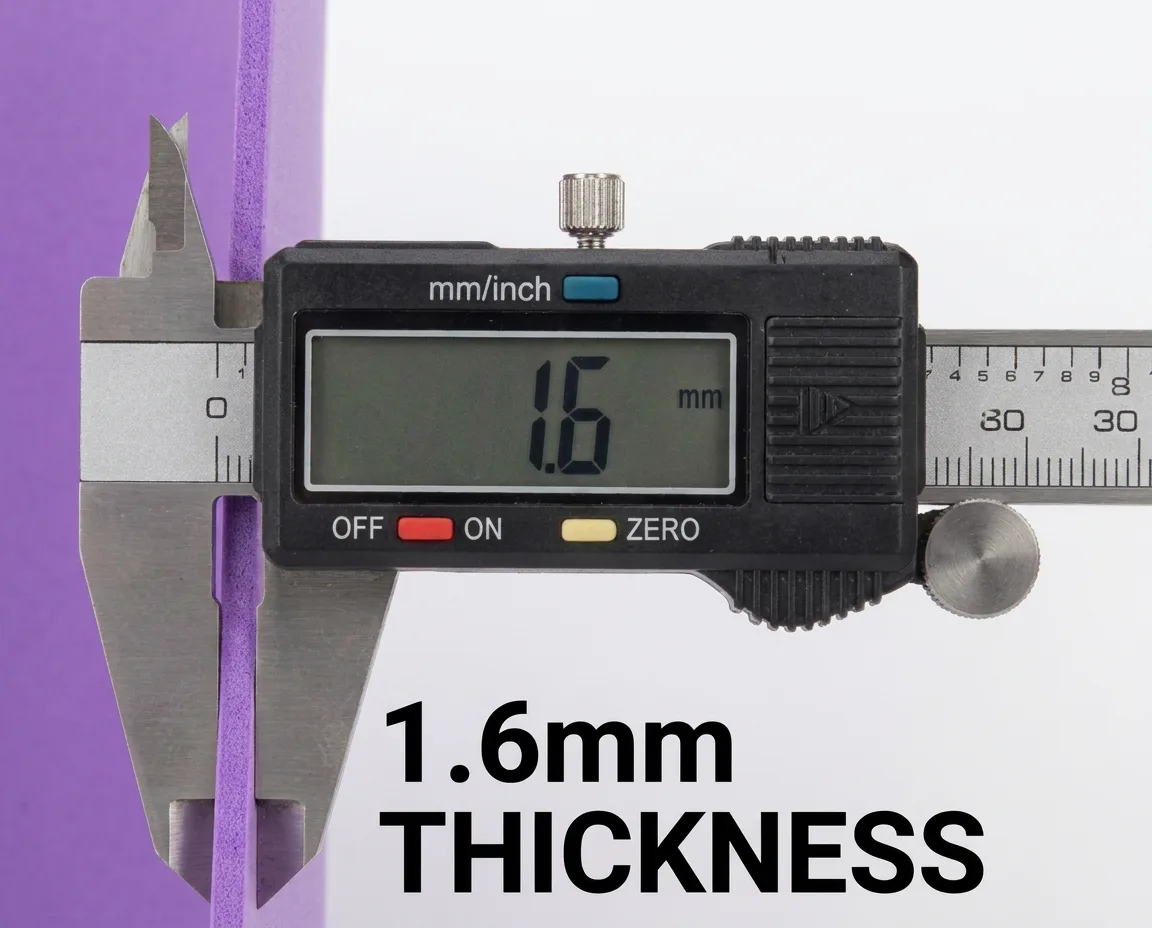
This is where flower-makers already have a head start. If you've ordered from our shop, you know we talk about foam thickness constantly. Here's how flower thicknesses map to cosplay uses:- 2mm EVA Foam: Perfect for flower petals and, in cosplay, for fine details like scale overlays, decorative trim, and flexible accents.
- 4mm EVA Foam: Our sweet spot for medium petals — and in cosplay, great for medium armor panels, masks, and props that need some rigidity.
- 6mm EVA Foam: Used for thick flower bases and large structural petals — in cosplay, this becomes chest armor, shoulder pauldrons, and shields.
- 8mm–10mm EVA Foam: Heavy-duty structural work in both worlds — flower stems, large prop bases, and thick armor pieces that need to hold their form under stress.
If you've already been working with our foam sheets, you've been training your hands to understand how each thickness behaves. That knowledge is gold.
The Heat Gun: Your Most Transferable Tool
When I first started teaching workshops, I noticed that the moment people picked up the heat gun for the first time, they were nervous. They'd hover it too far away, or they'd blast one spot until the foam bubbled. Sound familiar?
Heat Shaping for Flower Petals vs. Cosplay Curves
In giant flower-making, you use heat to curl petal edges, create gentle cupping in the center of petals, and add organic movement to what would otherwise be flat foam. You're working with the foam's memory — heating it, shaping it, holding it until it cools.In cosplay, you're doing the exact same thing. A chest plate needs to curve around a body. A pauldron needs to dome over a shoulder. A mask needs to contour to a face. The technique is identical — heat, shape, hold, cool.
The ideal heat gun temperature for EVA foam is around 250–300°F (120–150°C). Too cool and the foam won't shape. Too hot and you'll get bubbling or burning. Flower-makers learn this instinctively after a few petals. Cosplay beginners spend weeks figuring it out. You're already ahead.
Advanced Heat Techniques That Cross Over
Once you're comfortable with basic heat shaping, both crafts open up to more advanced moves:- Heat Embossing: Pressing textured surfaces (like fabric or mesh) into heated foam to create texture. In flowers, this adds petal veining. In cosplay, it creates leather-look armor or dragon scales.
- Heat Beveling: Using heat to soften and round the cut edges of foam. Makes flower petals look organic and realistic — and makes cosplay armor edges look professional instead of sharp and cheap.
- Controlled Curling: Wrapping heated foam around a dowel or pipe to create consistent curves. We do this for rolled flower centers. Cosplay builders do it for bracers, gauntlets, and cylindrical props.
- Layered Heat Forming: Stacking multiple foam pieces and heat-forming them together to create depth. This is how we build up complex flower centers — and how cosplayers build layered armor plates.
Cutting Techniques: From Petals to Prop Panels
In giant flower-making, we cut petal templates out of foam using sharp craft knives or precision scissors. The key is always keeping your blade fresh — a dull blade drags and tears foam instead of slicing cleanly.
Cosplay builders will tell you the exact same thing. Replace your blades constantly. It's not optional. EVA foam dulls blades faster than you'd expect, and a dull blade ruins everything.
Template-Based Cutting
One of the first things we teach in our kits is working from templates. Every flower kit comes with pre-cut foam pieces so you're not starting from scratch — but understanding how templates work is a skill in itself.In cosplay, almost every major prop starts with a paper template. You draw the piece flat, test it on your body or a form, adjust, then cut from foam. The process is exactly what you're doing when you design a new flower variety or scale a petal up to a custom size.
If you've ever modified one of our flower templates to make a bigger bloom or a different petal shape, congratulations — you've already done cosplay-level pattern work.
Scoring and Folding
Scoring foam — cutting partway through without cutting all the way — lets you create sharp folds and angles that heat alone can't achieve. In flowers, we sometimes score the base of petals to help them fan out at the right angle from the center.In cosplay, scoring is used constantly to create angular armor, geometric shapes, and hard edges on pieces that would otherwise be too thick to bend cleanly. Same technique, different application.
Adhesives and Assembly: The Glue That Holds Both Crafts Together
Contact cement is king. In giant flower-making, we use it to bond petal layers, attach petals to centers, and secure flowers to stems. In cosplay, it's the primary adhesive for assembling armor pieces, attaching details, and bonding layers.
The technique is the same in both cases: apply a thin, even coat to both surfaces, let it get tacky (usually 3–5 minutes), then press firmly together. The bond is instant and strong. No clamping required.
What NOT to Use
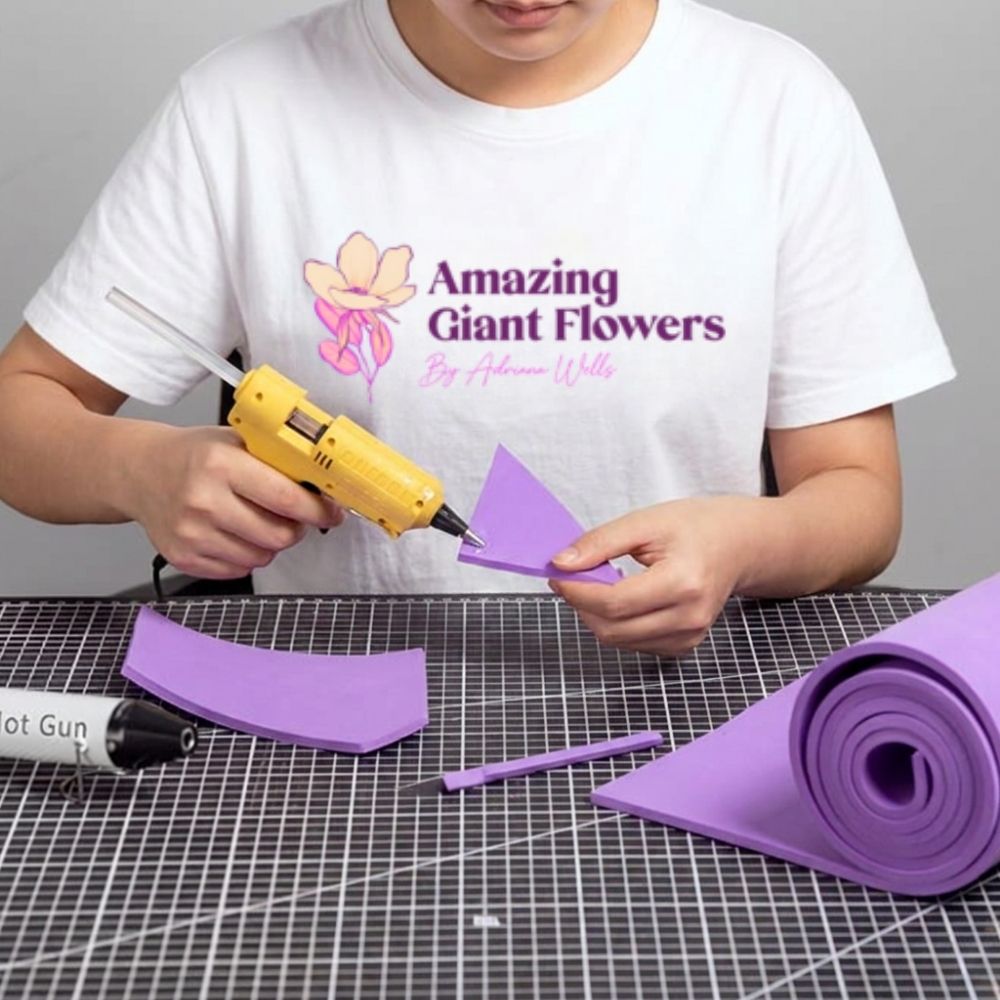
Honestly? Skip the hot glue for anything structural. I know, I know — hot glue is everywhere in craft tutorials. But in EVA foam work, hot glue has a tendency to pop apart under stress, especially in warm environments. I've seen giant flowers come apart at outdoor summer events because someone used hot glue on a structural joint.Cosplay builders learned this lesson the hard way at conventions. Nothing worse than your armor falling apart mid-competition. Contact cement or foam-specific adhesives are the move.
Hot glue is fine for small decorative details that don't bear any stress. But for anything that needs to hold? Contact cement every time.
Painting and Finishing: Where Your Flowers Taught You More Than You Realize
Raw EVA foam doesn't accept paint perfectly straight out of the box. It needs preparation. In our flower world, we seal the foam first — either with a foam sealant, Plasti-Dip, or a thin layer of flexible glue — before adding color. This prevents the paint from cracking when the foam flexes.
Cosplay builders do the exact same thing. Plasti-Dip is practically a religion in the cosplay community. It seals the foam, adds a slight texture, and creates a flexible base that paint adheres to without cracking.
For more on painting foam surfaces, I wrote a whole deep-dive in our guide to flawless foam board paint finishes — check that out if you want the full breakdown.
Color Blending and Shading
Here's something I'm genuinely proud of: the color blending skills you develop making realistic-looking giant flowers are seriously advanced. Creating a rose that goes from deep magenta at the base to soft blush at the petal tips? That's artist-level gradient work.In cosplay, shading and weathering are everything. A flat-painted armor piece looks like plastic. An armor piece with strategic dark shading in the recesses and lighter highlights on the raised areas looks like actual metal. The technique — working from dark to light, using dry-brushing and layering — is identical to how we create depth in flower petals.
Metallic and Specialty Finishes
Cosplay props often need to look like metal, leather, stone, or wood. EVA foam can convincingly mimic all of these with the right paint and finishing techniques. And if you've been experimenting with metallic paints, pearl finishes, or iridescent effects on your giant flowers, you've already been playing in this space.Our crafter's guide to painting on foam core covers a lot of these techniques in detail — it's worth a read even if you're primarily a flower-maker, because the principles transfer everywhere.
EVA Foam Cosplay Props for Beginners: Start With Flowers, Build Up to Props
I know that might sound like I'm just saying that because I sell flower kits. But hear me out. Giant flowers are forgiving. If a petal isn't perfect, it still looks beautiful. The organic shape of a flower means small imperfections read as natural variation, not mistakes.
Cosplay props are less forgiving. A crooked armor panel or an uneven cut edge is immediately visible. Starting with flowers lets you build your foam-handling confidence in a low-stakes environment before you move on to pieces where precision really matters.
According to Statista, the global cosplay market is projected to exceed $23 billion by 2030. That's an enormous creative community, and EVA foam is at the heart of it. Getting comfortable with the material now — through flowers — sets you up beautifully for whatever you want to build next.
A Suggested Skill Progression
- Start Here — Giant Flower Kit: Learn heat shaping, template cutting, contact cement, and basic painting. Build confidence with forgiving organic shapes.
- Next Step — Custom Flower Design: Modify templates, experiment with different thicknesses, try advanced painting techniques. Start thinking like a designer.
- Bridge Project — Floral Cosplay Accessories: Make a flower crown, a floral headpiece, or botanical-themed arm cuffs. You're using flower skills to make wearable props.
- First Real Prop — Simple Mask or Shield: Apply everything you've learned to a flat or gently curved prop. Templates, cutting, heat forming, painting.
- Advanced Prop — Armor Pieces: Full chest plates, shoulder armor, helmets. Complex curves, multiple layers, structural assembly. You'll be shocked how ready you are.
Comparing EVA Foam Flower-Making vs. Cosplay Prop-Building
| Skill / Element | Giant Flower-Making | Cosplay Prop-Building |
|---|---|---|
| Primary Material | EVA foam sheets (2mm–8mm) | EVA foam sheets (2mm–10mm) |
| Main Shaping Tool | Heat gun | Heat gun |
| Primary Adhesive | Contact cement | Contact cement |
| Cutting Method | Craft knife + templates | Craft knife + templates |
| Surface Prep | Foam sealant or Plasti-Dip | Plasti-Dip or similar sealant |
| Painting Technique | Layered acrylic, gradient blending | Layered acrylic, shading/weathering |
| Beginner Difficulty | Low–Medium (organic shapes forgive errors) | Medium–High (precision required) |
| Average Material Cost | $80–$180 per kit | $50–$300+ depending on complexity |
| Community & Events | Weddings, events, retail displays | Conventions, competitions, photoshoots |
Floral Cosplay: Where the Two Worlds Literally Merge
And guess what? If you can make giant EVA foam flowers, you can make floral cosplay costumes. Full stop.
I've had customers come back to me and tell me they used our flower techniques to build entire floral headdresses, petal-covered bodices, and botanical wing structures for cosplay events. They didn't need to learn anything new — they just applied what they already knew to a wearable context.
A report from Eventbrite found that cosplay participation has grown by over 40% in the last five years, with fantasy and botanical themes consistently ranking among the most popular categories. The audience for this is massive and growing.
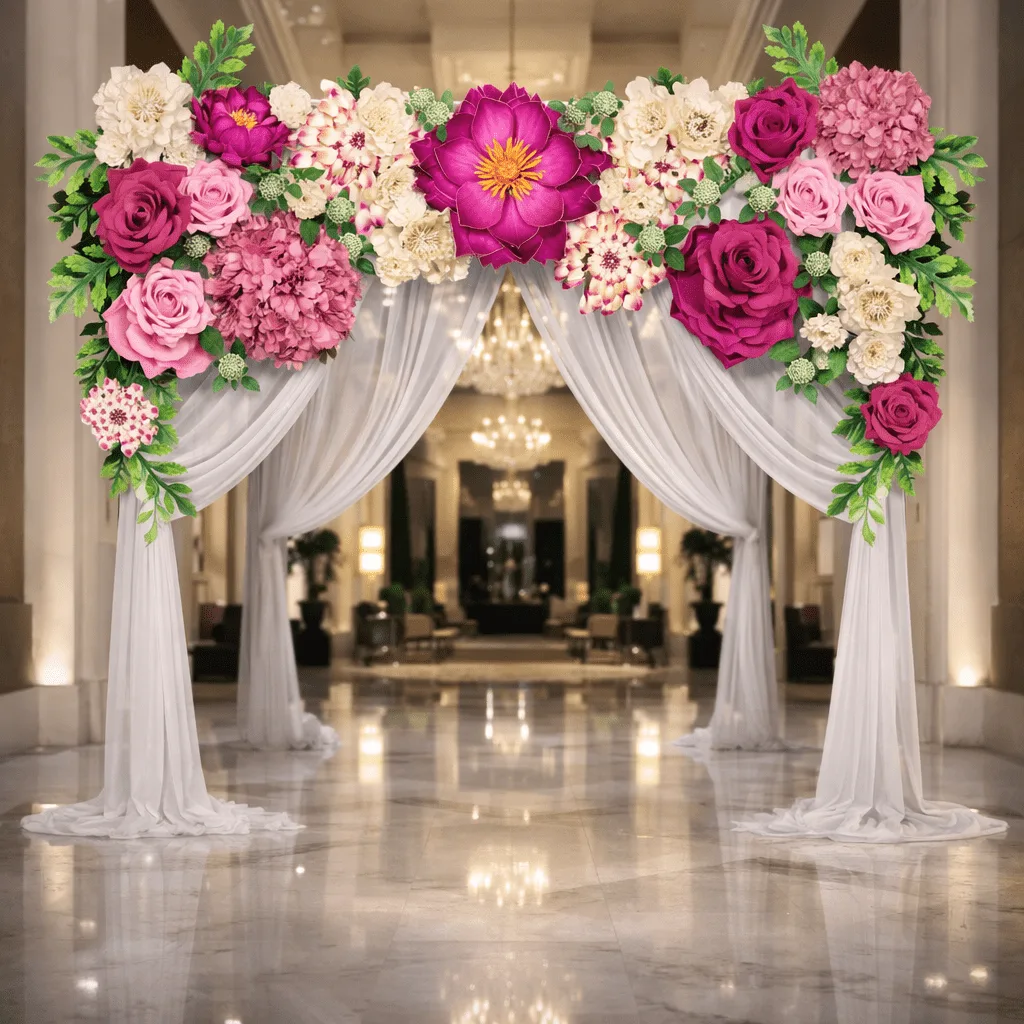
If you want to explore how giant flower structures work in event and display contexts before going full cosplay, our guide on making giant blooms is a great place to see how scale and structure work together.
Floral Cosplay Pieces You Can Build Right Now
- Flower Crown Headpiece: Scale down your giant flower techniques to create a wearable crown with 6–10 inch blooms. Use 2mm–3mm foam for lightweight petals that won't strain your neck.
- Petal Shoulder Armor: Layer large, curved petals over a foam base to create botanical pauldrons. Heat-form each petal to curve naturally over the shoulder.
- Floral Gauntlets: Wrap foam bracers with layered flower petals. Use contact cement to build up layers from largest to smallest, just like building a flower center.
- Giant Flower Staff or Wand: Mount an oversized foam bloom on a bendable pipe stem — the same stems we sell for freestanding flowers — for an instant fantasy prop.
- Botanical Wing Structure: Build a frame from wire or PVC, then attach large foam petals and leaves to create fairy or forest spirit wings.
Tools You Already Have (And a Few Worth Adding)
What you already have: Heat gun, sharp craft knives, cutting mat, contact cement, EVA foam sheets in multiple thicknesses, acrylic paints, foam sealant. That's basically the full cosplay starter kit right there.
What's worth adding:
- Dremel or Rotary Tool: For carving fine details into foam — wood grain, stone texture, intricate patterns. Not essential for beginners but opens up a lot of possibilities.
- Ball-Tip Stylus: Press into heated foam to create indentations and detail lines. Great for both petal veining and armor engravings.
- Foam Clay: A pliable material that bonds to EVA foam and can be sculpted into raised details. Used in both advanced flower-making and cosplay prop detailing.
- Worbla (Thermoplastic): A stiffer thermoplastic that can be layered over EVA foam for extra rigidity. Common in cosplay for structural elements. Pricier but useful for complex builds.
For a full breakdown of foam types and which ones work best for different applications, check out our crafter's guide to every type of foam for giant flowers — it covers EVA, craft foam, and more.
Frequently Asked Questions
Is EVA foam good for cosplay props beginners who are starting with flowers?
Absolutely — and honestly, it's one of the best entry points. Giant flower-making teaches you all the core EVA foam skills (heat shaping, cutting, adhesive work, painting) in a forgiving, low-stakes environment. Flowers are organic shapes, so small imperfections look natural rather than like mistakes. Once you've made a few flowers, you'll have the muscle memory and material intuition to tackle more precision-based cosplay props with real confidence.
What thickness of EVA foam should beginners use for cosplay props?
For most beginner cosplay projects, 4mm–6mm EVA foam is the sweet spot. It's thick enough to hold shape and structural integrity, but flexible enough to heat-form into curves without cracking. This is the same thickness range we recommend for medium to large flower petals — so if you've been working with our kits, you already know how this foam behaves. Use thinner 2mm foam for fine details and flexible accents, and thicker 8mm–10mm for bases and structural elements.
Do I need a heat gun to make EVA foam cosplay props?
Yes, a heat gun is essentially non-negotiable for EVA foam work — both flowers and cosplay props. It's what allows you to shape flat foam into curves, domes, and organic forms. A basic heat gun runs $20–$50 at any hardware store and will last for years. Some crafters use a hair dryer in a pinch, but it doesn't get hot enough for serious shaping. The heat gun is one tool that's absolutely worth investing in from day one.
How do I keep paint from cracking on EVA foam props?
The key is sealing the foam before you paint. Raw EVA foam is slightly porous and flexible — paint applied directly to it will crack when the foam bends. Apply a coat of Plasti-Dip, foam sealant, or flexible PVA glue first, let it dry completely, then paint over the sealed surface with acrylic paint. For extra durability, seal the finished piece with a flexible varnish or Mod Podge. This is exactly the same process we use for our giant foam flowers — especially for outdoor events where the flowers need to handle heat and humidity.
Can I sell cosplay props made from EVA foam?
Yes, and many crafters do! EVA foam prop-making is a legitimate small business category. Platforms like Etsy, convention vendor tables, and custom commission work through social media are all common sales channels. According to Etsy, cosplay props and accessories are consistently among the platform's top-selling handmade categories. If you're already selling giant flower decor, adding cosplay props to your offerings is a natural expansion — same skills, new market.
How long does it take to make a basic EVA foam cosplay prop?
A simple prop — a shield, a mask, a wand — can be completed in 4–8 hours for a beginner, including drying time for adhesives and paint. More complex pieces like full armor sets can take 40–100+ hours depending on detail level. Giant flowers typically take 2–4 hours per flower for beginners, which is great training for the patience and process-orientation that cosplay prop-building requires. The more flowers you make, the faster and more confident your hands get — and that speed carries over directly to prop work.
Here's what I want you to take away from all of this: you're not starting from zero. If you've been making giant EVA foam flowers — even just one or two — you've already built a foundation that most cosplay beginners spend months trying to develop. The material knowledge, the tool skills, the patience for layered assembly and careful painting — you have all of it. Whether you're here because you want to expand your event decor business, try something new creatively, or build an entire cosplay costume from scratch, the path forward is the same: keep working with foam, keep experimenting, and trust the skills you've already built. Head over to our shop to explore our EVA foam sheets, kits, and supplies — everything you need to keep growing, whether your next project is a wedding arch full of giant blooms or a set of botanical fairy wings that stops a convention hall in its tracks.
Ready to Create Something Amazing?
Browse our collection of giant flower kits and start your next project today.