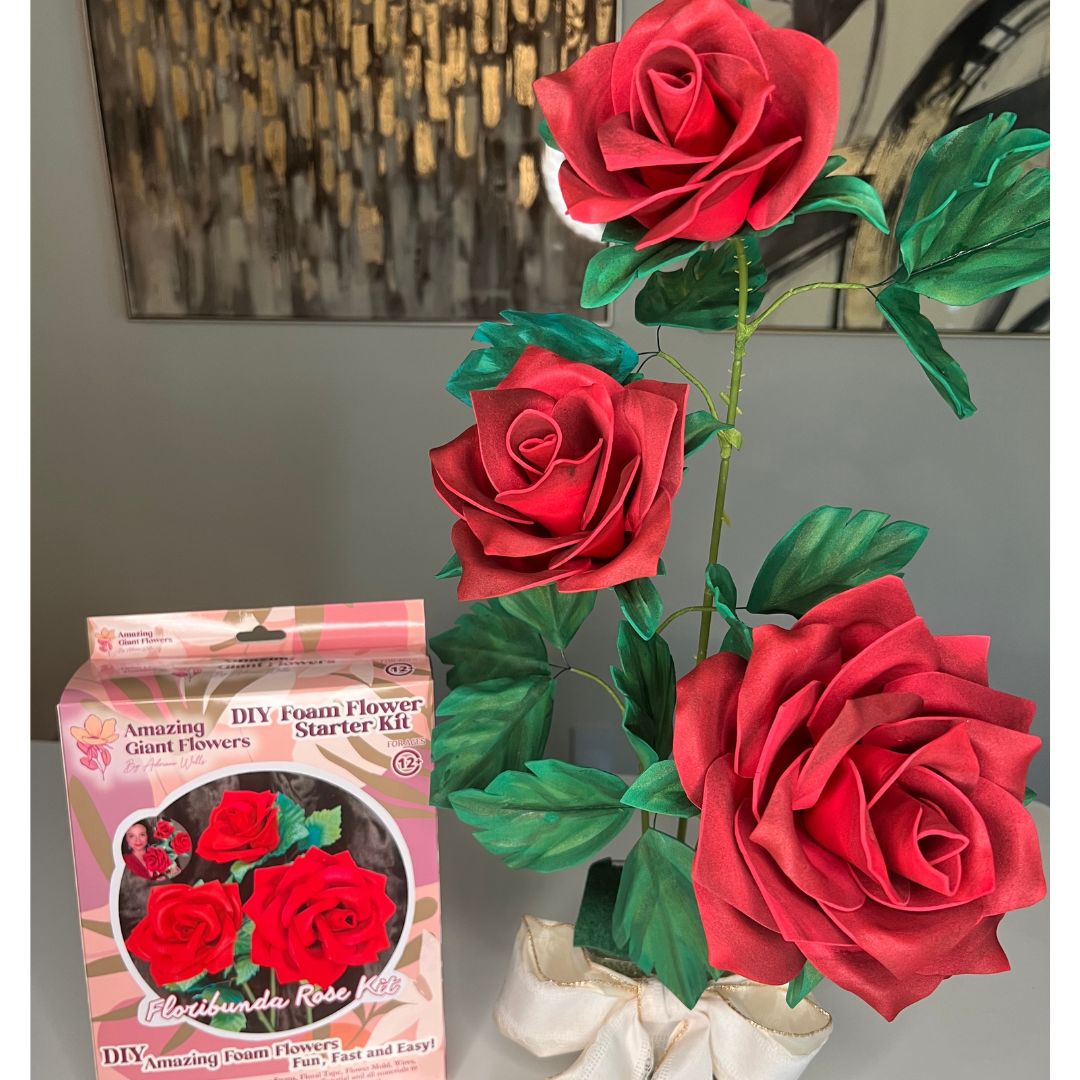
EVA Foam Thickness Guide: What to Use for Giant Blooms
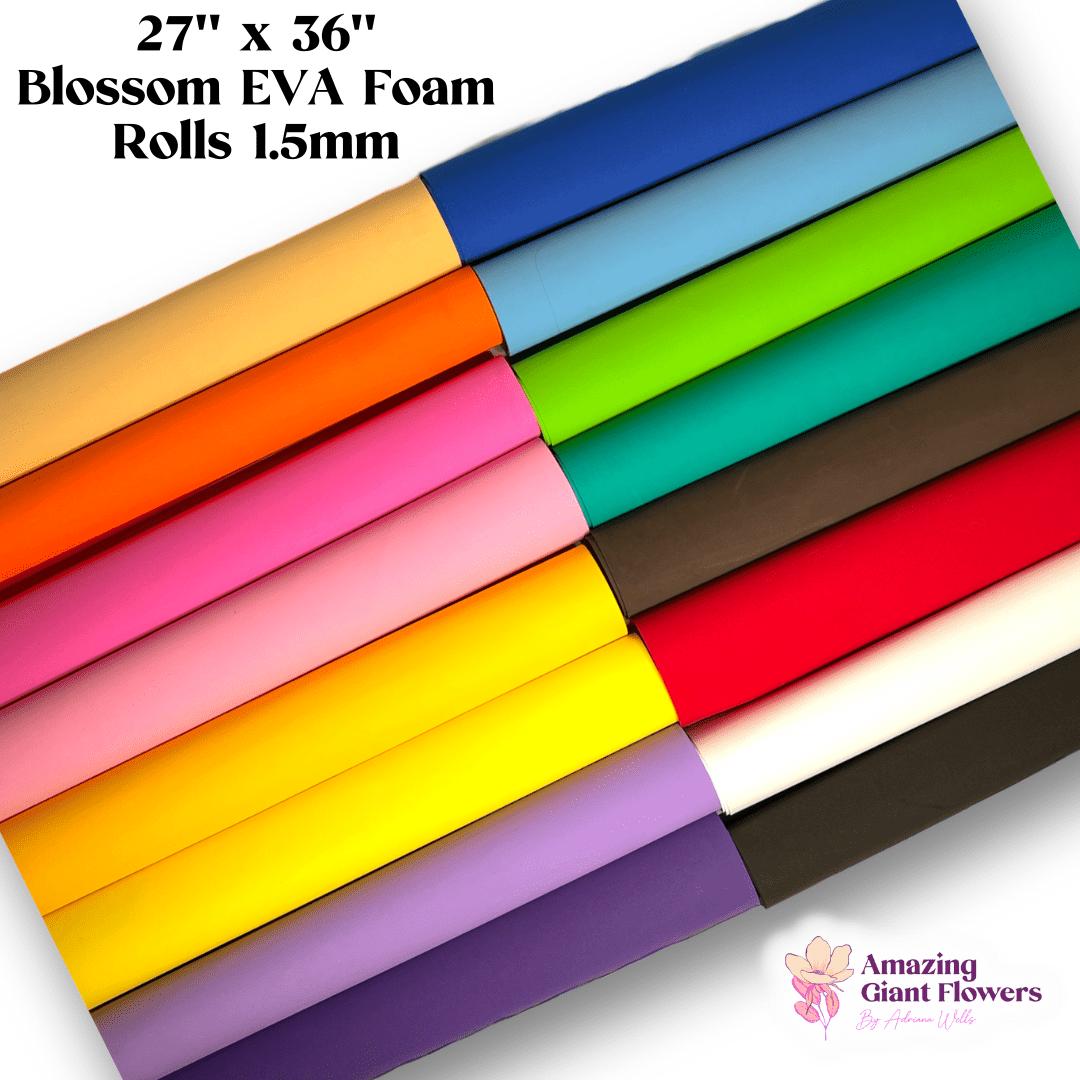
If you've ever stood in front of a roll of EVA foam wondering which thickness to grab, you're not alone. Choosing the right EVA foam thickness for giant flowers is honestly one of the most common questions I get from crafters — and getting it wrong can mean petals that flop, crack, or just don't look the way you imagined. I've been there. More than once.
When I first started making giant blooms out of my garage here in Houston, I was buying whatever foam I could find at the craft store. Sometimes it worked. Sometimes I'd finish a whole flower and it would just… droop. It took a lot of trial and error (and a few frustrated late nights) before I figured out that thickness is everything when it comes to EVA foam flowers.
So I put this guide together for you — the crafter who's ready to skip the guesswork and just build something gorgeous. Whether you're making a wedding arch, a classroom display, cosplay armor, or a giant dahlia for a photo booth backdrop, I'm going to break down exactly which foam thickness does what, and why it matters.
Key Takeaways
EVA stands for ethylene-vinyl acetate. I know, that's a mouthful. But all you really need to know is that it's a lightweight, flexible, heat-moldable foam that takes paint beautifully and holds its shape once it cools. It's the backbone of giant flower making — and honestly, once you work with quality EVA, you'll never go back to cardstock or paper.
It's also incredibly versatile. The same material that makes your giant rose petals also shows up in cosplay armor, theater props, yoga mats, and classroom crafts. That's how good this stuff is.
Why Thickness Matters More Than You Think
Here's the thing a lot of beginners miss: EVA foam isn't just "foam." The thickness completely changes how it behaves. A 2mm sheet curves in your hands. A 10mm sheet needs serious heat to bend. Using the wrong thickness for the wrong petal means your flower either looks flat or falls apart.
I've seen gorgeous flower designs fail just because someone used 10mm foam for outer petals on a small bloom. The petals were so stiff they looked like cardboard cutouts. And I've seen 2mm foam used for a large structural base — it just flopped over within an hour. Thickness is your foundation. Get it right and everything else falls into place.
Let me walk you through each thickness we carry in our EVA foam collection and tell you exactly what it's good for. No fluff, just real talk from someone who uses this stuff every single week.
2mm is your finest, most flexible option. It bends without heat, which makes it perfect for tiny inner petals, stamens, and any detail work where you need a soft, natural curl. Think of the innermost petals of a rose or peony — those delicate little curls that make a flower look alive. That's 2mm territory.
Okay, this is where it gets really fun. 4mm is honestly my personal favorite for most giant flower projects. It's got enough body to hold a petal shape, but it's still flexible enough to curl and sculpt with a heat gun. If I had to pick just one thickness to work with forever, it'd be 4mm. (Don't tell the others.)
6mm steps up when your petals get bigger. I use this a lot for wedding installations where I need flowers that are 24"–36" across. The extra thickness means the petals hold their curve even after hours hanging on a backdrop or arch. It's also great for tropical flowers like anthuriums and bird of paradise.
This is your heavy-duty option. 8mm and 10mm foam are not really for petals — they're for structure. Bases, backing panels, thick statement leaves, cosplay armor pieces. If you need something that absolutely will not bend, will not flex, and will hold its shape under pressure — this is it.
I know some of you are visual learners (same!), so here's everything laid out side by side. Bookmark this — you're going to want it next time you're shopping for foam.
So how do you actually decide? Let me give you a simple framework I use every time I start a new project. It comes down to three questions.
Smaller flowers (under 12" diameter) can get away with 2mm–4mm throughout. The petals are short enough that they hold their shape without needing extra bulk.
Medium flowers (12"–24") — this is where I start mixing. I'll use 2mm for inner petals and 4mm–6mm for the outer ring. That combination gives you dimension without the whole flower getting too heavy.
Large flowers (24" and up) — you need 6mm for outer petals minimum, and an 8mm or 10mm base to anchor everything. These are the statement pieces, the ones that stop people in their tracks at events.
Question 2: Where Is the Flower Going?
A flower that's going on a wall or arch needs to be lightweight enough to hang without pulling. A flower that's freestanding needs a solid base. If you're building a giant foam flower wedding arch, you want to balance structural integrity with weight — 4mm–6mm petals on an 8mm base is usually my go-to formula.
Question 3: What's Your Experience Level?
Real talk? If you're just starting out, stick with 4mm. It's the most forgiving thickness. It responds well to heat, it cuts cleanly, and it holds a shape without fighting you. Once you've made a few flowers and you're comfortable with your heat gun, then start experimenting with mixing thicknesses.
💡 Pro Tip
Before you cut your full petal shapes, always test a small scrap of foam with your heat gun first. Every heat gun runs a little differently, and a 30-second test will tell you exactly how that thickness responds before you commit to cutting your whole sheet. I do this every single time — even after years of making flowers.
Mixing EVA Foam Thicknesses for Realistic Giant Blooms
This is the part that takes your flowers from "cute craft project" to "wait, is that real?" And it's not complicated — it just requires a little planning.
The Layering Formula I Use
For a classic giant rose or peony, here's my go-to layering approach:
- Center bud/stamens: 2mm foam, tightly rolled and heat-set
- Inner petals (rows 1–2): 2mm–4mm, curled inward with heat gun
- Mid petals (rows 3–4): 4mm, slightly open curl
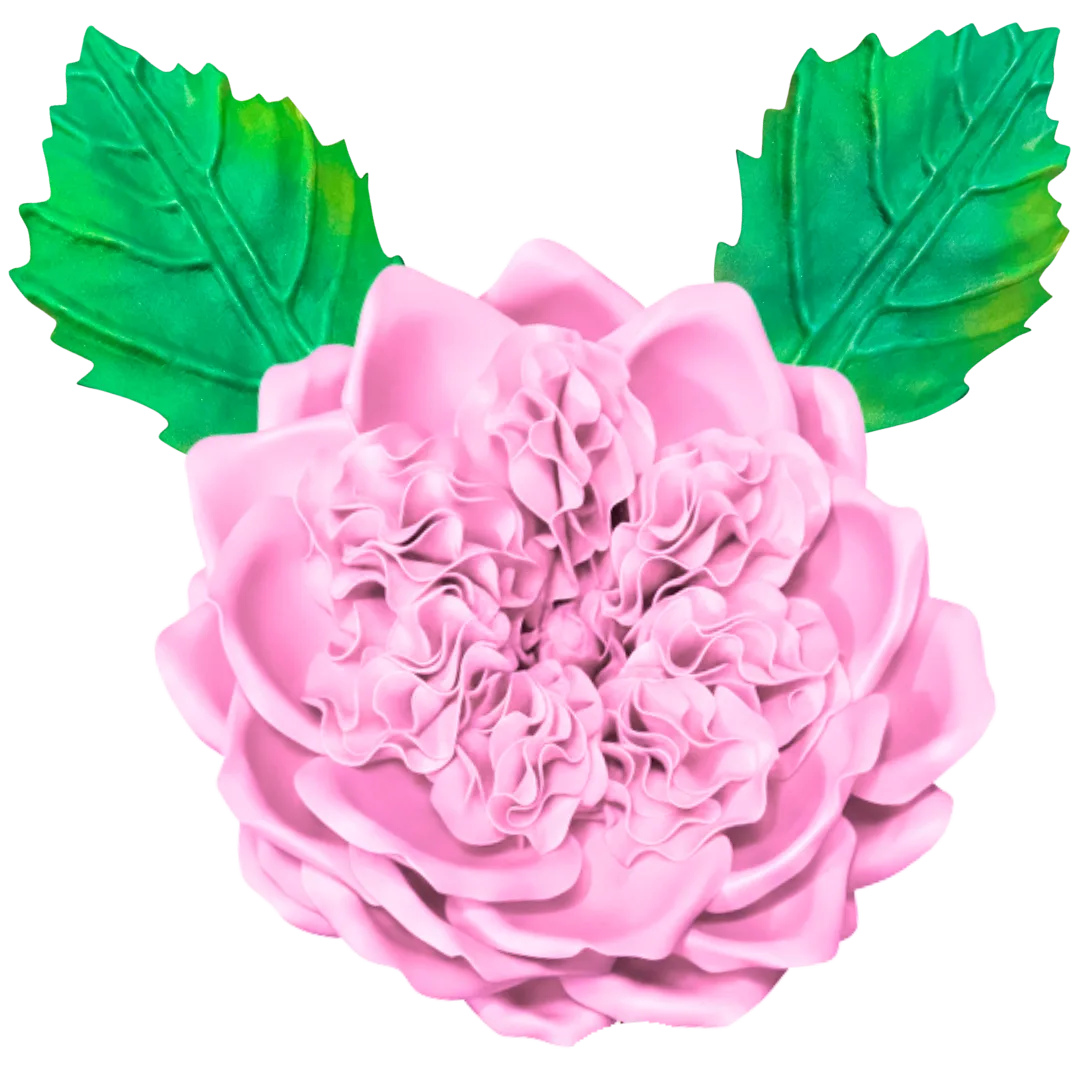
- Outer petals (rows 5+): 6mm, open and slightly cupped downward
- Base/backing: 8mm–10mm circle, with a hole for the stem
That progression from thin to thick is what creates the natural depth you see in real flowers. The inner petals are soft and delicate, the outer ones are bold and structural. It just works.
Working With Flower Molds
One thing that makes mixing thicknesses SO much easier is using flower molds. When you press heated foam into a mold, the shape is consistent every time — no guessing, no wonky petals. I especially love using molds with 4mm and 6mm foam because those thicknesses take the impression perfectly. Check out our post on heat gun techniques for shaping foam flower petals if you want to go deeper on this.
🌸 Ready to get started?
Browse our full EVA foam collection — from 2mm all the way to 10mm — and find your perfect thickness match.
EVA Foam Beyond Flowers: Other Creative Uses by Thickness
I always say EVA foam is one of the most underrated craft materials out there. Yes, we're obsessed with giant flowers over here — but this material does so much more, and knowing the thickness guide helps in every application.
Cosplay and Props
6mm–10mm is the cosplay world's best friend. Armor pieces, shields, helmets — anything that needs to hold a rigid shape and survive a full day at a convention. The thicker the foam, the more structural the piece. Pair it with a heat gun and some contact cement and you can build almost anything.
Theater and Event Decor
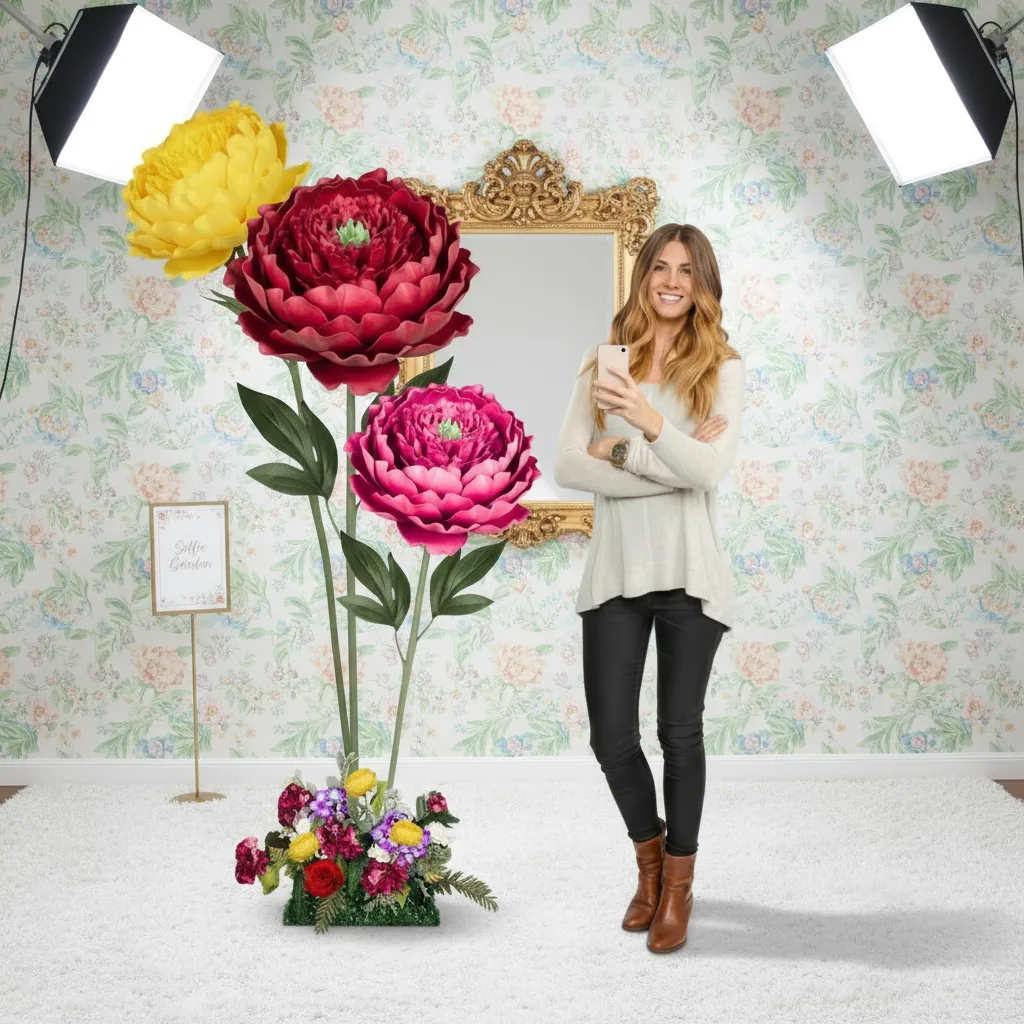
For large-scale theater props and event backdrops, 4mm–6mm is the workhorse. It's light enough to hang, durable enough to reuse across multiple shows, and it takes spray paint beautifully. If you're building a DIY giant flower backdrop for photos, 4mm is where I'd start.
Classroom Crafts
For classroom projects with kids, 2mm–4mm is safest and
Ready to Create Something Amazing?
Browse our collection of giant flower kits and start your next project today.