The Real Cost of a Flower Mold: Hundreds of Petals for Pennies Each
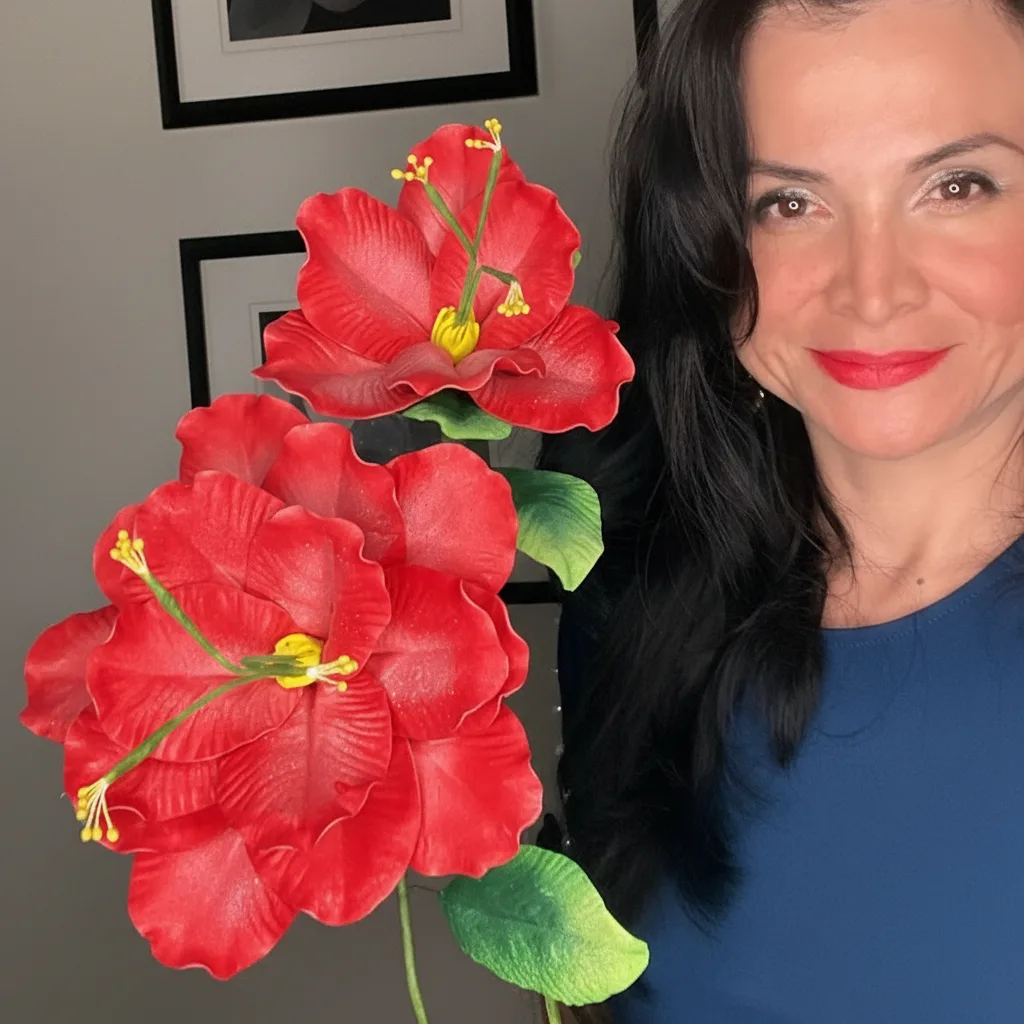
Let me be real with you for a second. When I first started making flowers, I was cutting every single petal by hand. Scissors, cardstock templates, a sore wrist by Tuesday. Sound familiar? Then someone in a crafting group mentioned a flower mold reusable option and I thought — okay, sure, another tool I'll buy and forget about. I was so wrong.
The moment I started actually tracking my cost per petal, everything changed. I'm talking about going from spending 20–30 minutes on a single flower down to cranking out a full bloom in under five minutes. And when you're selling at markets, taking on event orders, or gifting in bulk? That math matters a lot.
So today I want to walk you through the real numbers. Not the fluffy "oh it saves time!" version — the actual, honest breakdown of what a quality mold costs you over its lifetime. Spoiler: it's pennies. Literal pennies per petal. Let me show you how.
Key Takeaways
Here's the mindset shift that changed everything for me. I used to look at the price tag on a tool and think — is this worth it? But that's the wrong question. The right question is: what does this tool cost me every time I use it?
A $25 mold that makes 500 petals costs you $0.05 per petal. A $3 pack of pre-cut foam shapes that gives you 30 pieces costs you $0.10 each. The "cheaper" option is actually twice as expensive per piece. And if you're selling flower walls, event backdrops, or floral centerpieces? That gap adds up fast.
This is exactly why I built our flower mold collection with volume crafters in mind. Not hobbyists who make one wreath a year — people like you, who are producing dozens of flowers a week and need every dollar to stretch.
The Hidden Cost of Cutting by Hand
Time is money. I know that sounds like a bumper sticker but when you're pricing your work, your hourly rate matters. If you spend 45 minutes hand-cutting petals for a single flower you're selling for $8, you've already lost.
A mold press takes that same petal from cut to shaped in under 30 seconds. Multiply that across a 50-flower backdrop order and you've just saved yourself hours. Hours you can spend on more orders, more revenue, more of the work you actually love.
Ok, this is where it gets really fun. Let's do actual math together. I love this part because the numbers genuinely surprise people.
Our flower molds range depending on style and size. Let's use a mid-range example — a double-sided mold at around $20–$28. That's your one-time cost. You buy it once. You use it for years.
Now, a typical foam flower uses anywhere from 5 to 12 petals depending on the bloom style. Let's say 8 petals per flower on average. If your mold produces 400 uses before it ever shows wear (and honestly, with proper care, ours go well beyond that), you're looking at 50 full flowers from a single mold investment.
Let's say you take on a wedding backdrop order — 40 flowers. That's one project. One mold. Already you've used it 320 times and your cost per petal is under $0.09. By your second order, you're under $0.05. By your fifth? We're talking fractions of a penny.
And here's what I love telling my fellow crafters: the mold doesn't care how many times you use it. It keeps giving you consistent, beautiful, life-size petals every single press.
💡 Pro Tip
Track your mold uses in a simple notebook or phone note. After 100 uses, calculate your actual cost-per-petal. Most crafters are shocked to see it drop below $0.03 by their third project. That number becomes your secret weapon when pricing your work competitively.
Real talk? This is one of my favorite things about our molds and I don't think enough people know about it. These aren't single-purpose tools. They're double-sided — one side for foam flowers, the other for sugar and gumpaste work.
So if you're a crafter who also dabbles in cake decorating, or a baker who wants to branch into floral event décor, you don't need two separate mold collections. You need one. That's a huge deal for anyone watching their tool budget.
The foam side gives you crisp, defined petal veining and curves that make your life-size foam flower kits look incredibly realistic. Pair these molds with our EVA foam sheets and you've got a complete, low-cost production system. Press, shape with a heat gun, assemble. Done.
Speaking of heat guns — if you haven't mastered petal shaping yet, go read our guide on heat gun techniques for shaping foam flower petals. It's a game-changer for getting that natural curl and dimension.
For Bakers and Cake Decorators
The sugar/gumpaste side is food-safe compatible. You get the same beautiful petal detail translated into edible art. One bride told me she used our rose mold for her foam ceremony arch and had her baker use the same mold design for the sugar flowers on her cake. Cohesive look, half the cost. I mean — come on. That's just smart.
I want you to see this side by side because the contrast is stark. Here's an honest comparison of the most common approaches crafters use to produce petals in volume.
See what I mean? The mold hits that sweet spot — low upfront cost, fast production, pennies per petal within a couple of projects, and no $400 machine required. For someone just building their craft business or selling at markets, that's the realistic path.
Not every tool is for every person. So let me be straight with you about who this is really for.
If you're building flower wedding arches, backdrops for quinceañeras, or baby shower backdrops, you are producing flowers by the dozens. A mold pays for itself in the first order. Full stop.
You need to price competitively while protecting your margin. When your petal cost is $0.03 instead of $0.15, you have room to breathe. You can offer better prices, run promotions, or simply make more profit per piece. That's real business leverage from a $25 tool.
Making flower arrangements for 50 teacher appreciation gifts? Decorating for a school fundraiser? Gifting floral centerpieces for a family reunion? You're not selling, but you're still producing in volume. The mold keeps your material spend manageable so generosity doesn't break the bank.
Sugar flowers are having a serious moment. If you're a cake decorator who wants to add realistic gumpaste petals without investing in a whole separate mold library, our double-sided molds let you start right now with what you have. The food-safe compatibility is built in — no guessing, no workarounds.
🌸 Ready to get started?
Browse our full flower mold collection and find your perfect match — whether you're working with foam, sugar paste, or both.
A mold that lasts twice as long costs you half as much per use. Simple math. Here's how I take care of mine.
Treat your molds well and they'll genuinely last you years. I have molds in my studio that have seen hundreds of projects and still press clean, sharp petals every single time.
💡 Pro Tip
If you're working with EVA foam, check out our guide on the best way to cut foam before you start pressing petals. Getting your cuts clean and consistent before they hit the mold makes a noticeable difference in your finished flowers.
A mold is only as good as what you press into it. Here's what I reach for depending on the project.
Our EVA foam sheets are my go-to. They're soft enough to take the mold impression beautifully and firm enough to hold their shape after heat shaping. I typically use 2mm for delicate petals and 3mm for sturdier base layers.
If you're new to working with foam altogether, our crafter's guide to every type of foam for giant flowers is worth a read before you order. Not all foam behaves the same way in a mold.
For Sugar and Gumpaste Work

Roll your gumpaste thin — about 1–2mm for most petal styles. Let it firm up slightly (not fully dry) before pressing into the mold so it holds the impression without cracking. A small ball tool helps you refine edges after pressing if you want extra realism.
Once pressed, let your sugar petals dry on a foam pad or in a curved former so they hold a natural shape as they set. The vein detail from the mold stays crisp all the way through drying — no touching up required. That's the kind of result that makes clients ask how you did it.
Frequently Asked Questions
Is a flower mold reusable for both foam and sugar paste projects?
Yes — our double-sided molds are designed to work with both EVA foam and food-safe materials like gumpaste and sugar paste. That dual compatibility is exactly what makes them such a strong value. One mold, two completely different craft applications.
The key is keeping the mold clean between uses. A quick wipe with a damp cloth after sugar work and a dry cloth after foam work keeps it in great condition for both materials without any cross-contamination concerns.
How many times can I realistically use a flower mold before it wears out?
With proper care, hundreds of times — easily. I have molds in my own studio that have been through countless projects and still press sharp, clean detail every single time. The silicone construction is what makes that longevity possible.
The main things that shorten a mold's life are storing it folded under heavy objects or exposing it to direct high heat for extended periods. Treat it gently and it will genuinely pay for itself many times over.
Do I need any special tools to use the mold with EVA foam?
Not many. You'll want a heat gun, iron, flat grill, or hair styler to shape your petals after pressing — heat is what gives foam that beautiful natural curl and dimension. The mold itself handles the veining and surface texture, so the shaping step is really about adding depth and realism.
For adhesive, we use 369 glue or a hot glue gun with silicone sticks — both are sold separately in our shop. That's genuinely all you need to go from flat foam sheet to a finished, stunning petal.
What's the best way to store a flower mold reusable silicone tool long-term?
Flat is best. I store mine in a shallow drawer or hanging on a pegboard so they keep their shape without any pressure on the surface. Avoid folding or rolling them tightly for storage — over time that can affect how evenly they press.
Keep them away from direct sunlight and extreme heat when not in use. A cool, dry spot is all they need. Simple storage habits like these are genuinely what separate a mold that lasts two years from one that lasts ten.
Can I use the mold with materials other than EVA foam and gumpaste?
Absolutely. Our molds work beautifully with cold porcelain, air-dry clay, and fondant as well. The silicone surface releases cleanly from most soft, pliable materials, which is part of what makes them so versatile across different craft disciplines.
If you're experimenting with a new material, just do a small test press first. As long as the material is soft enough to pick up the impression without forcing it, you'll get great results.
Do I need to use a release agent when pressing foam or sugar paste?
For EVA foam, no release agent is needed — the silicone surface naturally lets the foam pop right out without sticking. For gumpaste and sugar paste, a very light dusting of cornstarch can help if your paste is on the stickier side, but most of the time the mold releases cleanly on its own.
Less is more with any release agent. Too much cornstarch can dull the fine vein detail you worked so hard to capture, so use a light hand and let the silicone do its job.
I started Amazing Giant Flowers because I wanted beautiful, professional-looking blooms to be accessible — not just for people with big budgets or fancy equipment. A flower mold reusable enough to last hundreds of projects, priced so that your cost per petal drops to almost nothing — that's the kind of tool that actually changes what's possible for you. Whether you're building a craft business, decorating for someone you love, or adding sugar flower magic to a wedding cake, I hope this helped you see exactly what you're getting. Happy making, friend. 🌸
The Bottom Line: A Small Tool With a Big Return
A flower mold is one of those rare craft investments where the math just keeps getting better the more you use it. The upfront cost is low, the learning curve is short, and every single project after the first one brings your cost per petal down a little further. That's not marketing language — that's just how reusable tools work when they're built well.
Whether you're pressing your first petal or your ten-thousandth, the result should feel satisfying every time. Sharp veining, clean edges, consistent texture — that's what a quality silicone mold delivers, project after project, year after year. It's the kind of tool that quietly becomes one of the most-reached-for things on your craft table.
I'm so glad you took the time to read through all of this. If you're ready to start pressing petals, browse our flower mold collection and find the style that fits your next project — or reach out to me directly if you have questions. I love hearing what you're making, and I'm always happy to help you figure out the right tools for your vision. Let's make something beautiful together. 🌸
Shop the supplies
Everything You Need for This Project
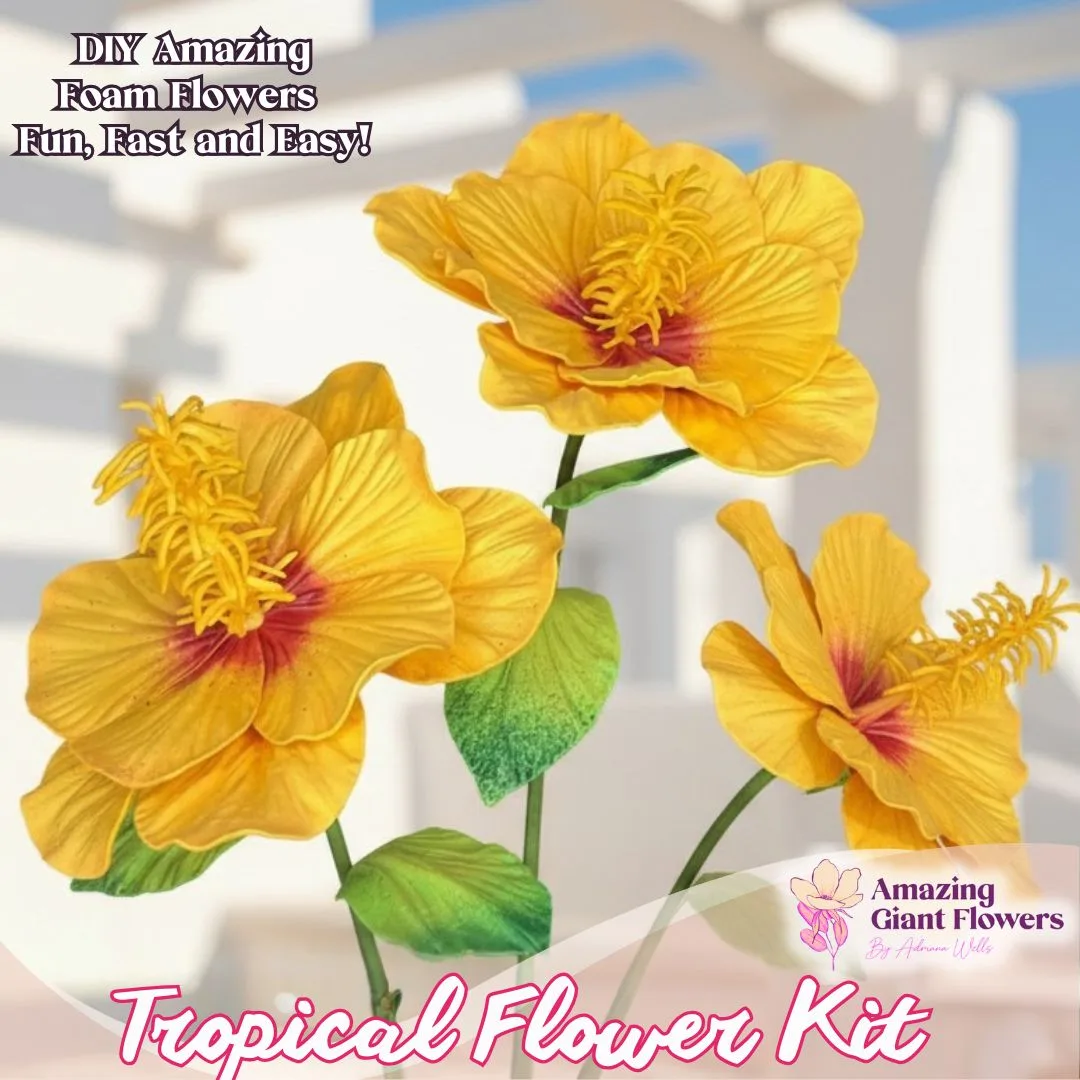
Real Touch Tropical Flower Foam Kit — Large DIY Hibiscus Blooms with Reusable Double-Sided Mold, Pre-Cut Petals, Bud & Leaves
Real Touch Star of Bethlehem Foam Flower Kit — Large Tropical DIY Blooms (Star of Jerusalem) with Golden Pistils, Reusable Mold & Pre-Cut Petals
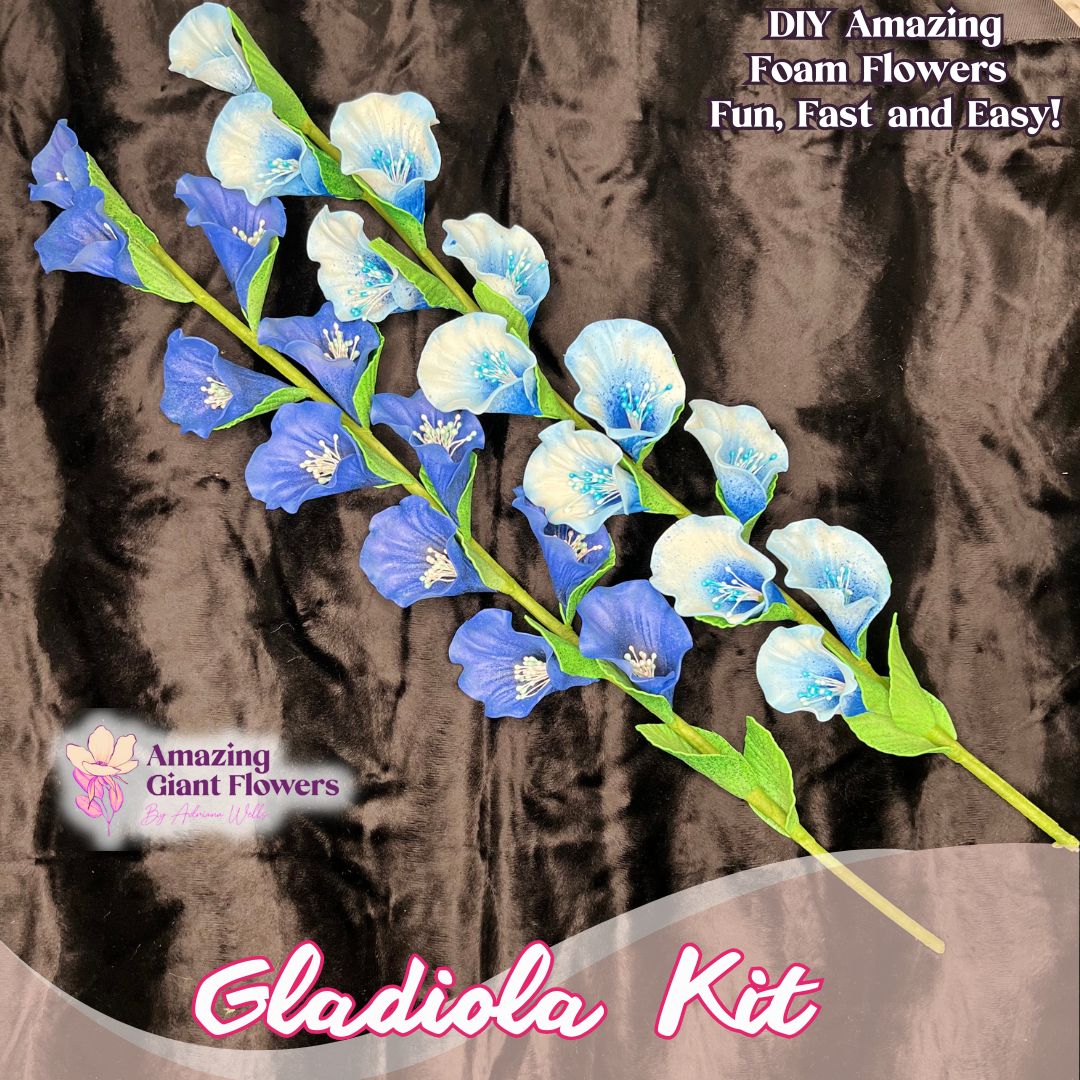
Real Touch Gladiolus Foam Flower Kit (Gladiola) — Two Tall 24" DIY Stems with Reusable Mold, Pre-Cut Petals & Leaves
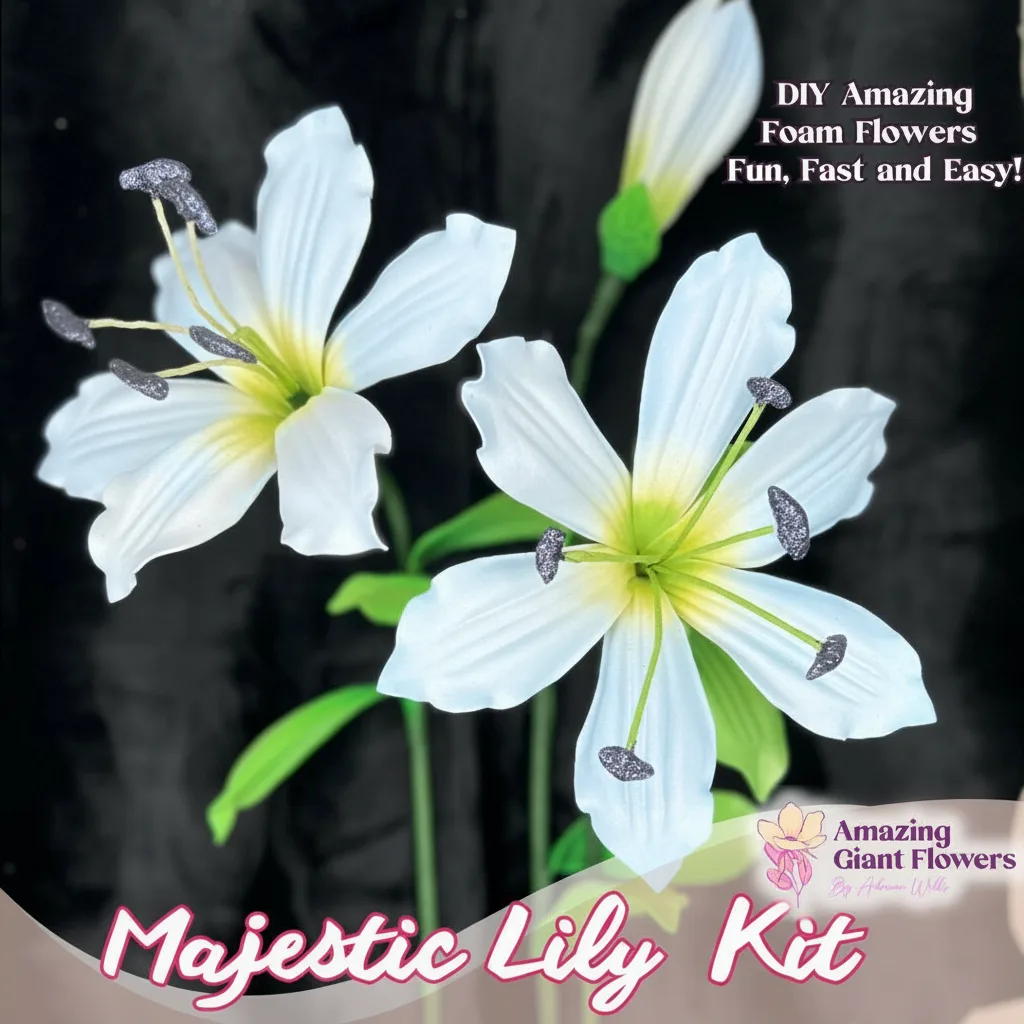
Real Touch Lily Foam Flower Kit — Realistic DIY Oriental Lilies with Reusable Mold & Pre-Cut Petals

Written by
Adriana WellsFounder & CEO of Amazing Giant Flowers
Adriana Wells is the founder and creative force behind Amazing Giant Flowers, a Texas-based company specializing in handcrafted giant foam flowers, luxury floral installations, and DIY flower-making supplies.
More about Adriana →Ready to Create Something Amazing?
Browse our collection of giant flower kits and start your next project today.