Gumpaste Petal Molds: A Cake Decorator's Shortcut to Realism
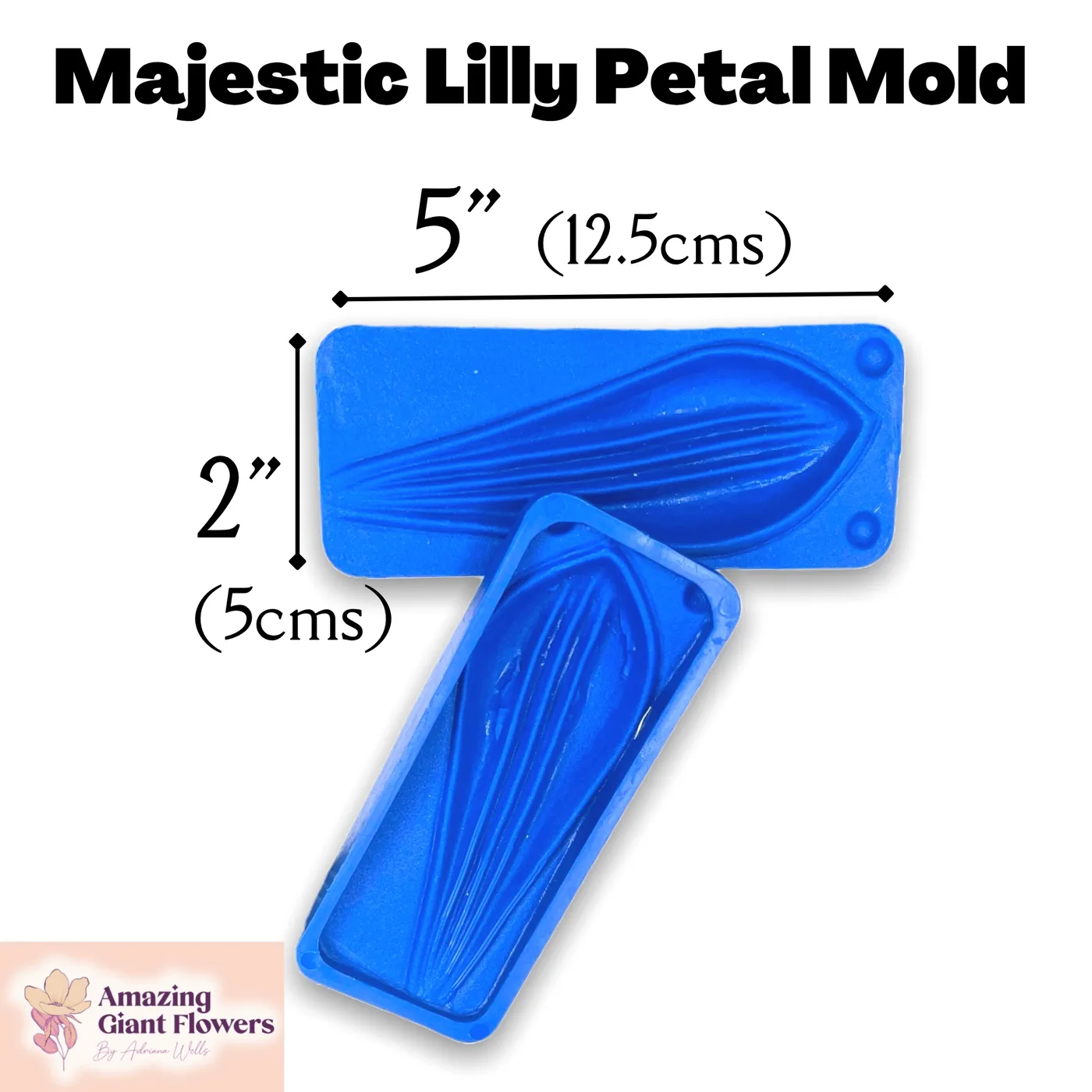
If you've ever spent 45 minutes hand-veining a single rose petal with a silicone tool, you already know the frustration. Your hands cramp. The gumpaste starts drying. And honestly? The result still doesn't look quite like a real flower. That's exactly where a good gumpaste flower mold changes everything — and I mean everything.
I started making sugar flowers years ago, and the turning point for me wasn't some fancy class or a new brand of paste. It was the moment I pressed a petal into a double-sided mold and pulled out something that looked like it came straight off a living bloom. The veining, the midrib, the subtle texture along the edges — all of it, in about three seconds flat.
So if you're a sugar artist who wants to level up your work without adding three hours to your workflow, this is for you. Let's talk about what these molds actually do, why the veining matters so much, and how to get the most out of them every single time.
Key Takeaways
Here's the thing about sugar flowers that separates the good ones from the jaw-dropping ones: texture. Specifically, veining.
When you look at a real rose petal or a real peony, your eye isn't just seeing color and shape. It's reading all those tiny raised lines — the midrib, the lateral veins, the micro-texture on the surface. Your brain processes all of that and says yes, that's real. When those details are missing from a sugar flower, something feels off, even if the viewer can't name exactly why.
Hand-veining can get you there. But it takes serious skill, serious time, and even then, it's inconsistent from petal to petal. A quality gumpaste flower mold solves all three of those problems at once.
The veining is what your eye believes. Get that right, and the whole flower becomes convincing.
What a Double-Sided Mold Actually Does
A double-sided mold has two matching halves. You roll your gumpaste thin, lay it in the bottom half, press the top half down, and when you open it — instant petal. Both sides textured. Both sides veined. The midrib raised exactly where it should be.
It's not a shortcut in the lazy sense. It's a shortcut in the smart sense. You're compressing hours of hand-work into seconds so you can spend your energy on assembly, color, and the finishing details that really make a piece sing.
Veiner sheets are flat silicone sheets that add texture but don't shape the petal. You still have to cut the petal separately. Full petal molds — like the ones in our flower mold collection — cut AND vein in one press. That's a meaningful difference when you're making 200 petals for a tiered wedding cake.
Not all molds are created equal. I've tried a lot of them over the years, and the quality gap is real. Here's what I look for — and what you should too.
The veining detail in the mold itself needs to be deep enough to actually transfer to gumpaste. Too shallow, and you get a vague impression that disappears when the paste dries. You want crisp, defined lines that hold their shape even after dusting and steaming.
This one is non-negotiable. If you're pressing gumpaste into a mold that's going onto an edible cake, the mold has to be food-safe. Our molds are made with food-safe compatible materials, so you can use them with confidence for sugar work.
Life-size petals are the goal for realistic sugar flowers. Not oversized, not miniaturized — life-size. That's what creates the most convincing botanical effect on a cake. When the rose petal is the same size as an actual rose petal, your brain just accepts it as real.
💡 Pro Tip
Roll your gumpaste to about 1–2mm thickness before pressing. Too thick and it won't pick up fine vein detail. Too thin and it tears when you open the mold. A pasta machine set to the second-thinnest setting is usually perfect.
Ok, this is where it gets really fun. Let me walk you through the process I use, because there are a few little tricks that make a big difference.
Knead your gumpaste until it's smooth and pliable. If it's cracking, it's too dry — add the tiniest smear of vegetable shortening and work it in. Cold paste is stiff paste, so if your kitchen is cool, warm it in your hands for a minute first.
Lightly dust both halves of the mold with cornstarch. I use a small fluffy brush and tap off the excess. You don't want buildup in the veins — that fills in the detail and defeats the whole purpose.
Place your rolled paste in the bottom half, lay the top half on, and press firmly and evenly. Hold for about 5 seconds. Don't twist or shift — just straight, even pressure. Then open slowly from one side, like peeling back a page.
Gently peel the petal out. If it sticks, you need a tiny bit more cornstarch next time. Now cup it, curl the edges, or let it dry over a former to get your natural curve. This is where you add that lifelike movement — no two petals should look exactly the same in their final position.
Let petals dry completely — usually 24 hours minimum for gumpaste. Then dust with petal dusts in layers, building color from the base outward. A quick pass with a steamer sets the color and gives that gorgeous fresh-petal sheen. That steam step is what makes people do a double-take.
I want to be real with you here. There are other ways to get veining into sugar petals. Let me lay them all out so you can decide what makes sense for your work.
Honestly? The double-sided mold wins on almost every metric. The only scenario where I'd hand-vein is if I'm making a single statement bloom and I want to add truly custom detail on top of a mold-pressed base.
Here's something that surprises a lot of sugar artists when they first discover our molds: they work for foam flowers too.
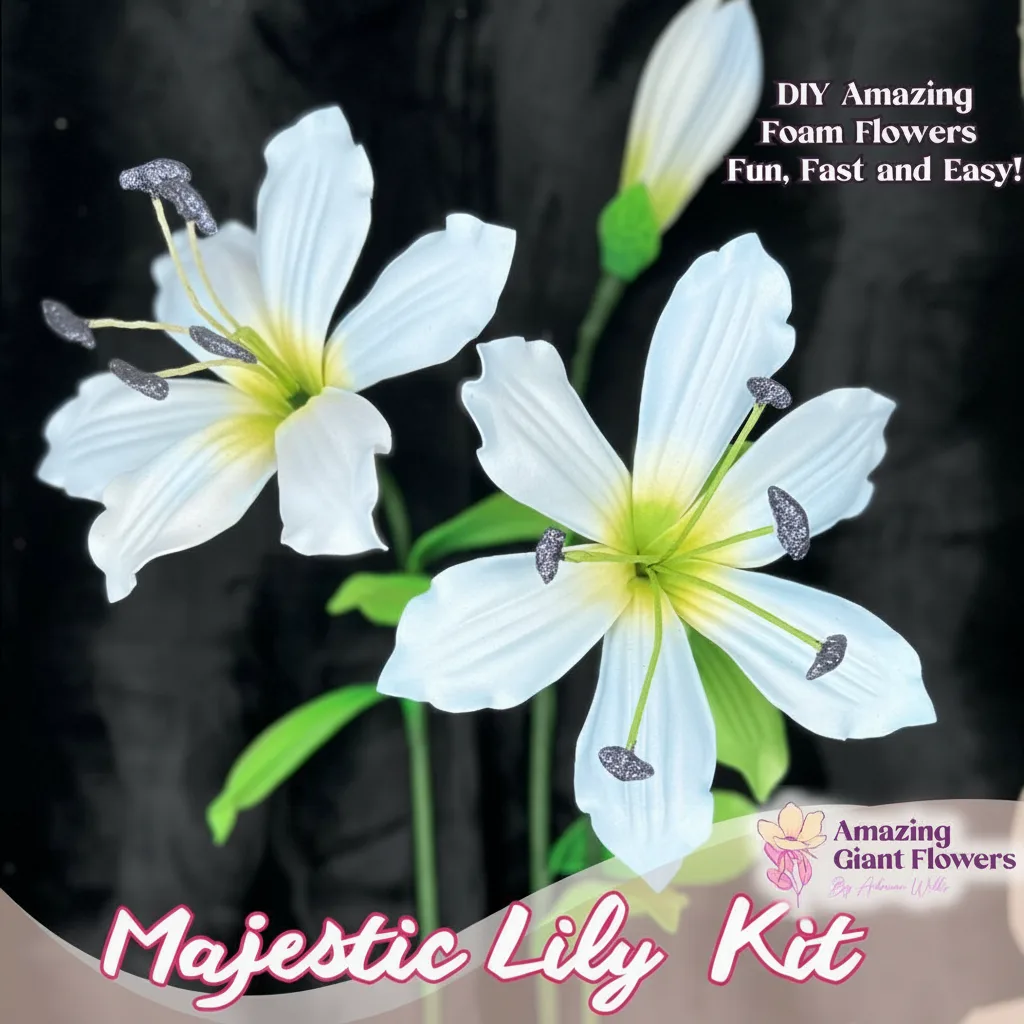
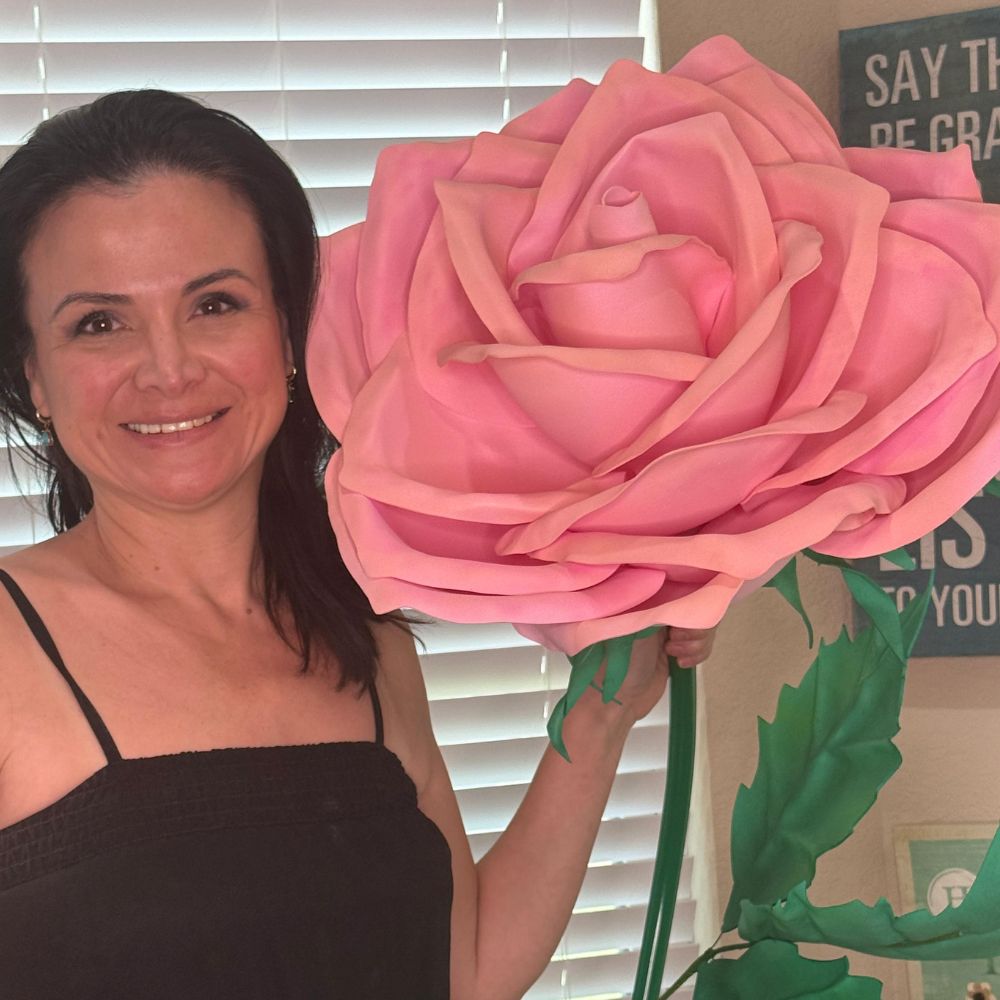
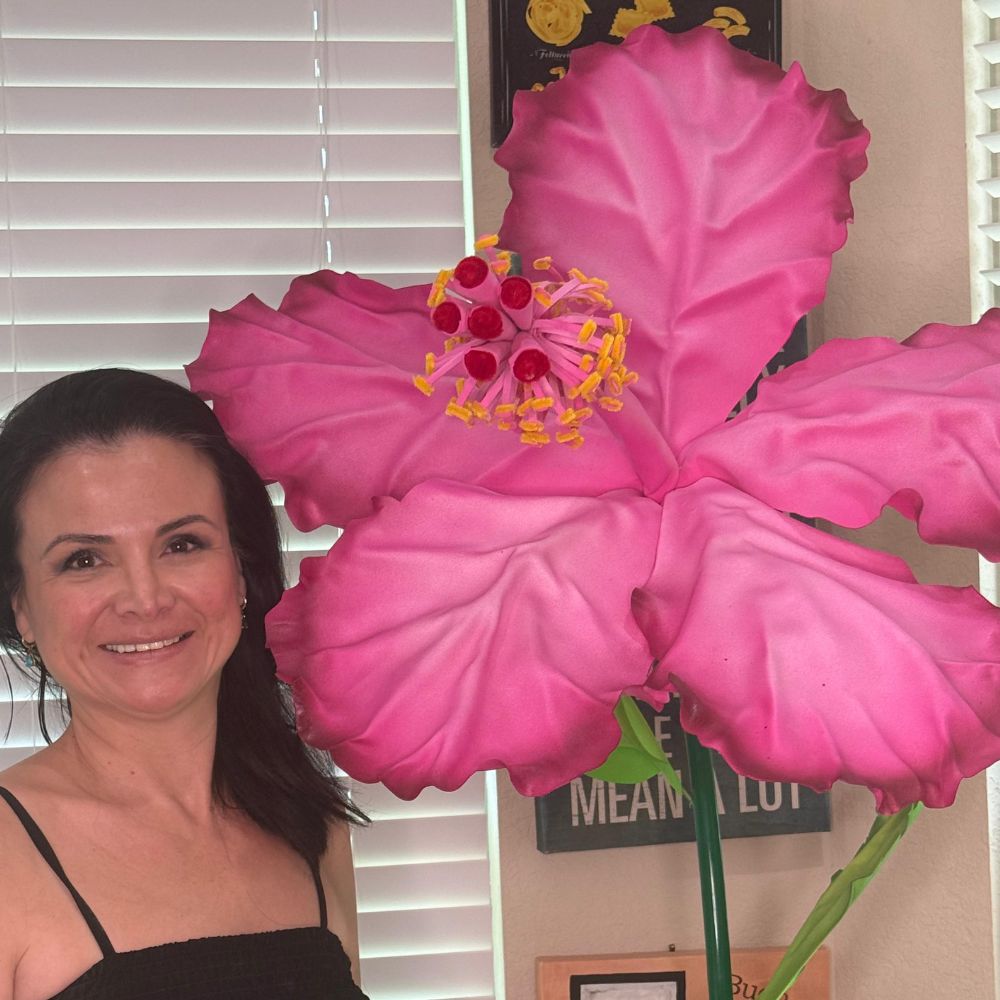
The same mold that gives you a perfect gumpaste rose petal can be pressed into EVA foam to create a life-size foam flower for a wedding arch or event backdrop. So if you ever want to branch out — or if a client asks for decorative flowers that aren't edible — you already have the tools. Check out our life-size foam flower kits and our EVA foam if you're curious about that side of things.
It's one investment that serves two completely different creative worlds. I love that about these molds.
🌸 Ready to get started?
Browse our flower mold collection and find the perfect petal mold for your next sugar art project.
These molds are built to last. We're talking hundreds of uses without losing detail — but only if you treat them right. Here's my routine:
Treat them well and they'll be your most-used tool in the whole studio. I have molds I've been using for years that still produce crisp, beautiful impressions every single time.
I want to be honest with you, because I think that's more useful than a sales pitch.
If you make one or two sugar flowers a year for fun, you might not need a full mold collection. A couple of good veiner sheets might do the trick.
But if you're taking on wedding cakes, competition pieces, or any project that requires 50+ petals? These molds are not a luxury. They are a business decision. The time you save — and the consistency you gain — directly impacts your bottom line and your sanity.
One of my customers, a cake artist in Austin, told me she used to spend an entire day just on the flowers for a single wedding cake. After switching to molds, she cut that down to a few hours. Same quality. Less than half the time. That's the difference.
Working smarter isn't cheating — it's how you take on more clients, make more money, and still love what you do at the end of the day.
And if you're ever curious about how foam flowers fit into event design — which is a whole other world I adore — go check out our post on giant foam flowers for wedding arches or browse ideas in our large floral arrangement ideas guide. Lots of crossover inspiration there for sugar artists who also do event styling.
Frequently Asked Questions
Are these molds actually food-safe for gumpaste work?
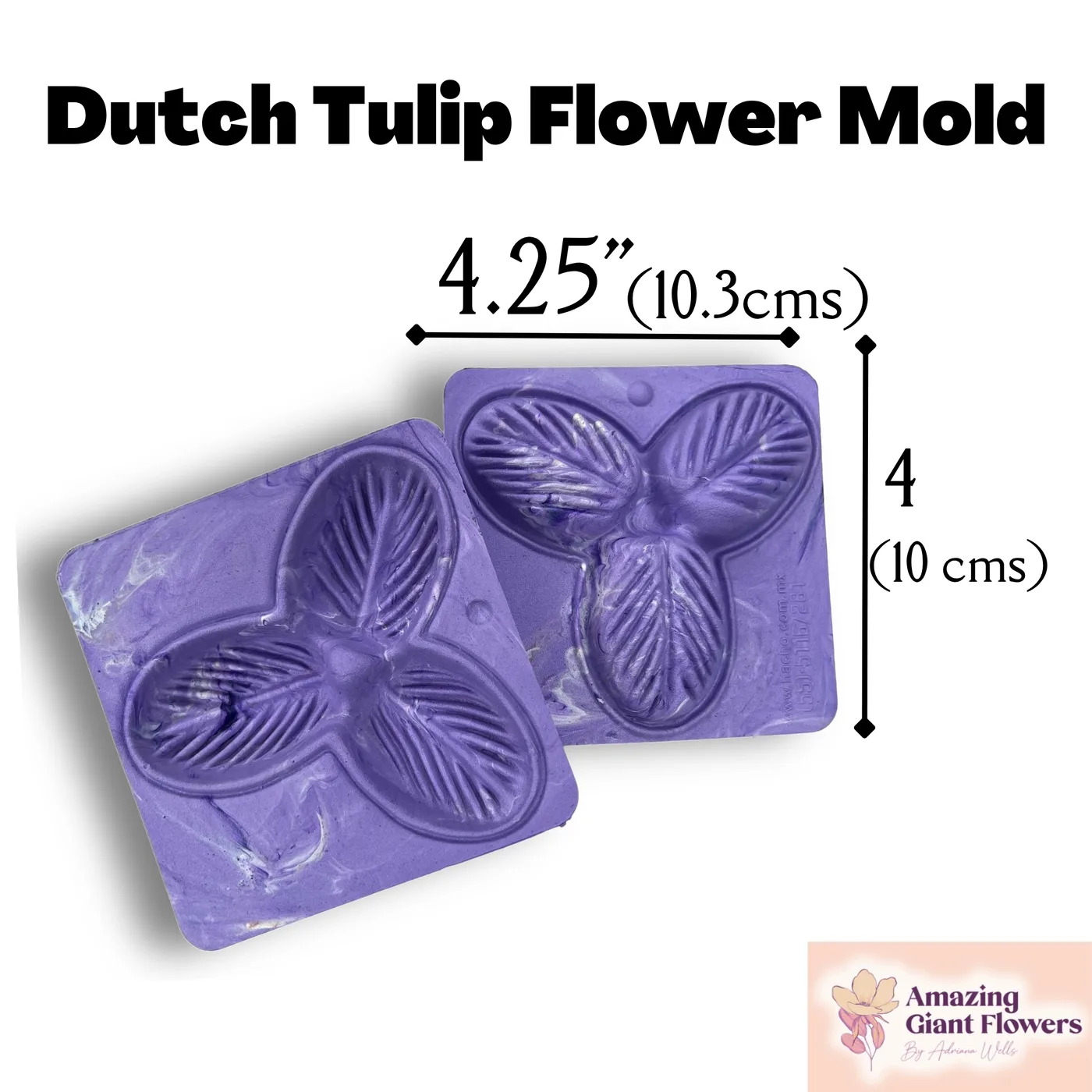
Yes — our molds are made with food-safe compatible materials, which means they're appropriate for use with gumpaste, fondant, and other edible mediums. That said, always use common sense: keep them clean, don't use them for non-food purposes and then switch back to food use, and replace them if they ever crack or degrade.
What's the difference between a gumpaste flower mold and a fondant mold?
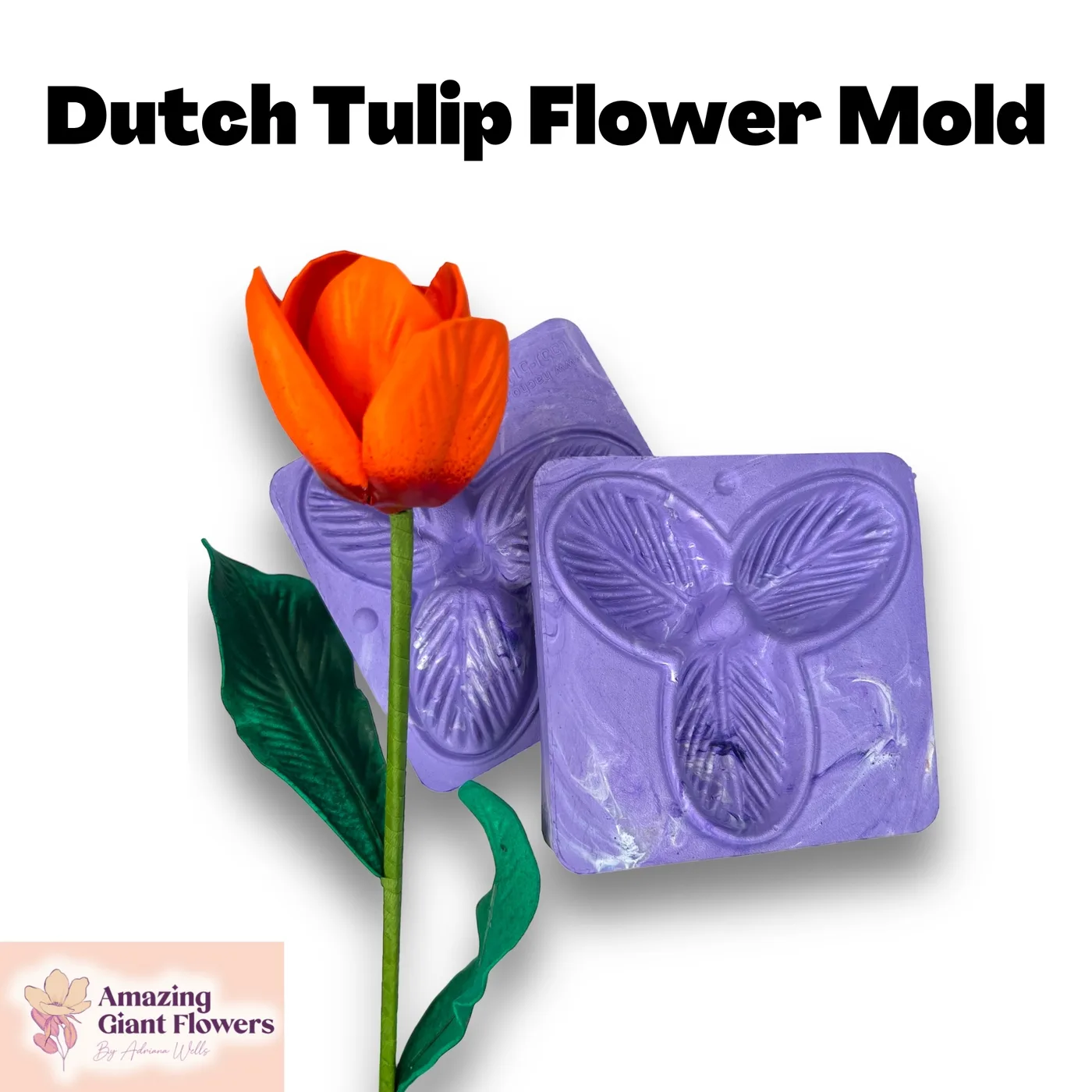
Functionally, the same mold can often work with both gumpaste and fondant. The difference is in the medium itself — gumpaste dries firm and holds fine detail beautifully, which makes it ideal for petals. Fondant stays softer and is better for covering cakes. For realistic sugar flowers with crisp veining, gumpaste (or a 50/50 gumpaste-fondant mix) is the way to go.
Can I use these molds if I'm a complete beginner?
Absolutely. That's actually one of the best things about a quality petal mold — it does the hard part for you. If you can roll paste and press two halves together, you can make a beautiful veined petal. The mold handles the botanical accuracy. You just focus on shaping, drying
Ready to Create Something Amazing?
Browse our collection of giant flower kits and start your next project today.