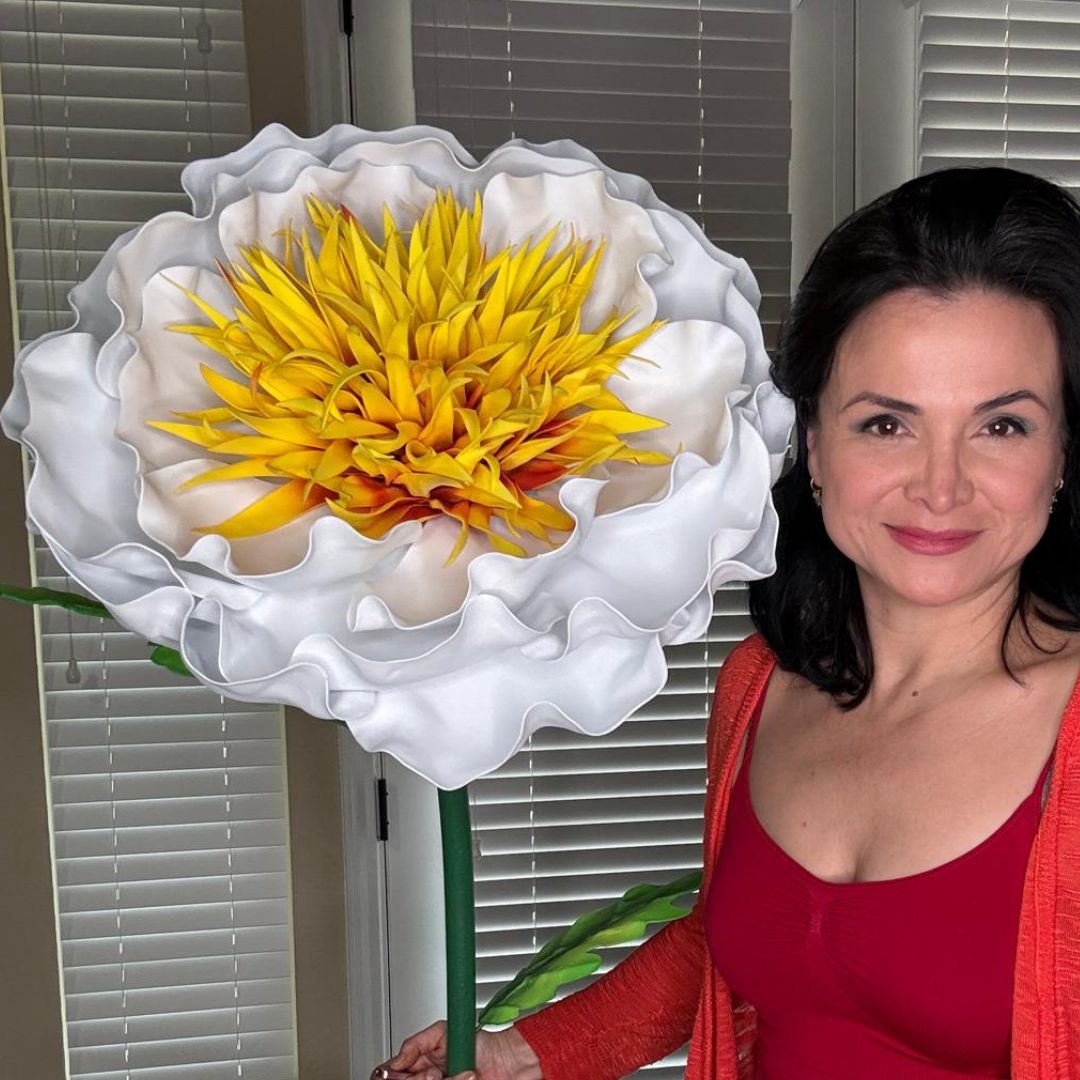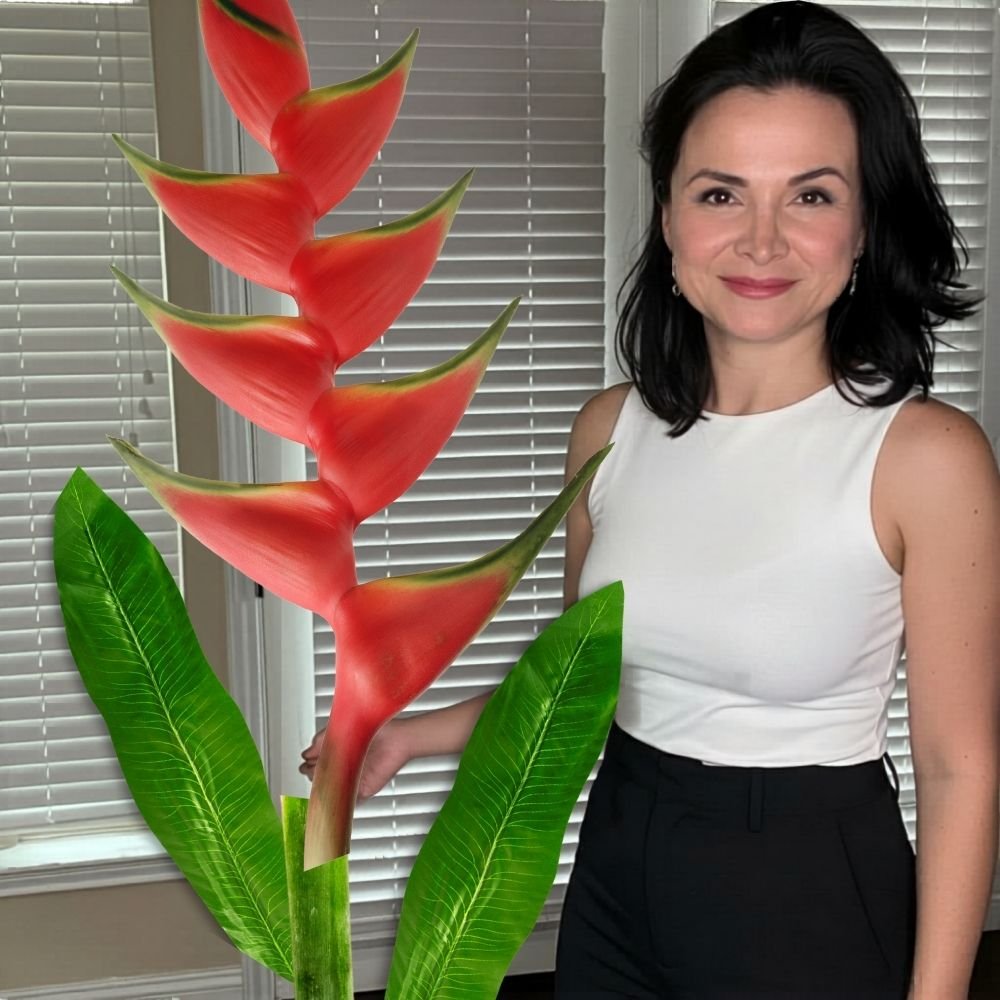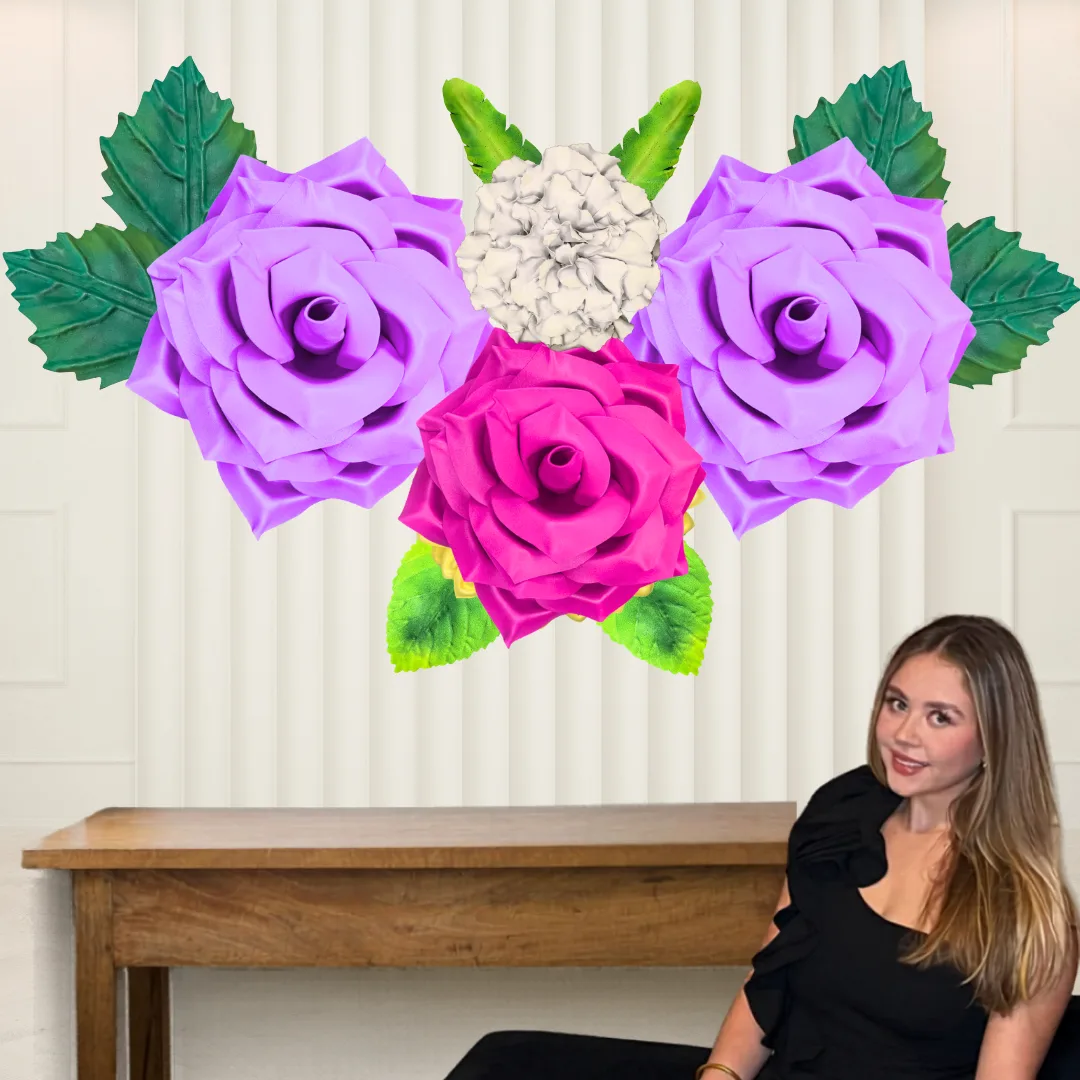
How Realistic Are They? A Close-Up Look
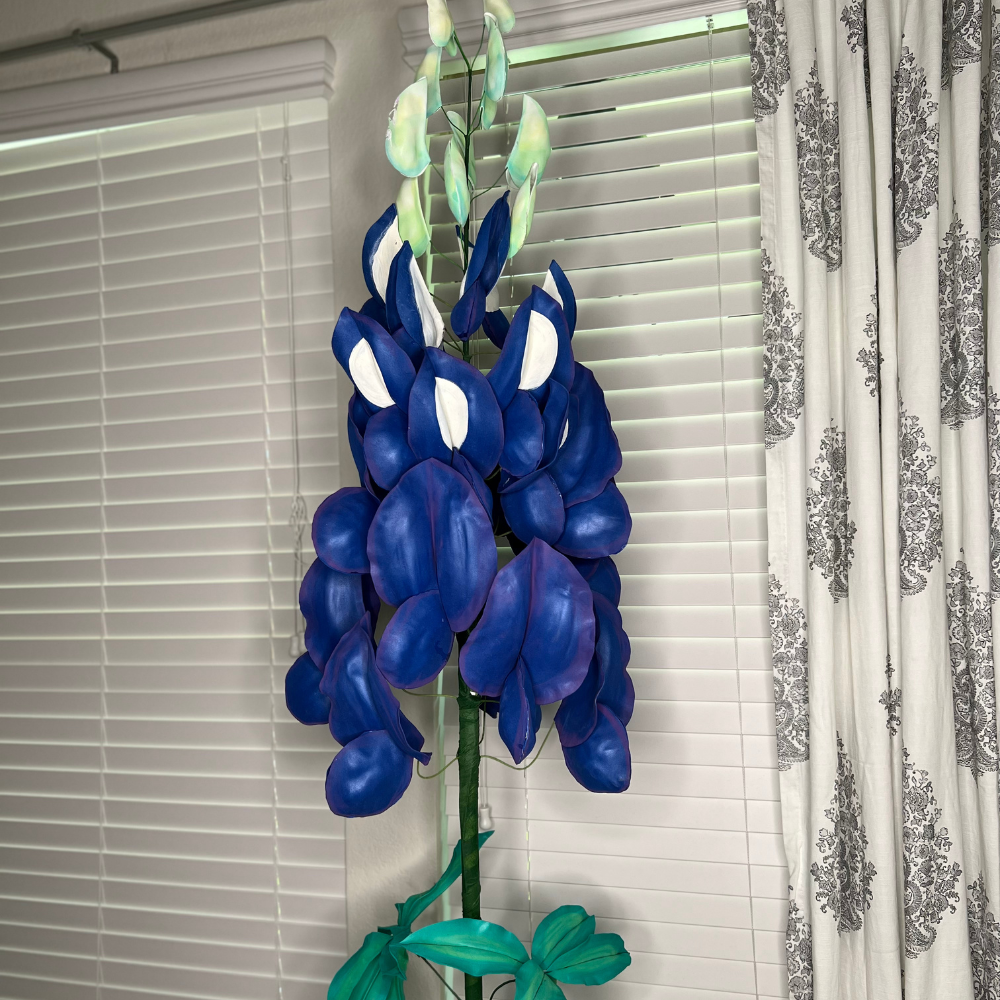
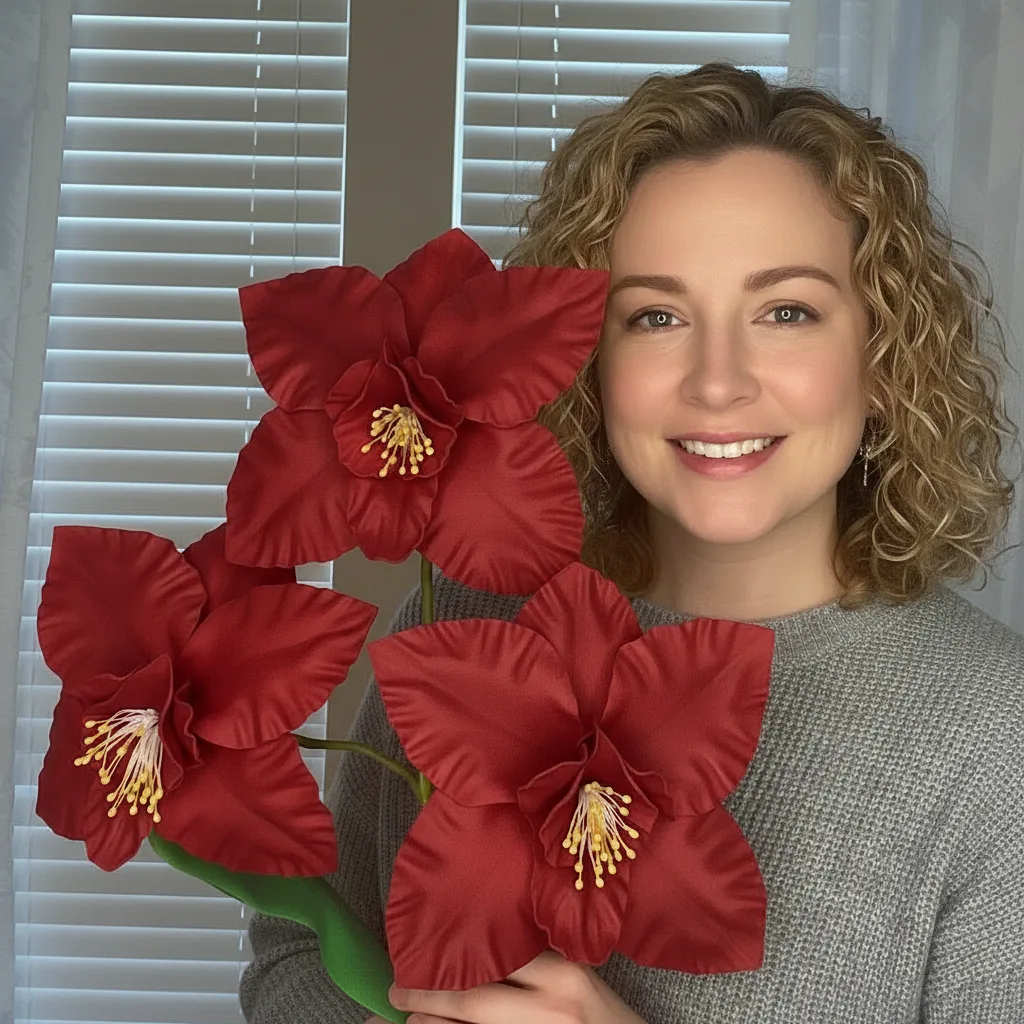
I get it. You've seen foam flowers before — maybe at a craft fair or in someone's Instagram reel — and you thought, okay, cute, but are they actually fooling anyone? That's a fair question. And honestly, it's the one I get asked more than almost any other. So let me just show you, up close, exactly what makes our realistic foam flowers different from anything you've probably seen before.
Because here's the thing: I didn't start this business to sell something that looks "pretty good for fake." That was never the goal. The goal was always fool-the-eye detail — the kind where someone reaches out to touch a petal because they genuinely aren't sure if it's real.
If you're skeptical, good. You should be. There's a lot of mediocre stuff out there. But give me a few minutes and I'll walk you through exactly what you're looking at when you open one of our Life-Size Foam Flower Kits — and why the details matter way more than you might think.
Key Takeaways
When most people say a fake flower looks "realistic," they mean it's vaguely the right color and shape. That's a pretty low bar.
Real realism is about texture, dimension, light interaction, and proportion. It's about whether the petal curves the way a real petal curves. Whether the surface catches light the way a fresh bloom does. Whether the whole flower has that slightly imperfect, organic quality that living things have.
Most kits — even some popular ones — miss on at least two of those four. They get the color right but the texture is plasticky. Or the shape is close but every petal is perfectly identical, which is actually a dead giveaway that it's artificial.
The Four Realism Factors We Obsess Over
- Texture: The real-touch foam surface has a soft, slightly matte finish that diffuses light instead of reflecting it in a flat, shiny way.
- Dimension: Heat-shaped petals hold a natural curl and curvature — they're not flat. Flat = fake, every time.
- Proportion: Our pre-cut petals are sized to match actual flower species — not just "flower-shaped."
- Organic variation: Because you're assembling each bloom by hand, no two flowers are identical. That slight variation is exactly what makes them look real.
The Real-Touch Finish — Let's Talk About It
Ok, this is where it gets really fun. The material itself is doing a lot of heavy lifting here, and I want to give it the credit it deserves.
The foam we use for our Crafter Line kits has what I call a real-touch finish. It's not the stiff, squeaky craft foam you find at a dollar store. It's not the shiny stuff that screams "I am fake, please don't look too closely." It's a soft, pliable EVA-based foam with a surface coating that feels almost velvety — similar to the slightly waxy, delicate feel of a fresh rose petal or a ranunculus bloom.
When people pick up one of our finished flowers at a market or event, the first thing they do is rub the petal between their fingers. And then their eyebrows go up. That reaction never gets old.
If you want to go deeper on the material science of why EVA foam works so well for this kind of project, I wrote a whole guide on every type of foam for flowers — it's worth a read before you buy anything.
I have so much respect for paper flower artists — the skill involved is real. But paper has a fundamental limitation: it looks like paper. Even the most beautifully crafted Lia Griffith-style crepe paper flower has that slightly translucent, papery quality that your brain recognizes immediately.
Foam doesn't have that problem. The material itself reads as organic. And unlike paper, it won't wilt, tear, or absorb humidity. If you're doing an outdoor summer wedding in Houston — trust me on this one — that matters enormously.
I actually broke down the full comparison in a dedicated post: Foam Flowers vs Paper Flowers: Which Is Better for Events? — go check it out if you're still on the fence about materials.
Pre-Cut Petals + Included Molds: Why This Changes Everything
Here's something skeptical shoppers often don't realize: the cutting and the shaping are where realism lives or dies.
If your petals are cut freehand or with a generic template, you get inconsistency — and not the good, organic kind. You get wobbly edges, petals that don't layer correctly, and a flower that looks homemade in the wrong way.
Our kits come with pre-cut petals — every single one already cut to the exact right shape and size for that specific flower variety. No tracing, no cutting, no margin for error. And the included mold? That's what gives each petal its dimensional curve.
You press the foam petal into the mold, apply gentle heat, and the foam takes the shape permanently. We're talking botanically accurate veining, curvature, and petal structure — the kind of detail that makes a peony look like a peony and not just a "flower."
If you're curious about the heat-shaping process, I have a detailed tutorial on heat gun techniques for shaping foam flower petals that walks you through it step by step. It's genuinely one of my favorite parts of the whole process.
💡 Pro Tip
When you press the petal into the mold, hold it for a full 10–15 seconds after you remove the heat. The foam needs a moment to "set" in the new shape. Rushing this step is the number one reason petals lose their curve. Patience = realism.
You can also browse our standalone flower molds collection if you already have foam and want to expand your variety.
Let me just put this in a table so we can all see it clearly. I'll compare our Life-Size Foam Flower Kits against paper flower kits (think Lia Griffith style) and generic craft foam kits you might find at a big-box store.
I want to be honest with you, because I think that's more useful than a sales pitch.
Our Life-Size Foam Flower Kits are not for someone who wants to throw together a quick decoration in 20 minutes. There's a process — heat shaping, layering, assembly — and it takes a little time and attention. That's exactly why the results look the way they do.
These kits are perfect for:
- Wedding decorators and DIY brides who want breathtaking backdrops without a $3,000 florist bill — check out our guide on foam flowers for wedding arches for inspo.
- Event stylists building photo booth backdrops, brand activations, or statement centerpieces that need to photograph beautifully.
- Crafters who care about quality and want a finished product they're genuinely proud of — not something that looks "pretty good for fake."
- Small business owners using flowers for visual merchandising or window displays that need to last season after season.
🌸 Ready to see them for yourself?
Browse our full Life-Size Foam Flower Kits collection and find the bloom that stops people in their tracks.
One of my brides told me she displayed her foam peonies on the ceremony arch and didn't tell a single guest they weren't real. Not one person asked. Her photographer even commented on how beautifully the flowers photographed — that soft, diffused petal surface is genuinely incredible on camera.
That story stuck with me because it captures exactly what I'm going for. Not "impressive for fake flowers." Just impressive.
The details that make that possible:
- Layered petal construction — real flowers have depth because petals overlap and cast shadows on each other. Our assembly method replicates that exactly.
- Color graduation — you can paint or blend colors across the foam surface, creating the subtle tonal shifts you see in real blooms. Our EVA foam takes paint beautifully.
- Center detail — stamens, pistils, the little textured center of a ranunculus — these finishing details are what separate a good flower from an extraordinary one.
- Natural imperfection — because you're hand-assembling, each flower is slightly unique. That variation is your secret weapon.
"Not 'impressive for fake flowers.' Just impressive. That's the only standard worth working toward."
Frequently Asked Questions
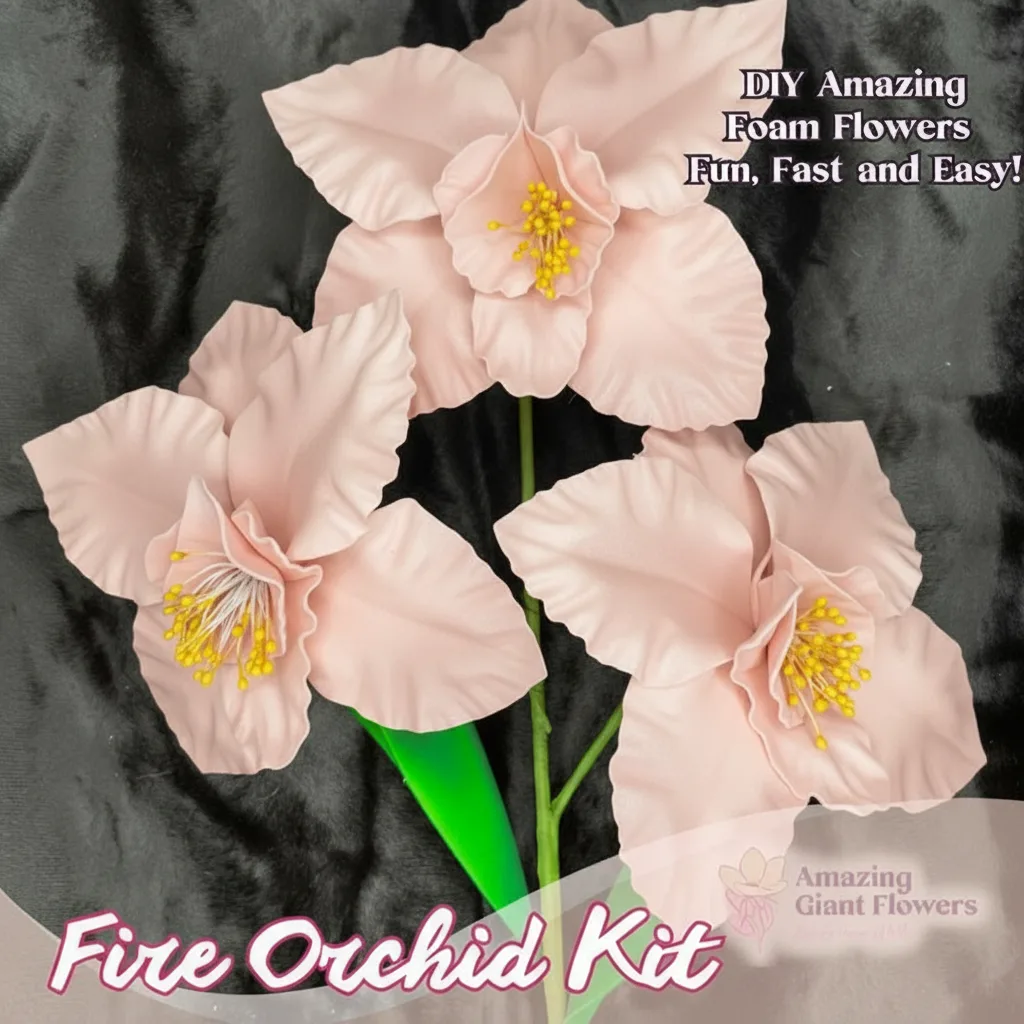
Do realistic foam flowers actually fool people in person, not just in photos?
Yes — and honestly, in-person is where they shine most. Photos can make almost anything look good with the right lighting and angle. But when someone is standing two feet away from one of these blooms and still reaches out to touch it to check? That's the real test. The real-touch surface texture and three-dimensional petal shaping are what make that possible. Photos are just a bonus.
How long does it take to make one flower from the kit?
Once you've done it once or twice, most flowers take 30–60 minutes per bloom depending on the variety and petal count. A simple tulip is faster; a lush peony or ranunculus with dozens of petals takes longer. The first one always takes a bit more time while you're learning the shaping process — and then it clicks, and you fly through the rest.
Can I paint or customize the foam to match a specific color palette?
Absolutely, and this is one of my favorite things about working with foam. The real-touch surface accepts acrylic paint, foam paint, and even airbrush really well. You can create ombre effects, deepen the center color, add blush-tipped edges — anything you'd see in a real flower. If you're new to painting on foam, my guide on painting on foam core is a great starting point for technique.
Are these kits good for beginners, or do I need crafting experience?
Ready to Create Something Amazing?
Browse our collection of giant flower kits and start your next project today.