Museum & Gallery Floral Art: Giant Flower Installations That Wow
Key Takeaways
- Museum exhibition floral art installations work best when scale, material durability, and thematic storytelling are designed together from the start.
- EVA foam flowers are the go-to professional choice for long-running gallery installations — they're lightweight, customizable, and built to last months without wilting.
- Giant flowers (2–5 feet tall) create the strongest visual impact in high-ceiling gallery and atrium spaces.
- Budget-conscious institutions can achieve stunning results using pre-cut DIY kits, reducing installation costs by 40–60% versus custom fabrication.
- Brands like Disney and Dolce & Gabbana have already proven that oversized floral art translates into serious audience engagement and social media reach.
Why Museums and Galleries Are Embracing Giant Floral Art
According to a report by the American Alliance of Museums, museums in the US attract over **850 million visits per year** — more than all major league sports combined. Institutions are competing fiercely for that attention, and experiential design is winning. Giant floral art delivers on multiple levels at once. It's photogenic, emotionally resonant, and physically immersive in a way that a framed canvas simply cannot replicate.
The Instagram Effect on Exhibition Design
Real talk? Social media changed everything for exhibition designers. A Statista analysis found that **over 2 billion people use Instagram monthly**. Museums figured out fast that one shareable installation can generate thousands of organic impressions — essentially free marketing. Giant flowers are among the most photographed installation types in experiential spaces. The scale surprises people. The color saturates beautifully on camera. And the "I stood inside a giant flower garden" moment is irresistible to share.From Lobby Accent to Full Immersive Environment
Early floral installations were accent pieces — a cluster of oversized blooms near the entrance, a floral arch over a doorway. Now? Designers are building entire rooms. Floor-to-ceiling petal environments. Flower tunnels that visitors walk through. Ceiling canopies of giant blooms suspended overhead. The ambition has grown because the materials have caught up. EVA foam in particular made large-scale, long-running installations actually feasible for institutions with real budgets and real timelines.Choosing the Right Materials for Museum Exhibition Floral Art Installations
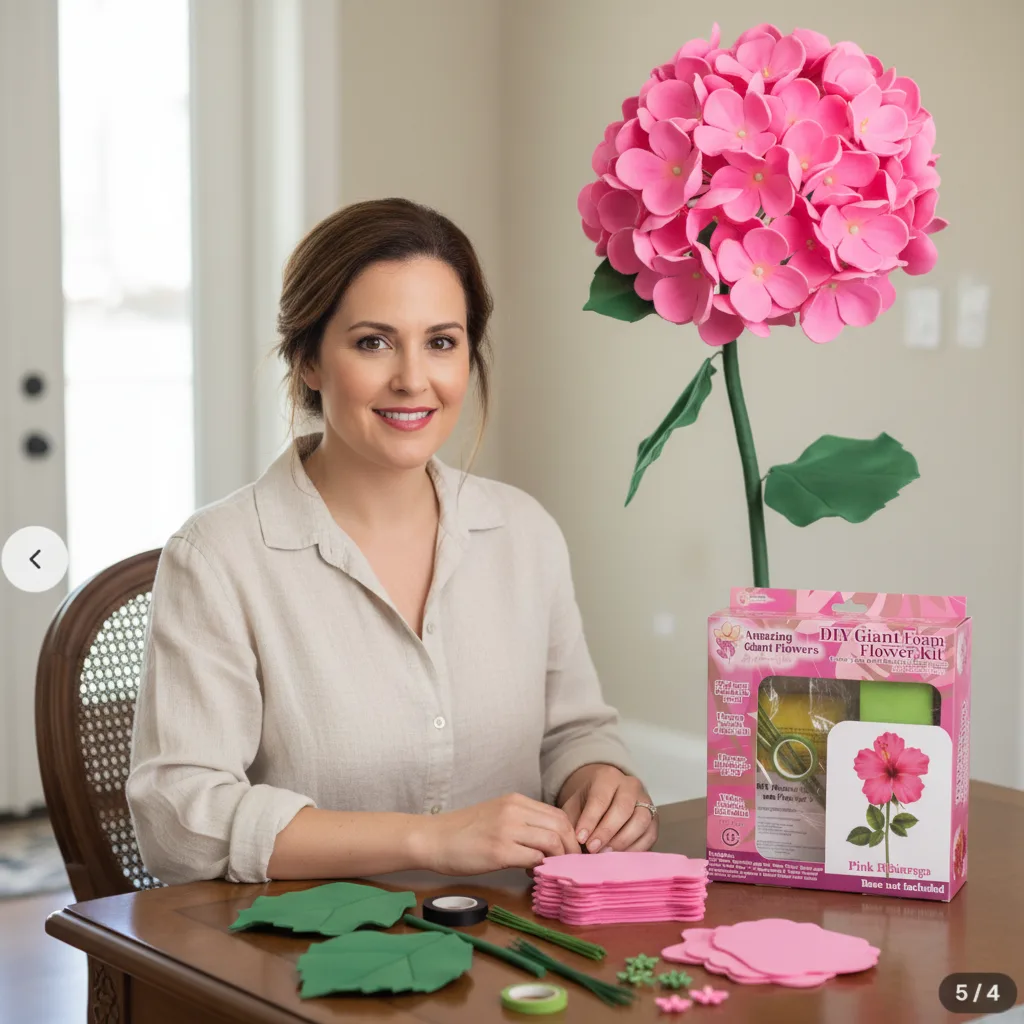
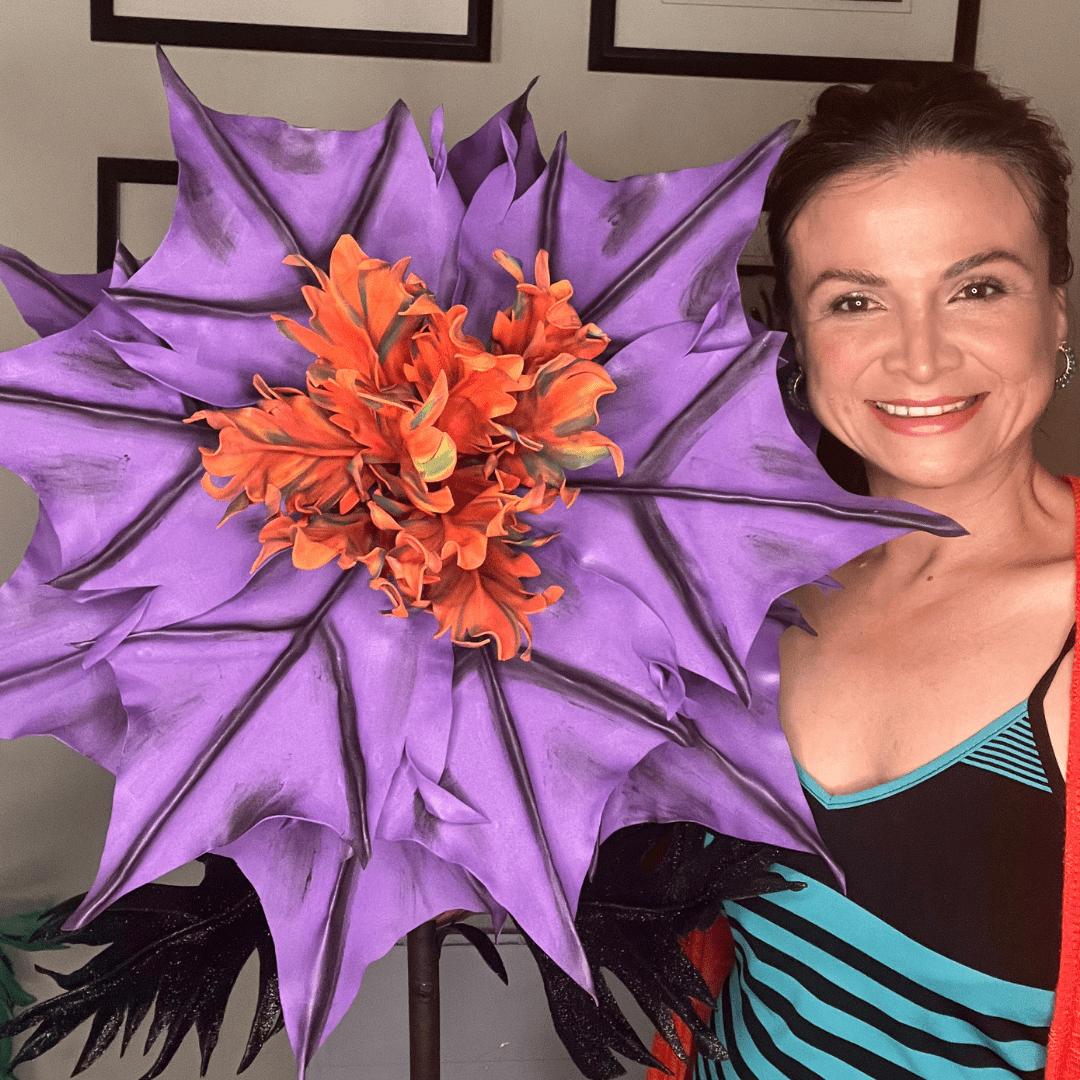
- EVA Foam: The gold standard for professional installations. Lightweight, flexible, paintable, and incredibly durable. A well-made EVA foam flower can look pristine for 6–12 months in an indoor gallery environment. This is what we use at Amazing Giant Flowers.
- Crepe Paper (160gsm+): Beautiful for shorter-run installations or photography sets. Stretches and folds naturally. But it's humidity-sensitive and not ideal for venues with fluctuating climate control.
- Silk and Fabric: Elegant and soft-looking, but expensive to produce at large scale. Best for boutique installations where budget allows for higher per-unit cost.
- Fresh Flowers: Stunning for opening night events, but completely impractical for anything longer than 3–5 days. According to IBISWorld, the US floral industry is worth $7.9 billion — but fresh flowers in installation contexts are high-maintenance and high-cost.
- Cardstock and Paper Pulp: Great for smaller accent pieces and detailed sculptural work. Less ideal as the primary material for large-scale structural blooms.
Why EVA Foam Wins for Long-Running Gallery Shows
When a museum books an installation for a 3-month run, they need materials that hold up. No wilting. No fading under gallery lighting. No structural collapse. EVA foam checks every box. It's the same material used in professional cosplay armor, theatrical props, and — yes — the giant flower installations trusted by Disney and Dolce & Gabbana. Our foam sheets come in 2mm, 4mm, 6mm, and 8mm thicknesses, which means you can engineer petals with exactly the right amount of rigidity and flex. Thin sheets for delicate outer petals. Thicker sheets for structural base layers and stems.Fire Safety and Venue Compliance
This is the detail people forget until it's almost too late. Always check. Most museum and gallery spaces require materials to meet NFPA 701 fire resistance standards for fabric and flexible materials used in public spaces. EVA foam can be treated with fire-retardant spray to meet these requirements. Ask your venue coordinator for their specific requirements before you finalize materials. It's a simple step that saves enormous headaches later.Scale and Proportion: Designing for Gallery Spaces
Mixing Sizes for Visual Depth
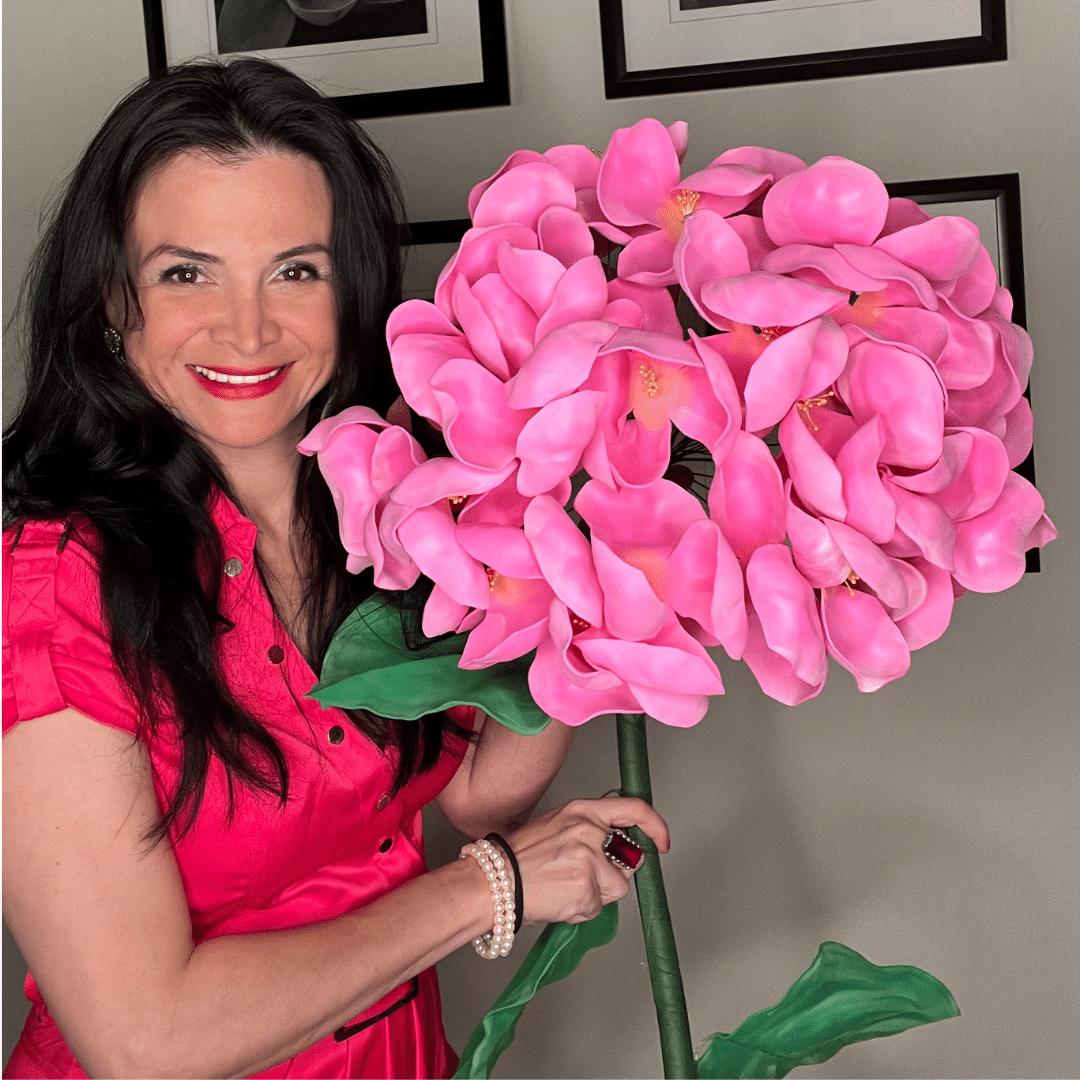
Never use one size. Ever. A room full of identical giant flowers looks flat and repetitive. The most compelling installations layer three size tiers. Hero flowers at 4–5 feet become the anchor points. Mid-size blooms at 2–3 feet fill the middle ground. Accent flowers at 12–18 inches add texture and detail without competing for attention. This is exactly how we design our bundle kits — with variety built in so the finished display feels organic, not manufactured.Freestanding vs. Wall-Mounted vs. Suspended
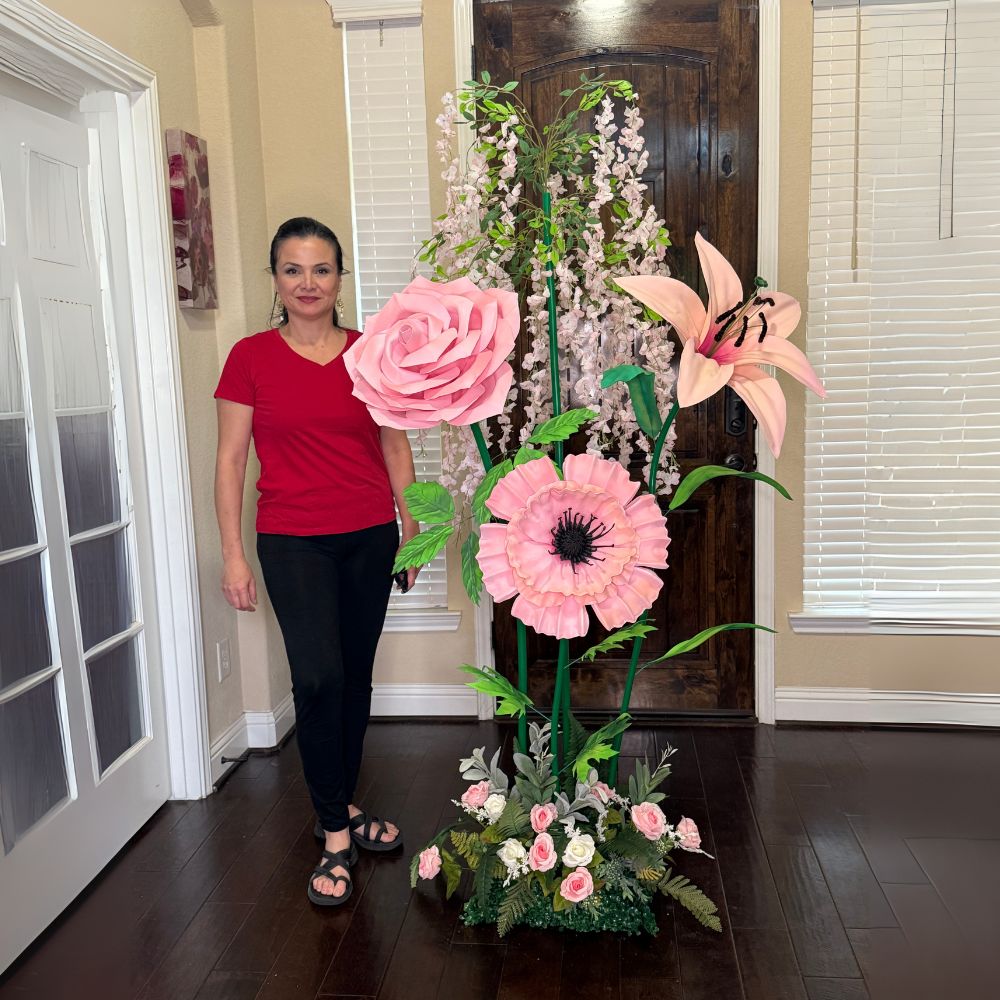
Your mounting strategy changes everything about how a space feels.- Freestanding installations: Maximum flexibility. Flowers on stems or weighted bases can be repositioned. Great for temporary exhibitions. Our Freestanding Giant Flower Kits start around $80–$180 per piece.
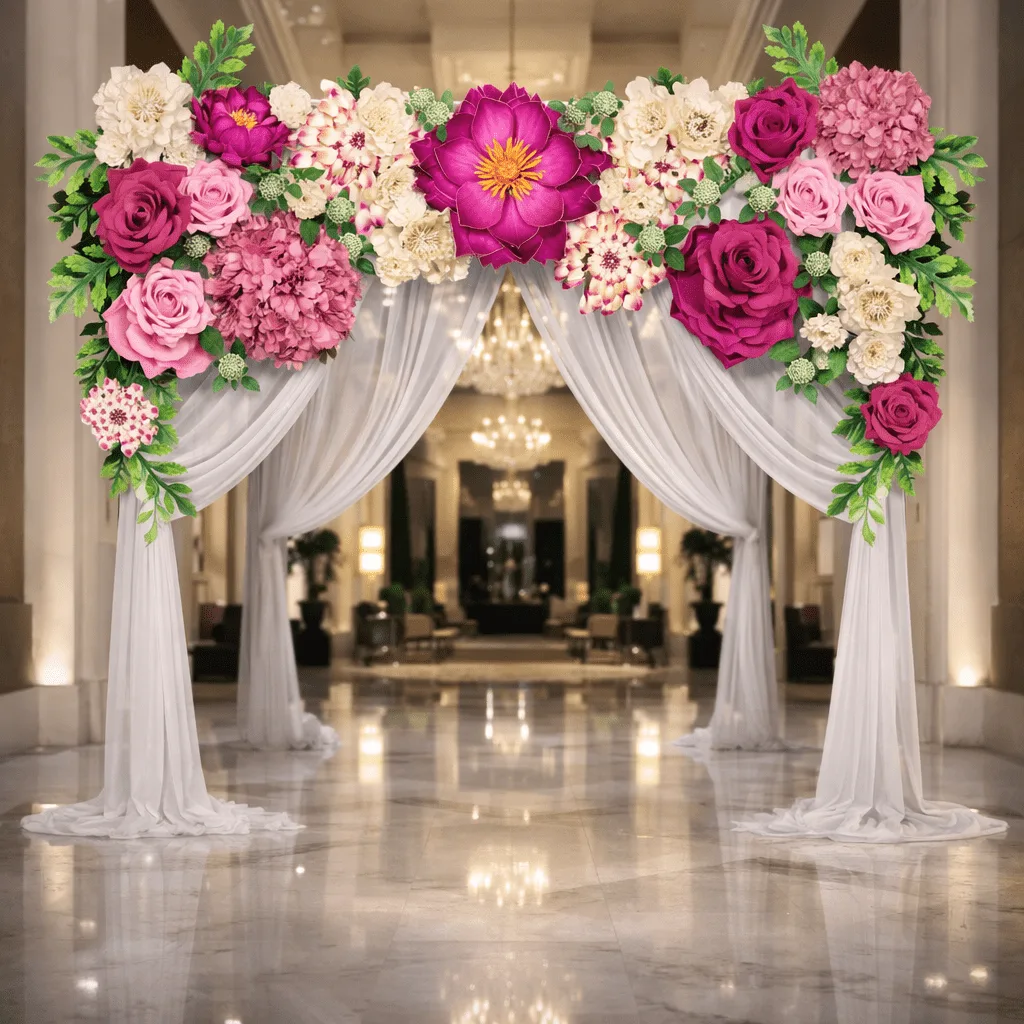
- Wall-mounted panels: Create dramatic backdrop moments. Perfect for photography walls and entrance statements. Wall-Mounted Kits run $50–$120 and go up fast with minimal structural requirements.
- Suspended ceiling canopies: The showstopper option. Flowers hung at varying heights create a dreamy overhead environment. Requires rigging points and load calculations — always work with your venue's facilities team on this one.
Color Strategy for Museum Exhibition Floral Art Installations
Painting and Finishing EVA Foam Flowers
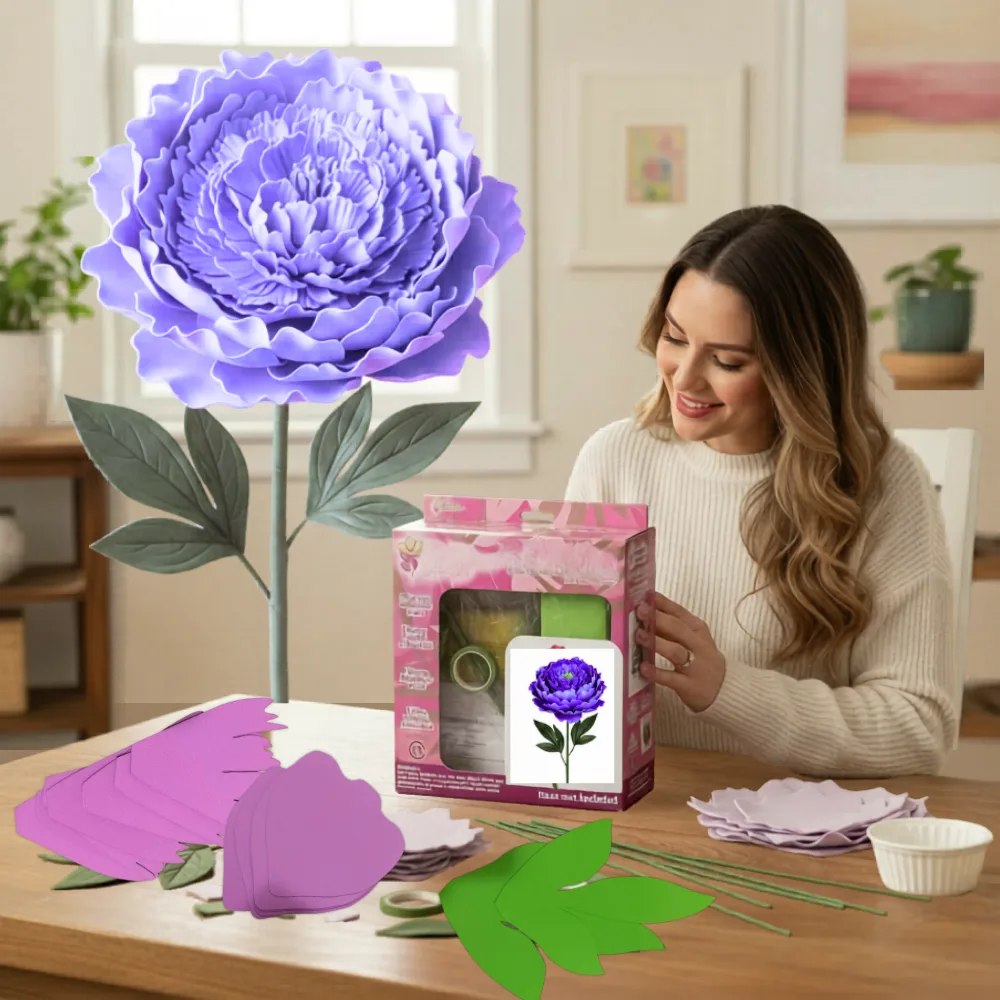
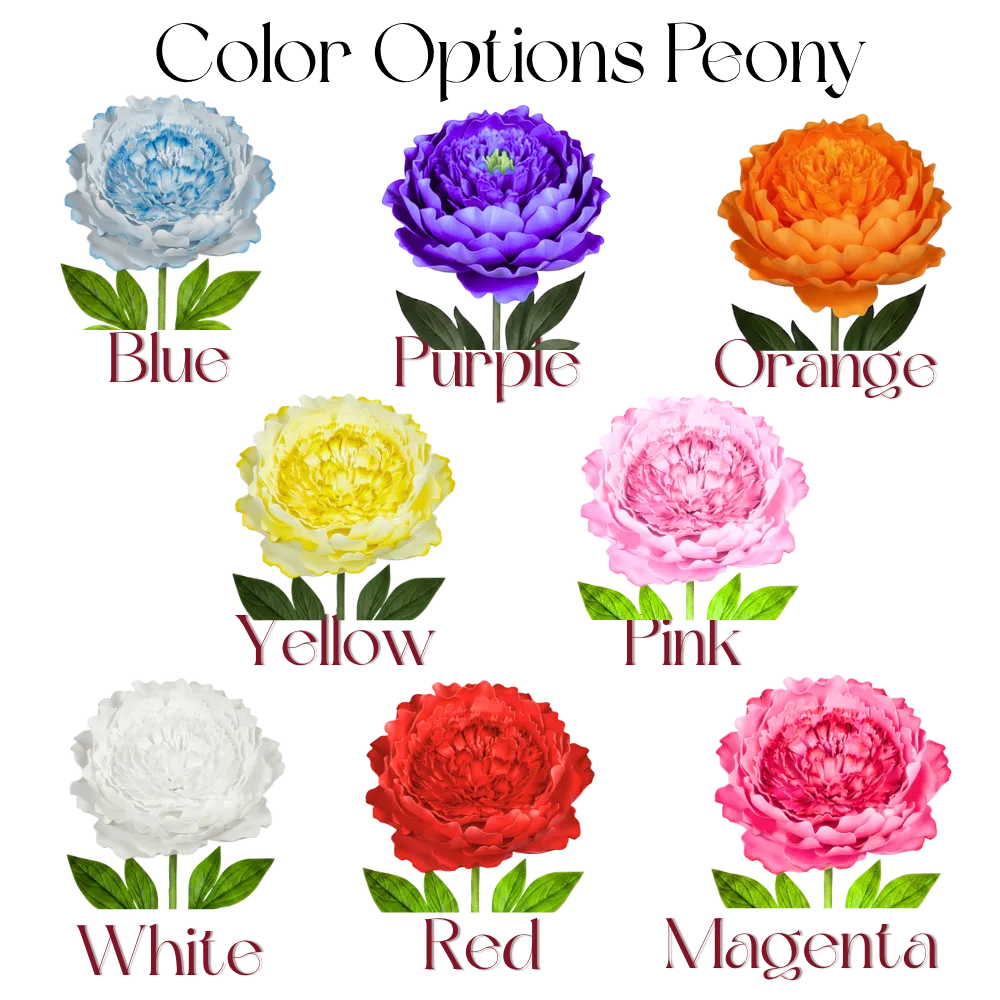
One of the things I love most about EVA foam is how beautifully it takes paint. You can achieve everything from soft watercolor washes to deep saturated hues to metallic finishes. For gallery-quality results, I always recommend acrylic paint with a matte sealer. It gives you rich color without the plastic-looking sheen that can cheapen the effect. If you want to go deeper on technique, our post on flawless foam board paint finishes breaks down the whole process.Coordinating with Exhibition Themes
The best floral installations don't exist in isolation — they respond to the exhibition's content. A natural history museum running a biodiversity show? Botanically accurate giant blooms in species-specific colors create an educational layer. An art museum hosting a maximalist retrospective? Oversized, surrealist proportions feel right at home. A children's science center? Bright primary colors and whimsical shapes invite interaction. Color and form are your tools for making the installation *mean* something beyond just looking beautiful.Budget Reality Check: What Museum Floral Installations Actually Cost
| Installation Approach | Estimated Cost | Longevity | Best For |
|---|---|---|---|
| Fresh Floral Installation | $2,000–$15,000+ | 3–7 days | Opening galas, one-night events |
| Custom Prop House Fabrication | $8,000–$50,000+ | Multi-year (if stored well) | Major permanent or traveling exhibitions |
| DIY EVA Foam Kits (Bundle) | $350–$600 per bundle | 12+ months | Seasonal programming, budget-conscious institutions |
| Individual EVA Foam Kits | $50–$180 per flower | 12+ months | Accent pieces, phased builds |
| Silk/Fabric Custom Flowers | $200–$800 per piece | 2–5 years | High-end permanent installations |
The DIY Kit Advantage for Institutions
Here's what I tell museum coordinators who reach out to me: our pre-cut kits are designed so that a small team — even volunteers — can build a stunning installation without professional fabrication experience. The video tutorials walk through every step. The foam arrives pre-cut to exact specifications. All you're adding is time, paint, and creativity. A bundle kit with 8–12 flowers at $350–$600 can anchor a full gallery accent wall. Stack two or three bundles and you're building something truly immersive. For more large-scale display inspiration, check out our guide to large floral arrangement ideas for stunning displays.Installation Design: Making It Look Professional
Creating Flow and Movement
Static arrangements feel flat. The best floral installations have a sense of movement — like the flowers are growing, spilling, tumbling through the space. Achieve this by varying stem heights dramatically. Some flowers at floor level. Others at eye height. Hero blooms elevated above the crowd. Use our bendable pipe stems to angle flowers at unexpected directions — leaning, arching, reaching outward.Lighting Your Installation
Gallery lighting can make or break a floral installation. Warm white LED spotlights at 2700–3000K bring out the richness of pinks, corals, and reds. Cooler light (4000K+) makes whites and purples pop. Consider adding uplighting from the floor to create dramatic shadow play through petals. And if your installation runs into evening hours, strategic backlighting through translucent petals creates a genuinely magical effect.Signage and Interpretive Elements
Museums are educational spaces. Don't miss the opportunity to give your floral installation a story. Small interpretive panels near the installation — explaining the species represented, the artist's intent, or the cultural significance of specific blooms — elevate the piece from decoration to exhibition. Visitors engage longer. They share more thoughtfully. The installation becomes part of the institution's programming narrative.Real-World Inspiration: What's Working Right Now
Interactive elements are another game-changer. Installations where visitors can touch, rearrange, or physically engage with components see dramatically higher dwell times. According to the American Alliance of Museums, interactive exhibitions increase visitor engagement by measurable margins compared to static displays.
Seasonal and Rotating Installations
Smart institutions are treating floral installations as rotating programming — not permanent fixtures. A spring garden installation. A moody autumn botanical environment. A winter white floral landscape. Each one gives returning visitors a reason to come back, and each one generates a fresh wave of social media content. This is where the economics of EVA foam kits really shine. You build, display, store, and redeploy. The flowers don't degrade. Your investment stretches across multiple programming cycles.Collaborating with Local Artists
Some of the most compelling museum floral installations I've seen involve a collaboration between the institution and a local artist or designer. The institution provides the platform and the materials budget. The artist brings a unique visual perspective. The result feels authentic to the community and generates press coverage that purely commercial installations rarely earn. If you're a working artist exploring this medium, our crafter's guide to every type of foam for giant flowers is a great starting point for understanding your material options.Logistics: Planning and Installing Like a Pro
- Create a scaled floor plan: Map your installation on paper or in a simple design tool before you build a single flower. Know where every piece goes before you're standing in the gallery with 40 giant blooms and nowhere to put them.
- Build more than you think you need: Always have 10–15% extra flowers. Gaps happen. Pieces get damaged in transport. Extra inventory saves the day.
- Label everything: Number your flowers and mark their positions on your floor plan. Installation day moves fast. Labels eliminate confusion.
- Photograph your build process: Behind-the-scenes content is gold for the institution's social channels and your own portfolio.
- Plan your strike: How will the installation come down? Who's responsible? Where does it get stored? Plan the exit before you plan the entrance.
Shipping Pre-Built Flowers
If you're building flowers off-site and shipping to the venue, EVA foam is remarkably forgiving. Petals can be gently compressed and will spring back to shape. Use large flat boxes and interleave flowers with parchment paper to prevent paint transfer. Stems should be packed separately and reattached on-site. Our nationwide shipping experience means we've figured out exactly how to get giant flowers from Point A to Point B without drama.Frequently Asked Questions
What materials are best for museum exhibition floral art installations?
For long-running gallery installations, EVA foam is the clear winner. It's lightweight enough to hang, mount, or freestand without structural concerns, holds paint beautifully under gallery lighting, and doesn't degrade over months-long exhibition runs. Crepe paper and fabric work well for shorter-term or photography-focused installations, but foam is the professional standard for durability.
How large should flowers be for a gallery installation?
A good rule of thumb: your largest blooms should be at least 1/4 the height of the ceiling. In a standard 10–12 foot gallery space, that means hero flowers at 2.5–3 feet in diameter. For dramatic atrium spaces with 18–20 foot ceilings, push your hero pieces to 4–5 feet. Always mix sizes — hero, mid, and accent — for the most natural, visually compelling result.
How long does an EVA foam floral installation last?
With proper care and indoor storage conditions, EVA foam flowers can last 12 months or more without significant degradation. Keep them out of direct sunlight (UV causes fading over time), store flat or hanging when not in use, and touch up paint as needed. Many institutions get 2–3 programming cycles out of a single set of well-made foam flowers.
Do I need professional fabricators to build a museum-quality floral installation?
Not necessarily. Pre-cut EVA foam kits — like the ones we ship nationwide at Amazing Giant Flowers — come with detailed video tutorials and precision-cut components. A motivated team of 2–4 people can build a gallery-worthy installation over a weekend. The key is planning your design, color palette, and layout in advance so the build process is organized and efficient.
How do I make a floral installation fire-safe for a museum venue?
Most public venues require materials to meet NFPA 701 fire resistance standards. EVA foam can be treated with commercially available fire-retardant spray coatings after fabrication. Always confirm your venue's specific requirements with their facilities or safety coordinator before finalizing your materials — requirements vary by state and building type.
What's the typical budget for a museum floral installation?
Budgets vary enormously based on scale and approach. Fresh floral installations for a single event can run $2,000–$15,000+. Custom prop house fabrication for major exhibitions starts around $8,000 and can exceed $50,000. DIY EVA foam kits offer a dramatically more accessible entry point — bundle kits of 8–12 flowers run $350–$600, and a full accent wall installation can be built for $1,500–$3,000 in materials with volunteer or staff labor.
If you've made it this far, I'm guessing you're already imagining what your space could look like with giant flowers filling it. Good. That vision is exactly where every great installation starts. Whether you're planning a full museum exhibition or just want to bring one stunning floral moment to a gallery corner, the tools and techniques are more accessible than you might think. Head over to our shop at Amazing Giant Flowers and explore the kits — or reach out directly if you want to talk through your specific project. I love this stuff, and I genuinely love helping people pull off something that makes jaws drop. What kind of space are you imagining? I'd love to hear about it.
Ready to Create Something Amazing?
Browse our collection of giant flower kits and start your next project today.